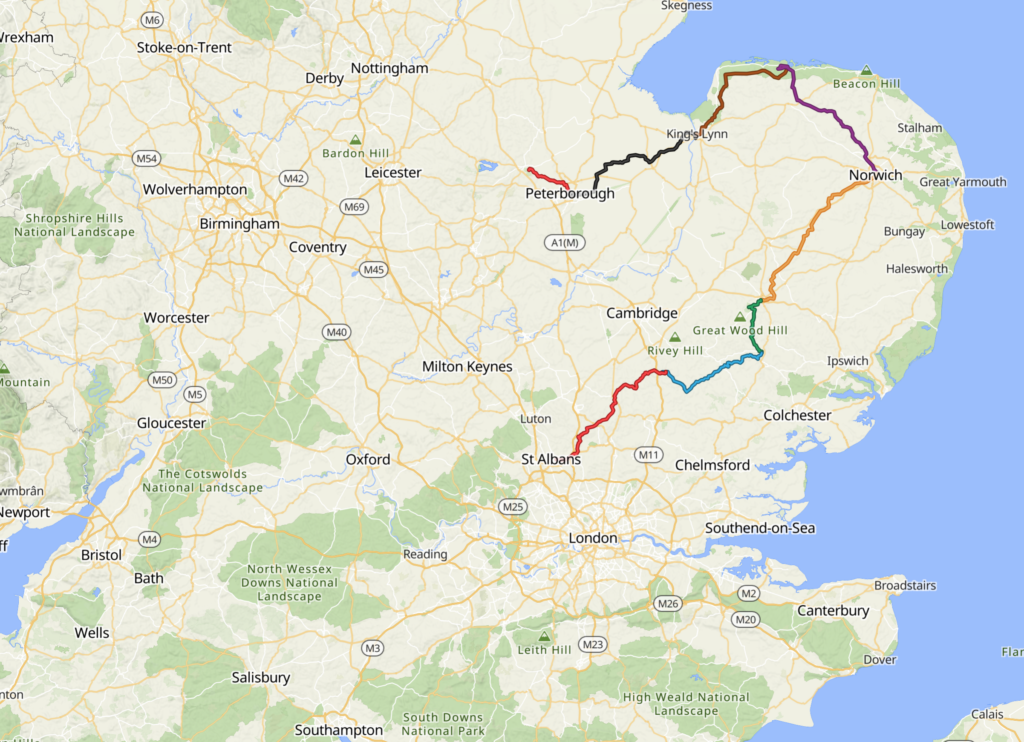
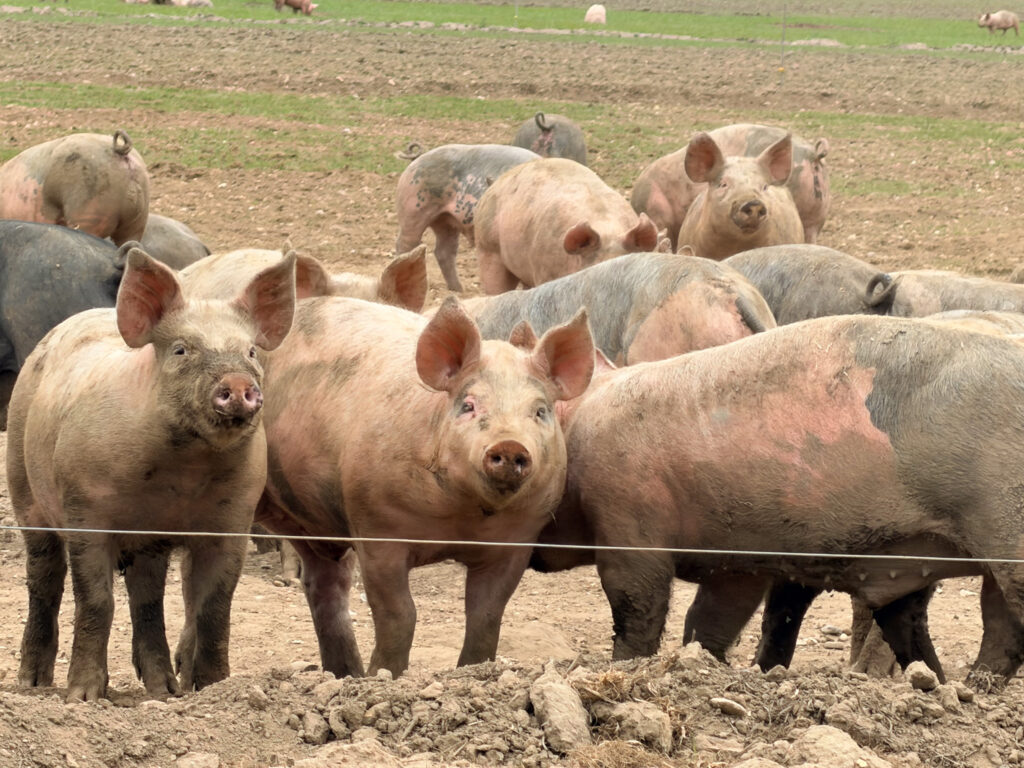
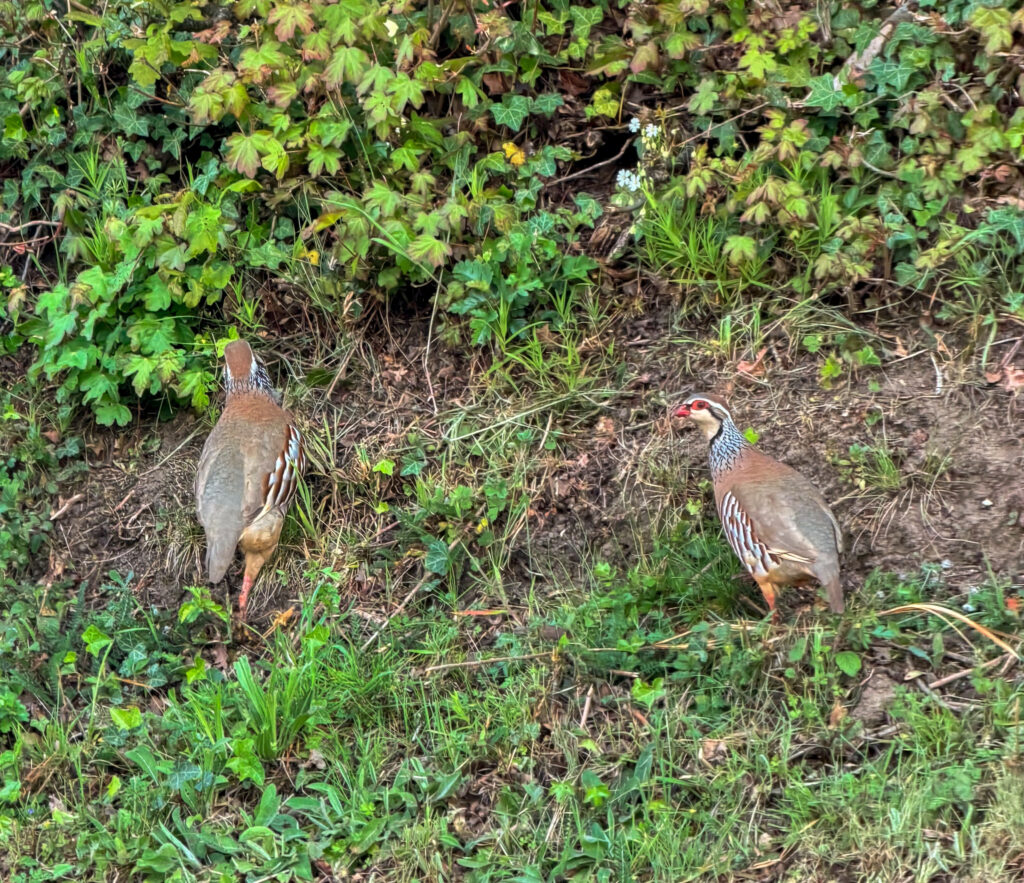
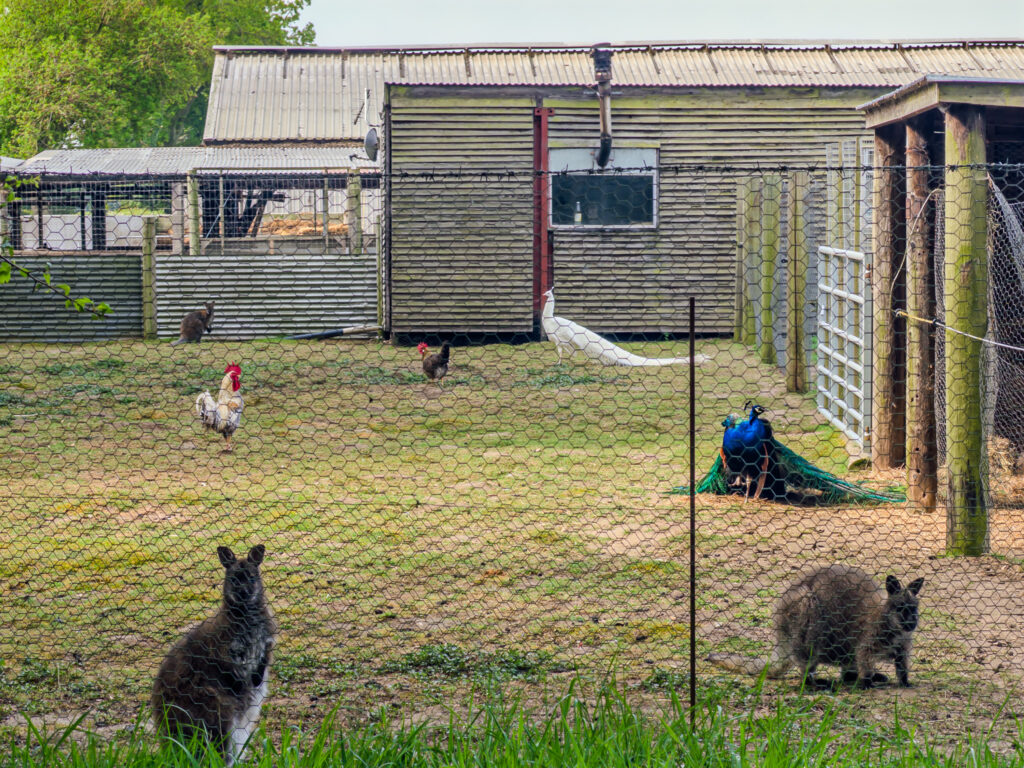
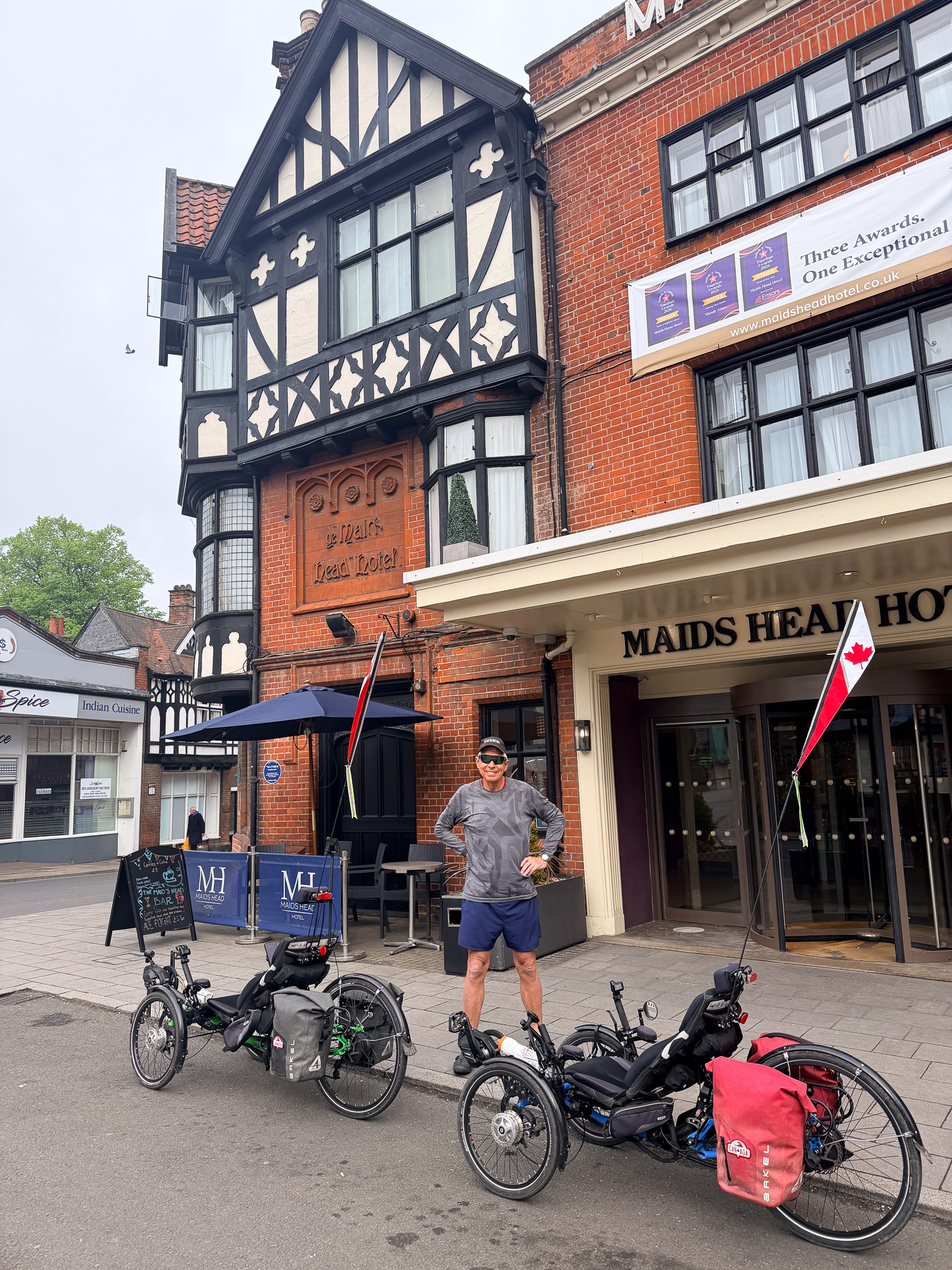
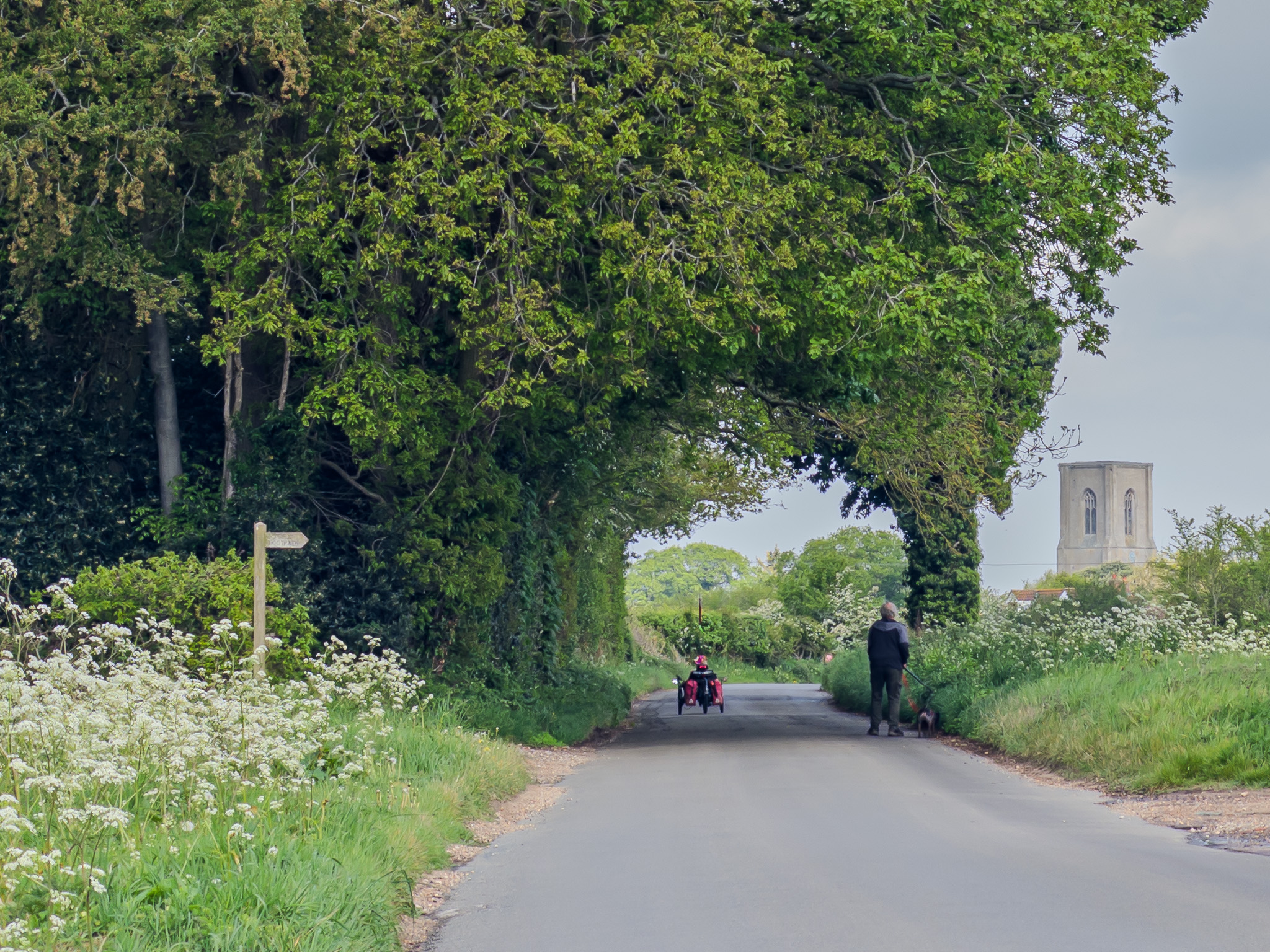
We left the Maid’s Head Hotel in Norwich early on Sunday morning because we had a big ride ahead, to Wells-Next-The-Sea. Along the way we encountered wildlife: snails, pheasants, Spring lambs, kangaroos (!!!) and free range pigs.
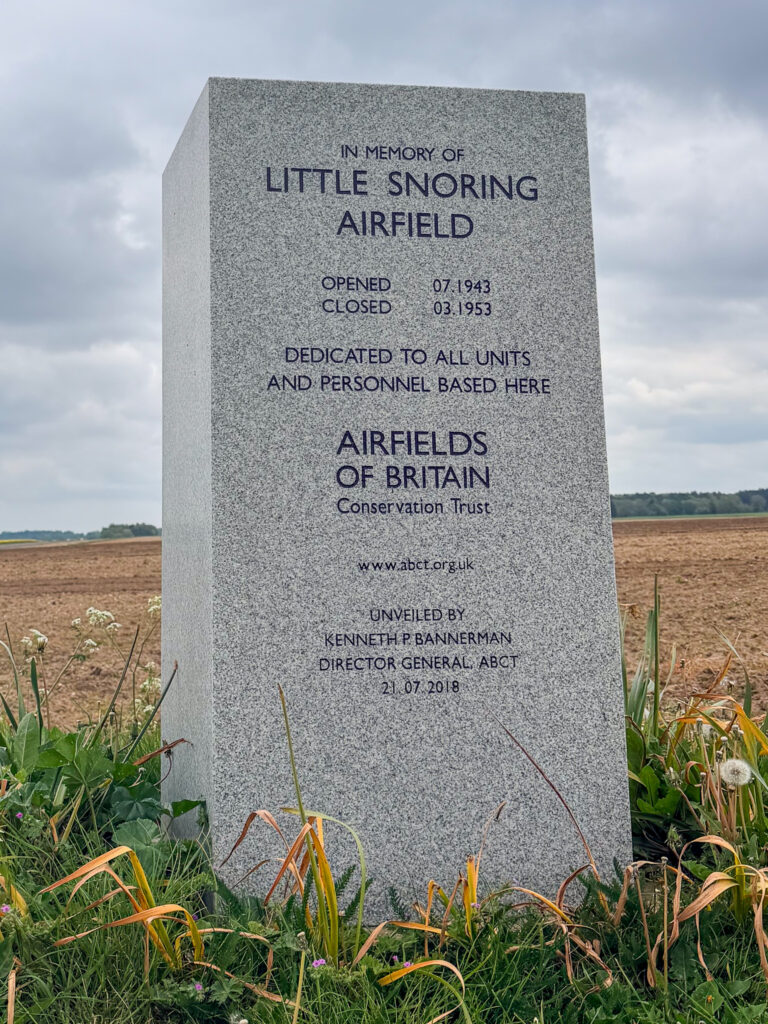
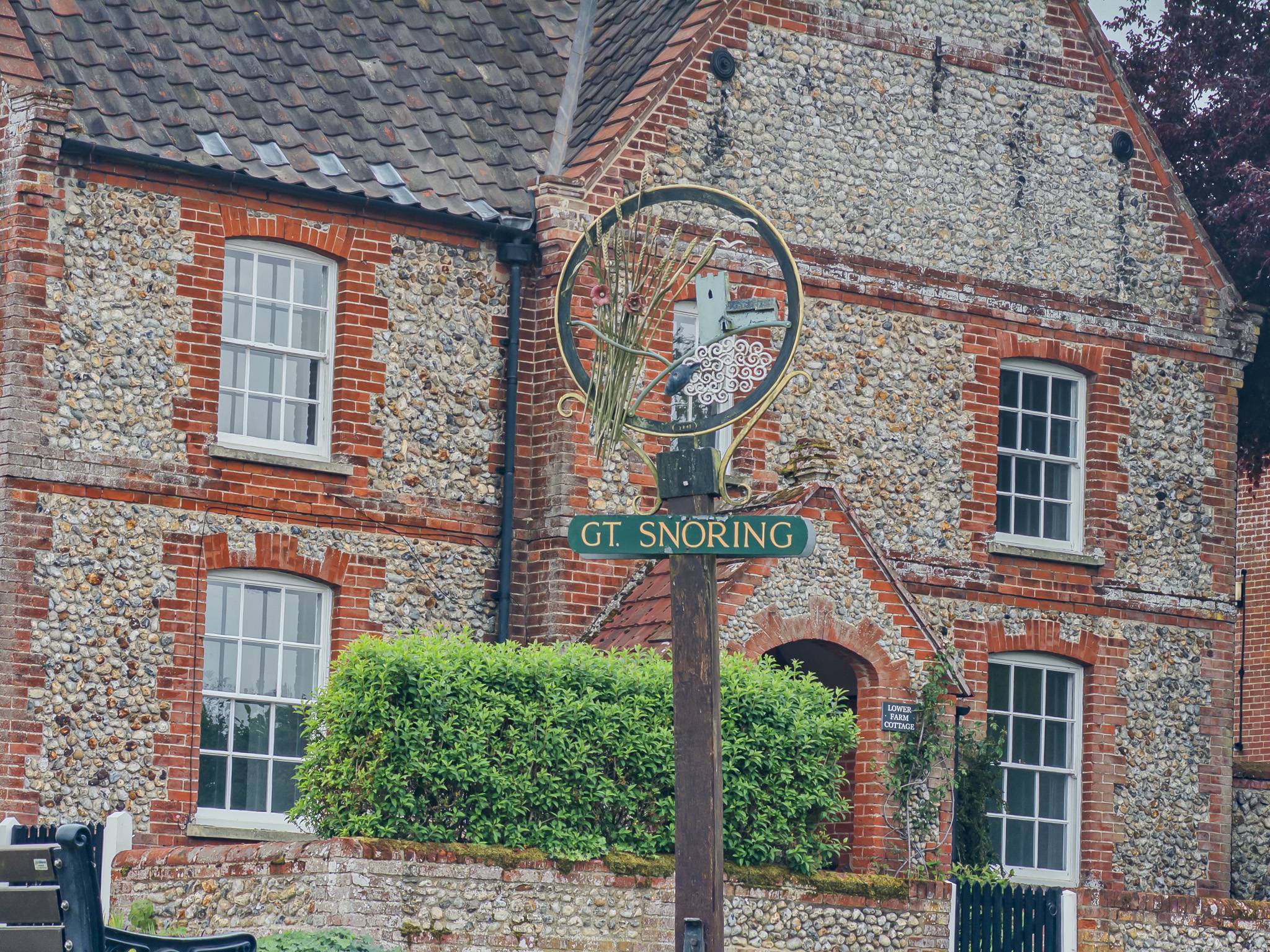
We passed a decommissioned airfield in Snoring (“Snoring” – for real). There are defunct airfields from WWII all over the UK.
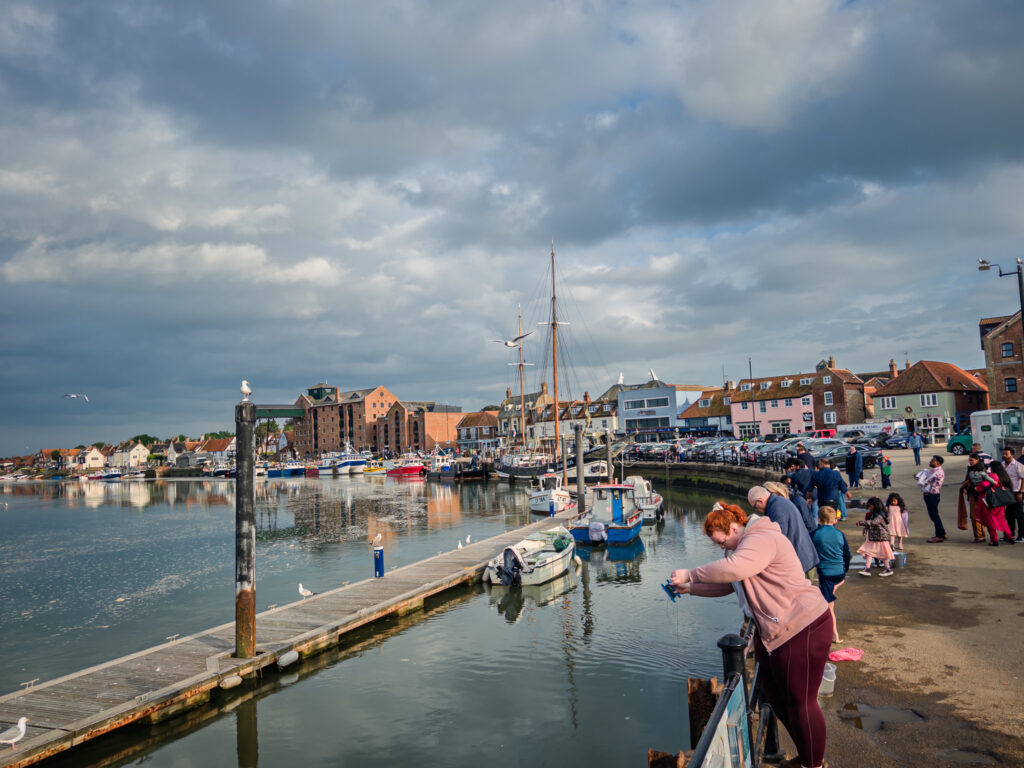
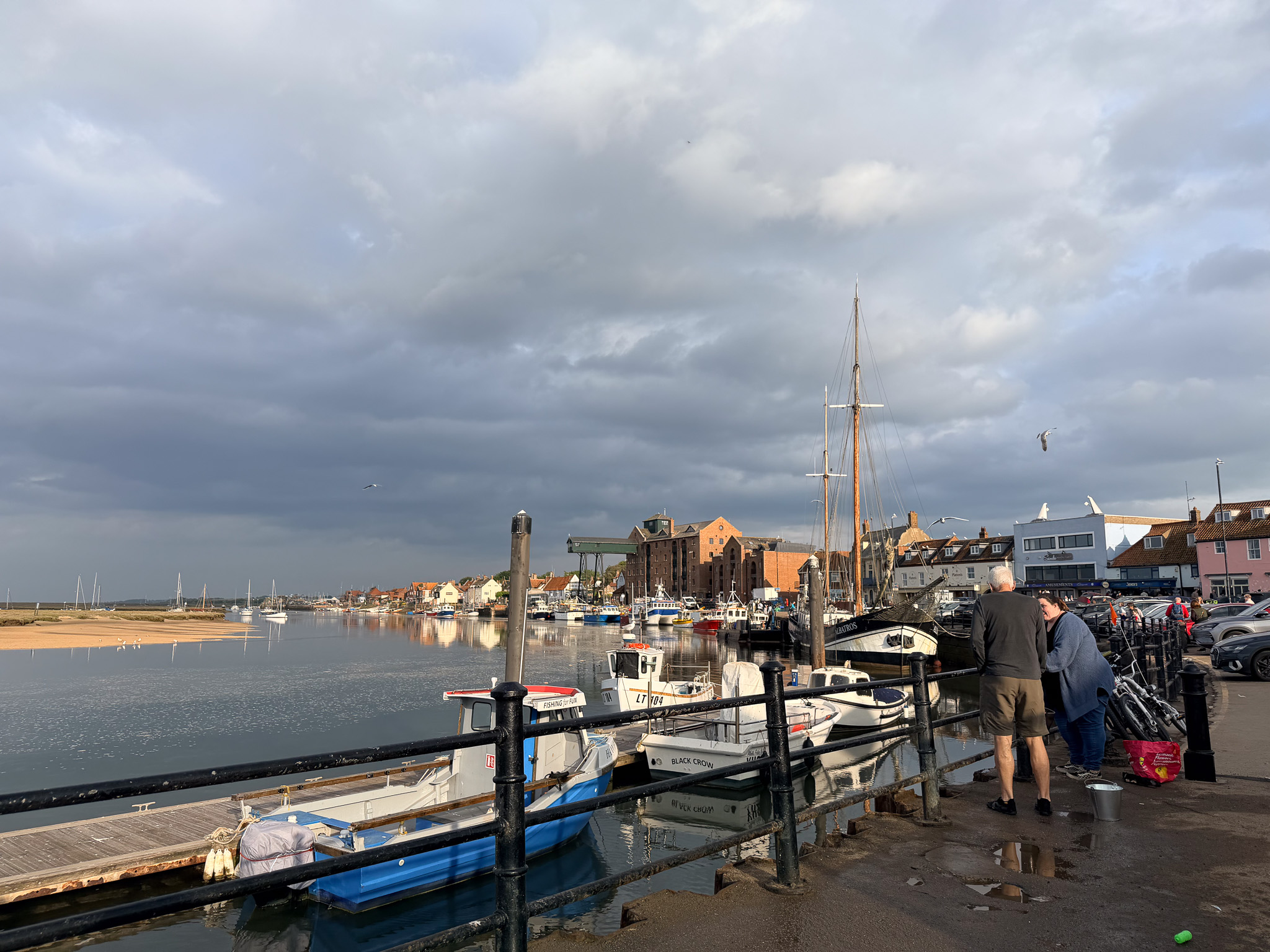
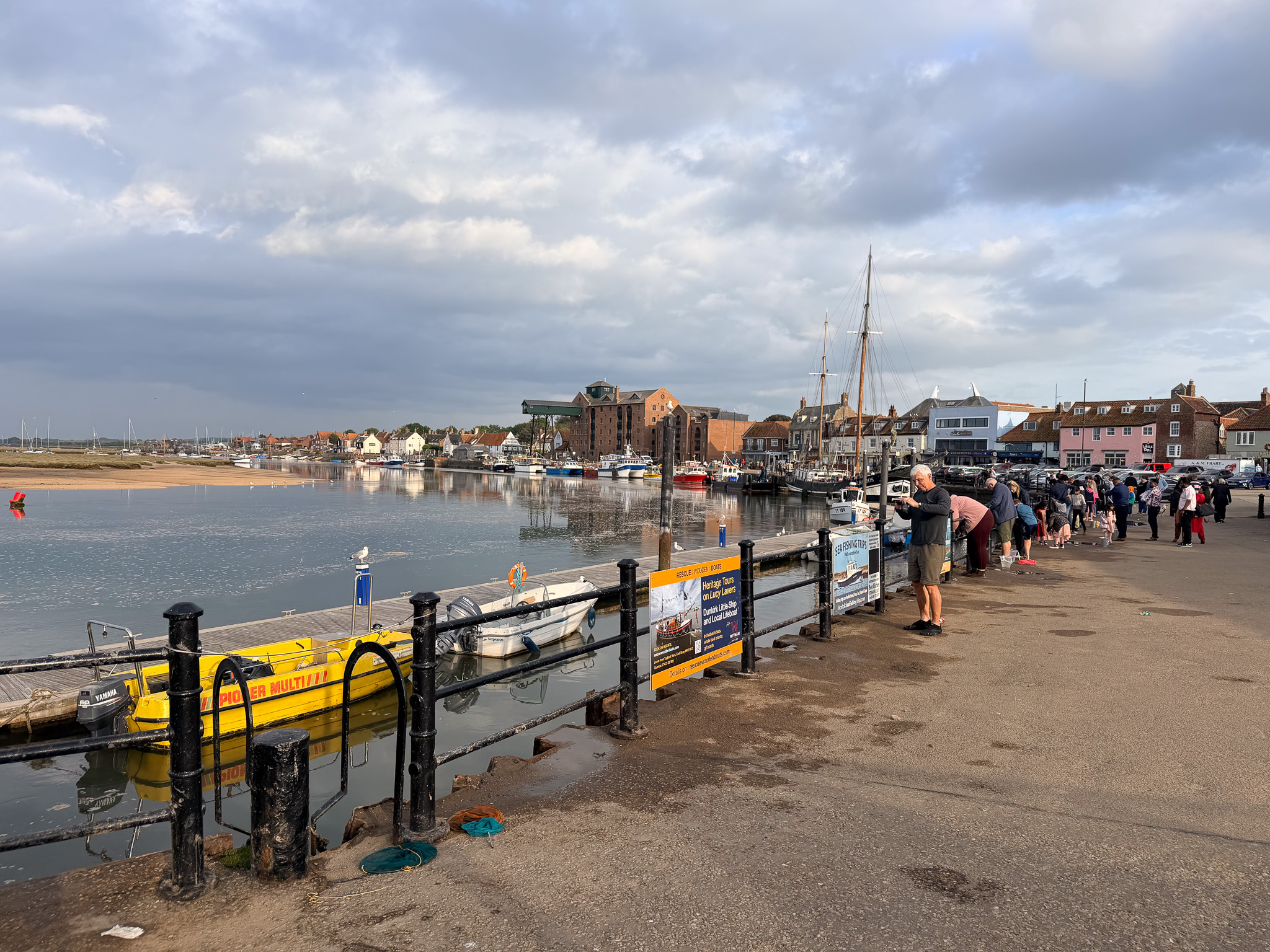
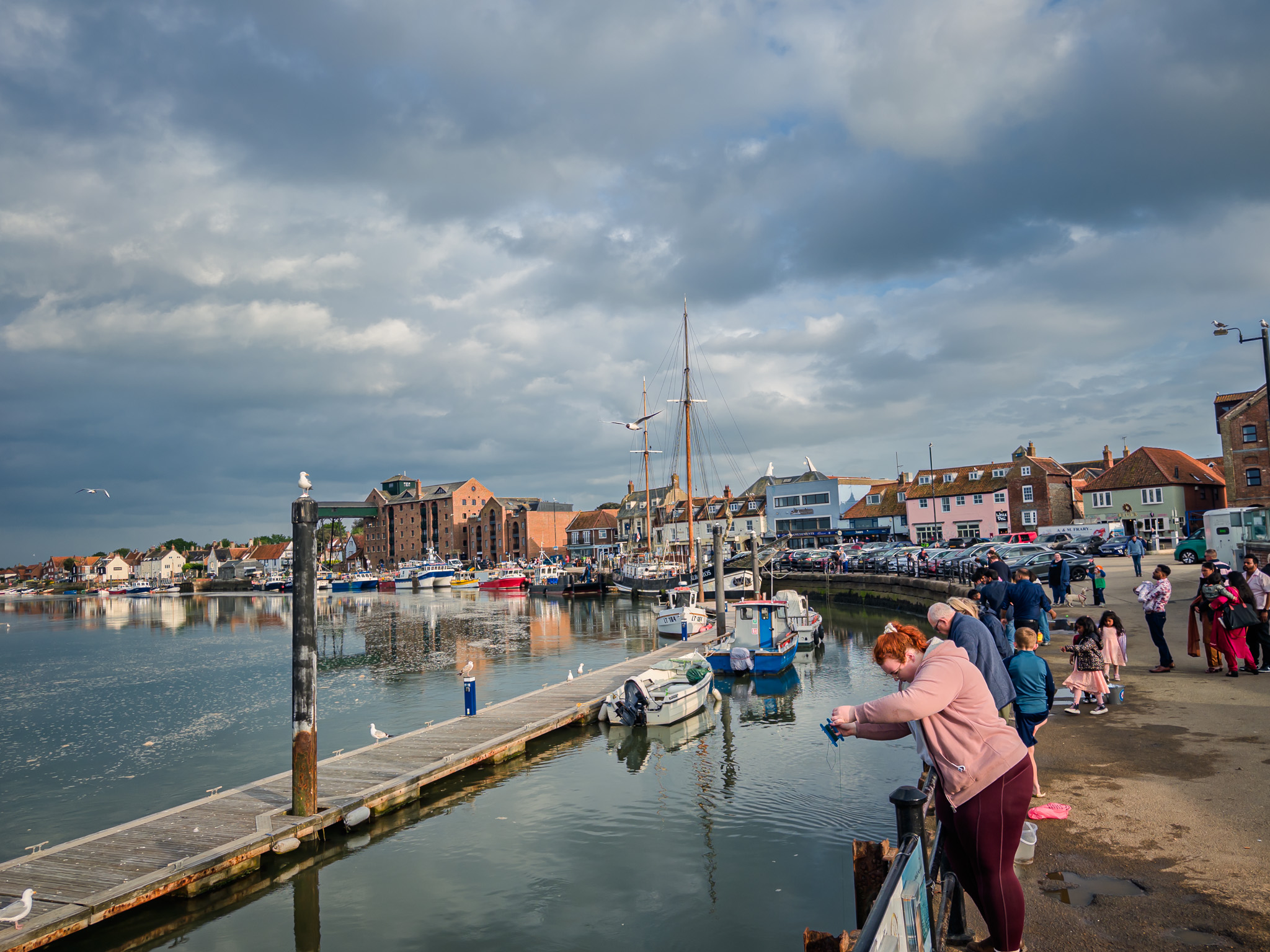
We checked into the Globe Inn in Wells-Next-the-Sea, and, anxious to see the ocean we walked down the alley to the end of Wells-Next-The-Sea’s estuary which was packed with other walkers on this Bank Holiday Sunday. A helpful volunteer in the Information Centre recommended that we get to “Holkam Park” before it closed, so we headed back to the hotel, jumped on the bikes, and rode 4 km to the estate.
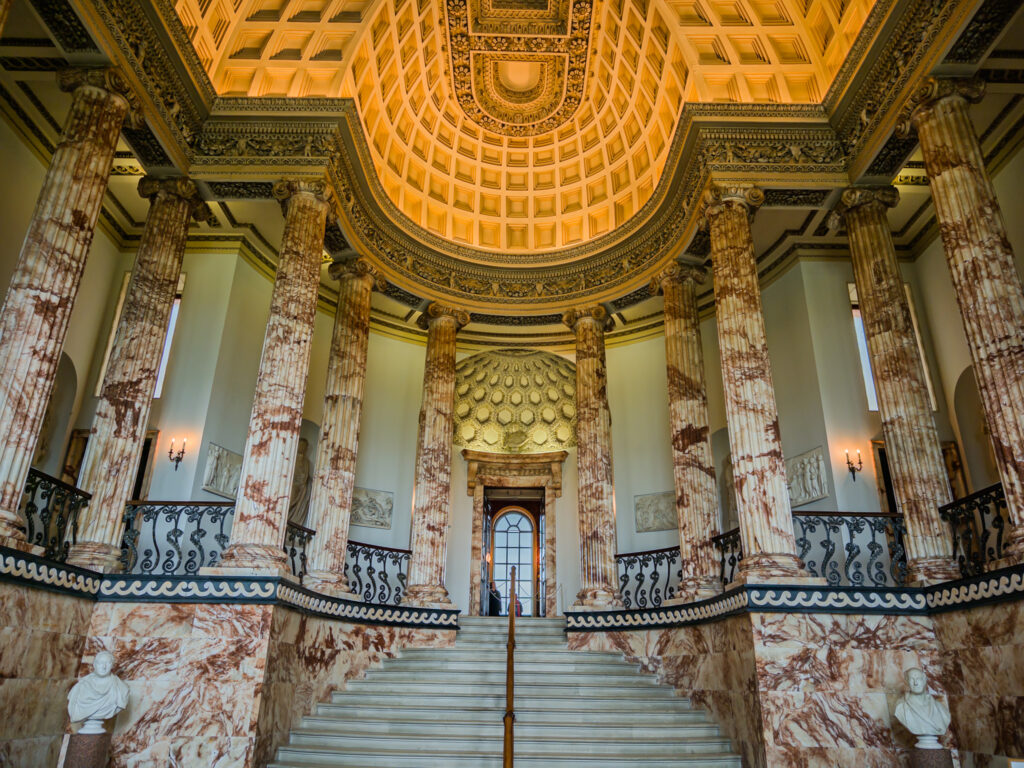
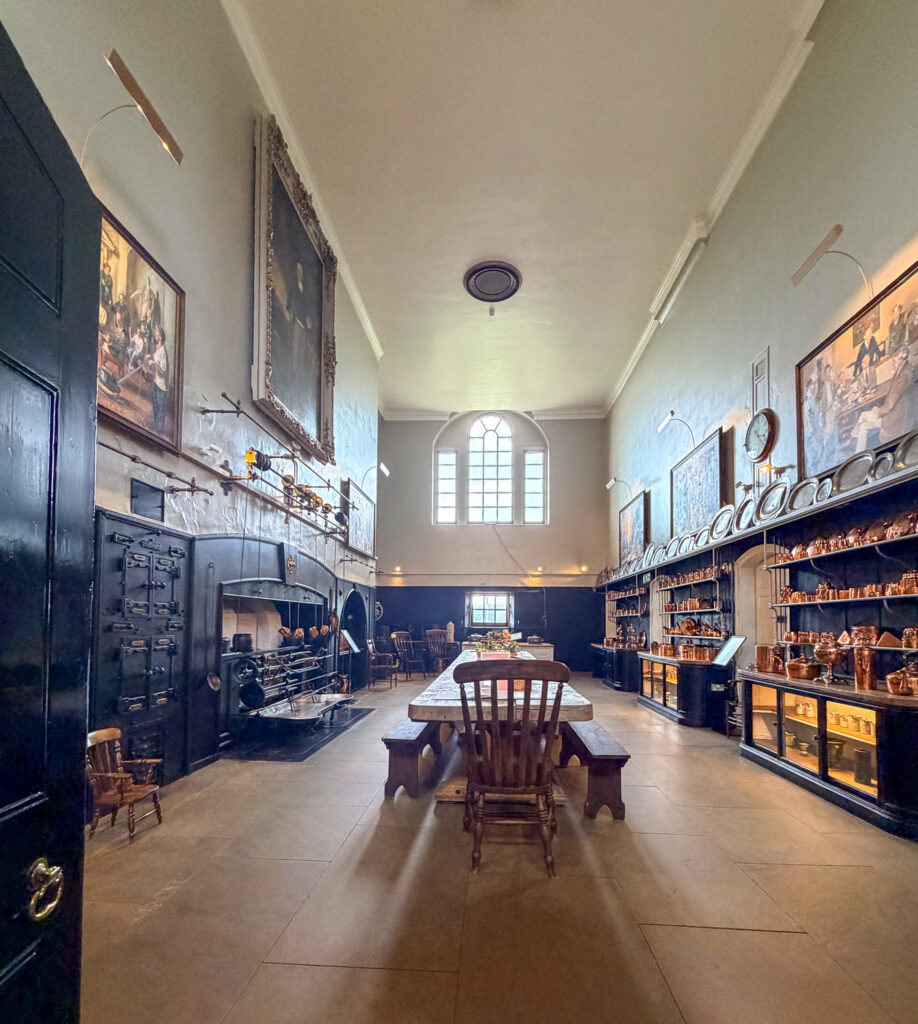
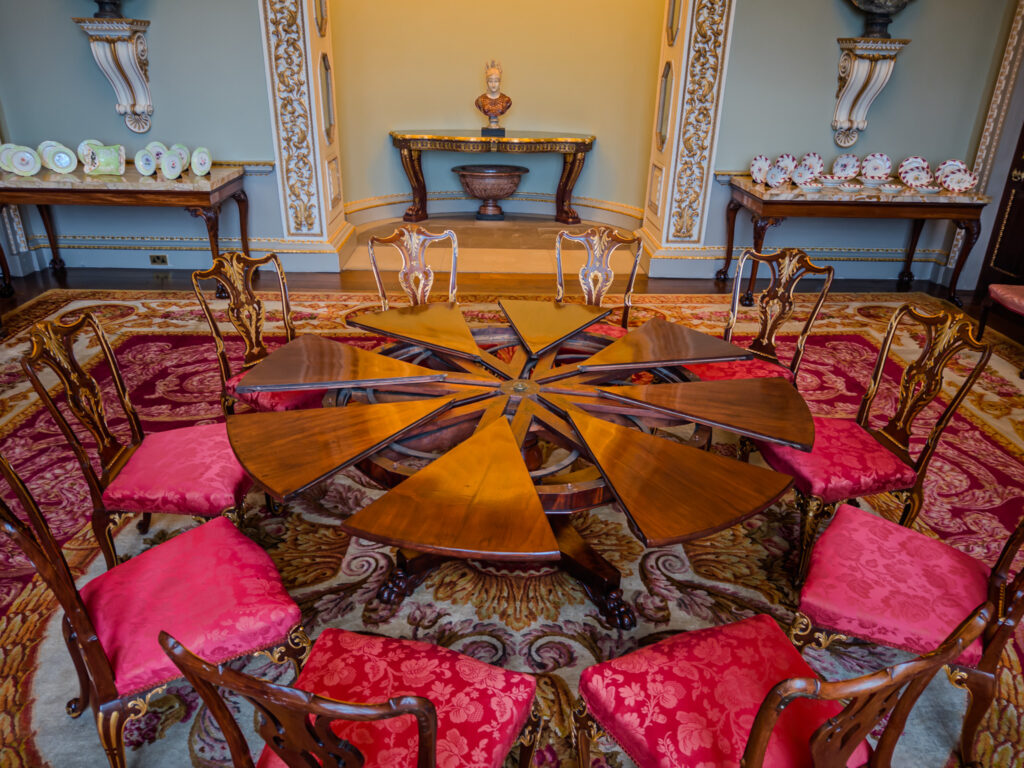
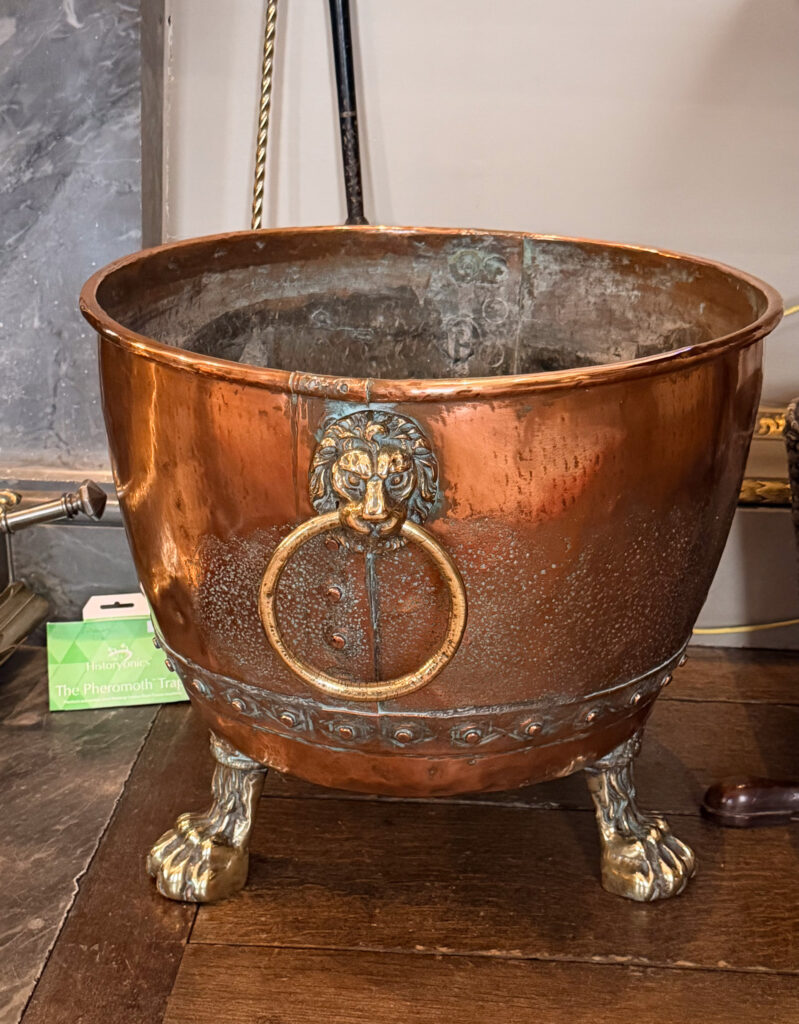
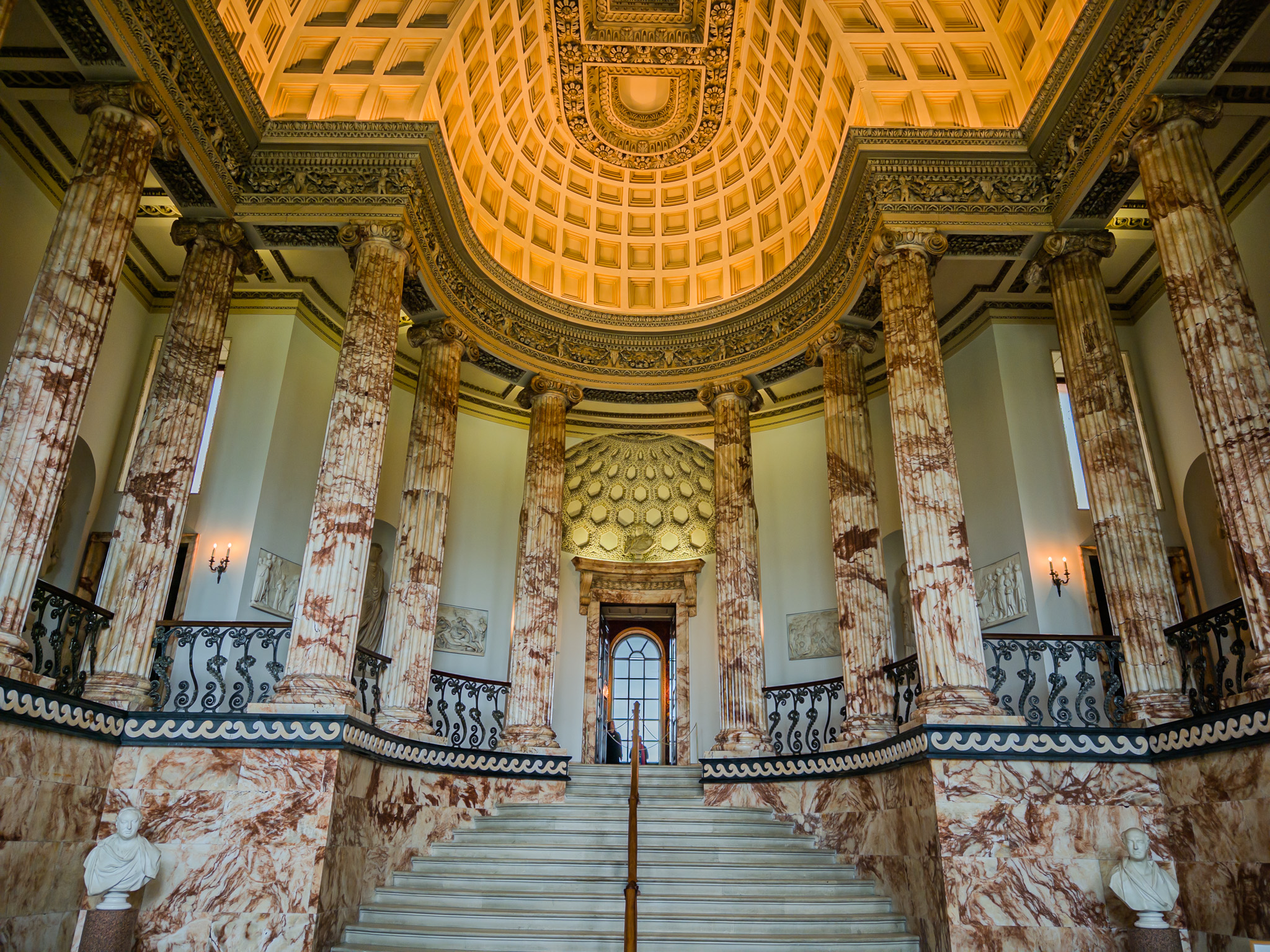
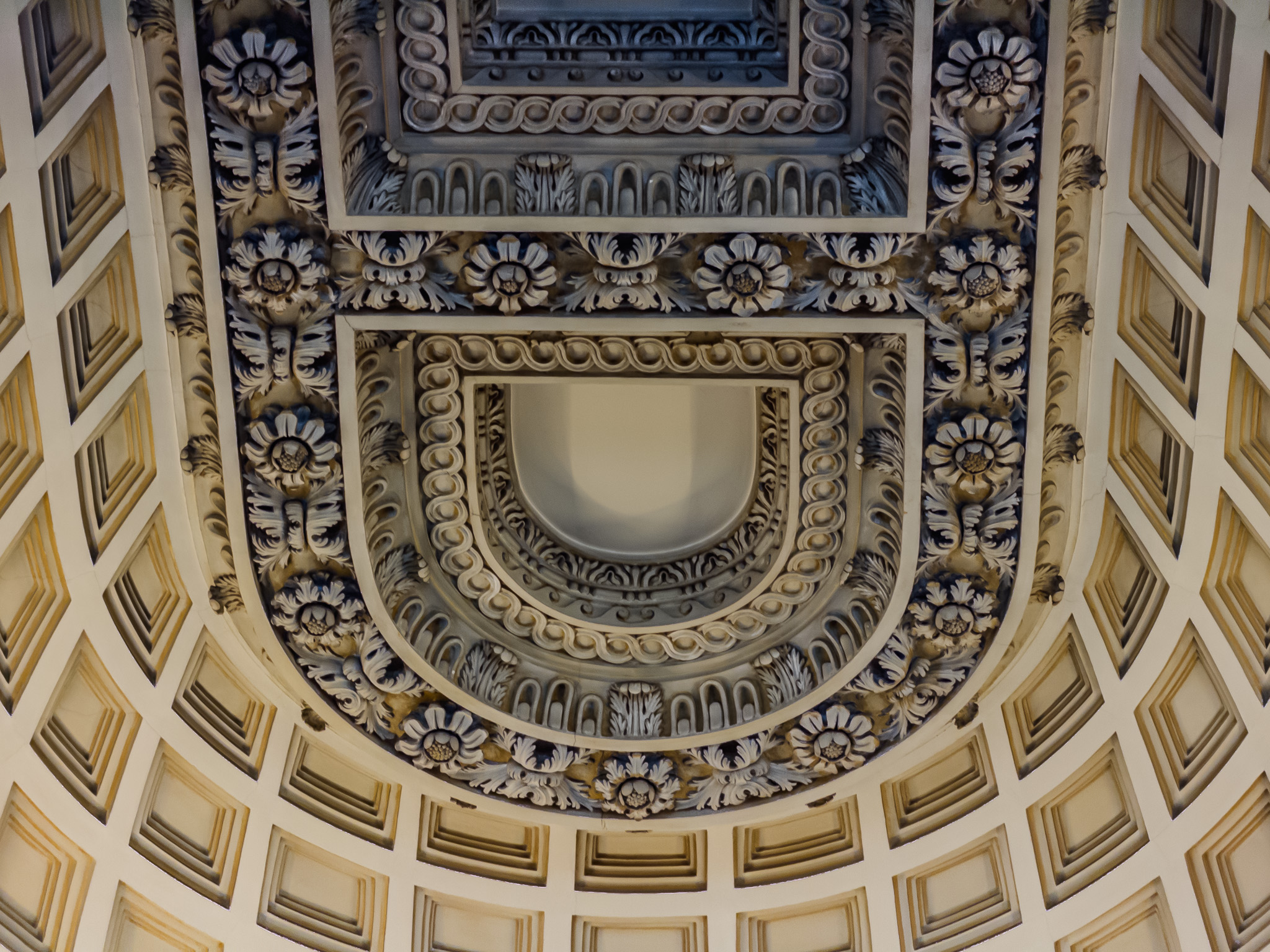
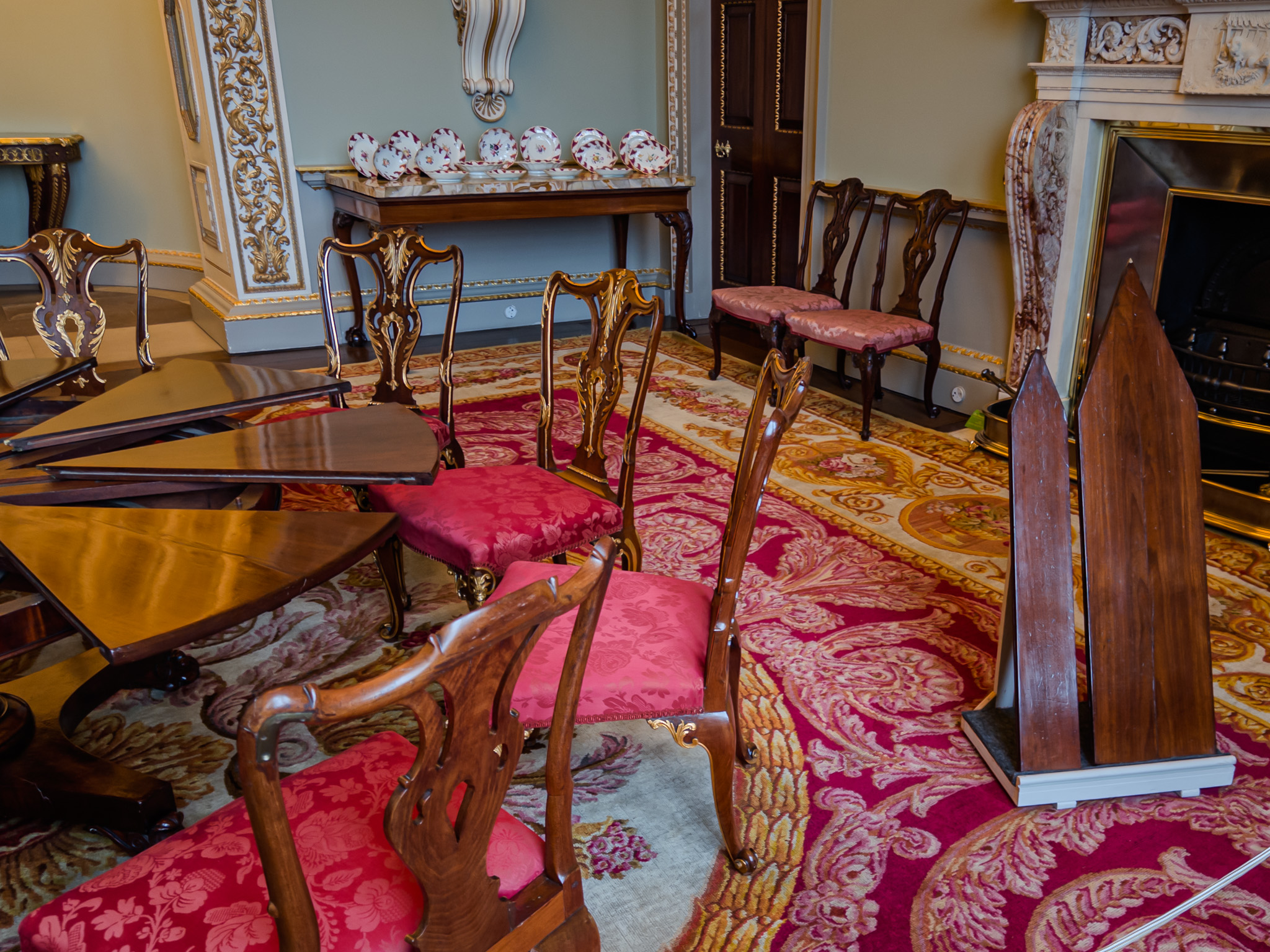
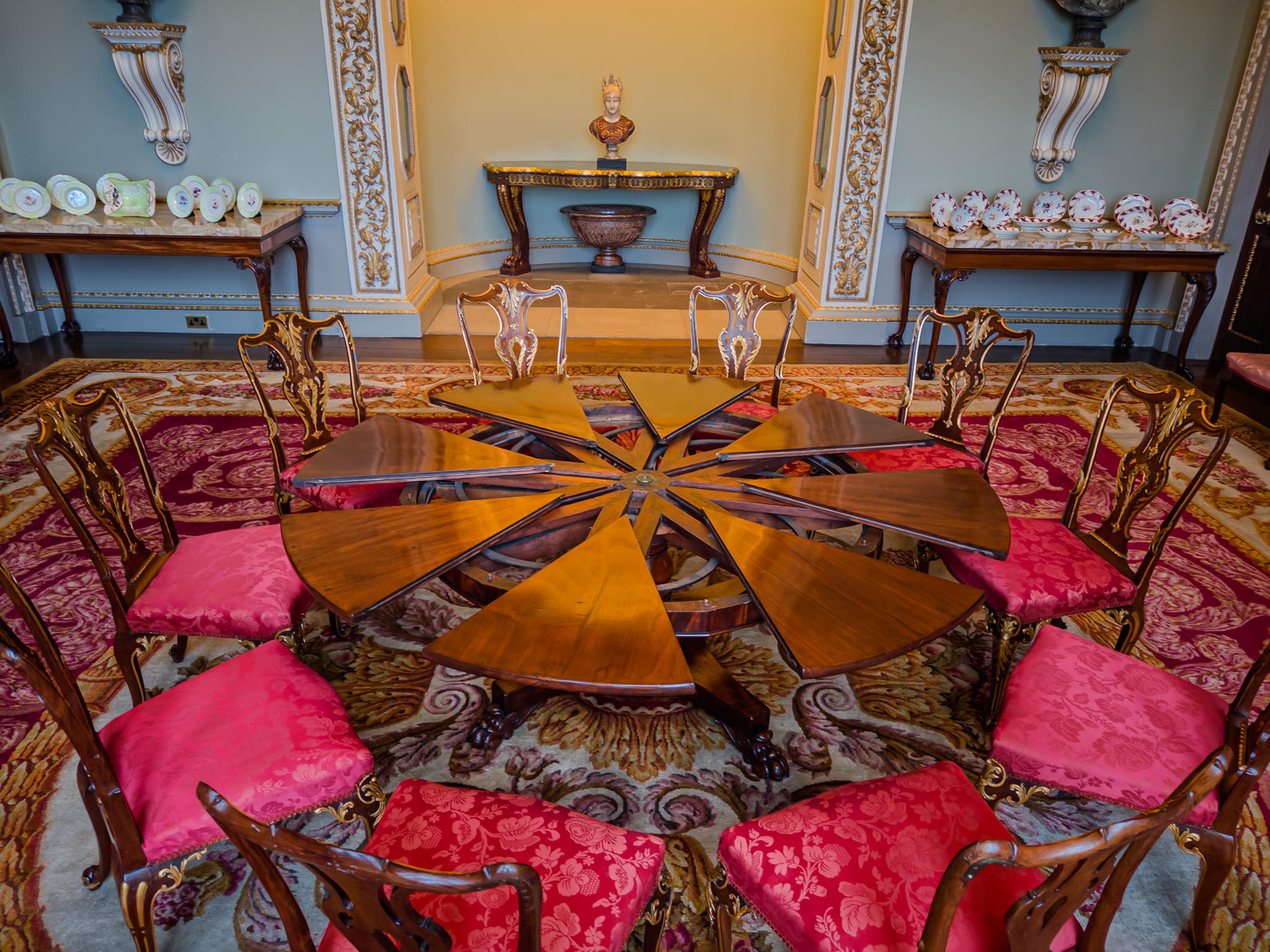
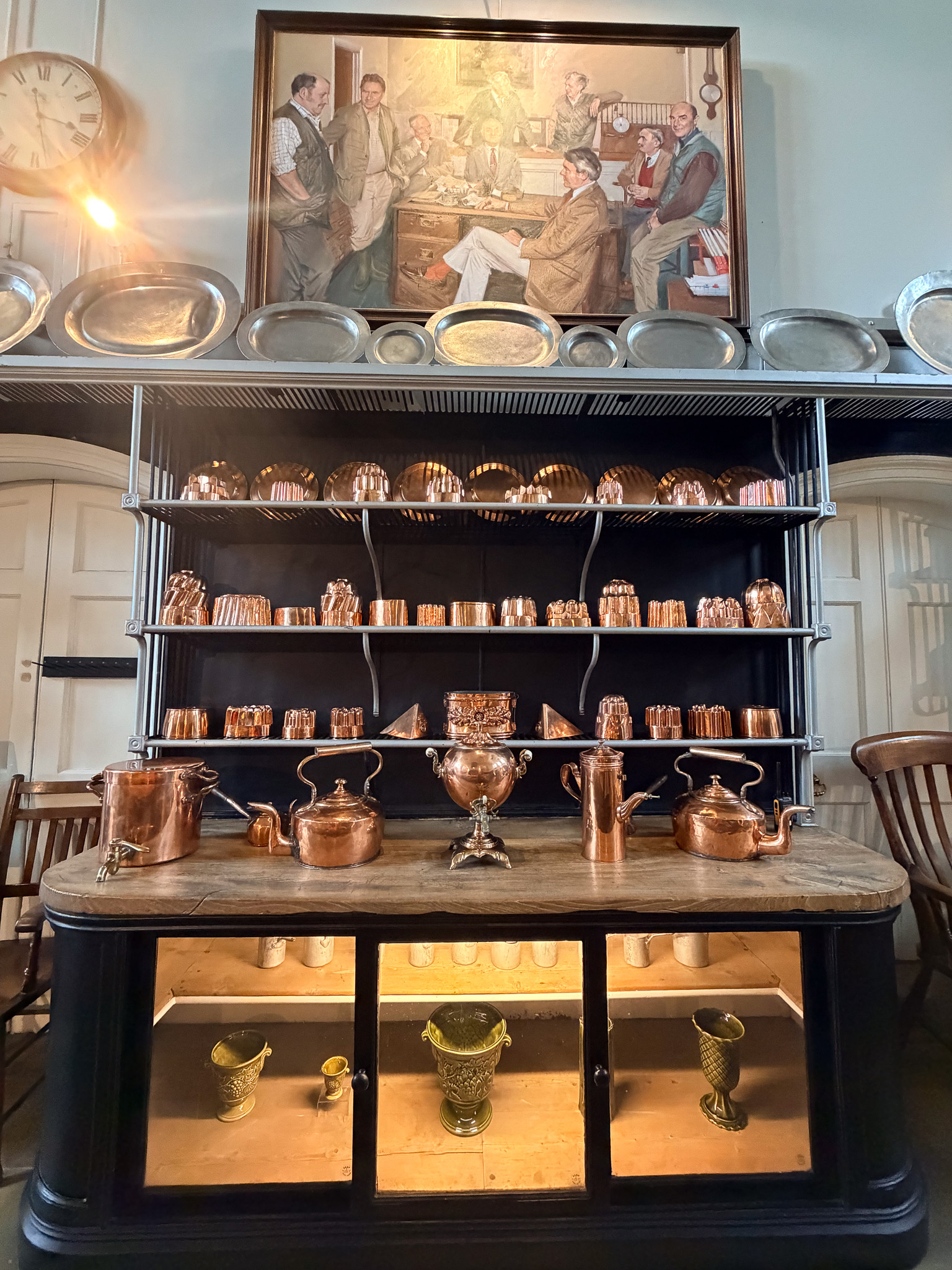
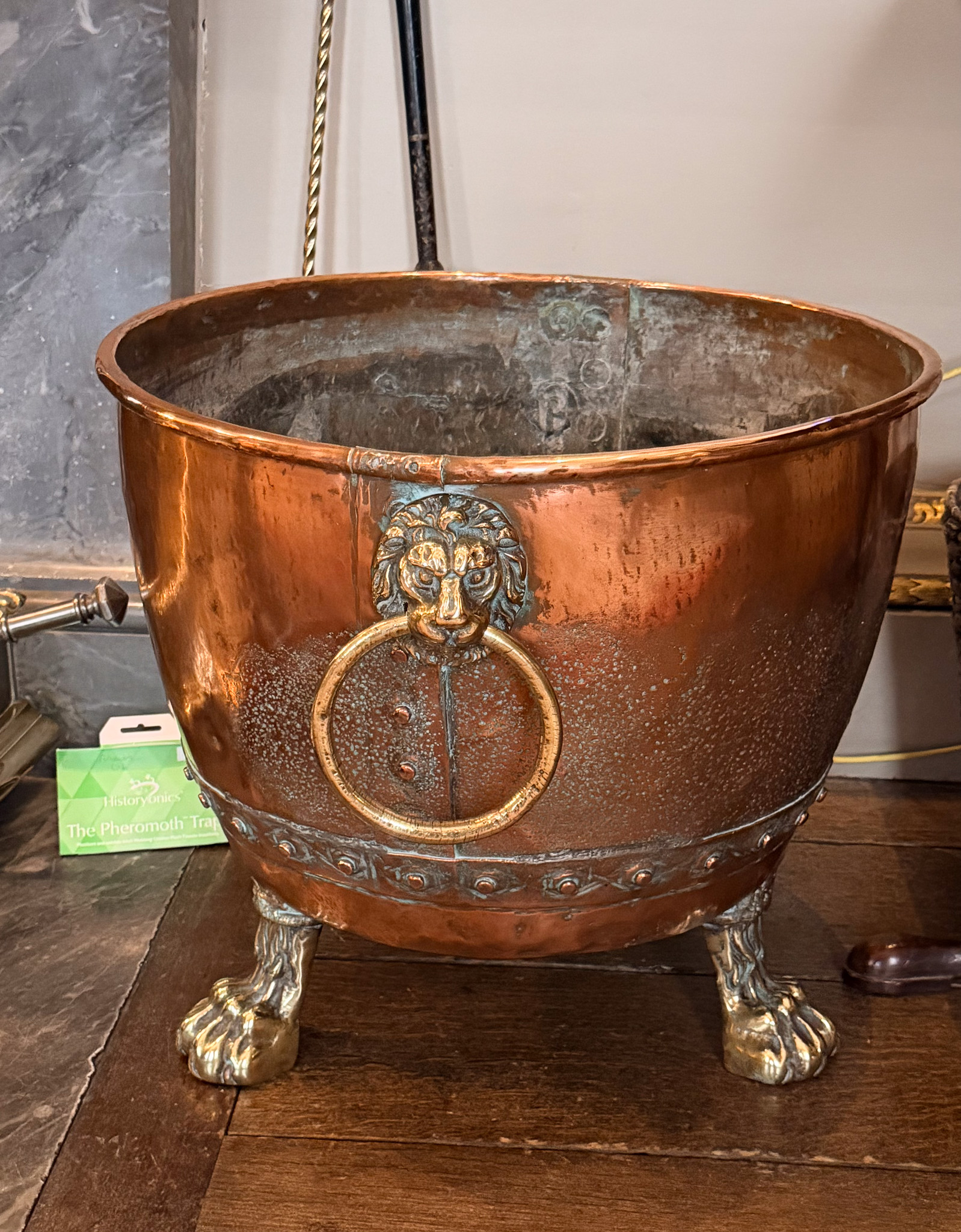
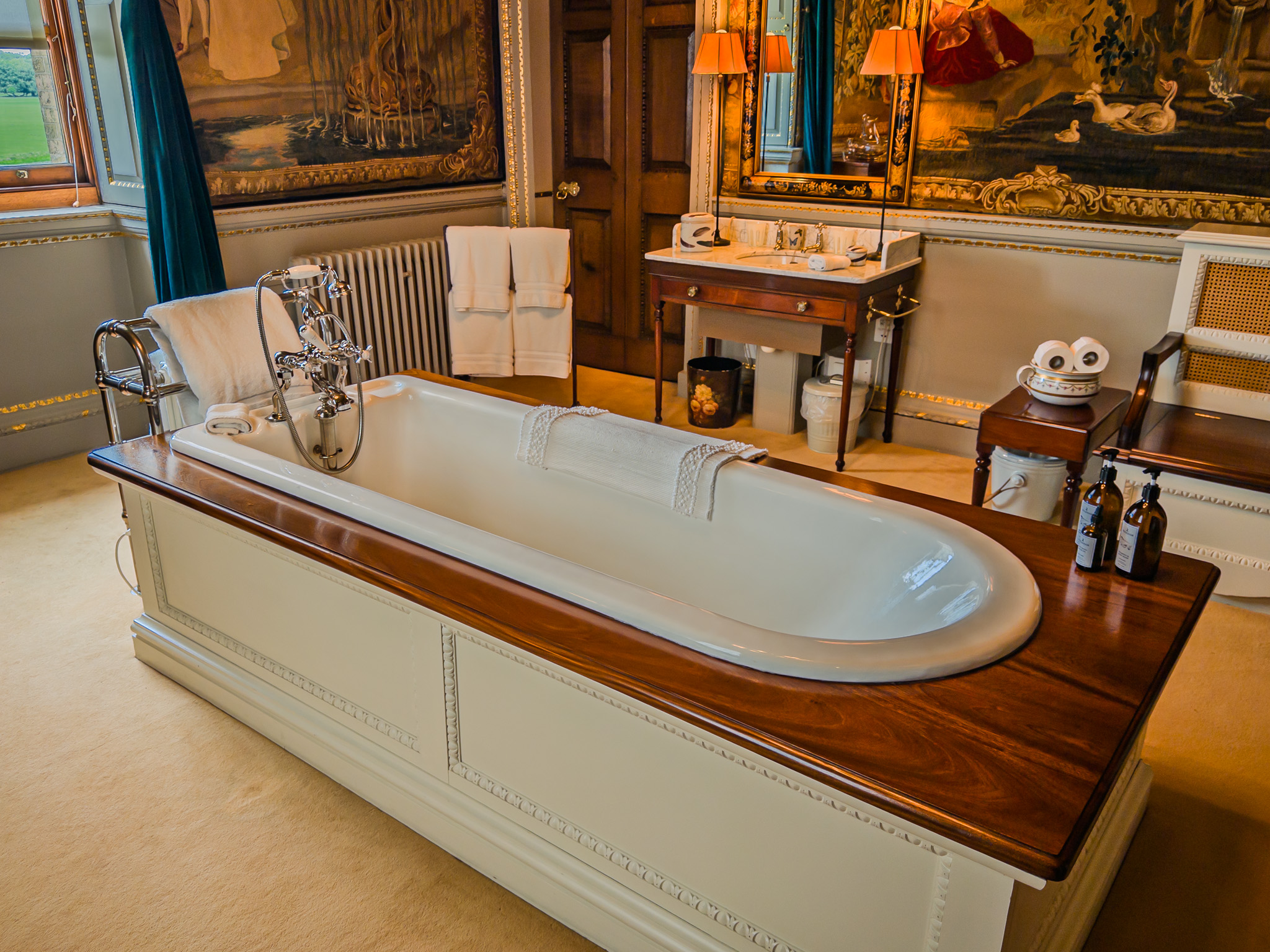
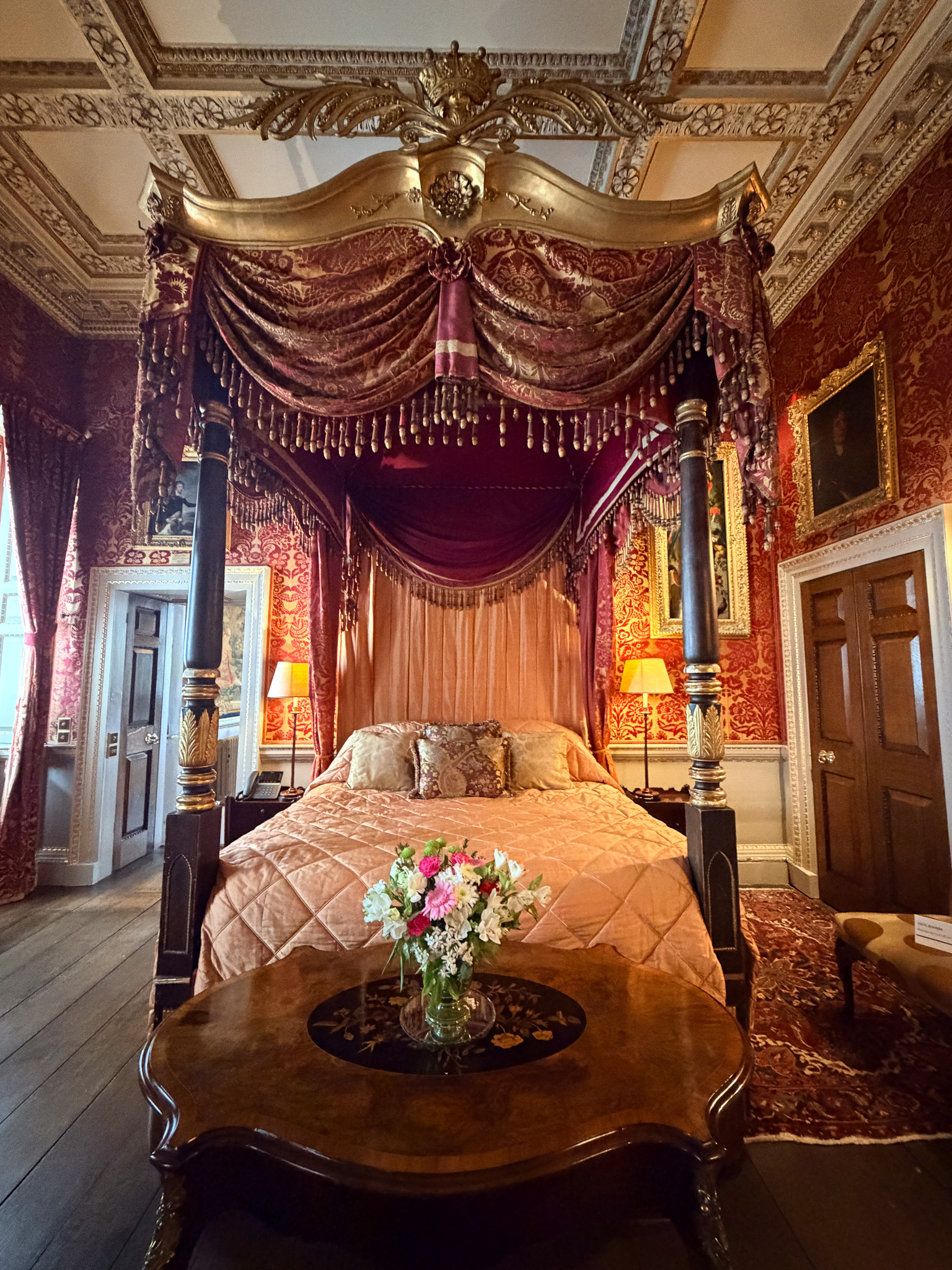
Holkam Park was built by Thomas Coke (pronounced “Cook”), the first Earl of Leicester, to house the souvenirs – Italian art and manuscripts – that he bought on his six year long Grand Tour. The house was built from 1734-1764. “Palladianism”. It’s a massive collection. When you walk into the home, you step into a hall lined in alabaster. And from there, it gets better and better. I loved the copper in the kitchens. The estate is still in the possession of the Coke family. They’ve been canny with death taxes (estate taxes, inheritance taxes, often 80% on large estates), and with building alternate incomes – tourism and farming – to support the estate. John especially liked the circular expandable dinner table in the dining room.
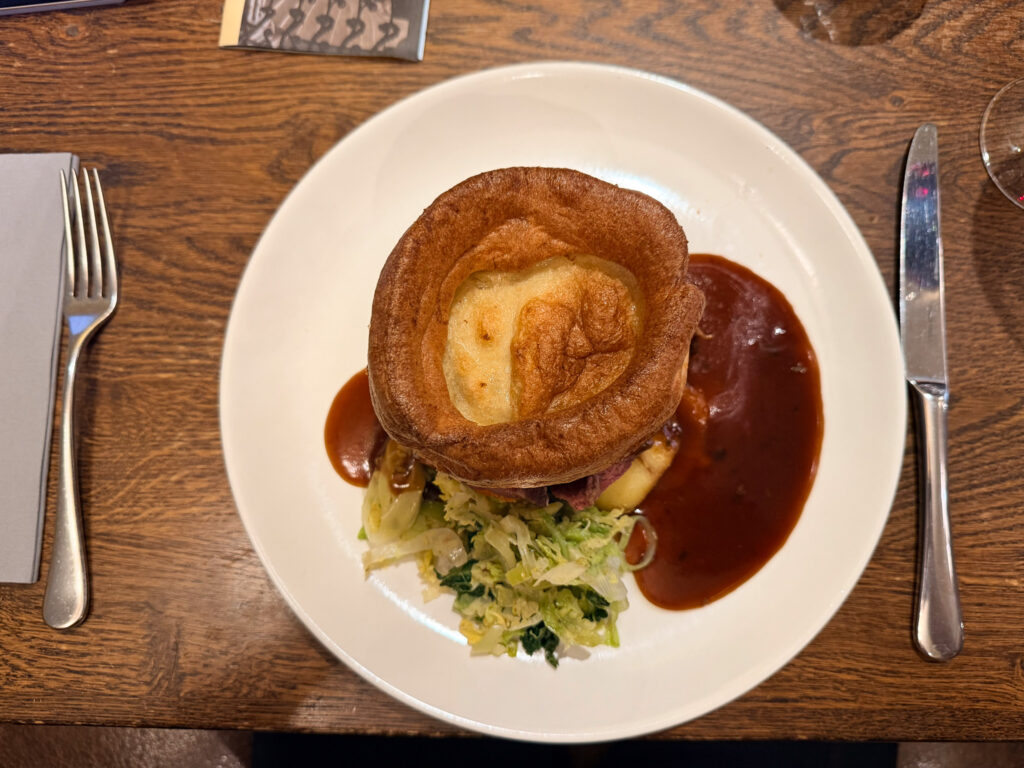
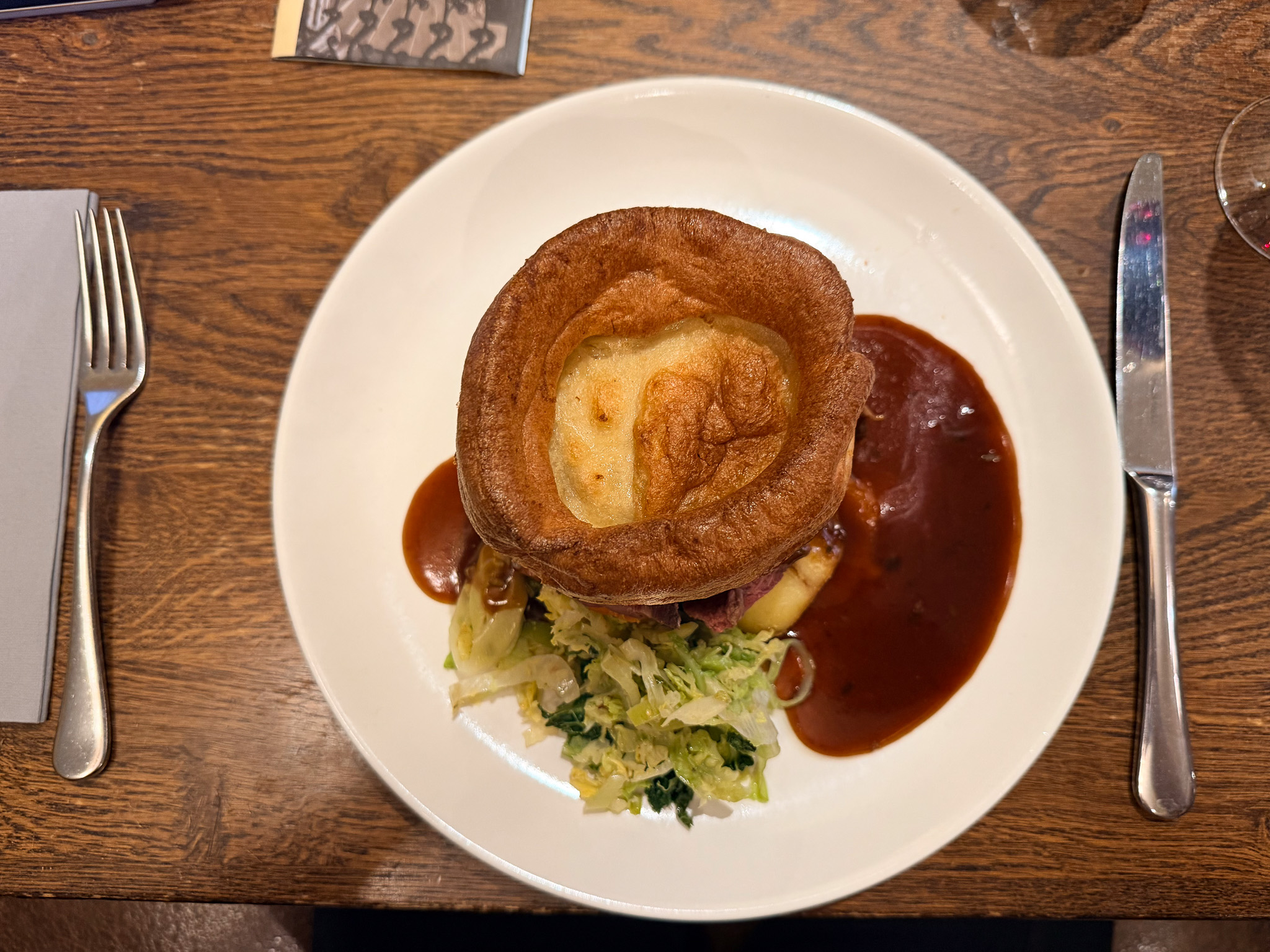
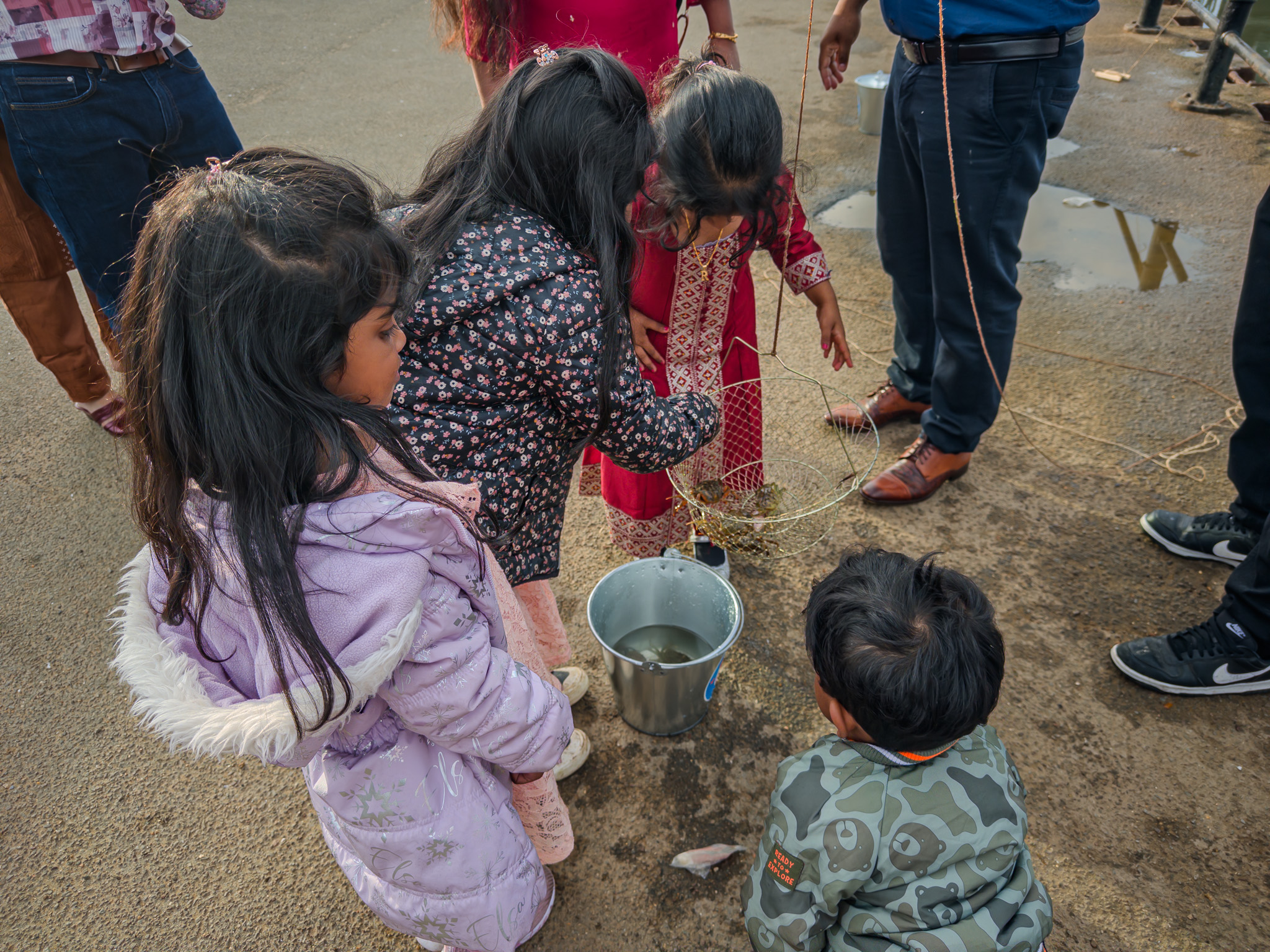
We headed back to the Globe Inn, locked up the bikes in the ‘garden’ along with pub guests and dogs, checked in for our boisterous Sunday Roast. (Not as good as The George, in London, but Yorkshire Puds and lashings of gravy are always welcome on a chilly English day.) After dinner we went for a strong along the estuary, the snacker enjoyed his cone, and we watched young children fishing for baby crabs. See photos at the bottom of this post.
57 + 8 = 65 KM.
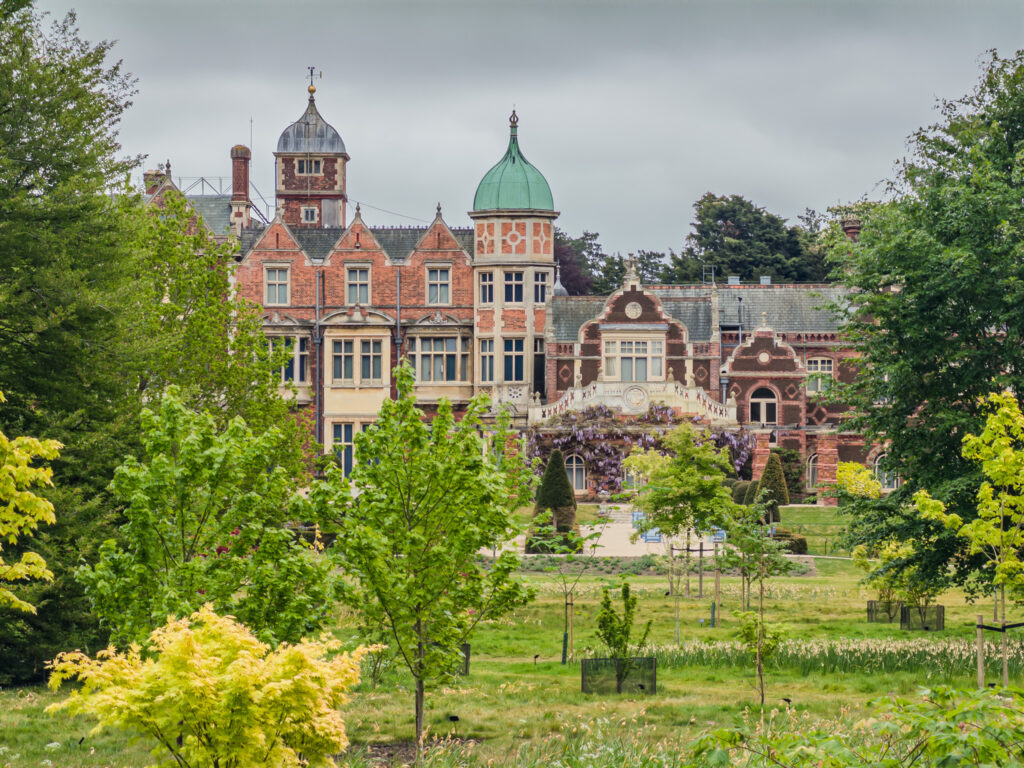
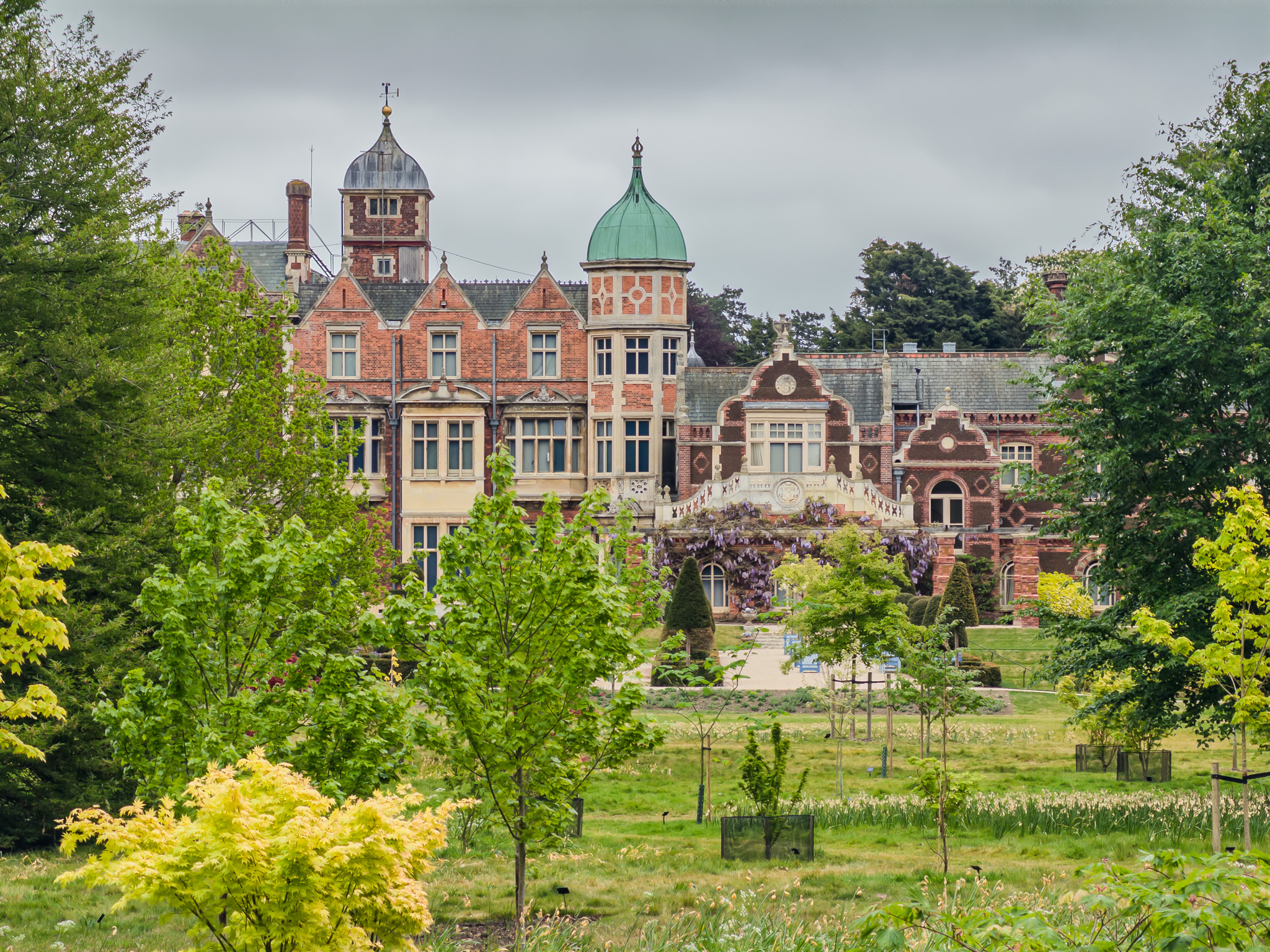
Monday morning our agenda was to visit Sandringham, then push on to King’s Lynn. Sandringham is a country house and estate located in the parish of Sandringham, Norfolk, England, covering approximately 20,000 acres of parkland, farmland, and woodlands. It has been a private residence of the British royal family since 1862, when Queen Victoria purchased it for her son, Prince Albert Edward, later King Edward VII. Unlike Buckingham Palace or Windsor Castle, Sandringham is privately owned by the monarch, not part of the Crown Estate. Sandringham serves as a winter retreat for the monarch, particularly during the Christmas season and partridge-shooting period. King Charles III and Queen Camilla continue to use the estate for private family gatherings and official royal events.
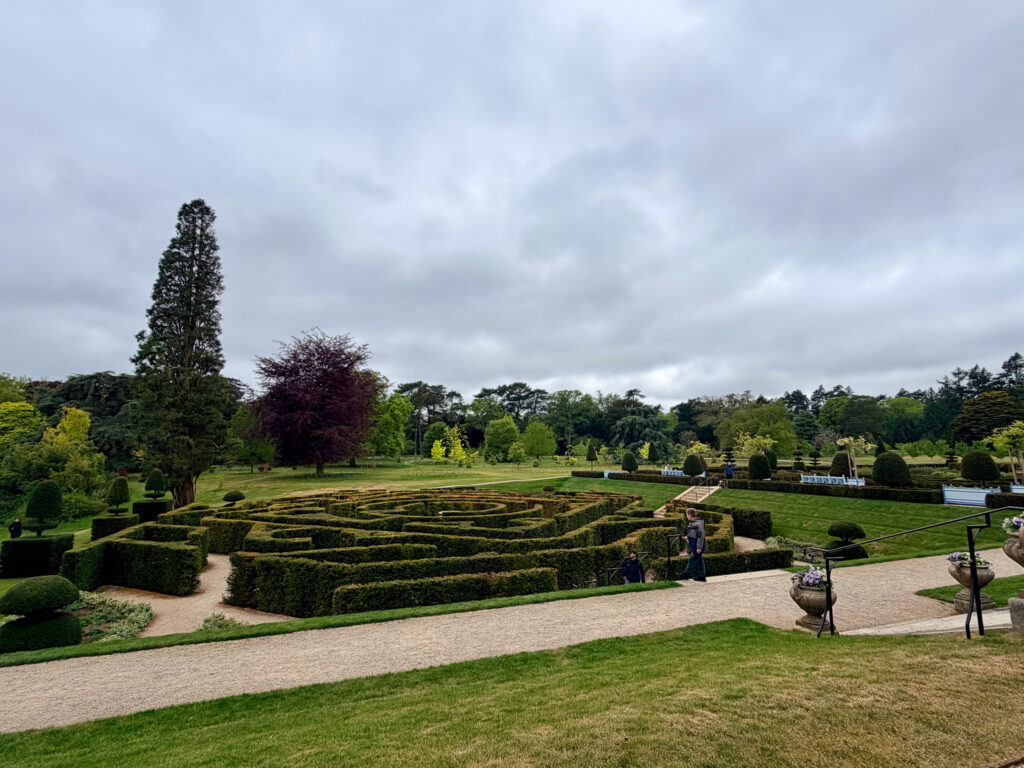
Observation: quite often in these English attractions, the parking lot is a long walk from the actual site you are visiting. I like this. It means that the castle or manor house or museum you’re visiting isn’t in the middle of a parking lot, you actually walk through gardens or parkland, maintaining the integrity of the site.
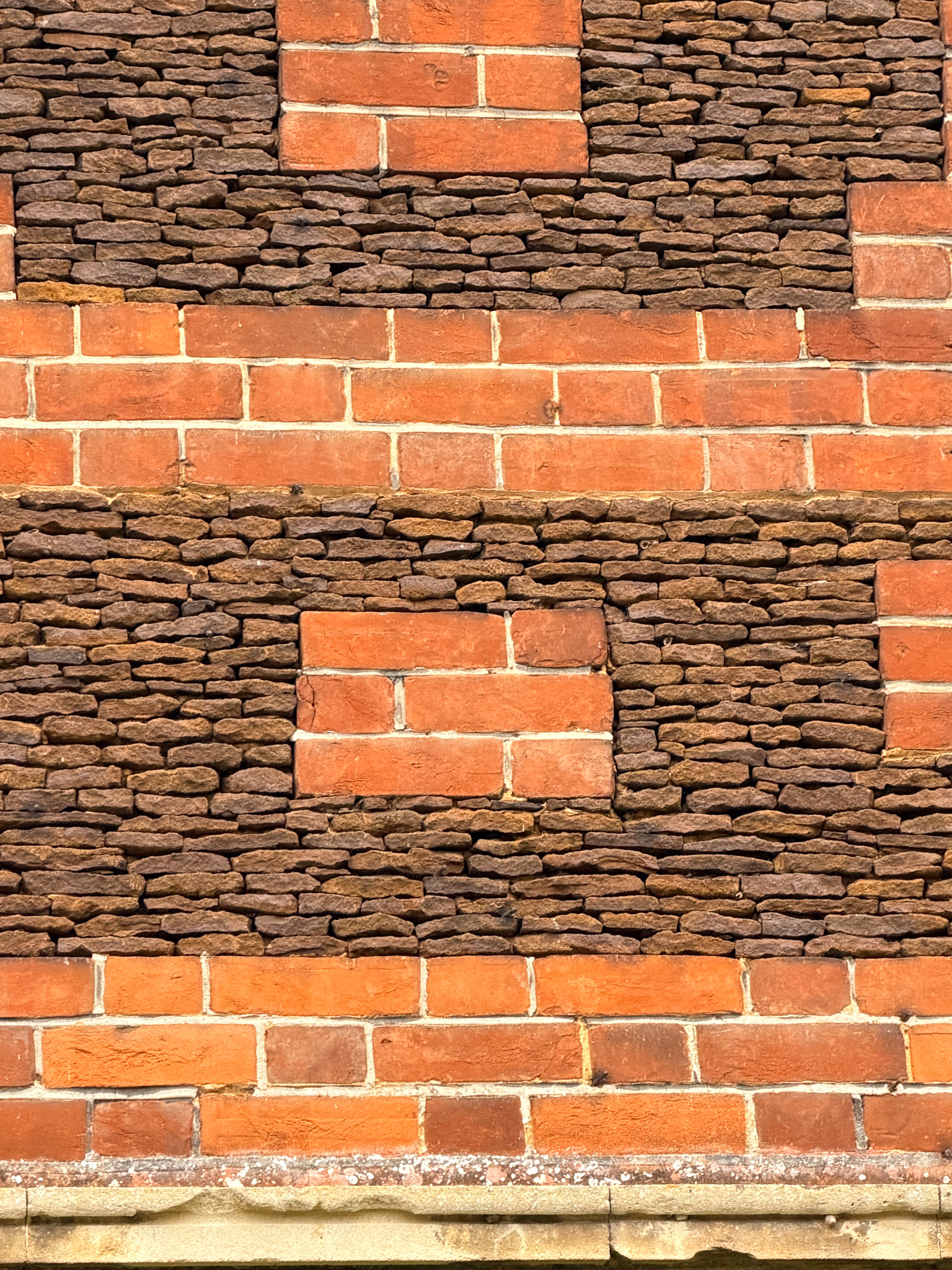
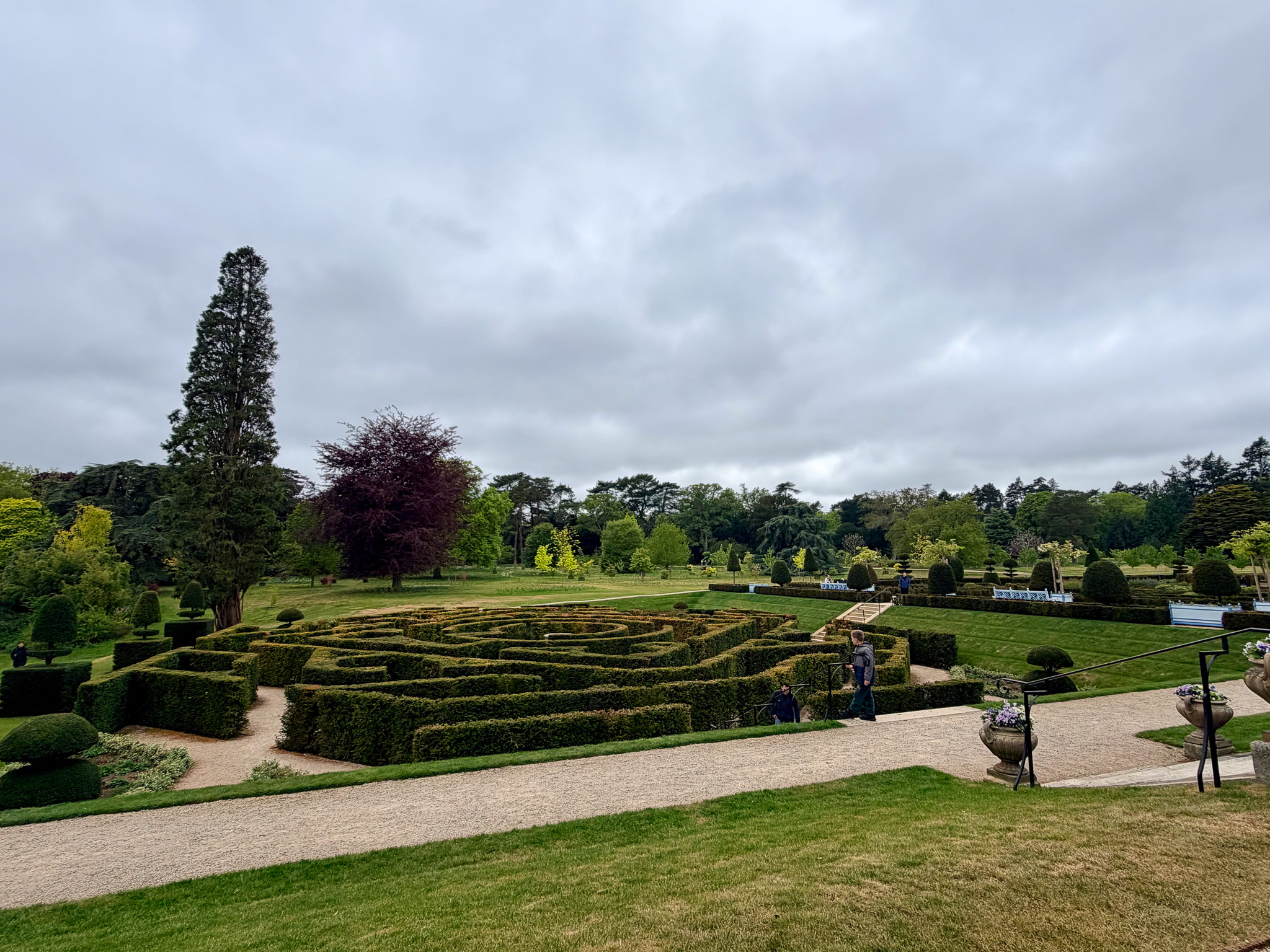
In the case of Sandringham, the house proper is surrounded by a sturdy brick wall, and spectacular gardens including a huge maze. It’s a very attractive “house” – the brickwork is beautiful and parts of it were dripping with wisteria. ‘Tis the season of purple: lilacs. Bluebells. Wisteria.
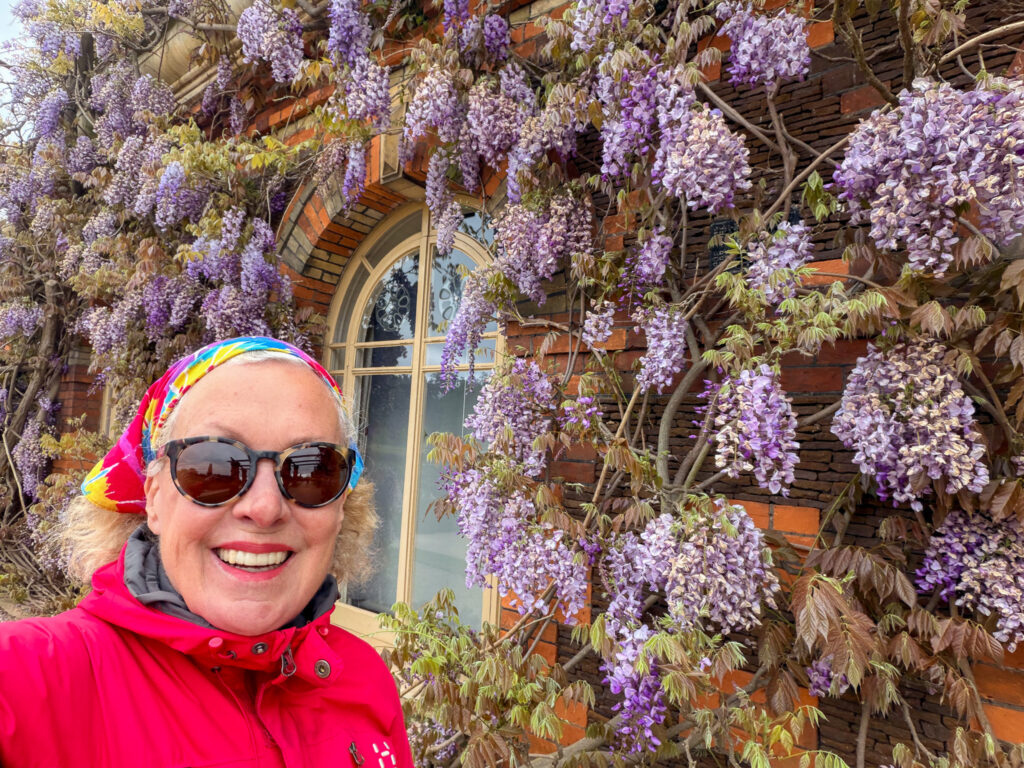
Because the interior of Sandringham is the actual home of the royal highnesses, no photos are allowed so I’ll tell you: walls full of old guns used to shoot game. Three grand pianos. Huge portraits. Gorgeous carpets and soft furnishings. Windows overlooking beautiful gardens. It’s a comfortable family home for royalty.
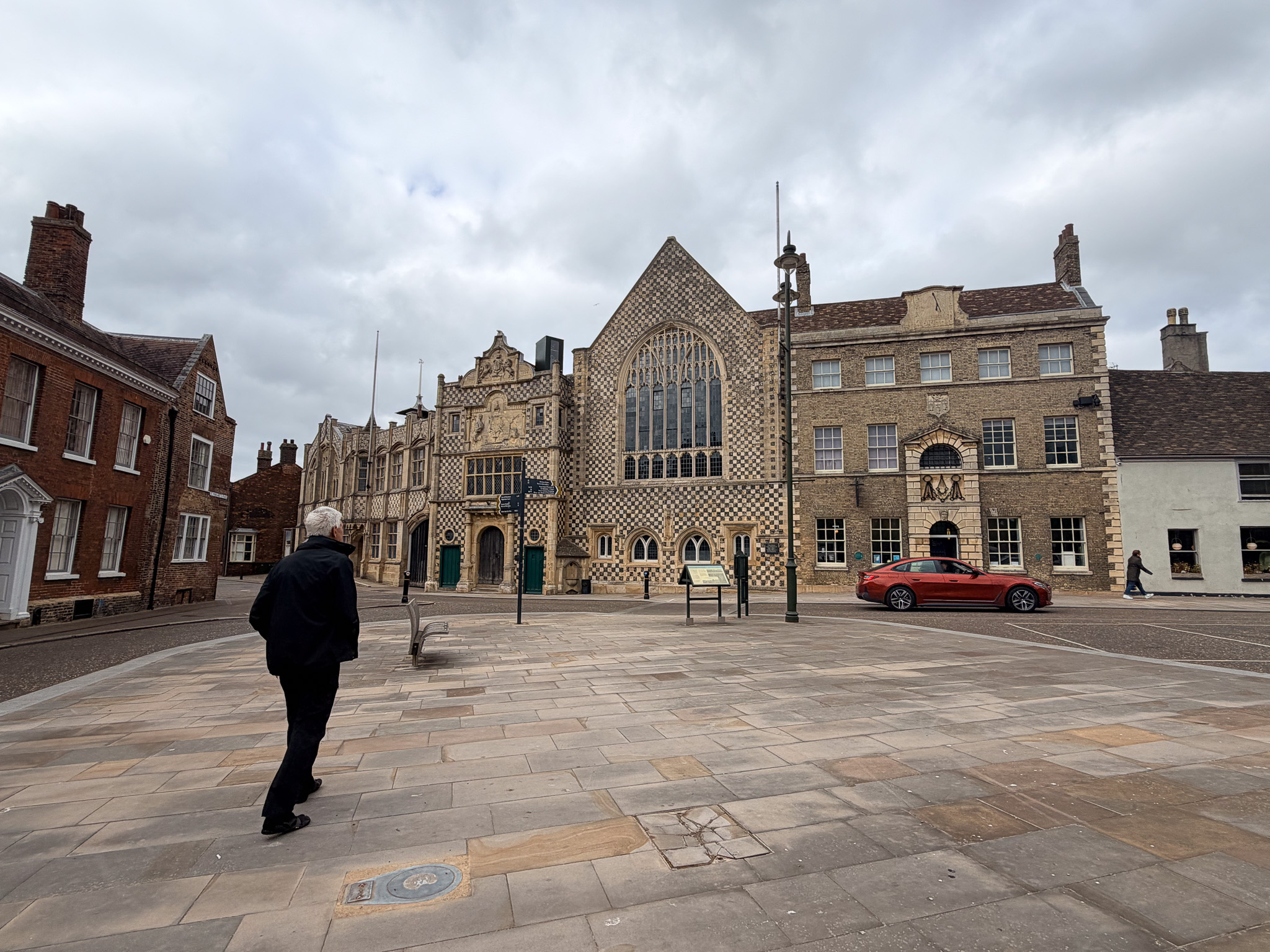
After we left Sandringham we pushed on to The Bank House, our hotel in Kings Lynn.
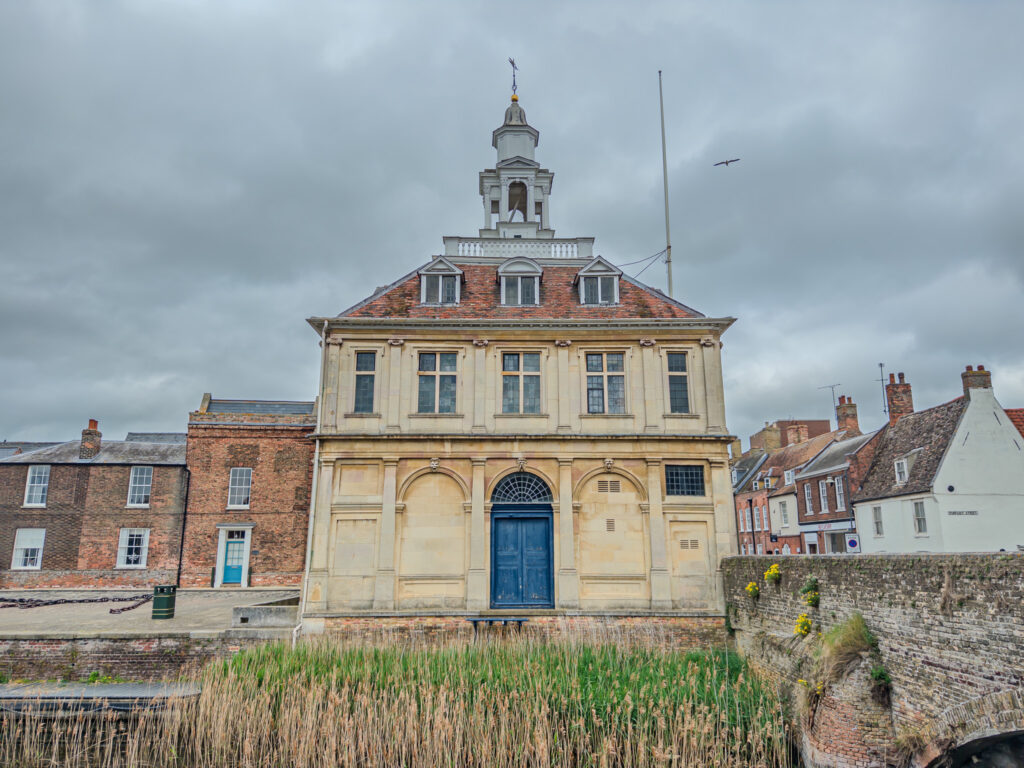
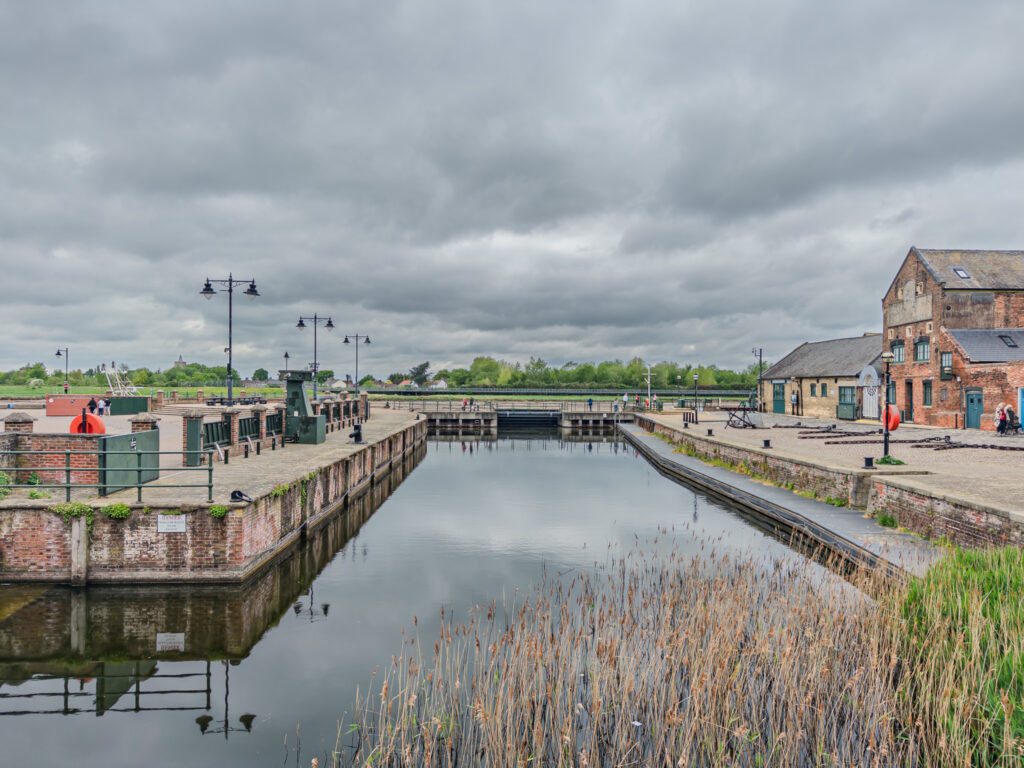
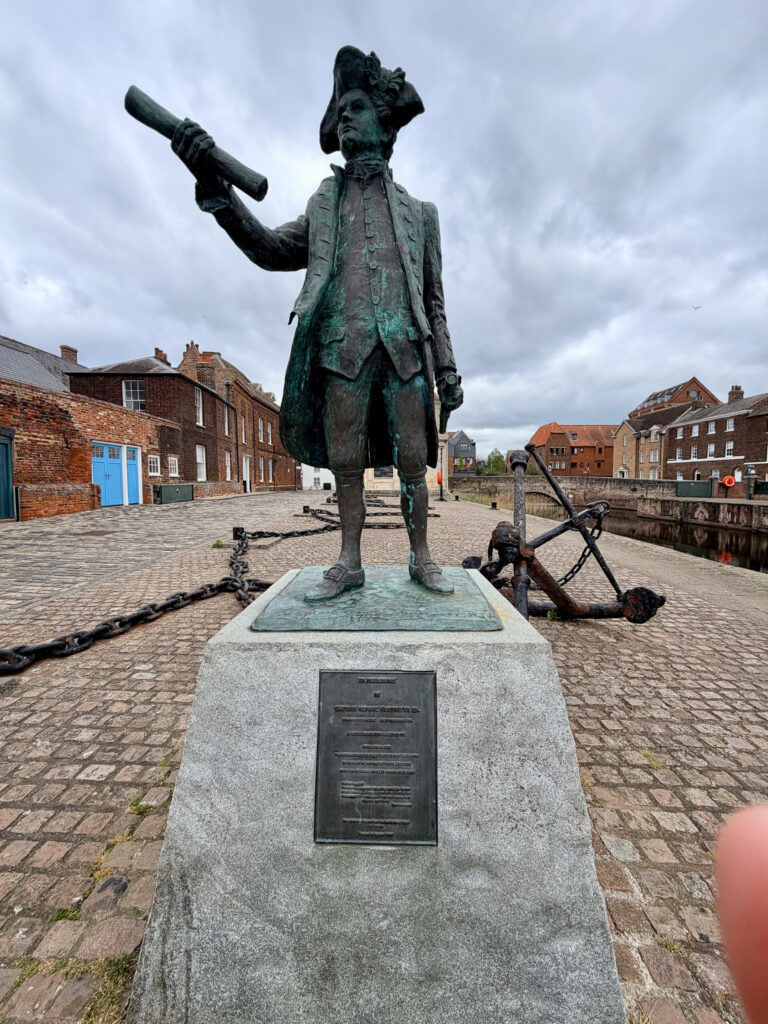
Kings Lynn was the birthplace of Captain George Vancouver, the Royal Navy officer who led the Vancouver Expedition, mapping the Pacific Northwest and exploring regions from Alaska to California, as well as Hawaii and southwest Australia.
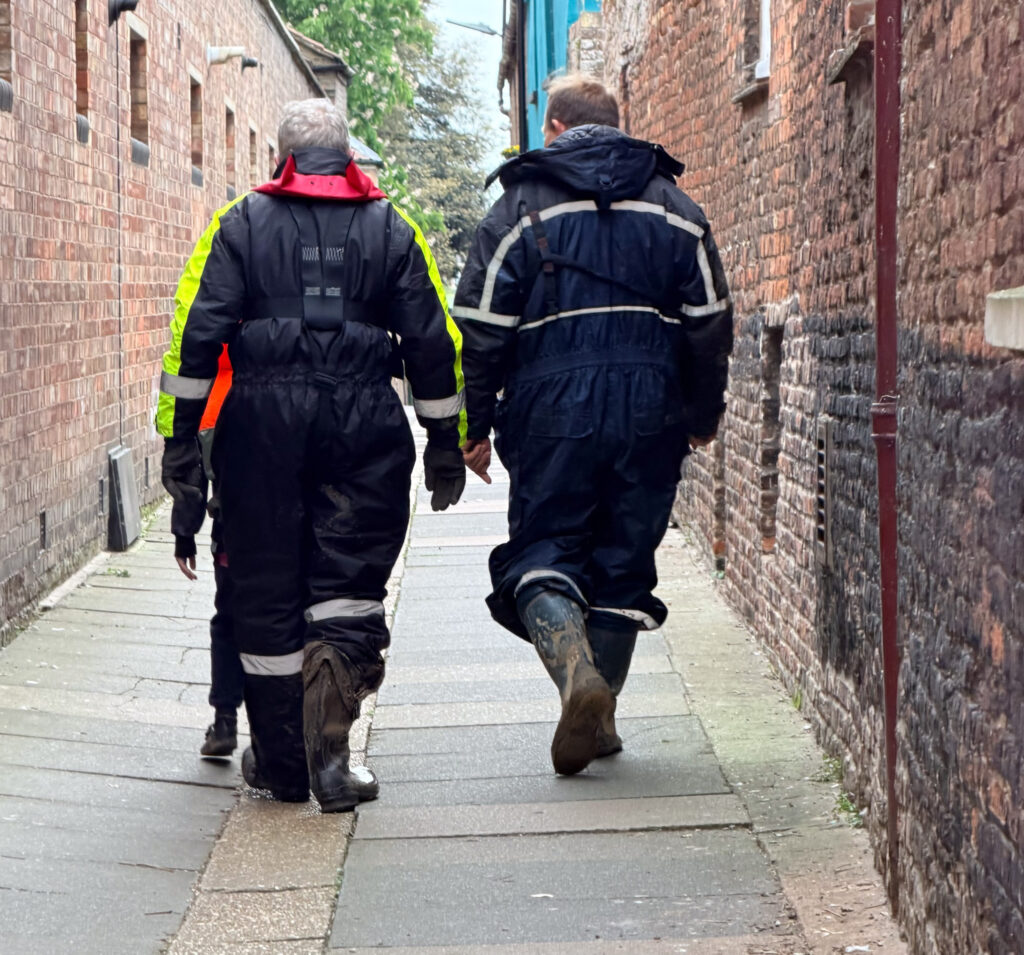
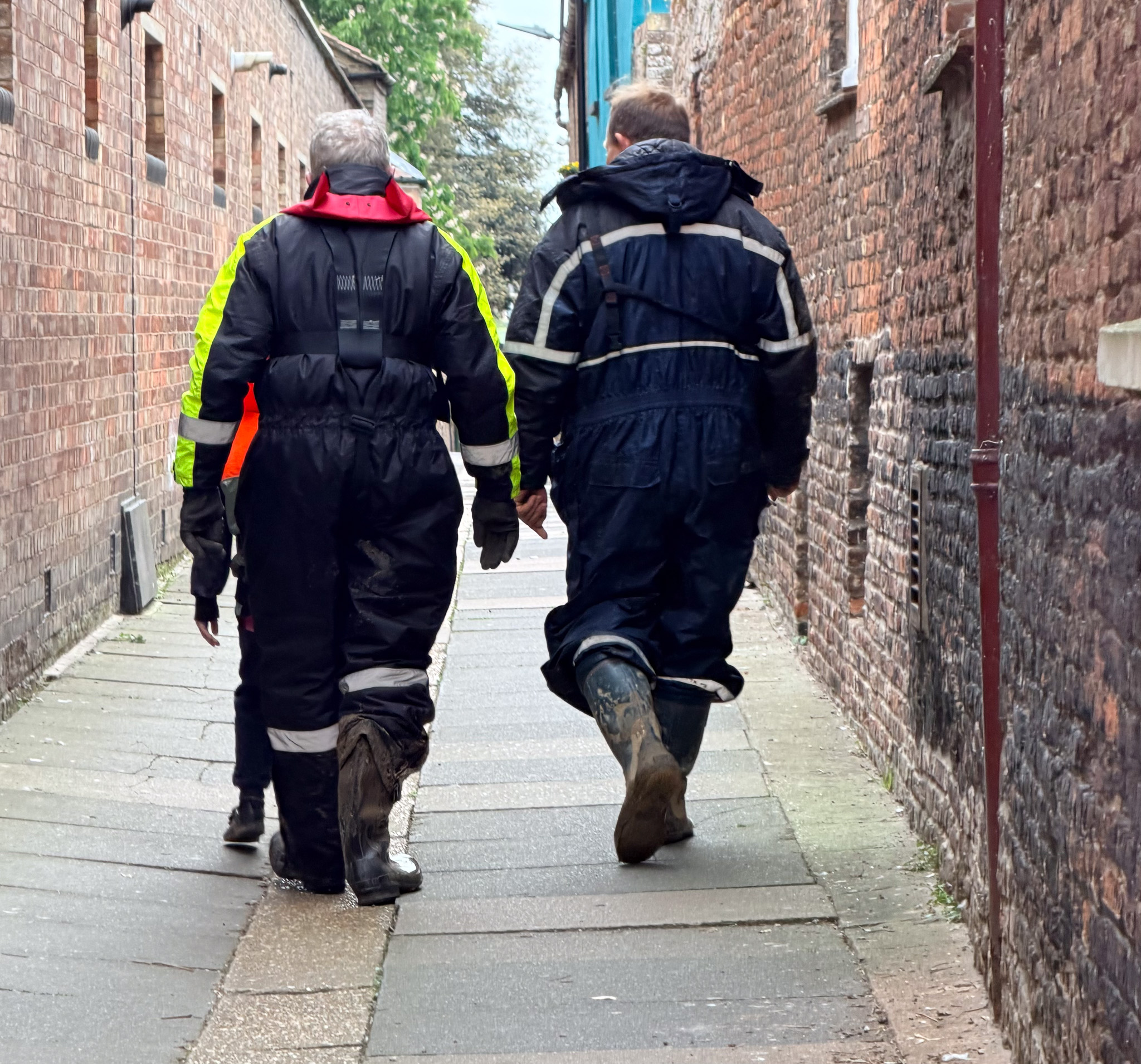
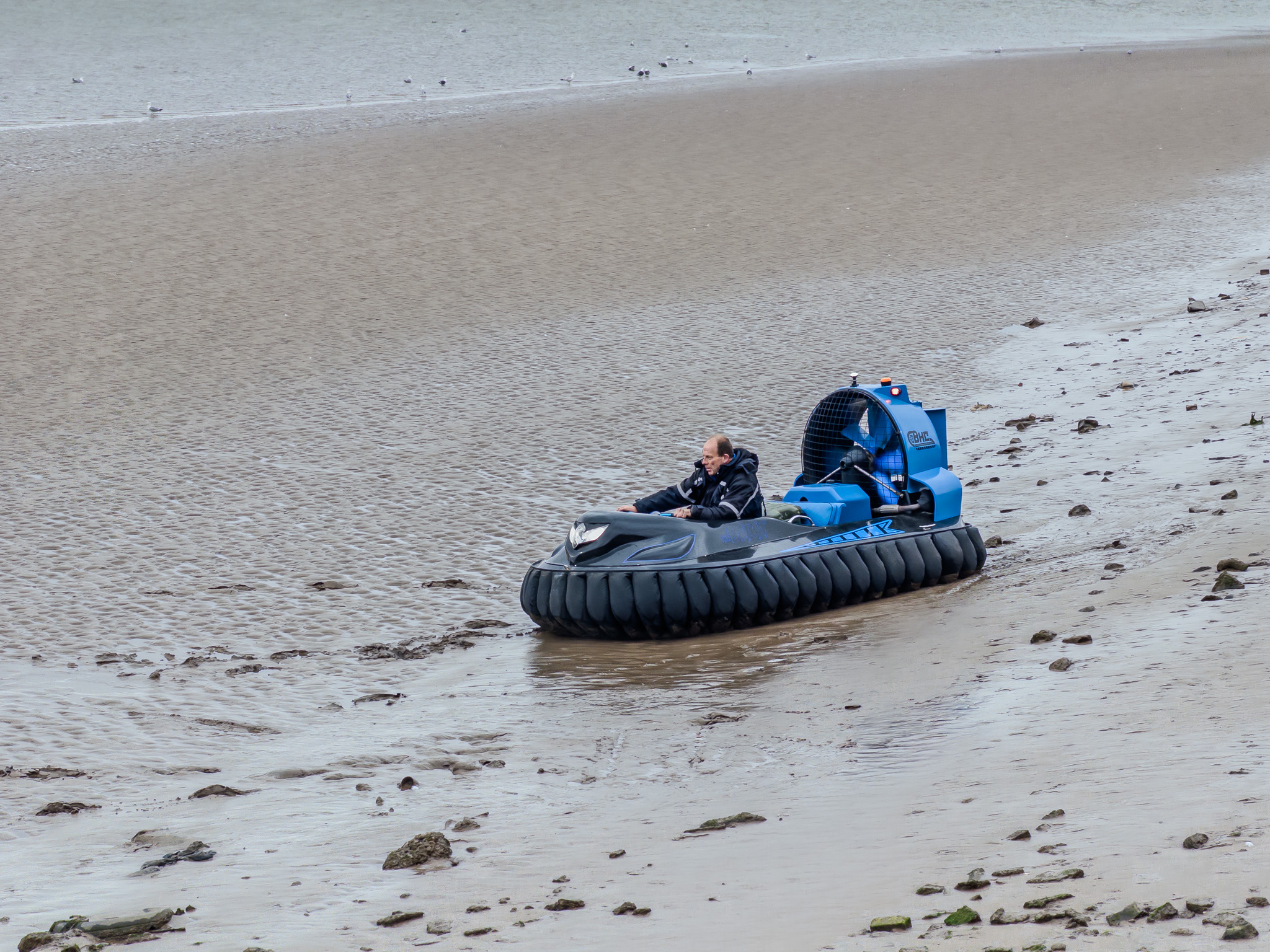
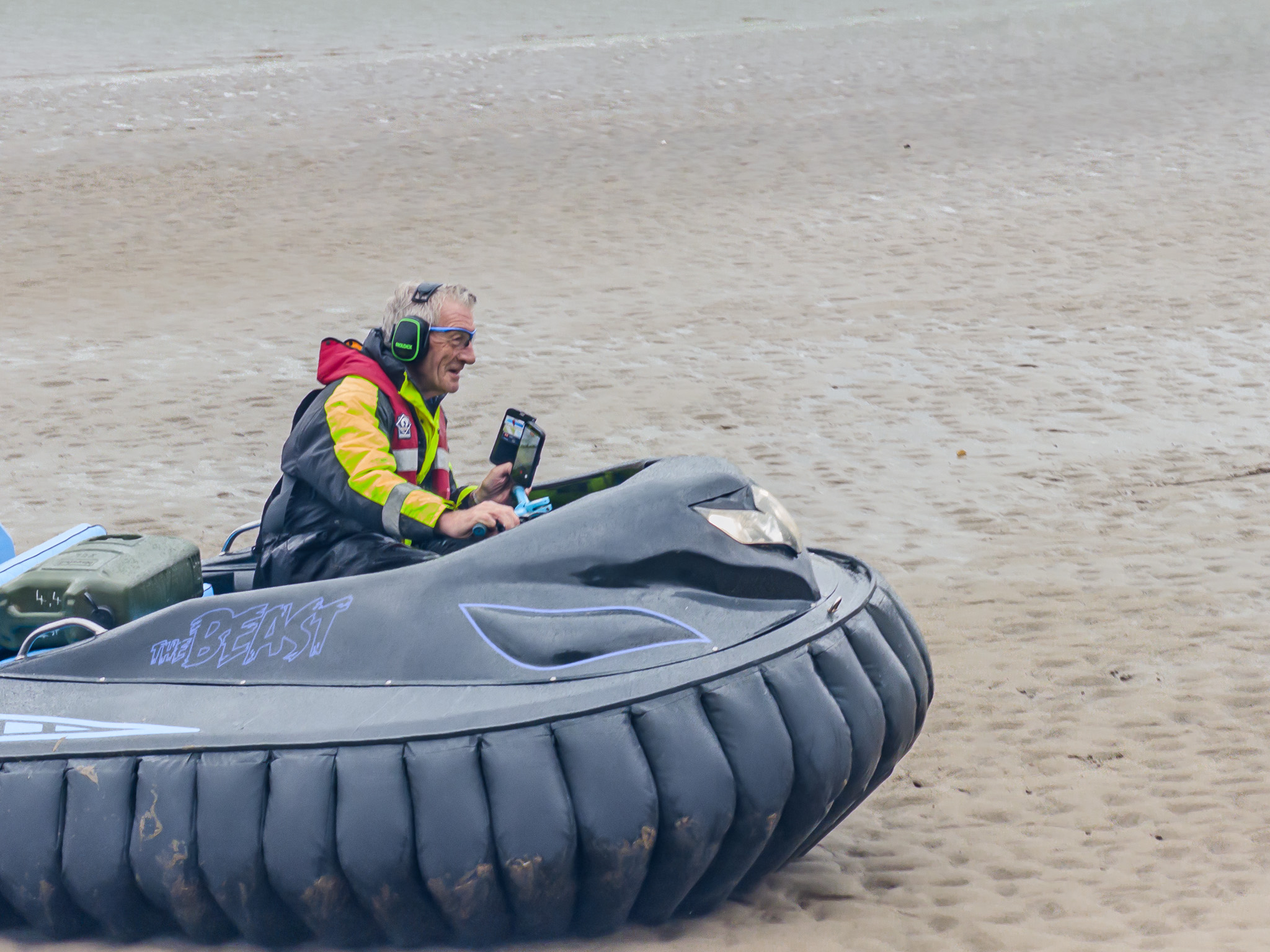
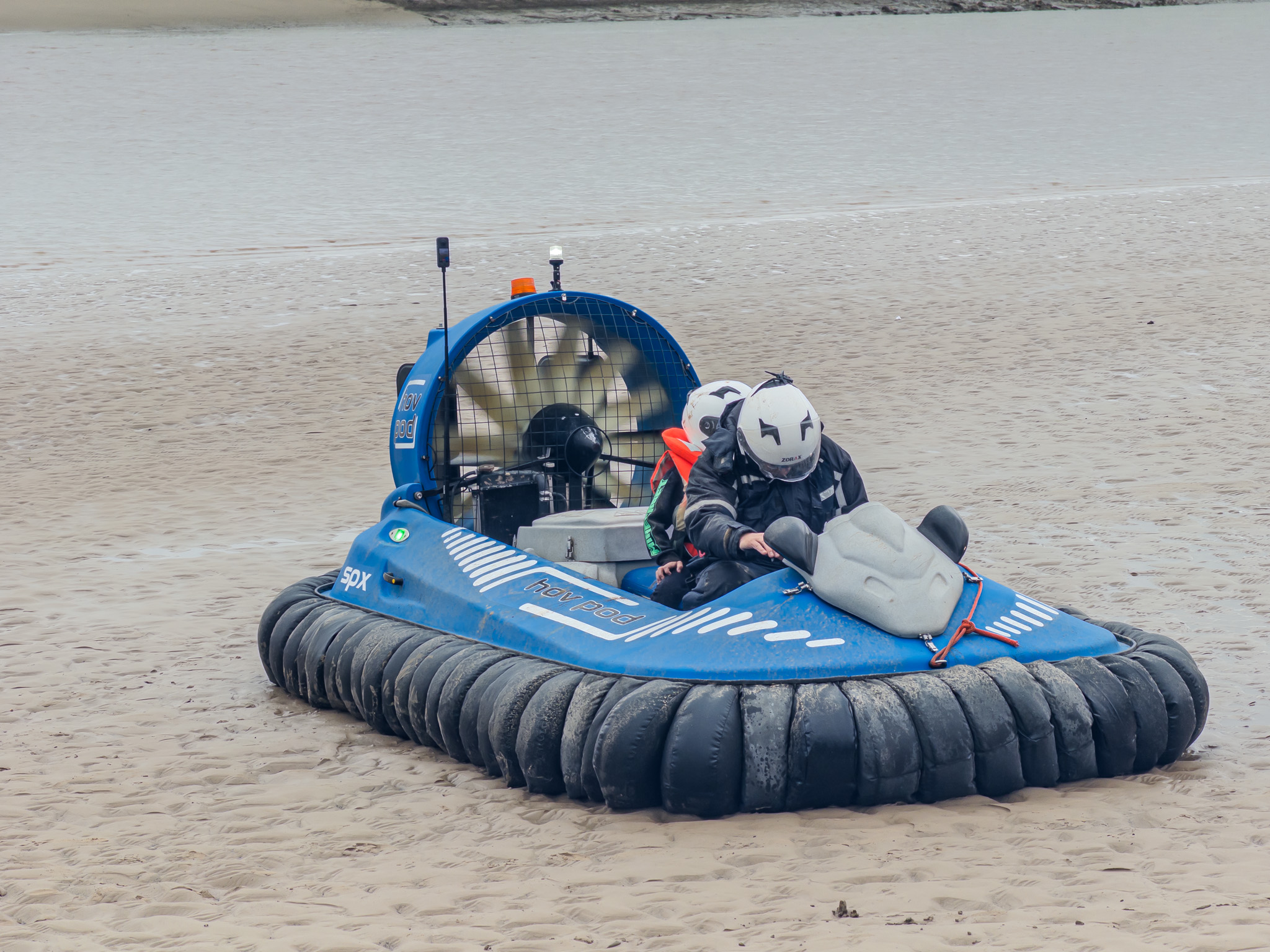
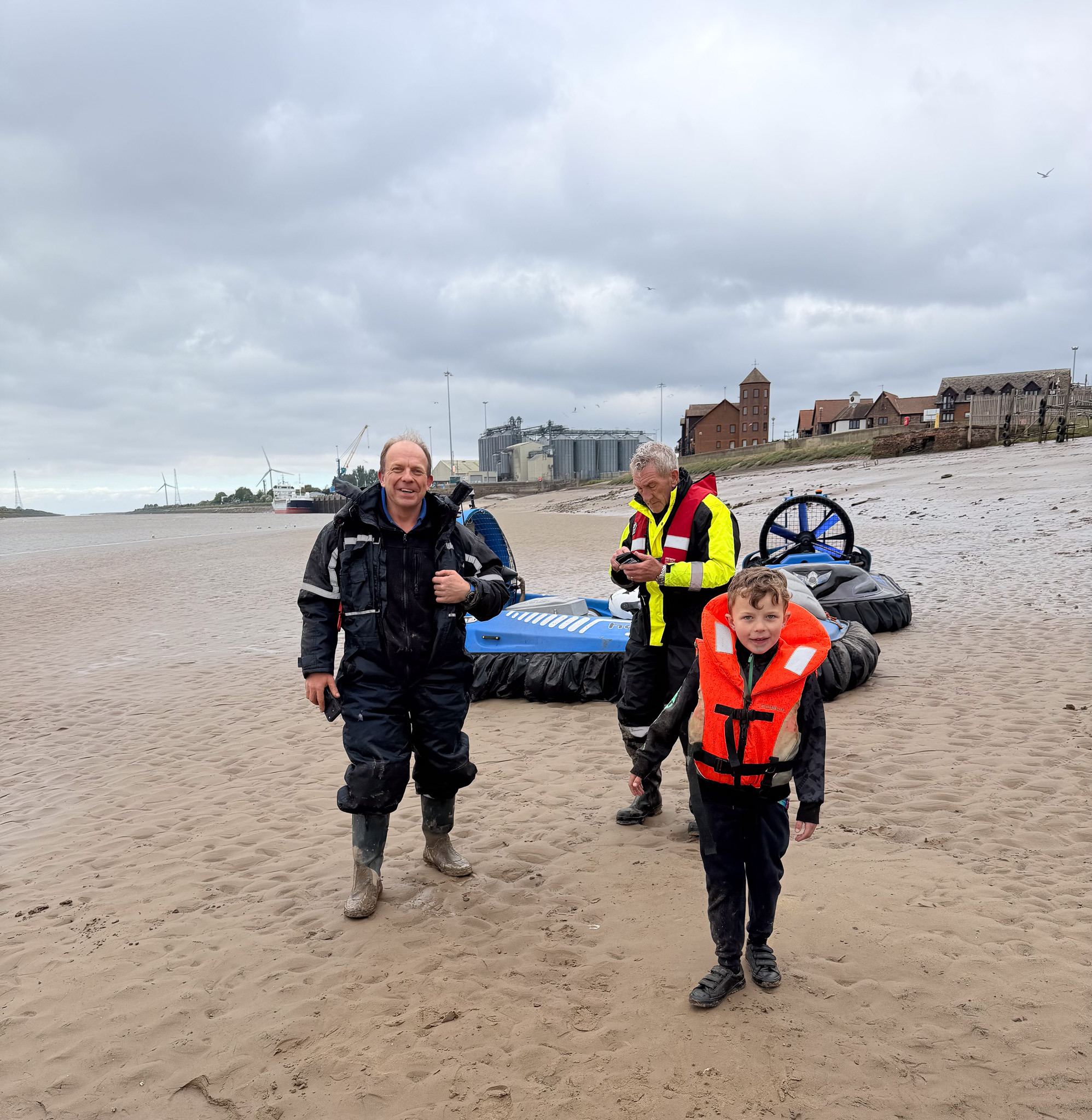
It was a grey, cold day, and we pooped around town for a while, trying desperately to find things to visit or do when we spied an interesting trio – a 70 year old, 50 year old, and 9 year old – all in waterproof, heavy weather gear from head to toe, the 9 year old wearing a life jacket, all of them wearing very muddy Wellies. We followed them down an alley that led to the (very rudimentary) Kings Lynn Ferry dock, surrounded by a disagreeable low tide muck. They struck up a conversation as we walked along. It turned out they’d ridden down from 15 minutes north of us on their recreational hovercrafts. (!). When they’d disembarked, the 70 year old was mired in mud (quicksand) and the 9 year old had helped him dislodge. (Sweet.) Intrigued, we followed them to their crafts.
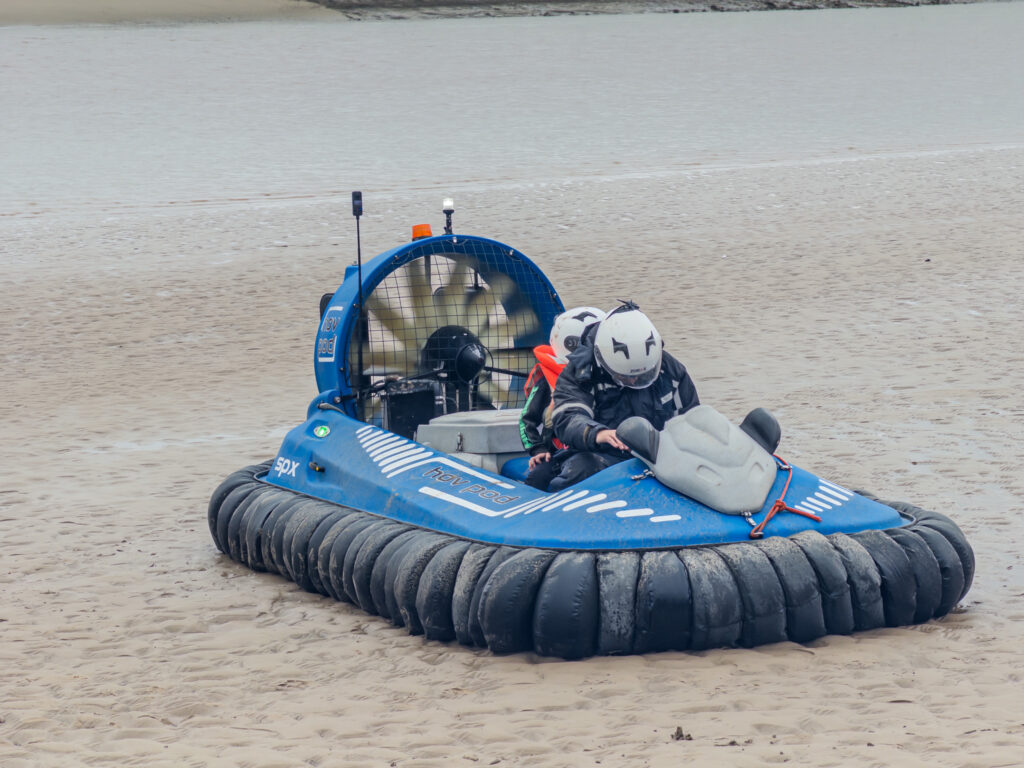
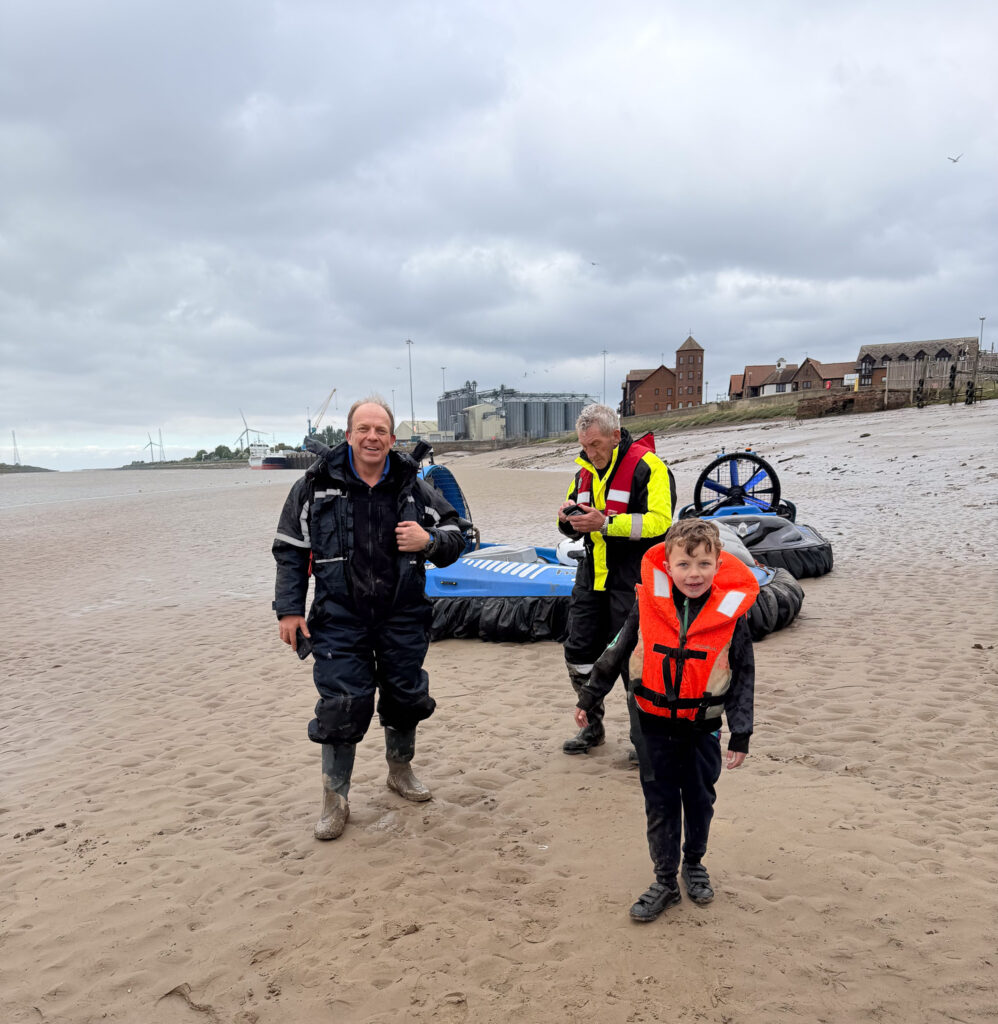
The owner, “Jeremy Andrew Taylor”, is a fulltime helicopter pilot, but also owns various sizes of hovercrafts, the largest of which he uses for highspeed rescues along the coast. (e.g. he’ll be called if people are trapped by the tide coming in. The hovercraft can handle shallow water, or sift along above the sand on shoals.) Jeremy is training his nine year old son on how to pilot hovercrafts, and the son had spent last weekend competing in Reims, France. At any rate, this trio was highly entertaining – loved the Norfolk accent on the wee boy – and we won’t forget them.
We headed back to The Bank House, had a hearty dinner (I had Lamb’s liver, sorry), and headed to bed.
53 KM.
Travellers’ tips: (1) Skip Wells Next the Sea (although Holkam House was a big redeeming factor), and, (2) Skip Kings Lynn (although Sandringham is worth a visit).

Last stop first. Loved the Tpot. The collection must have been extraordinary. The copper font nice story there. Now to the recent at Wells. I enjoyed your meeting with The Taylors and son. The weather looks lovely and oh the gardens. Stay dry and safe. ❤️
0
0
I like this new format of interspersing the relevant pictures with the narrative ( which is much better than John’s)
0
0