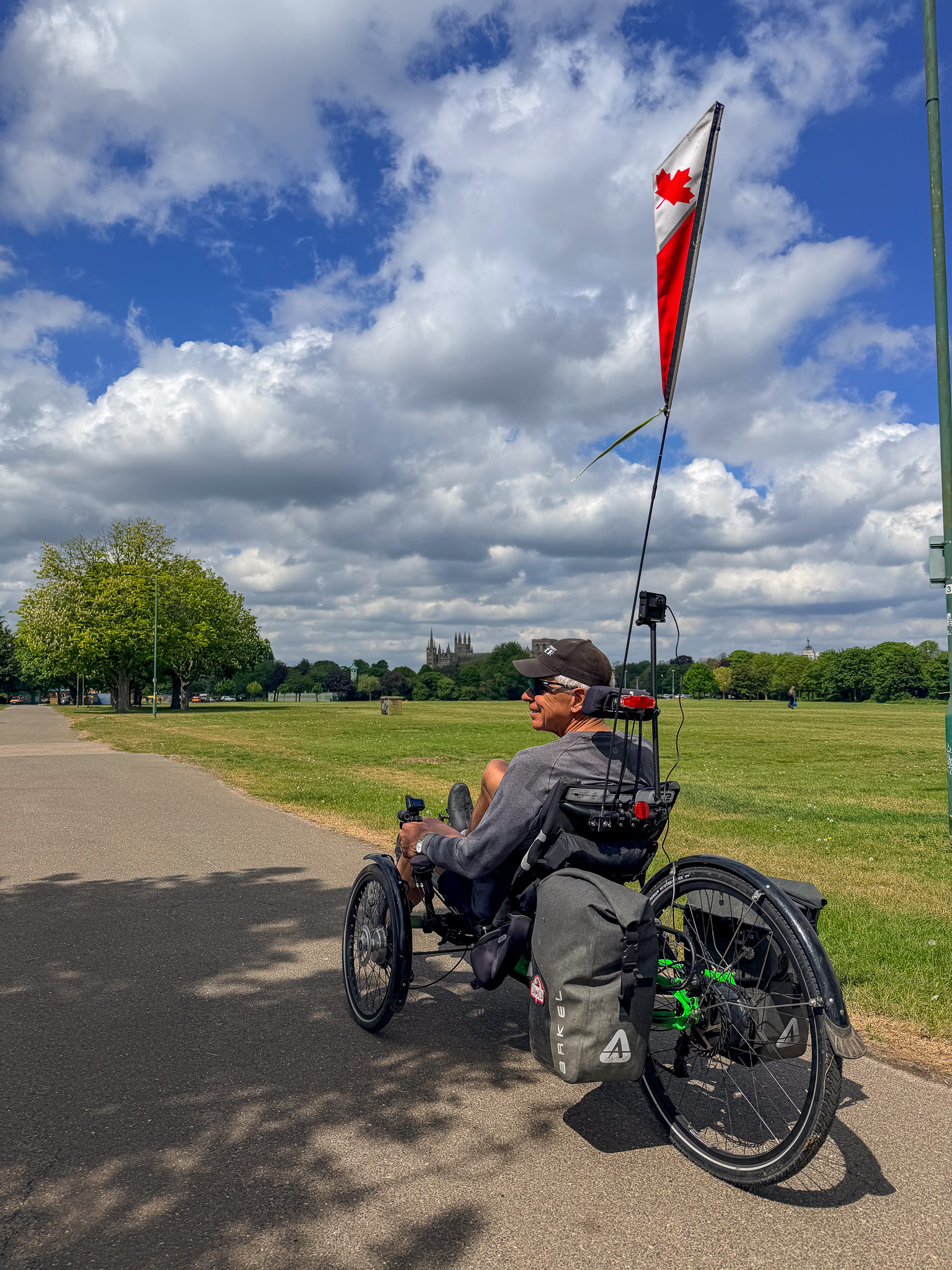
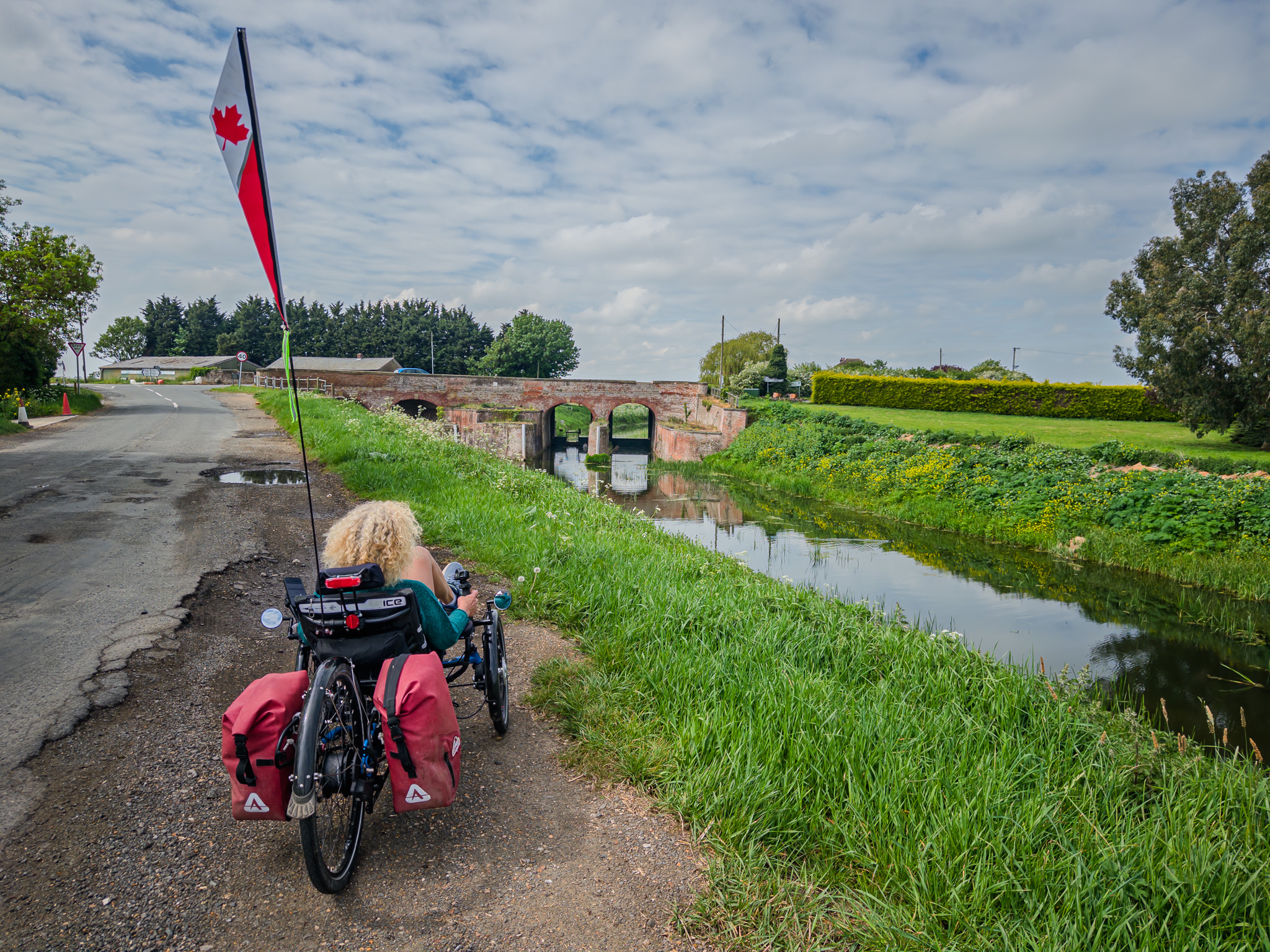
Tuesday May 5th marked the beginning of our second week of cycling (we started in St. Albans Tuesday April 28th). The route for the day was Kings Lynn to Peterborough, 65 km of the flattest route ever. About an hour and a half into the ride we encountered a detour, aka a dreaded ‘diversion’, but we managed to sweet talk our way through it with the crew ‘laying fibre’. Phew. We followed canals for a great portion of this ride. The ride profile was flat.
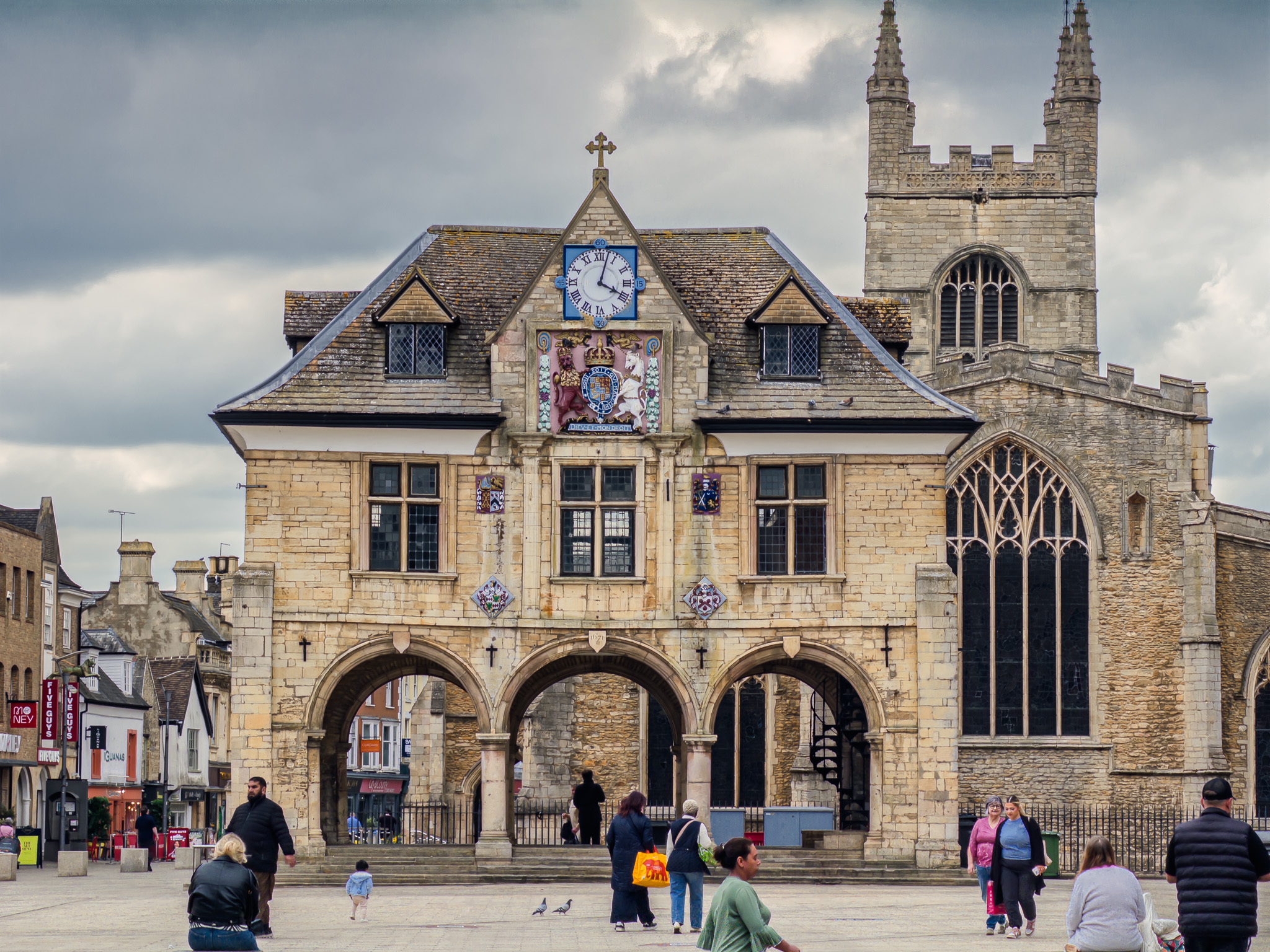
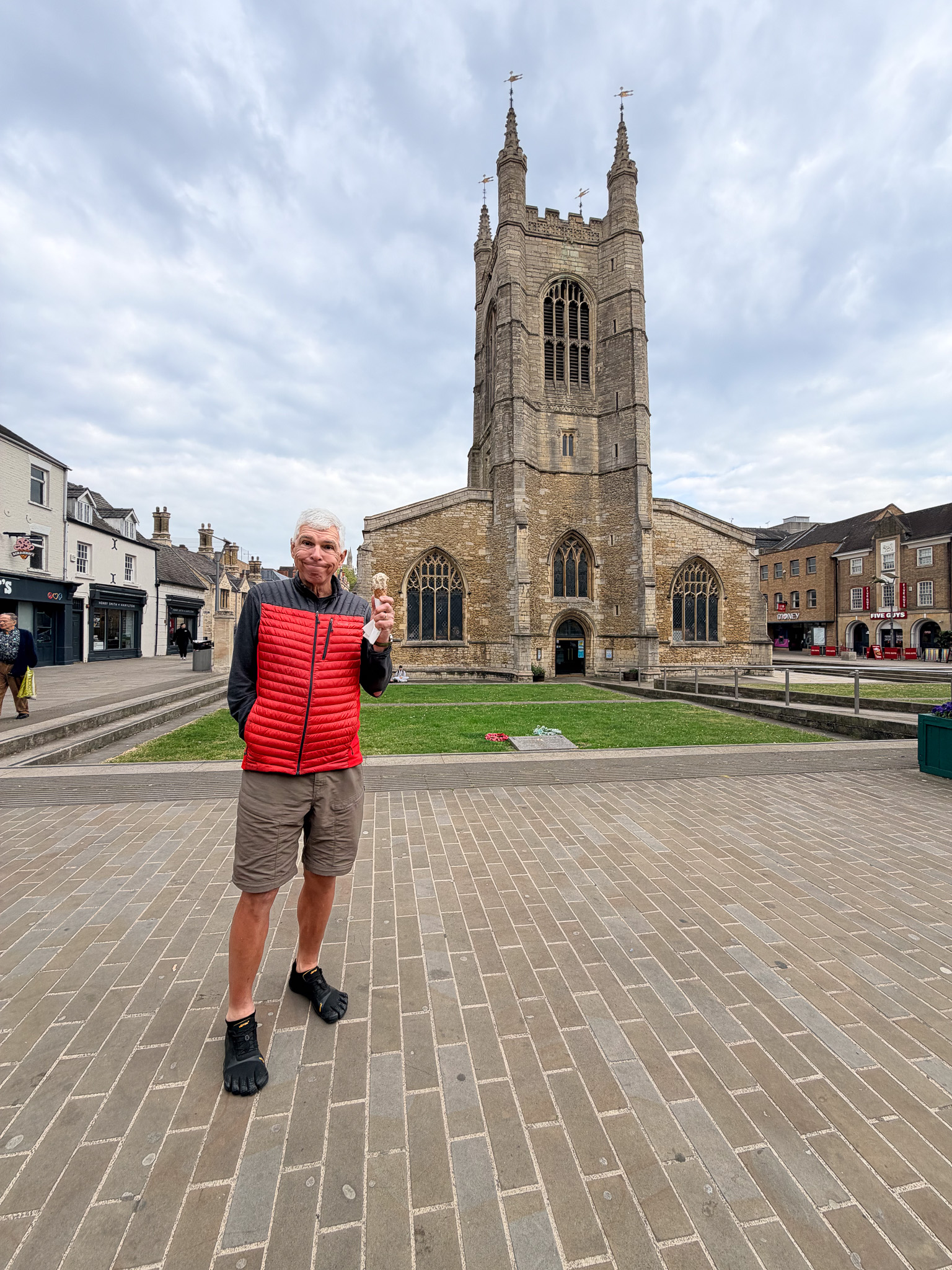
We had heard that Peterborough may not be the ‘best place’ to visit in Great Britain, but we were excited to see it off in the distance as we approached the city. As we would soon find out, the downtown area is a large pedestrian-only area, but many shops are vacant. A large indoor mall dominates the centre of town and seems to have gutted the streetscapes. What a shame. The open central plaza is still beautiful, though, with the Cathedral entrance at one end, St John’s Church at the other, and a beautiful Town Hall in the middle. However, it’s populated by loitering youth and adults with mental health issues.
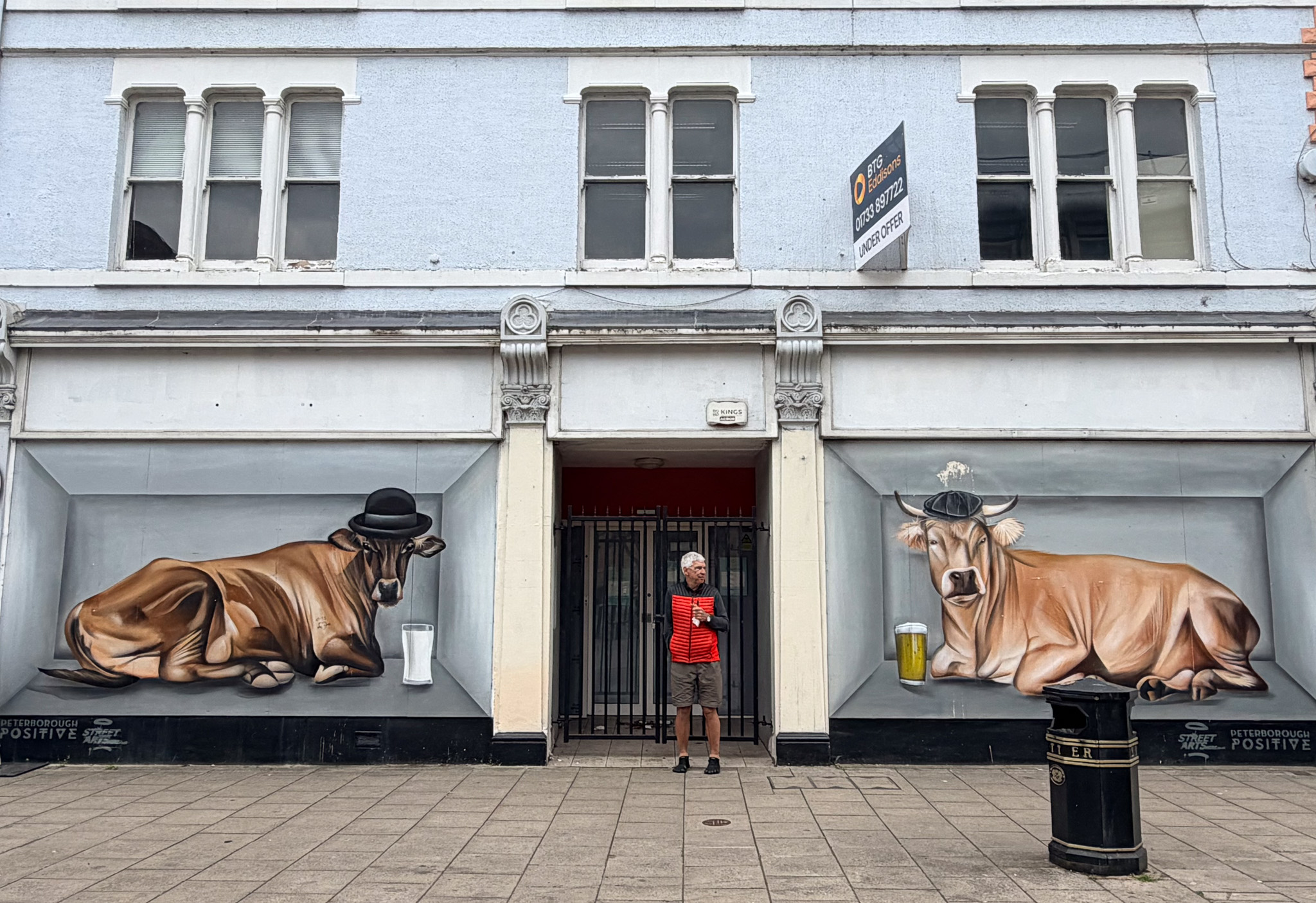
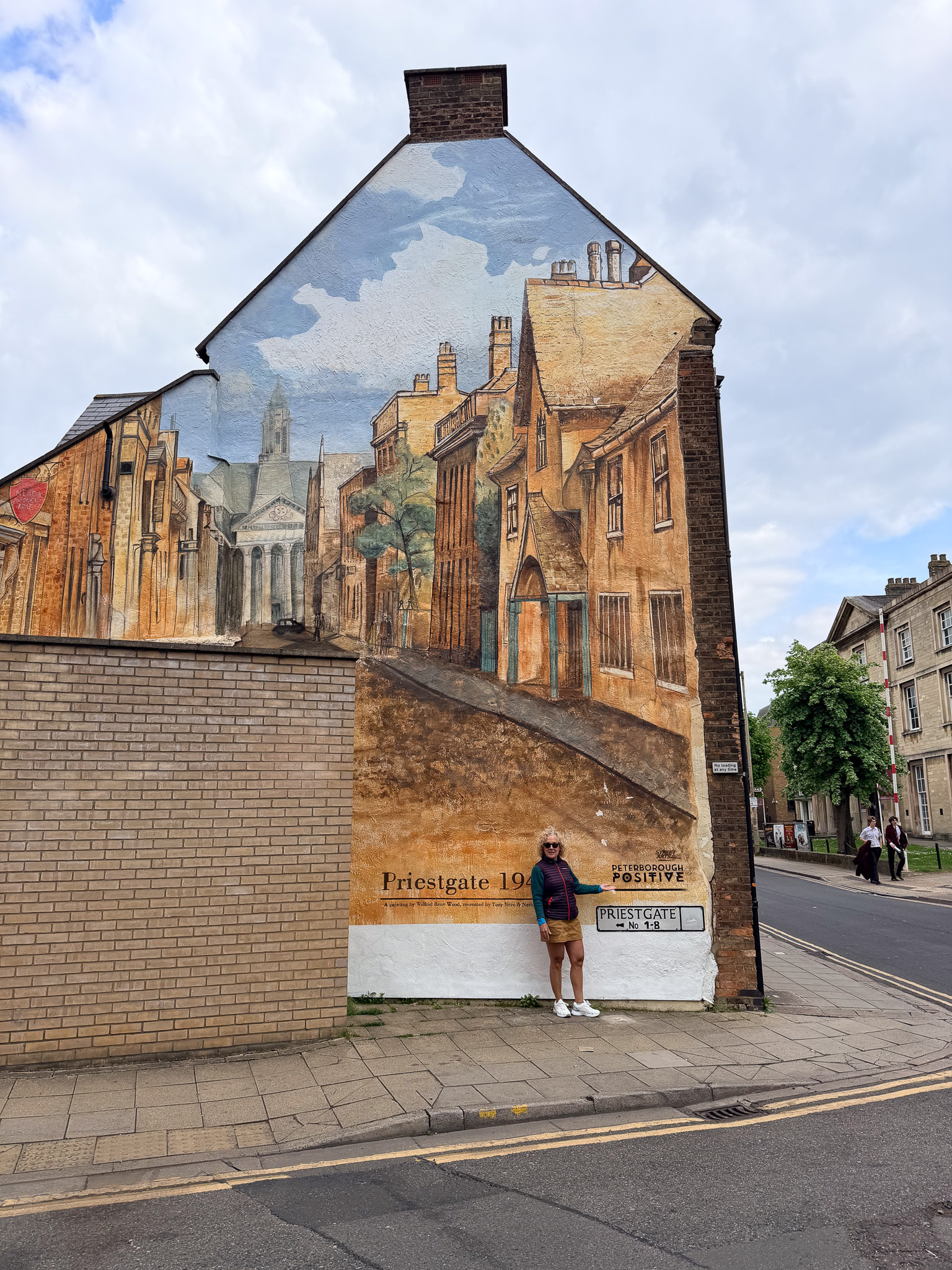
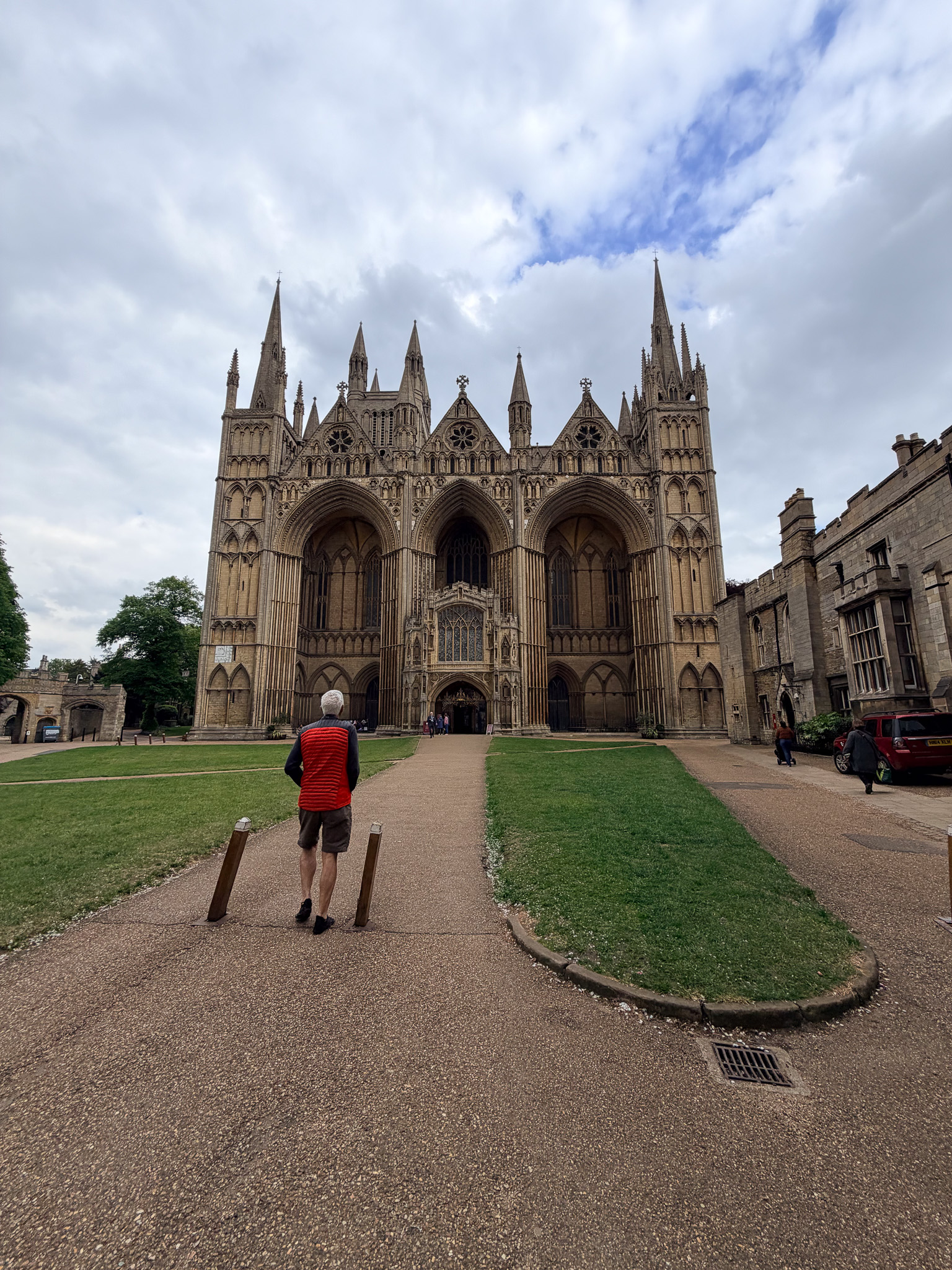
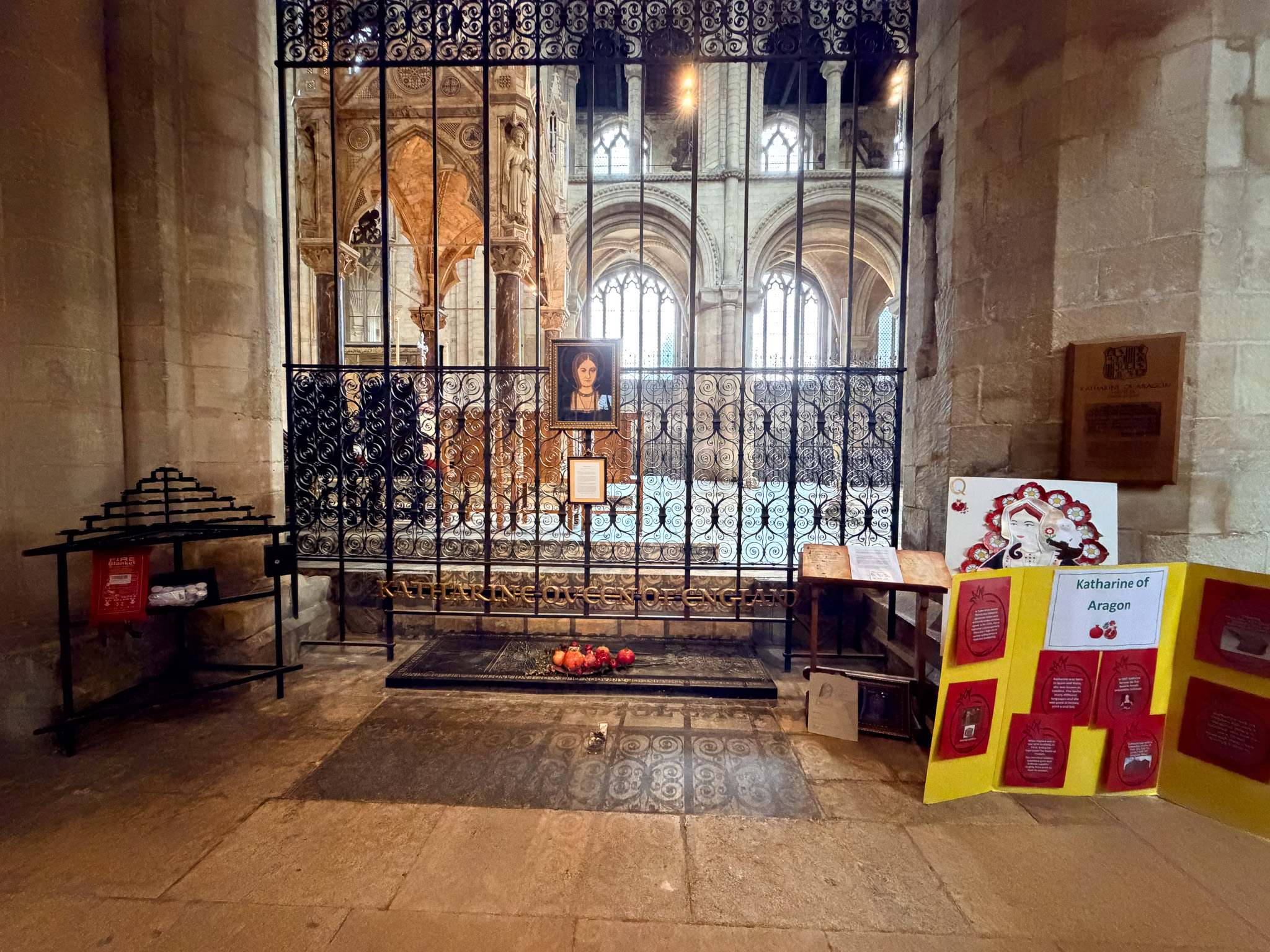
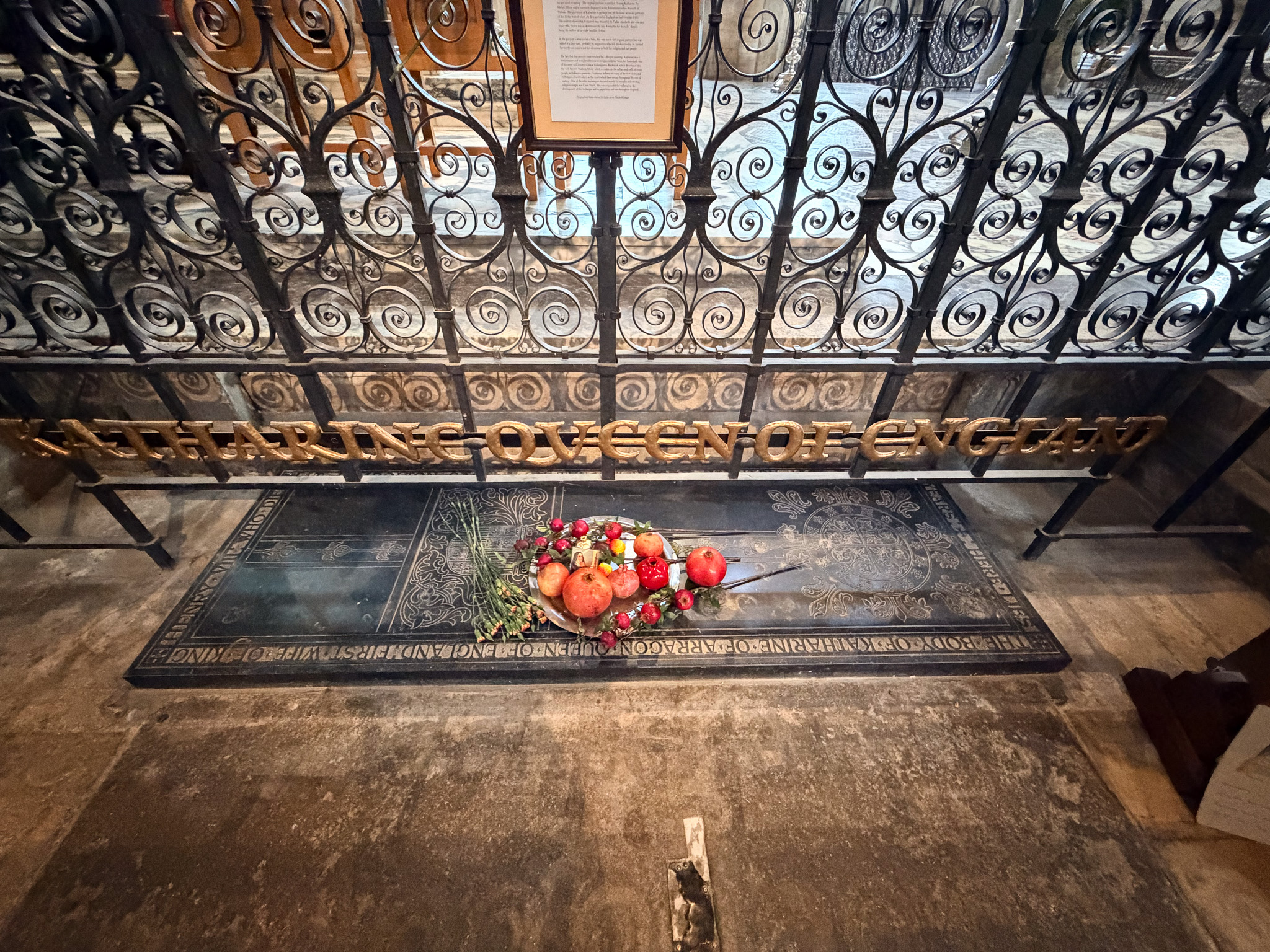
We walked around for a while, the snacker found a cone for fortification, we enjoyed a couple of murals, and just missed entrance to the Peterborough City Museum before it closed at four, so we wandered into the Cathedral and had a great chat with a ‘layperson’ (a person who carries the crucifix leading the procession for the Anglican cerermonies). He told us a lot about Peterborough Cathedral. It is the burial place of Katharine of Aragon, the first wife of Henry VIII. Henry split with the Roman Catholic church mainly to divorce Katharine in favour of Anne Boleyn. Katharine, as a Queen, would normally have been buried in London, but Henry thought it best to keep her in Peterborough, out of the spotlight and he was in a hurry to get her into the ground. Devotees of Katharine routinely leave pomegranates on her tomb. (Anne Boleyn’s body, on the other hand, is in a communal grave, with other execution victims, in the chapel under the chancel pavement at the Tower of London. Oh, Henry…)
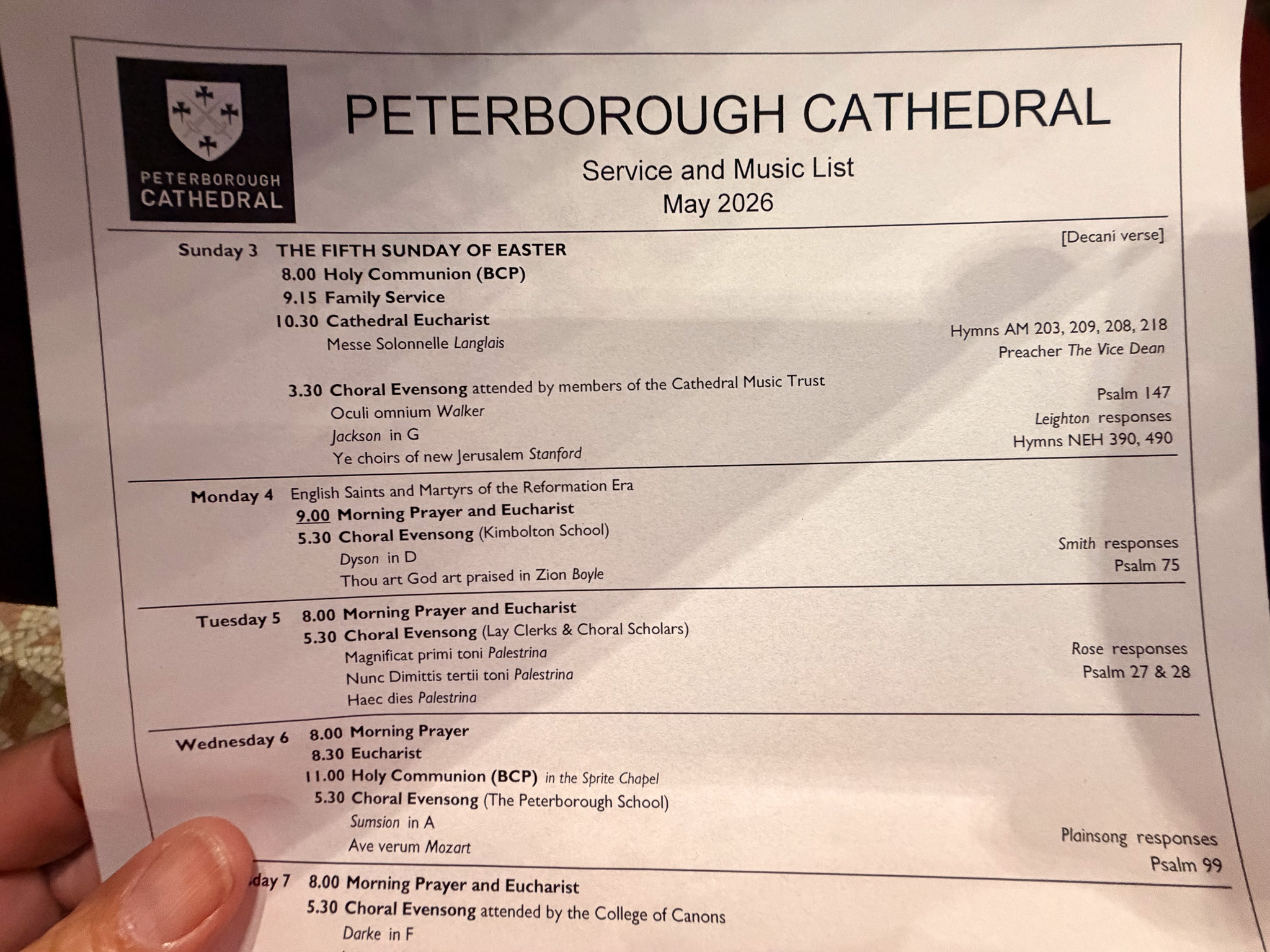
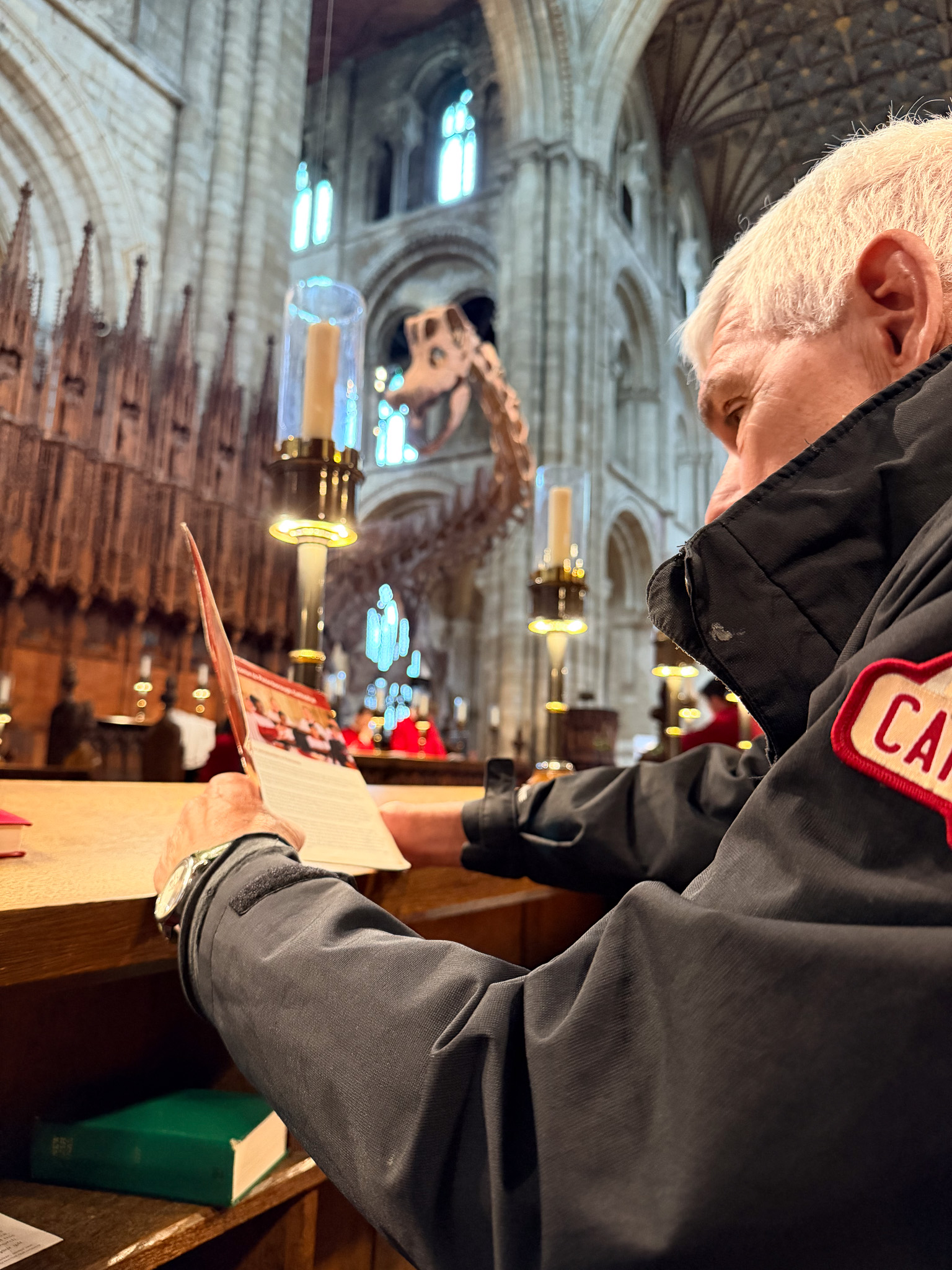
We returned to our hotel for a few minutes, then returned for the Cathedral’s 5:30 Evensong. Like all cathedrals here in England, the pleasure is sitting in the quire of the church, just behind or beside the singers in the choir. It’s a thrill to enjoy the sound of the organ reverberating into the massive space, and watch the conductor coax the absolute best performances out of the singers. The Evensong at Peterborough was very good: two women, six men, no organ, very gently conducted from the choir by the fantastic counter-tenor. It’s one thing to see and hear a complete show with organ and conductor, but quite another to see a very minimal group pull it off so well.
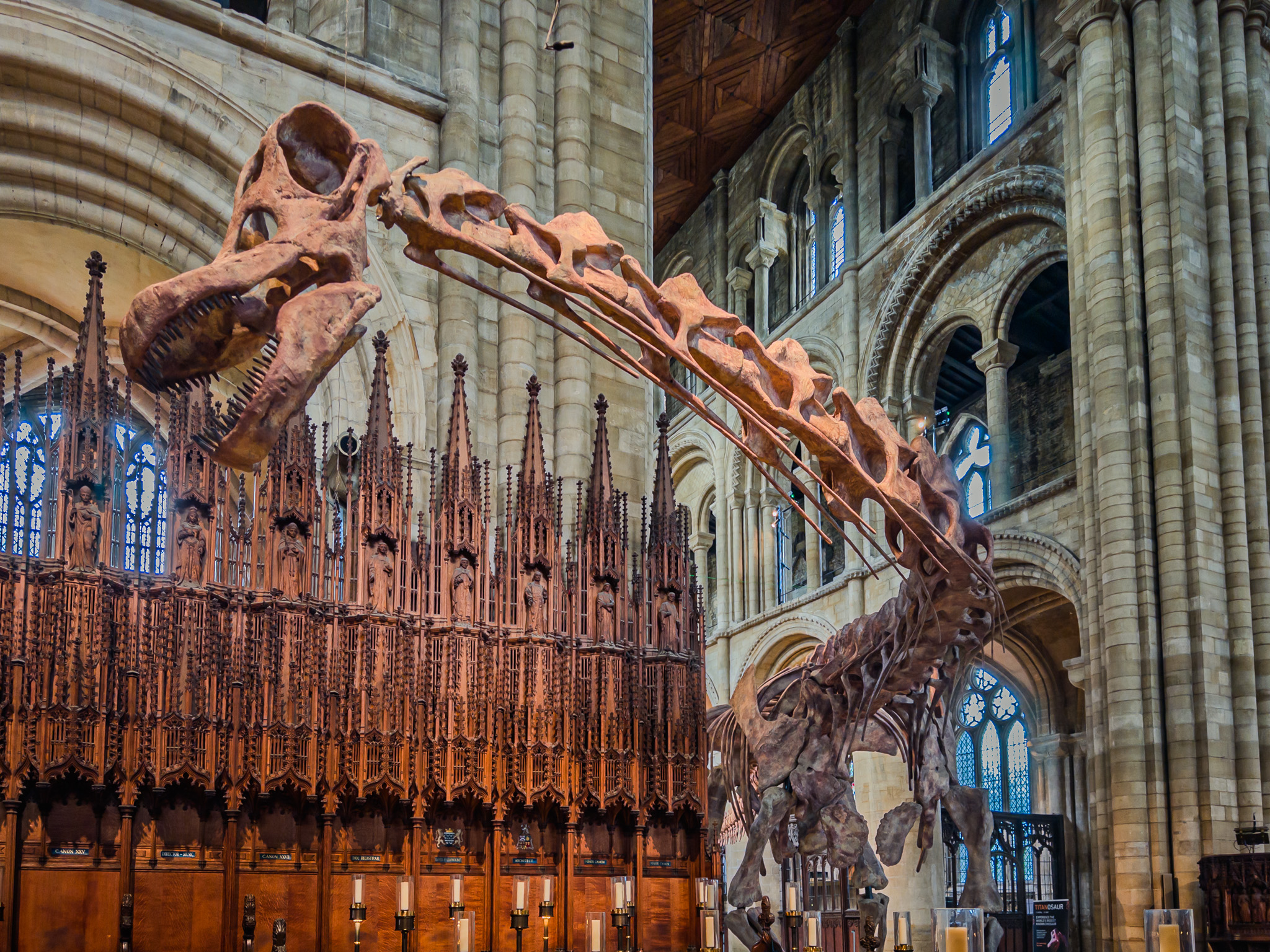
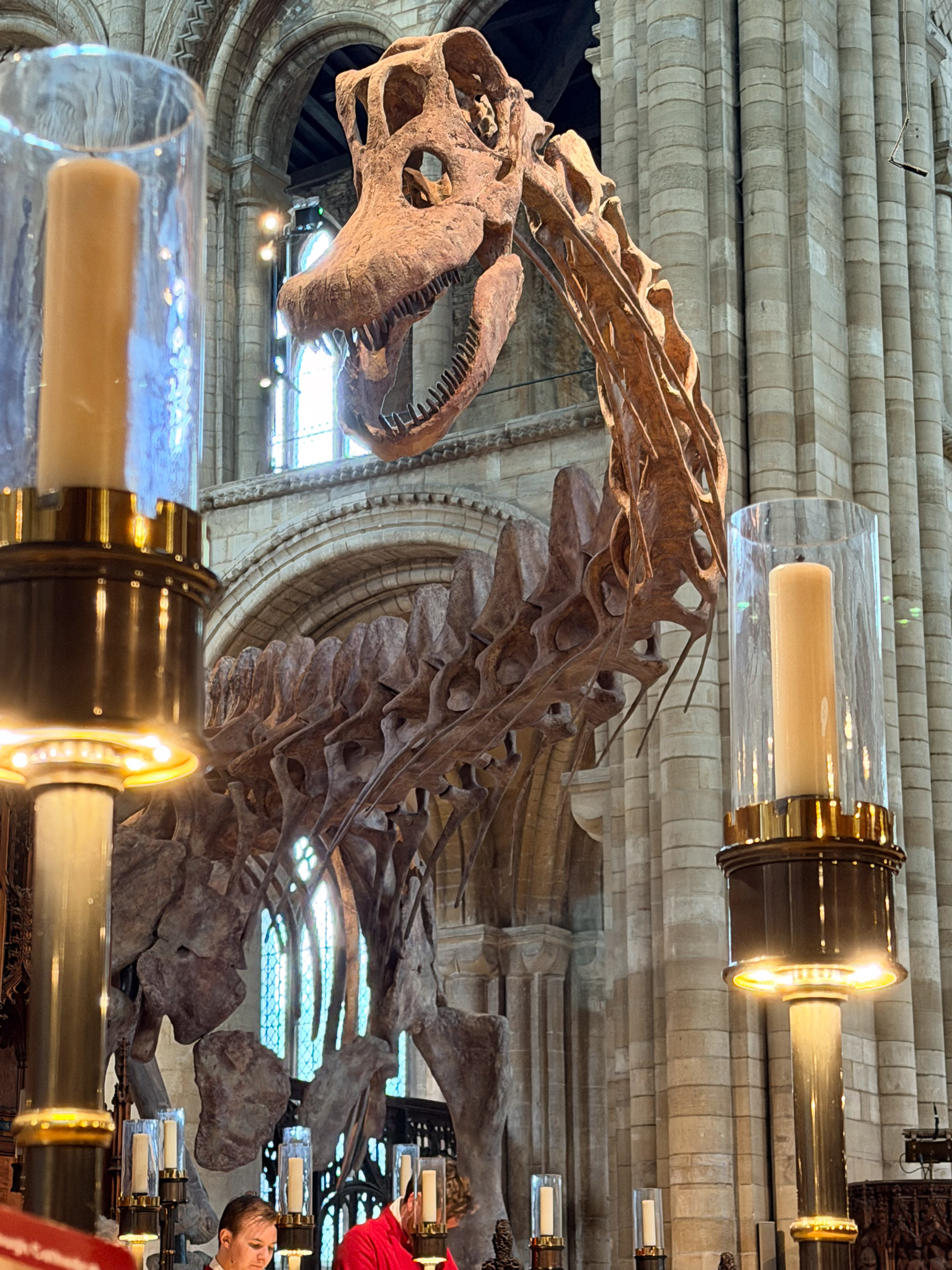
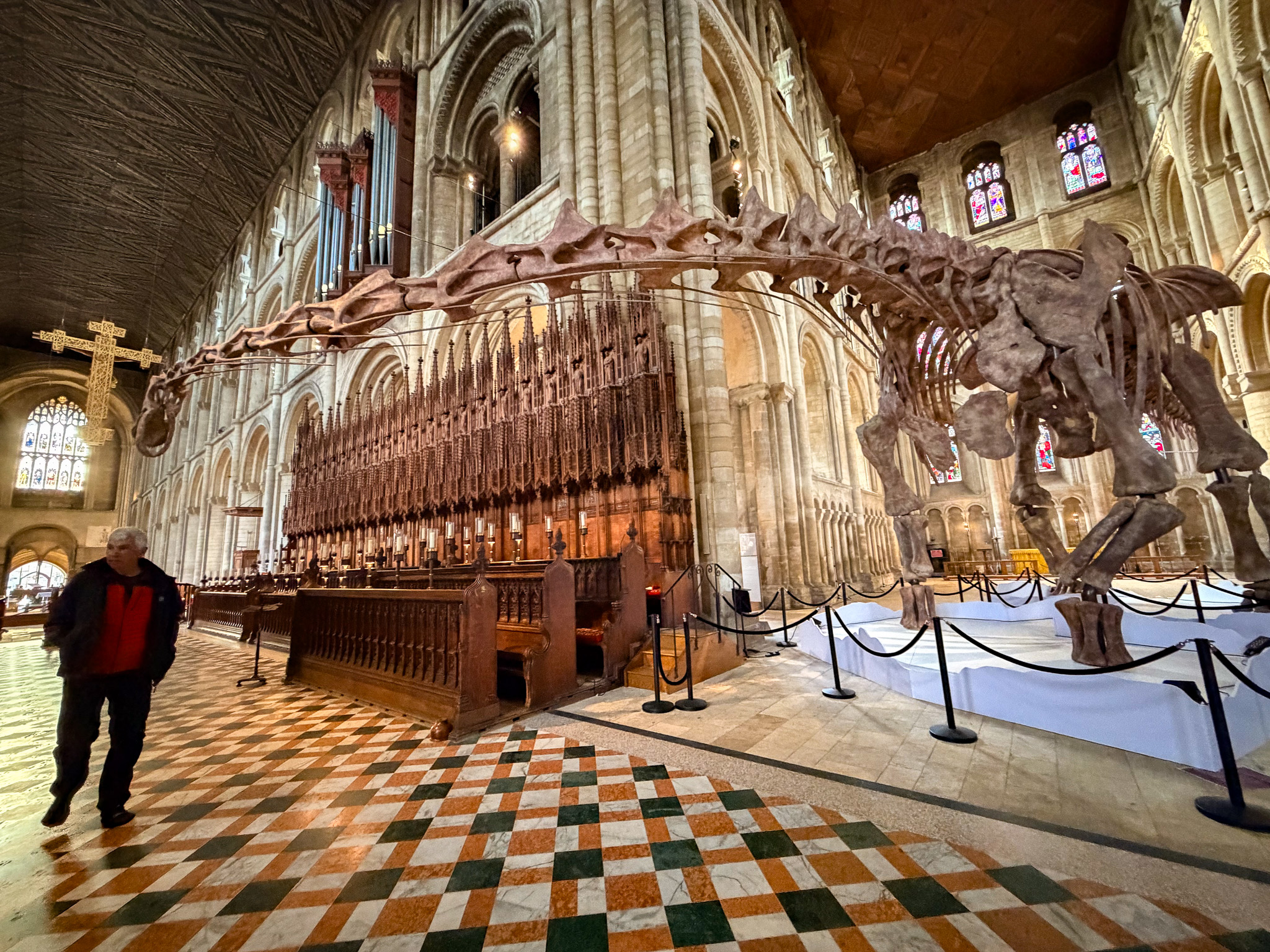
Another surprise in the Cathedral was “Titanosaur“, a full-scale cast of Patagotitan mayorum, the most complete giant dinosaur ever discovered, an awe-inspiring loan from London’s Natural History Museum. Its long neck and head bent round into the quire, joining us for Evensong. Somehow, it worked, all comments about religion and dinosaurs set aside…
We made our way back to the hotel, grabbed dinner, and, certain that we’d seen quite enough of Peterborough, made plans to visit Burghley House the next day, on our pal Brian’s recommendation. It would be about a 20 km ride out (40 km return), so a nice diversion.
65 kilometres from Kings Lynn to Peterborough
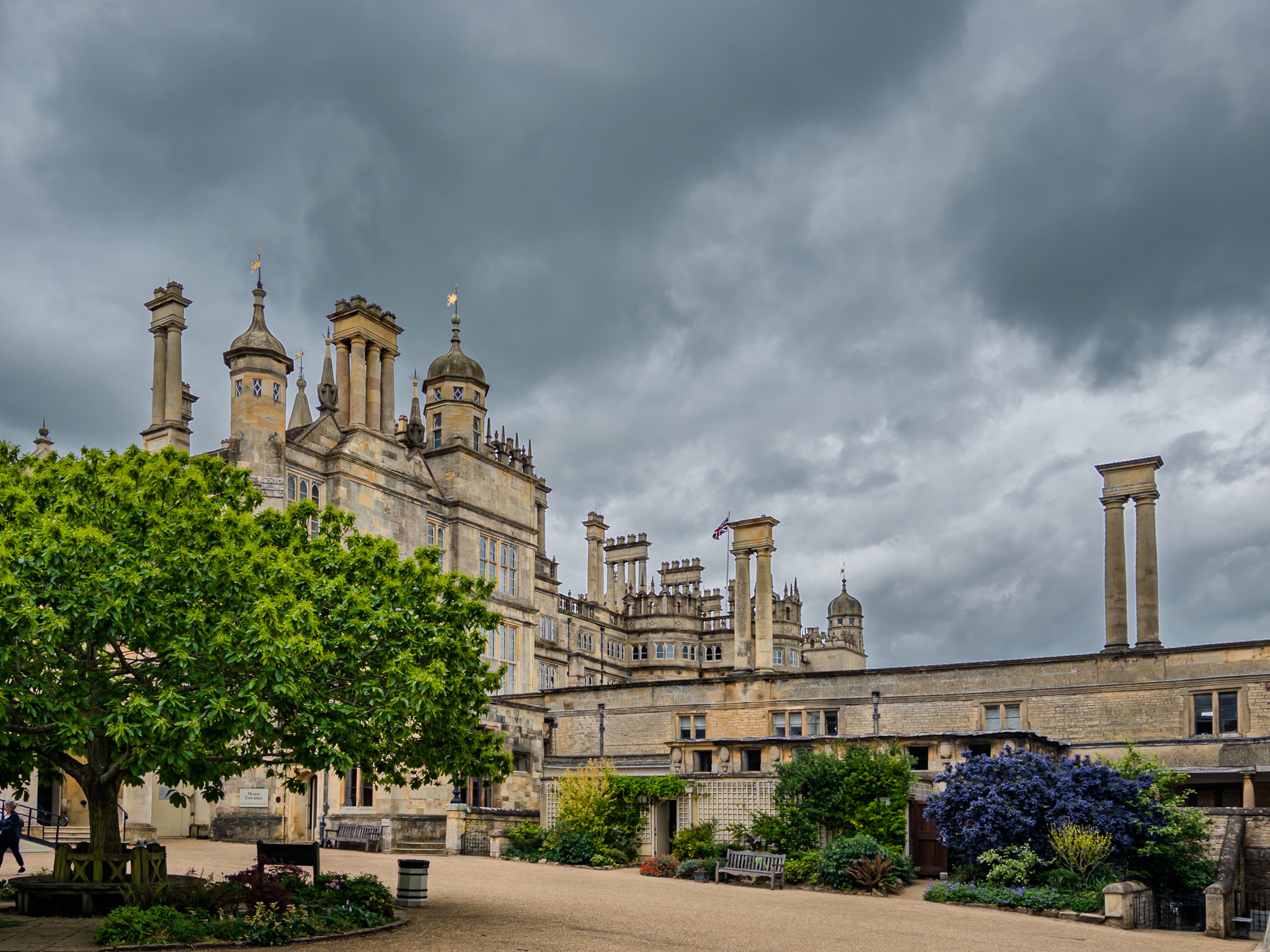
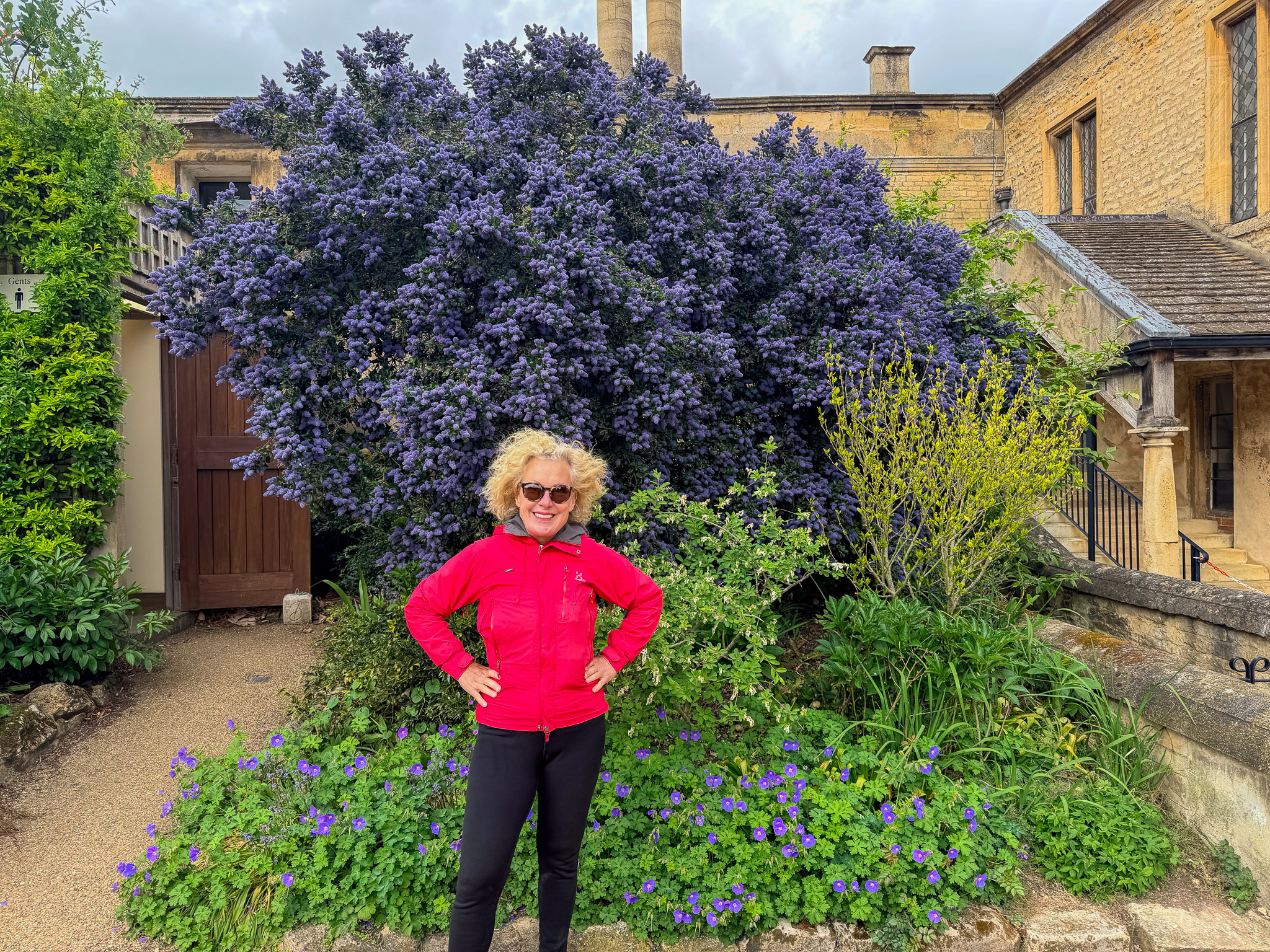
Just wait ’til you see the photos from Burghley House. Scroll down for a description of our visit there.
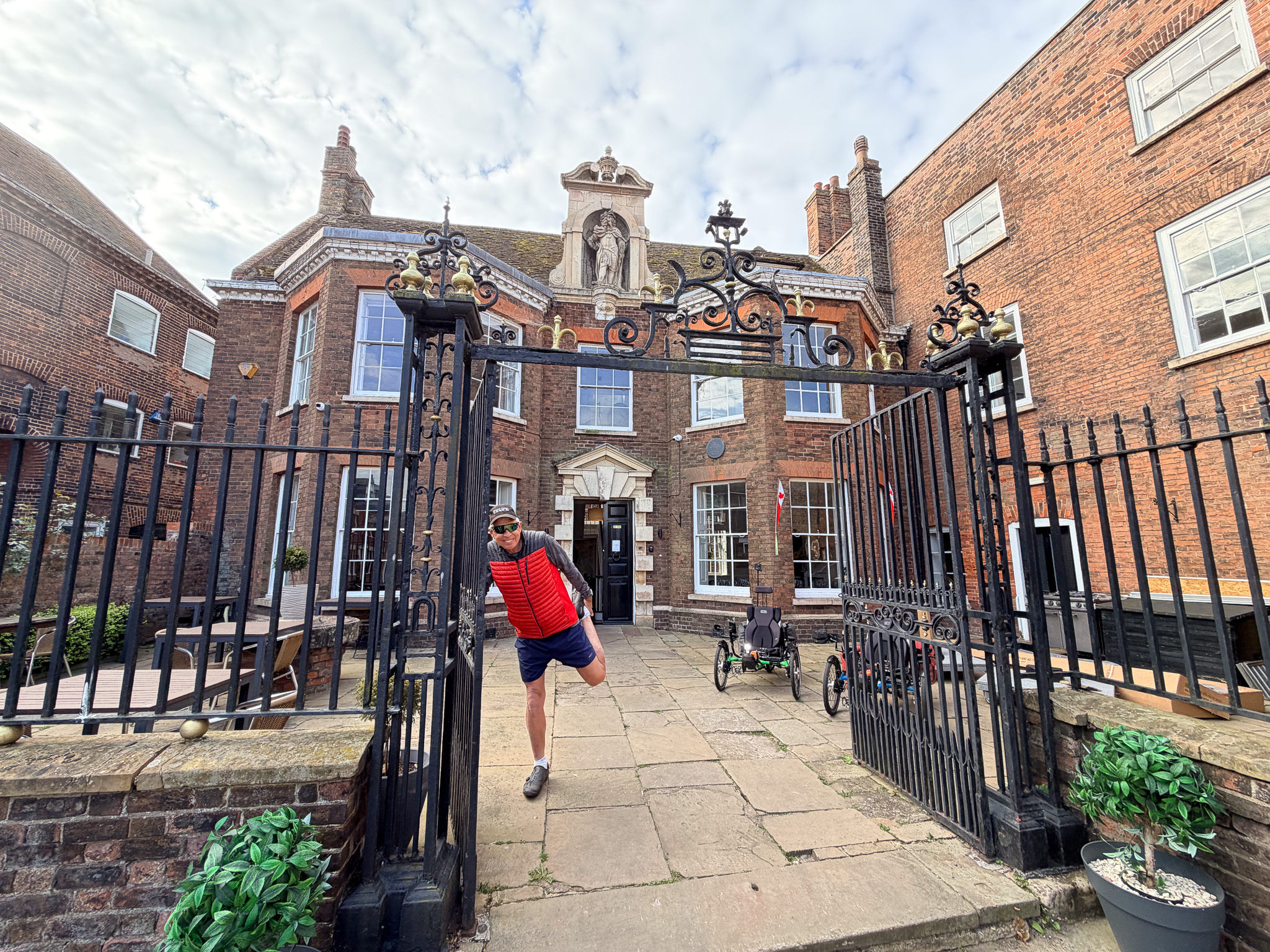
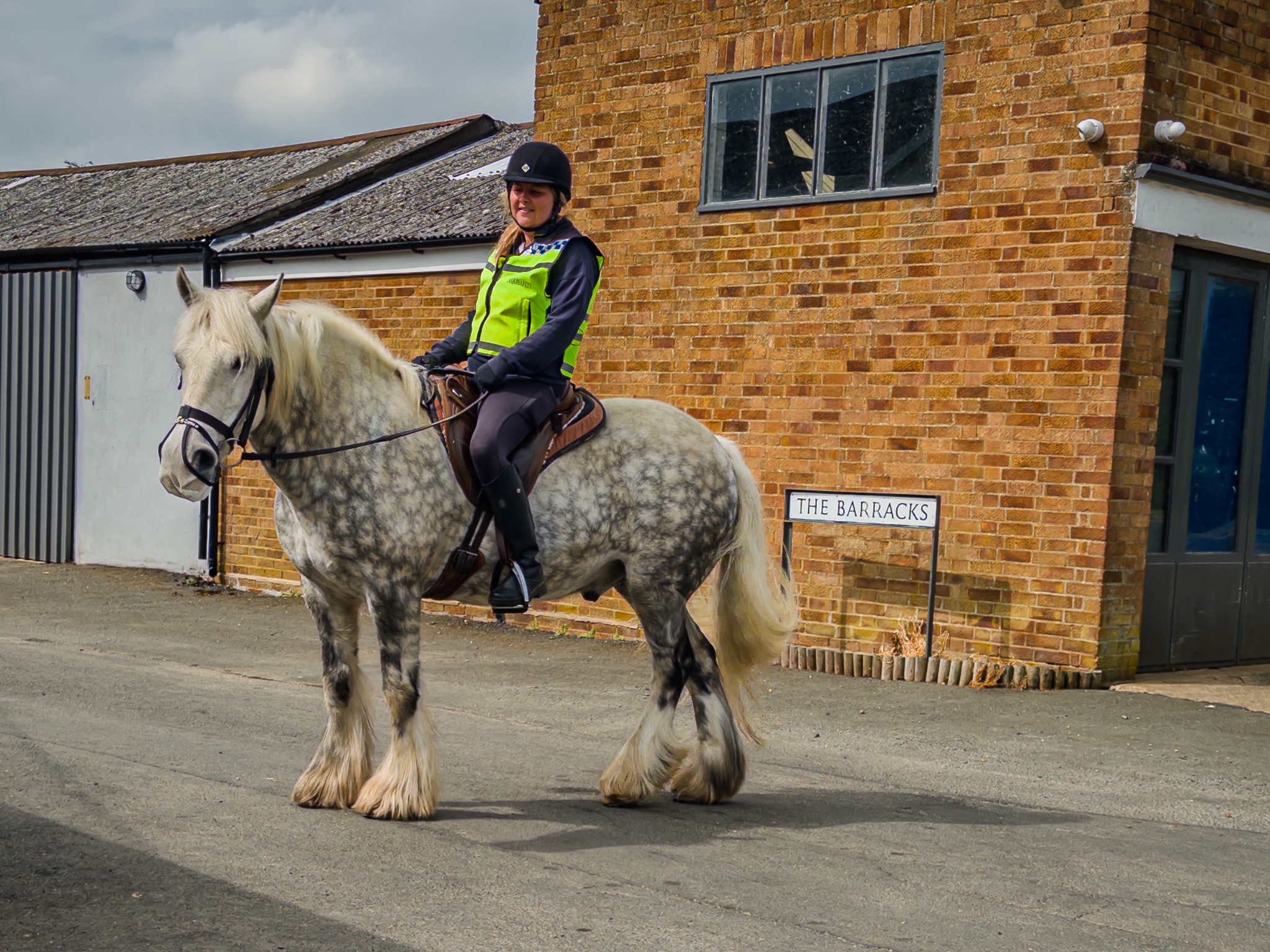
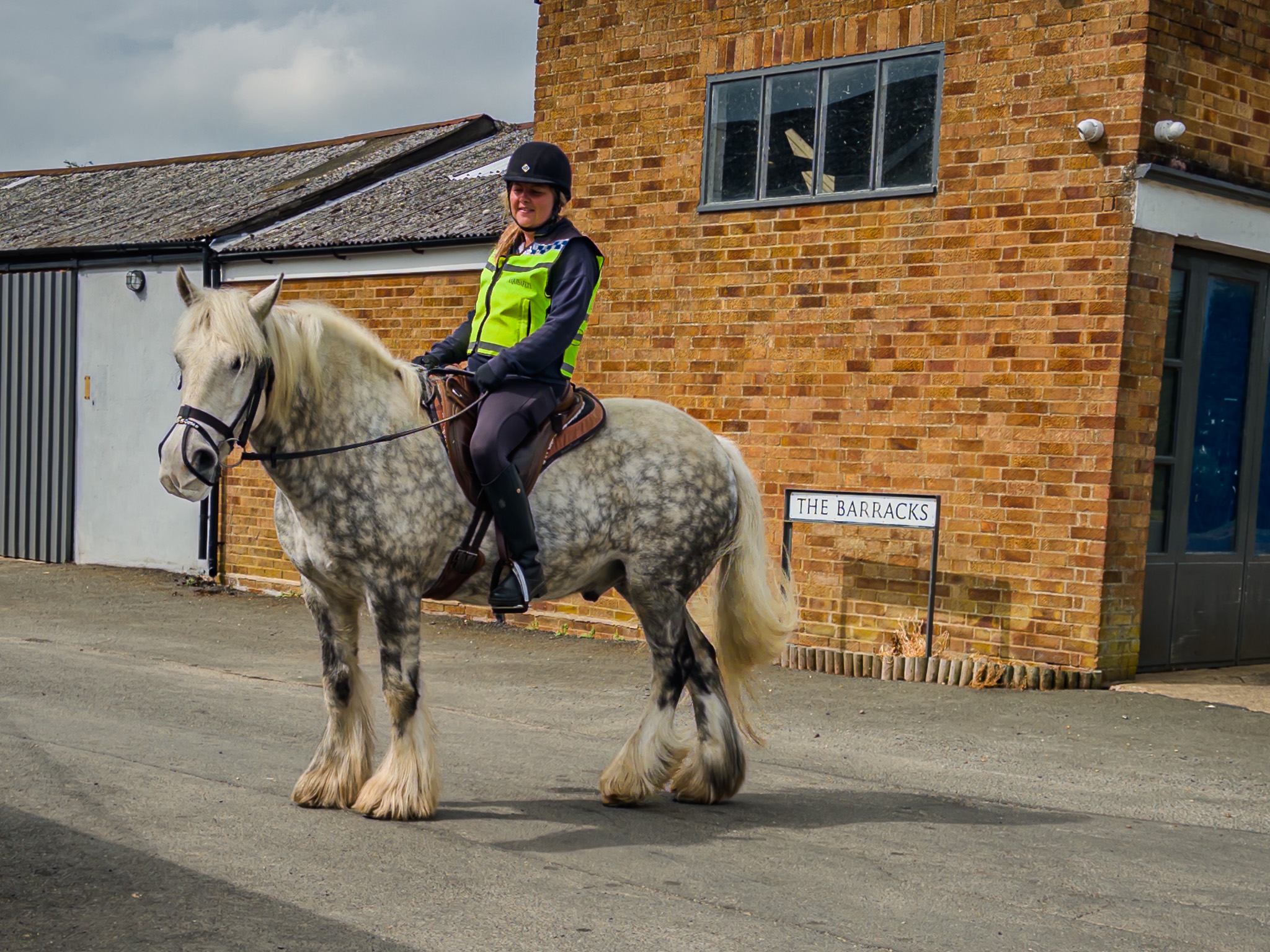
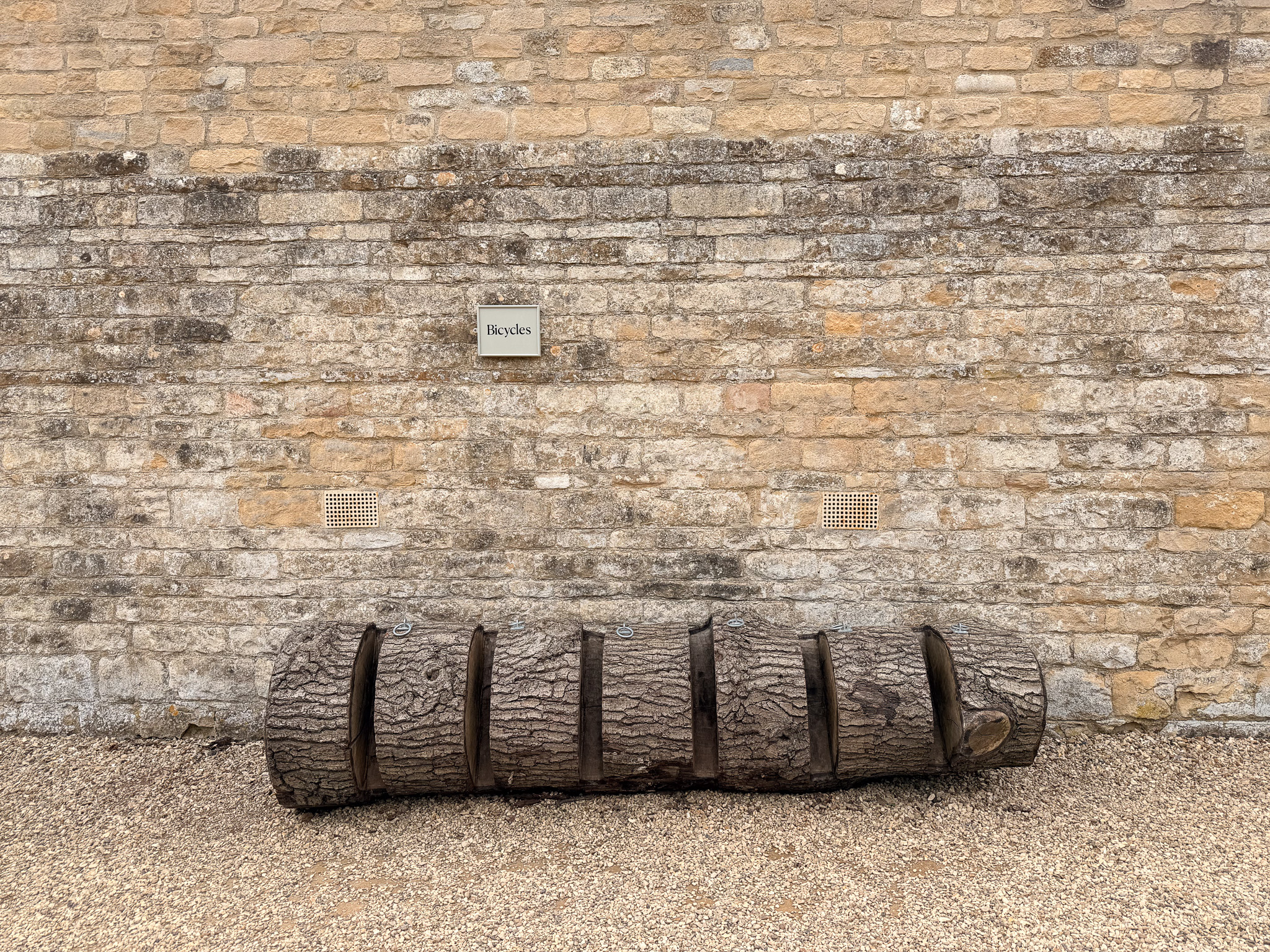
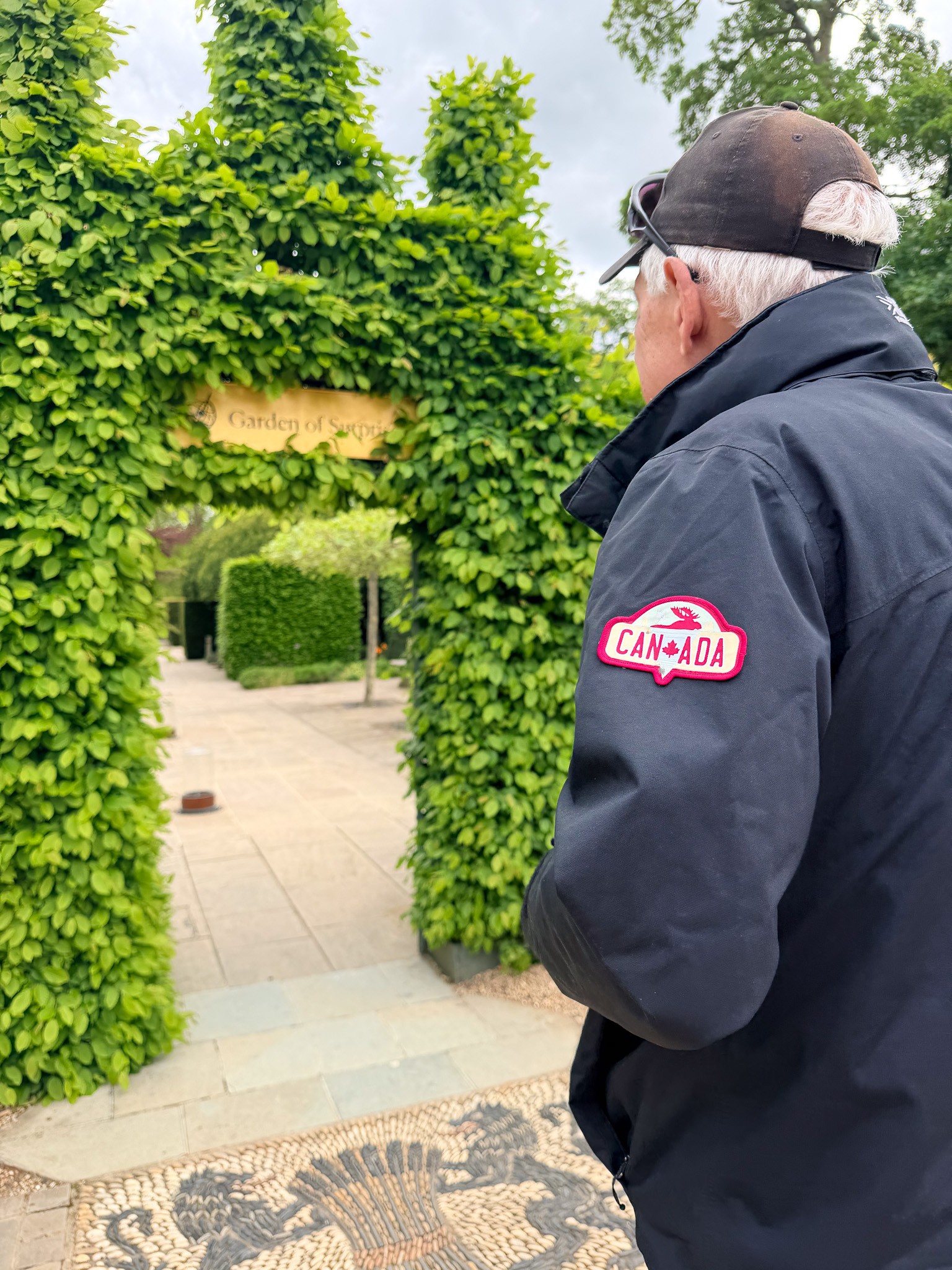
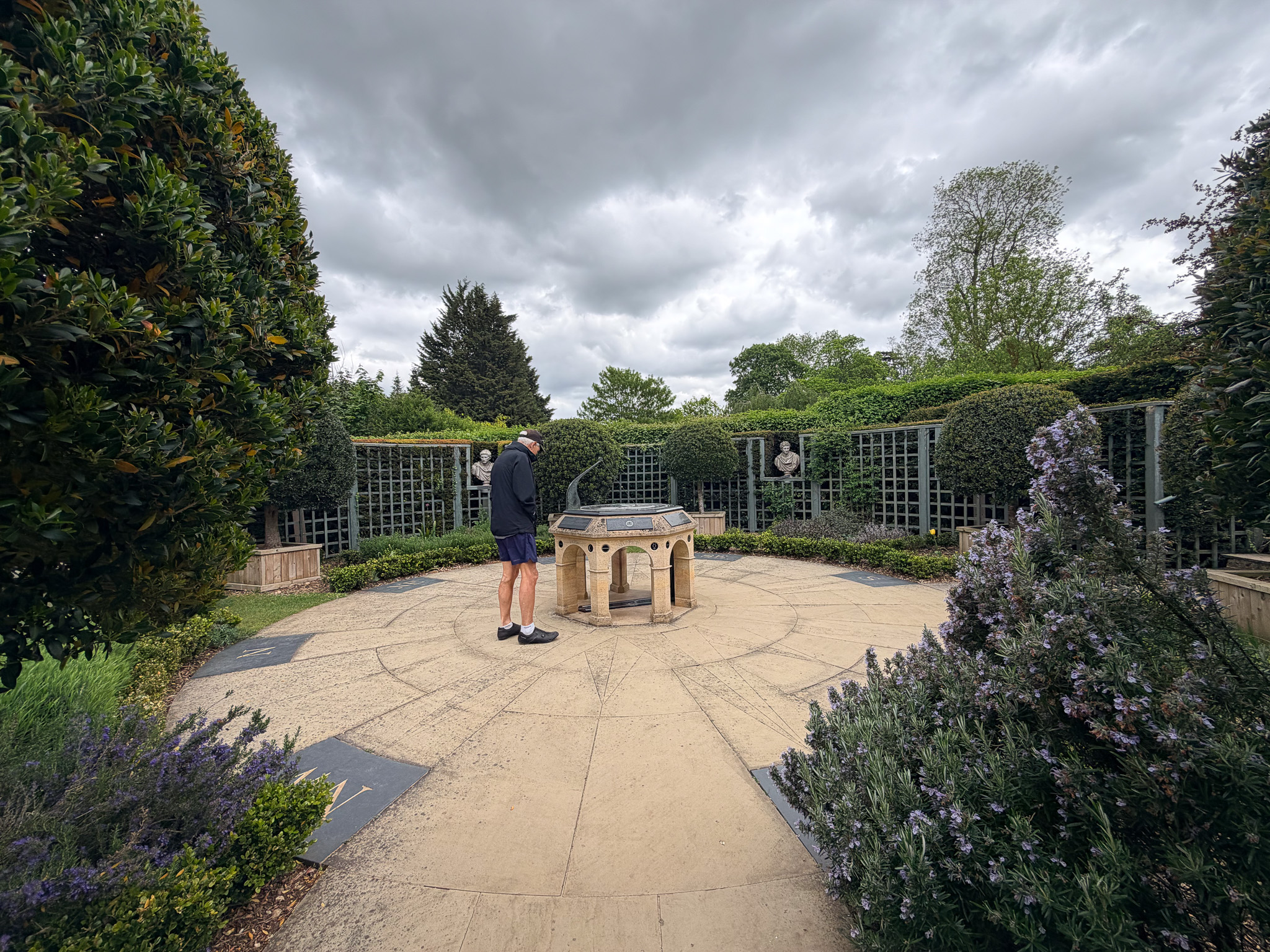
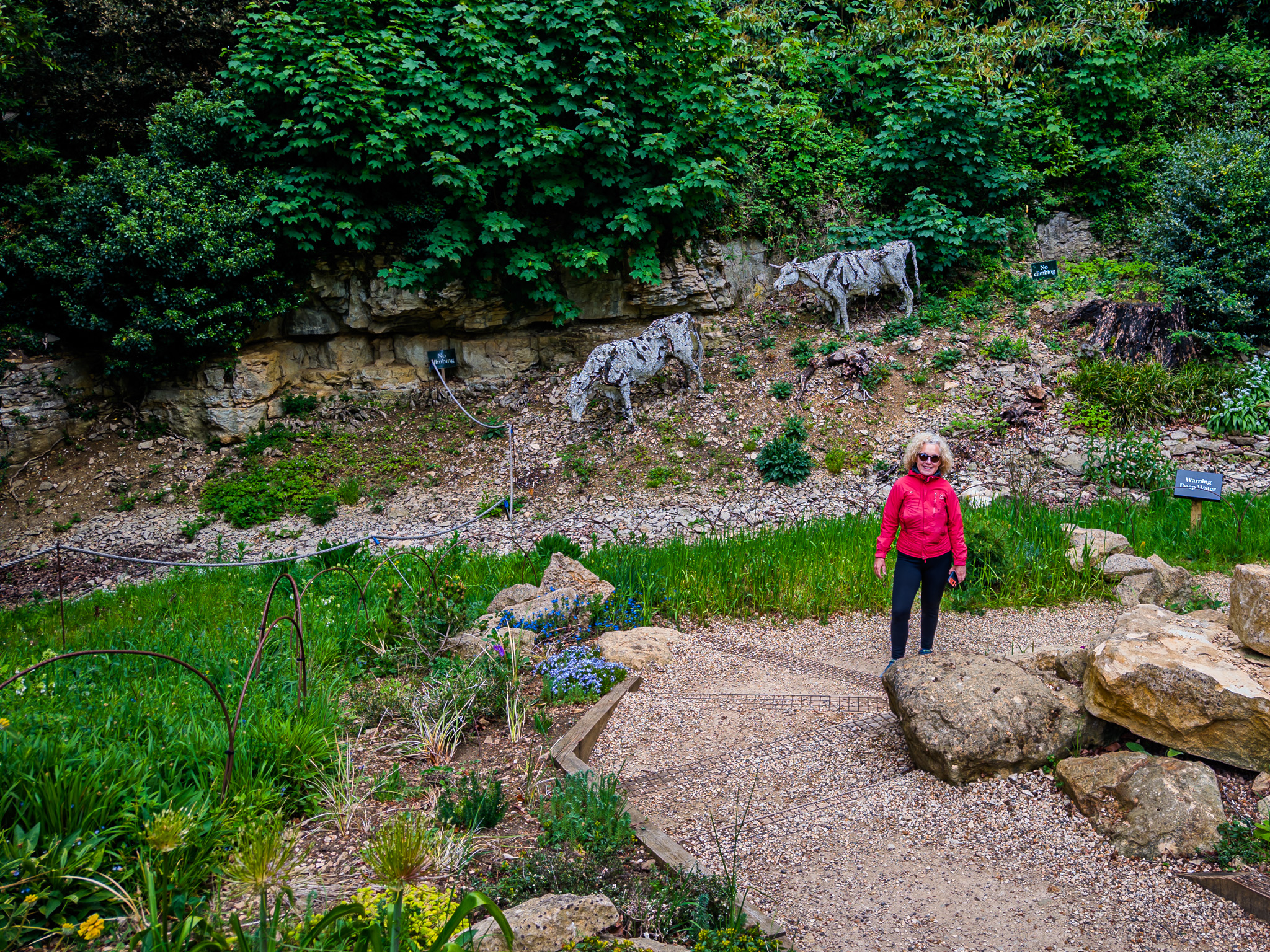
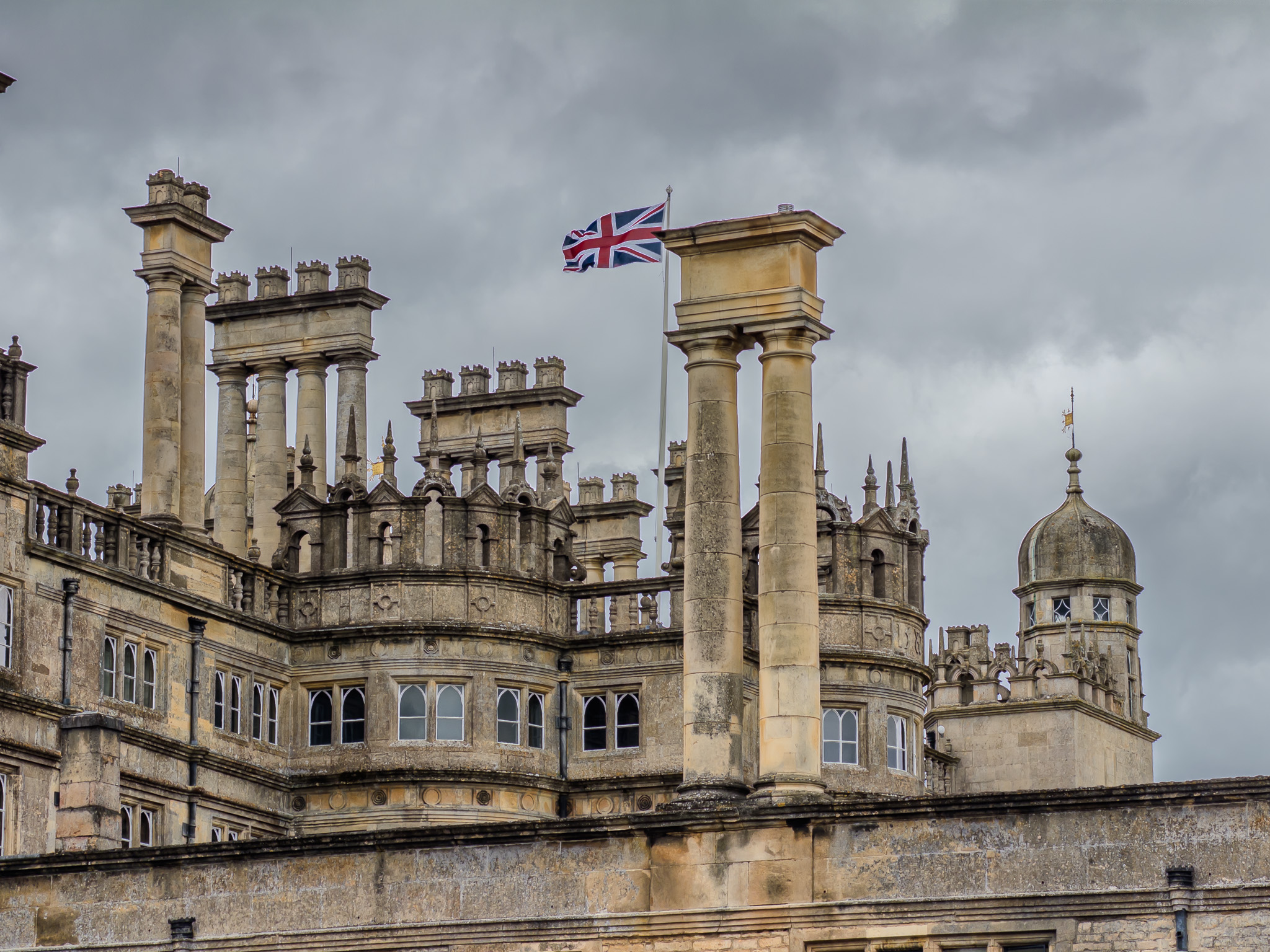
Wednesday May 6th. We rode a 20 hilly km through some very pretty villages, lots of limestone mansions, pulled into the Historic Houses’ Burghley House. Volunteers let us know that the house tour would be at 2:30 and suggested that we tour the two gardens while we waited. (The Garden of Surprises, with its whimsical water features, and The Sculpture Garden, set beautifully into Capability Brown‘s epic landscaping).
Travellers’ tip: we were happy to have our Historic Houses memberships. Otherwise, admission to Burghley House would have been 22 pounds ($41CDN). Each.
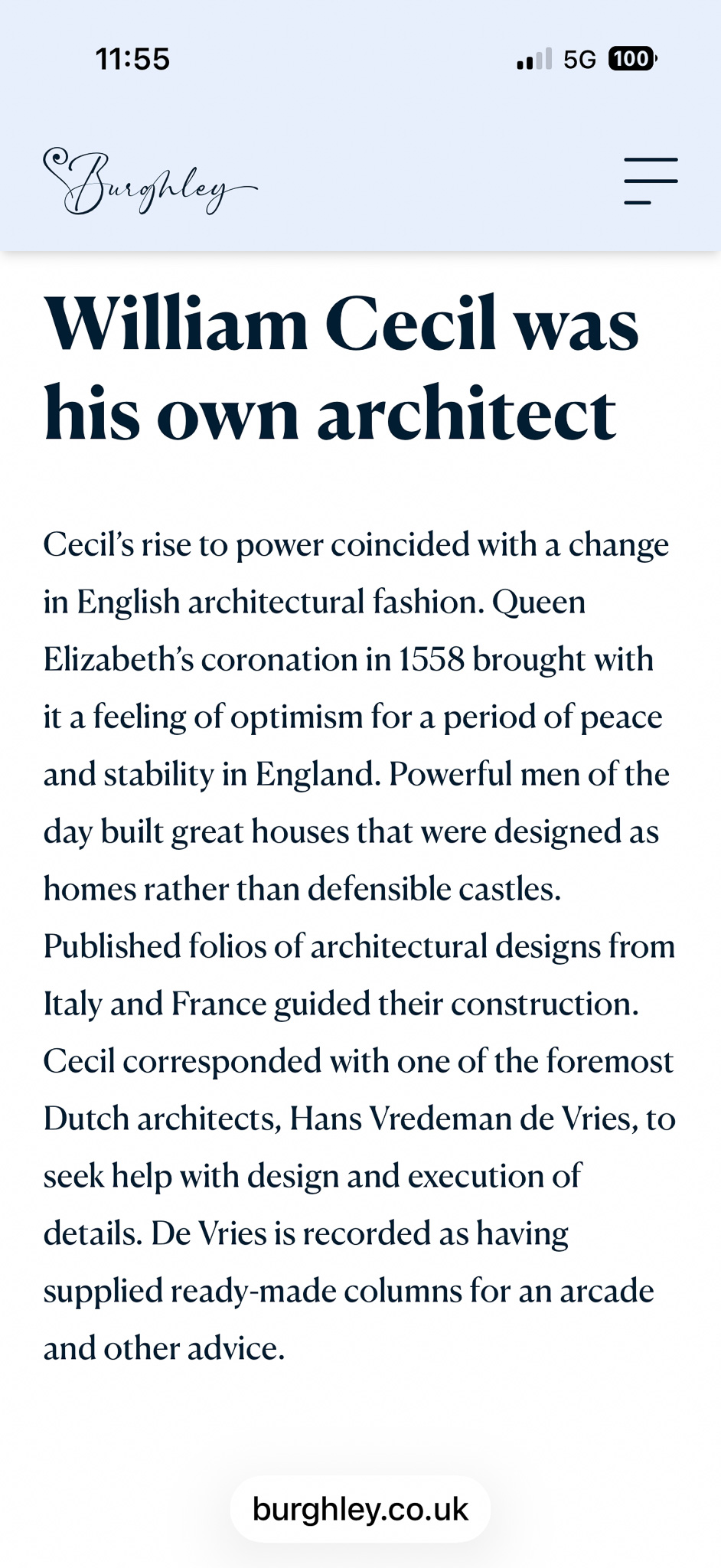
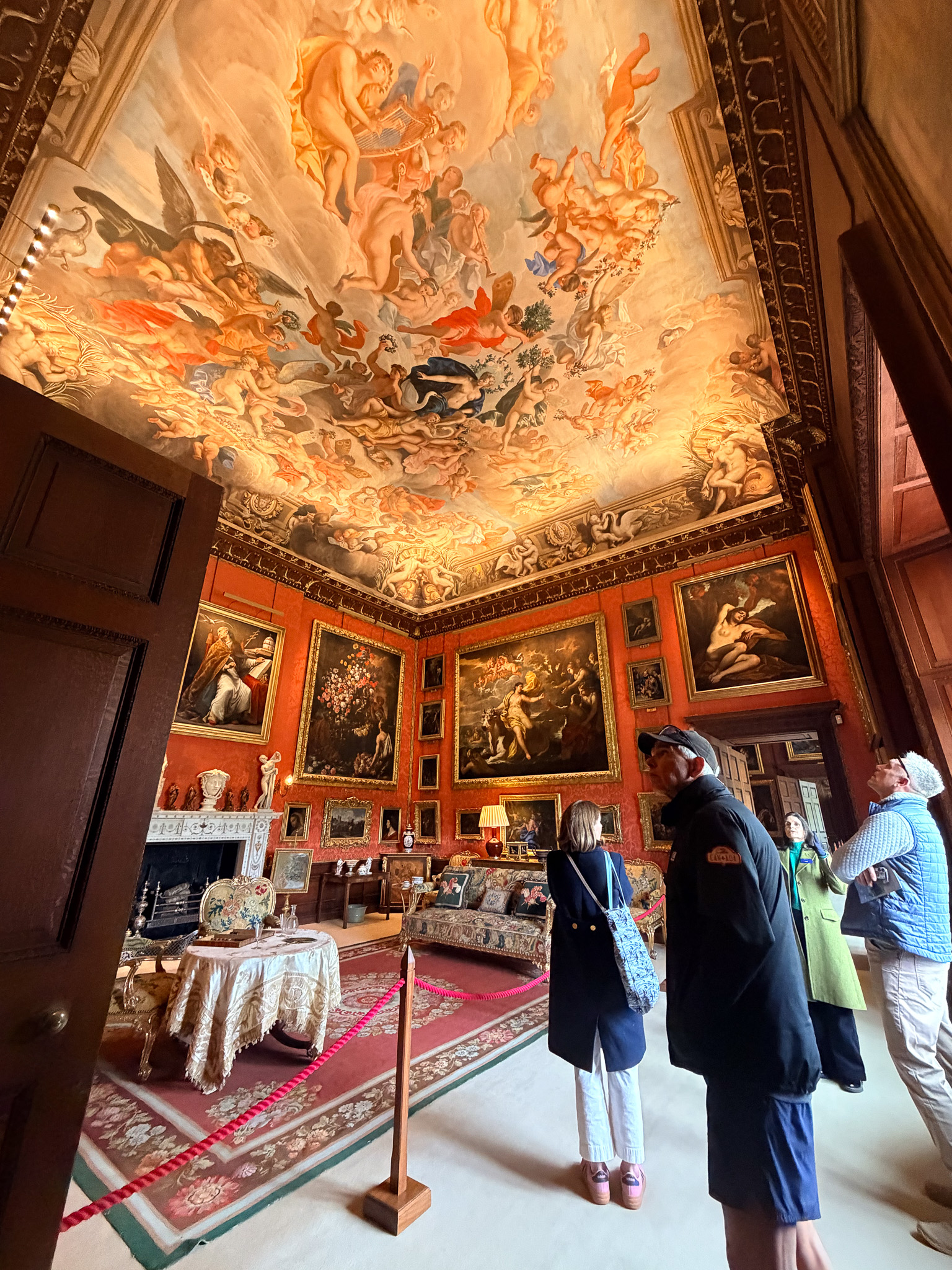
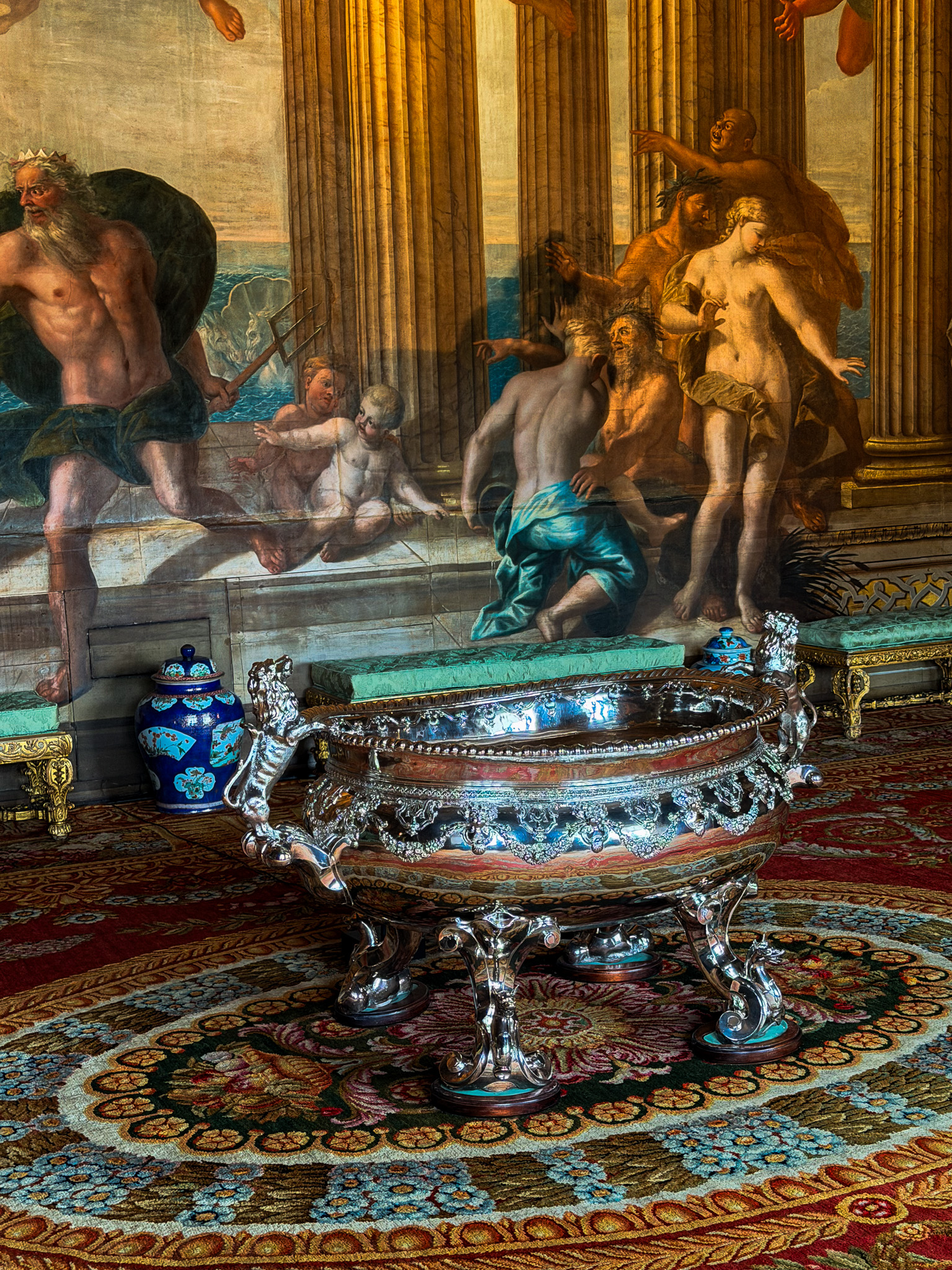
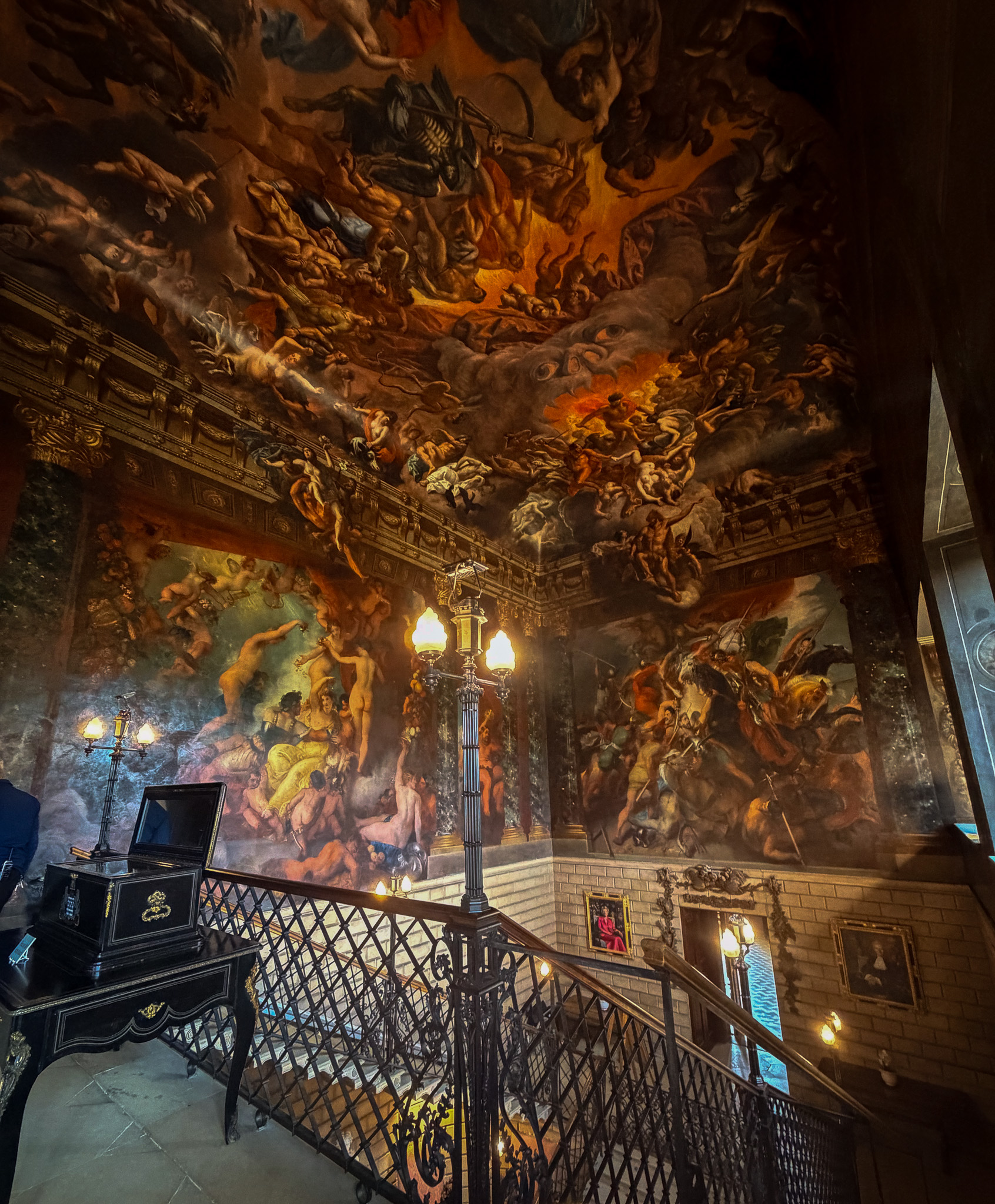
Sir William Cecil, the 1st Baron of Burghley, built the house. He was the most powerful courtier in Elizabethan times, Elizabeth I’s Secretary, Lord Treasurer. He spent 30 years creating this “prodigy house*” to create a family seat for his descendants. The house was decorated by his heirs on their “Grand Tours” to Italy, some of which lasted six years.
The Grand Tour emerged in the 16th century and became a widespread custom from the 17th to the early 19th century, primarily among wealthy young men of Europe, especially from England, but also from France, Germany, the Netherlands, Sweden, and Denmark. It was considered a rite of passage, marking the transition from youth to adulthood and providing exposure to the cultural, artistic, and intellectual heritage of Europe.
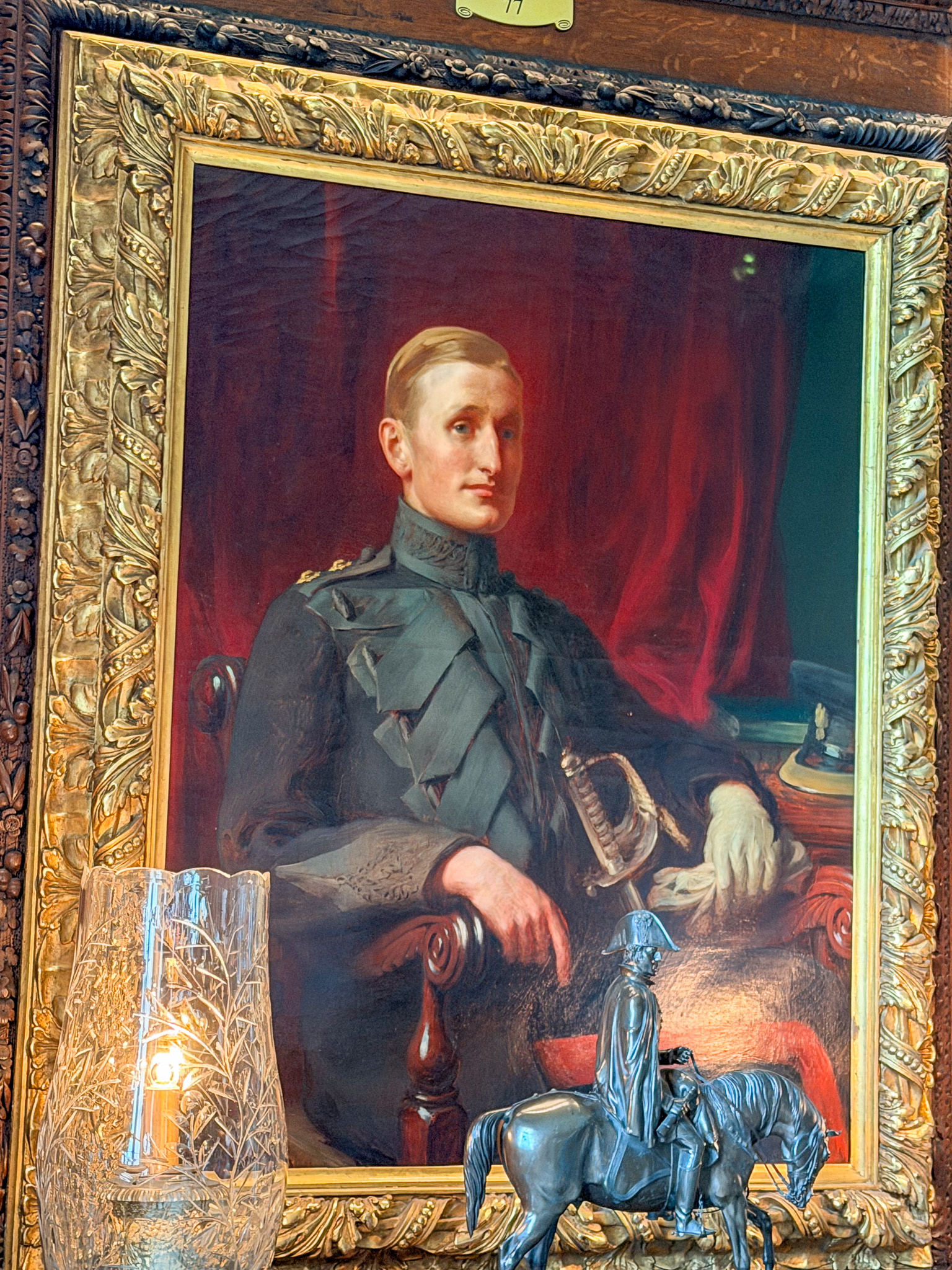
Centuries later, one of Sir William’s descendants was David, the 6th Marquess of Exeter, who was portrayed in the movie Chariots of Fire by Nigel Havers. He competed in the 1928 and 1932 Olympics, was a golden athlete of his generation, and he is the one who set up Burghley House with a Preservation Trust so it continues to thrive, today. (Otherwise, Inheritance Taxes gut estates.)
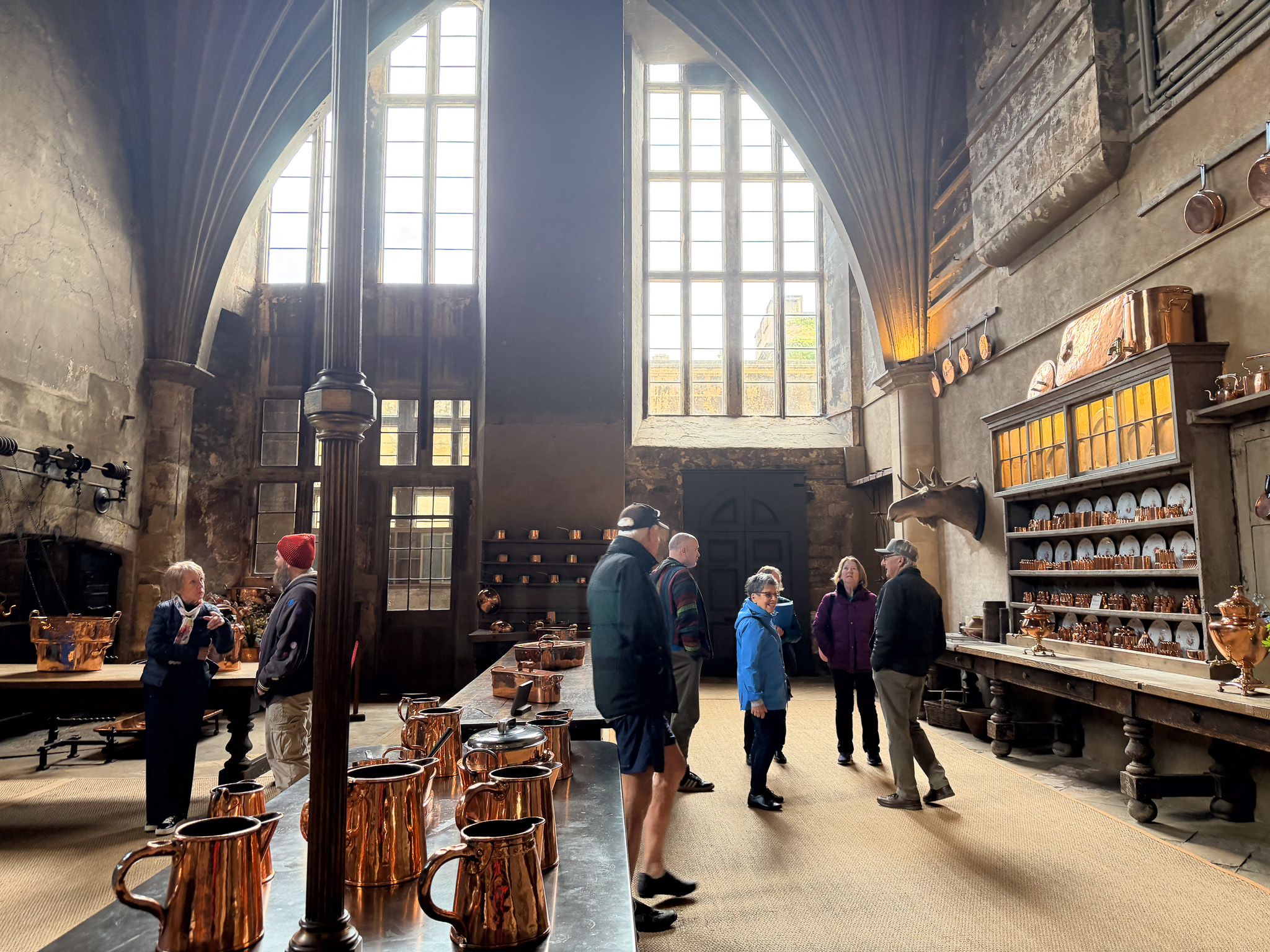
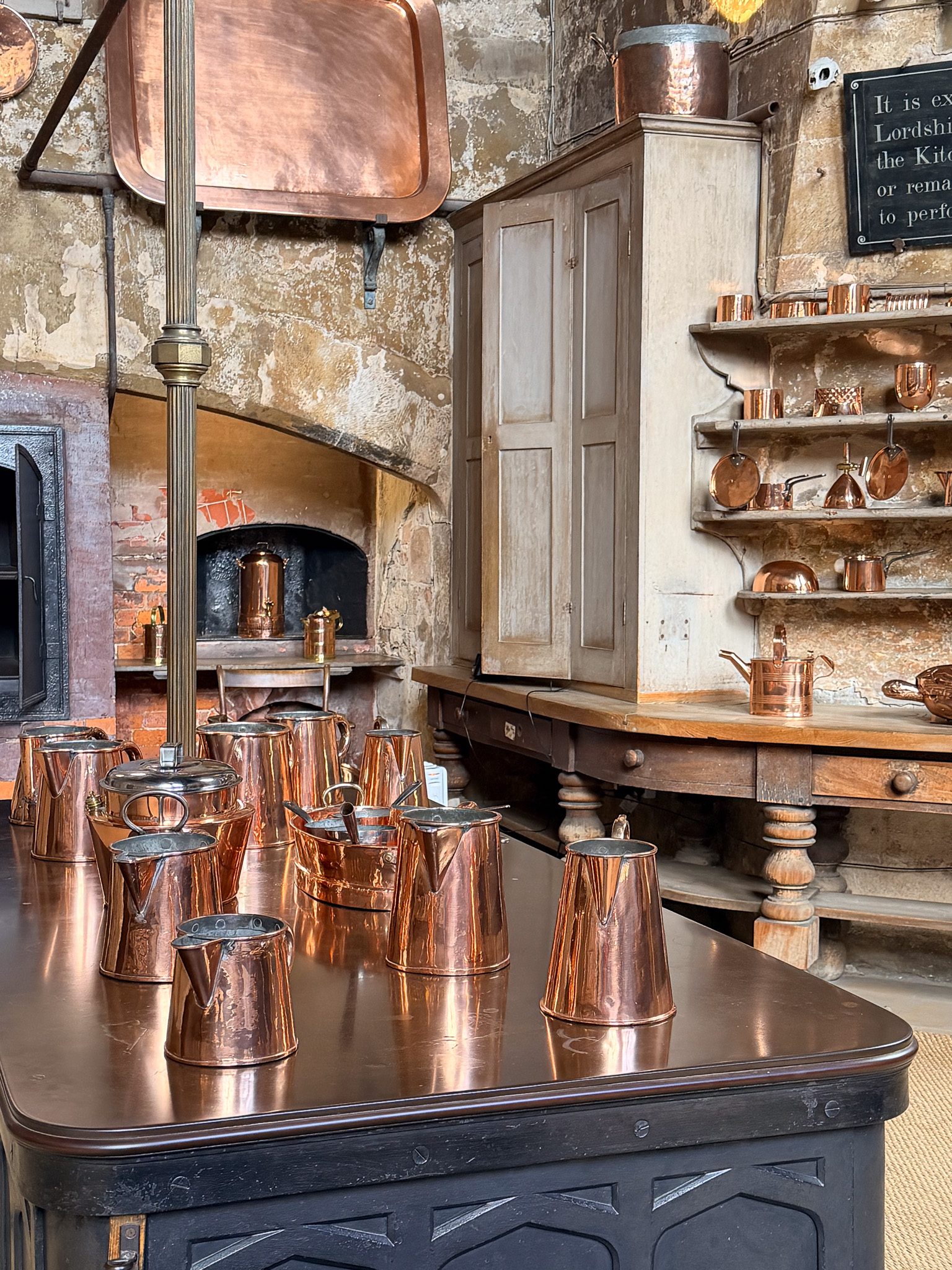
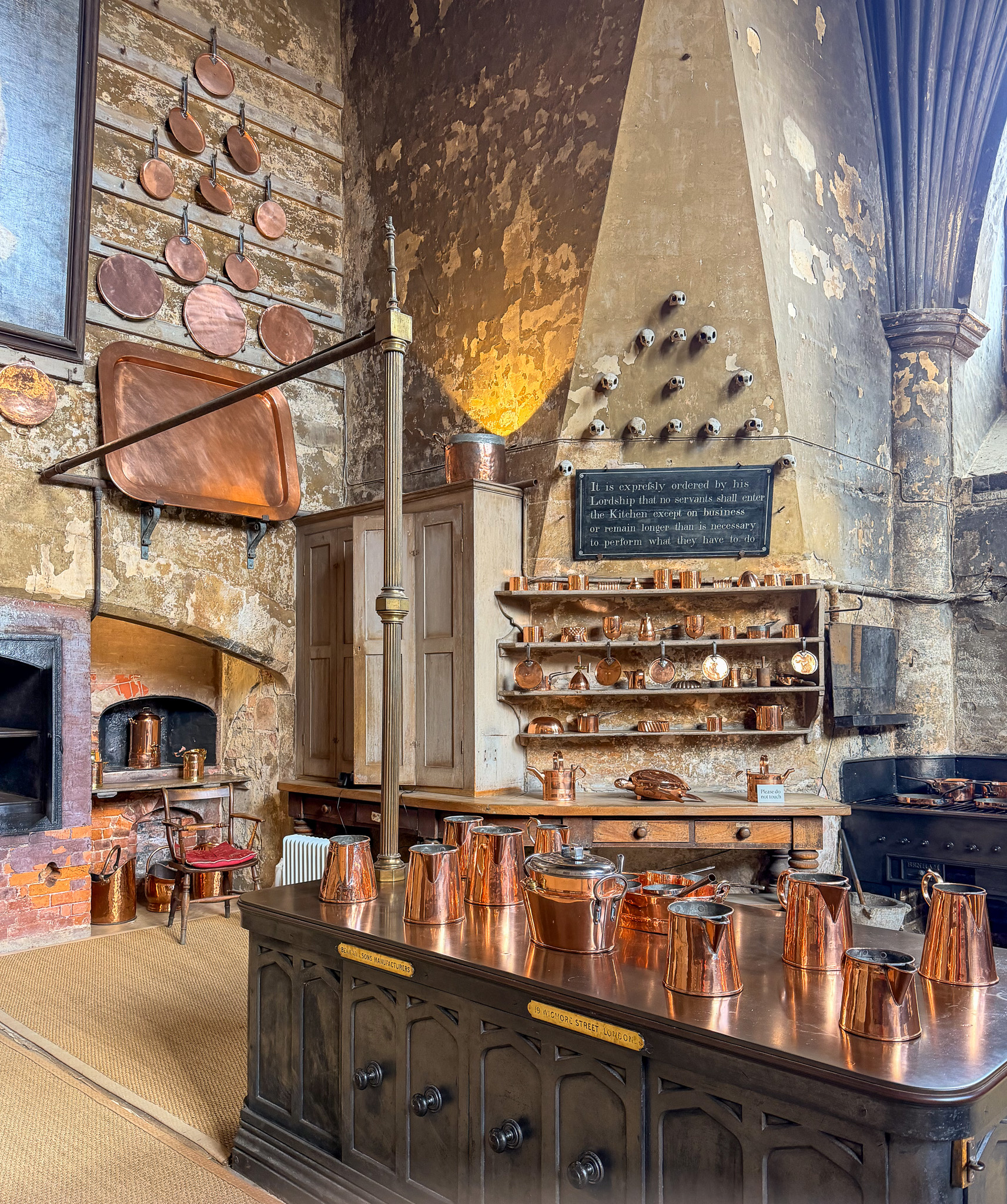
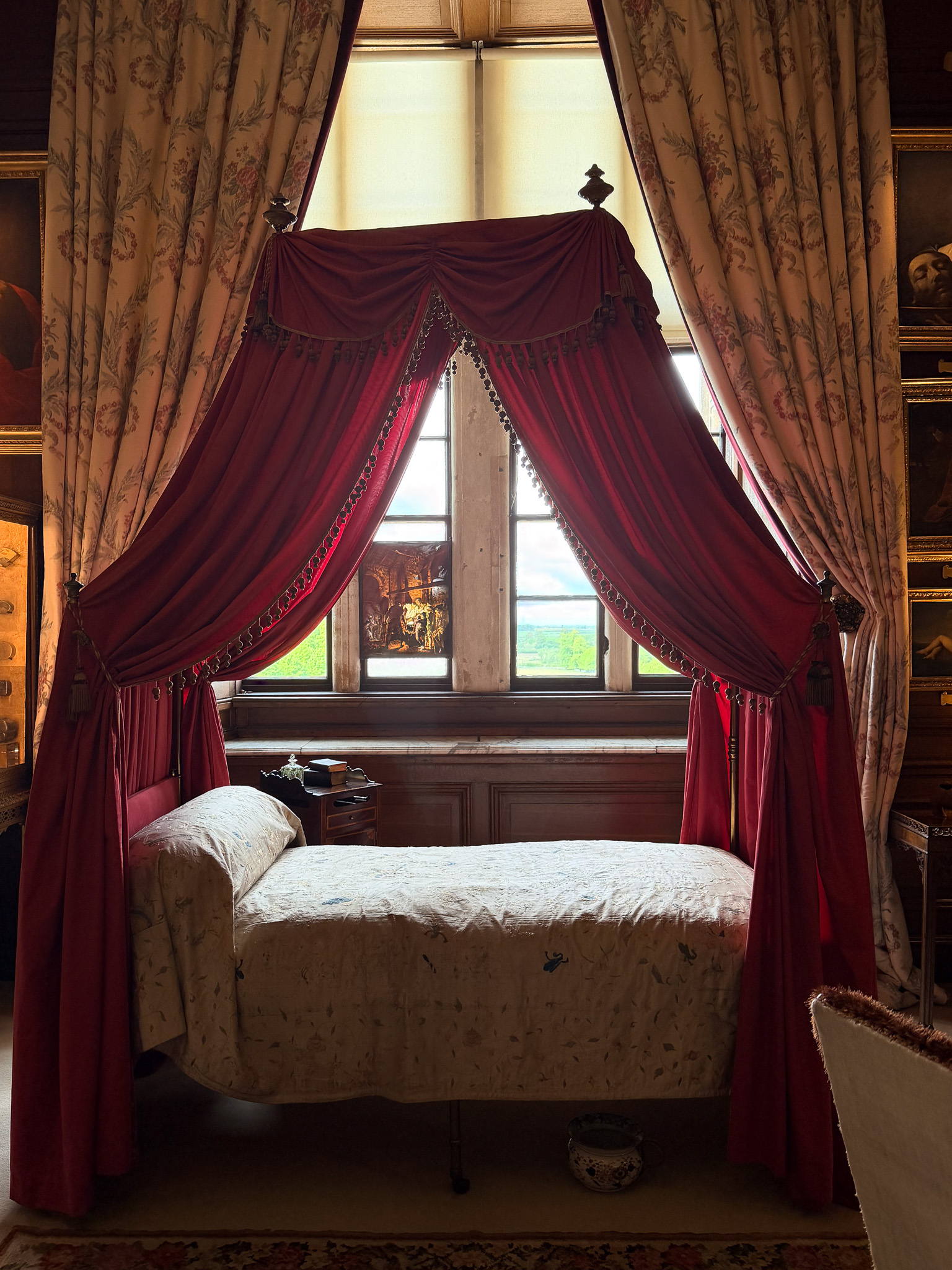
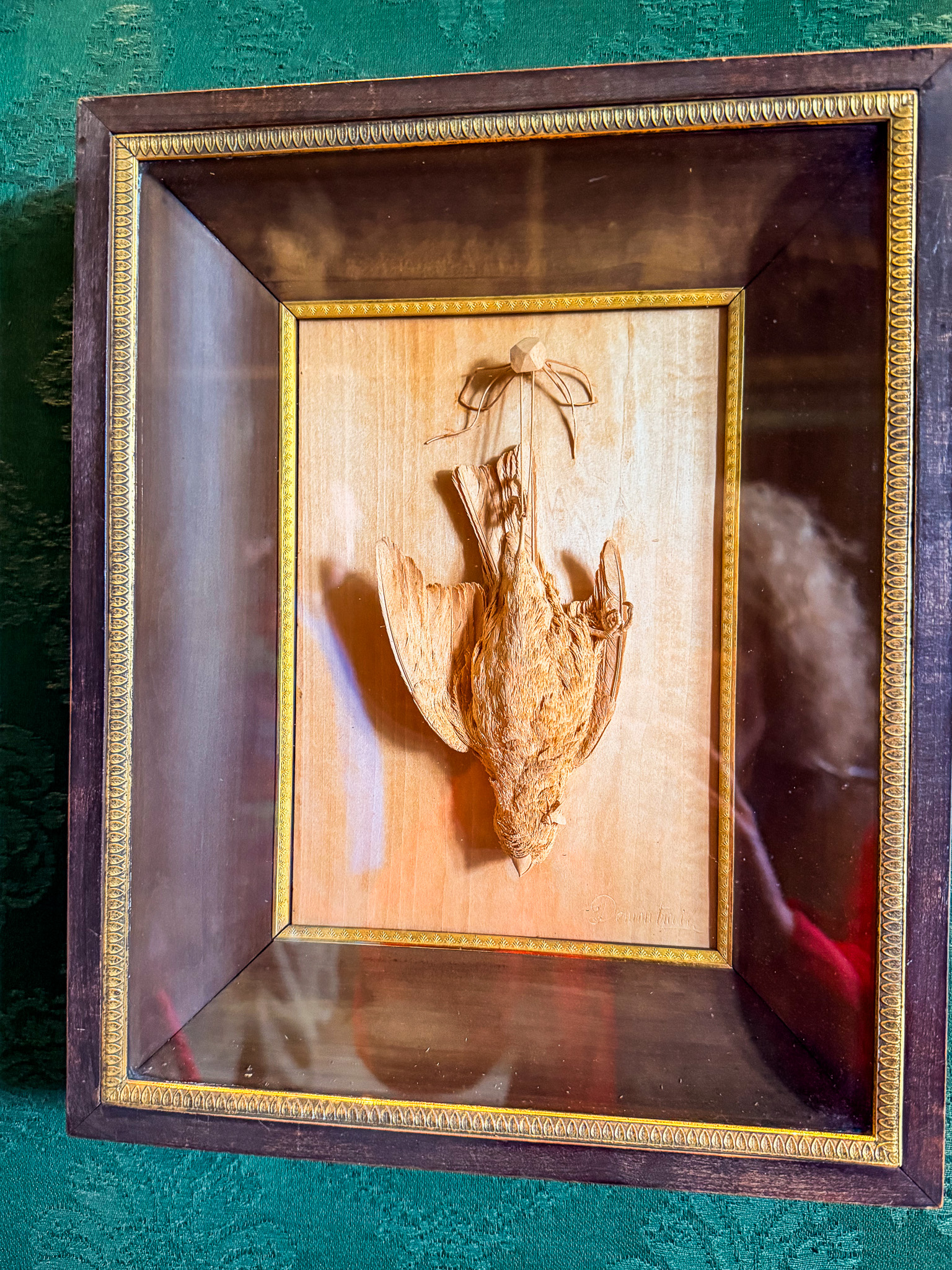
The tour of the house was beautiful. I – Patti – especially loved the copper in the kitchen, the turtle skulls on the chimney (from Turtle Soup) and the turtle tureen. The decorating in the house is lush – excessive – lots of Italian paintings and fabrics, and mindblowing. Of note is a small, modest, wooden sculpture that our pal Brian had told us to look for. It’s of a sparrow, about 6″ in size, carved from a single piece of wood. The detail in it is astounding. There is a miniscule fly with almost transparent wings on the neck of the bird. (See photo.)
Overwhelmed, we left the tour, hopped on our bikes, rode 20 km back to the hotel, and popped into the pub across the street for dinner.
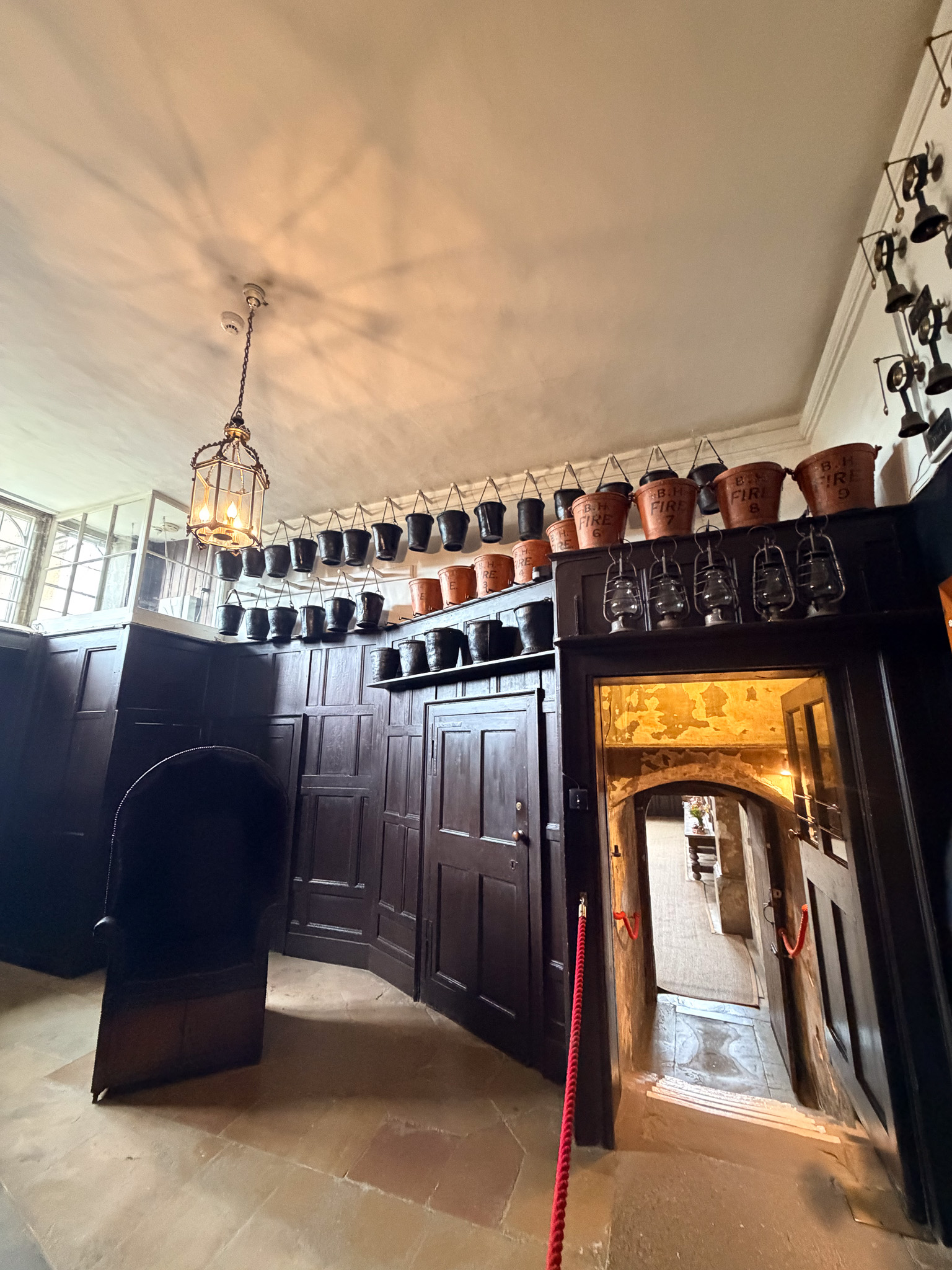
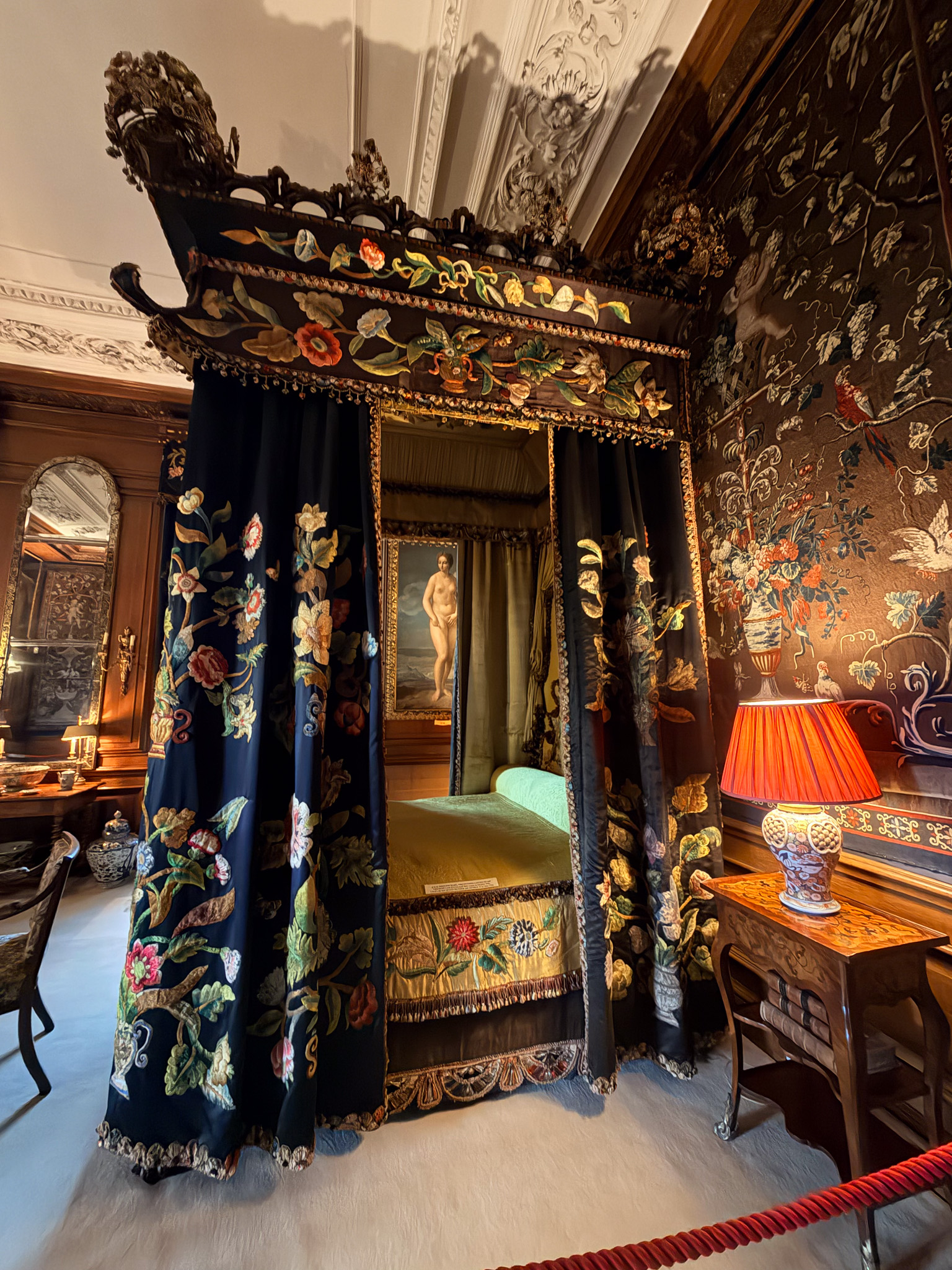
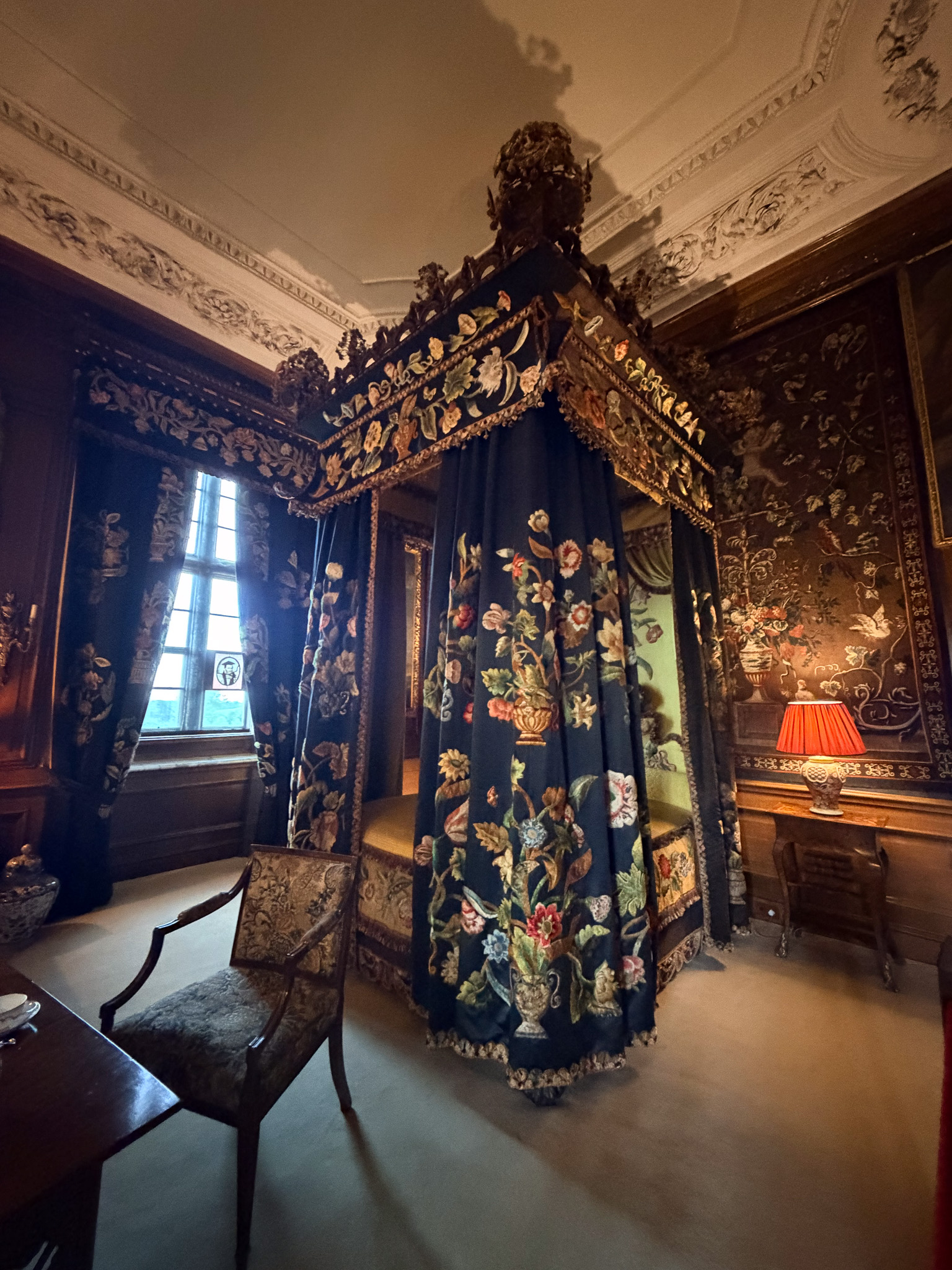
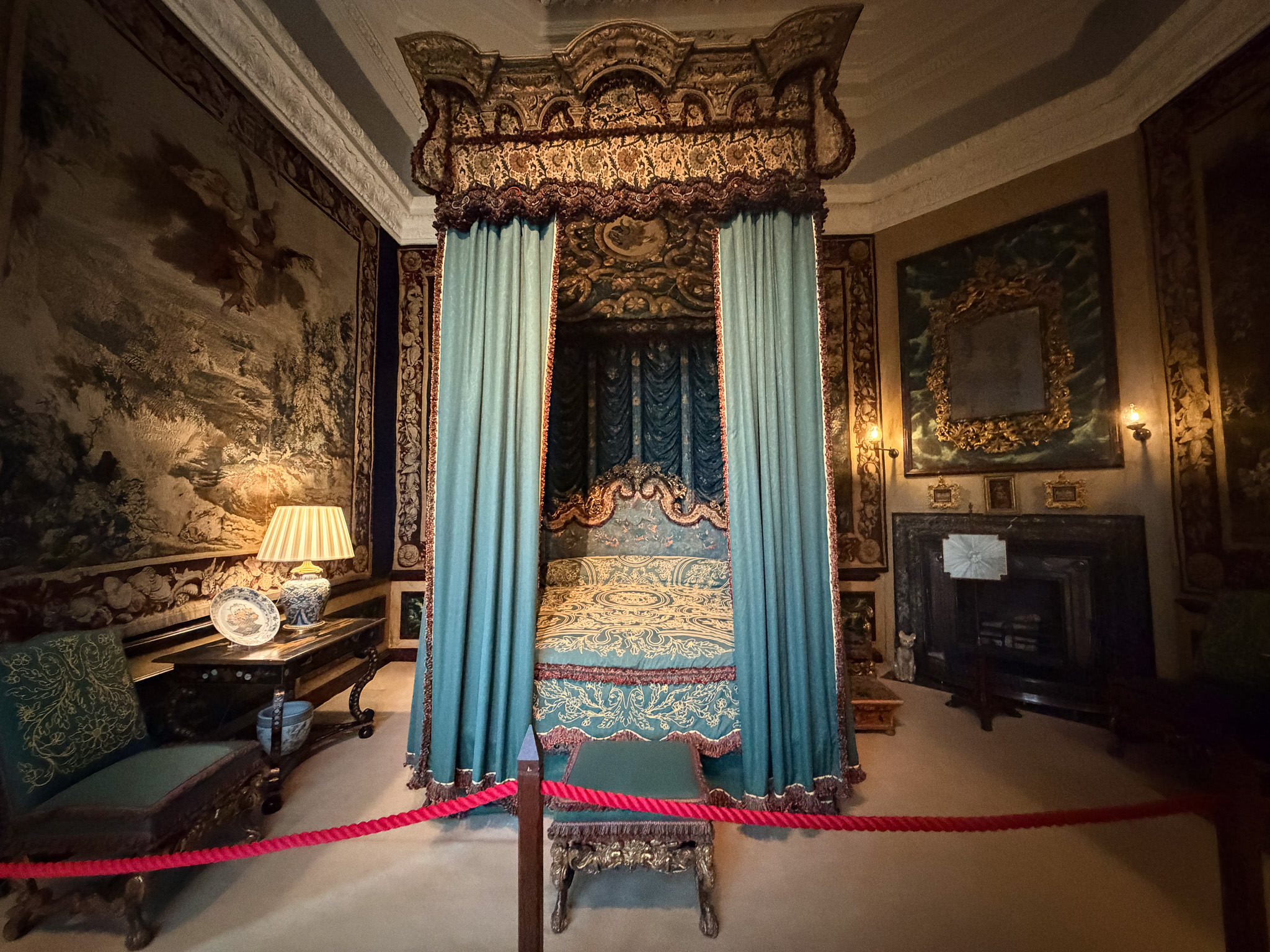

While we were waiting for dinner, I saw a man who was wearing an Electronic Ankle Bracelet* scoop up all of the condiments on a table – mustard, ketchup, mayo, salt, pepper – into a bag, and hightail it out the side door of the bar. Peterborough was rough, and I am glad to have visited it as a reminder that it’s not all castles and unicorns and beautiful scenery in the UK.
This a country with real challenges. People are struggling.
Next day, Boston.
*A prodigy house is a large and ostentatious English country house built primarily during the Elizabethan era (1558–1603) and extending into the early Jacobean period. These houses were designed by courtiers and wealthy nobles to showcase their status, wealth, and loyalty to the monarch through extravagant architecture and hospitality. Notable examples include Burghley House and Hardwick Hall, which were constructed to accommodate the Queen Elizabeth I during her summer progresses. The term “prodigy house” was coined by architectural historian Sir John Summerson, who characterized these structures as “the most daring of all English buildings” due to their ambitious scale and innovative design.
*An electronic ankle bracelet (also called an ankle monitor, ankle tag, or electronic monitoring device) is a tamper-resistant tracking device worn around the ankle of an individual under criminal justice supervision.
Overwhelming is still an understatement. Everything here seems so clumsy and brutal in comparison. Do you have a travelogue night after you return, maybe mid-winter?? I enjoyed hearing the fibre crew allowing you past…. Intrepid pair
0
0
I am so glad you made it there. I have been 4 times and it never “gets old”, at least I am always surprised to have something else grab my attention as I wander through the property, inside and out. It is currently managed by Canadian decedents which is also a fun fact of sorts!
Did you get any good pictures from the front moated lawn? I can share!😊
0
0
Great place. Peterborough has its own vibe and obviously does not try too hard to copy. Like it.
0
0