We left Kelso with an encouraging weather forecast – cloudy, with a small chance of rain, and a slightly warmer temperature. At last! The ride to Selkirk promised two very interesting stops – Abottsford, the home of Sir Walter Scott, and The Great Tapestry of Scotland.
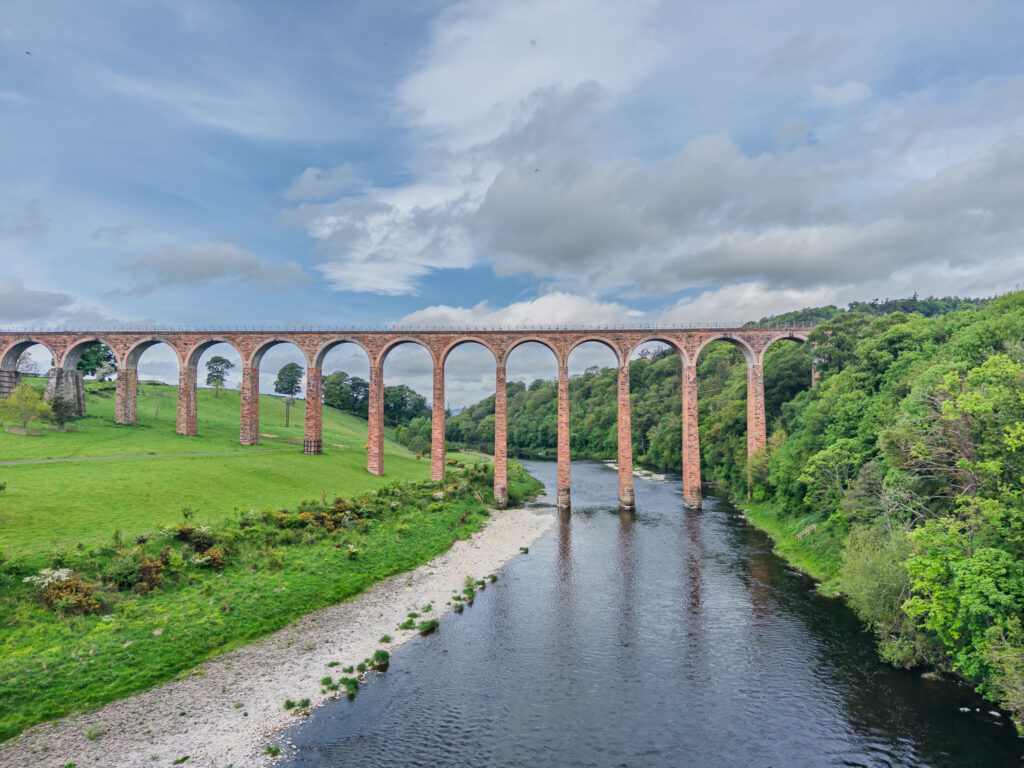
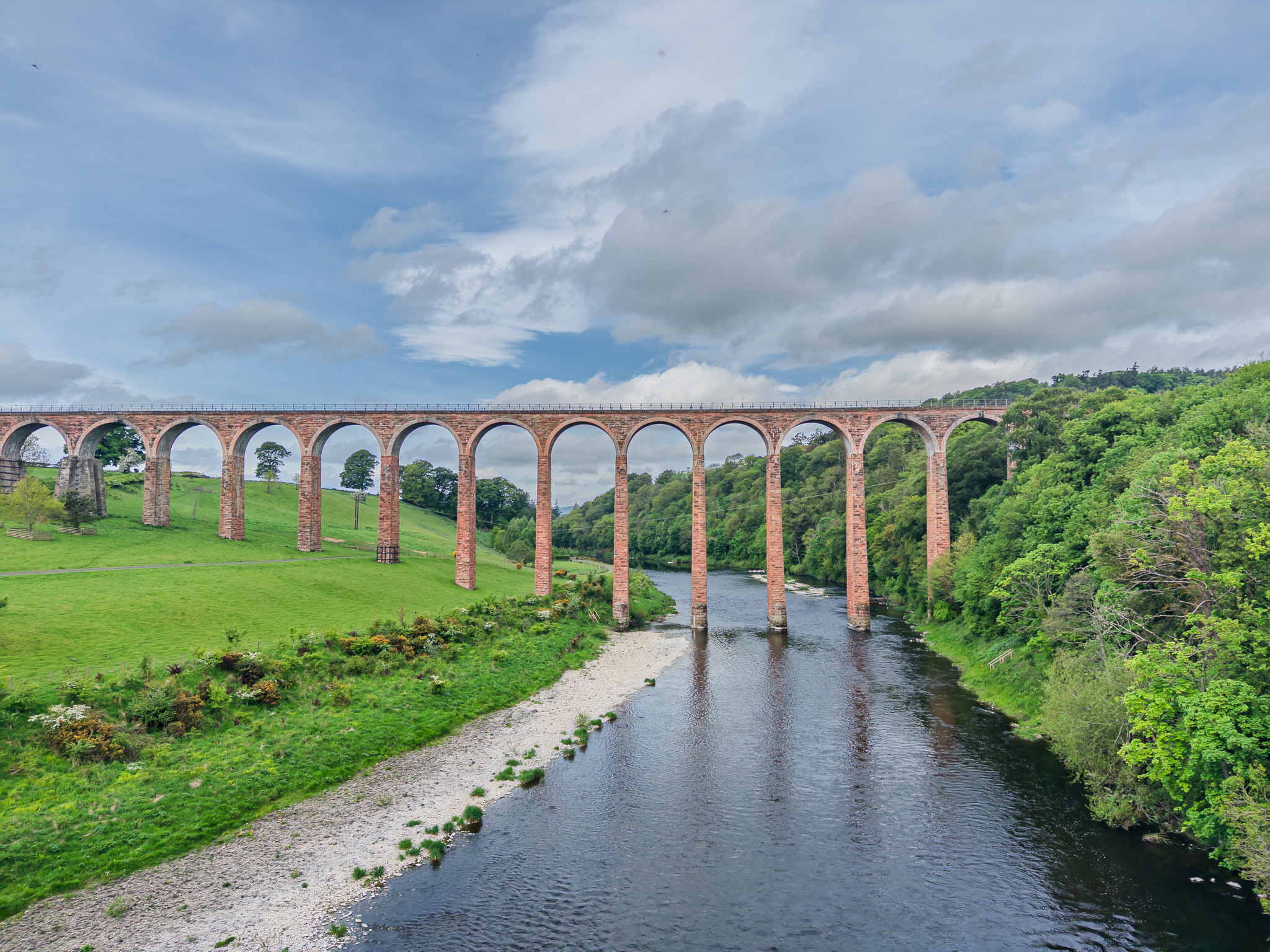
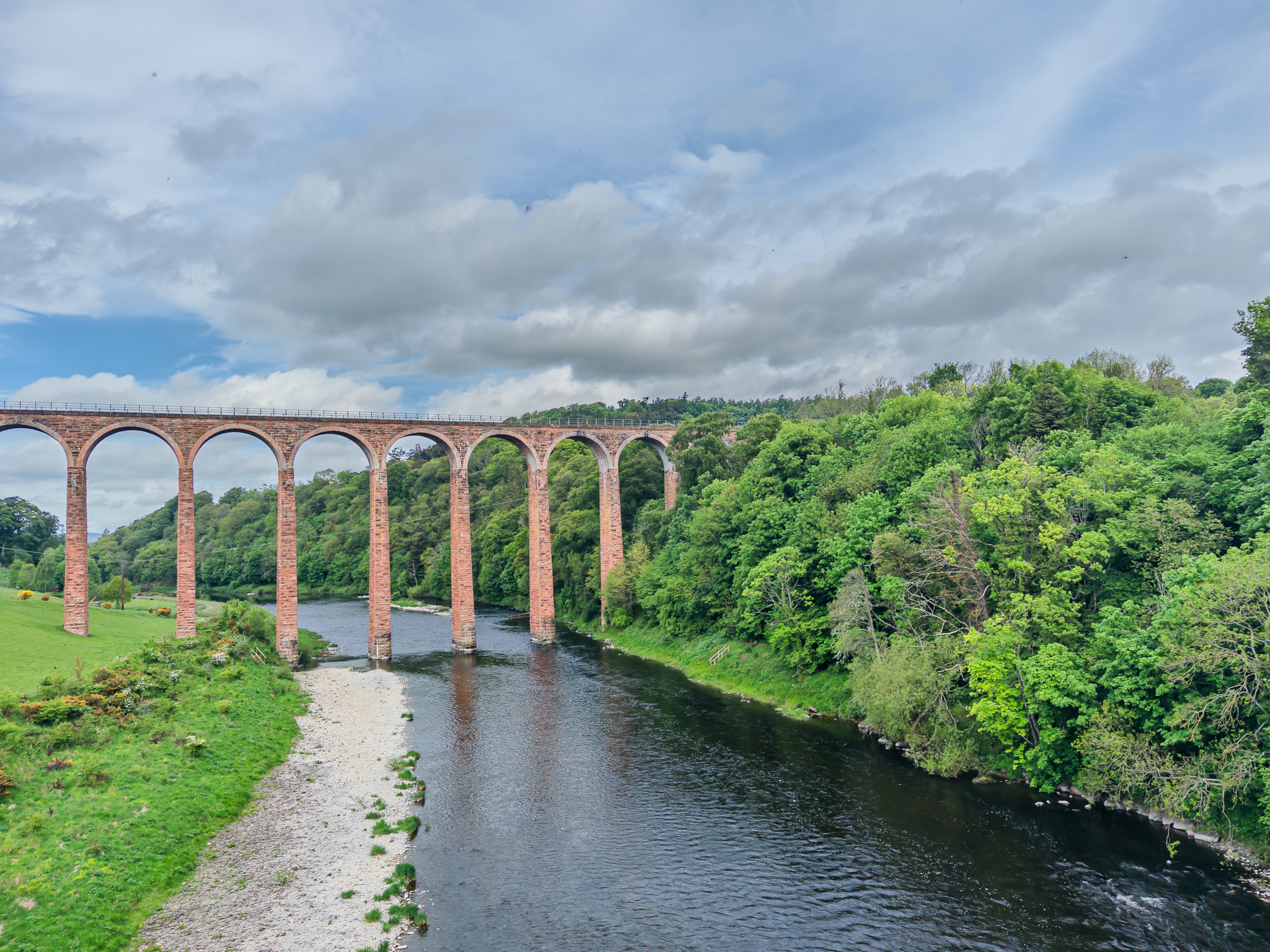
The cycle route followed the River Tweed, with a spectacular view of the Leaderfoot Railway Viaduct, built in 1863. It appears in the 2023 film Indiana Jones and the Dial of Destiny, although the movie is set in Switzerland.
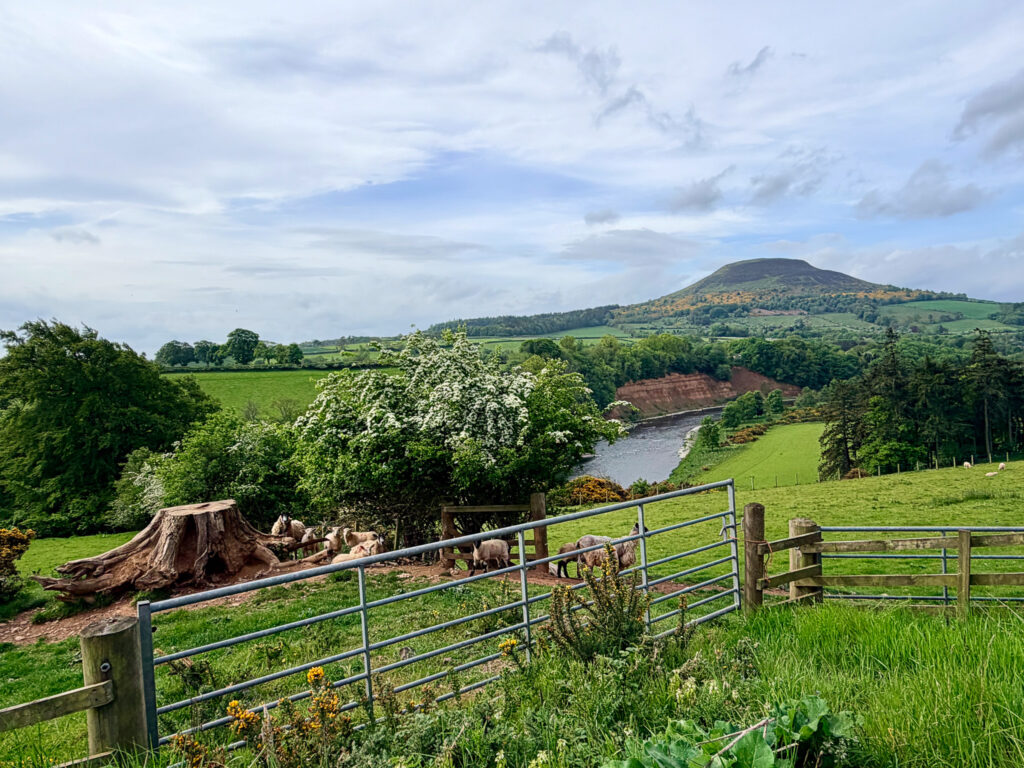
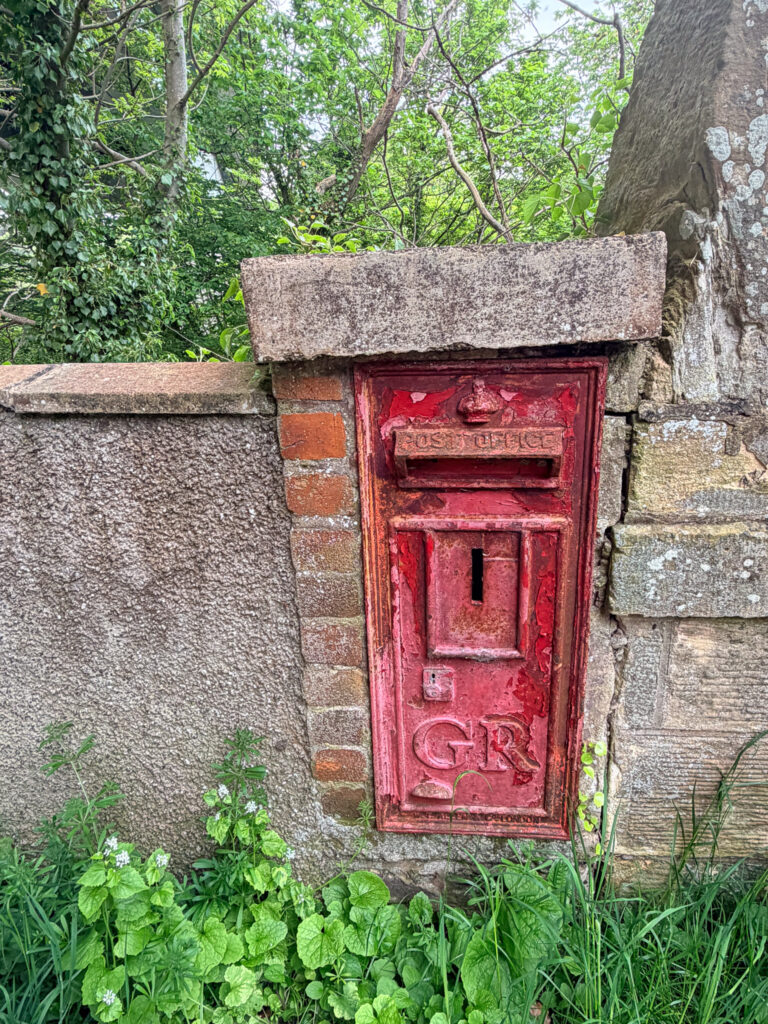
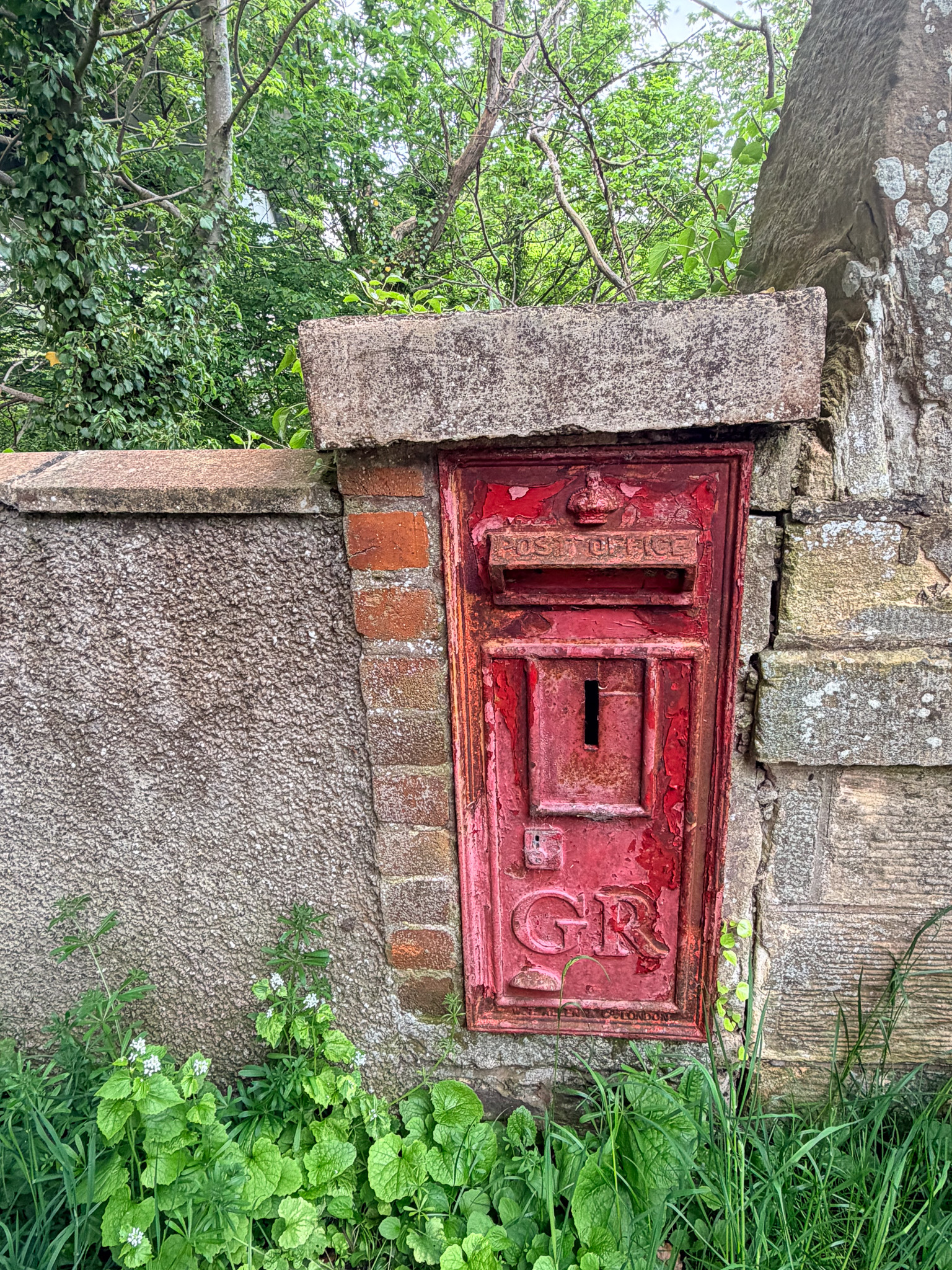
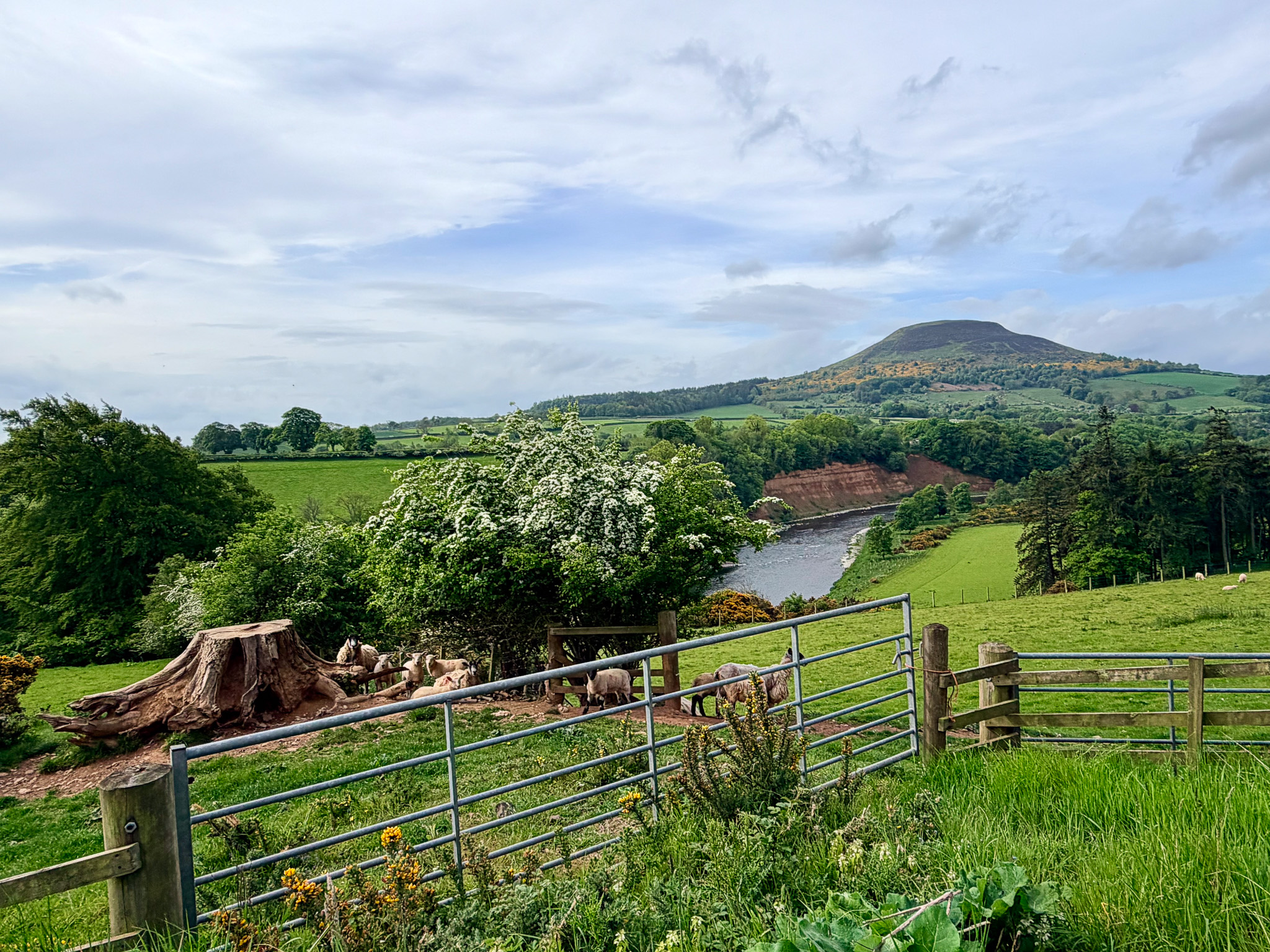
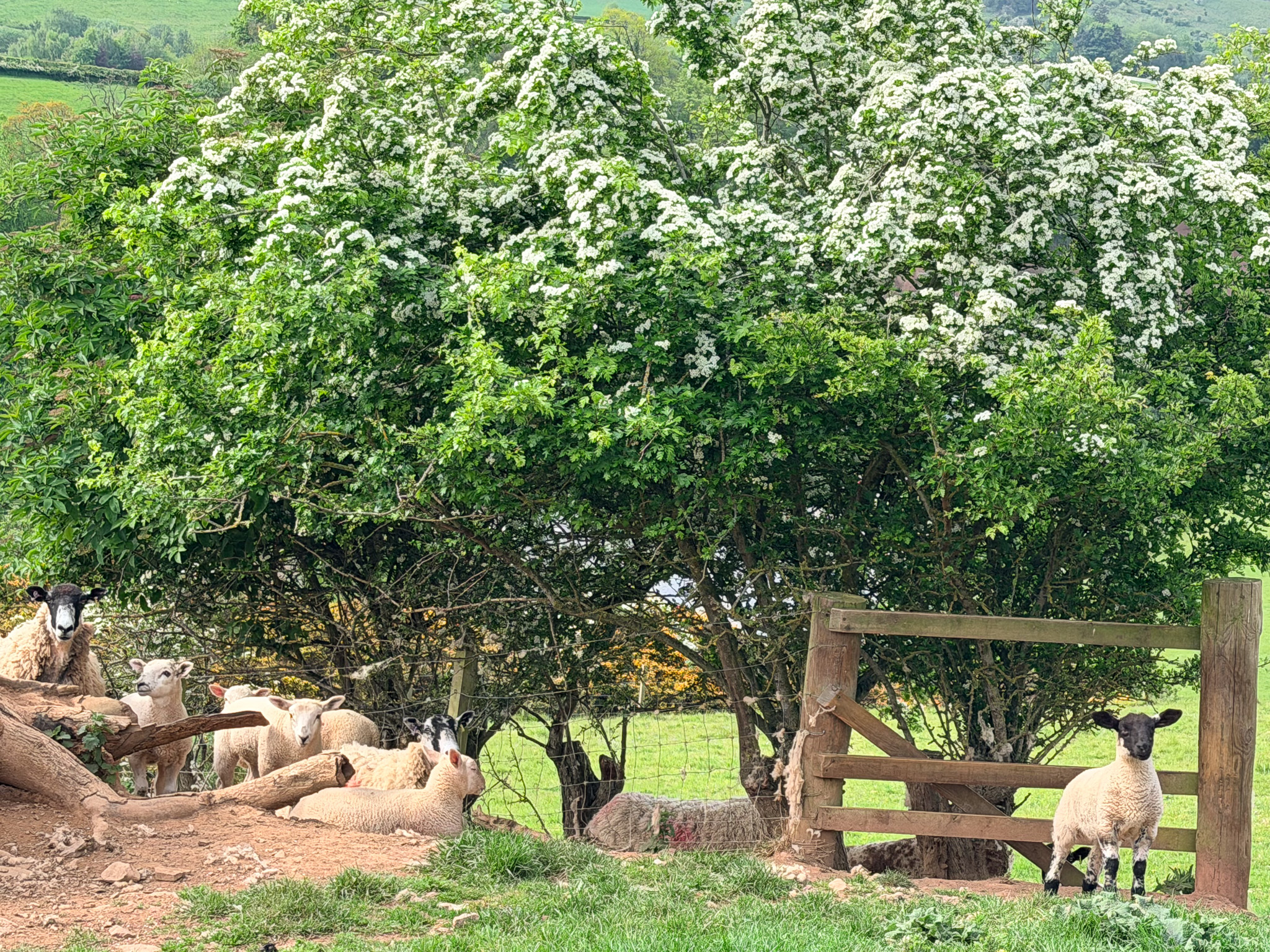
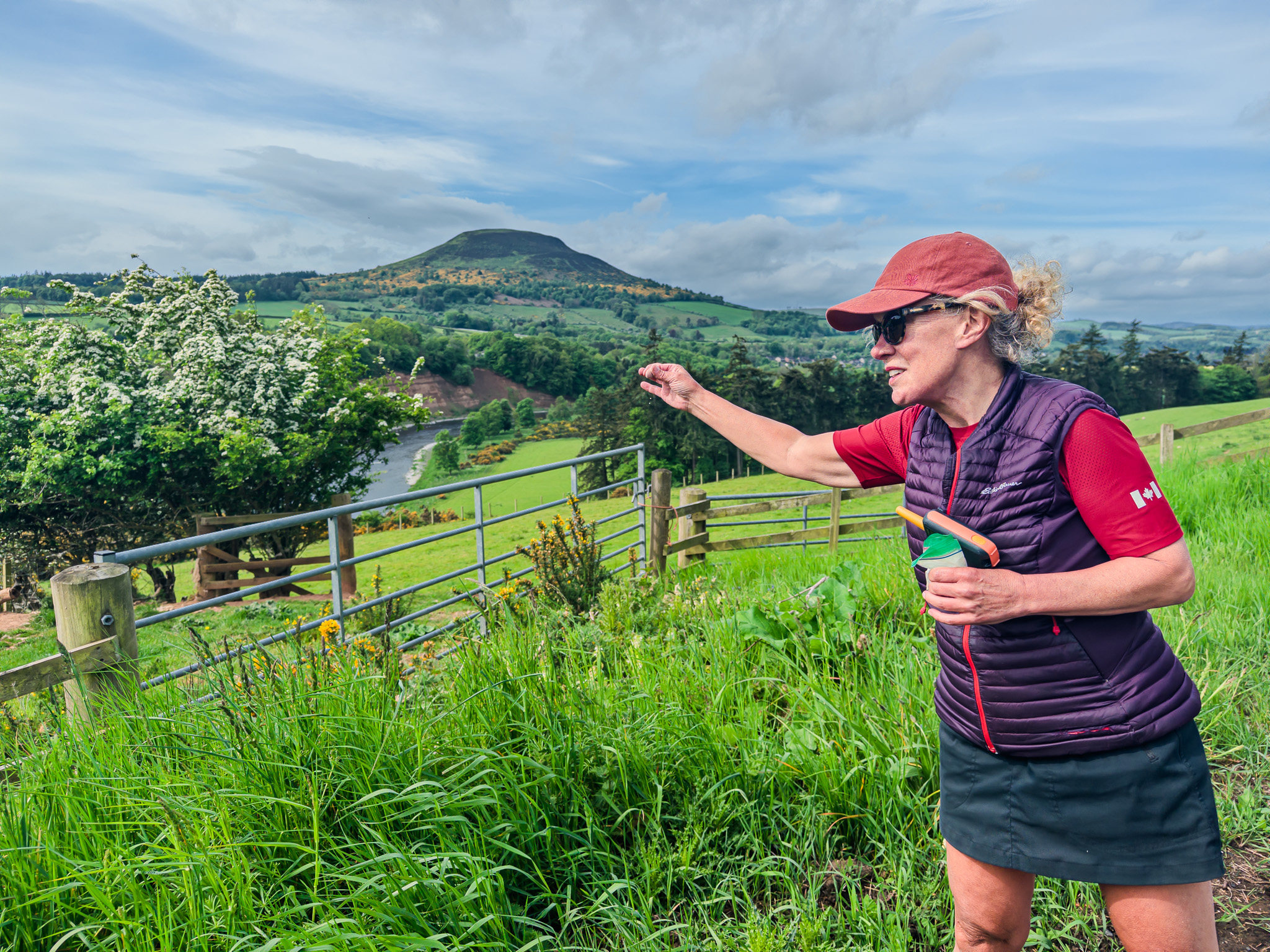
We passed quite closely by one of the three iconic Eildon Hills – picture postcard perfect with its lambs and sparkling Scottish river in the valley – and a beautiful, old mailbox emblazened with GR – George Rex – for King George V.
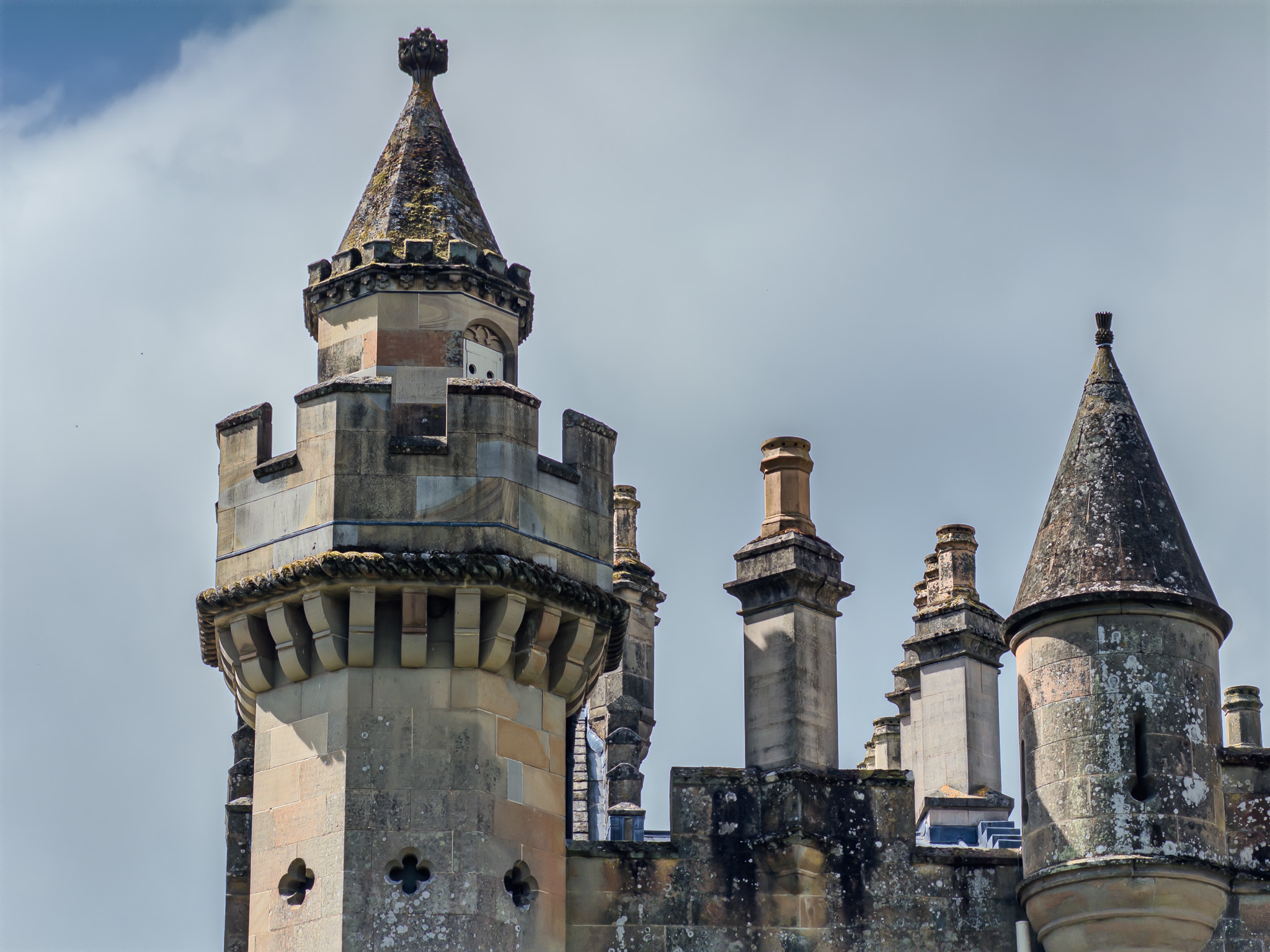
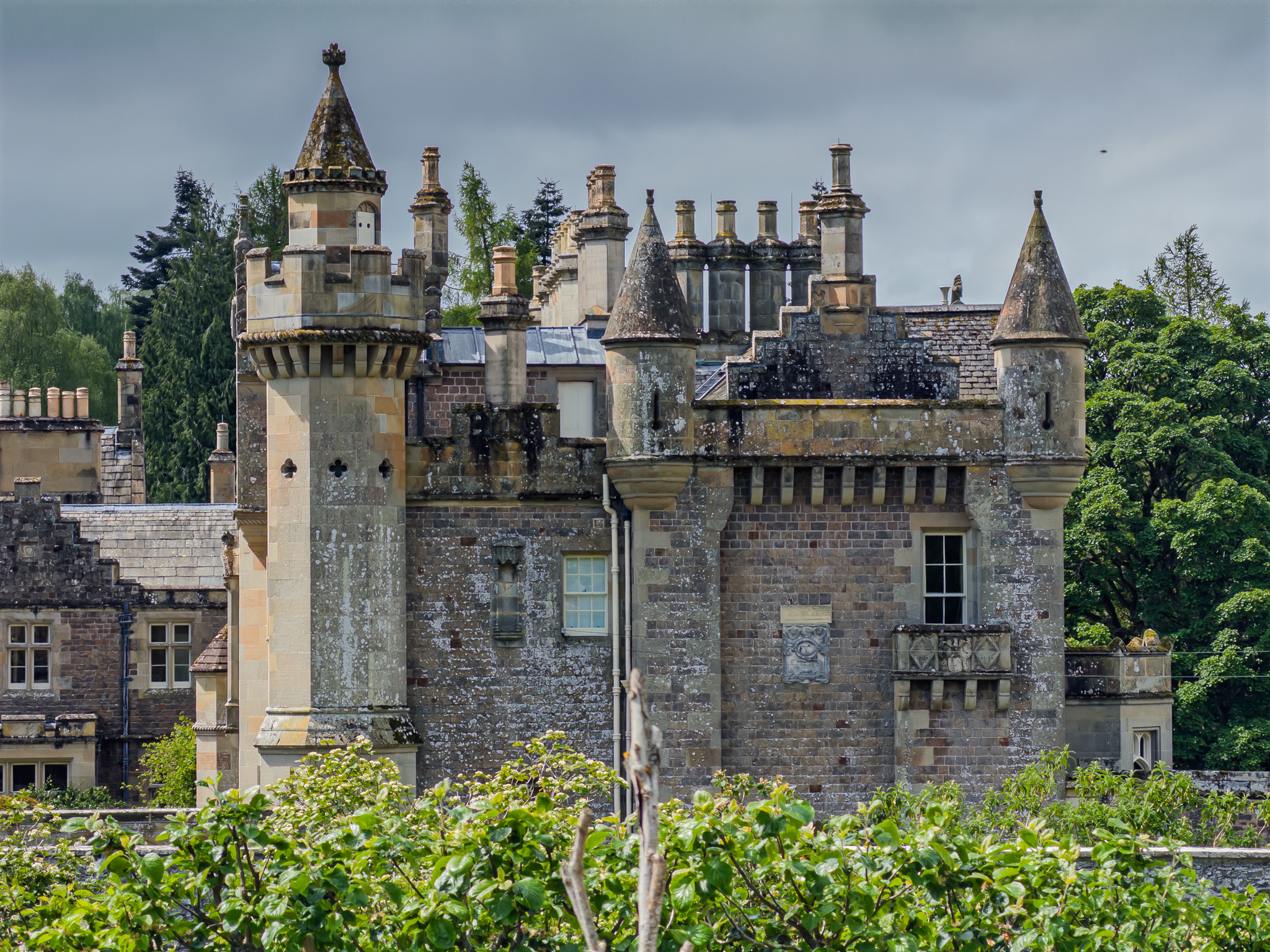
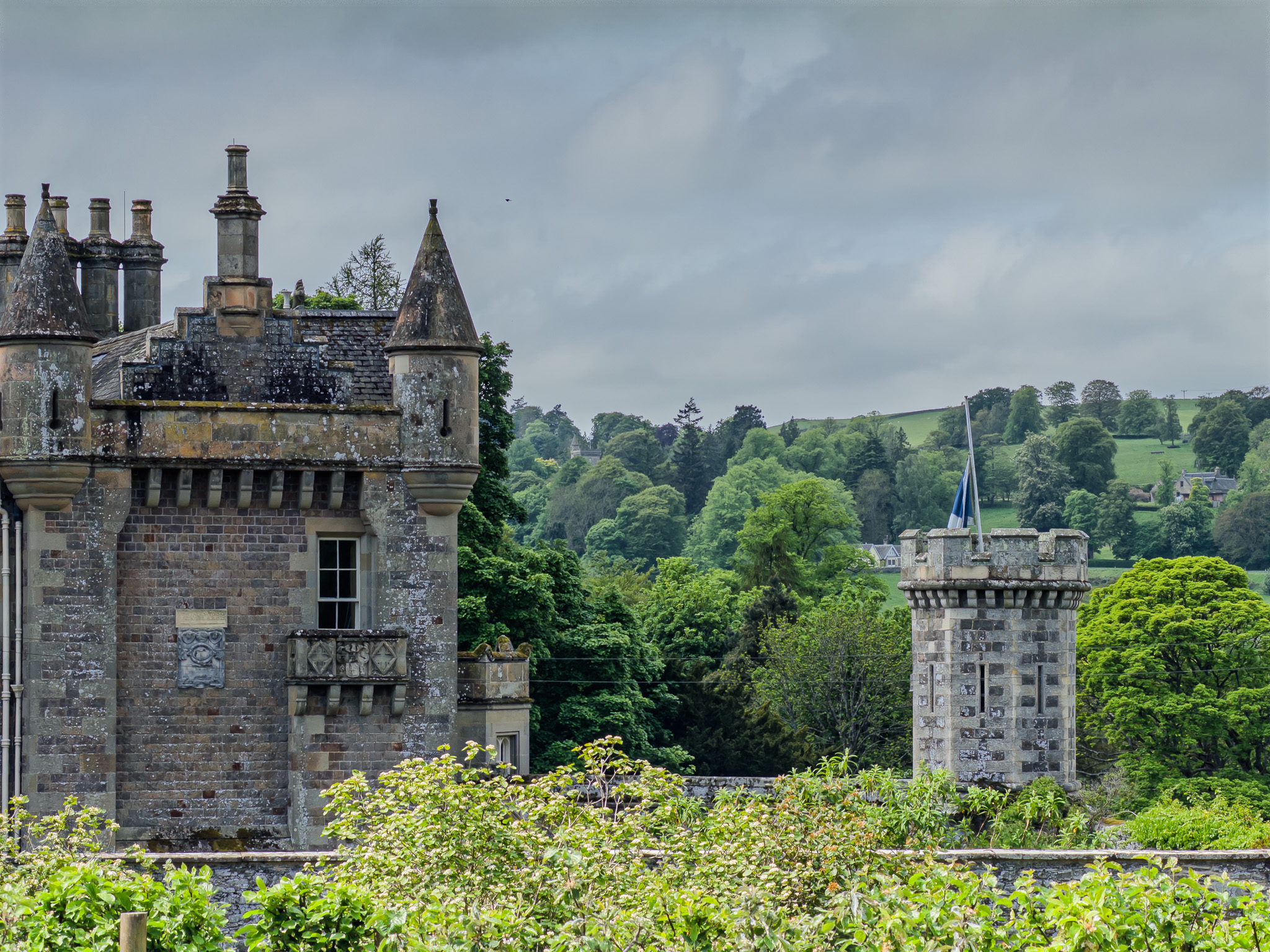
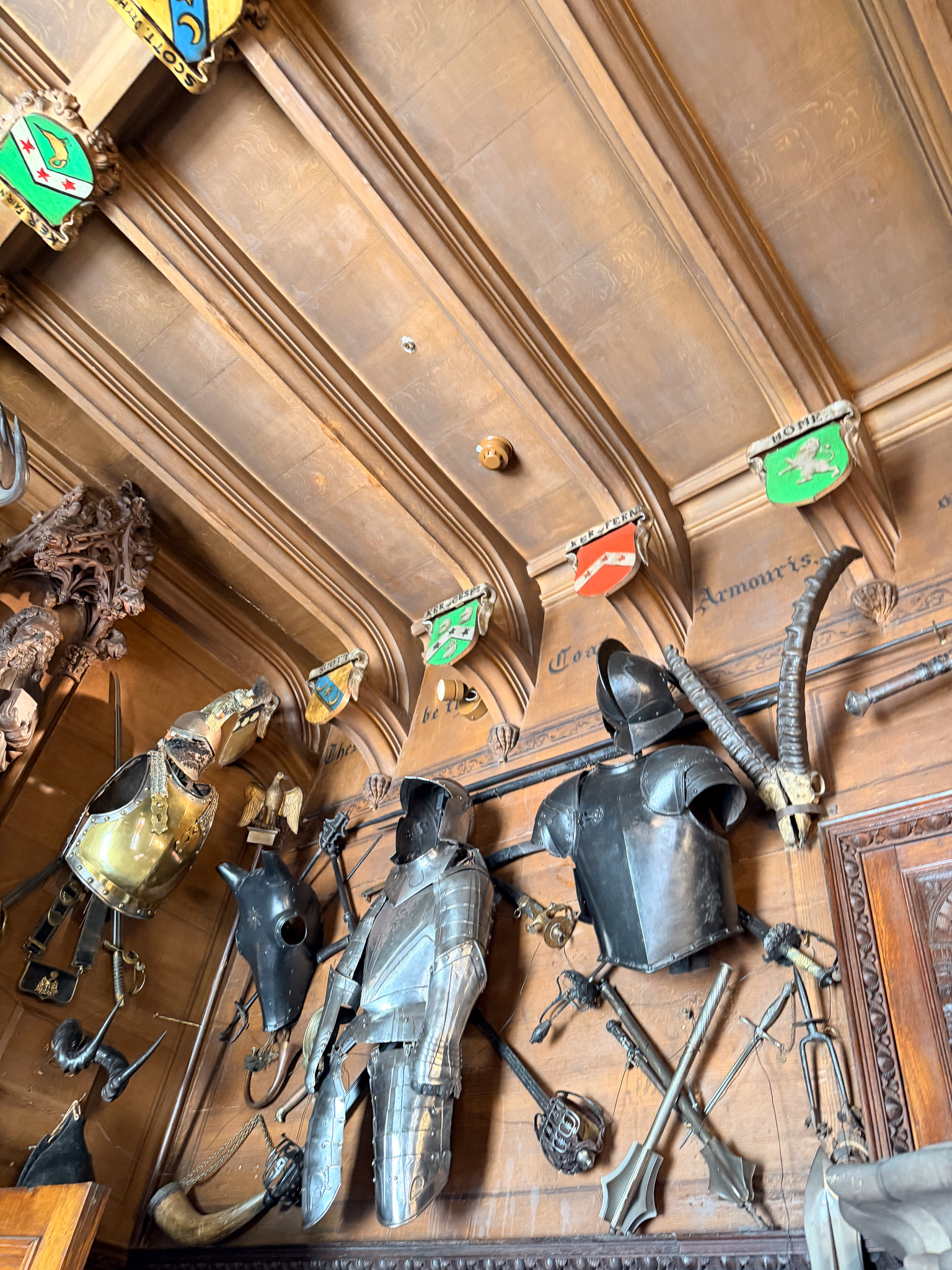
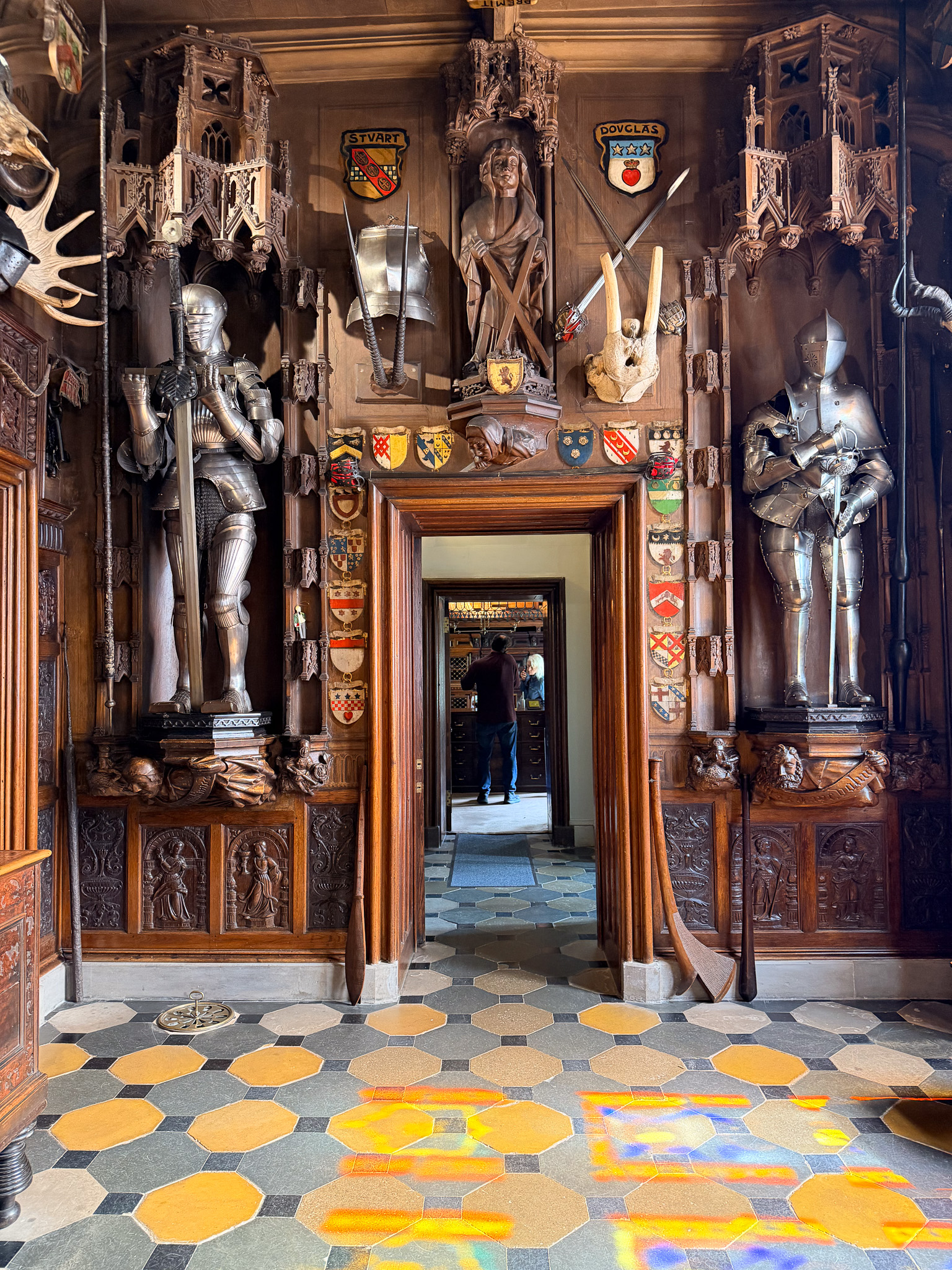
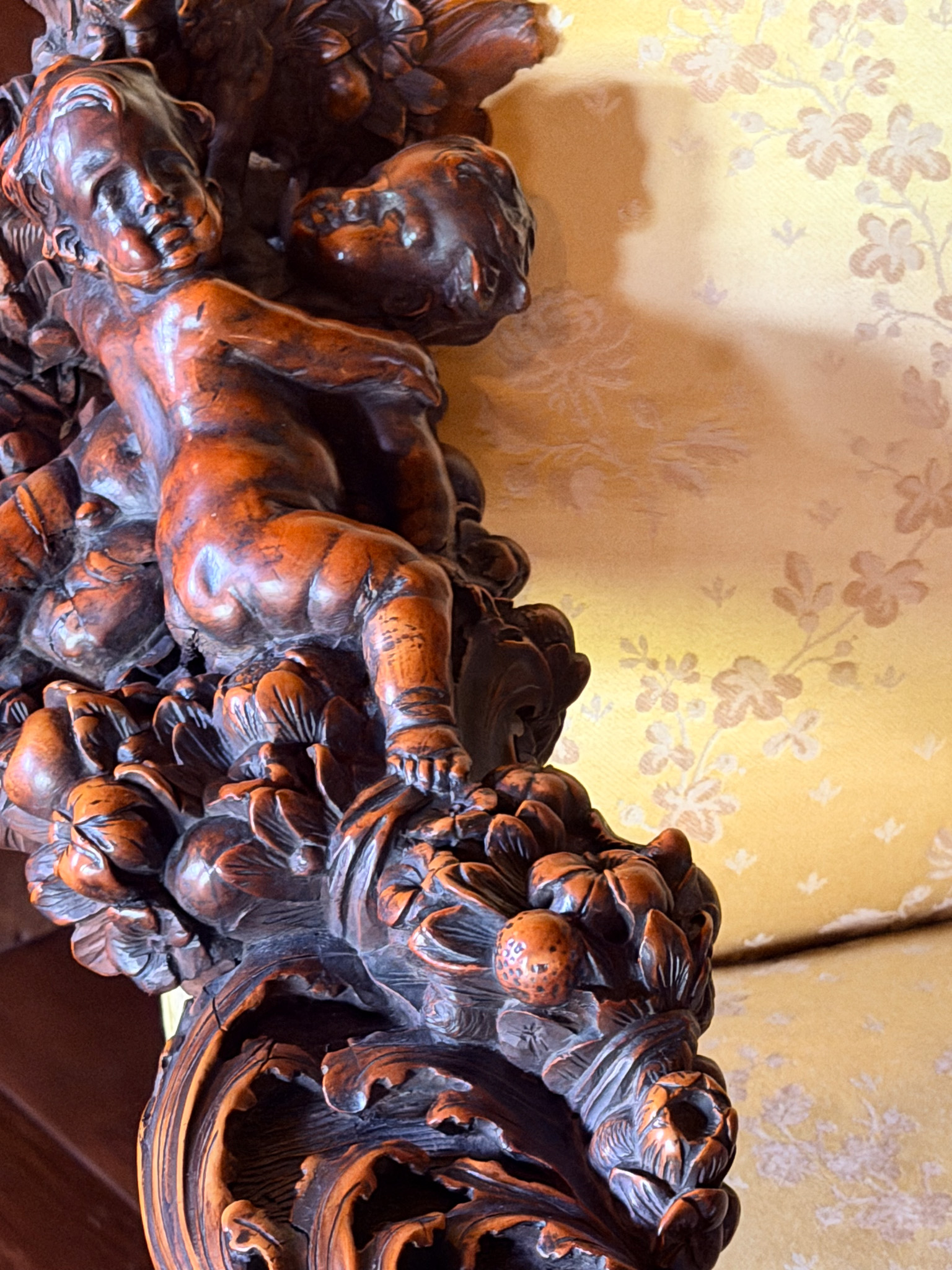
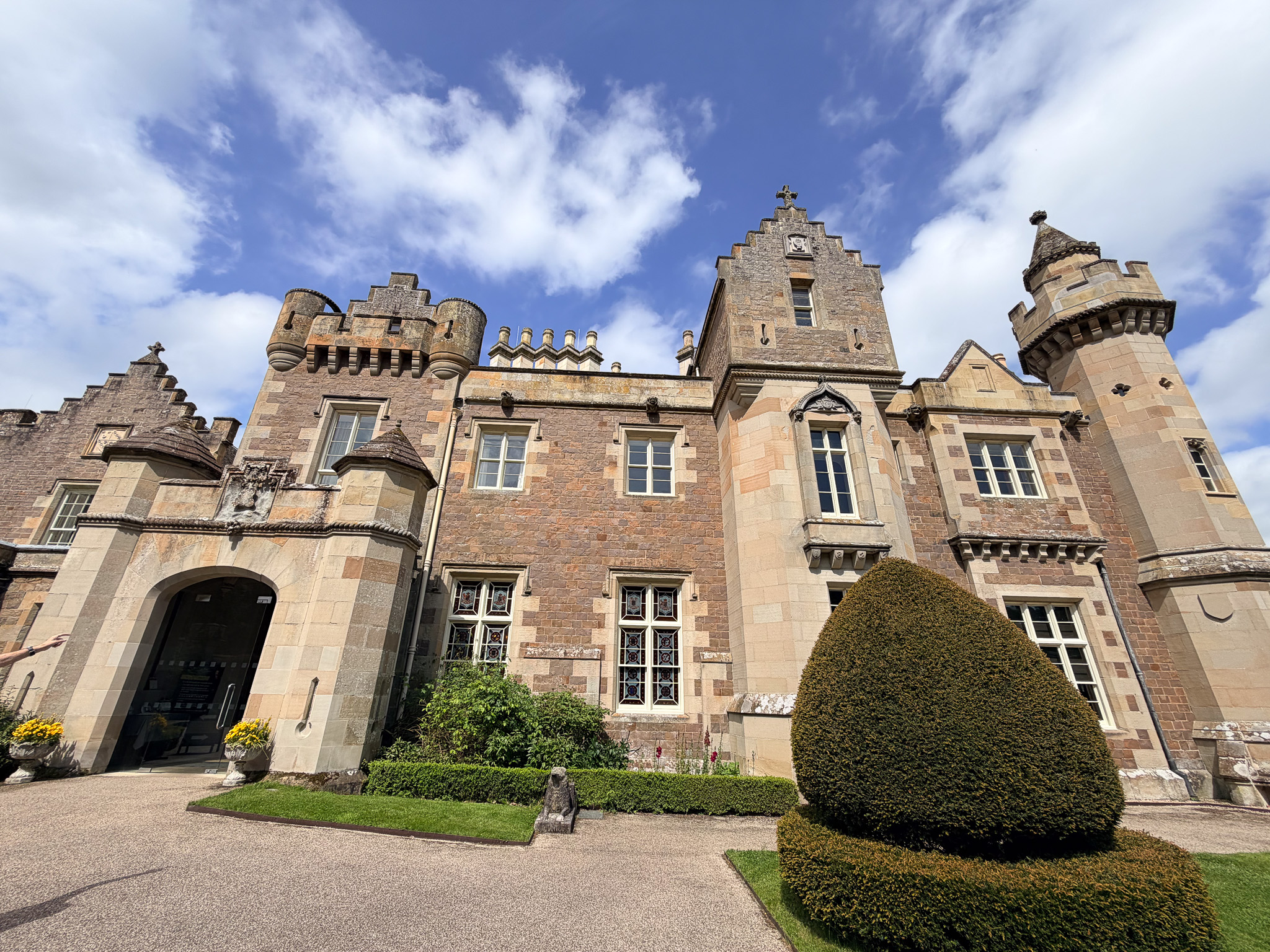
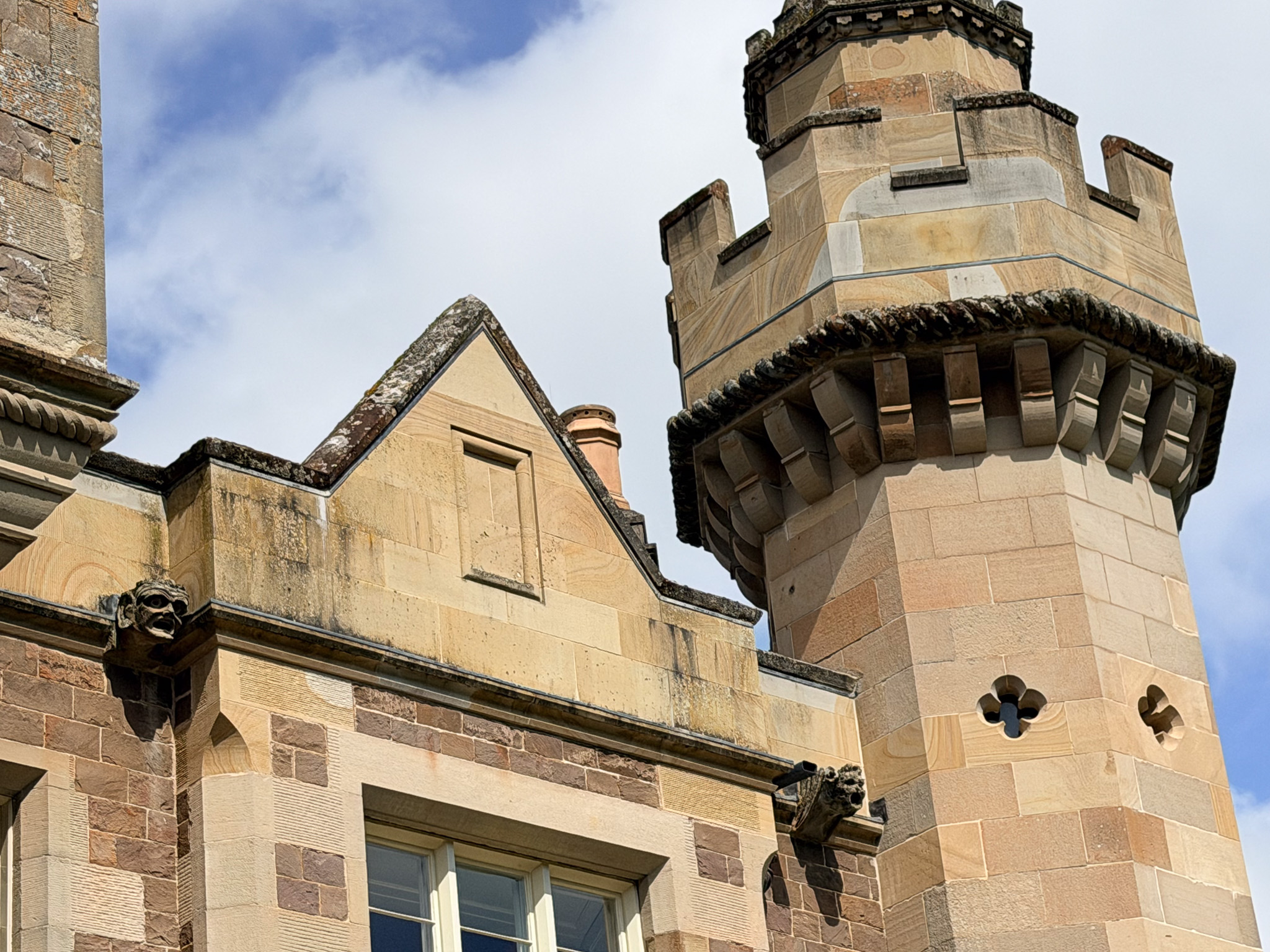
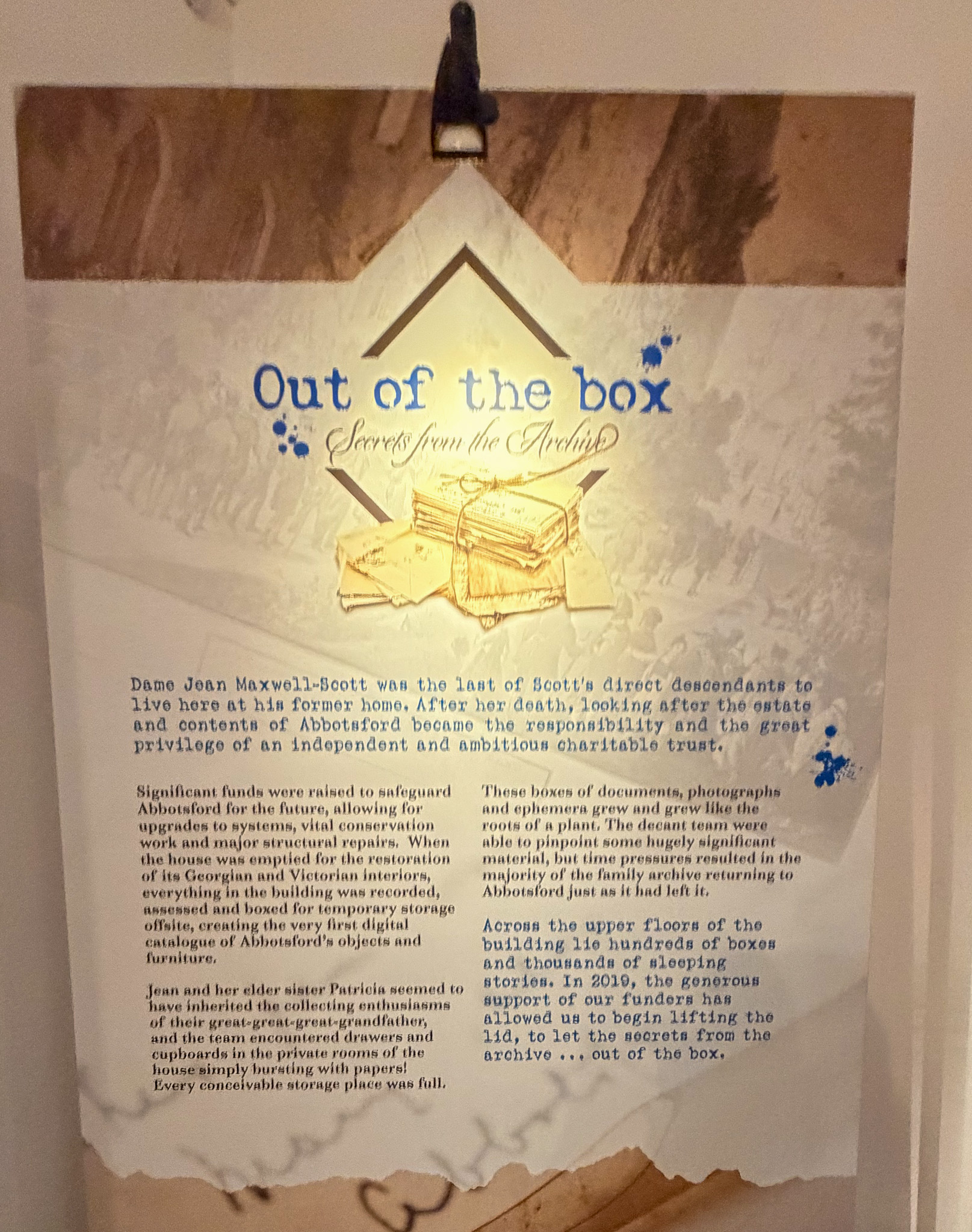
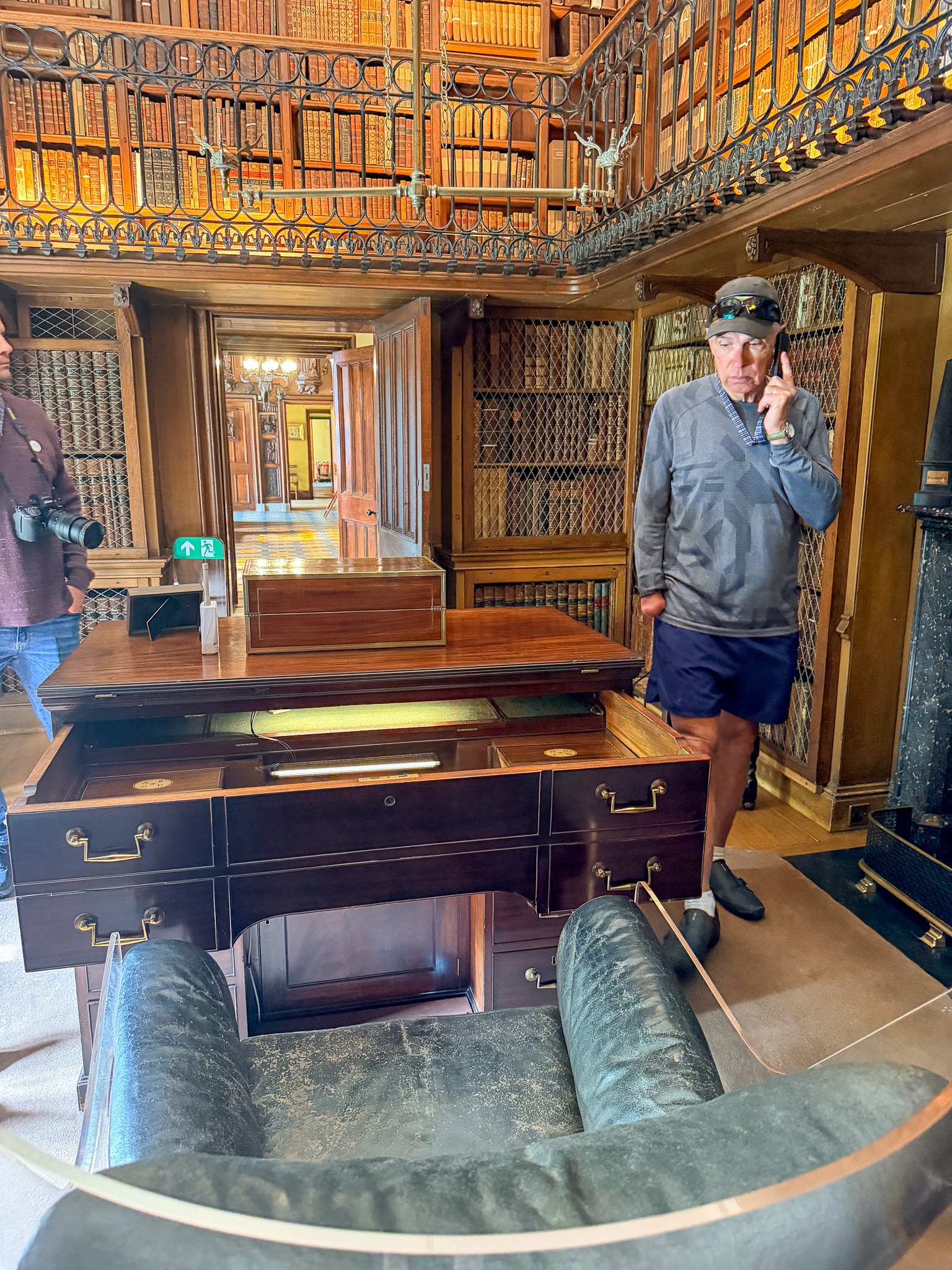
Abbottsford: Sir Walter Scott (1771 – 1832) was one of Scotland’s most popular poets and novelists. He came from an upper middle class family: nine children, living in a third floor apartment in Edinburgh. As a child, Walter had polio which caused him to walk with a limp, the convalescence probably led to a love of reading. Educated as a lawyer, Scott soon embraced a literary career, earning enough money to build Abbotsford Castle and fill it with thousands of his collected items. It’s hard to overstate what a collector he was; the organization that oversees Scott’s home is still opening boxes and trying to archive contents. See the photos below, and in the gallery!
Unfortunately, Scott was the victim of an 1825 British banking crisis, and lost all of his money. Rather than declare bankruptcy, leaving creditors in the lurch, he doubled-down on his writing career. In order to keep his beautiful house, and repay his creditors, he placed the house and all future earnings in trust to them. It is said that during these last six years of his life he wrote his best, and died of over-work.
The site provides free audio-tour devices (point and listen) and the tour is quite good. Abbottsford was busy – probably the combination of Sir Walter Scott’s popularity and the fact that it was the Friday of a Bank Holiday.
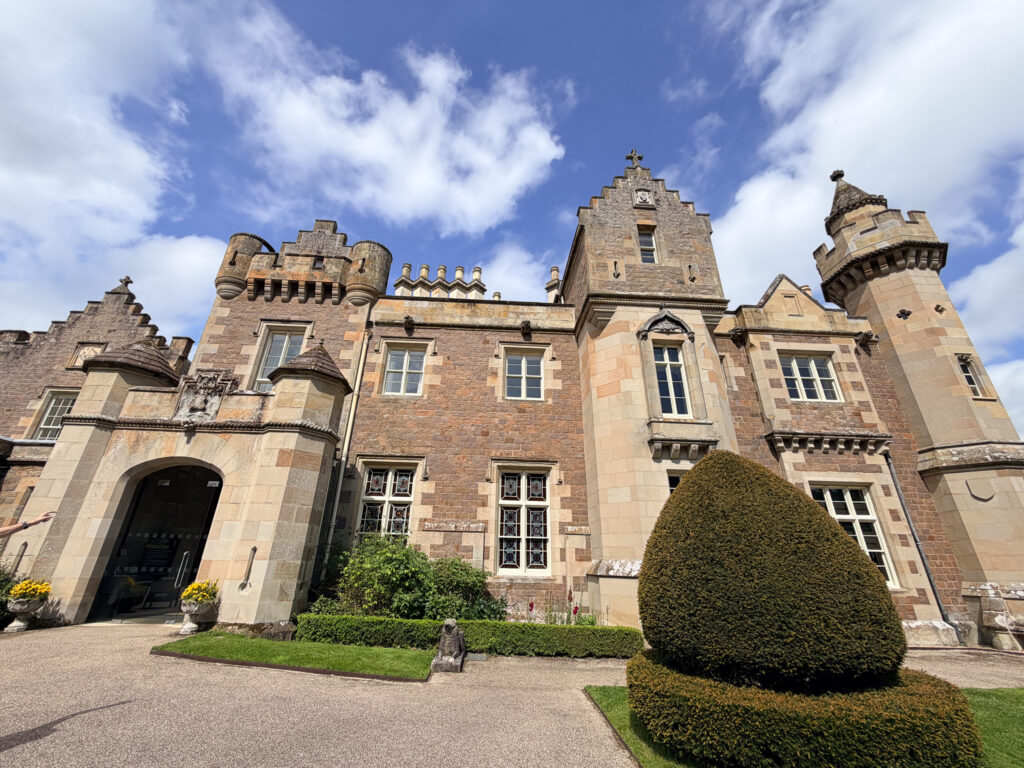
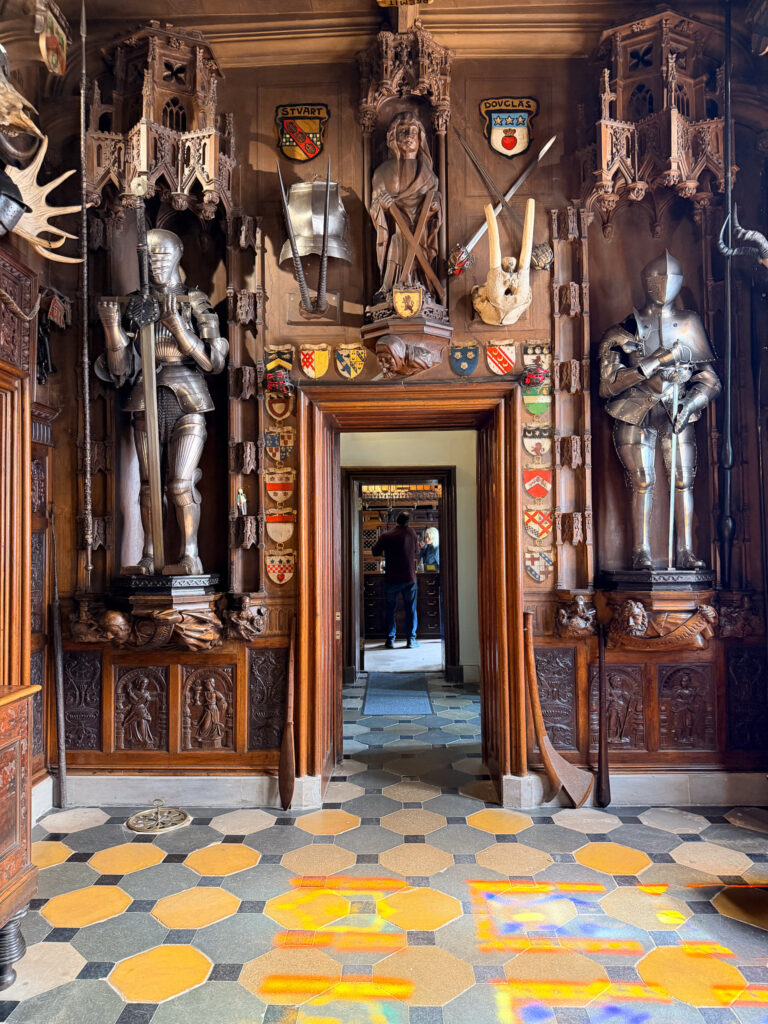
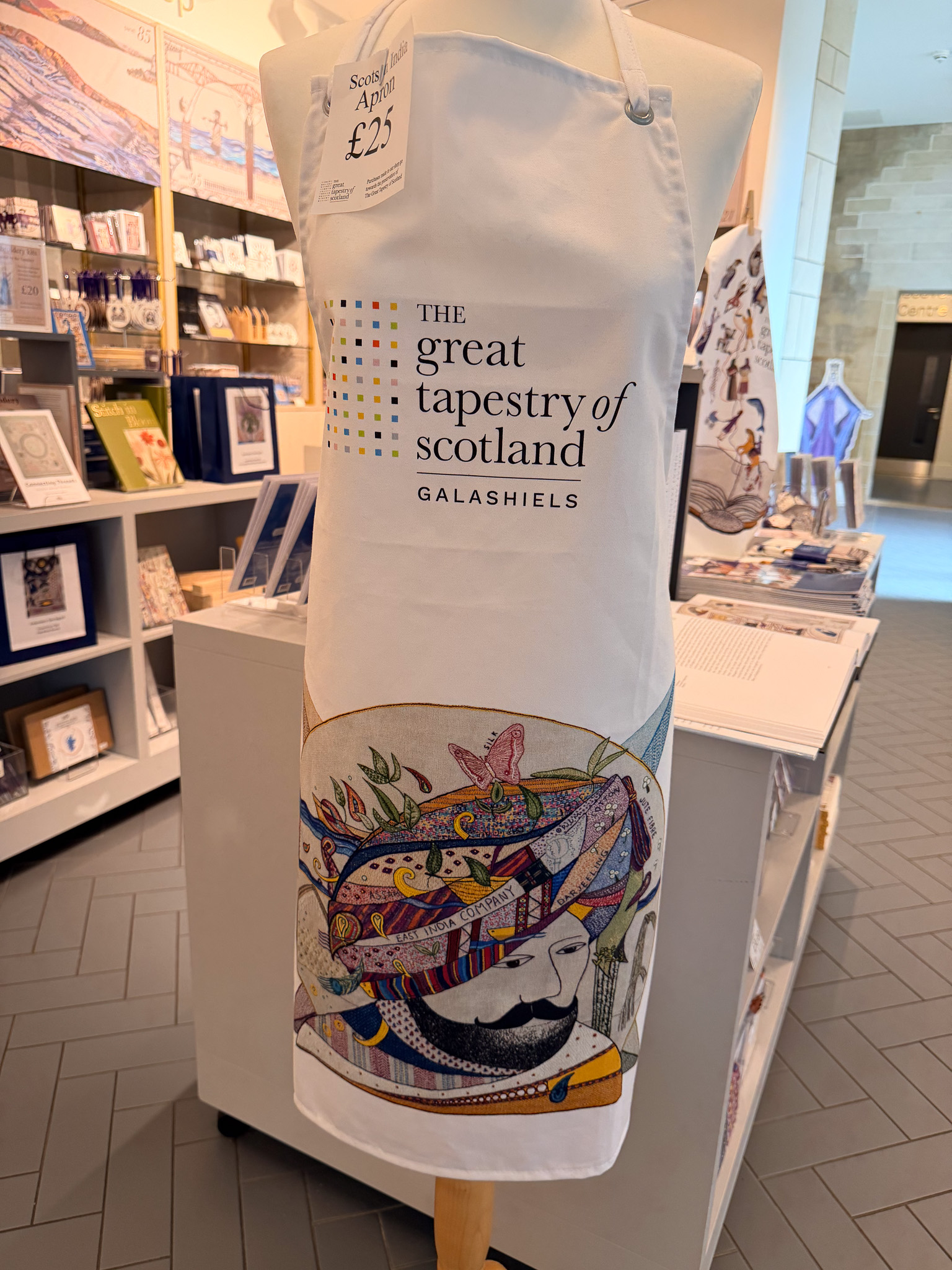
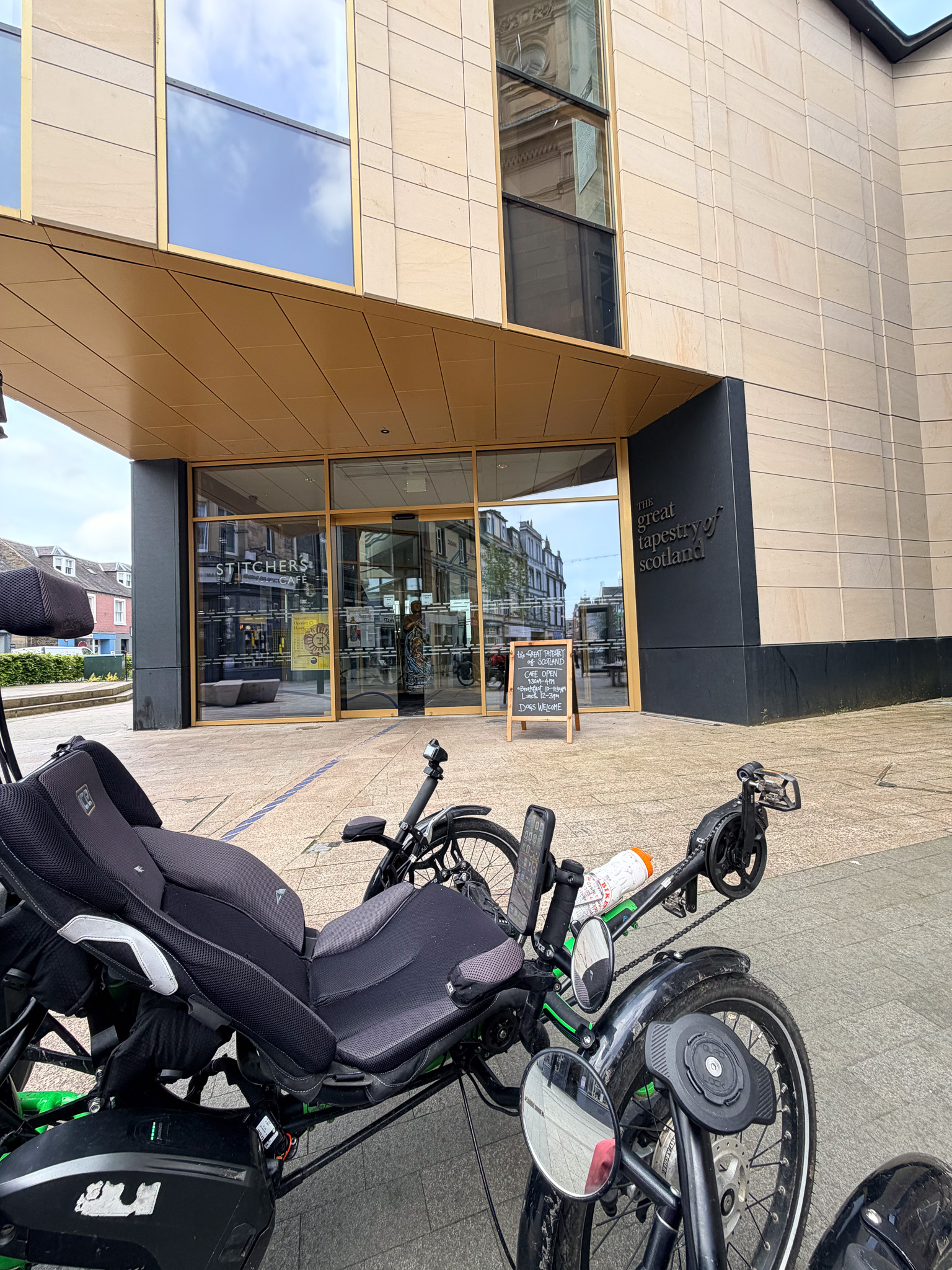
We enjoyed coffee and cake at Abbotsford, and then pushed on to Galashiels, the home of The Great Scottish Tapestry.
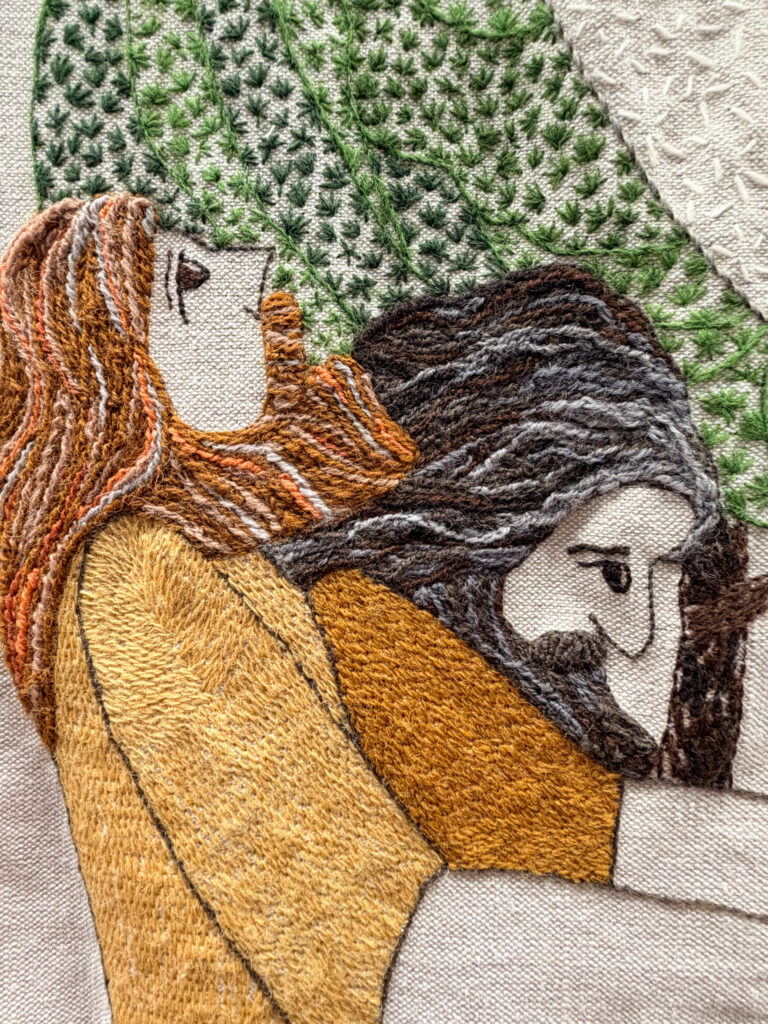
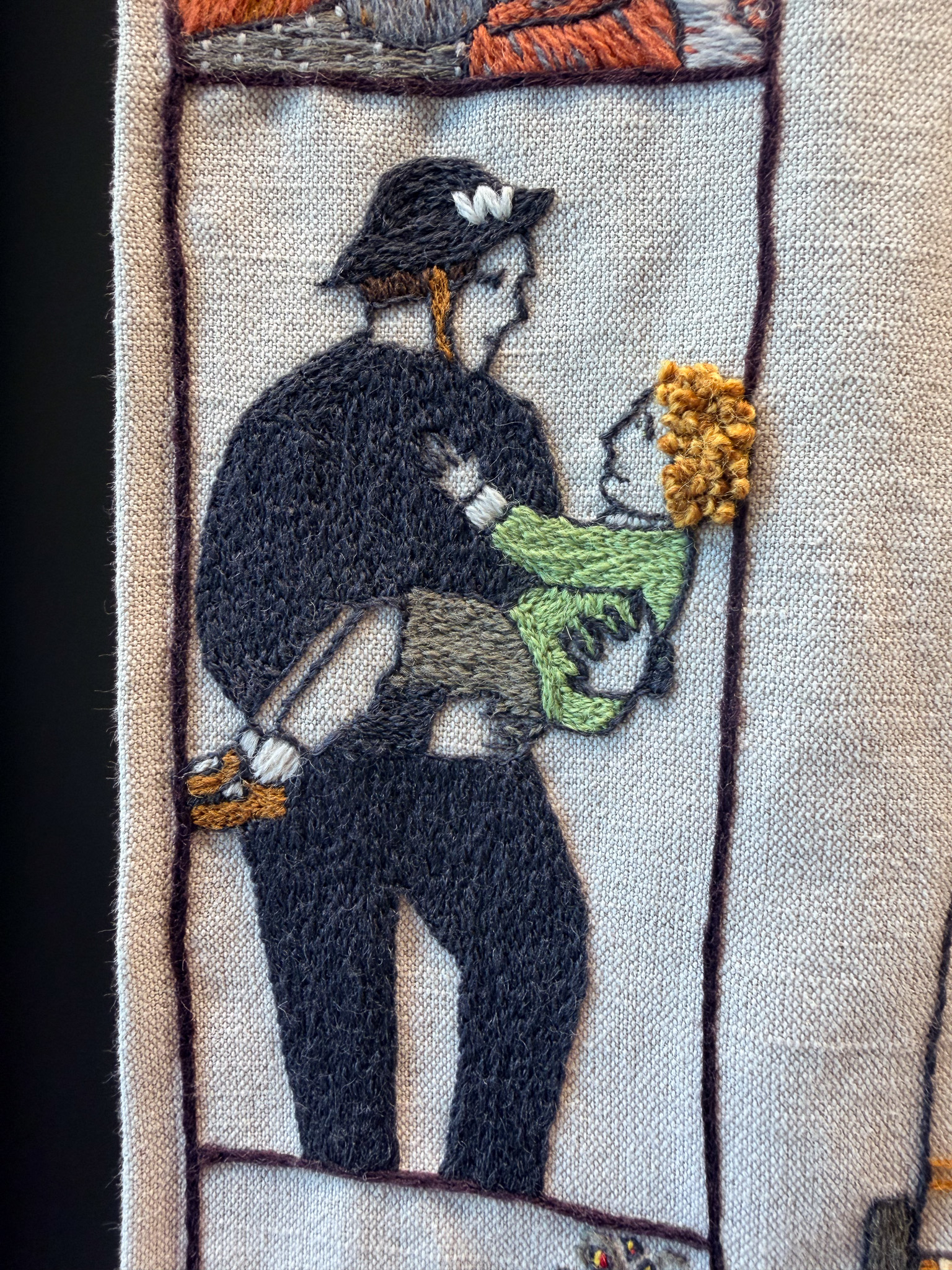
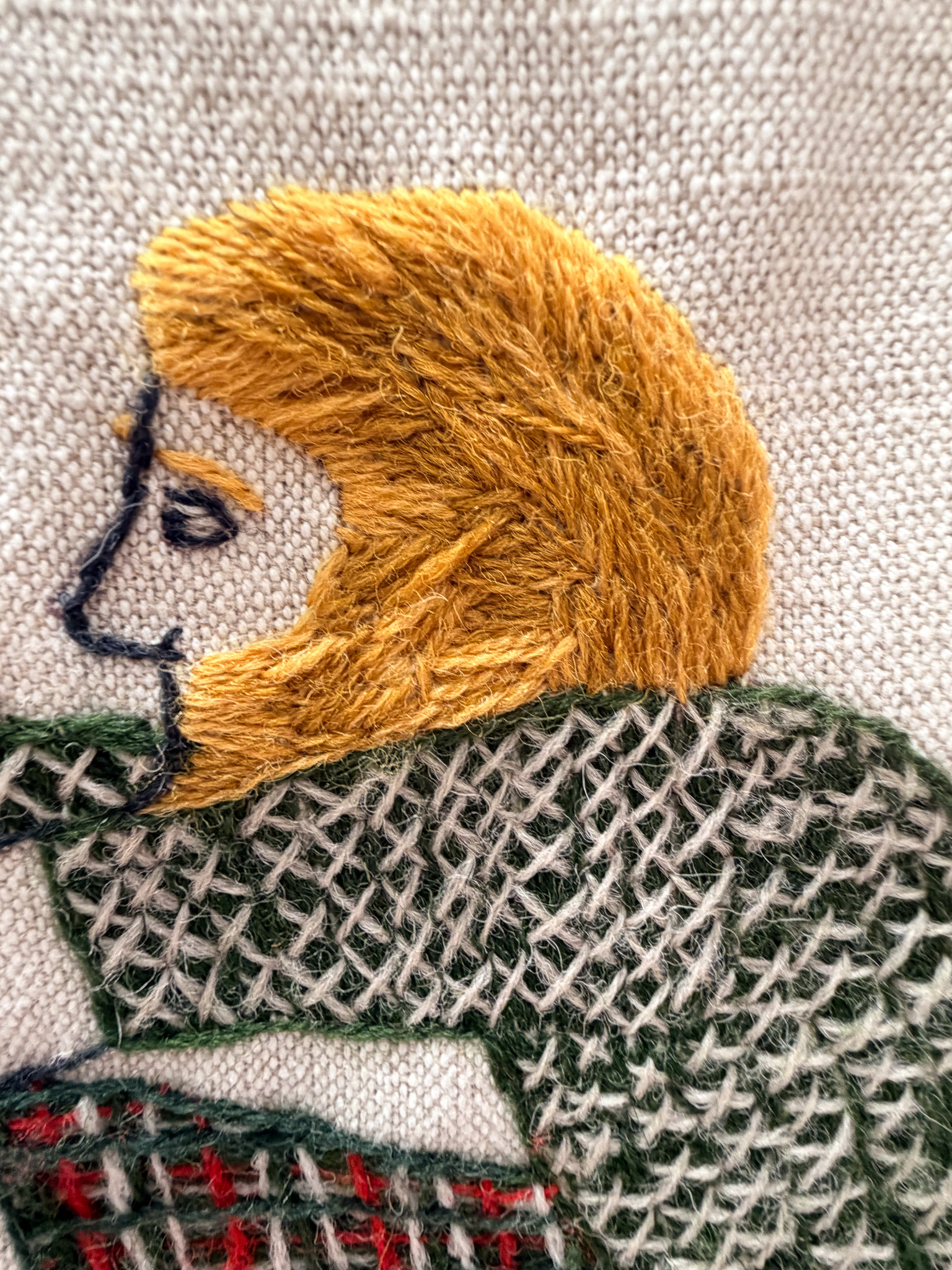
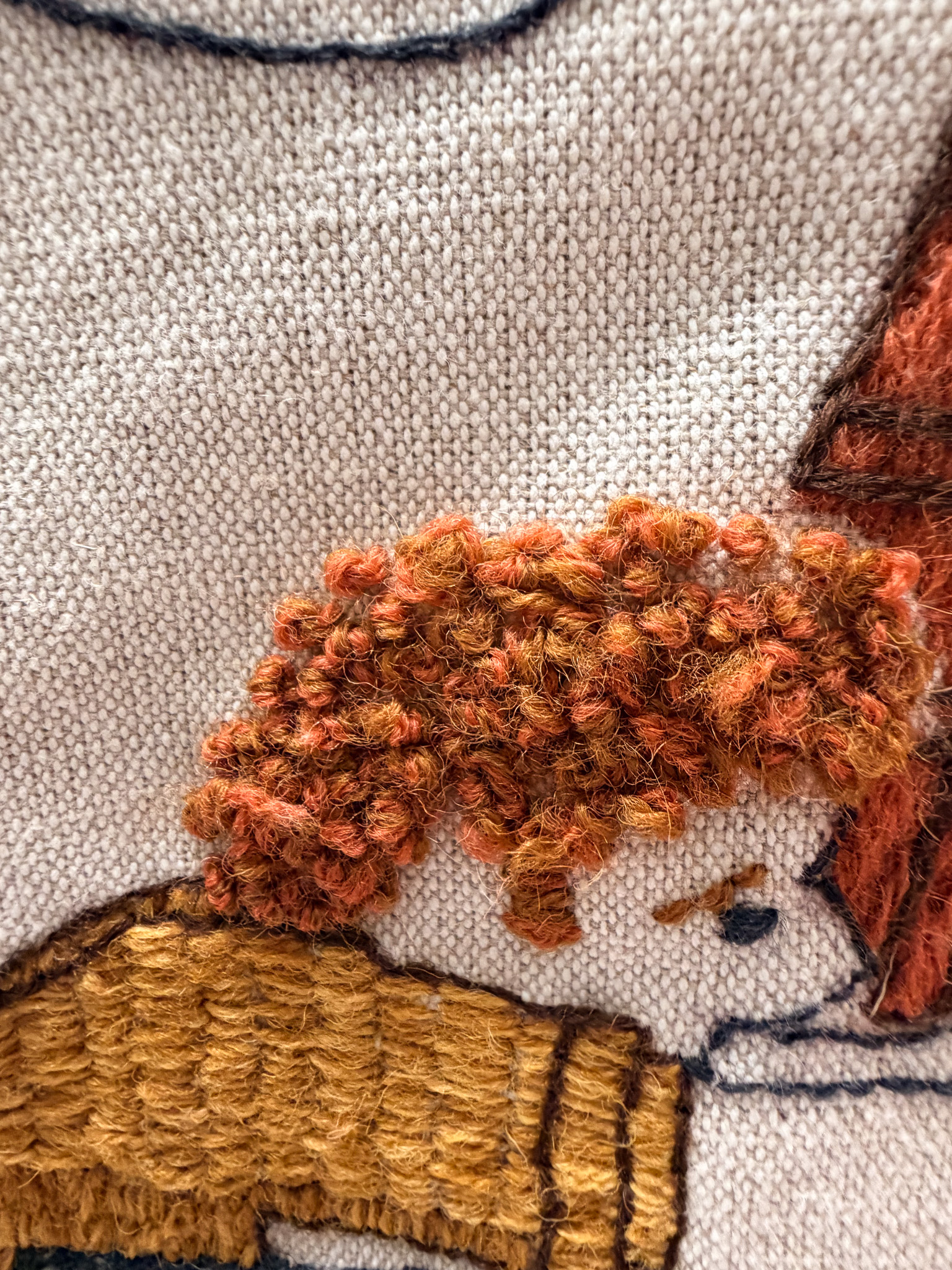
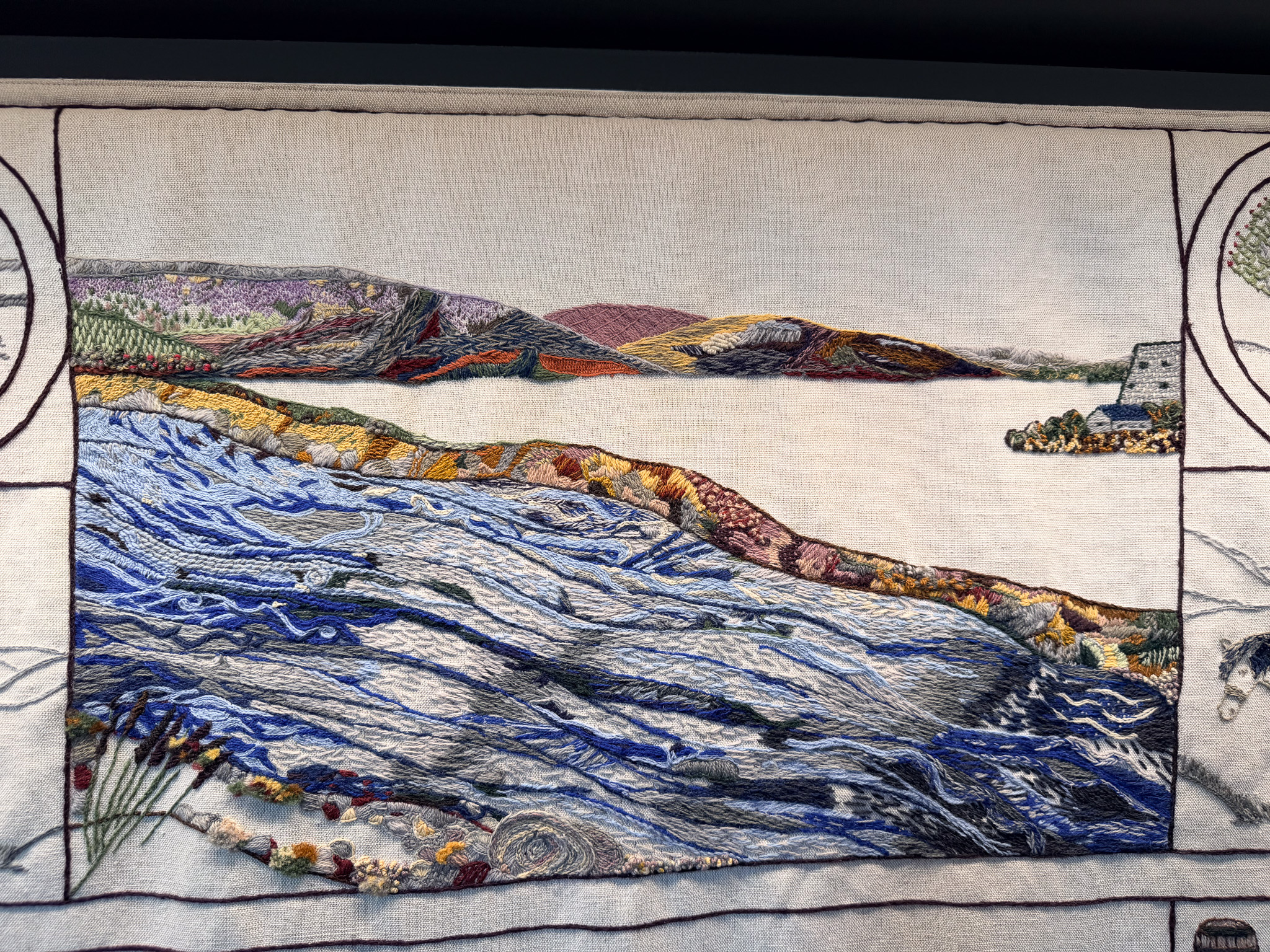
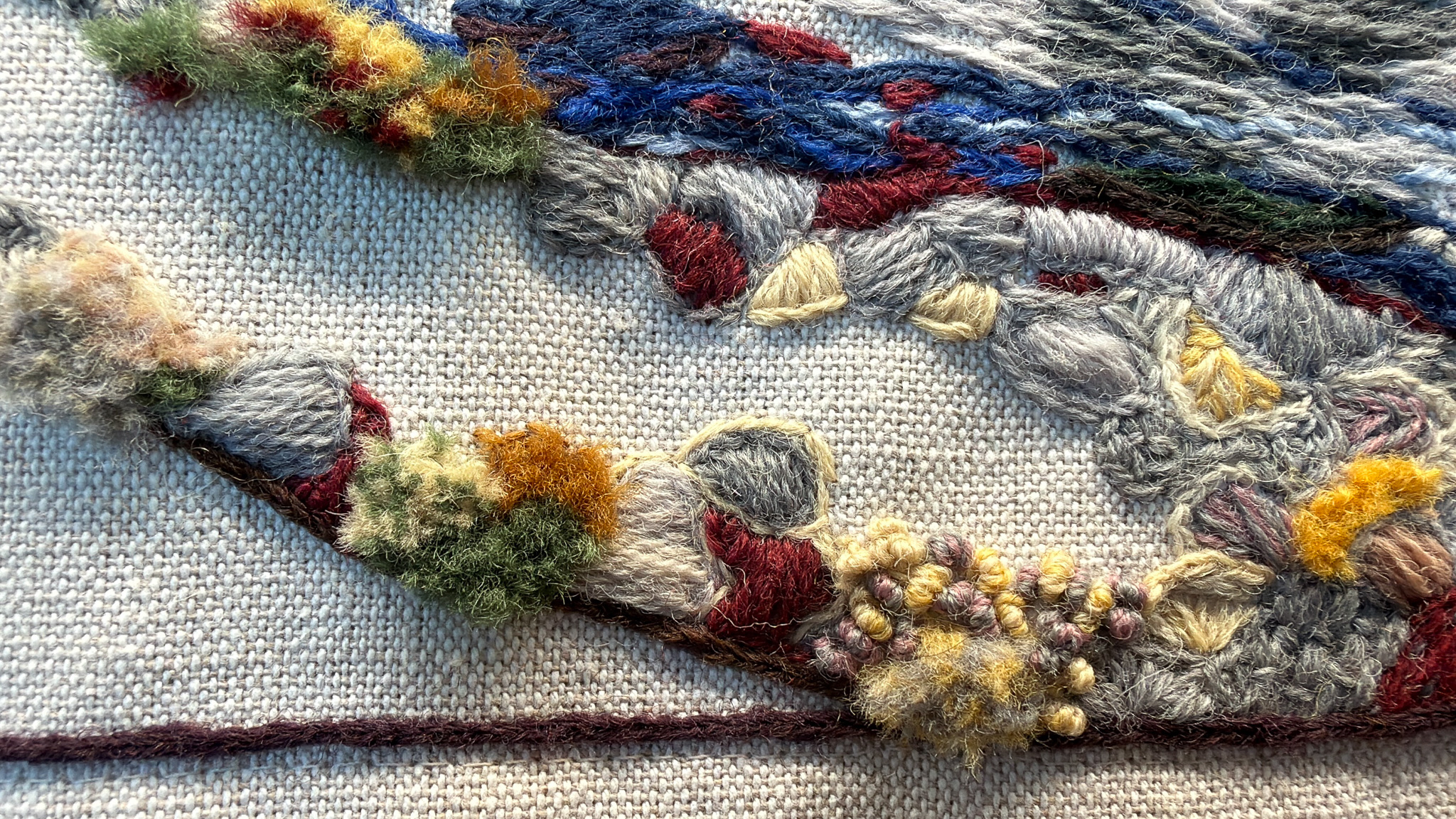
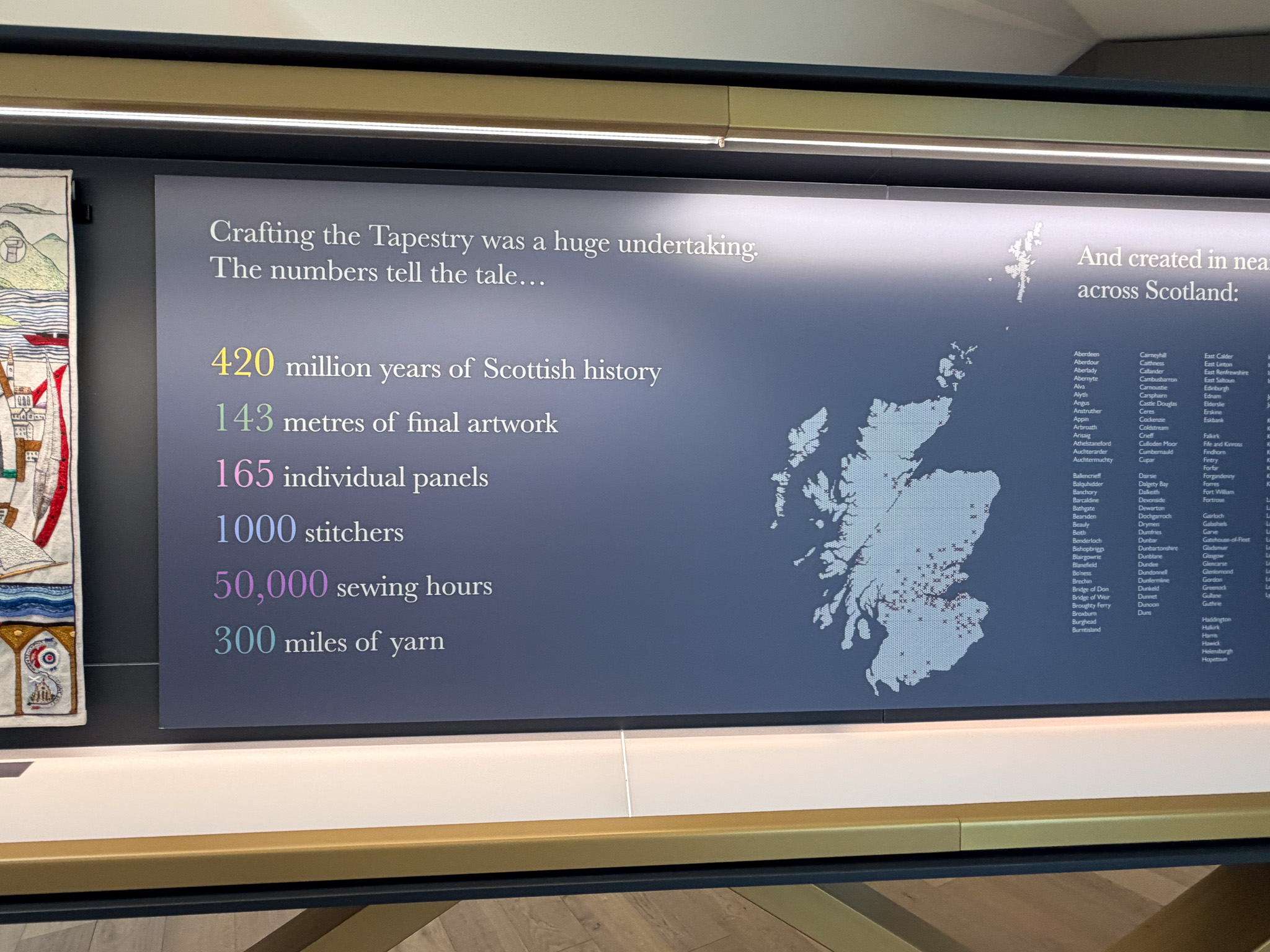
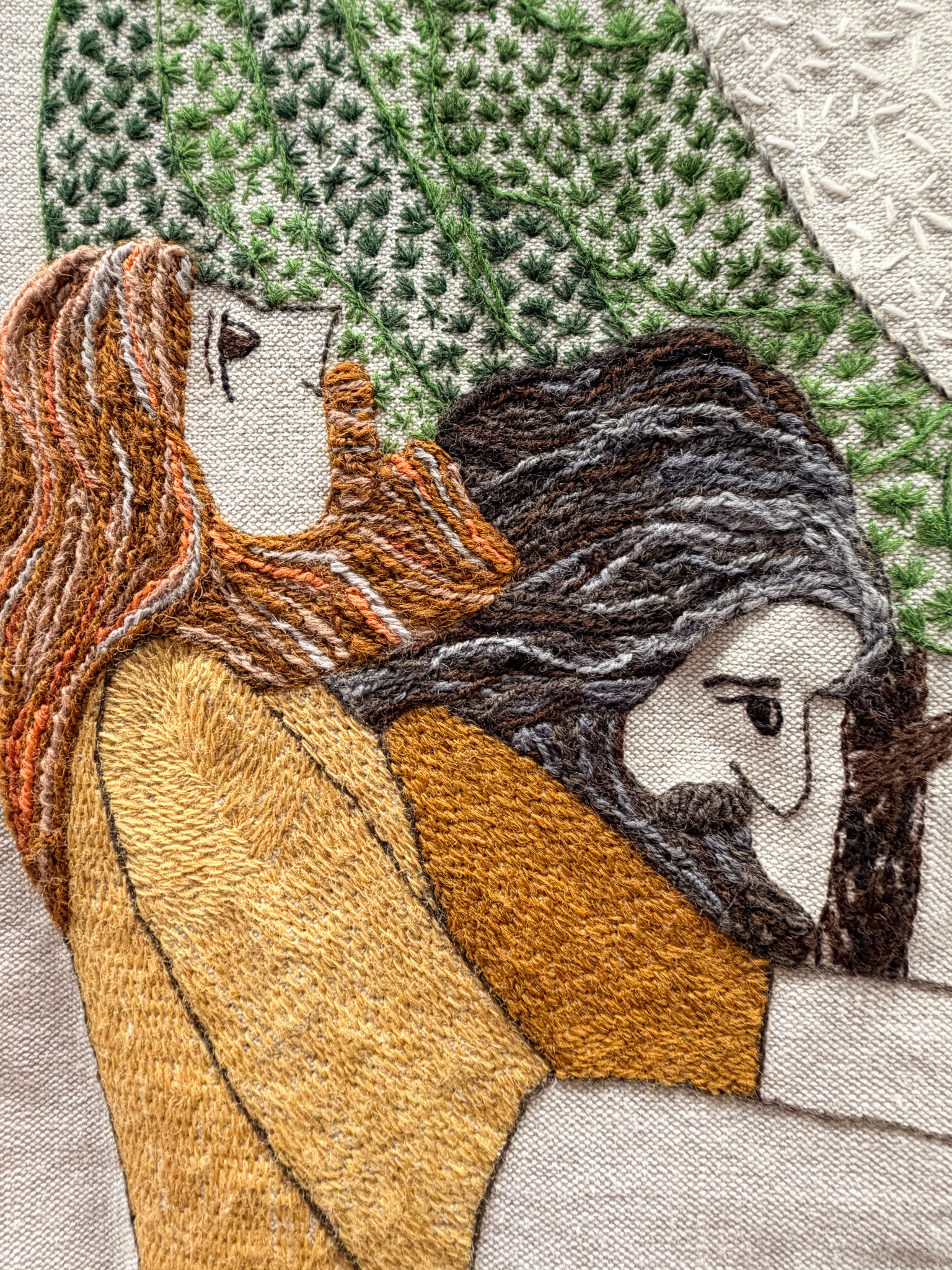
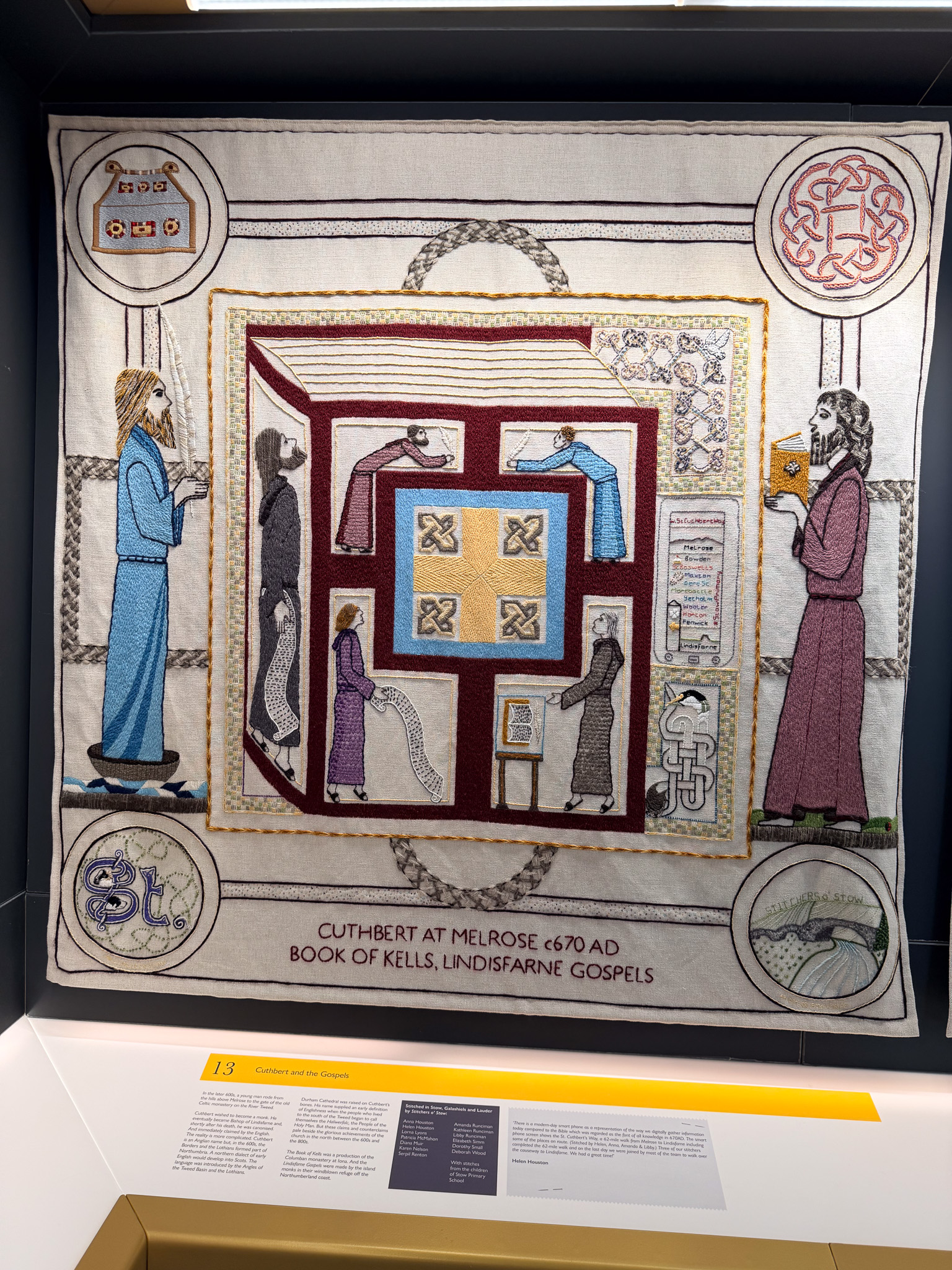
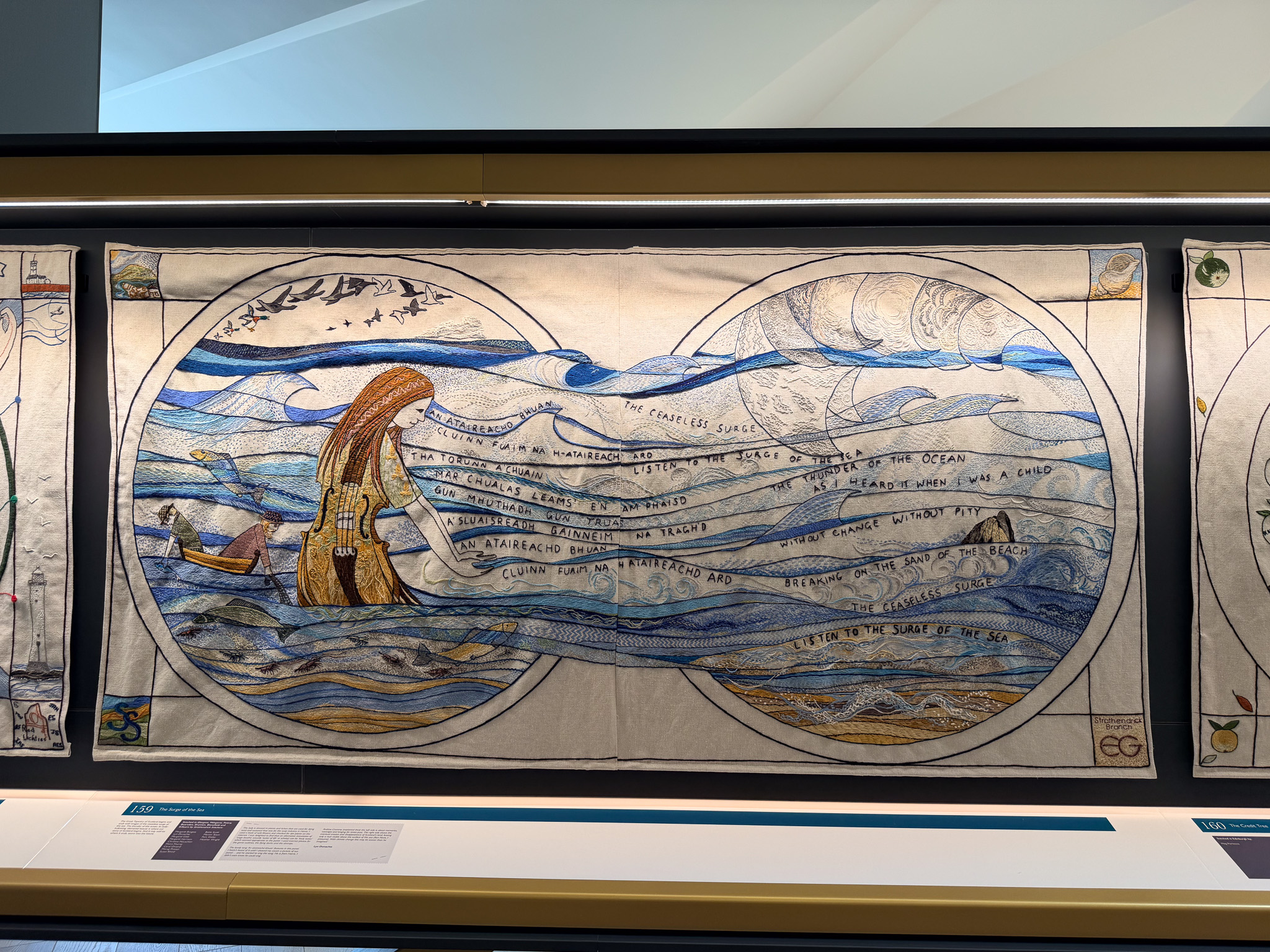
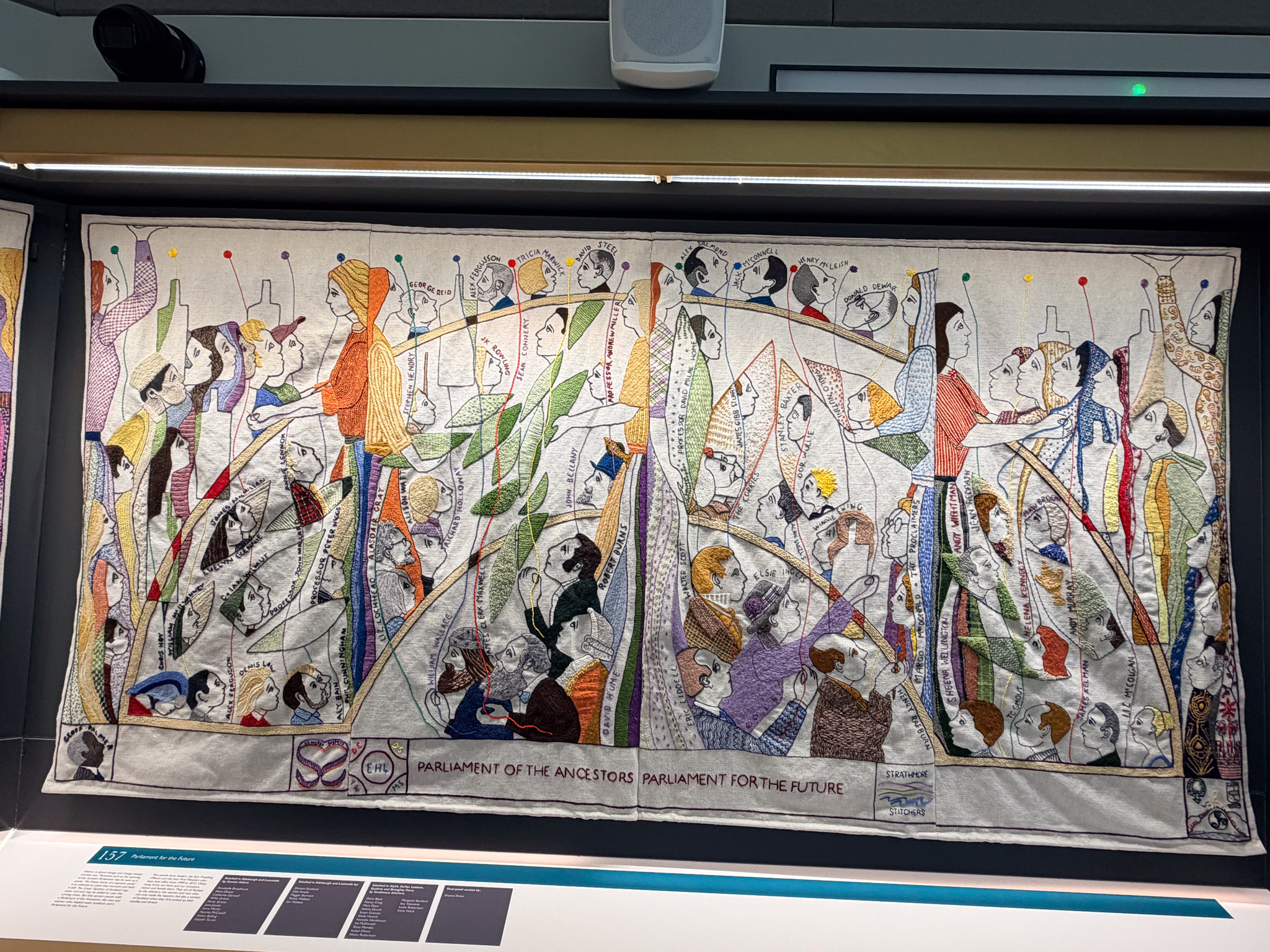
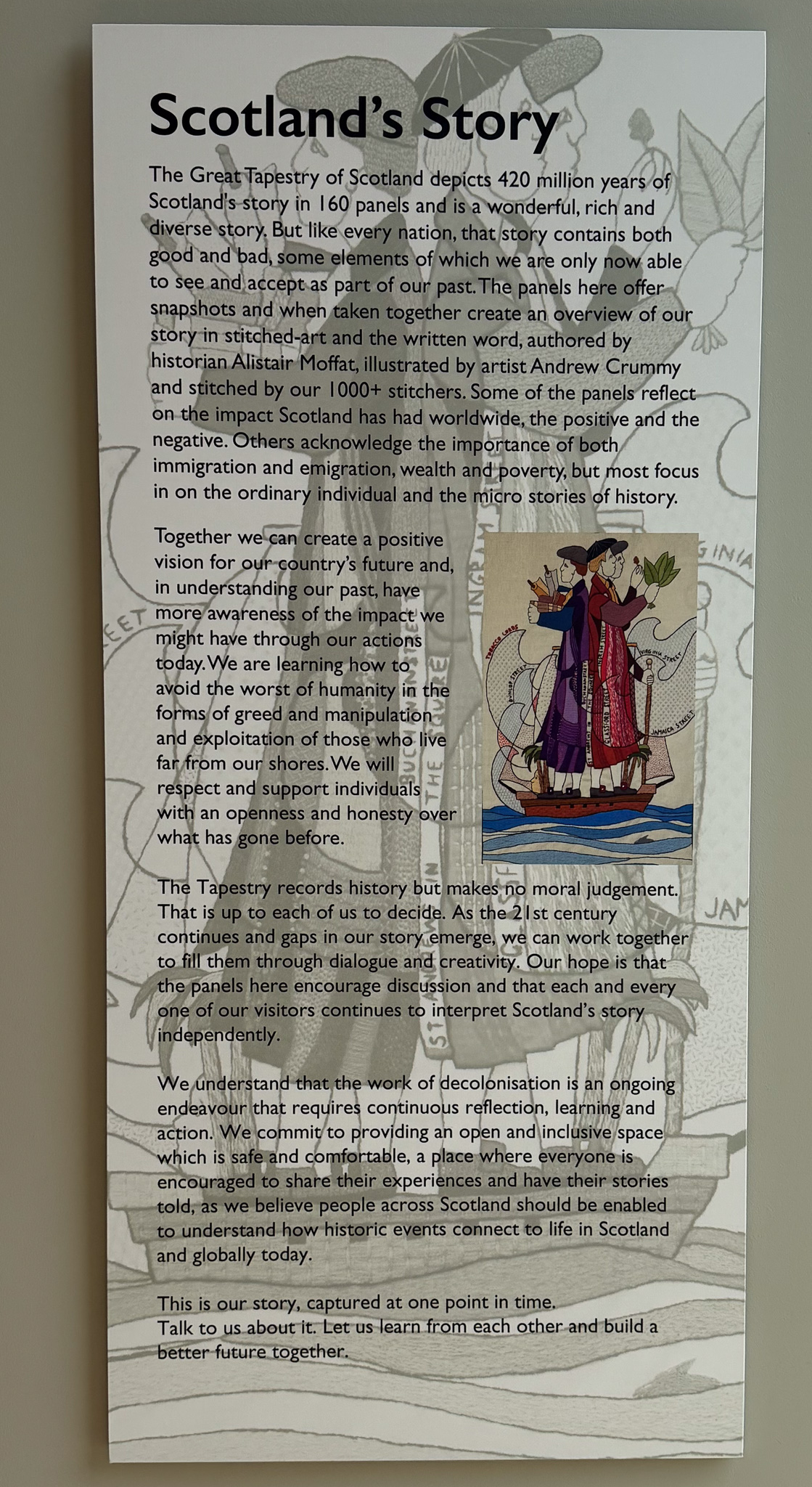
That ambitious and highly successful project tells 12,000 years of Scottish history in one hundred and sixty embroidered panels on linen, each about one metre square. Each panel took about 500 hours to stitch, involving thousands of volunteers, mostly female, from all over Scotland. Each includes a historical description and a list of the its “stitchers” who were provided with the linen, and the wool in a prescribe set of colours or “palette”, giving the whole tapestry a very cohesive look. You could describe the project as “like Bayeux, but much bigger, and, significantly, the stitchers are no longer anonymous, and, in fact, were encouraged to add their own individual flourishes in the four inch borders of each panel, as well as to choose the types of stitches they employed”. Additionally, the directors of the project made sure that the stitchers of specific events were from the geographic region of the event being described, and, additionally, since they knew their areas well, they were able to provide details that were then stitched into their panels. It was stiched in 200 separate locations in Scotland.
The entire tapestry is 143 metres long, and has a permanent home in a custom designed building. It was completed in about three years, finishing in 2013.
Patti here: it was one of the most moving pieces of art I saw on this trip. The community building, and the excellence and passion in The Great Tapestry of Scotland were inspiring. Don’t miss it.
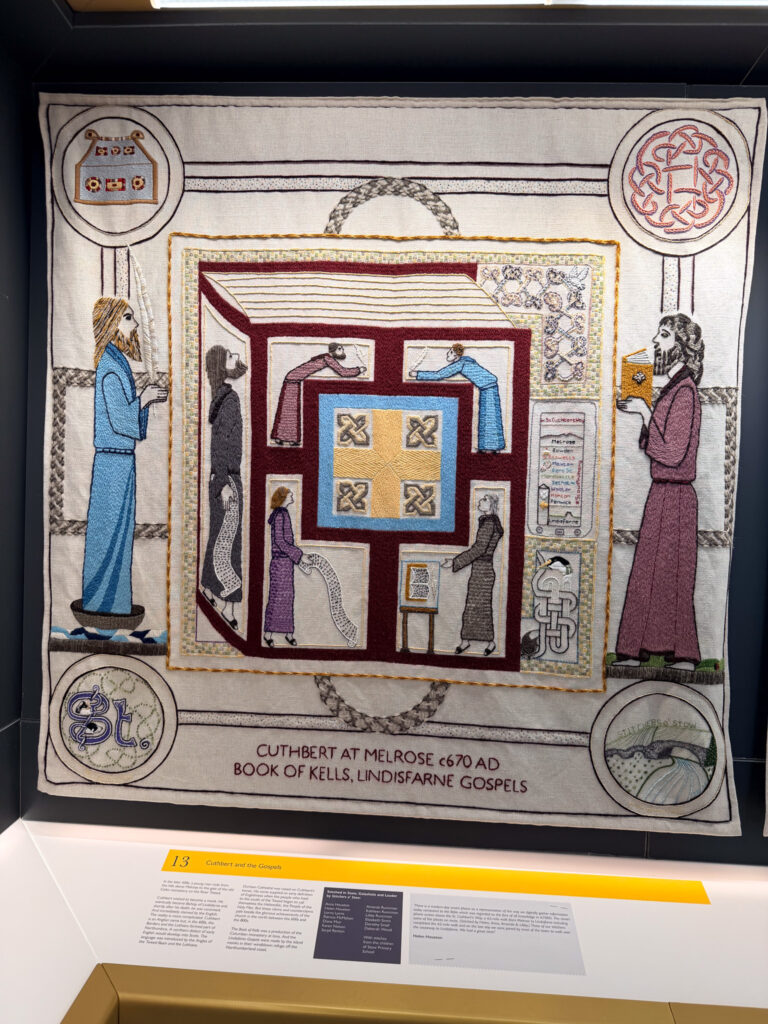
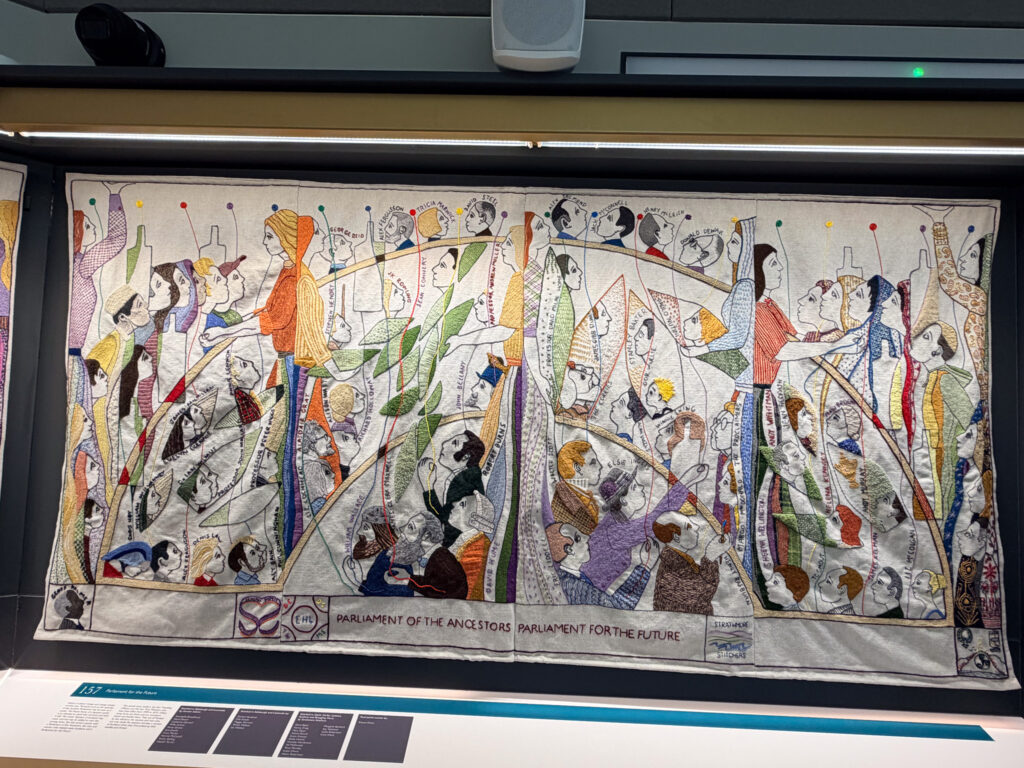
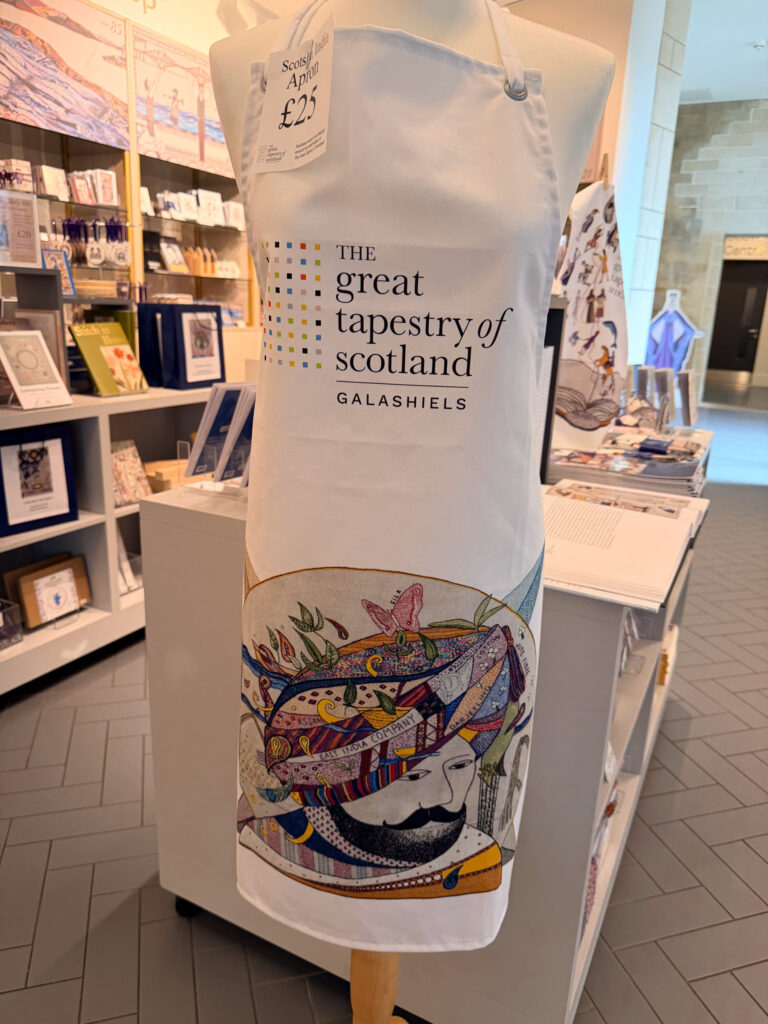
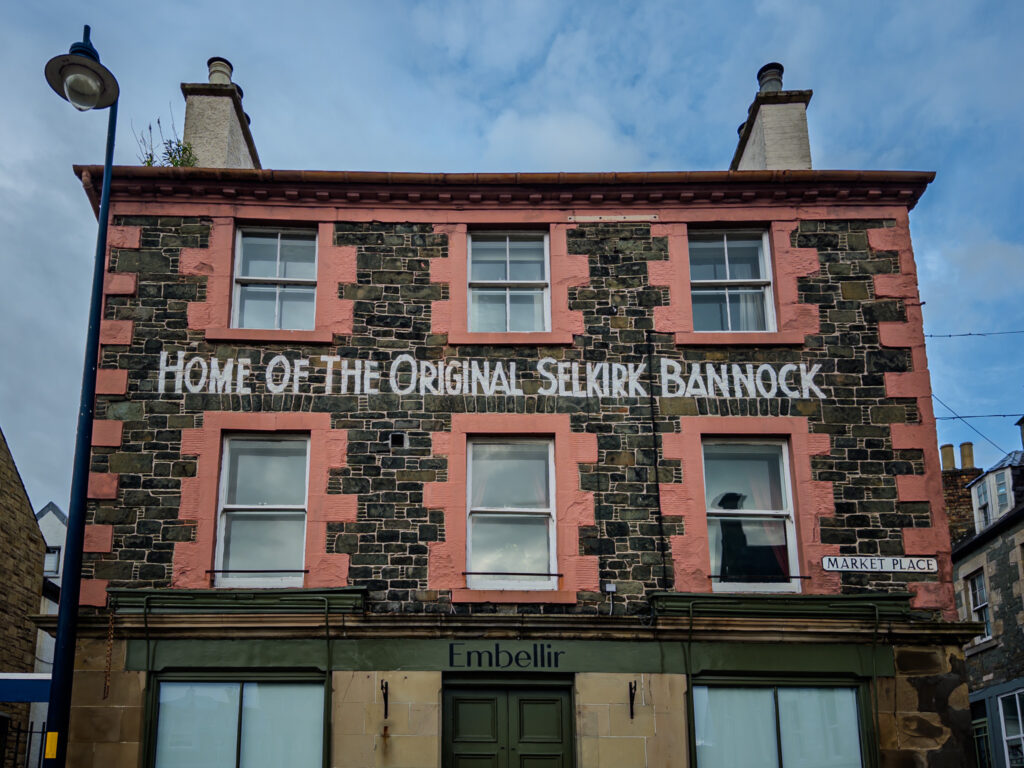
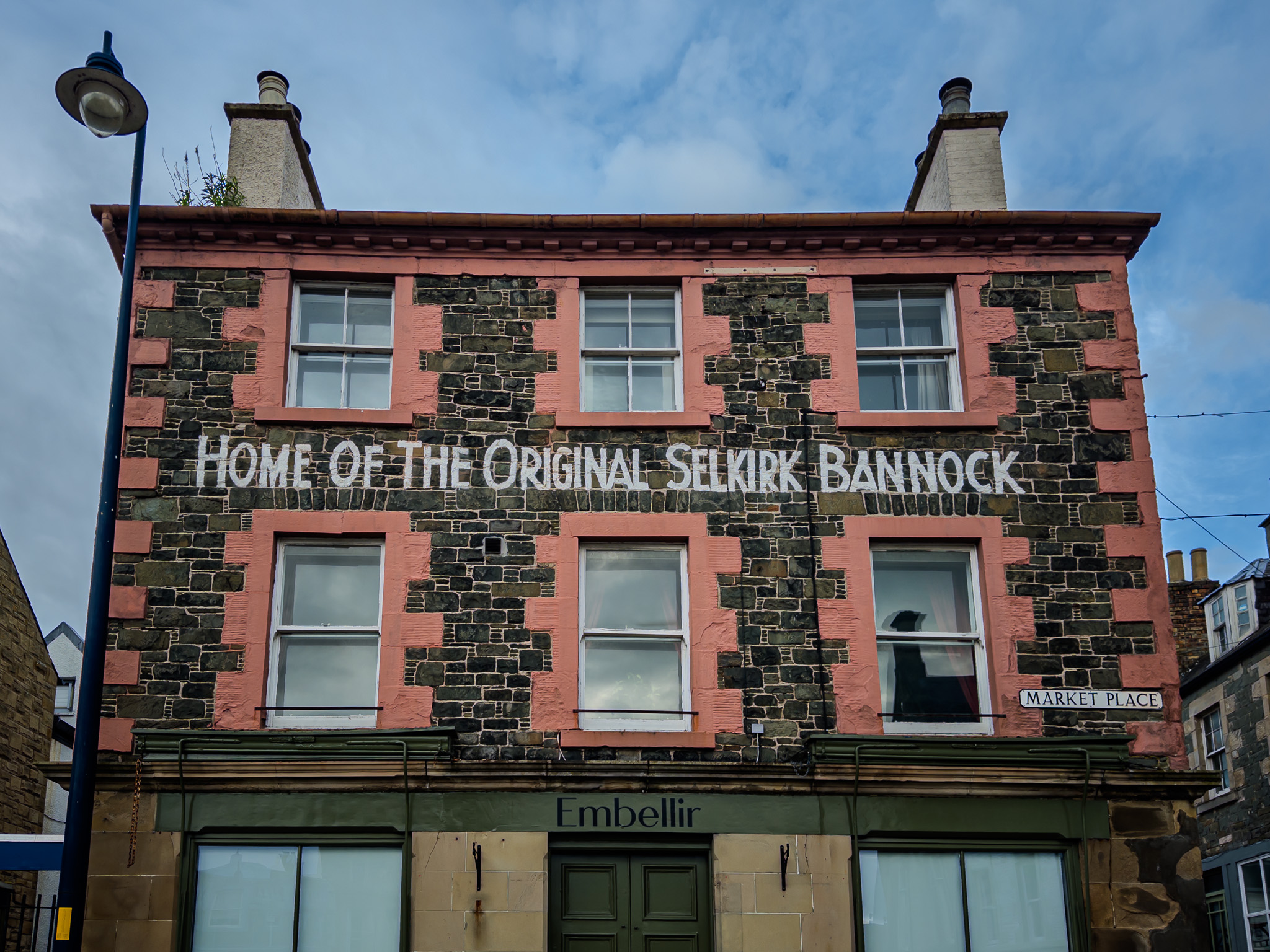
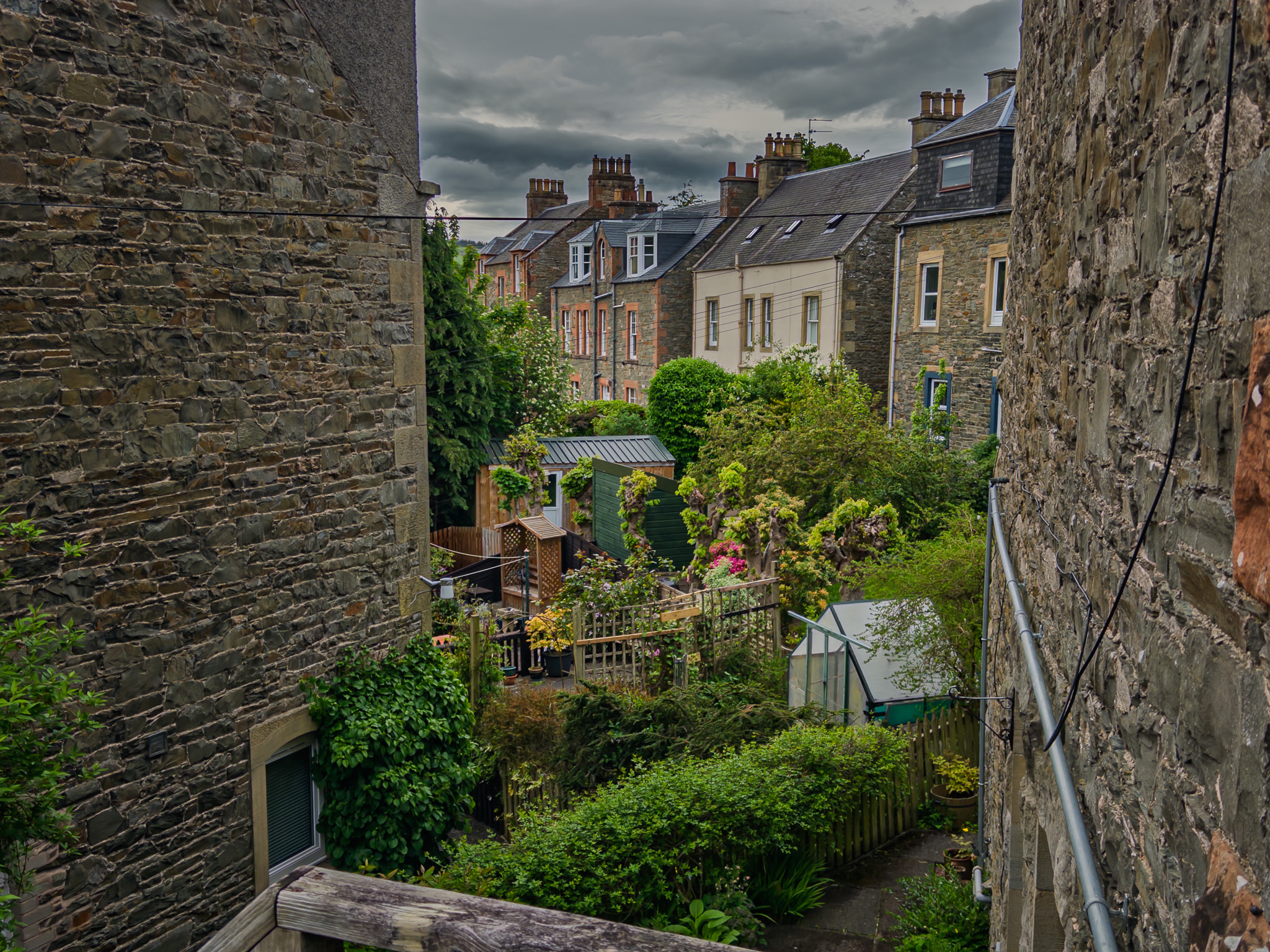
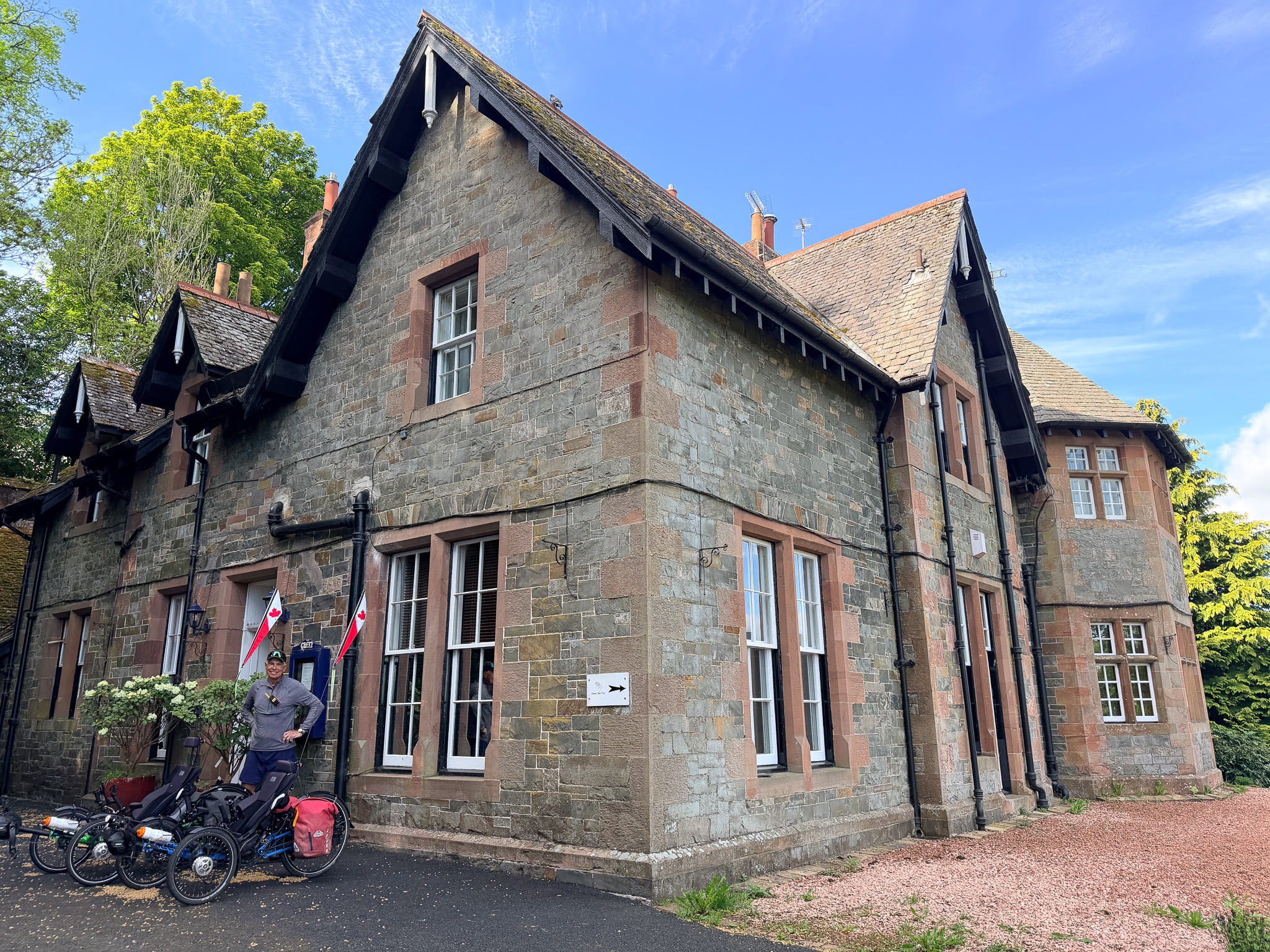
After the tapestry we finished the day with a 20 km ride to Selkirk, a very hilly town in the Scottish Borders. Selkirk is built on a steep bank of the River Tweed, overlooking large shutdown and repurposed woolen mills. Our dinner in town included ‘Selkirk Bannock‘, a local rich and buttery tea bread. Delicious!
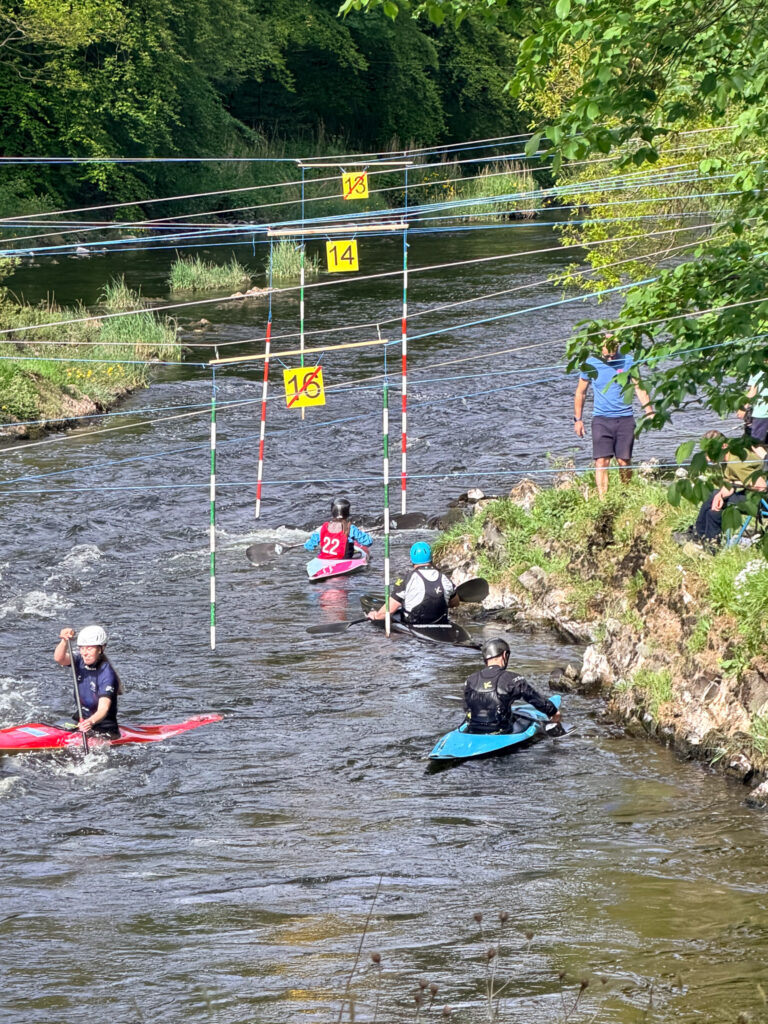
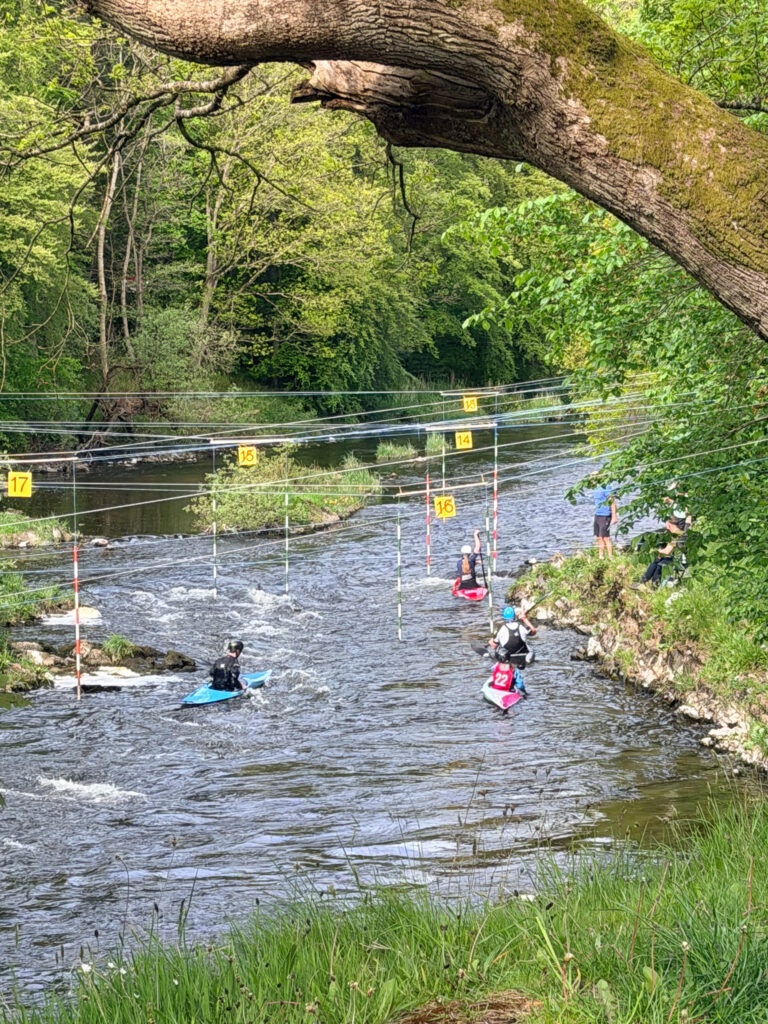
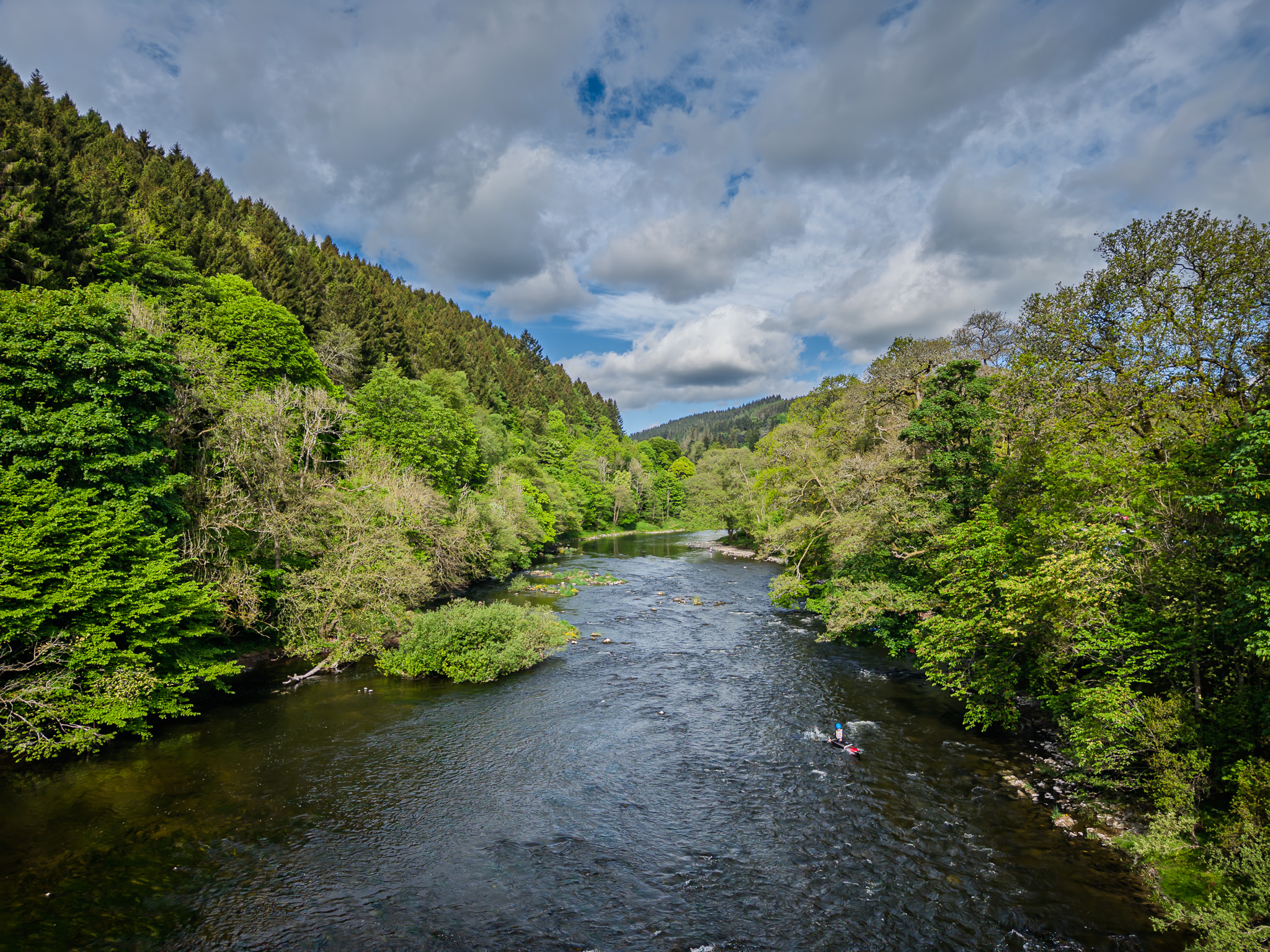
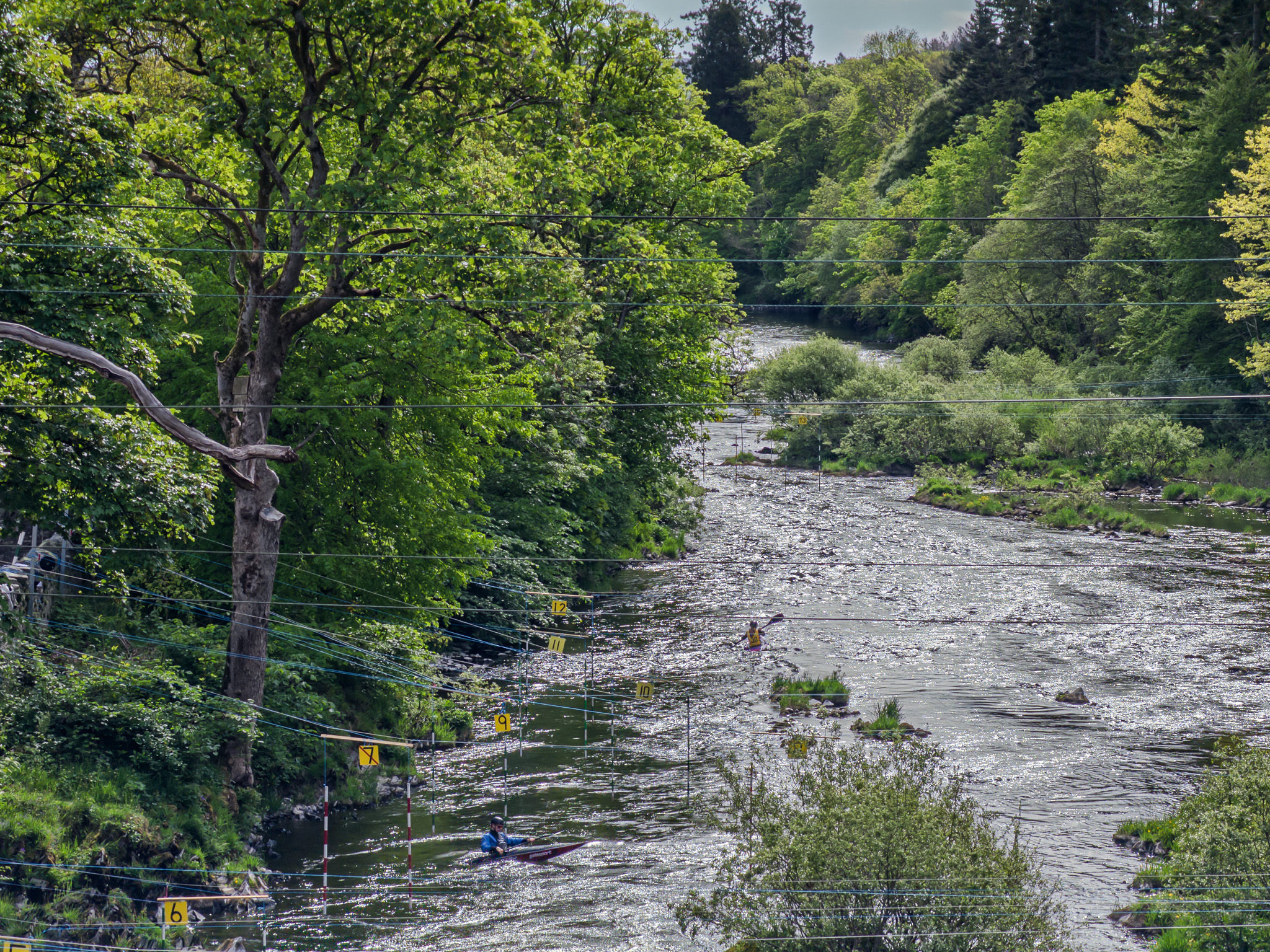
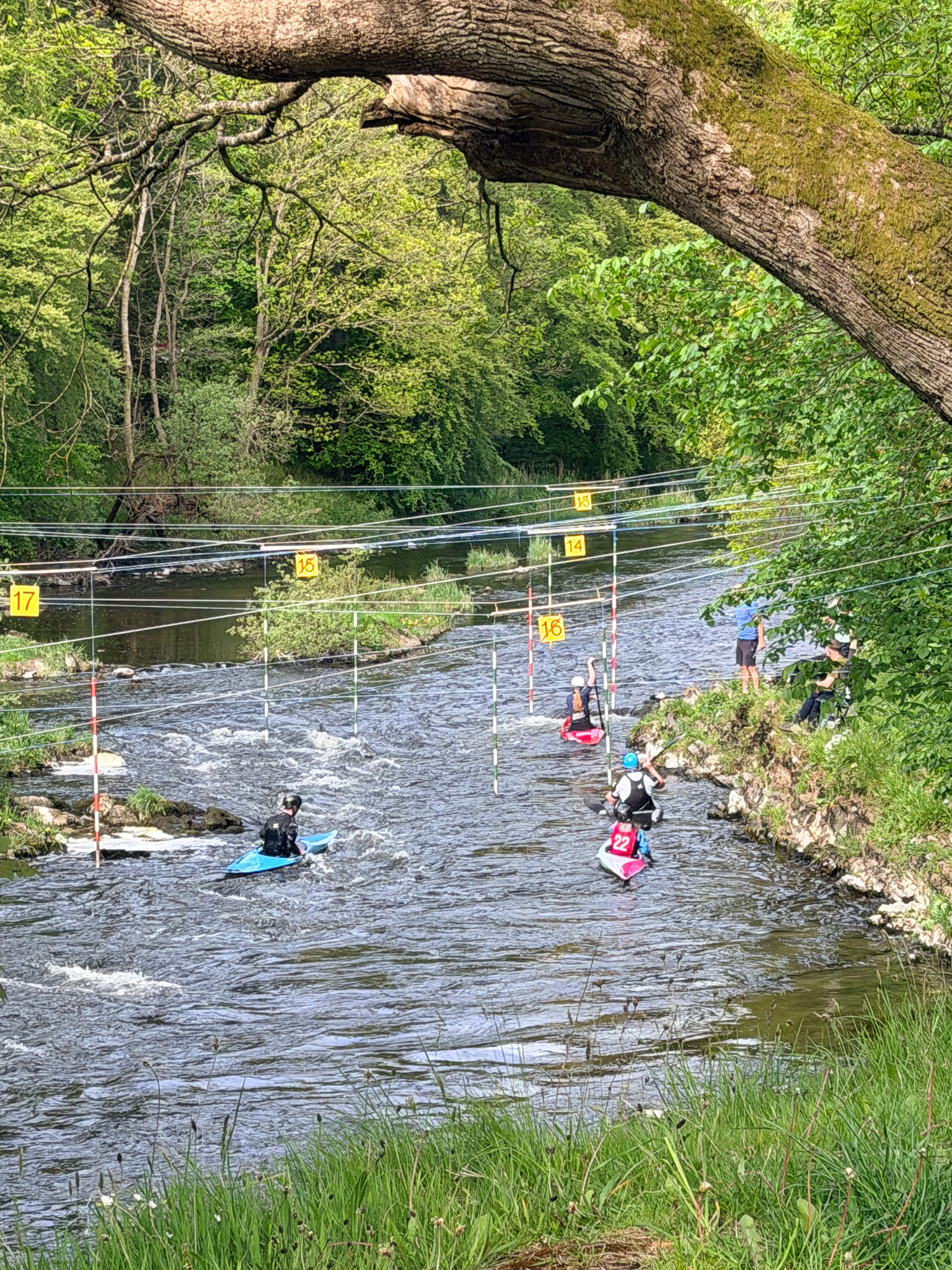
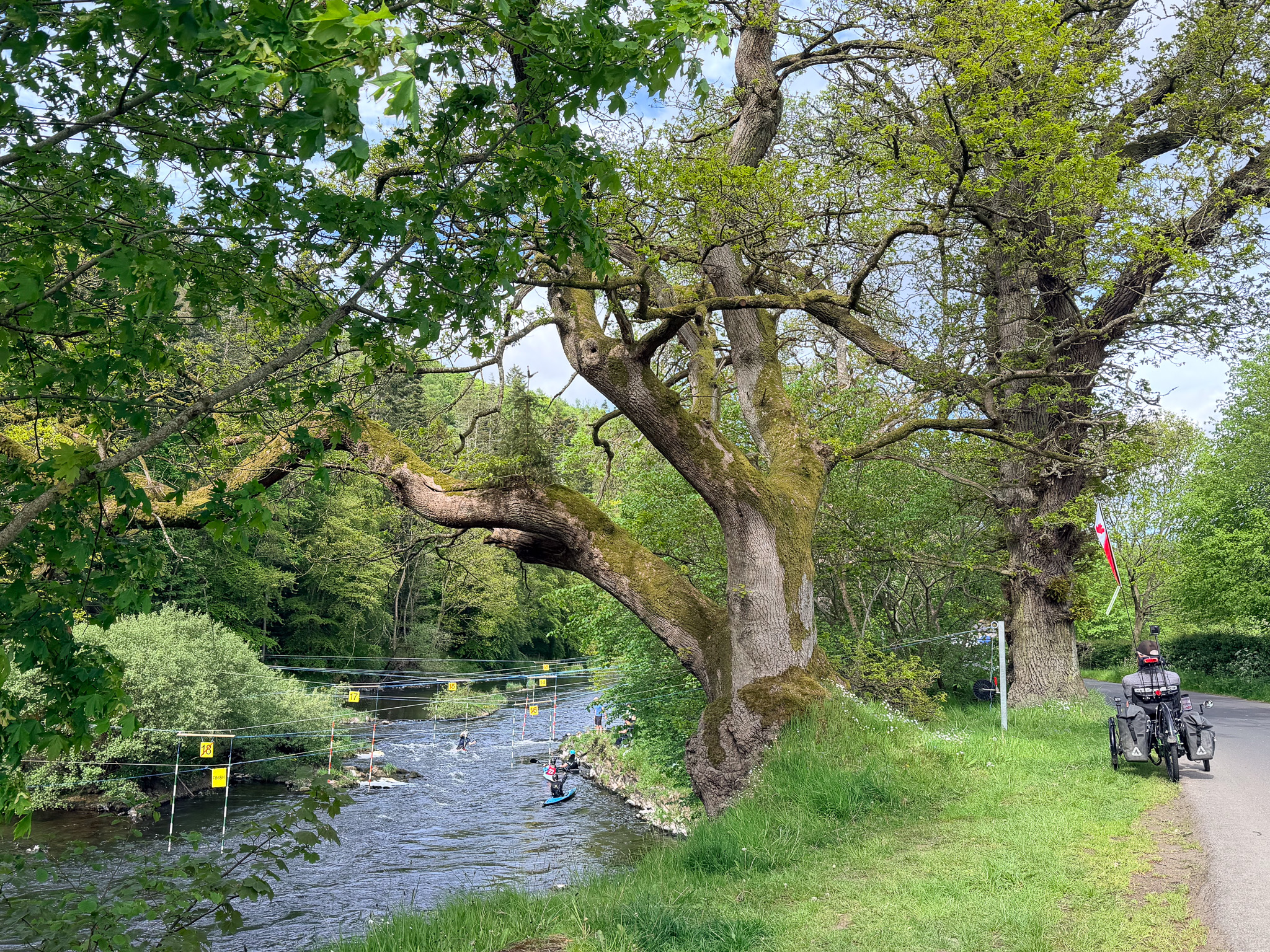
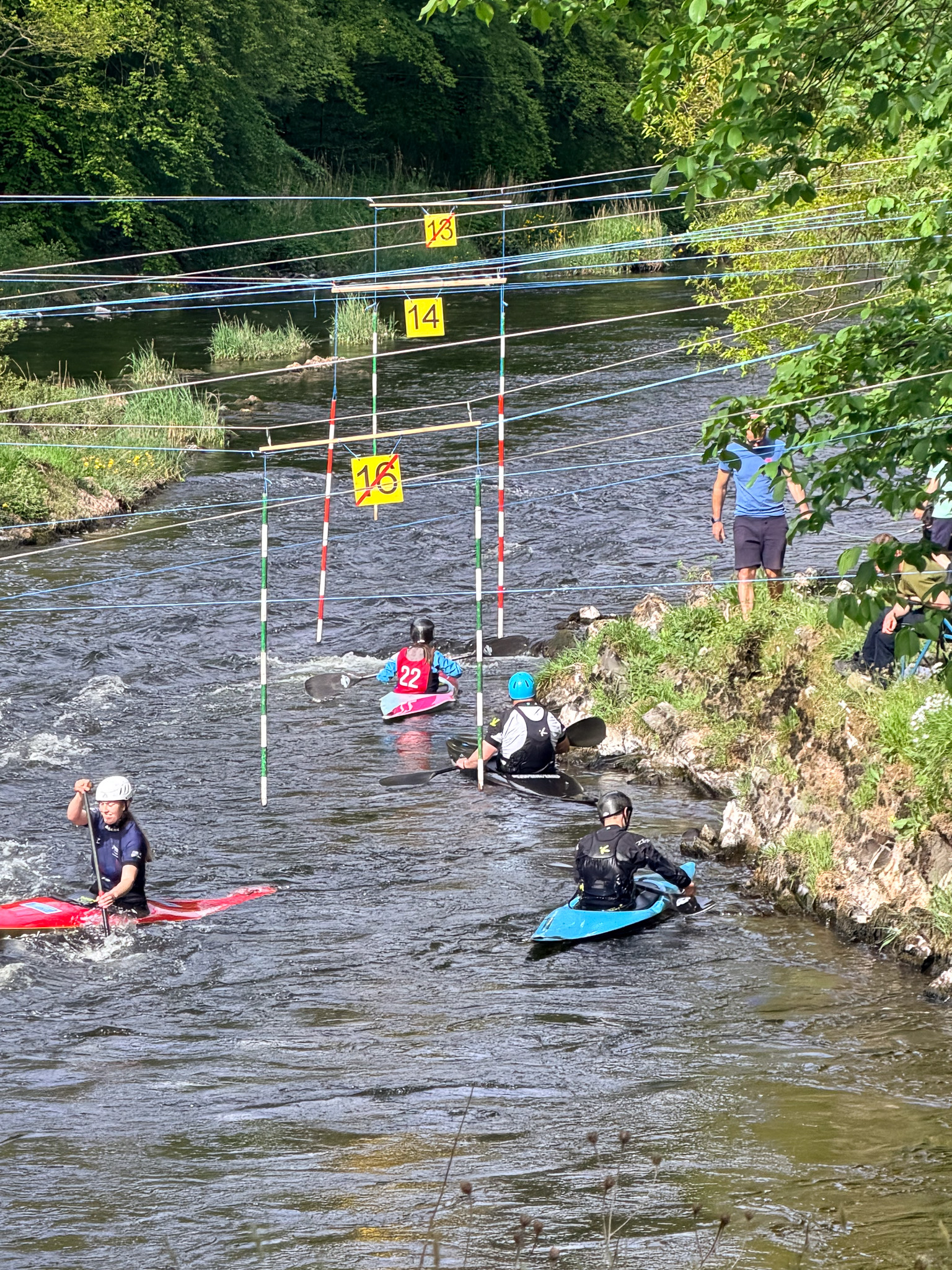
After a nice quiet sleep at The Gate Inn in Selkirk, we headed off on a short 30km ride along the River Tweed to Innerleithen. On the way we passed a kayak white water training course. We spent a while standing on an old bridge over the river, watching kids and adults navigate the course they had set out in the light rapids. I imagine that water was fairly cold.
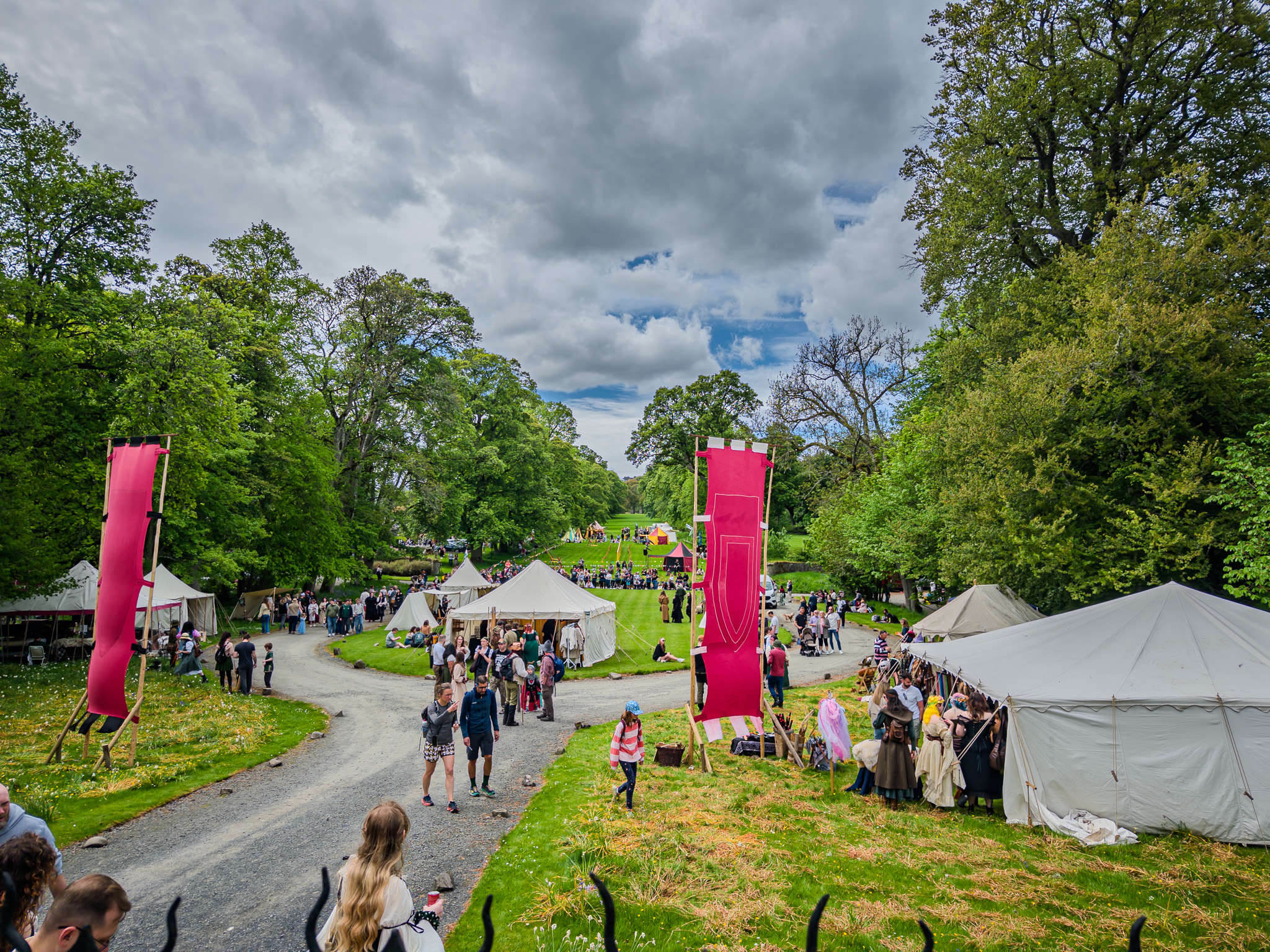
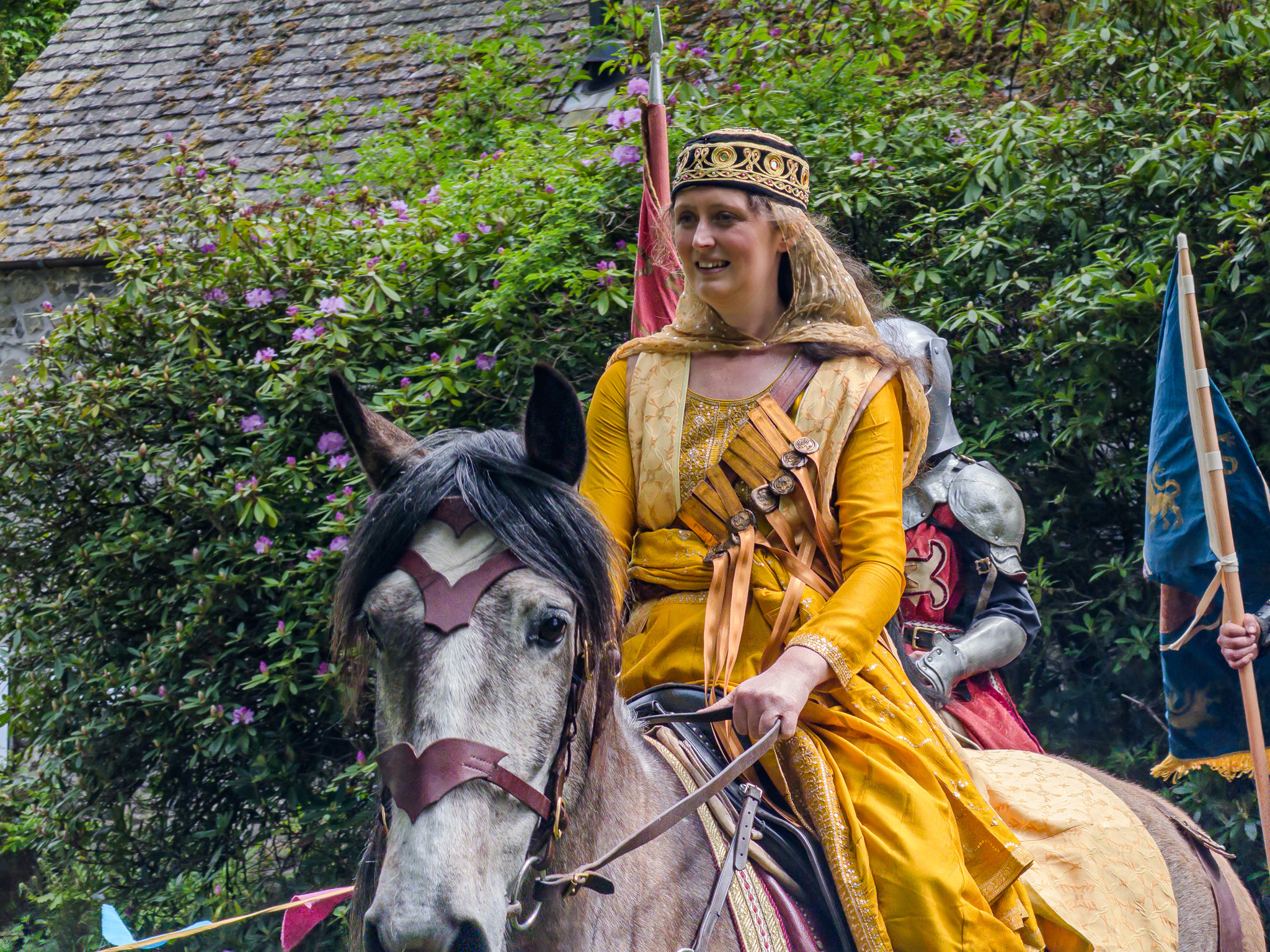
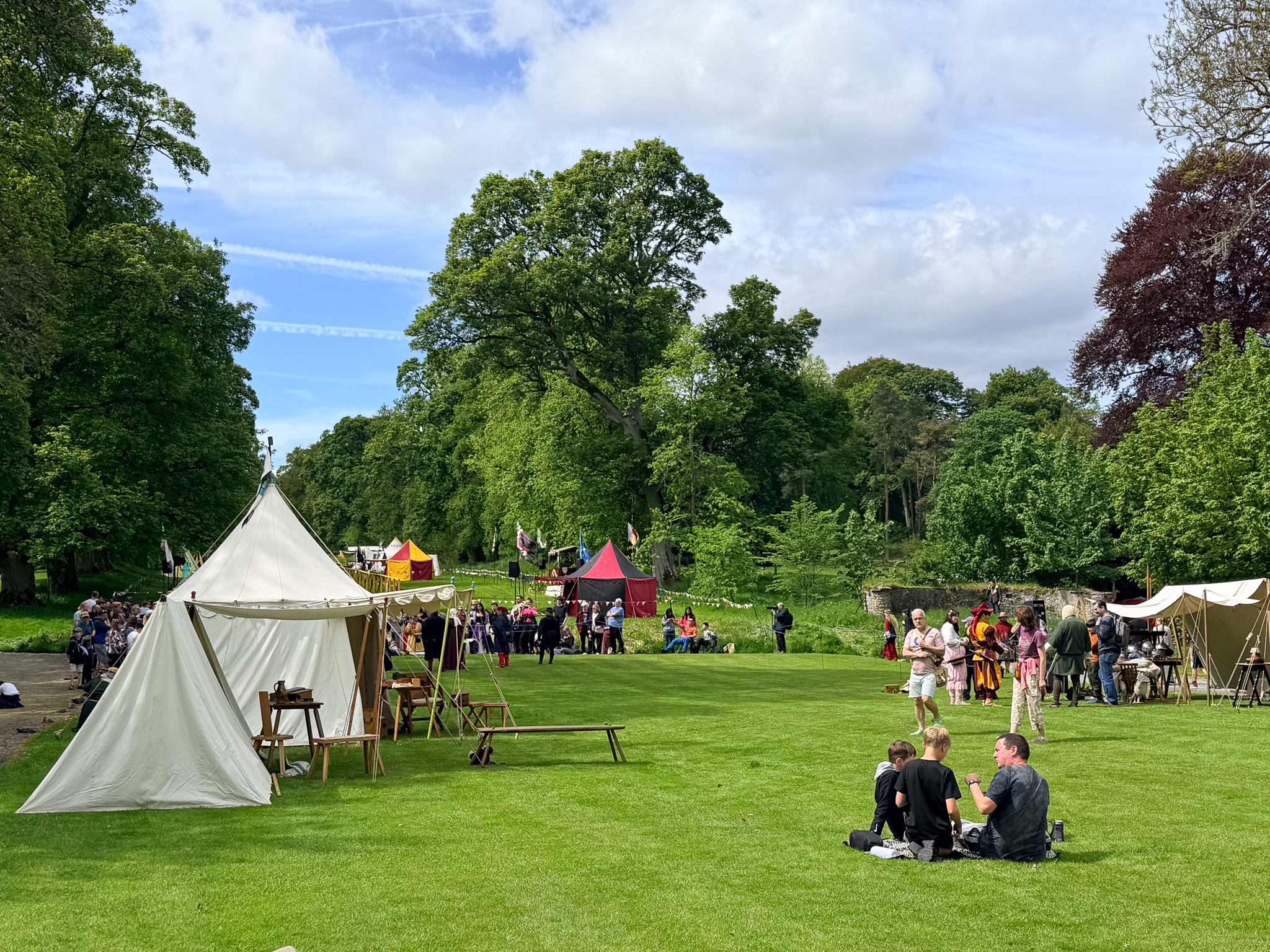
The night before, we had discovered that Innerleithen was hosting a Medieval Fayre at the nearby Traquair House. We rode into town to leave our panniers at our booked hotel, but were a bit alarmed as the town seemed deserted. We found our hotel which was curiously open, but with no staff in sight. We nervously left our panniers in an obscure closet and headed off on our bikes to the Fayre.
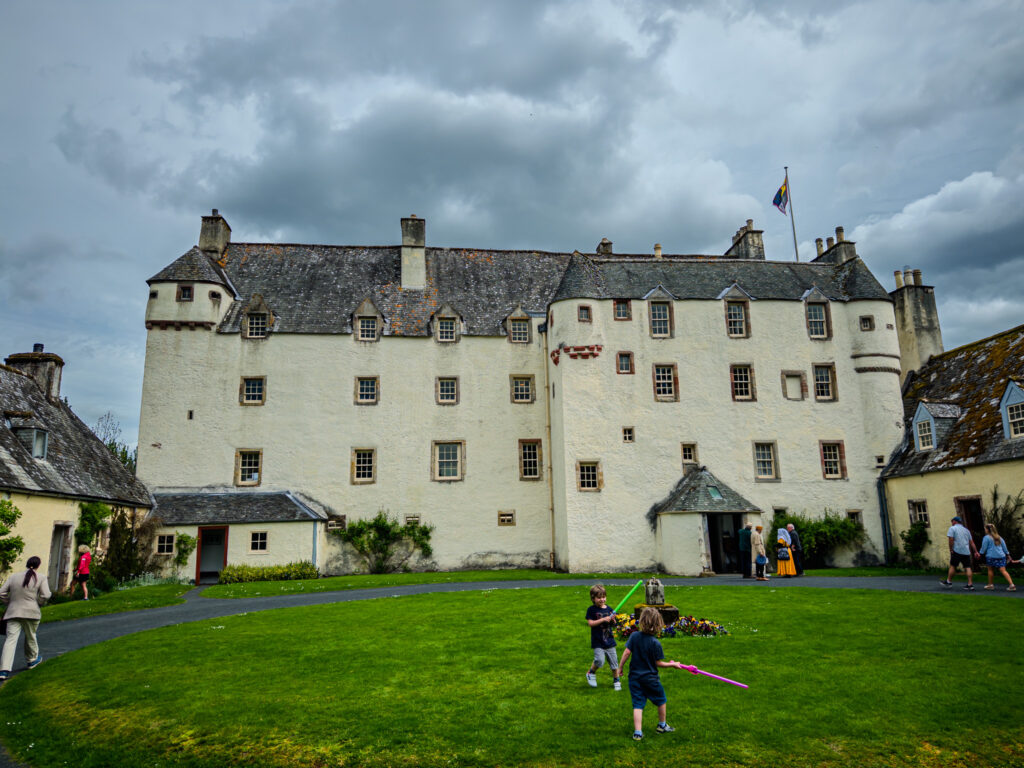
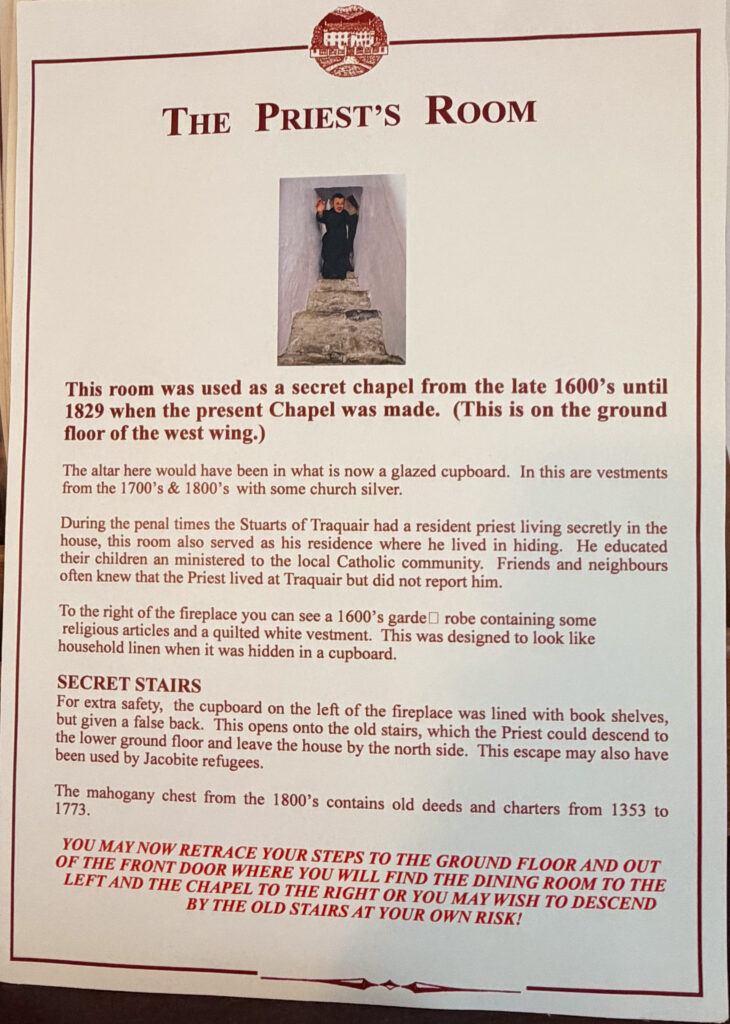
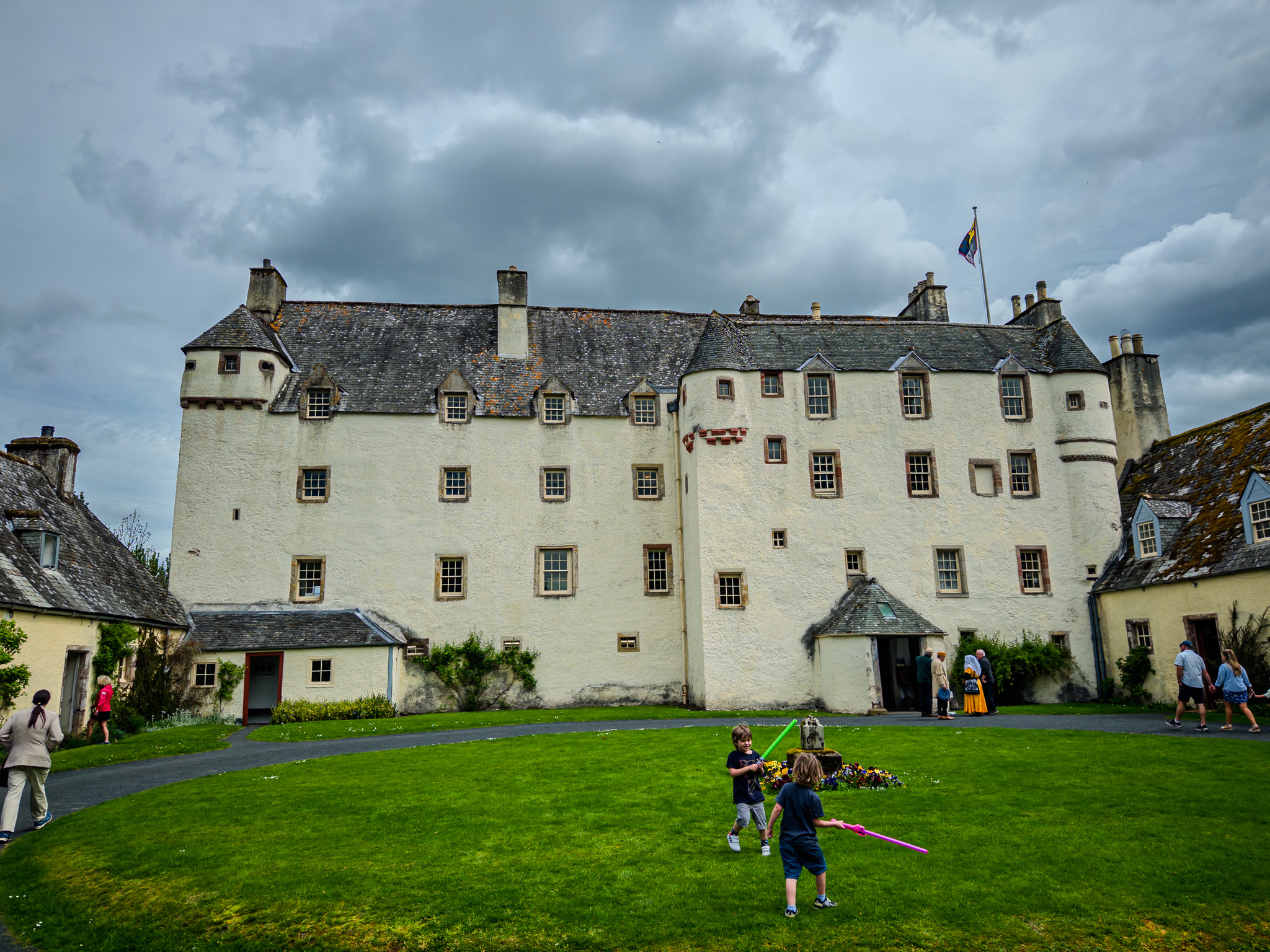
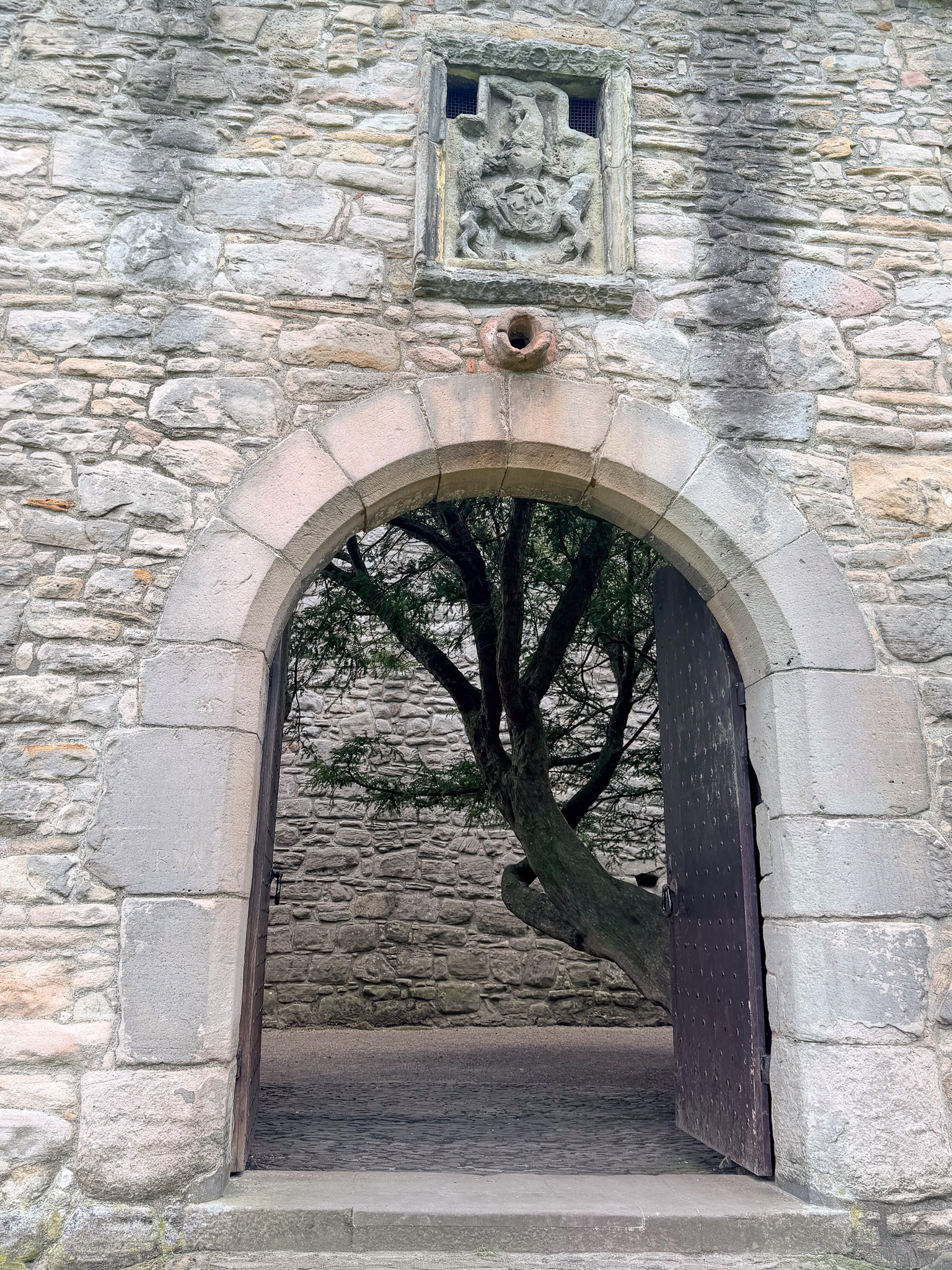
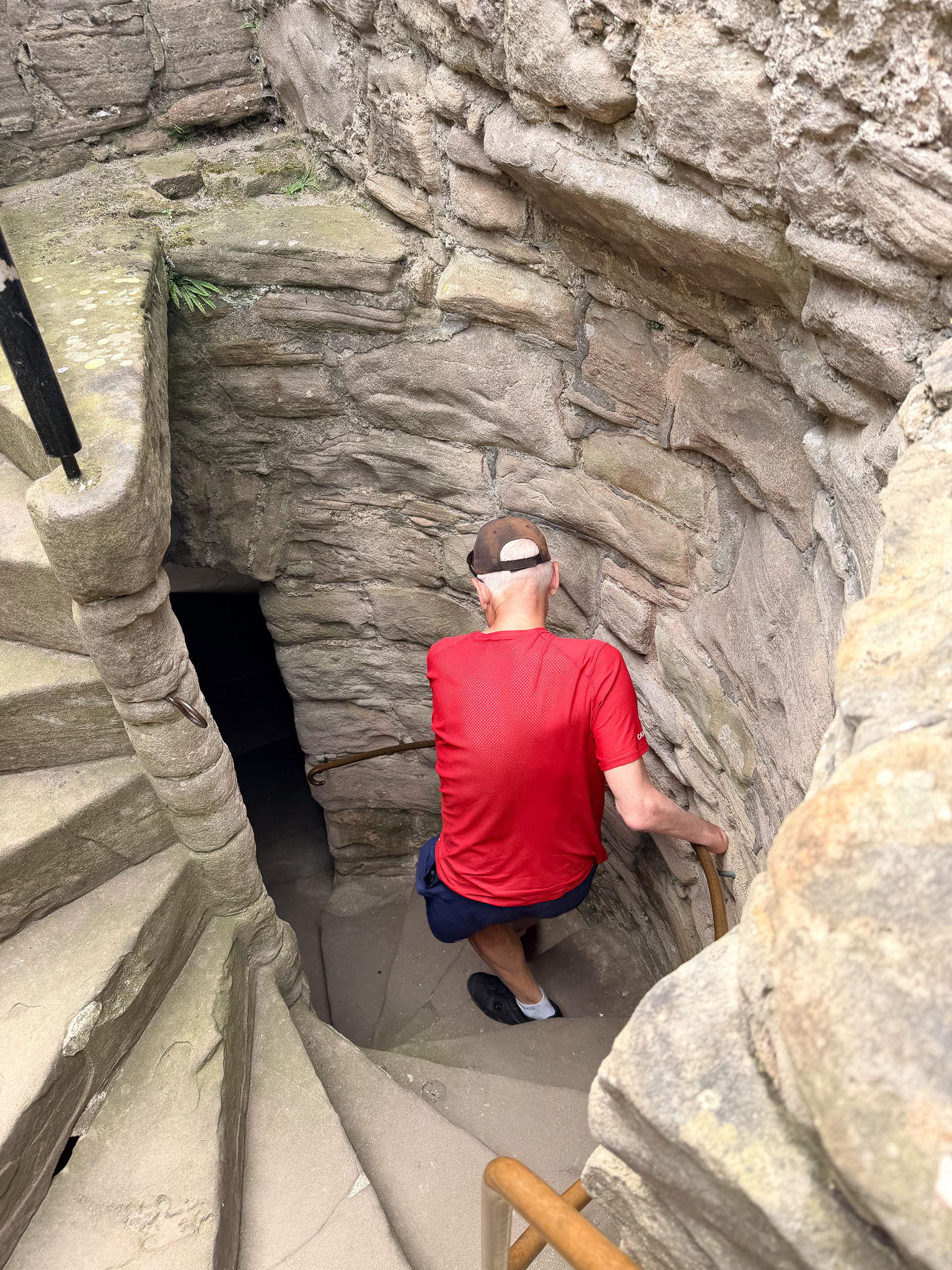
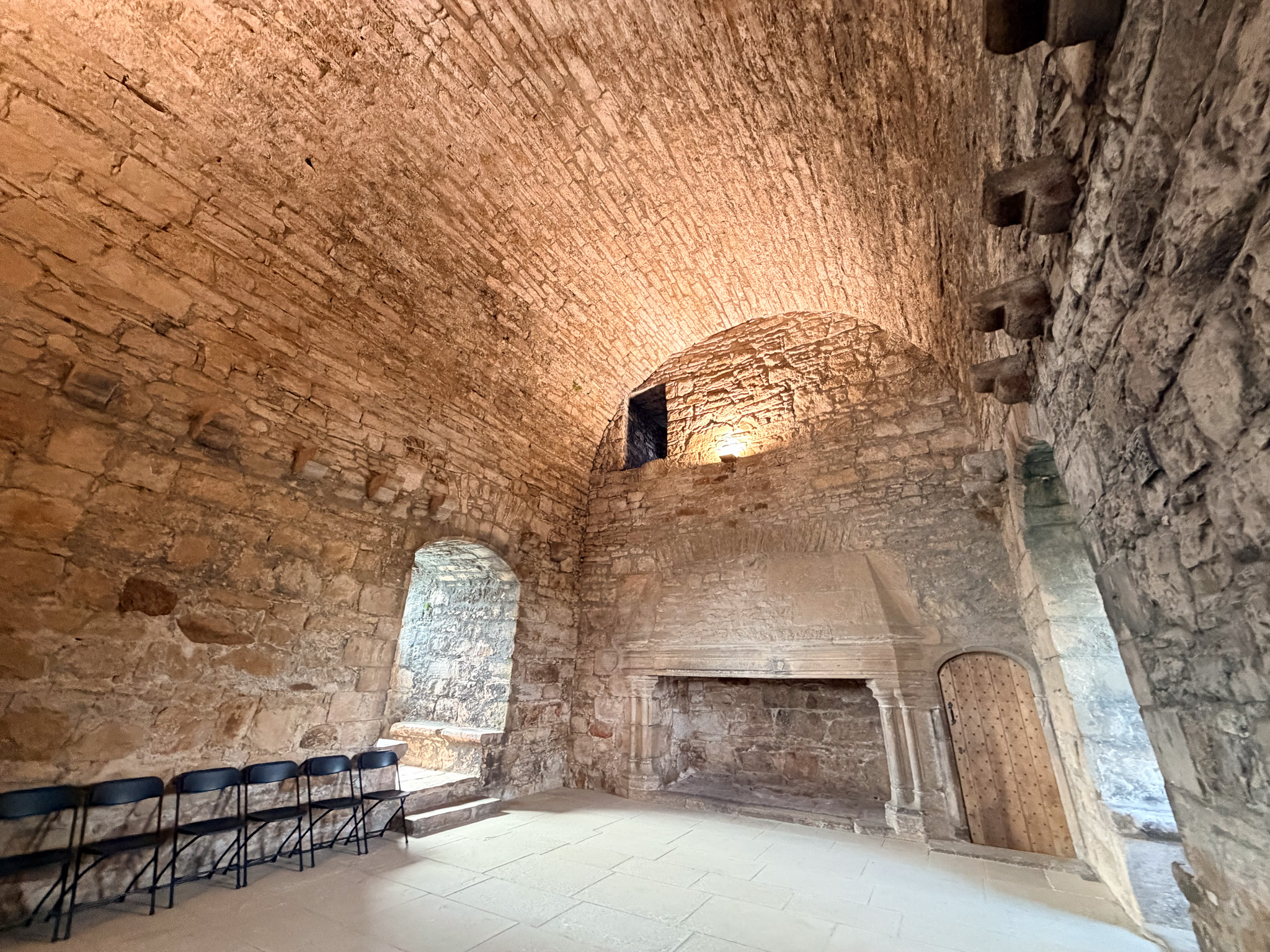
First we toured Traquair House, the ‘oldest continually inhabited house in Scotland’. Mary Queen of Scots visited in 1536. It was very old, and very rustic. Not easy living, shall we say. Lots of Jacobite history. (See photos.)
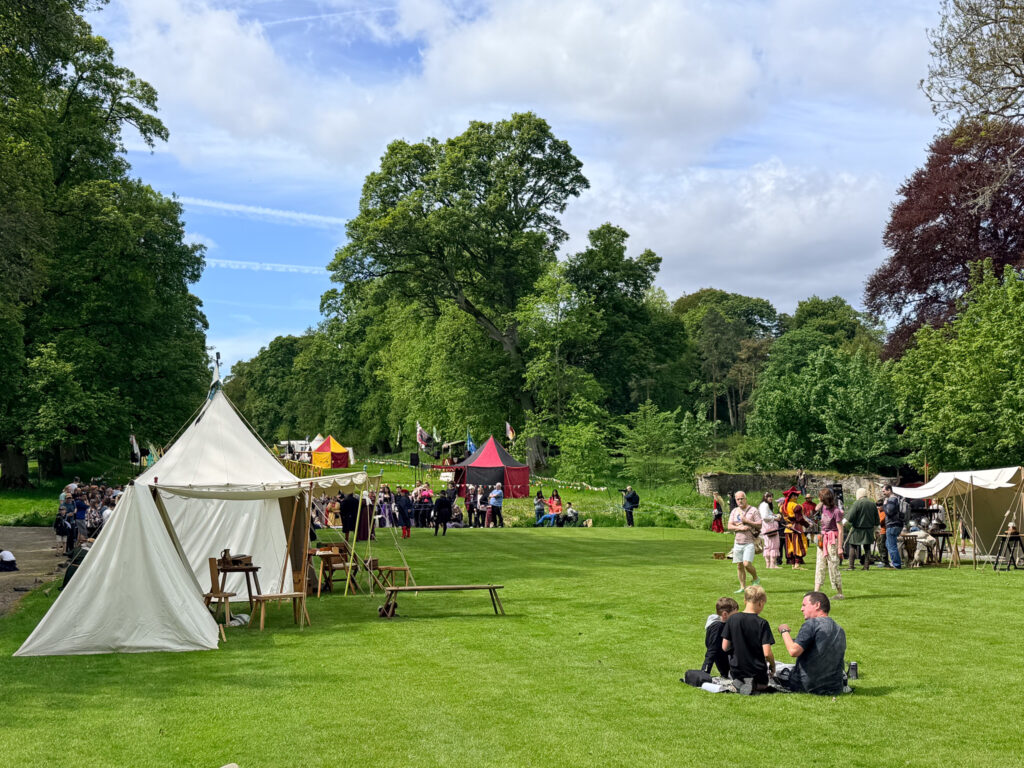
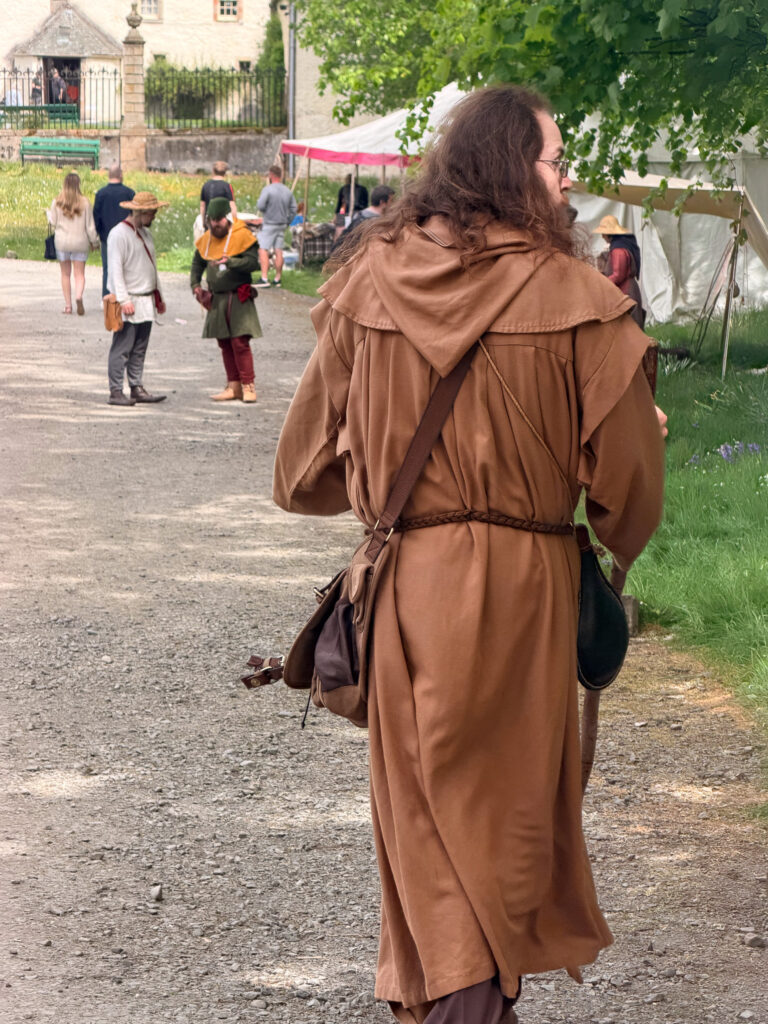
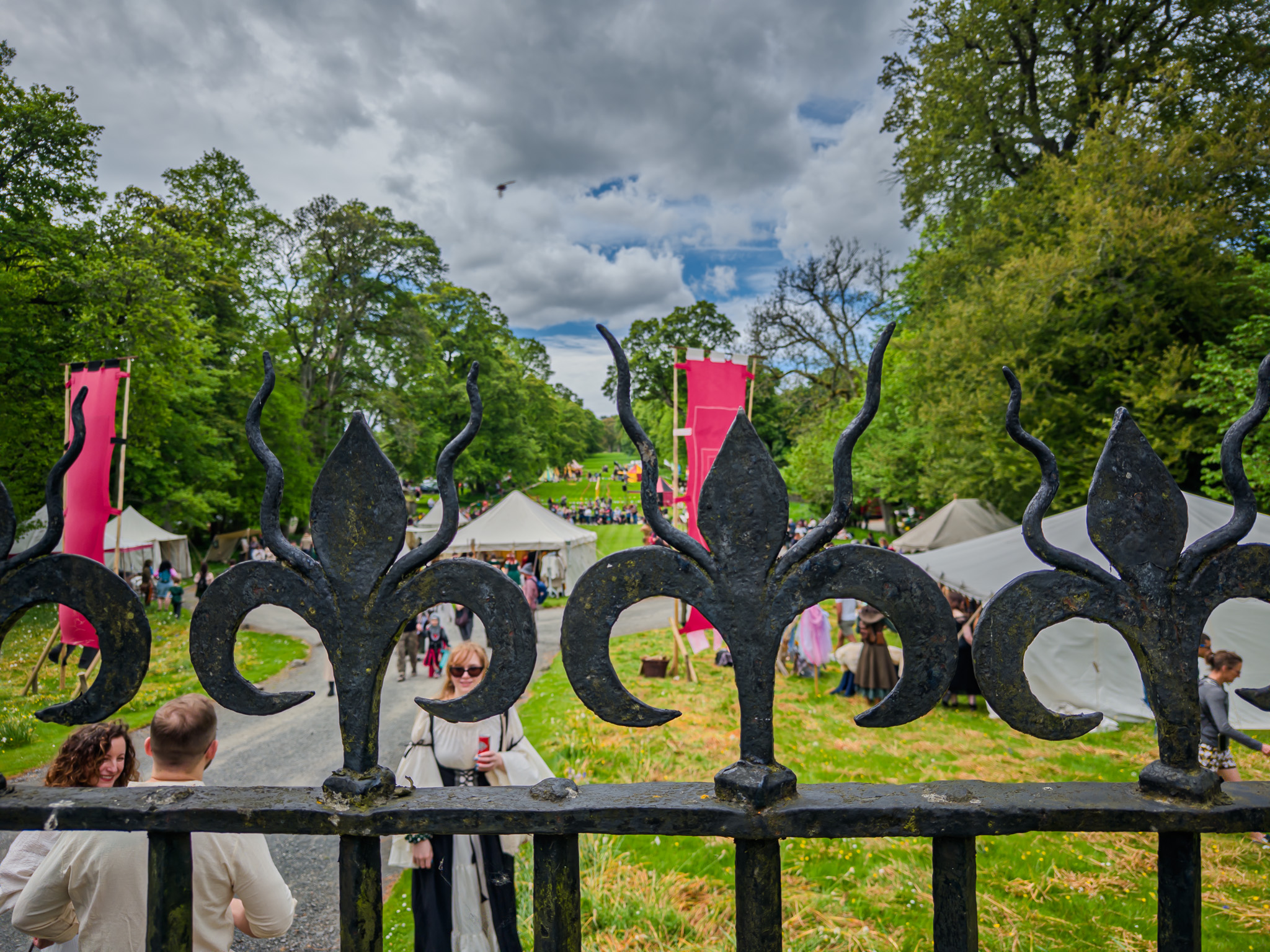
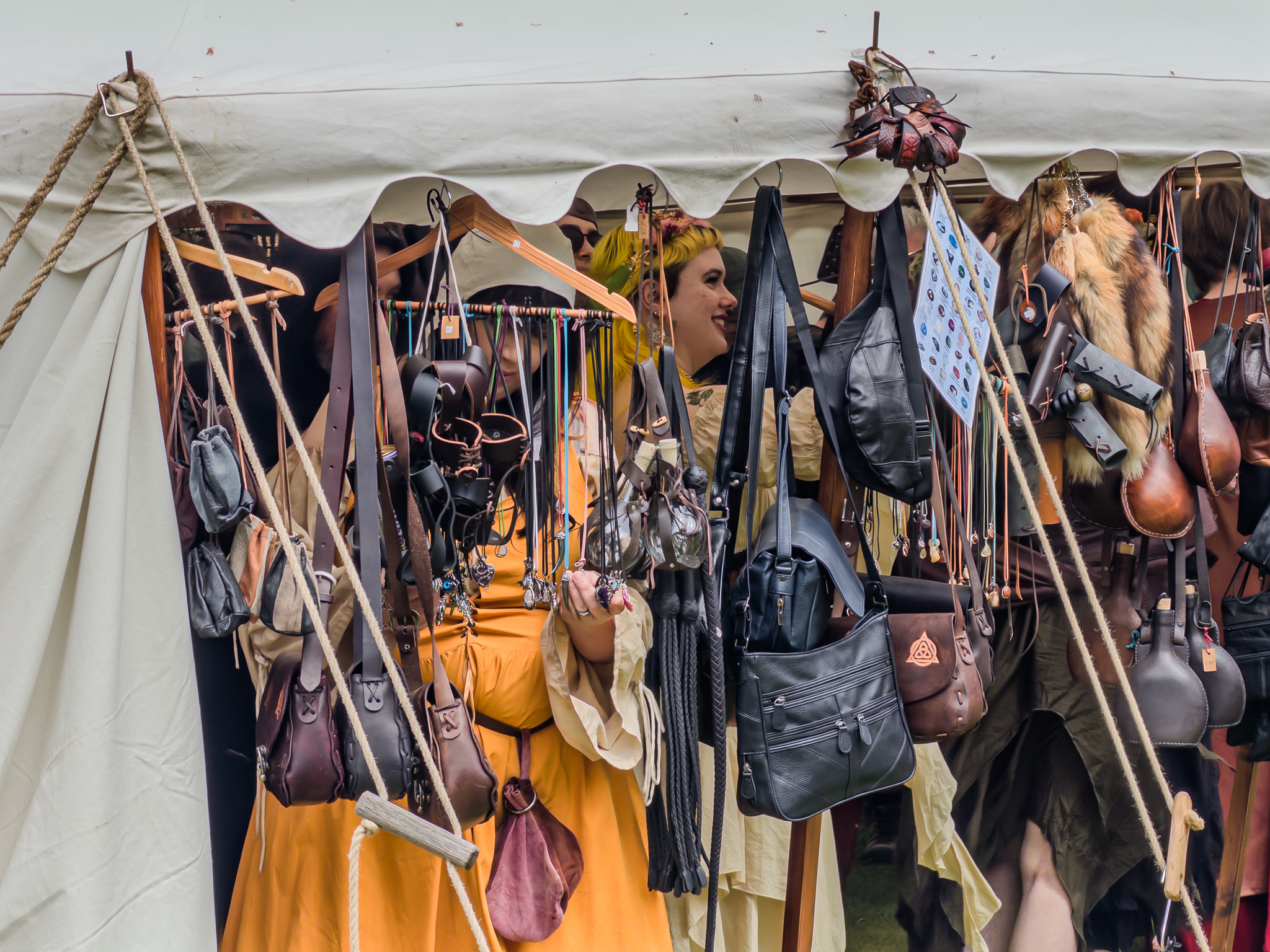
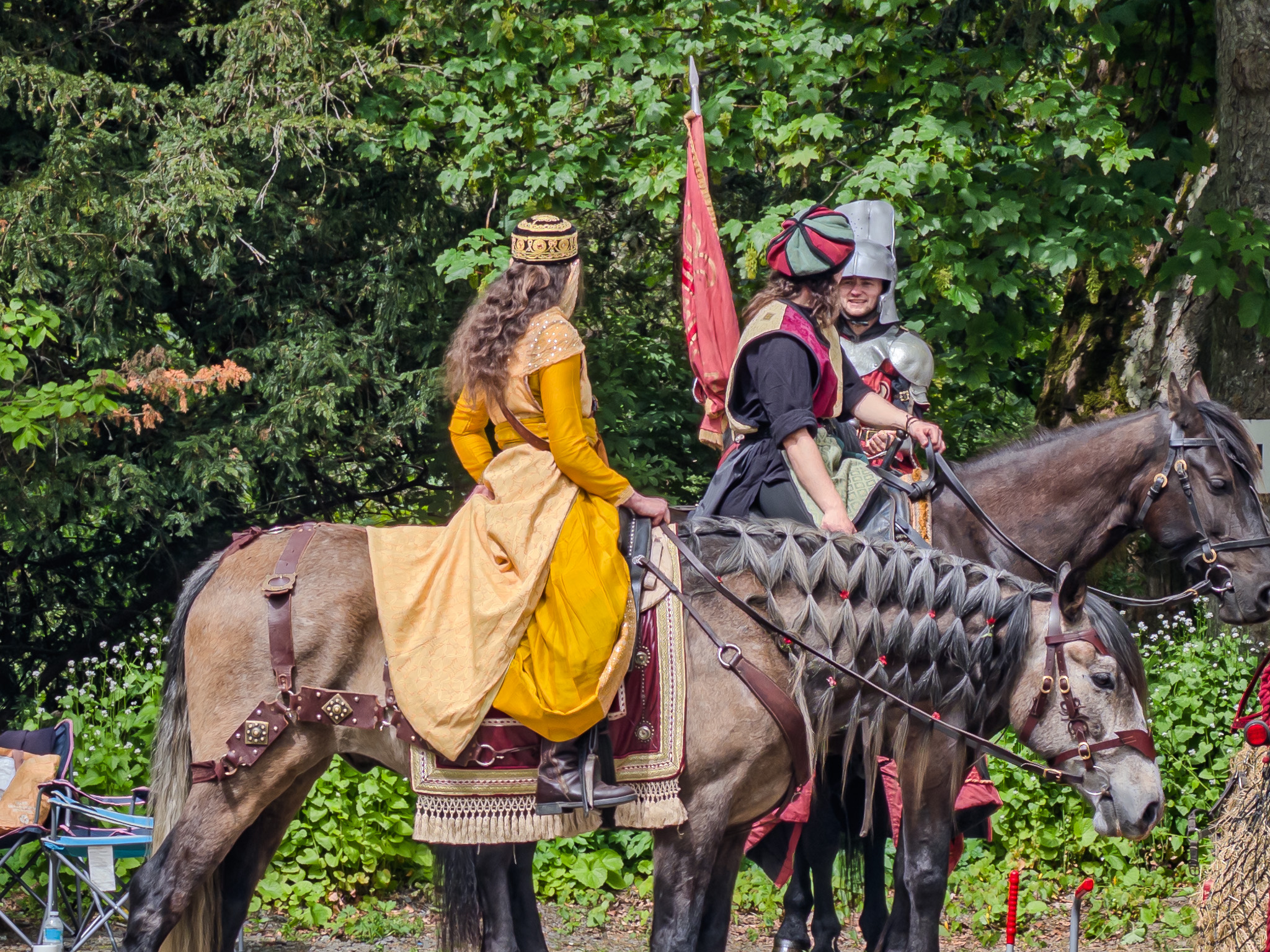
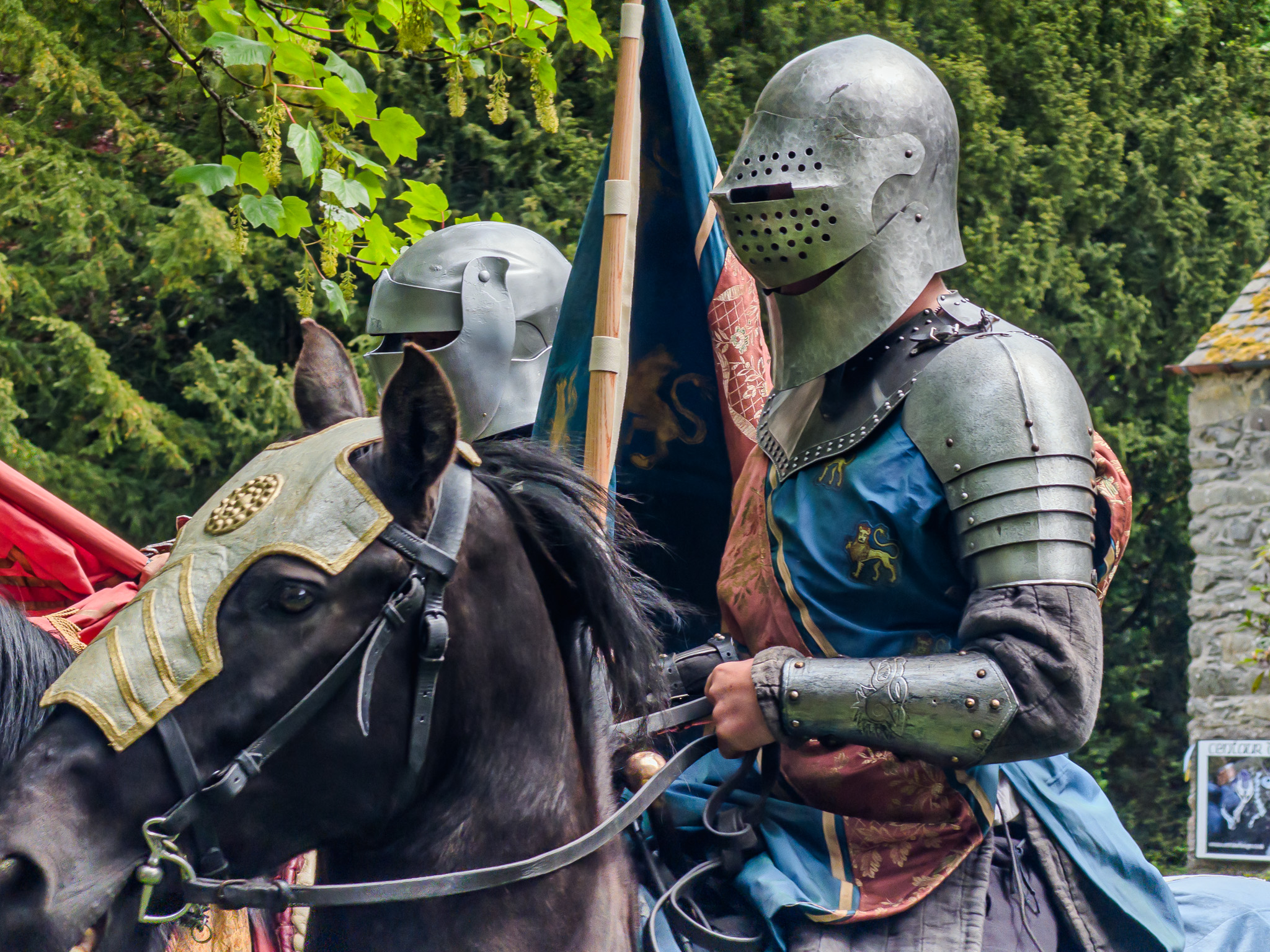
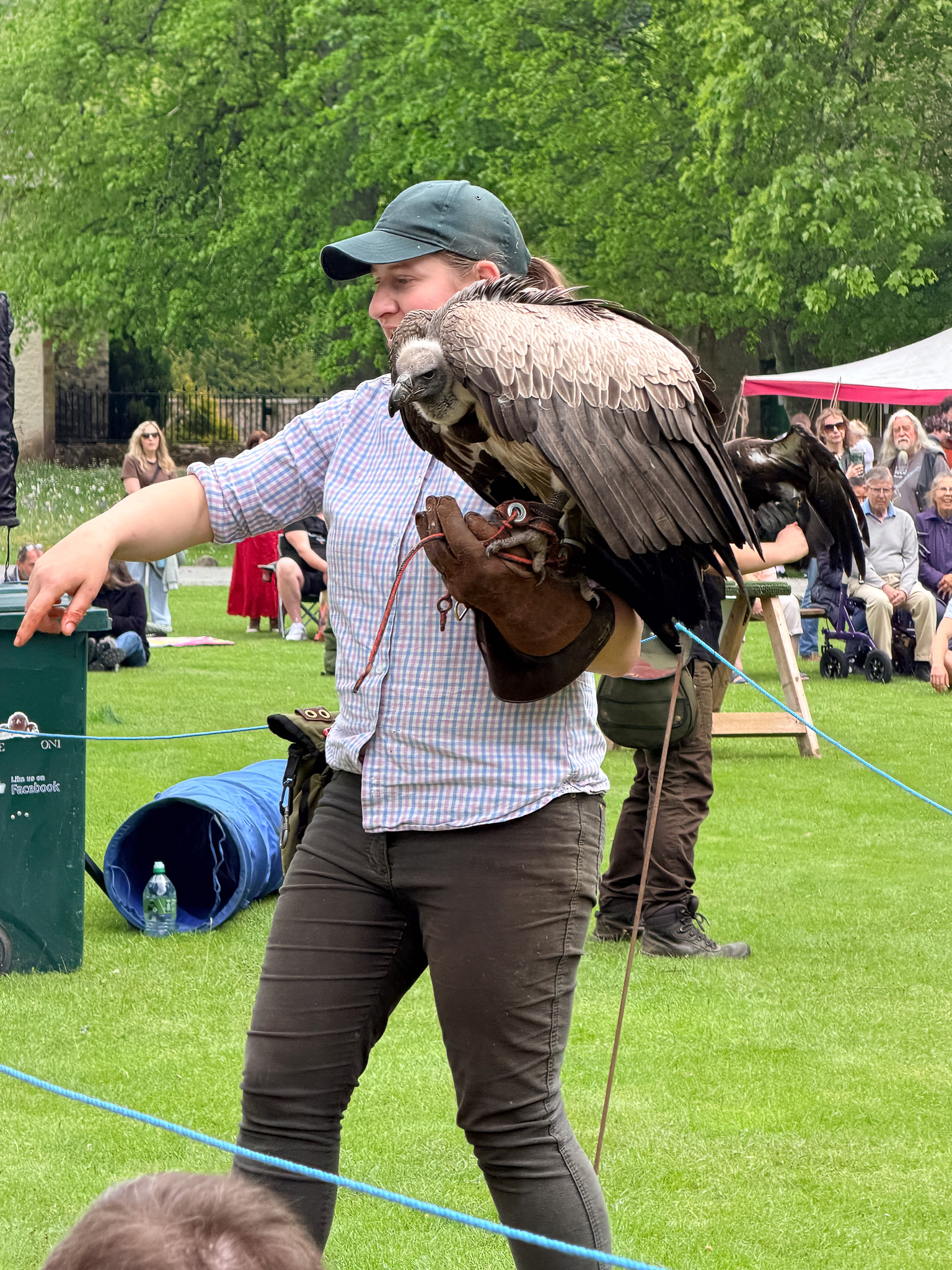
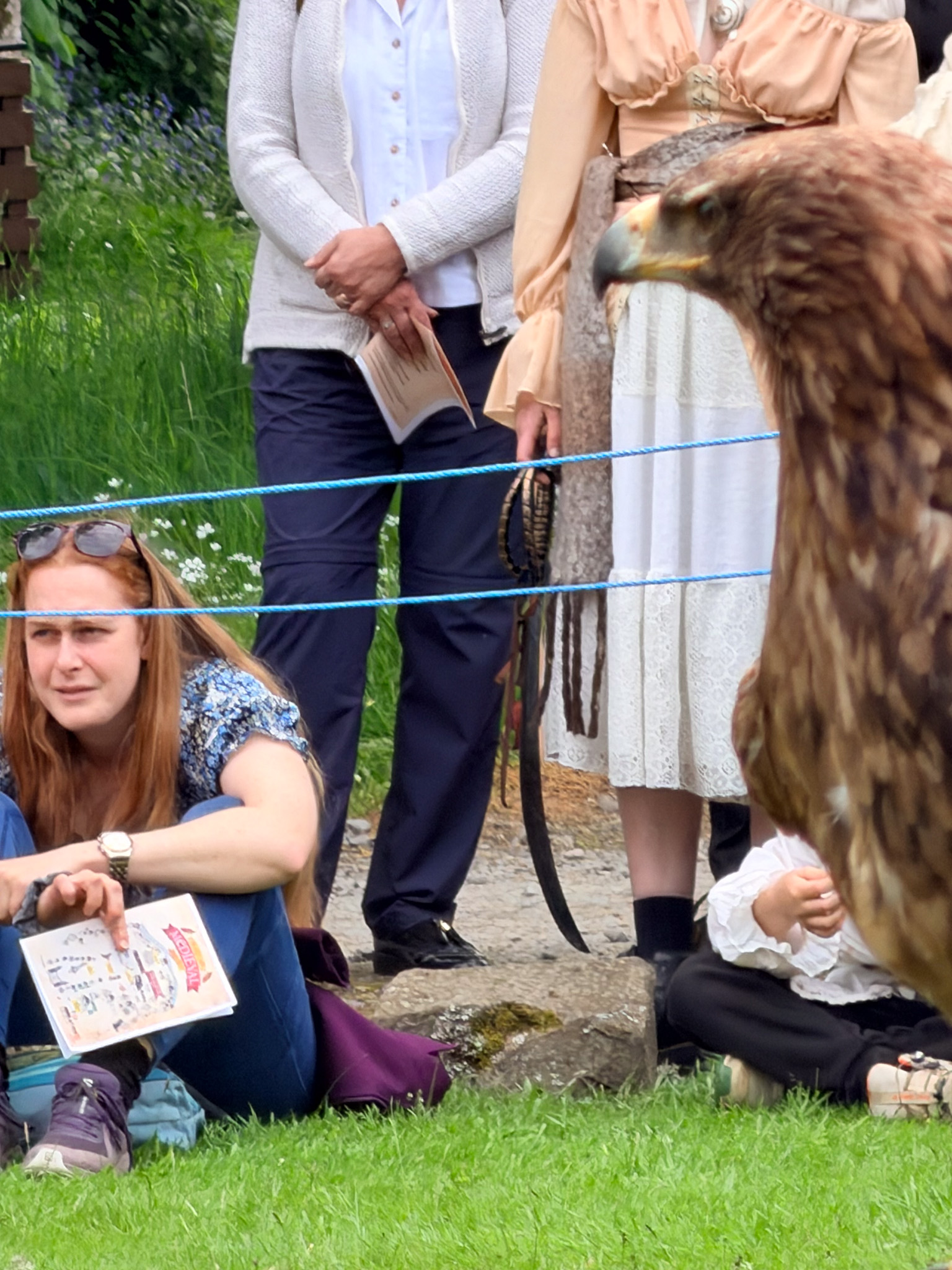
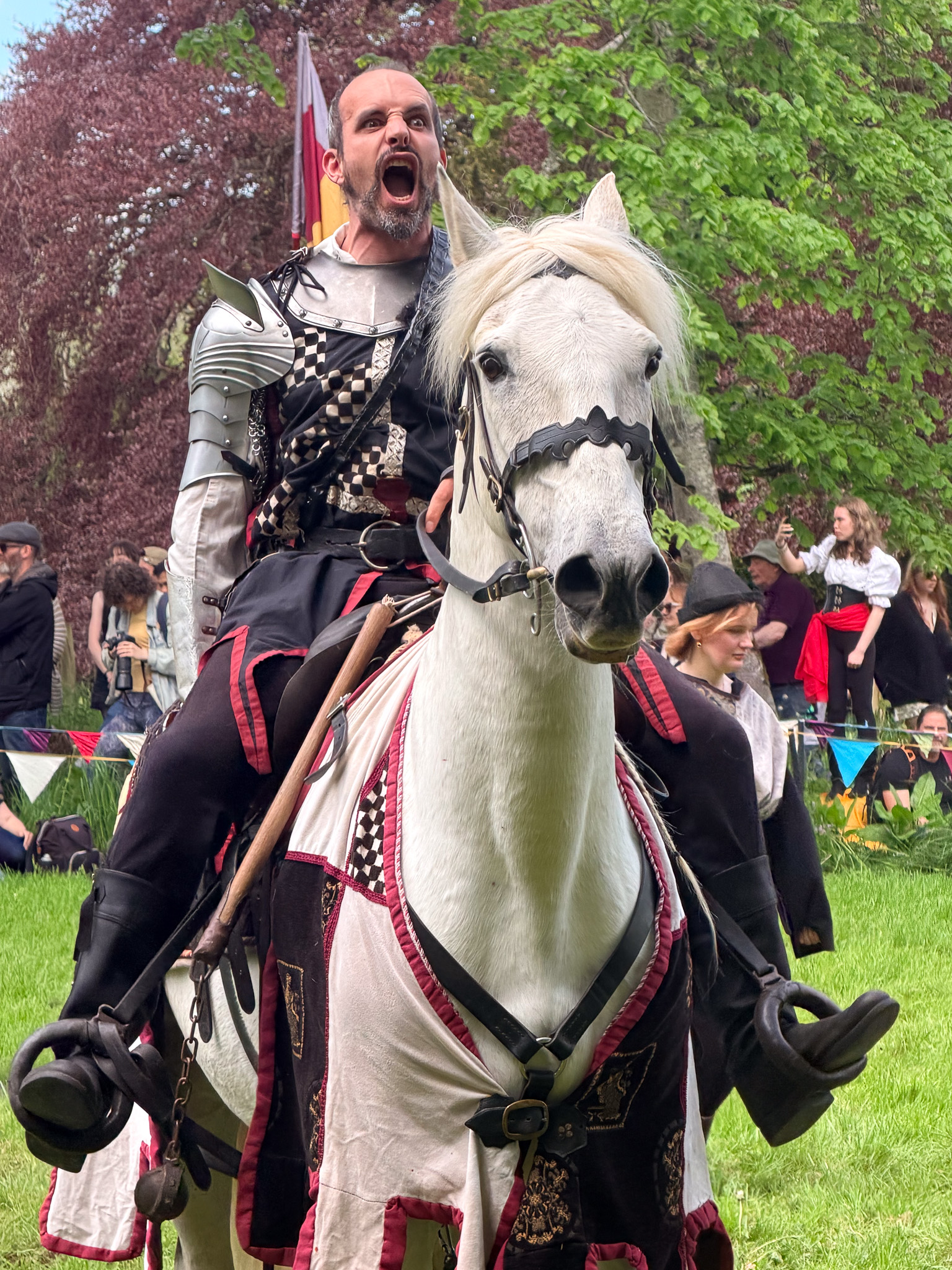
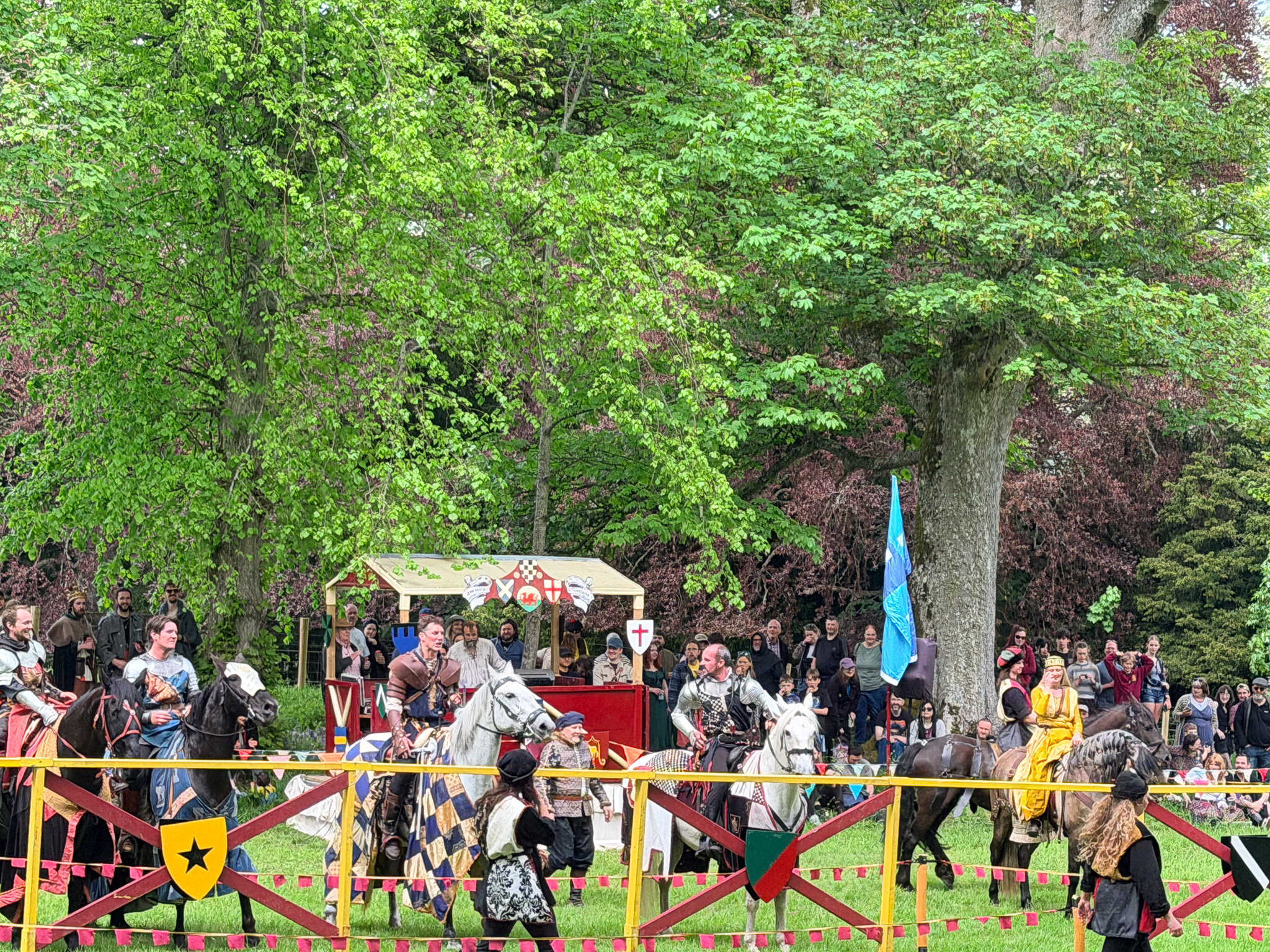
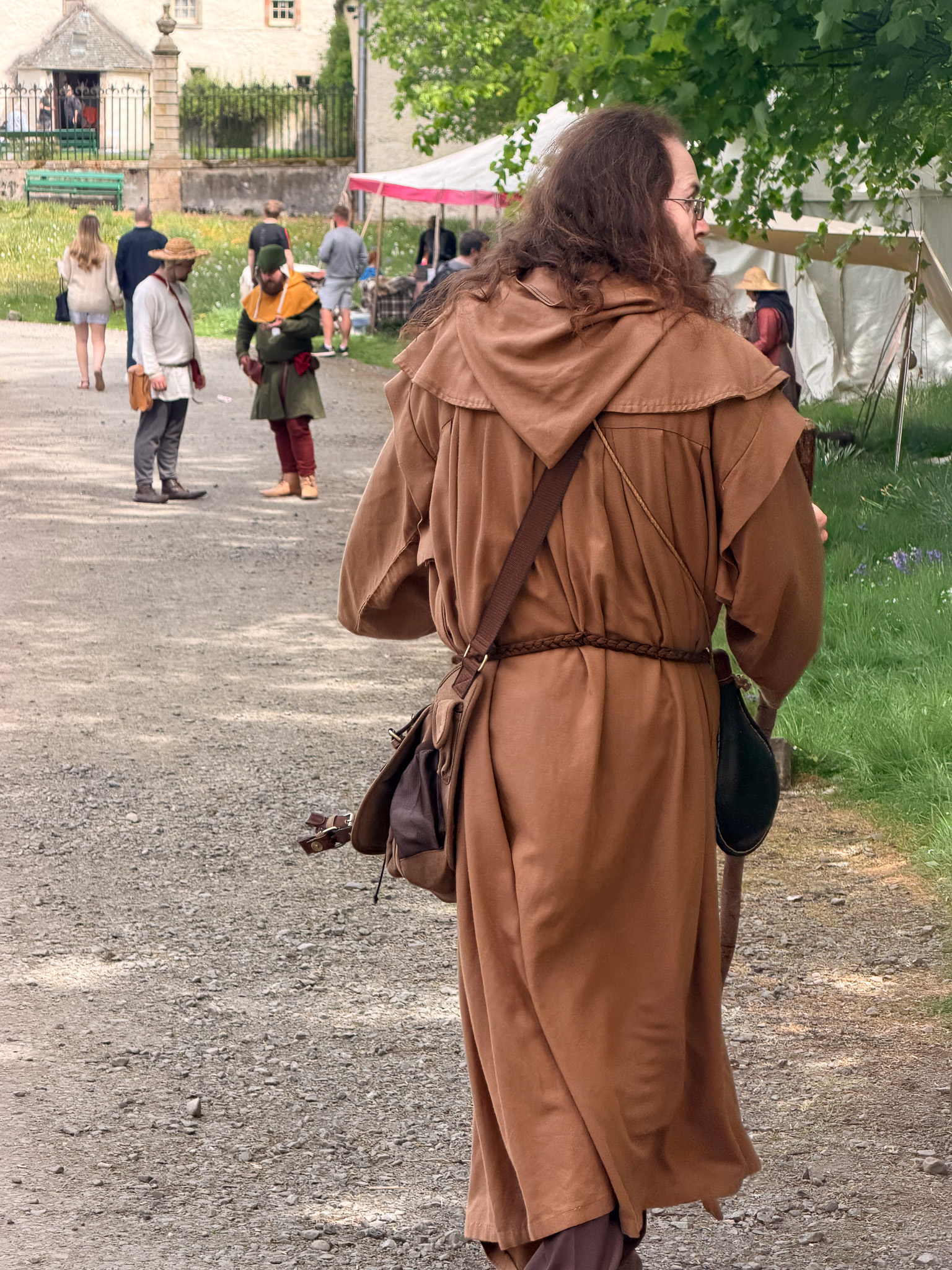
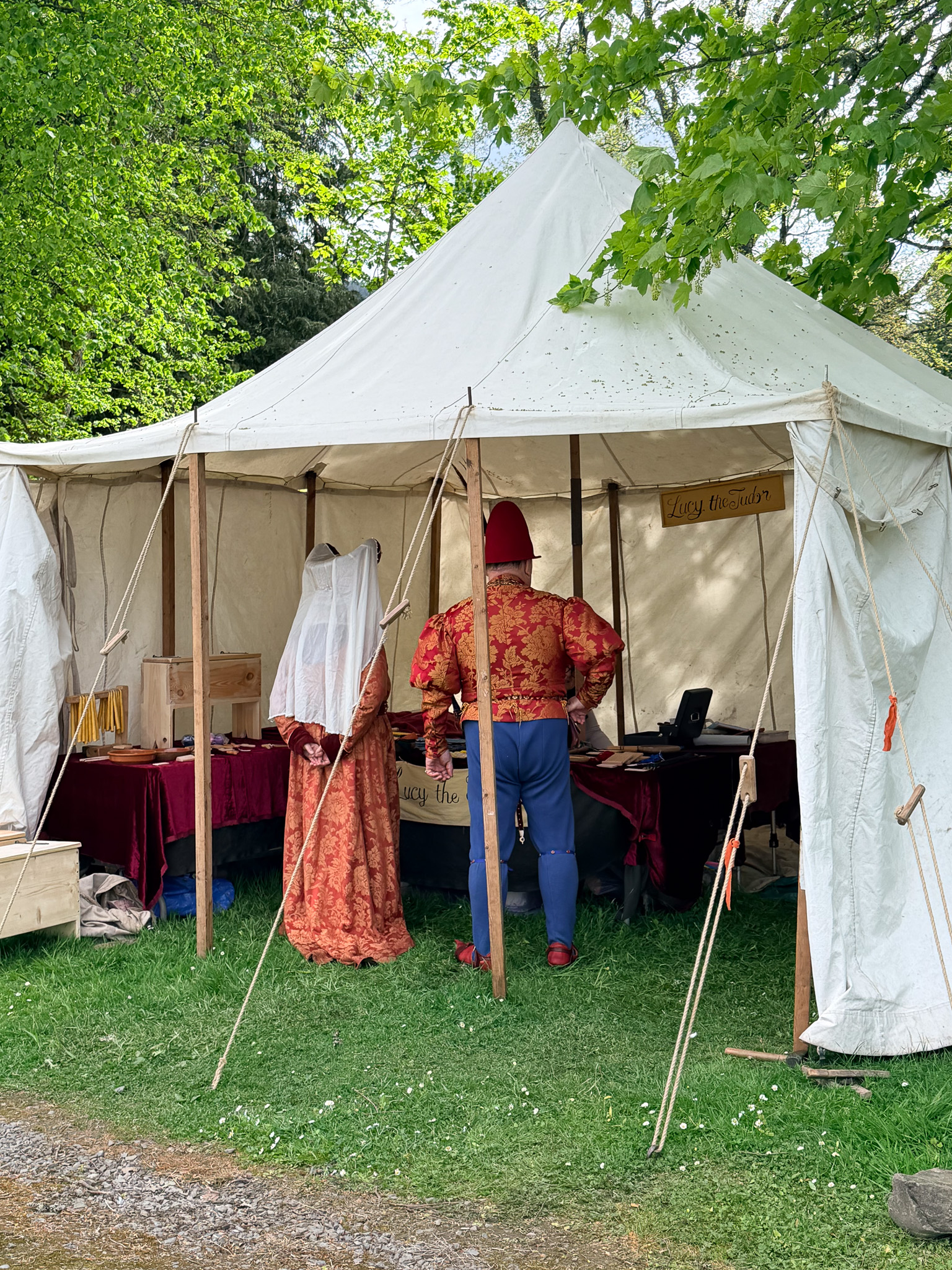
The medieval fayre was set up in the front yard of the house, with an area for displaying birds of prey, and a jousting field. About a dozen tents were selling items that usually are sold at these kinds of things. (Swords, shields, furs, cloth, rough-hewn bowls and implements, etc.) Lots of medieval fayre fans were dressed in costume – cosplayers – and their costumes reflected historic and fantasy. ‘Neeps and tatties being sold out of food trucks.
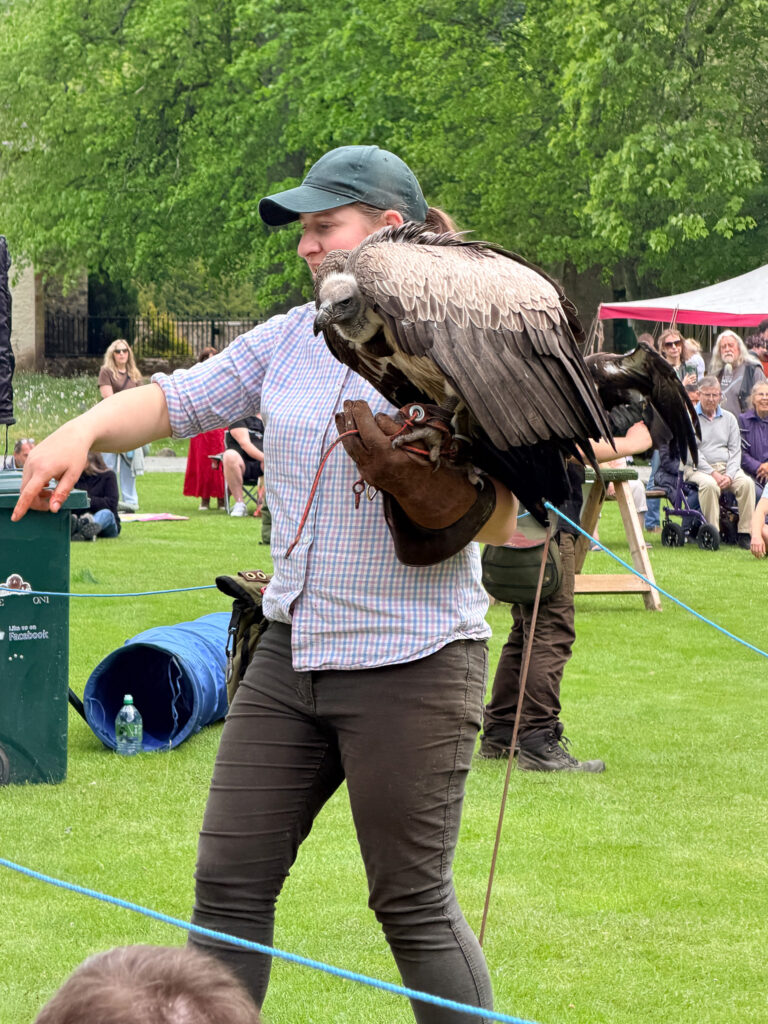
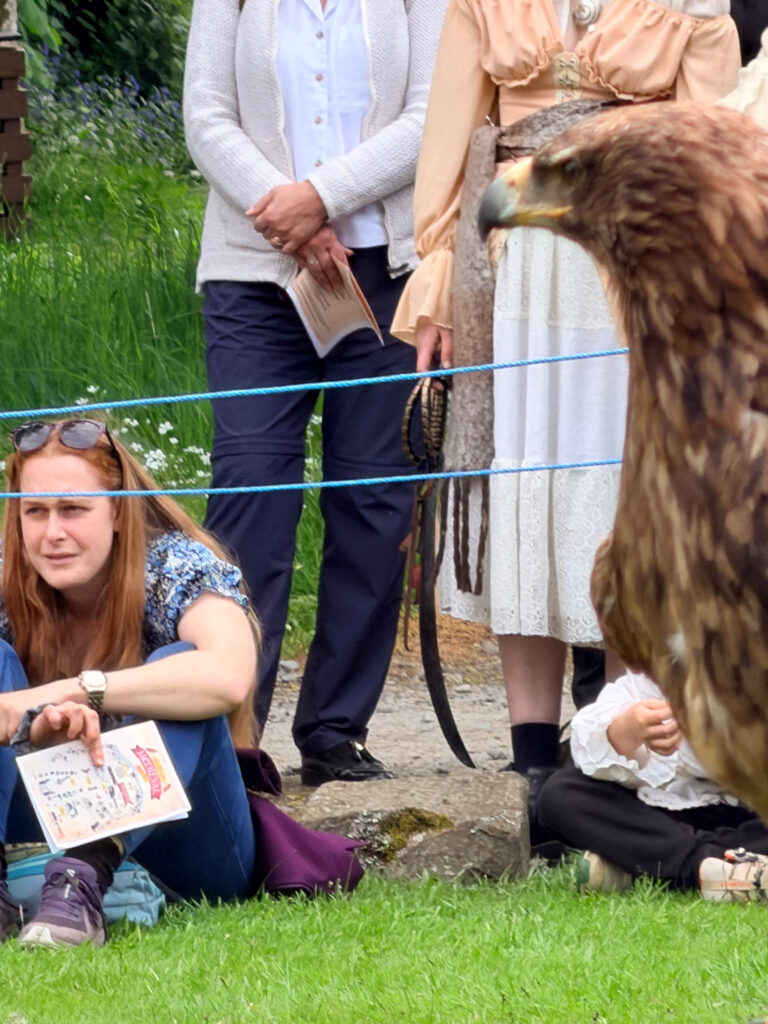
The falconry display was fantastic. Two people kept the falcons and vultures flying around while a narrator taught us all about their adaptations to their environments. We were enraptured (sorry) for a good hour.
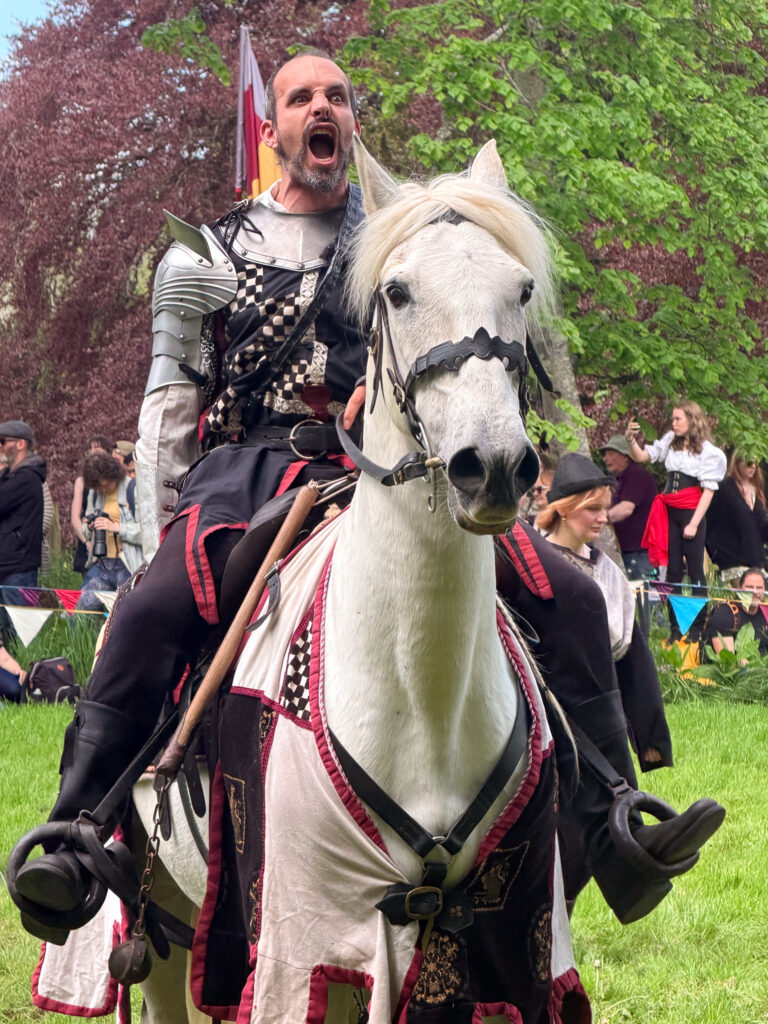
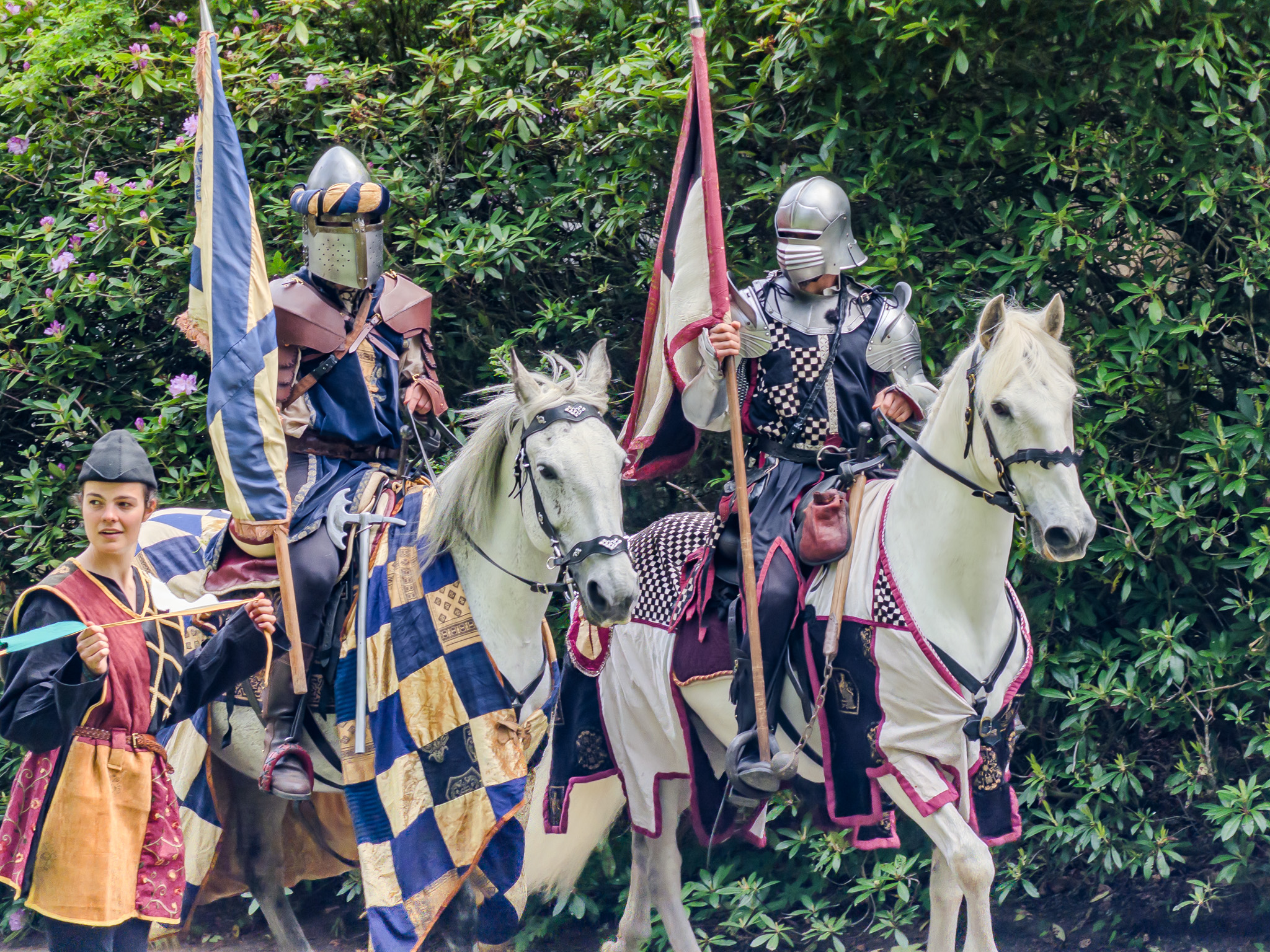
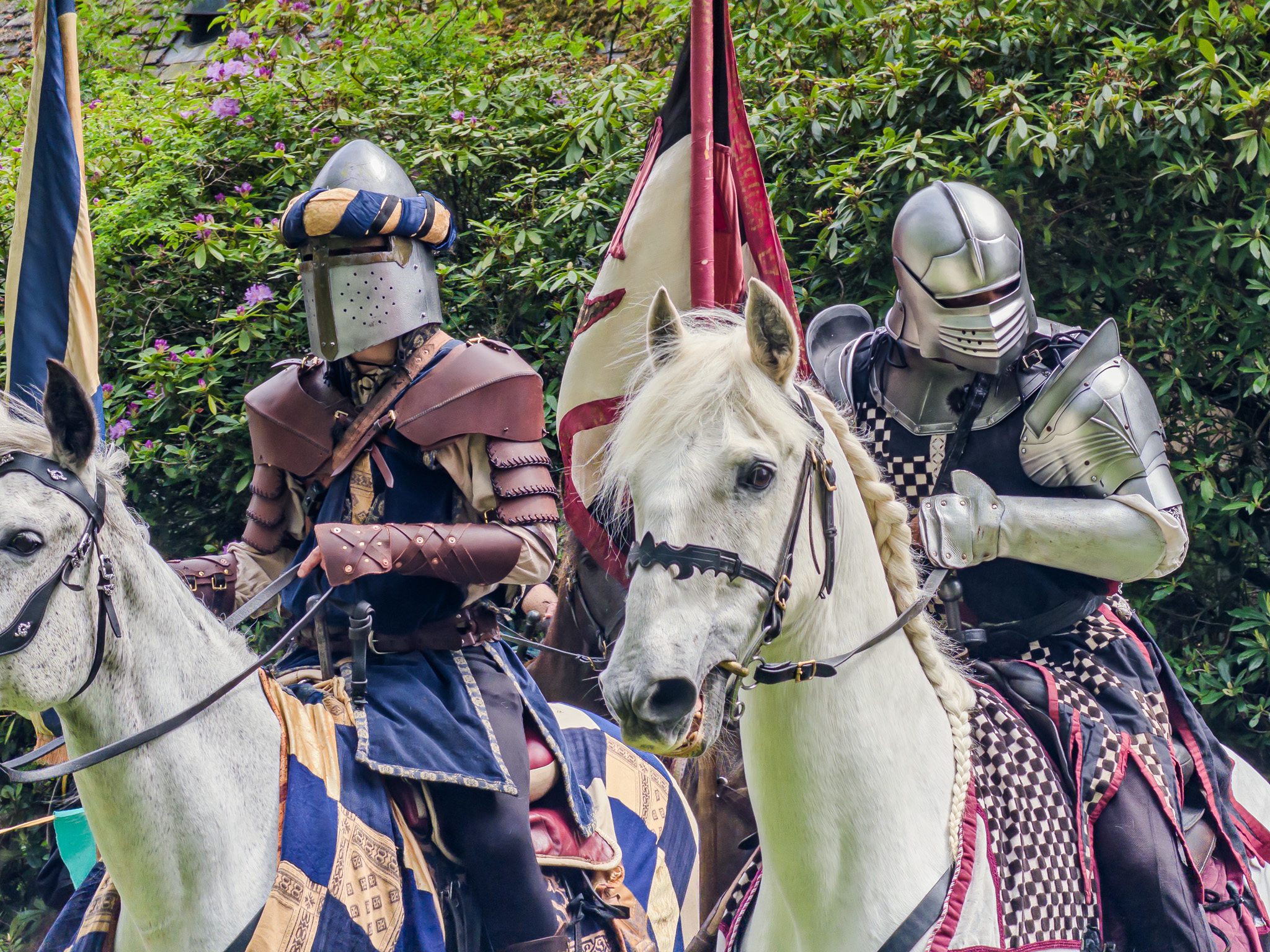
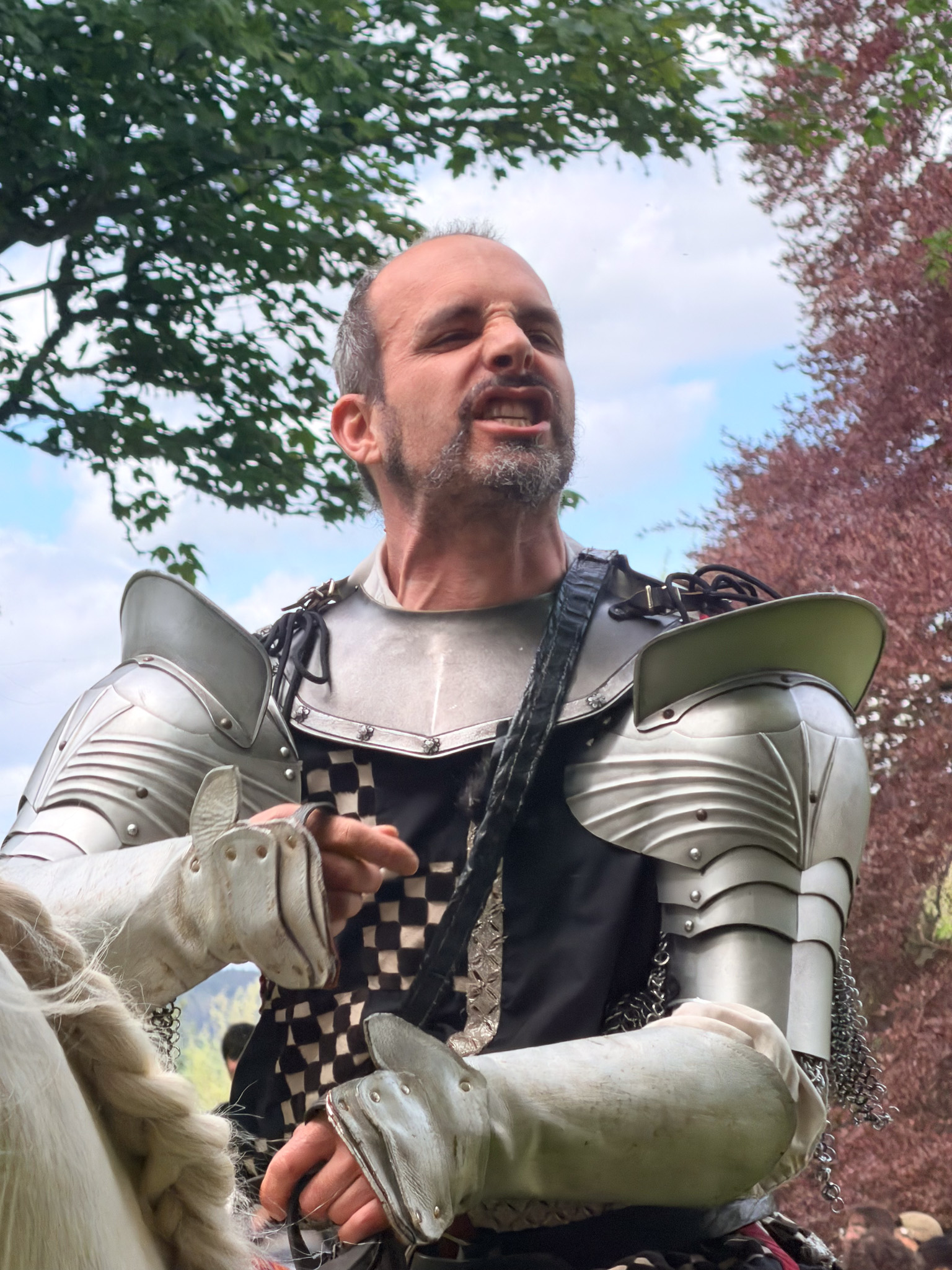
The jousting display was really great too. Six jousters performed mock competitions on horseback, demonstrating their horsemanship and athleticism. Very entertaining!
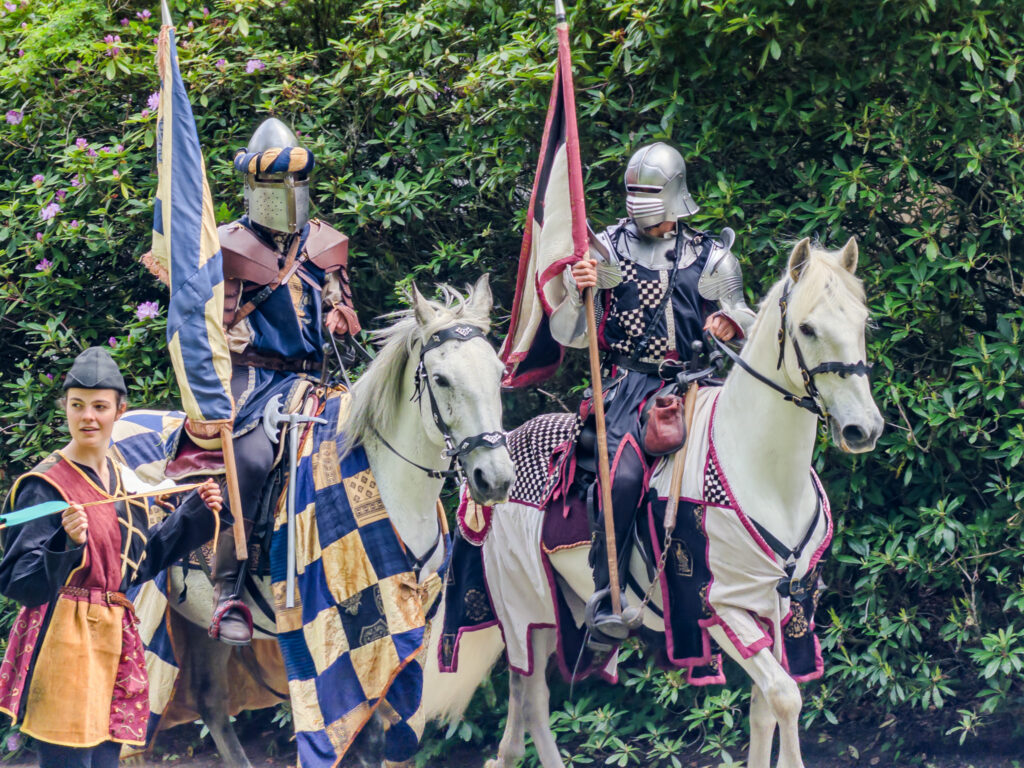
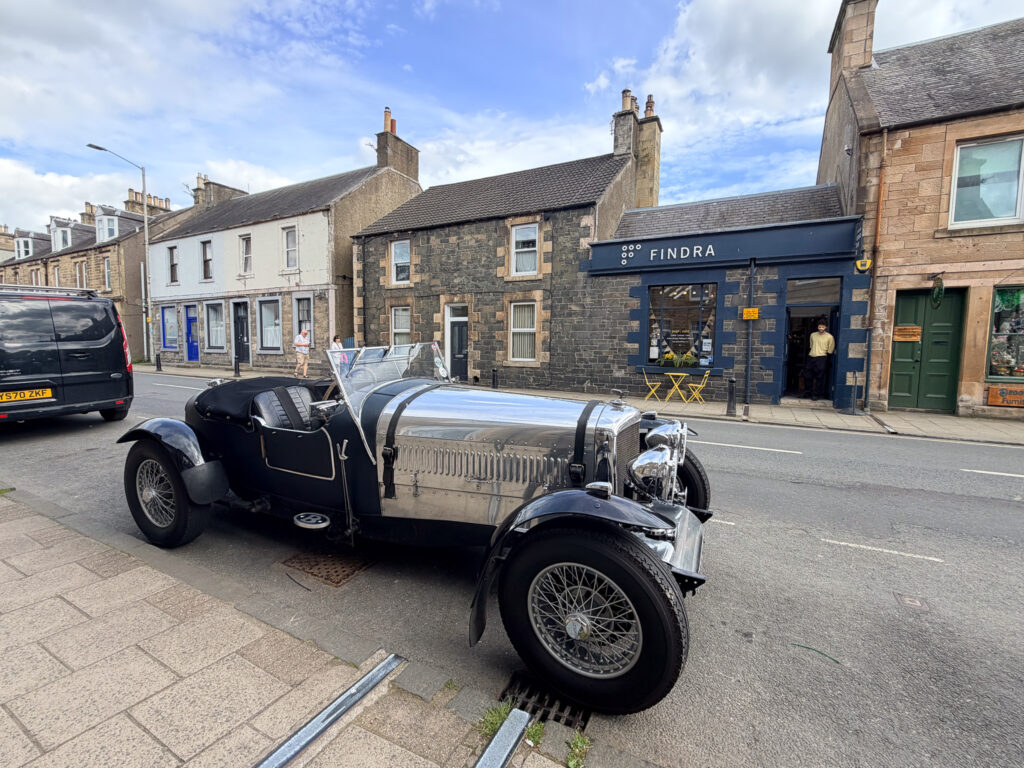
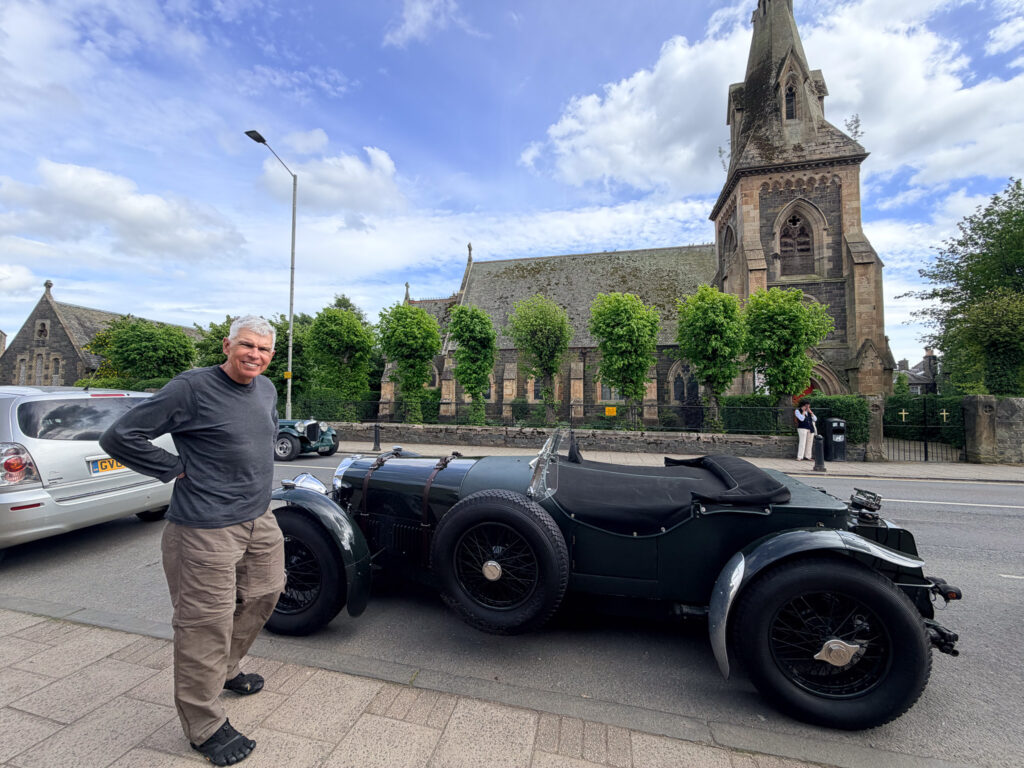
The we returned to our hotel in Innerleithen (all was fine with the stored luggage, and a picnic table full of happy drinkers helped us drag the bikes to a secure hidden area in the beer graden) and discovered what the town was really all about: cyclng! Mountain trail bikers come from all over to ride the huge hills surrounding town. The trails on the south side of the River Tweed are downhill only – trucks carry your bikes up the hills for you! The north side trails are up and down. The town’s main street was full of extremely high end bike stores and coffee shops.

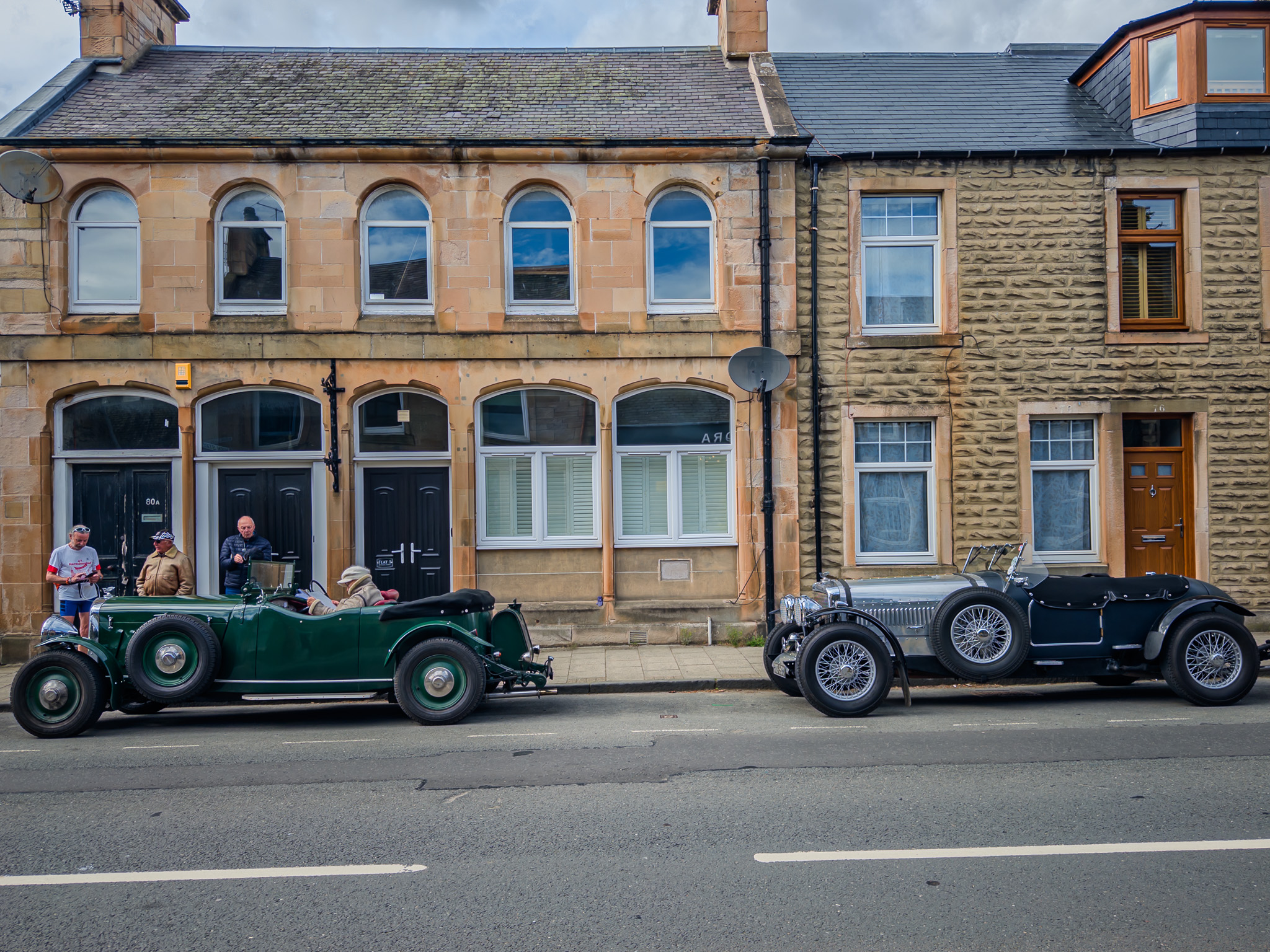
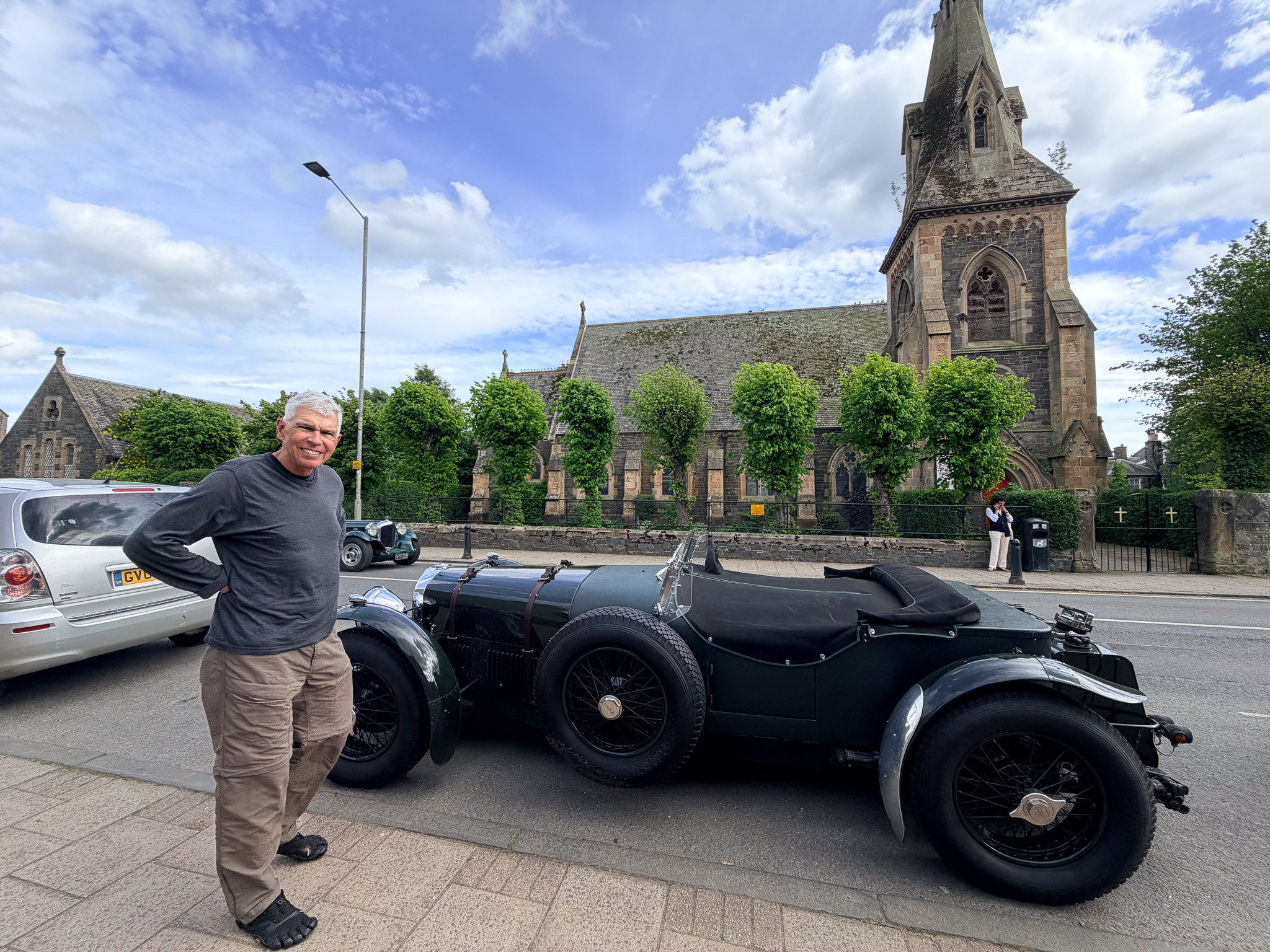
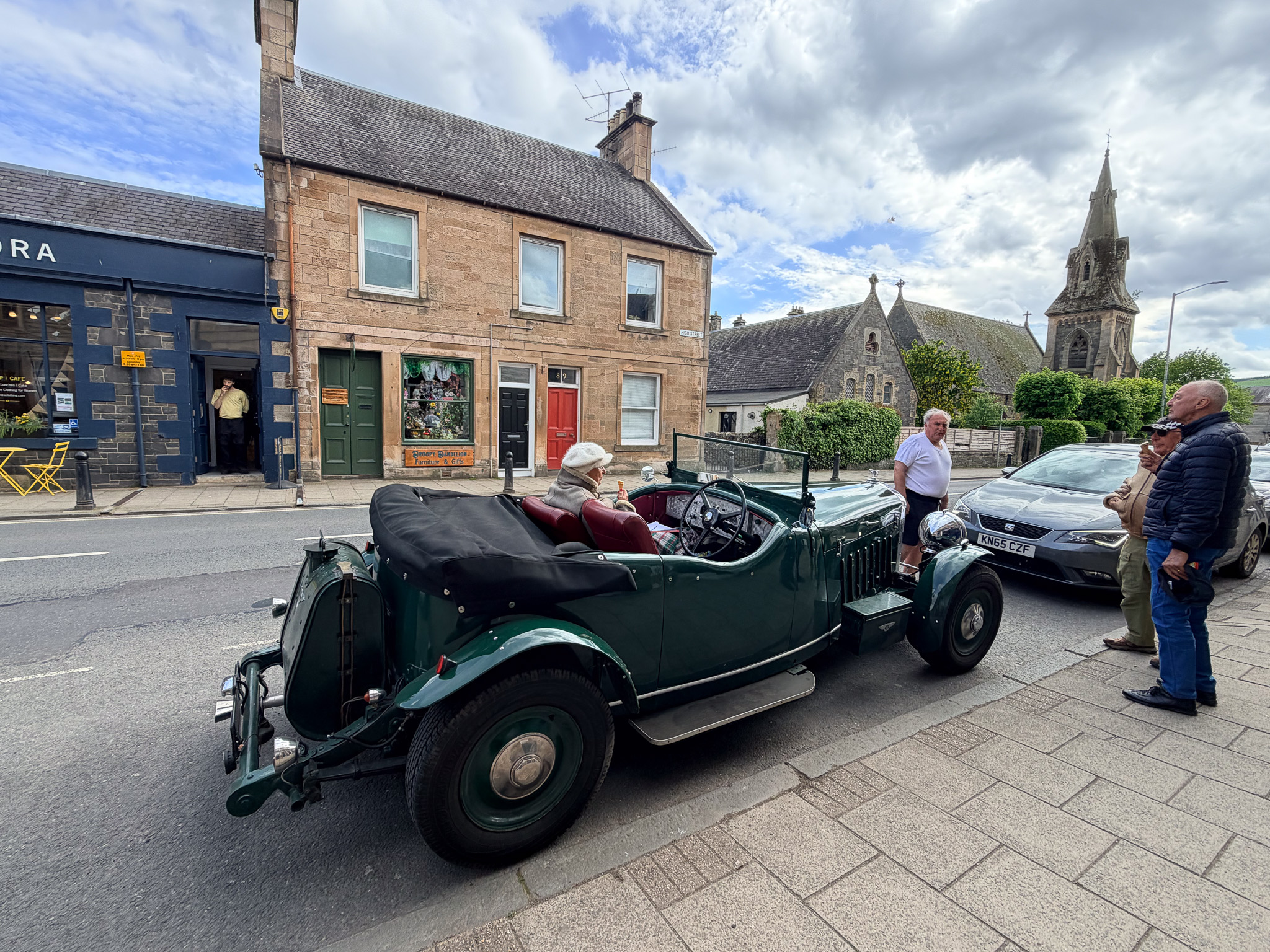
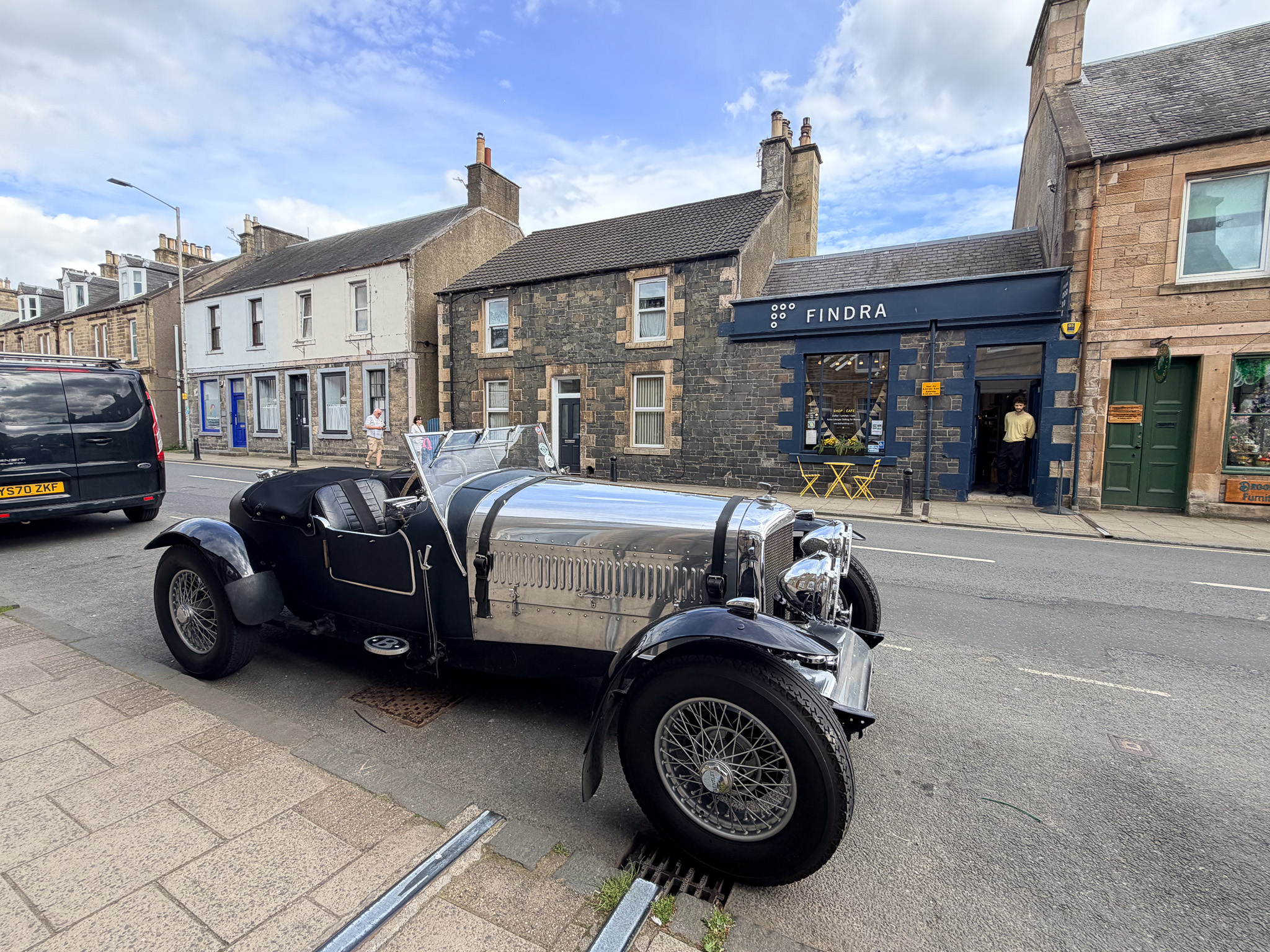
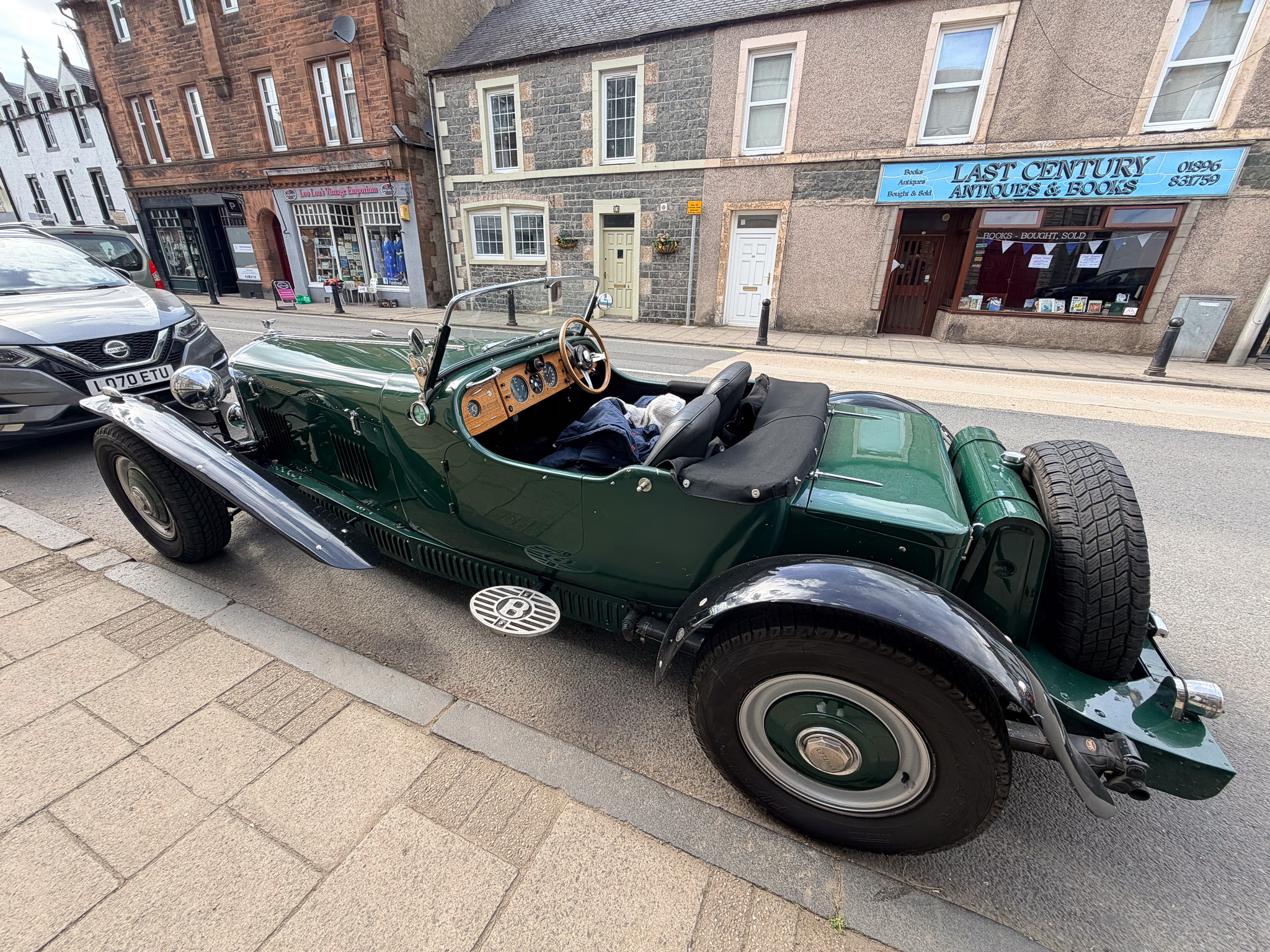
And to add to the fun, a Bentley Road Tour was passing through. Innerleithen is a happening place!
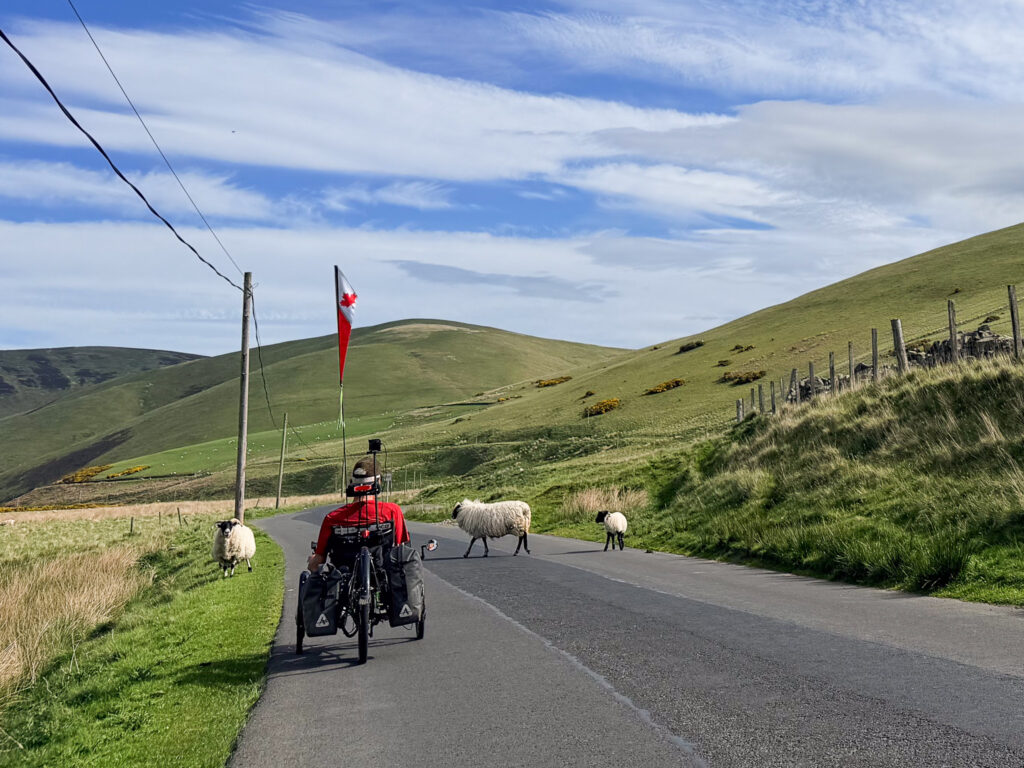
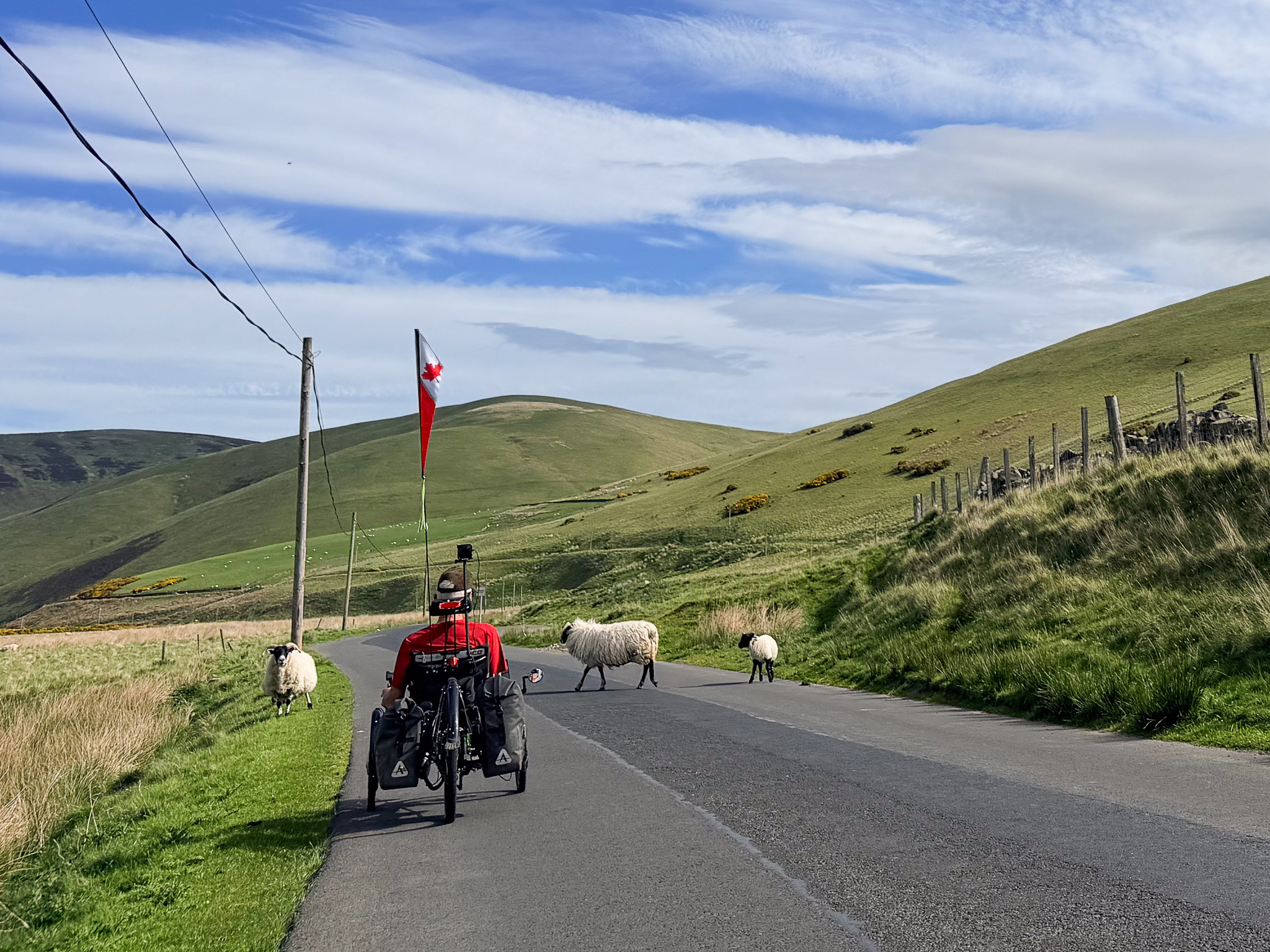
The next morning we set out on a 52 km ride to Newcraighall, on the south edge of Edinburgh. The ride looked a bit intimidating, with two large climbs to 400m elevations. It turned out to be beautiful. The climbs were long and gentle, the descents long, fast and fun. The huge hills on either side of the low-traffic road were full of sheep, with many filling the road at times.
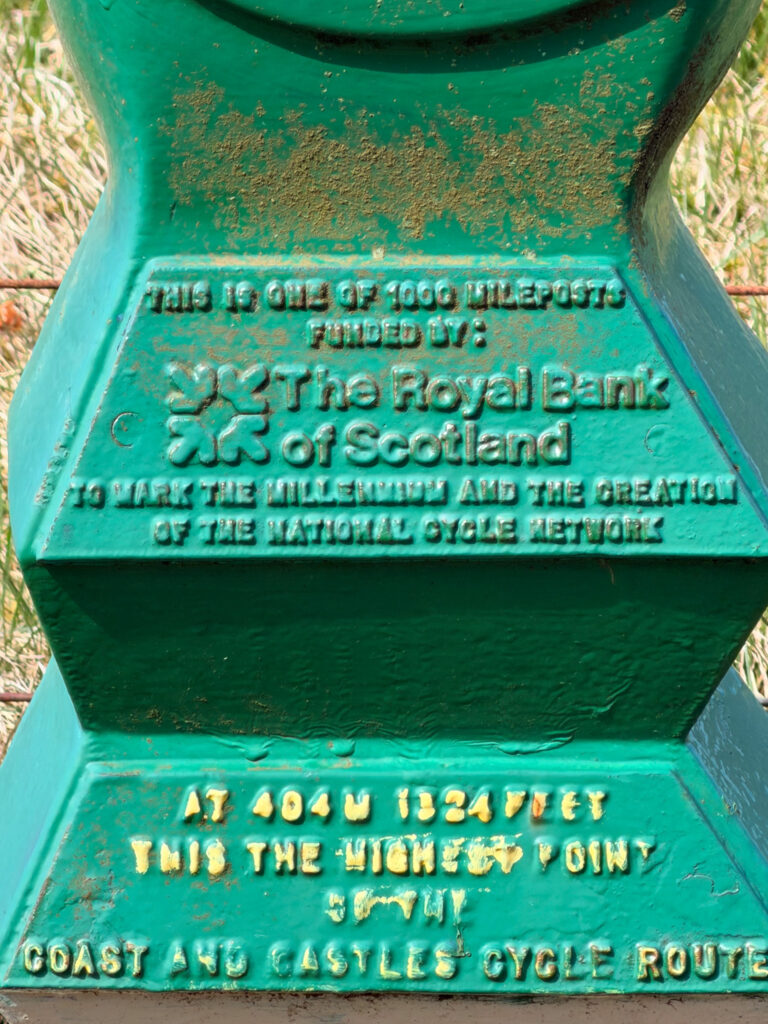
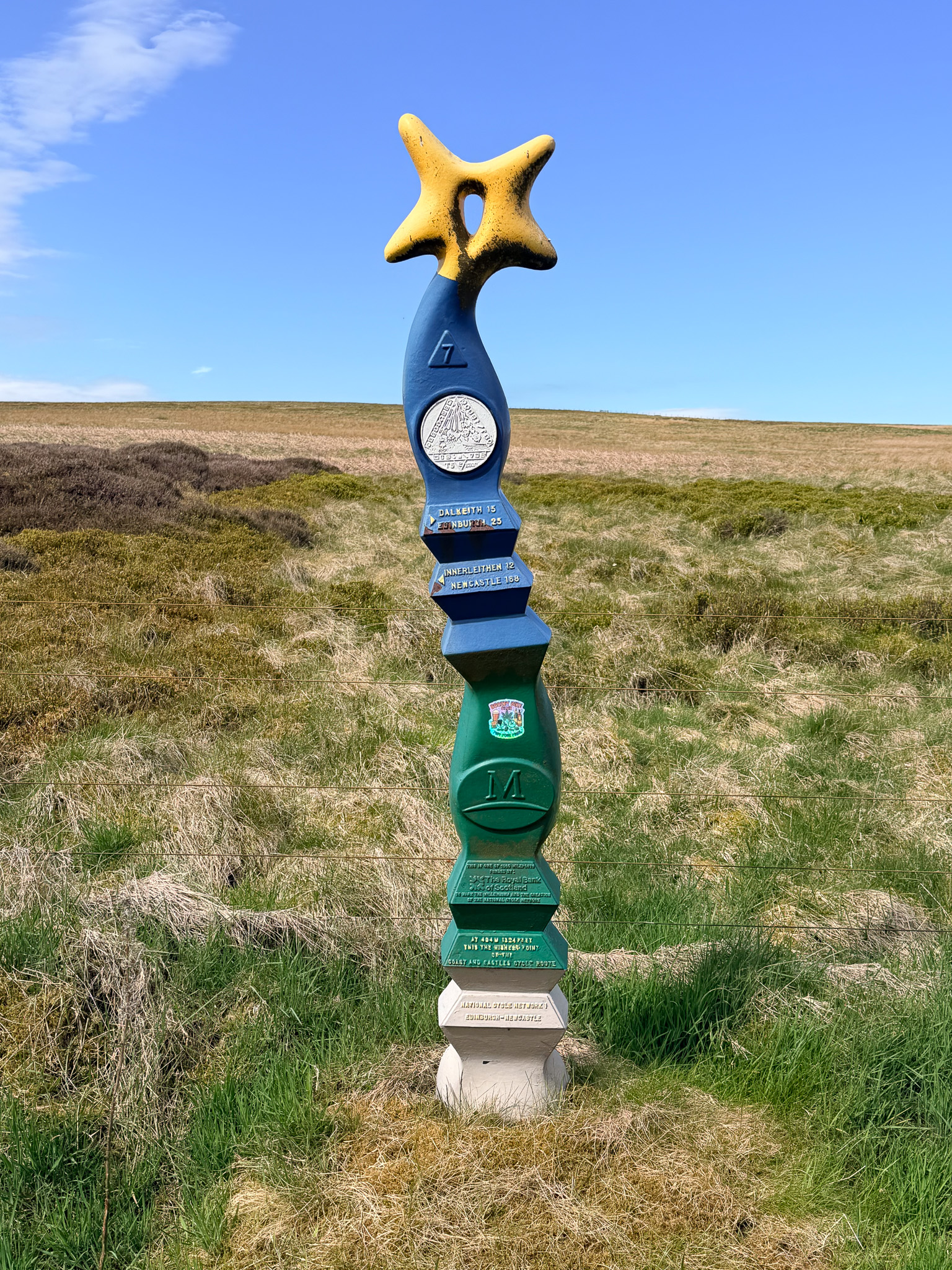
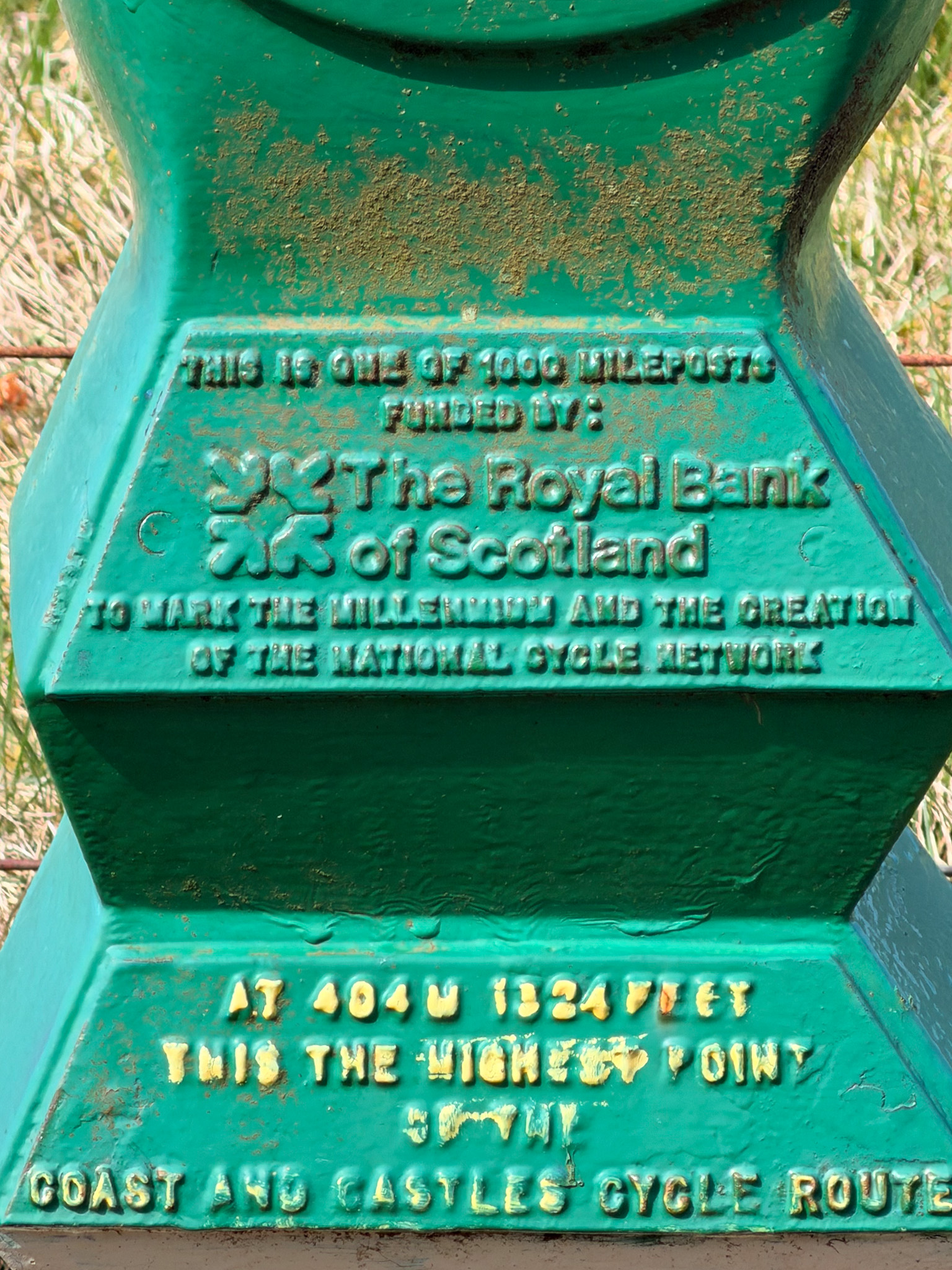
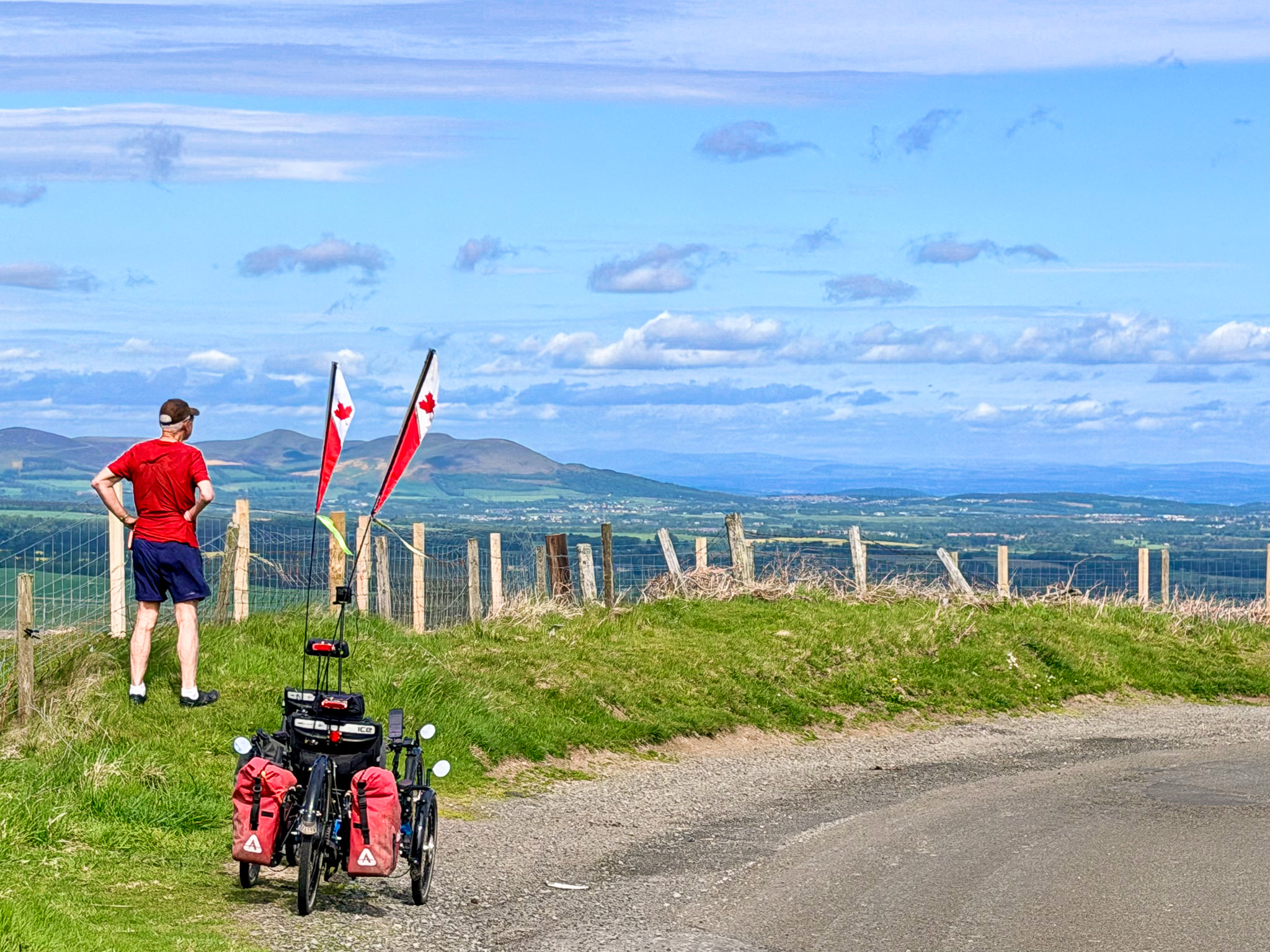
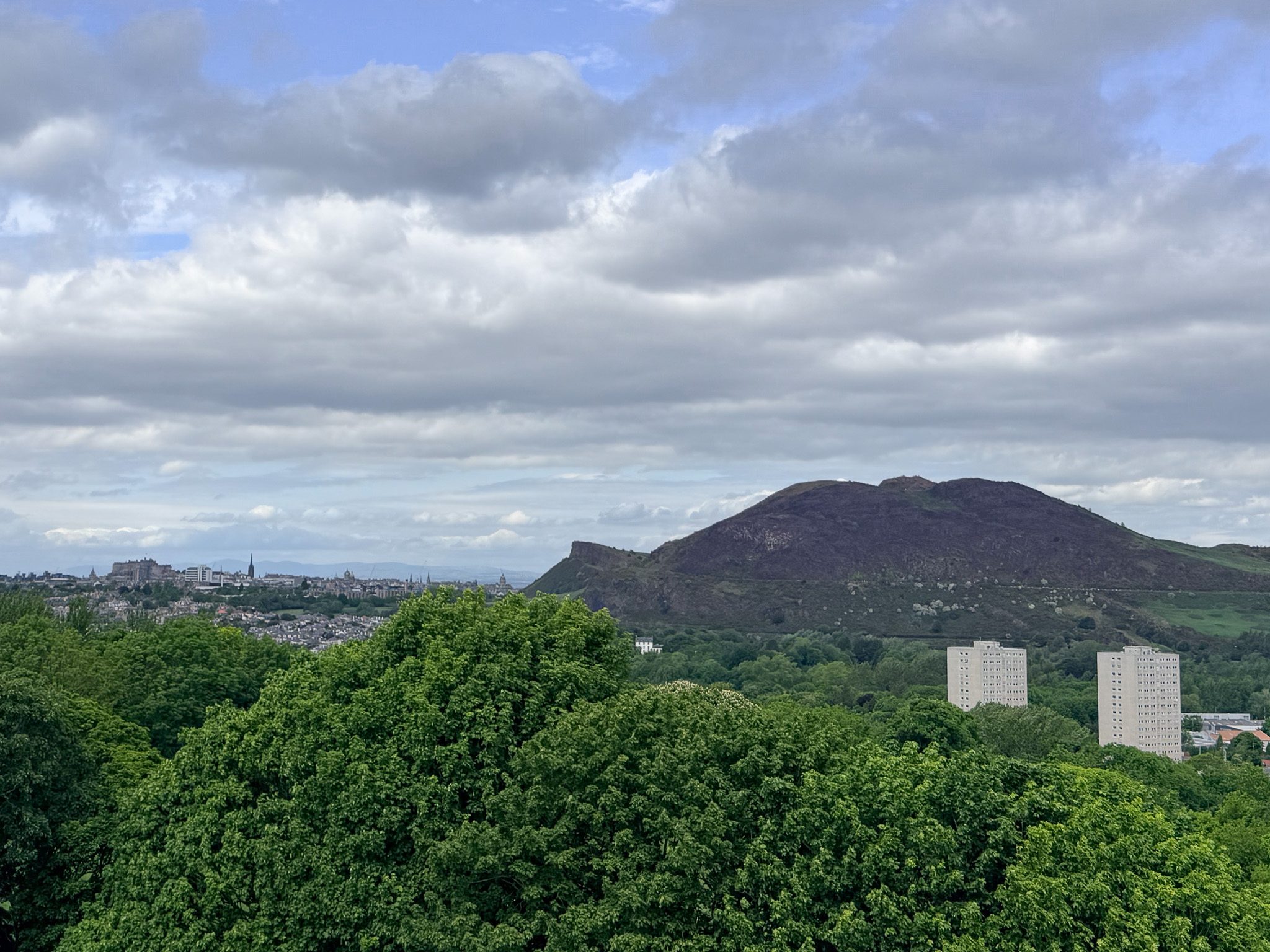
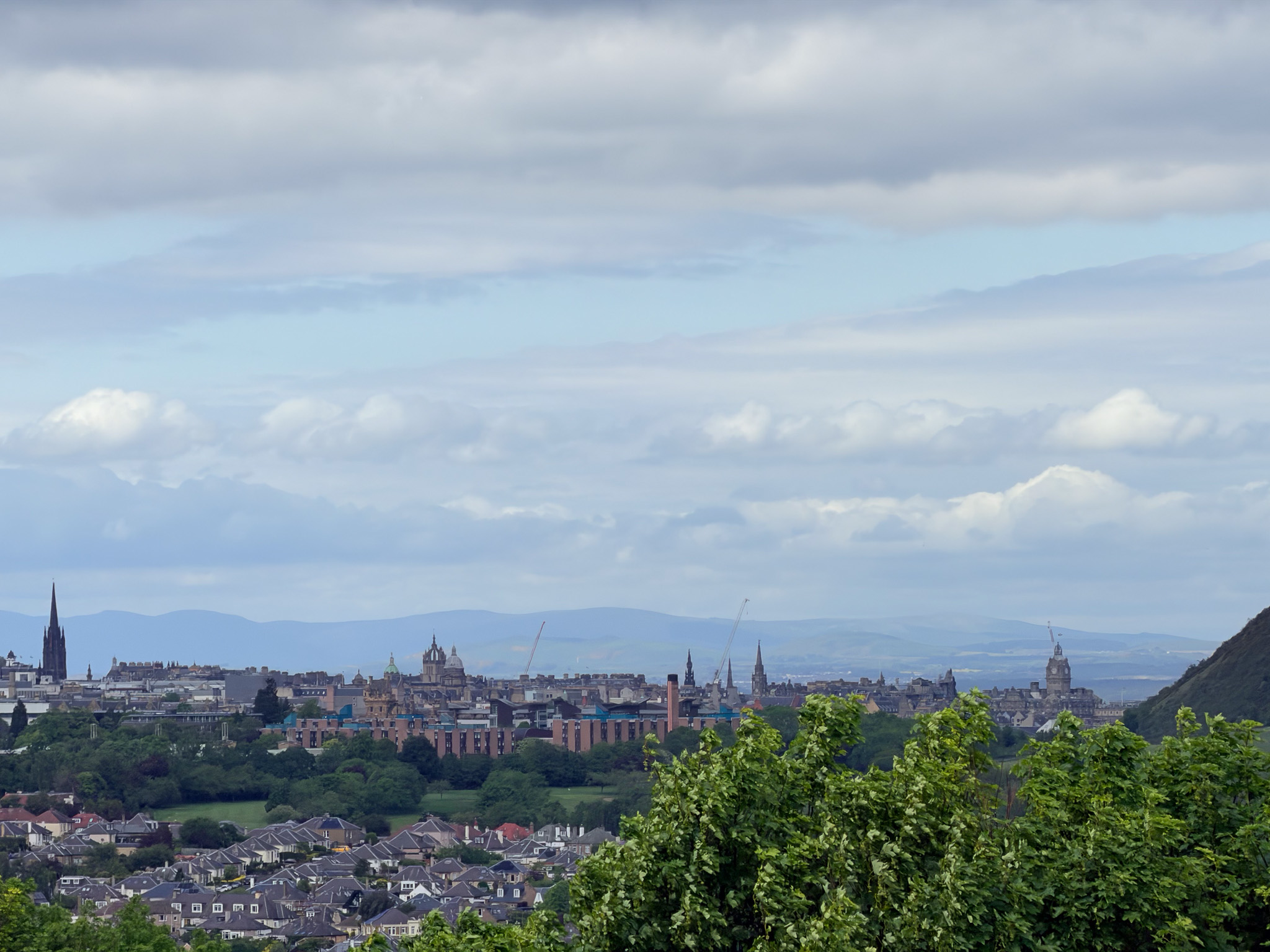
Just after the ‘highest point’ marker we were treated to a spectacular view of Edinburgh, still 20km ahead.
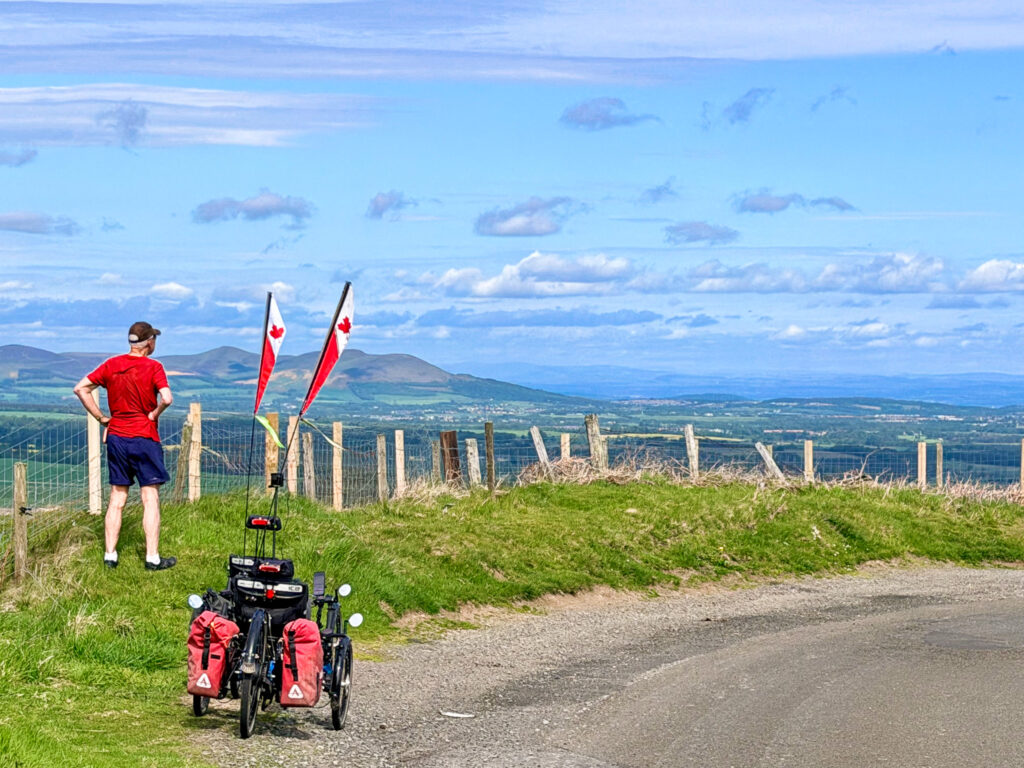
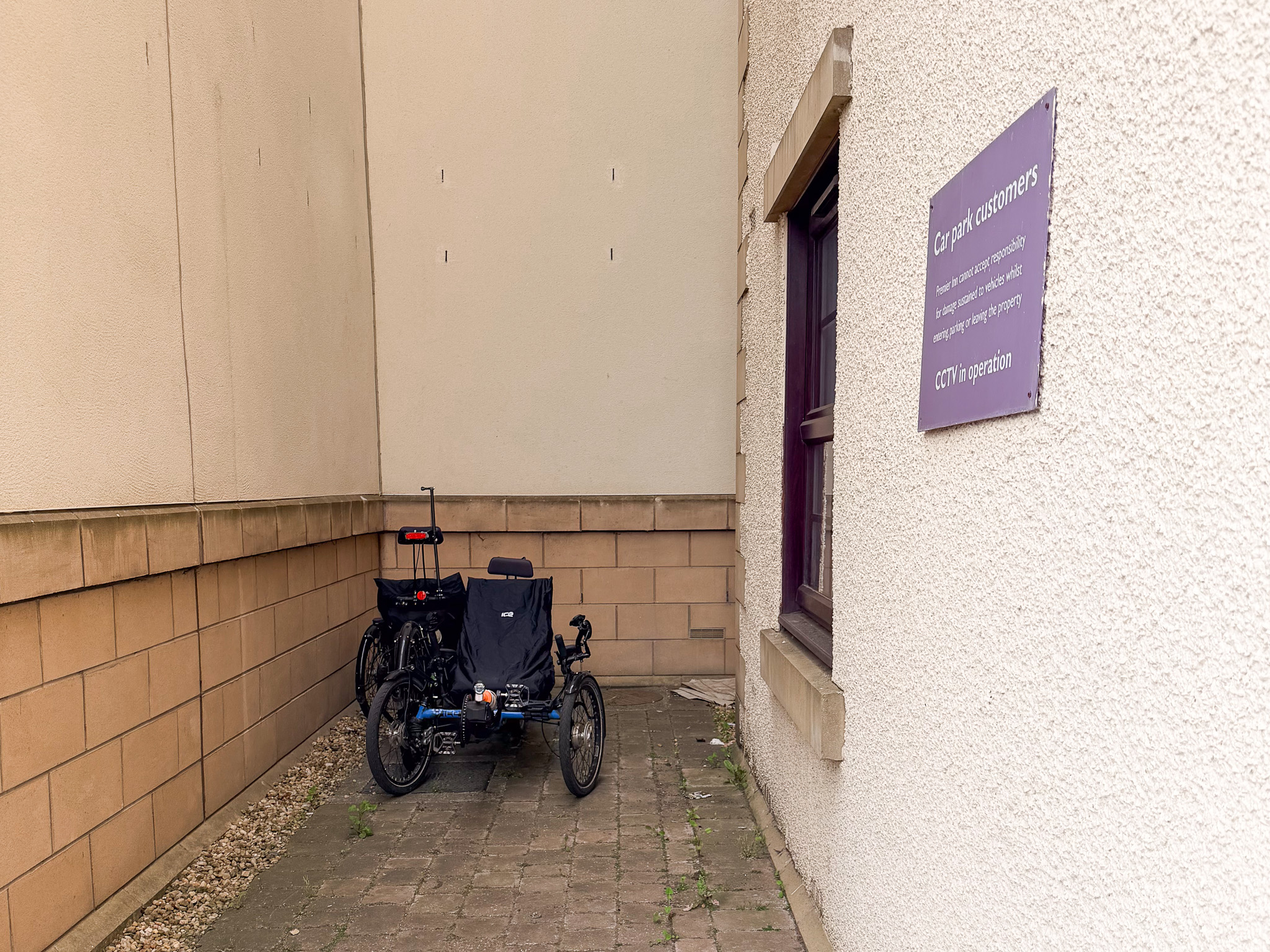
We finished the ride in a suburb of Edinburgh called Newcraighall, chosen for its self-storage for the trikes and train station to conveniently get to Edinburgh the next day. We stayed in a very uninspiring Premier Inn, which, because of the day’s Edinburgh Marathon had jacked its room rate to about $650 Cdn. What a rip-off! Anyway – off to bed!
Selkirk
Innerleithen

Newcraighall
Friday May 22 – Kelso to Selkirk: 45 kilometres, 5700 steps
Saturday May 23 – Selkirk to Innerleithen – 32 kilometres, 4700 steps
Sunday May 24 – Innerleithen to Newcraighall – 55 kilometres, 4100 steps
Final words from Patti: I’m not a fan of Premier Inns.
I don’t know where to begin. Magnificent! That’s it! Your description and photos does it. Stay warm and dry. Looking forward to your next blog. What could top this.! I’ll wait and see.
0
0
Wow! What a fabulous trip. Your pictures really capture so many details about such hidden gems in Scotland! Thanks for the information on tablet!!! Sounds yummy!
0
0
Oh you two. Your photos are stunning. Your narrative so professional. Scotland is a beauty. Steeped in history. Stay safe. Thanks for the photo John. A memorable day for sure.
0
0
[…] agenda was going to be a revisit to the marvellous Great Tapestry of Scotland (described here on our visit last […]
0
0