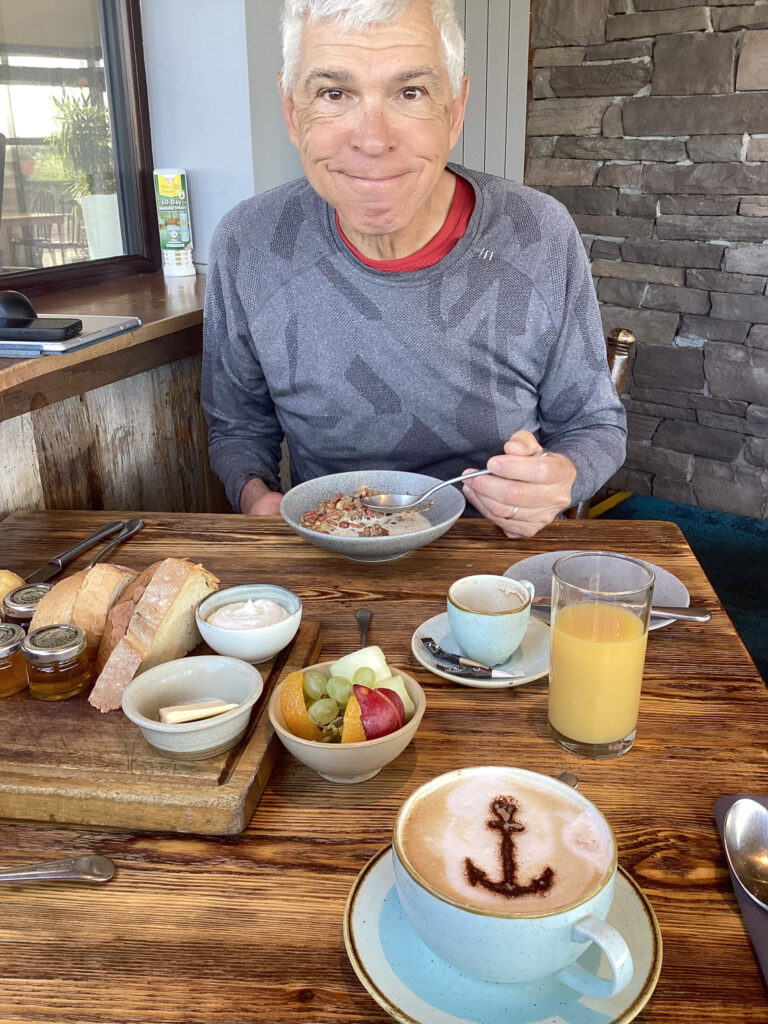
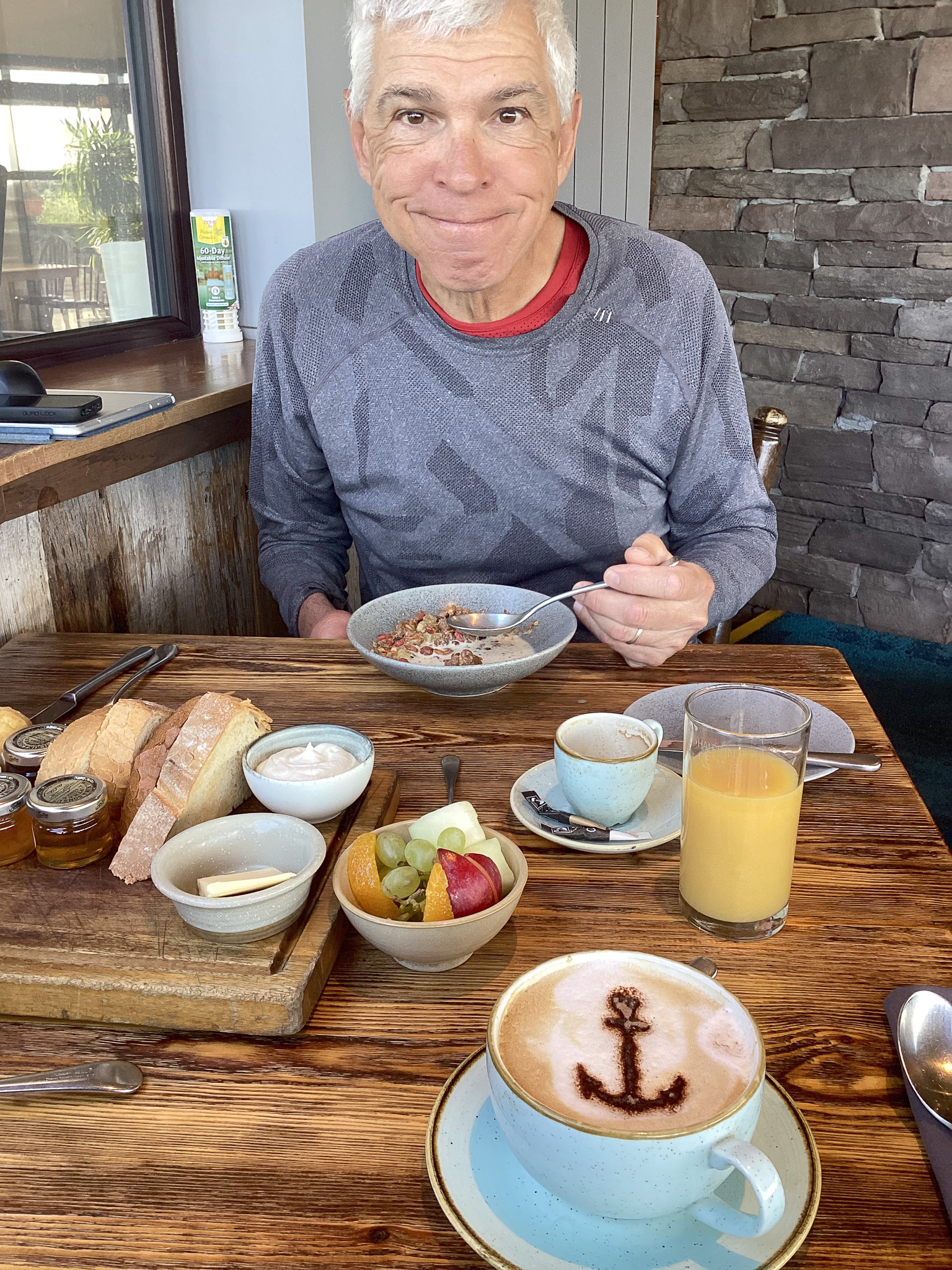
On Saturday morning, our B’n’B hosts prepared a spectacular breakfast which was difficult to enjoy because we were seated at a table with a very loud, persistent breather-eater. Honestly. The #misophonia kicks in and it’s enough to throw you off your homemade granola. I know, I know, first world problems, but damn, it was annoying and a reminder of why my trip planner tries to avoid B’n’Bs like the plague. Rant, over.
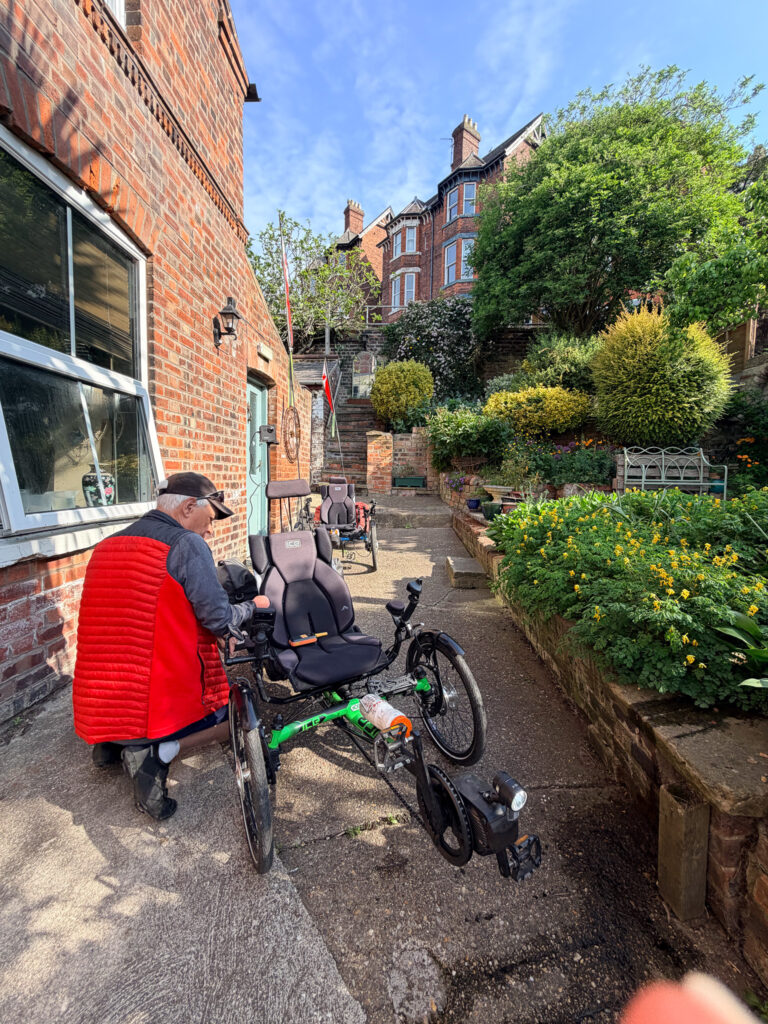
We shared the road for the first part of the ride with cyclists doing the 28 mile Grand Prix out of Lincoln. (The 100 mile Grand Prix, an important fixture on the British cycling circuit, would be on Sunday.) Saturday’s riders were all very lean, very friendly, and 95% male. These two movies are 360 degree interactive, so click and drag them to look around.
The route was hillier than our rides had been for the past few days – a straight line on B roads, so, busy, with cars passing us. It’s all fine, just a little tiring with noise and constantly checking your rearview mirrors to make sure that you’re not holding people up. Drivers are patient but you don’t want to push limits.
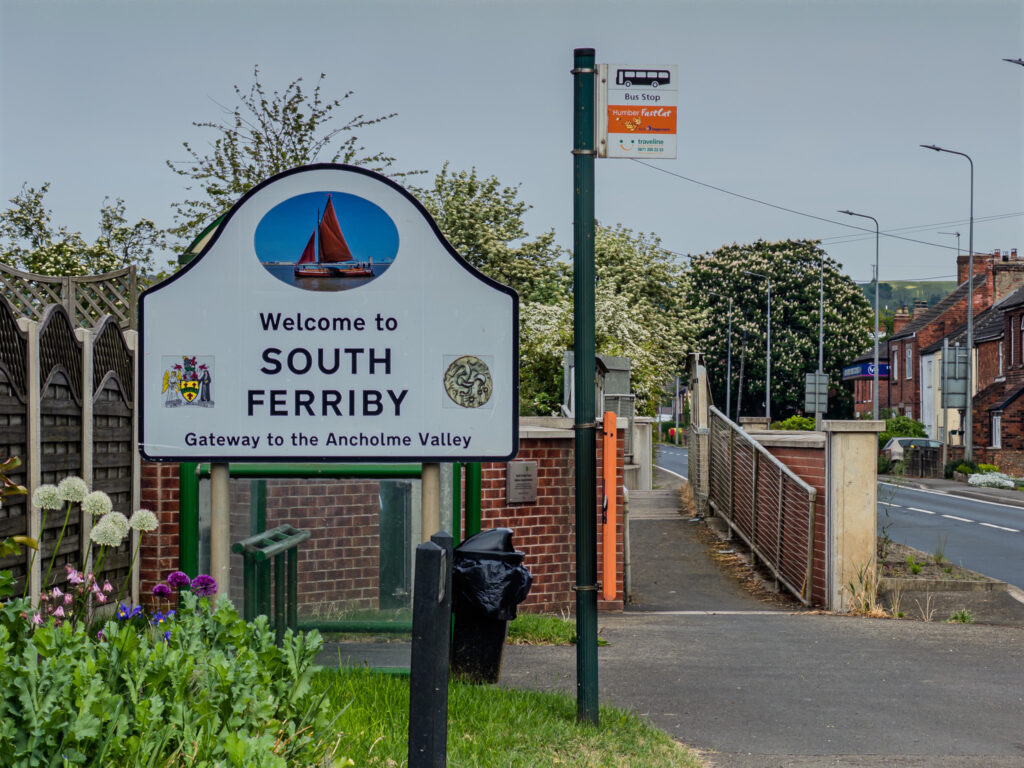
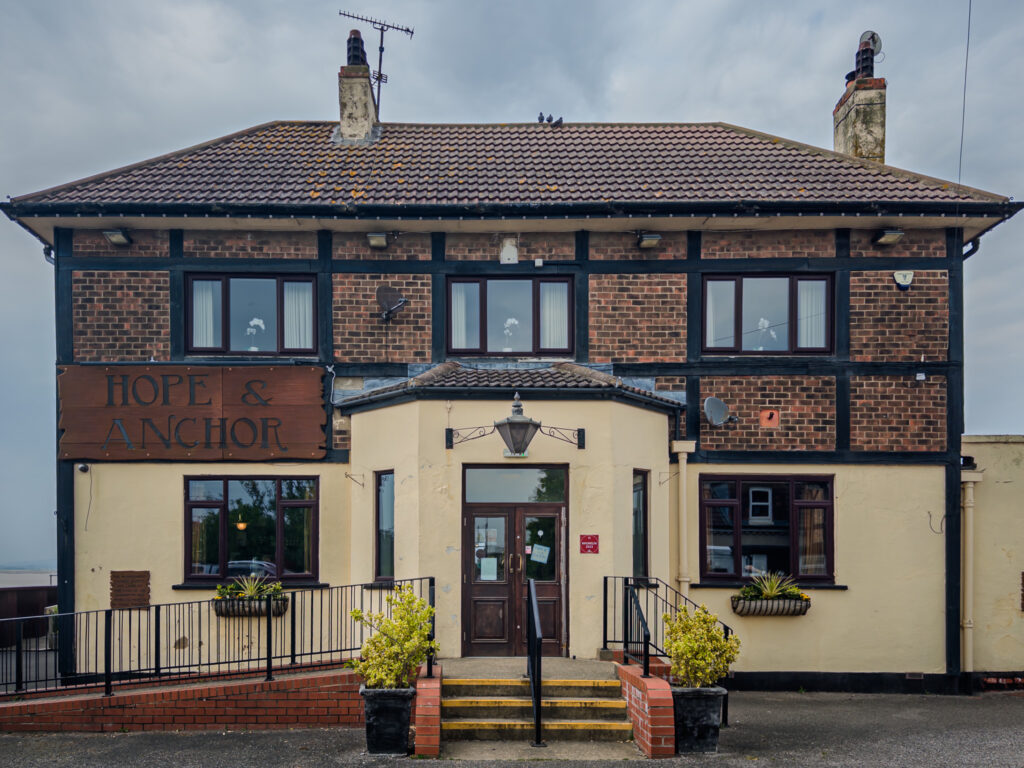
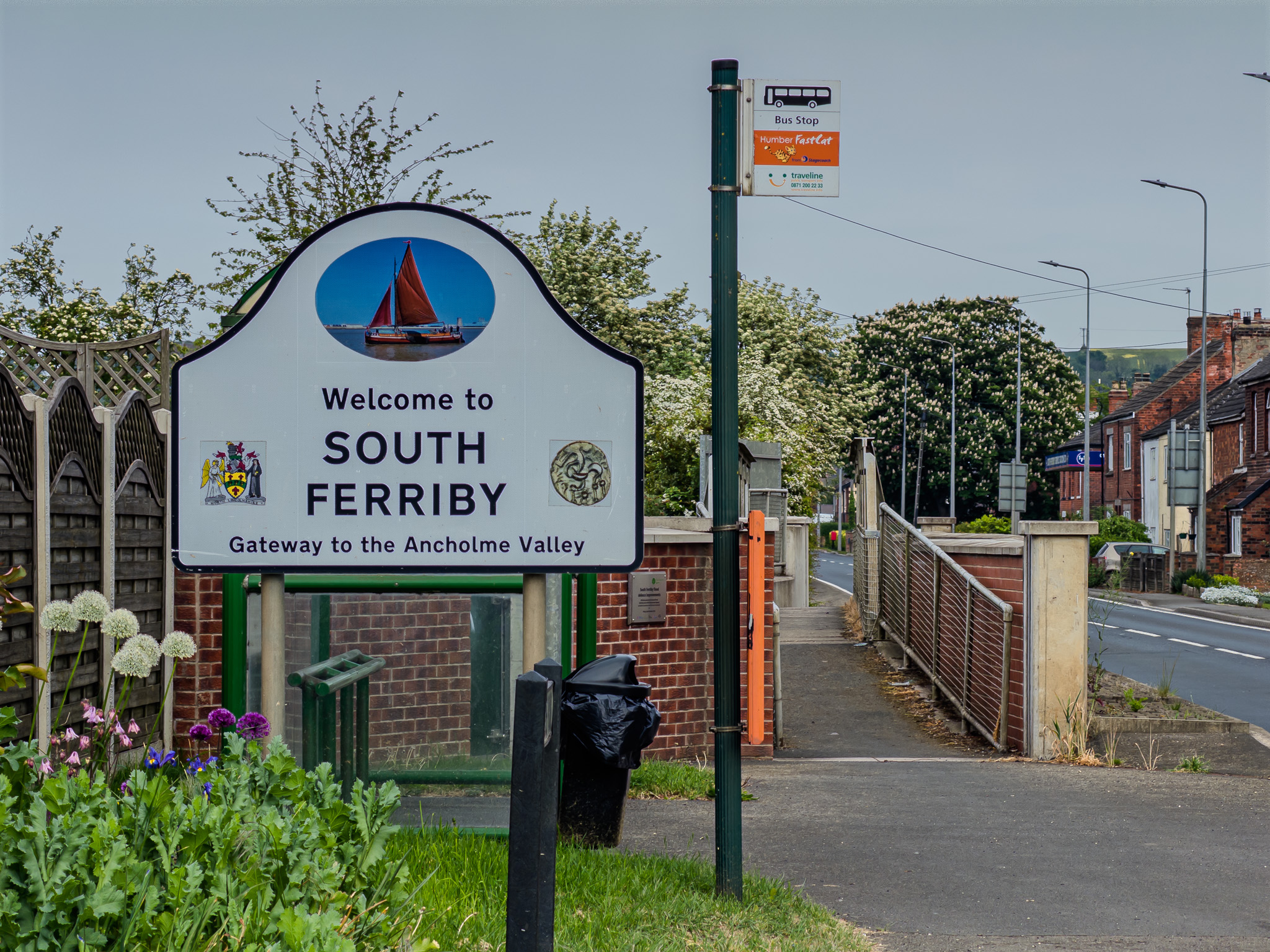
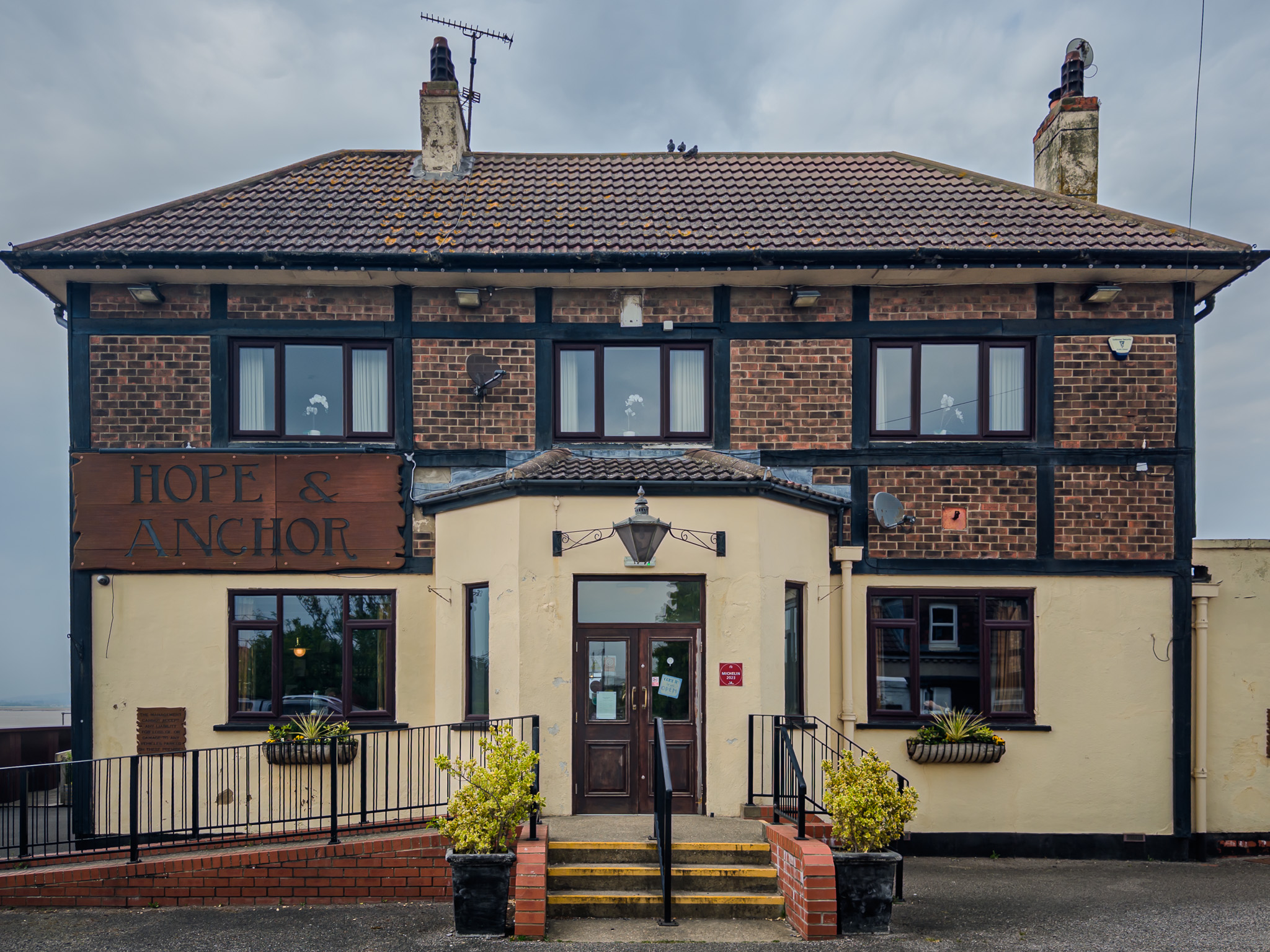
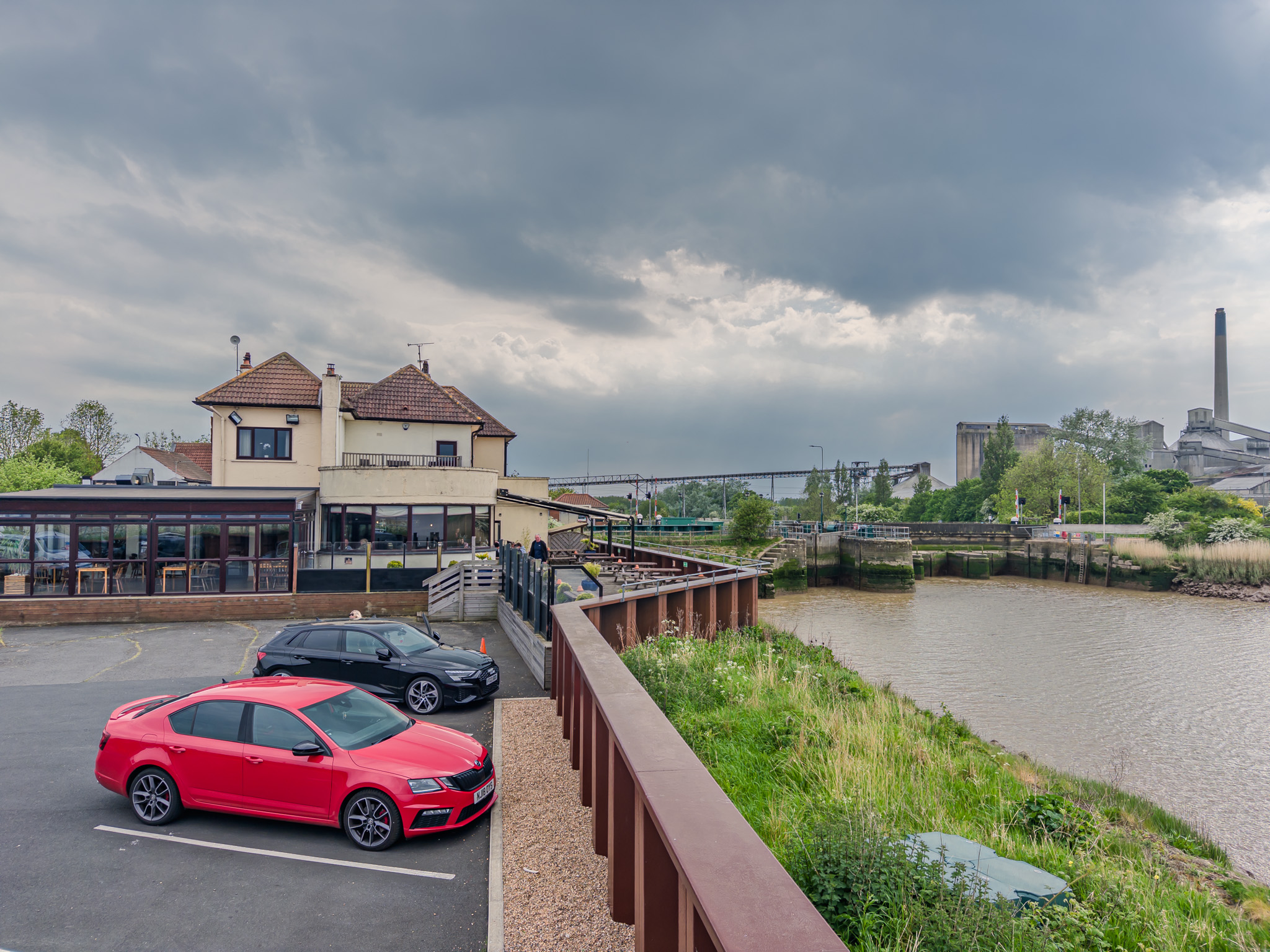
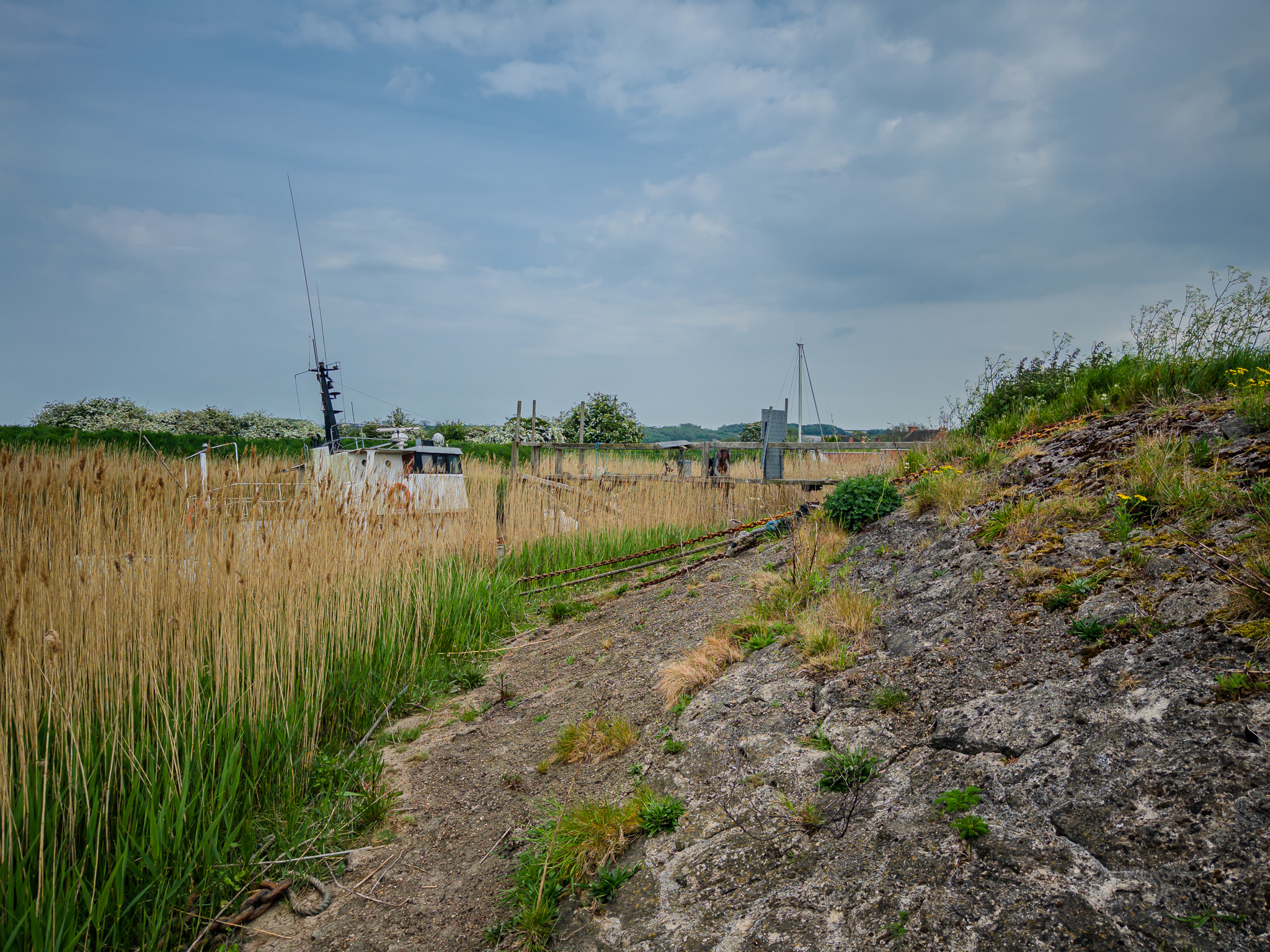
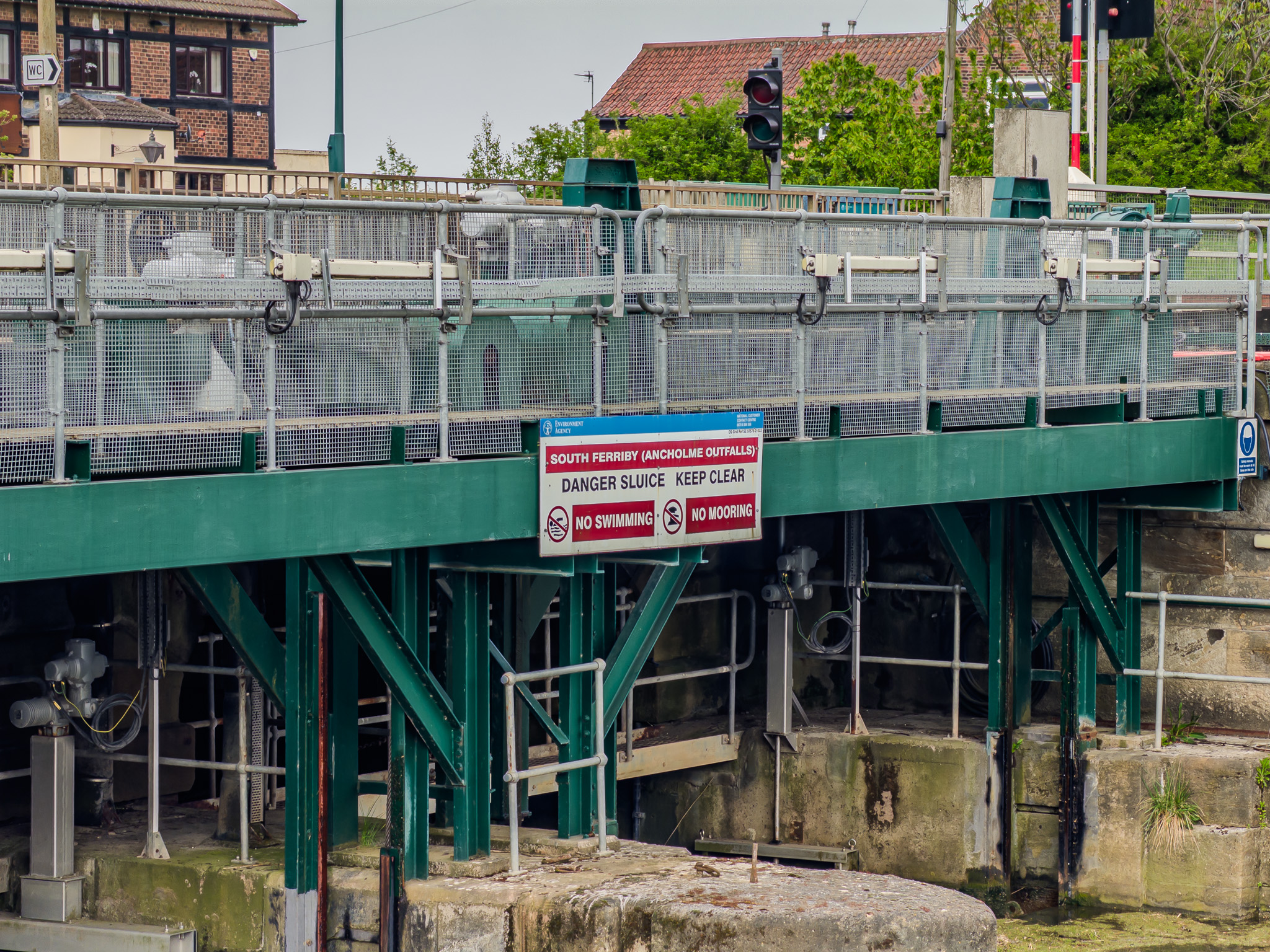
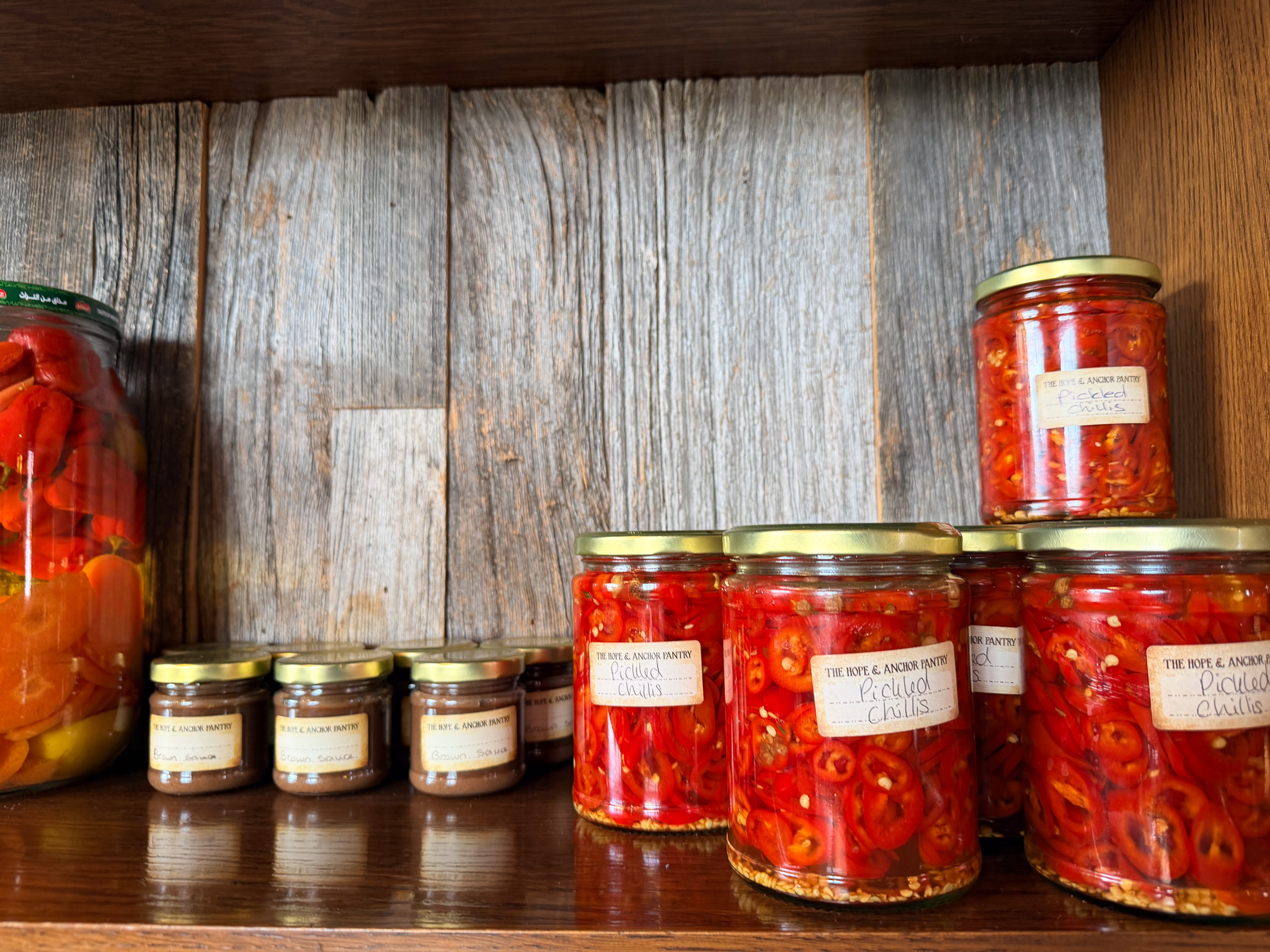
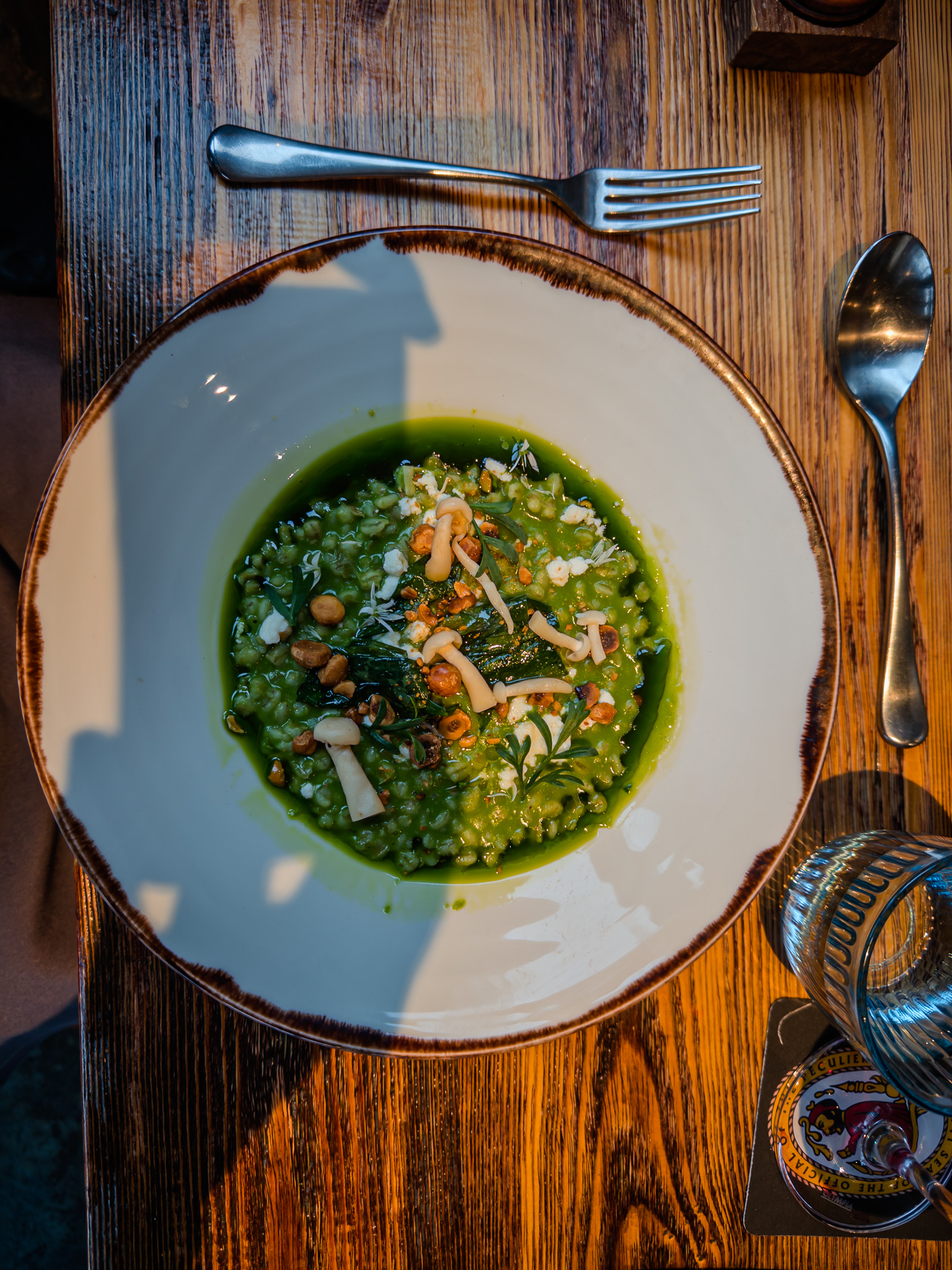
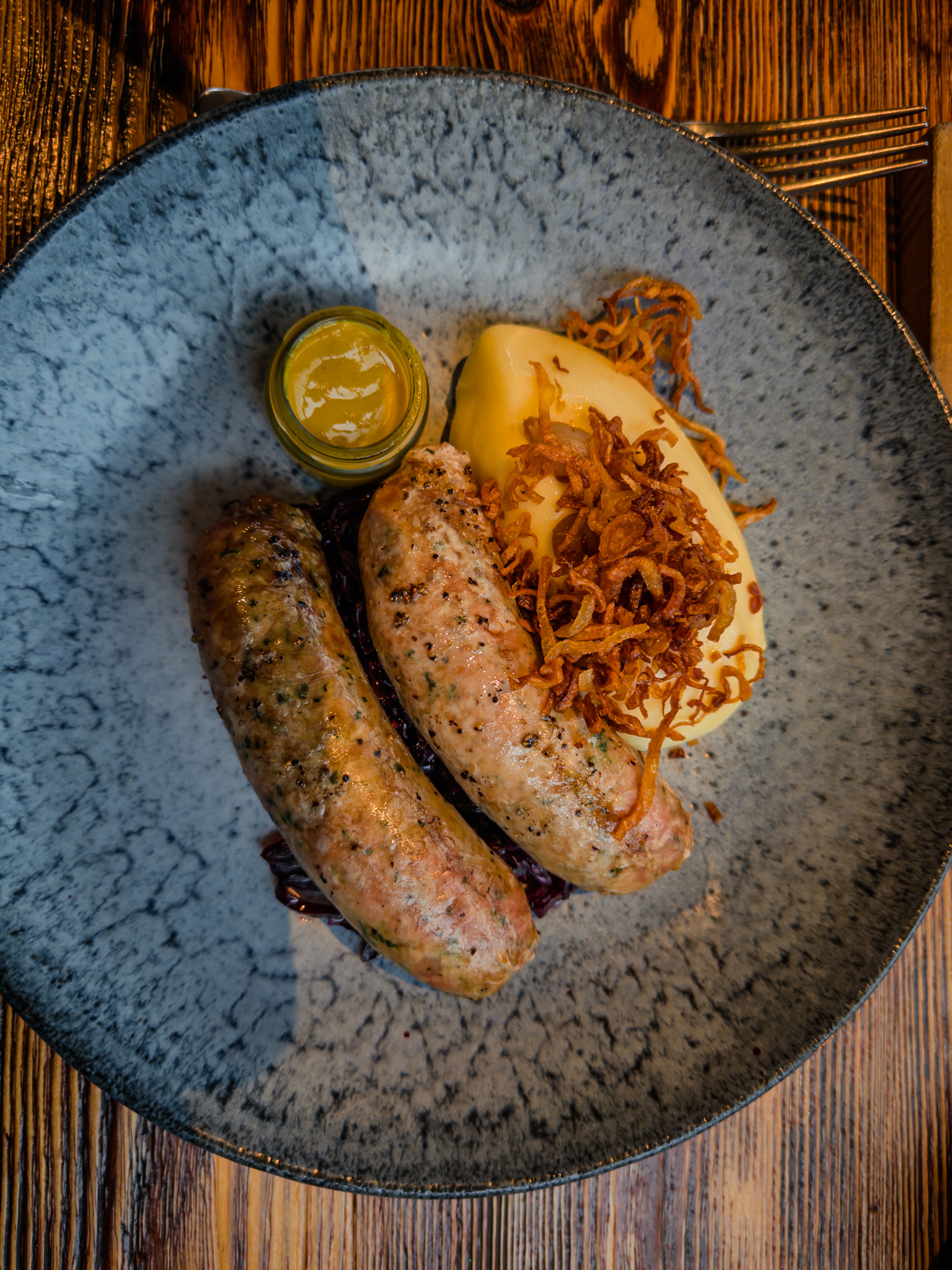
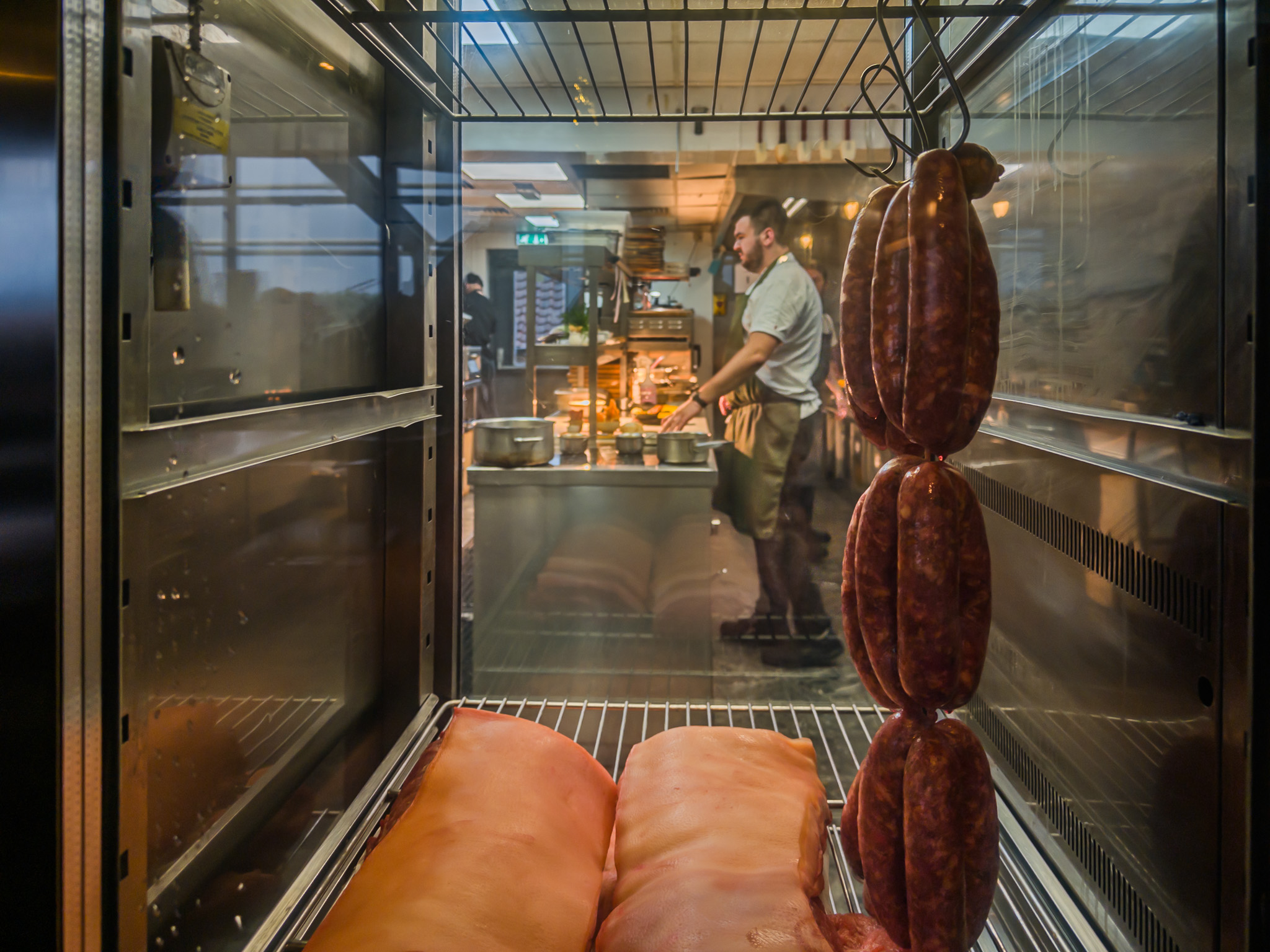
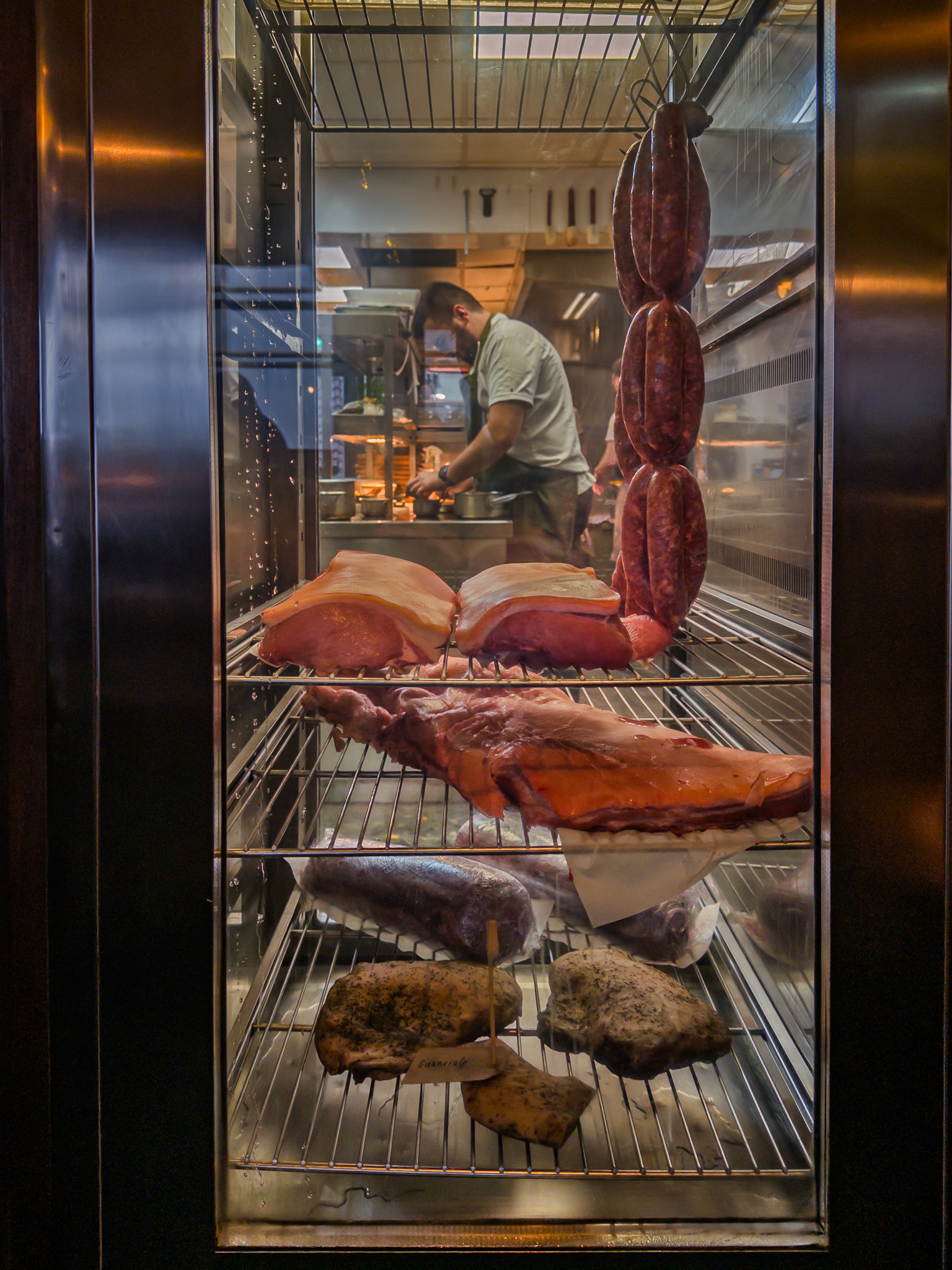
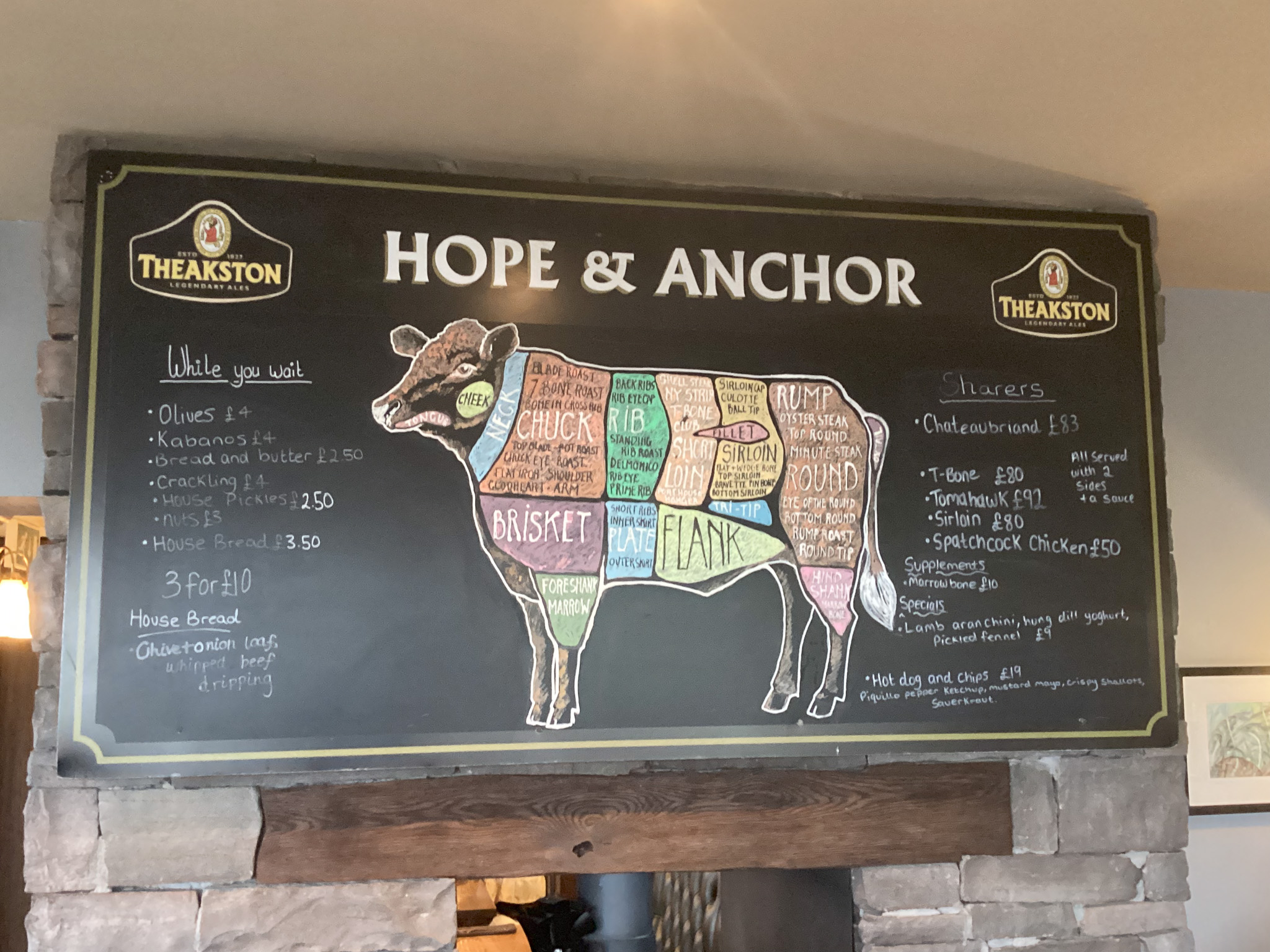
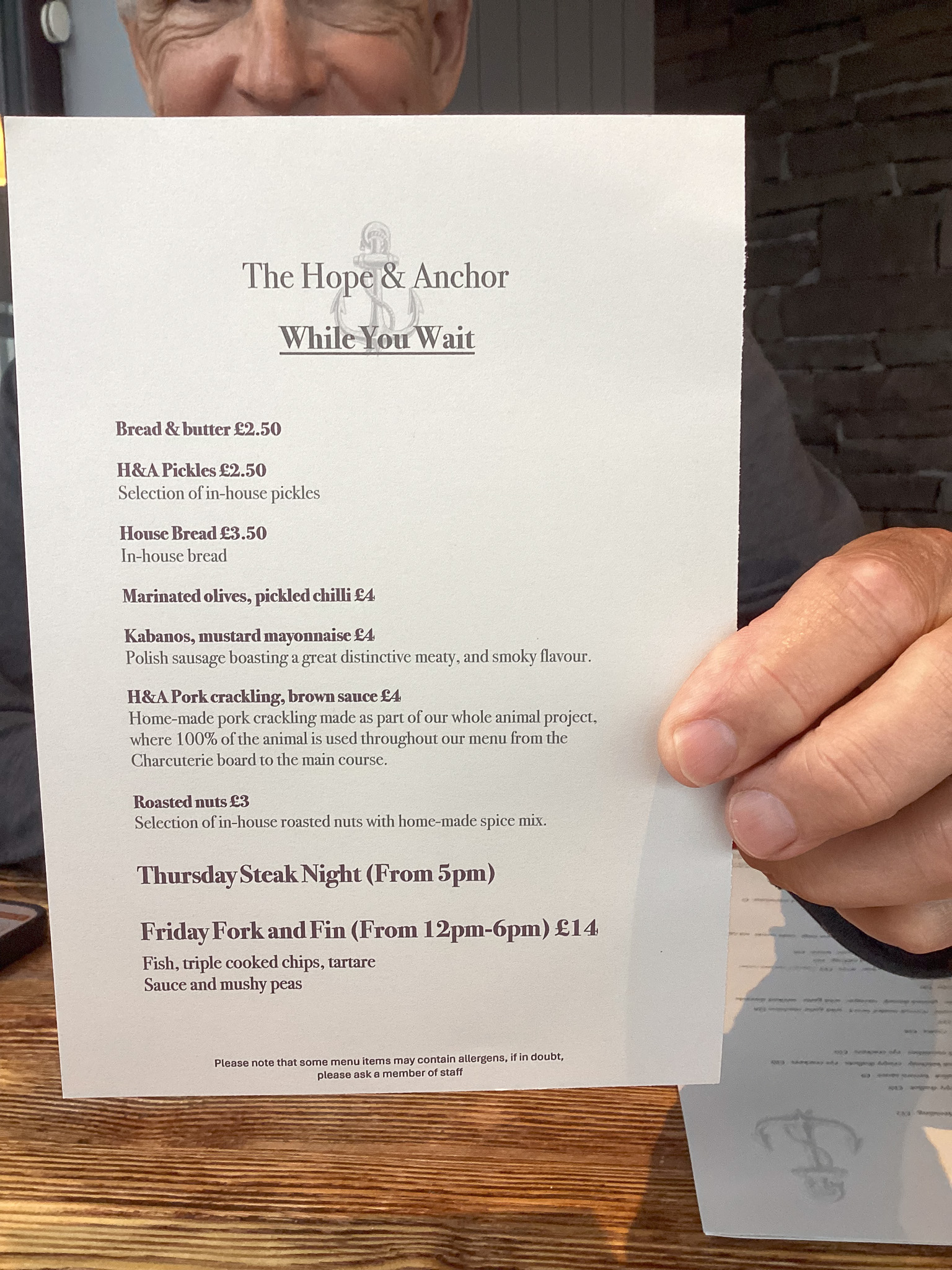
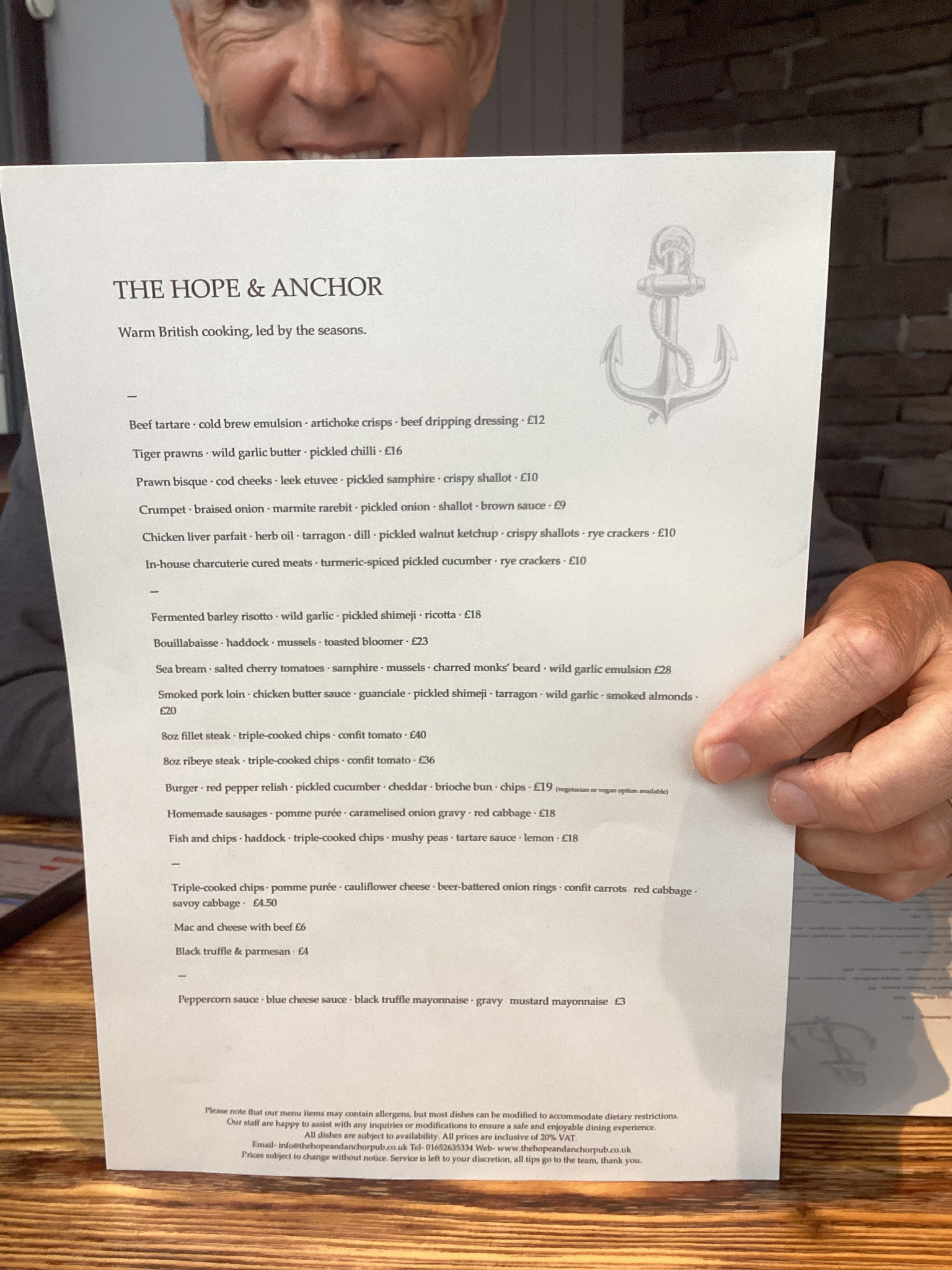
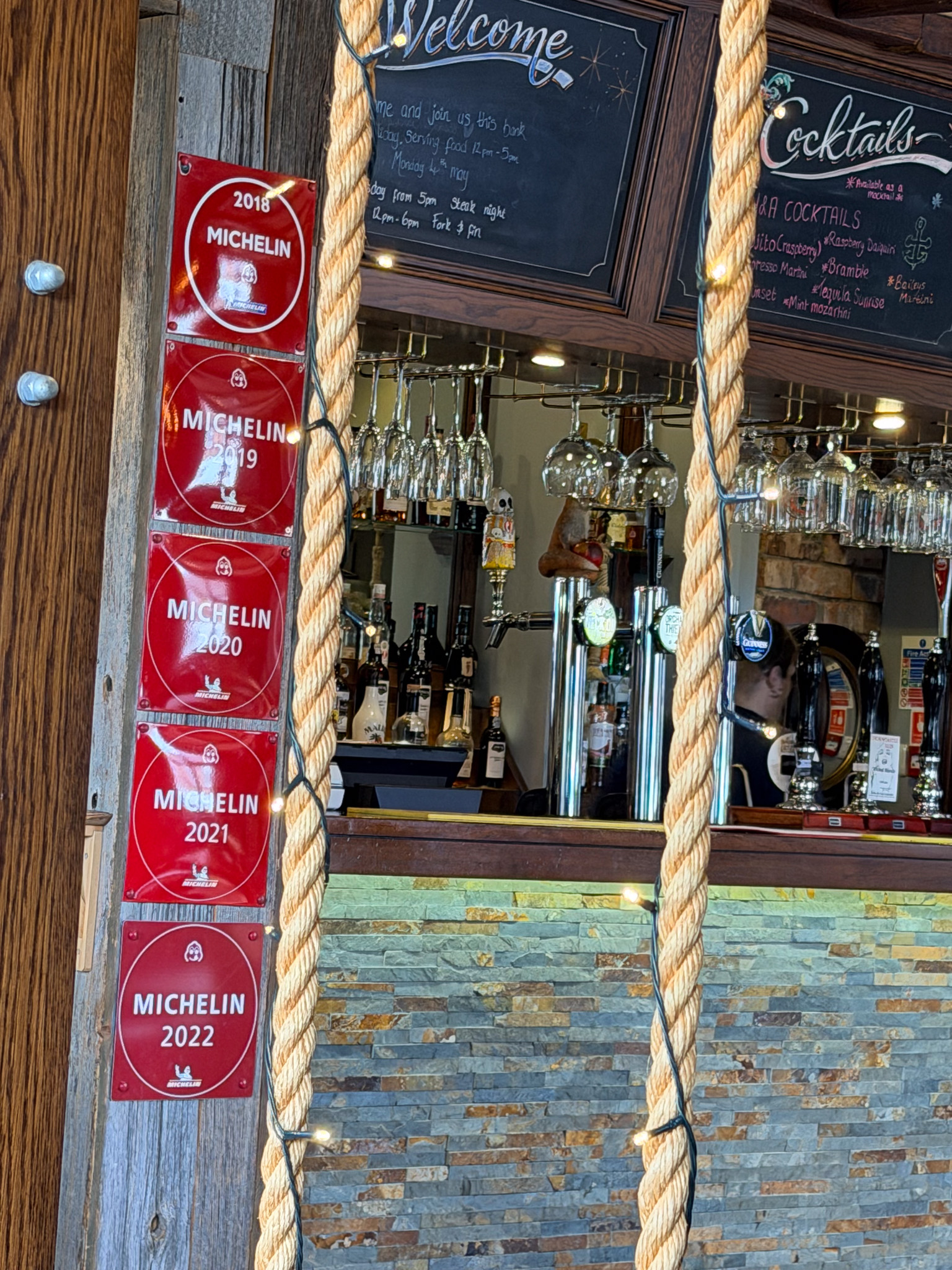
We arrived at South Ferriby; theHope and Anchor hotel/bar looked inauspicious except for the Michelin disc plastered on its front wall. (!!!) We were staying here only to break up what would have been too many kilometres between stays, so it was a real surprise pleasure to enjoy a beautiful, gourmet meal that night.
59 hilly KM
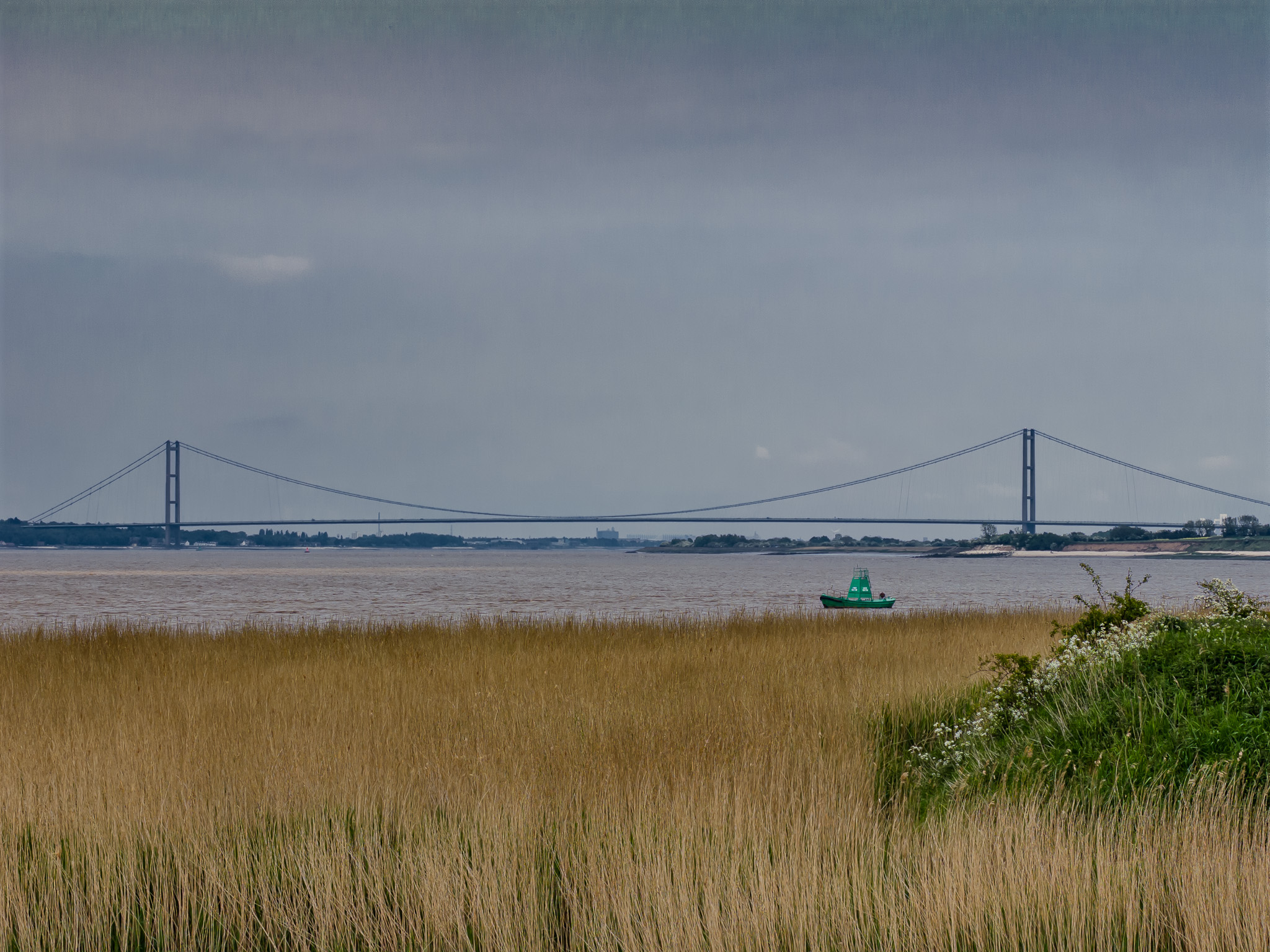
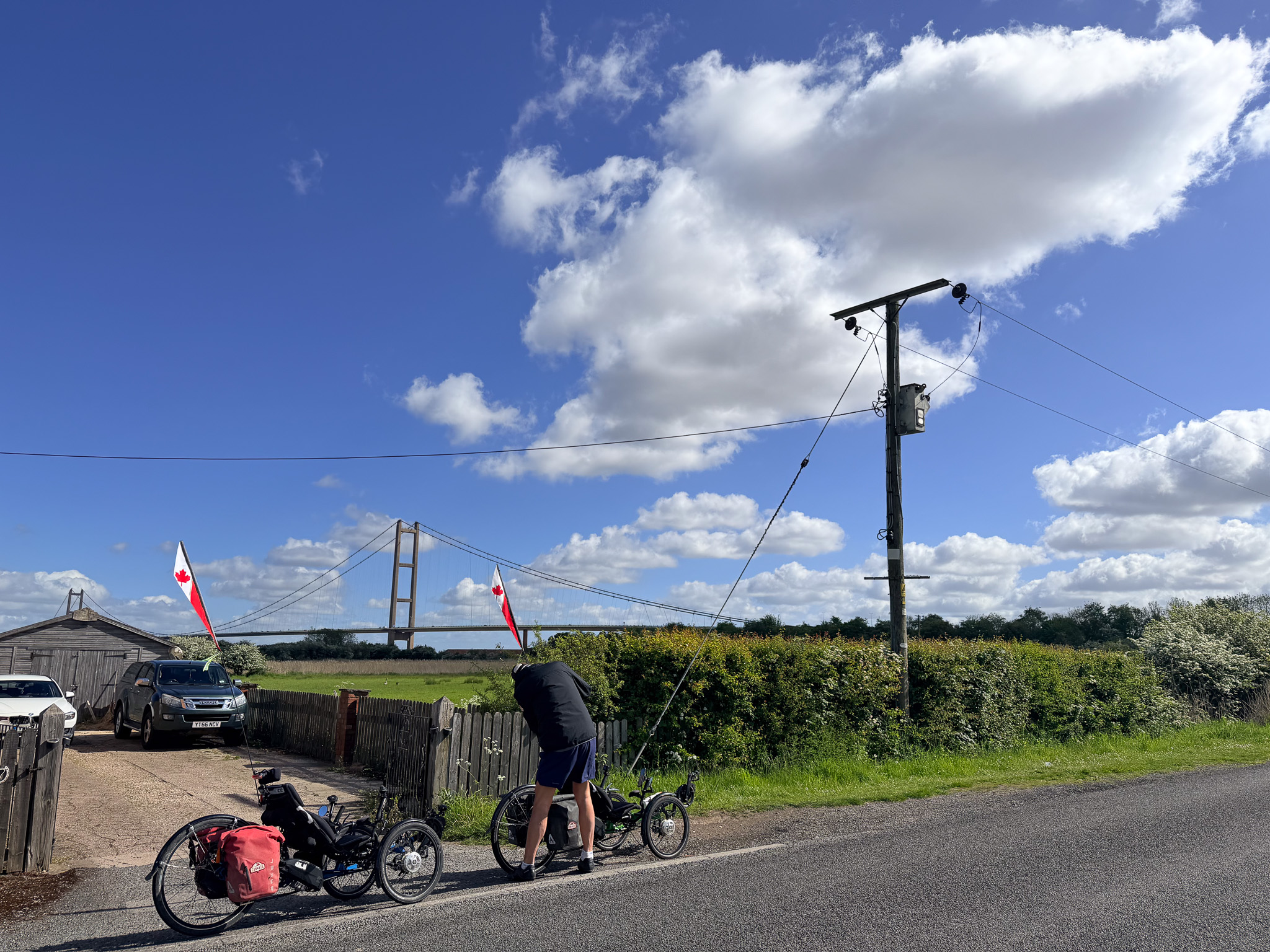
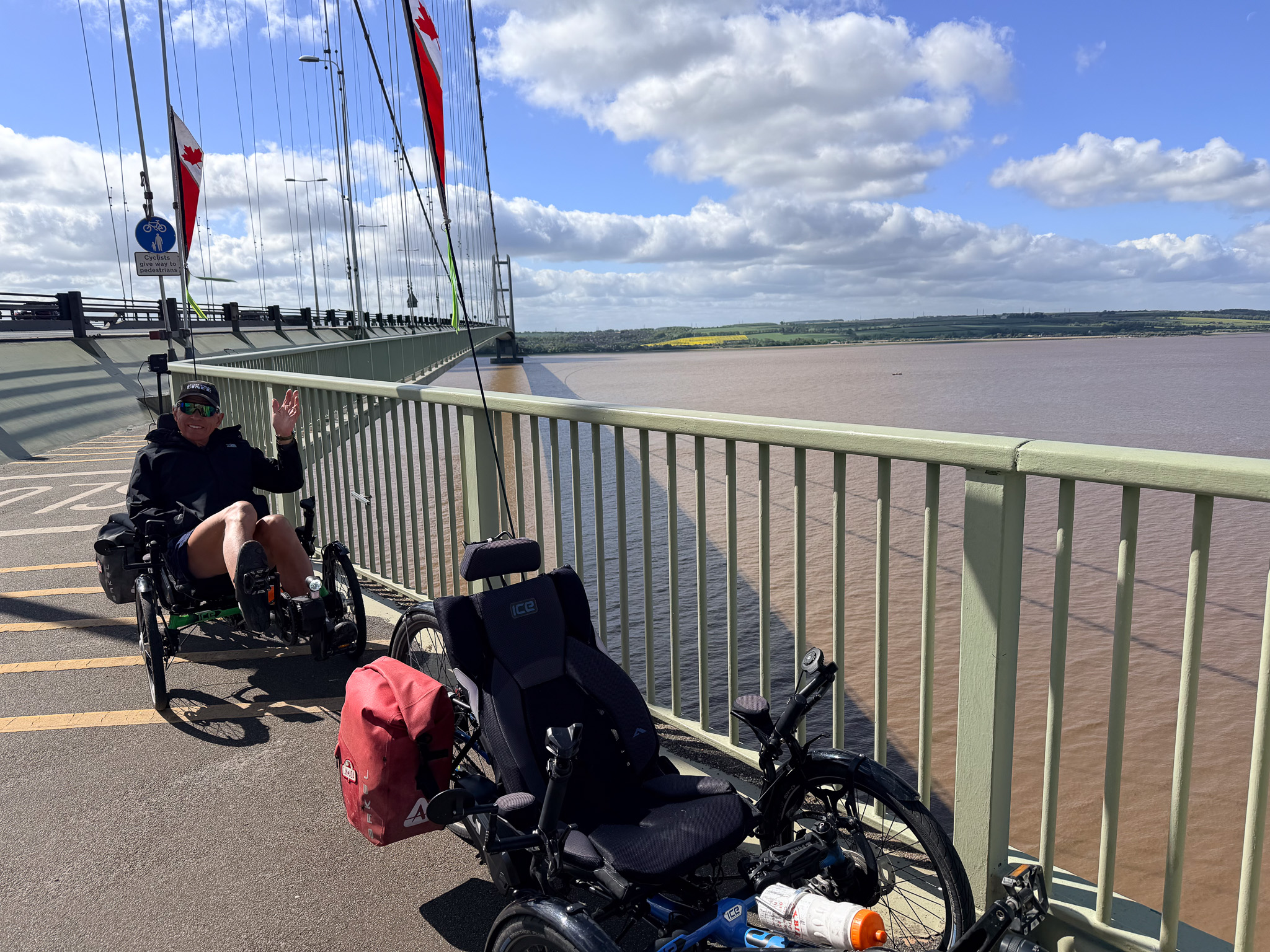
Sunday morning, after a gourmet breakfast (fried bread? sign me up), we had a ridiculously short route planned: 20 kilometres. But…. I (Patti) was a little anxious about a one-mile-long traverse of the suspension bridge over the Humber River. Would the bridge be swaying? Would there be an adequately wide cycling lane? NO WORRIES.
It had rained during the night, but once again, we had dry and cool and sunny riding conditions.
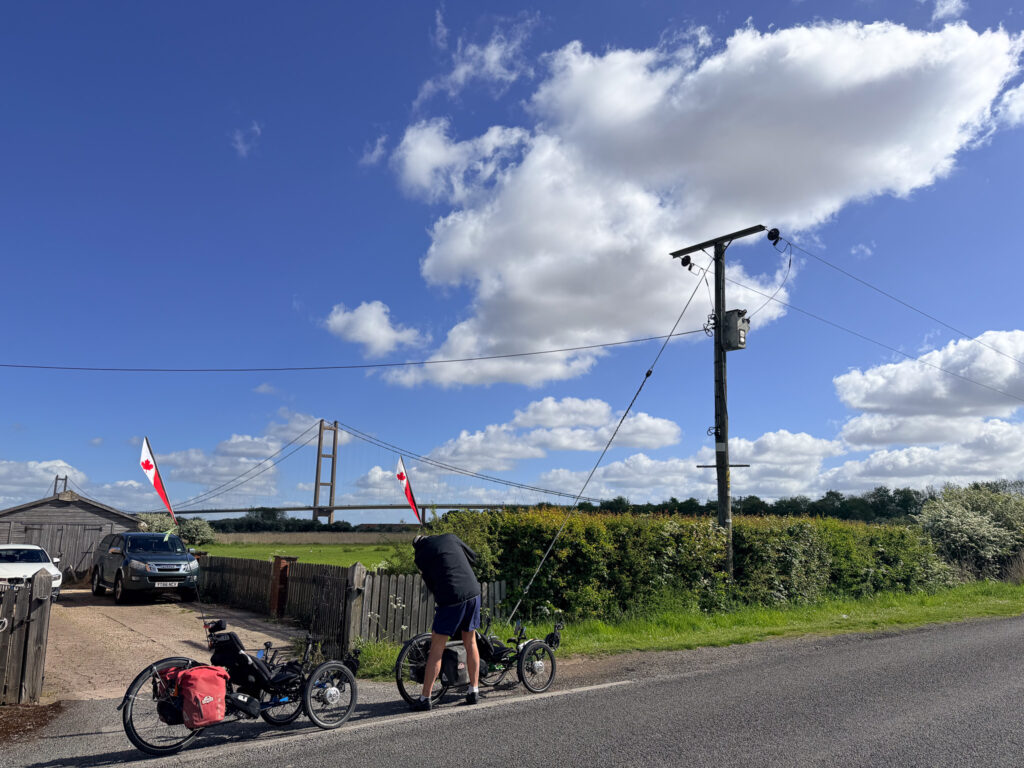
This suspension bridge was, at one point, the longest bridge in the UK and Europe. Built in 1982, it saved drivers/riders about 15 kilometres each way.
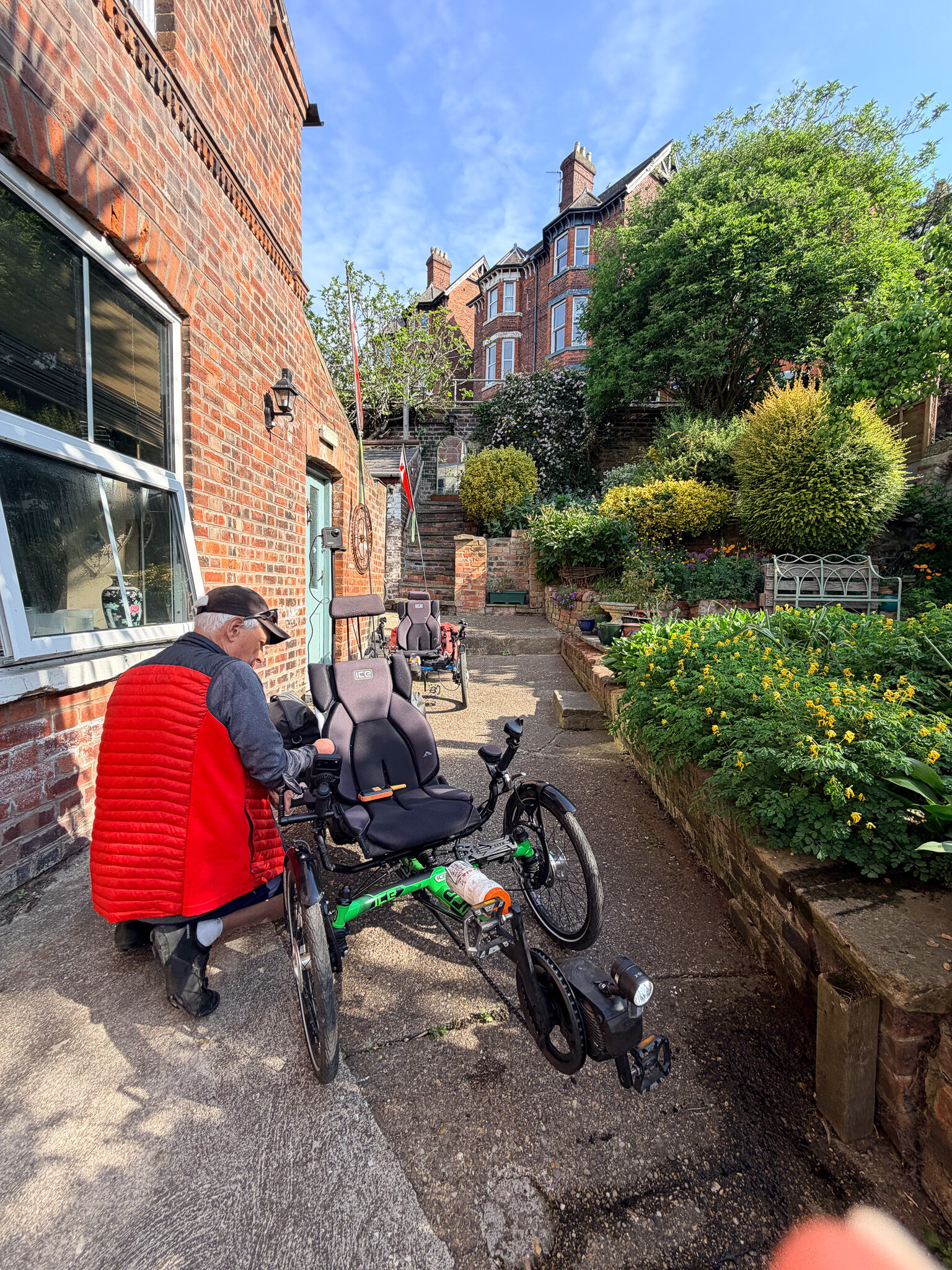
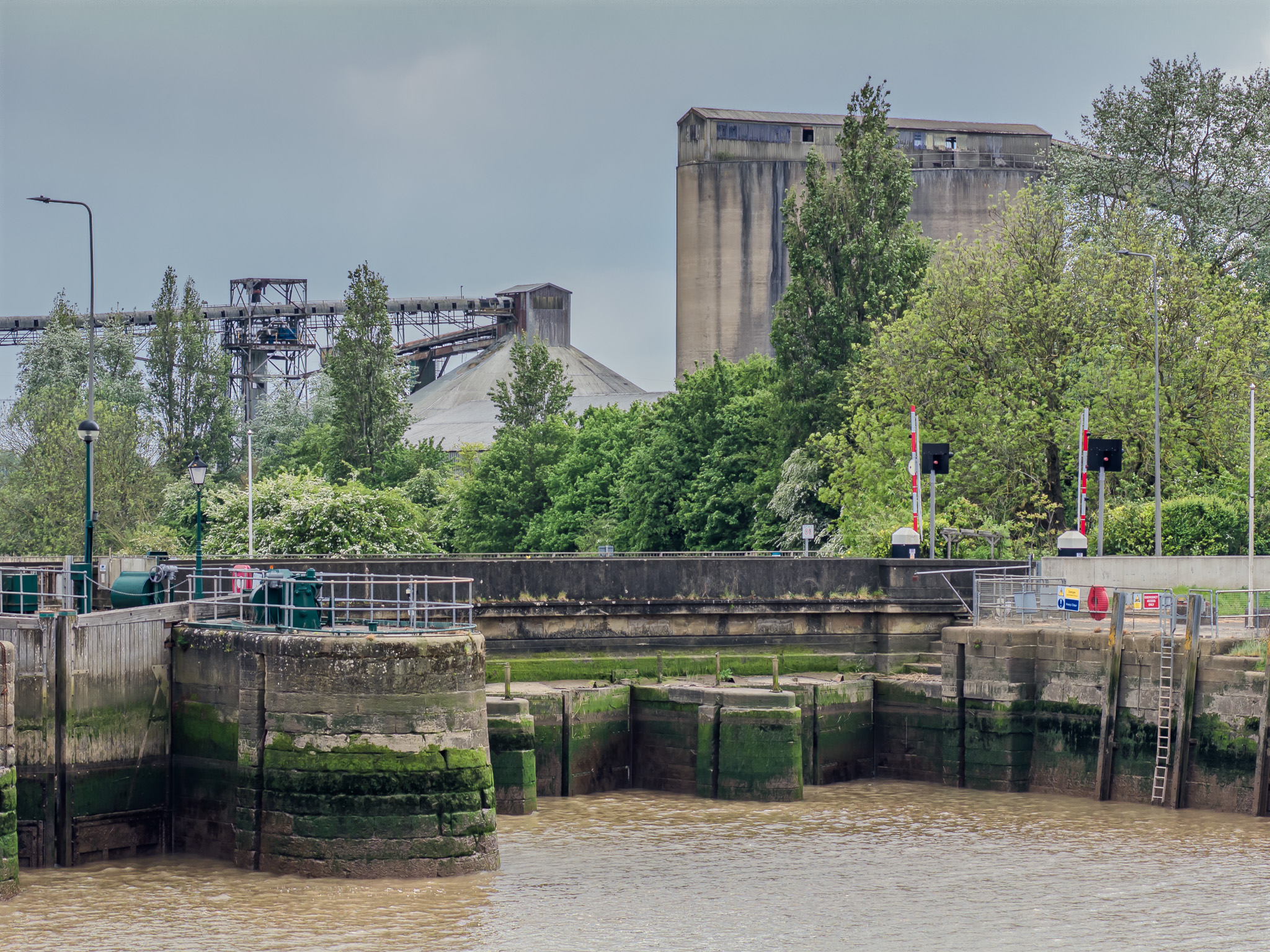
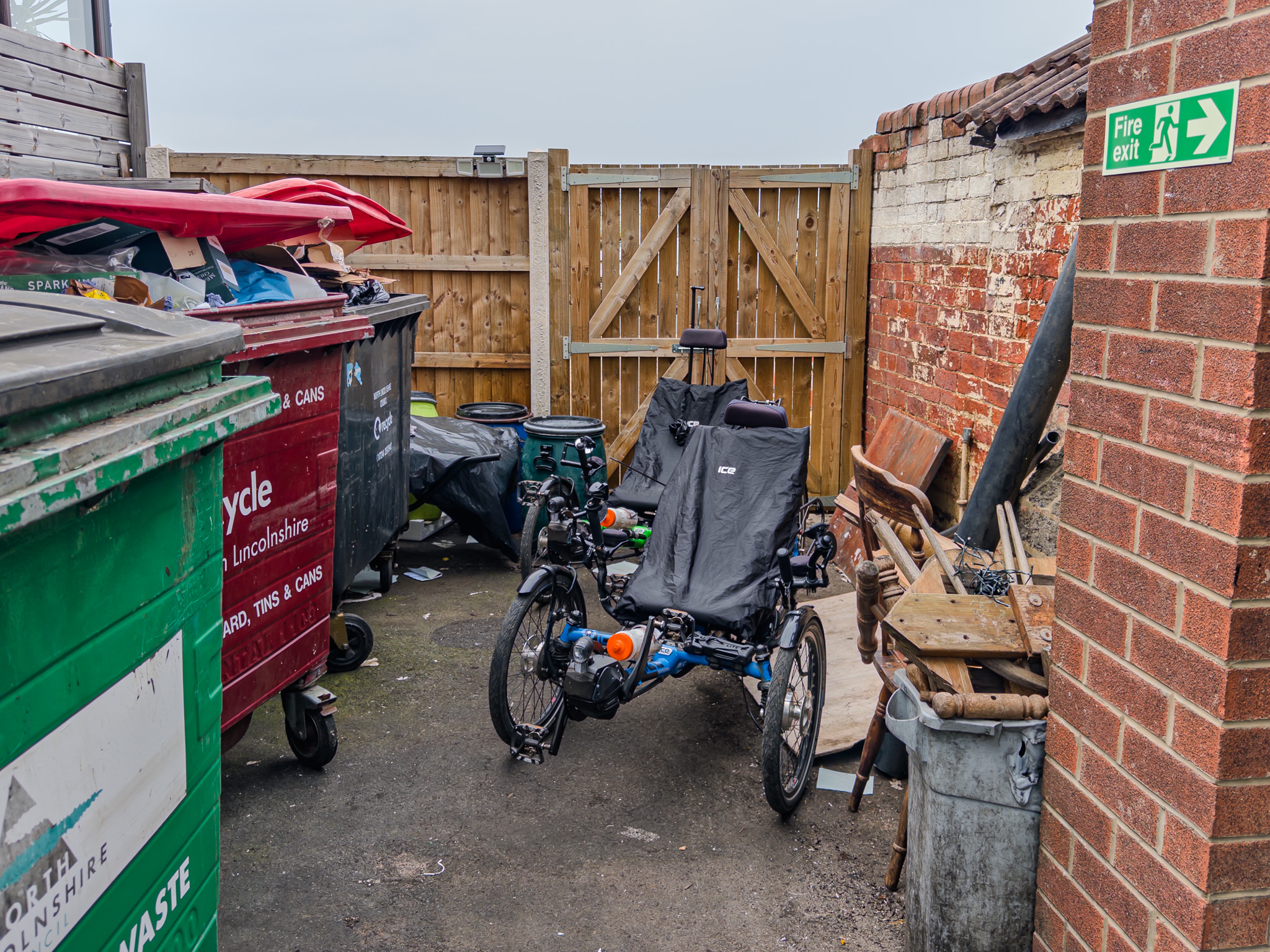
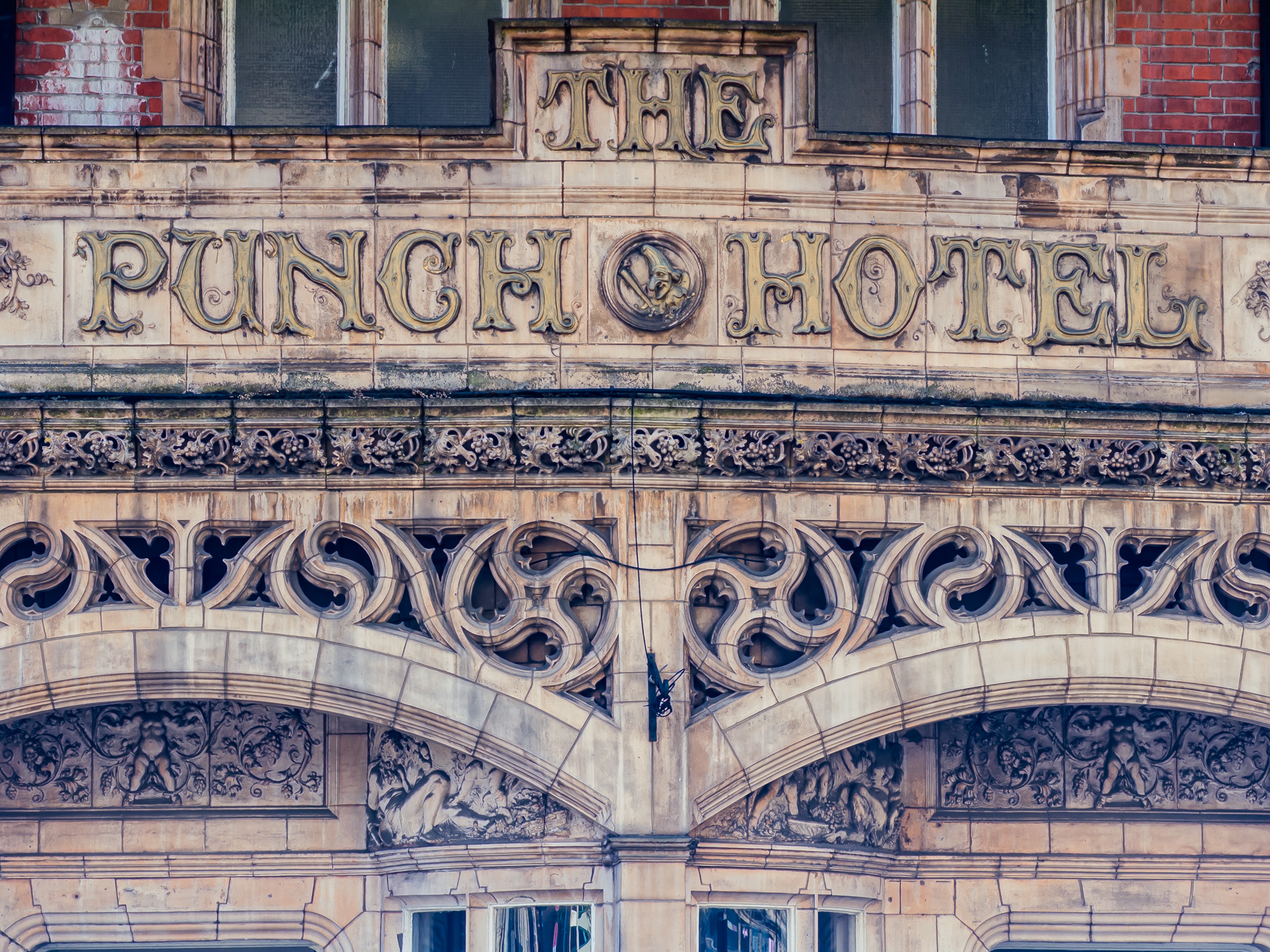
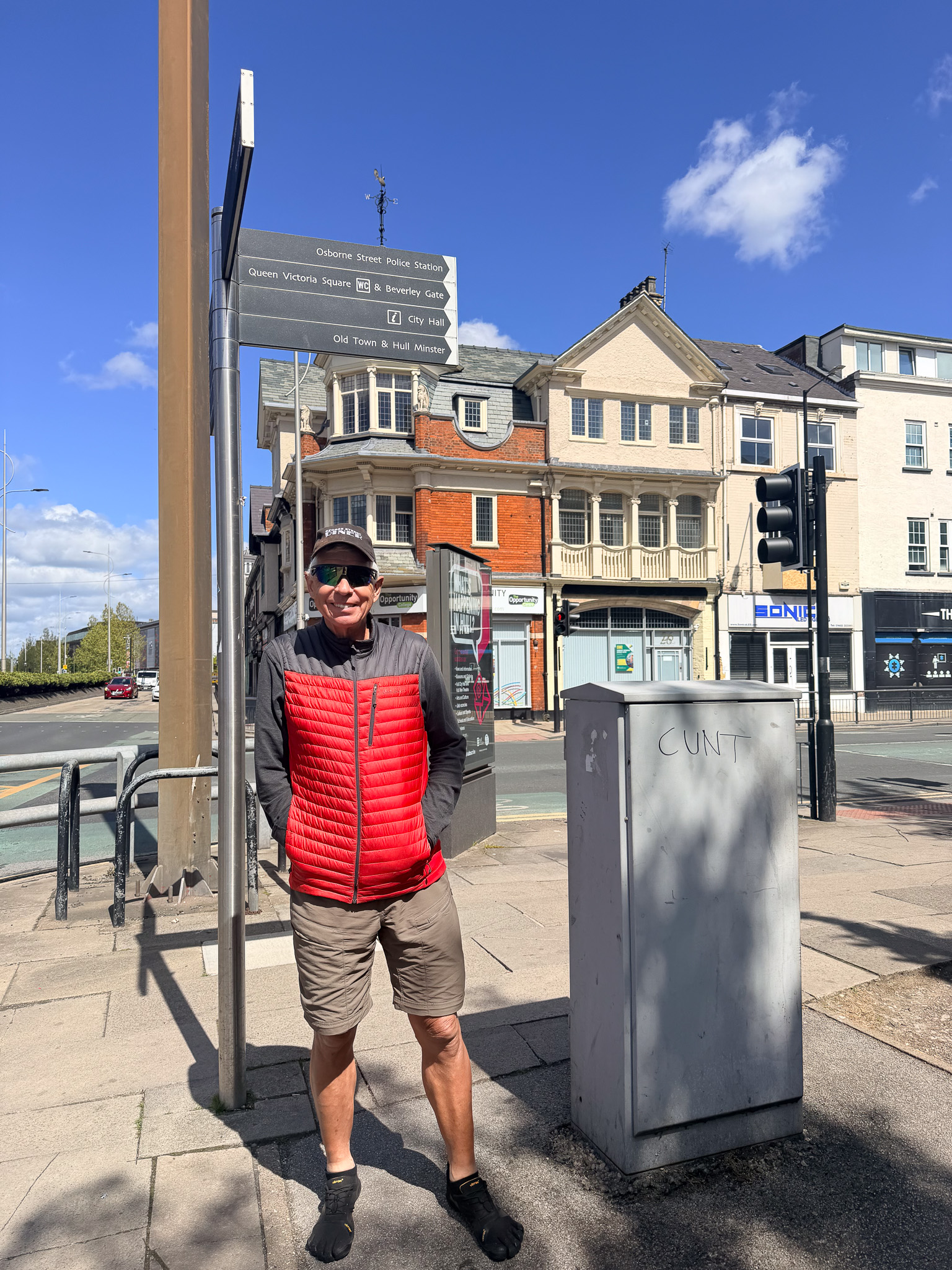
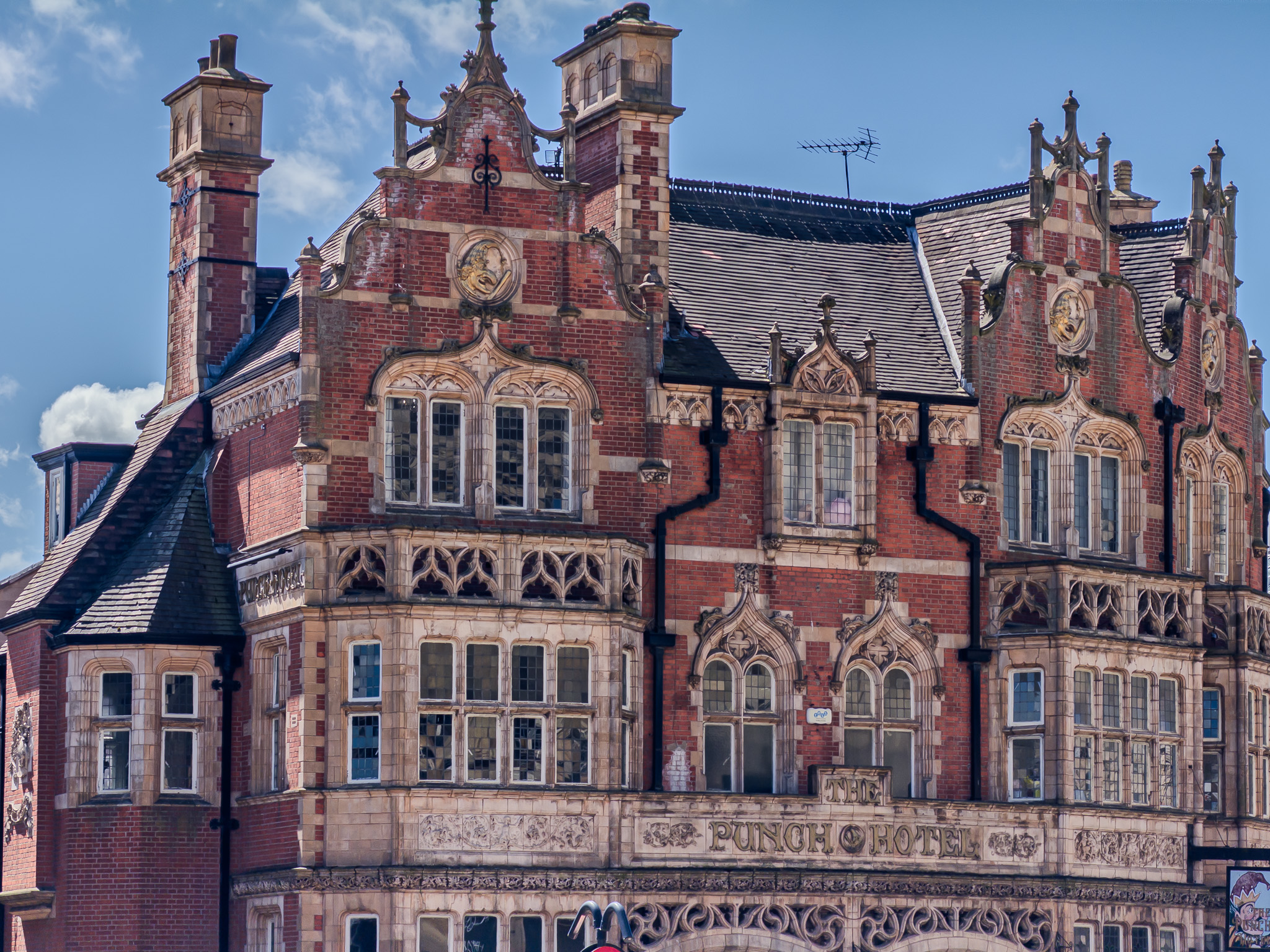
At our (boring but safe) IBIS hotel in Kingston Upon Hull we locked up the bikes by the bins in the parking lot – glamourous – and then set out to walk the town. Remarkable to us were the streets that were devoid of tourists (London had been insane).
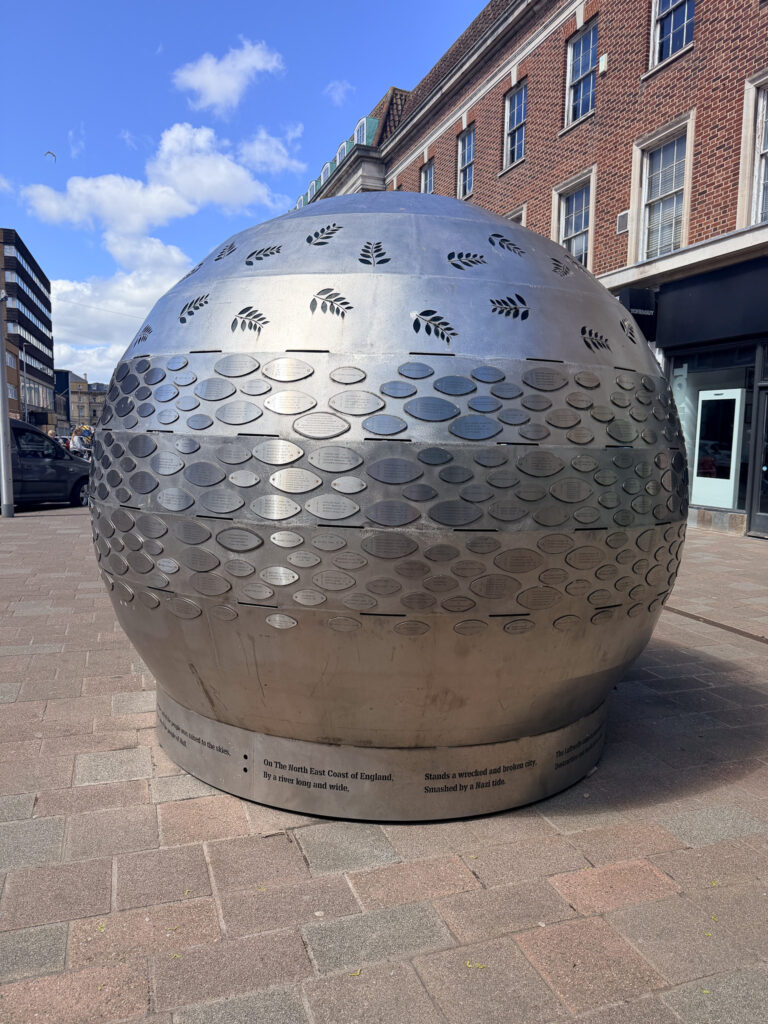
This city was badly bombed in May 1941 (May 7 – 9) and there is a very moving memorial to its victims*, featuring plaques sorted by street address, listing the residents/victims’ names. Whole families died in the bombing raids, the Germans were targetting key areas (as were the allies in Germany). Just under 400 people died in May of 1941 and then, devastatingly, an additional 143 died in July. Almost 1200 people in Kingston Upon Hull died during bombing raids during WWII. It was the most severely damaged UK city during WWII. 95% of the houses were destroyed. It was under air raid alert for 1100 hours, suffering the first daylight raid and the last raid of the war. Half of its inhabitants lost their homes.
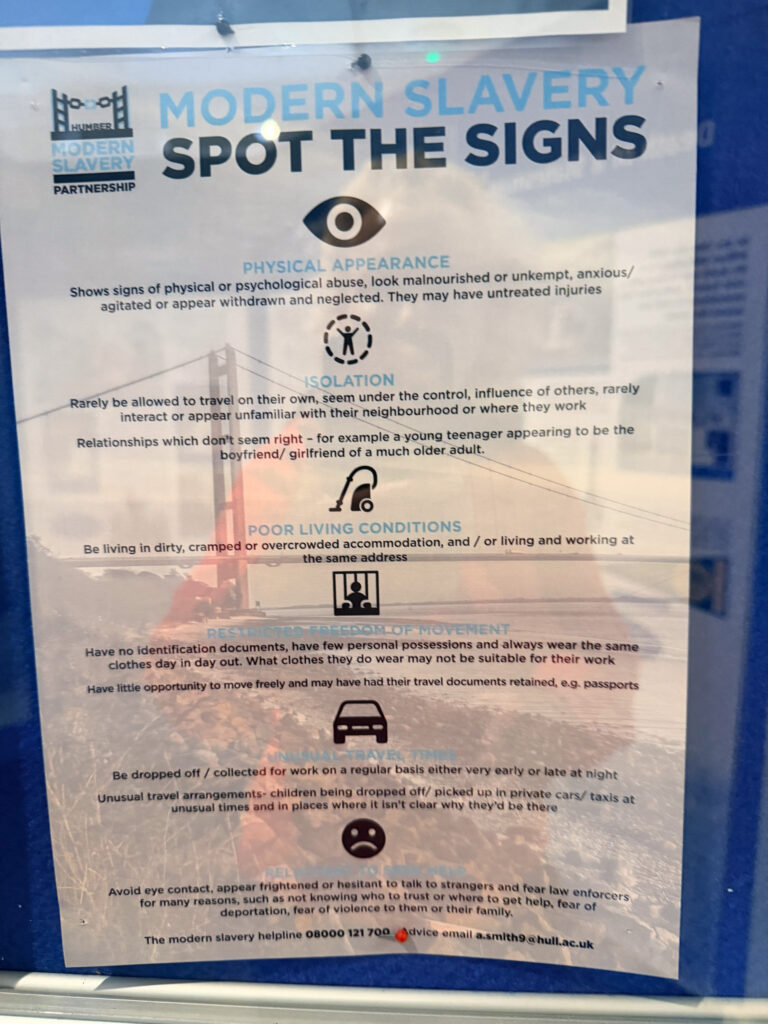
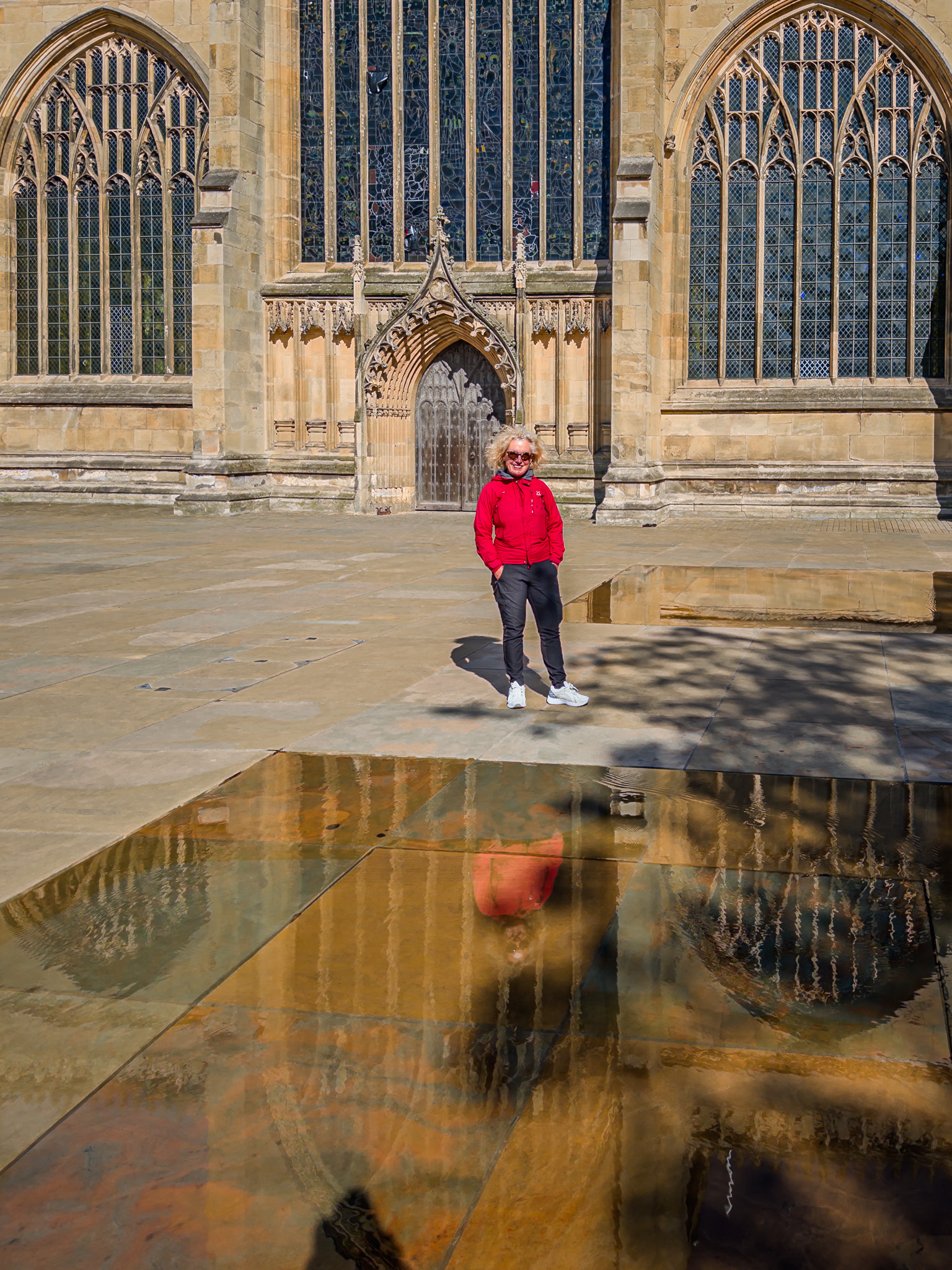
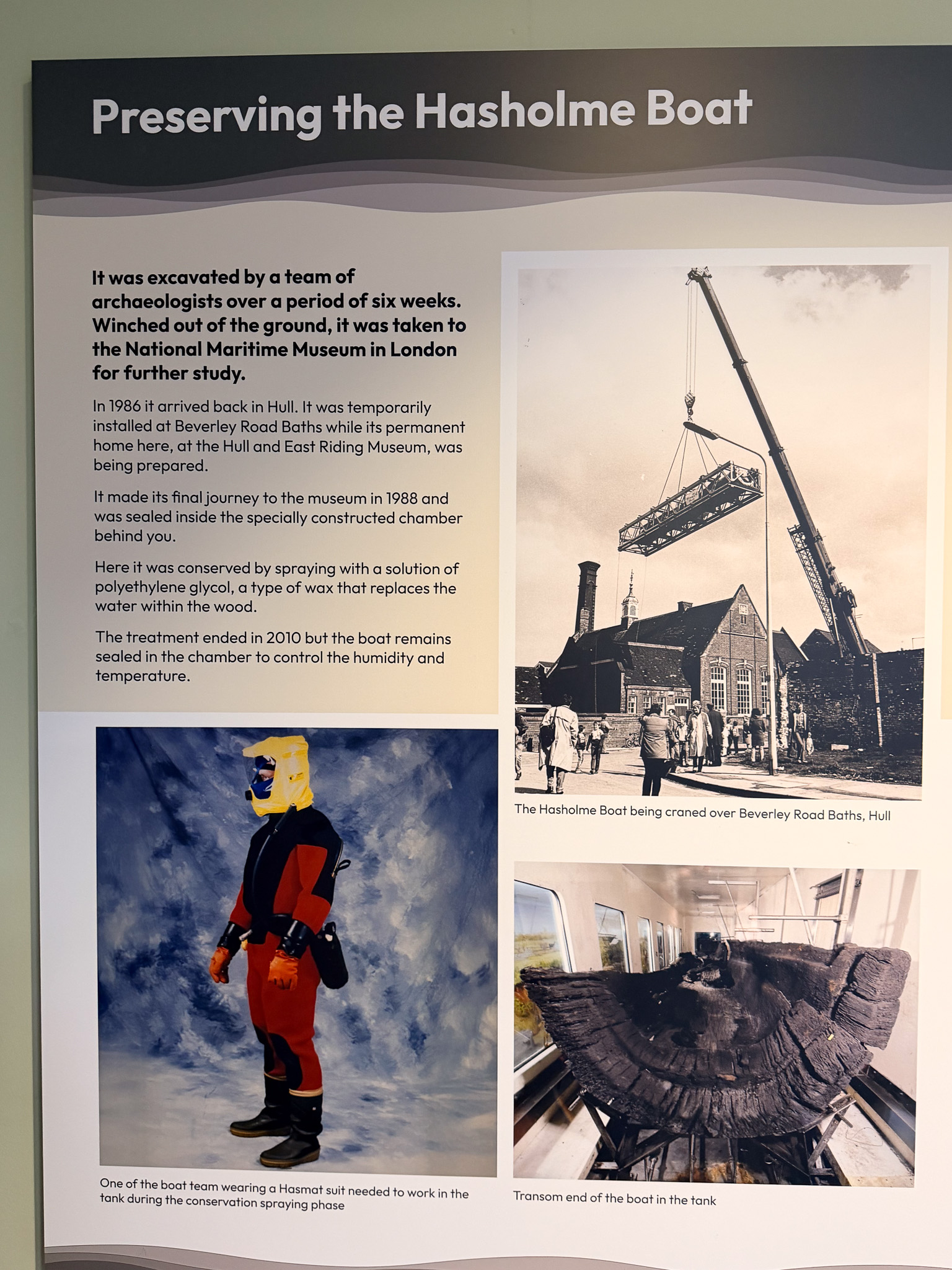
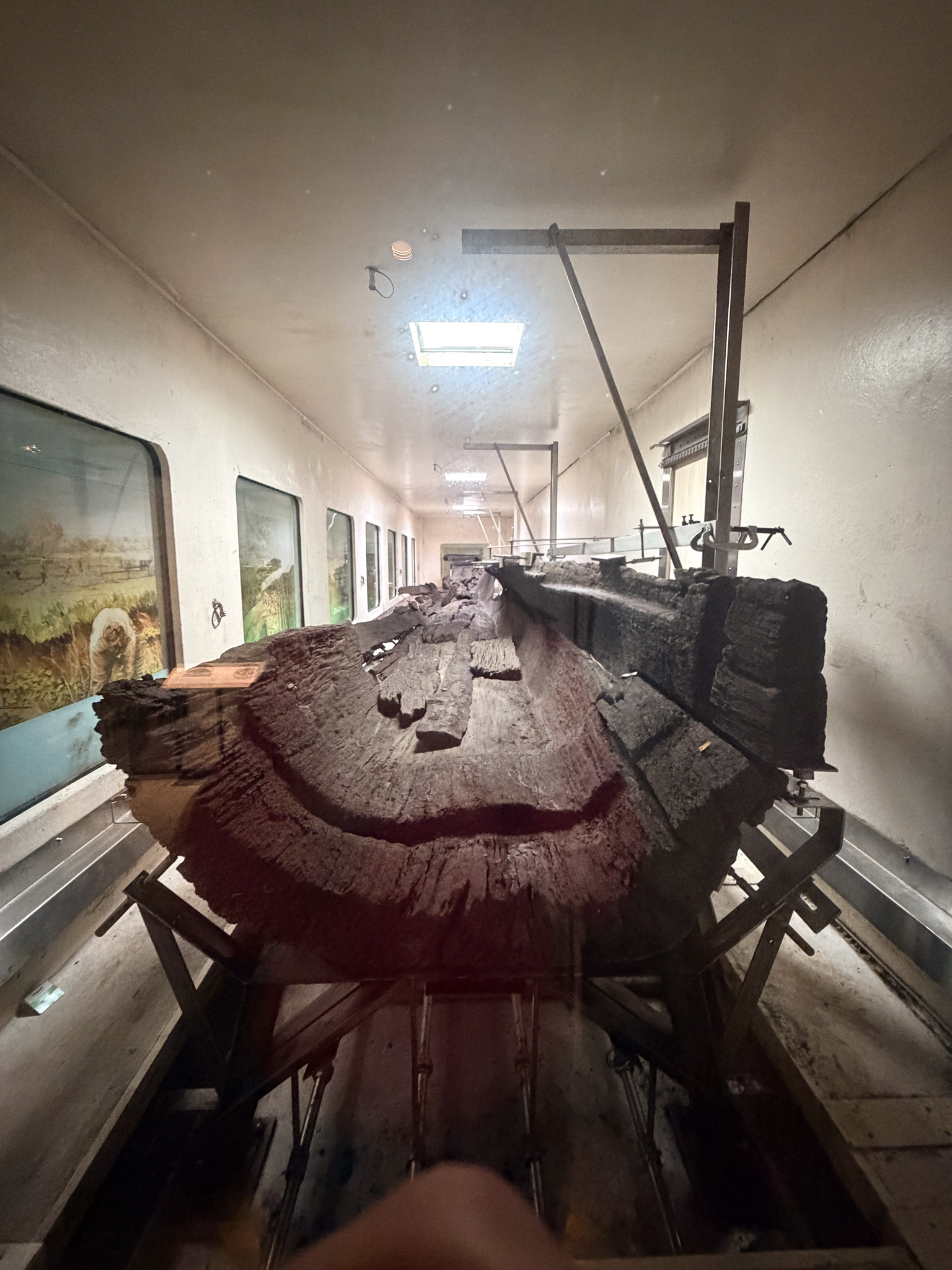
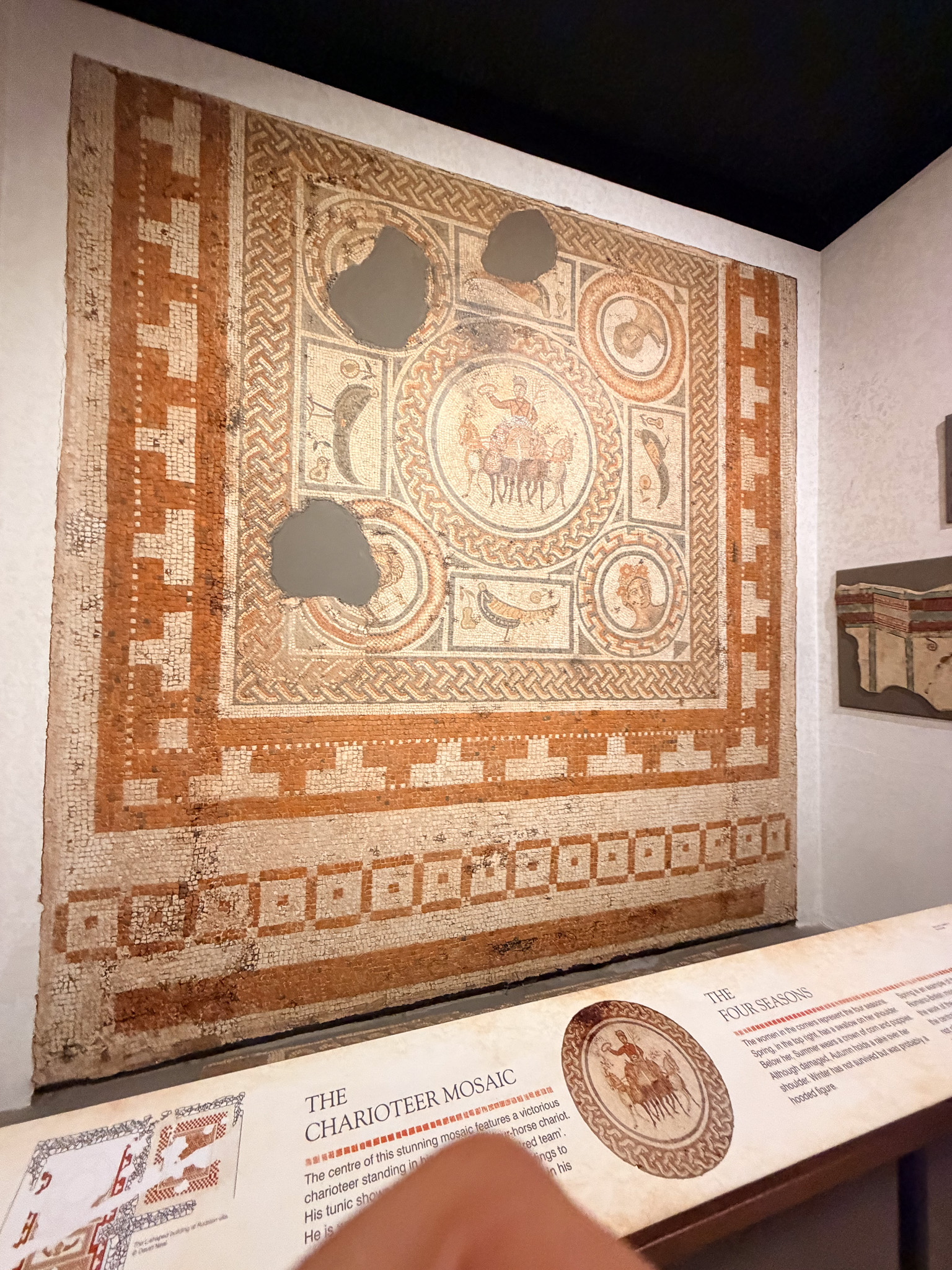
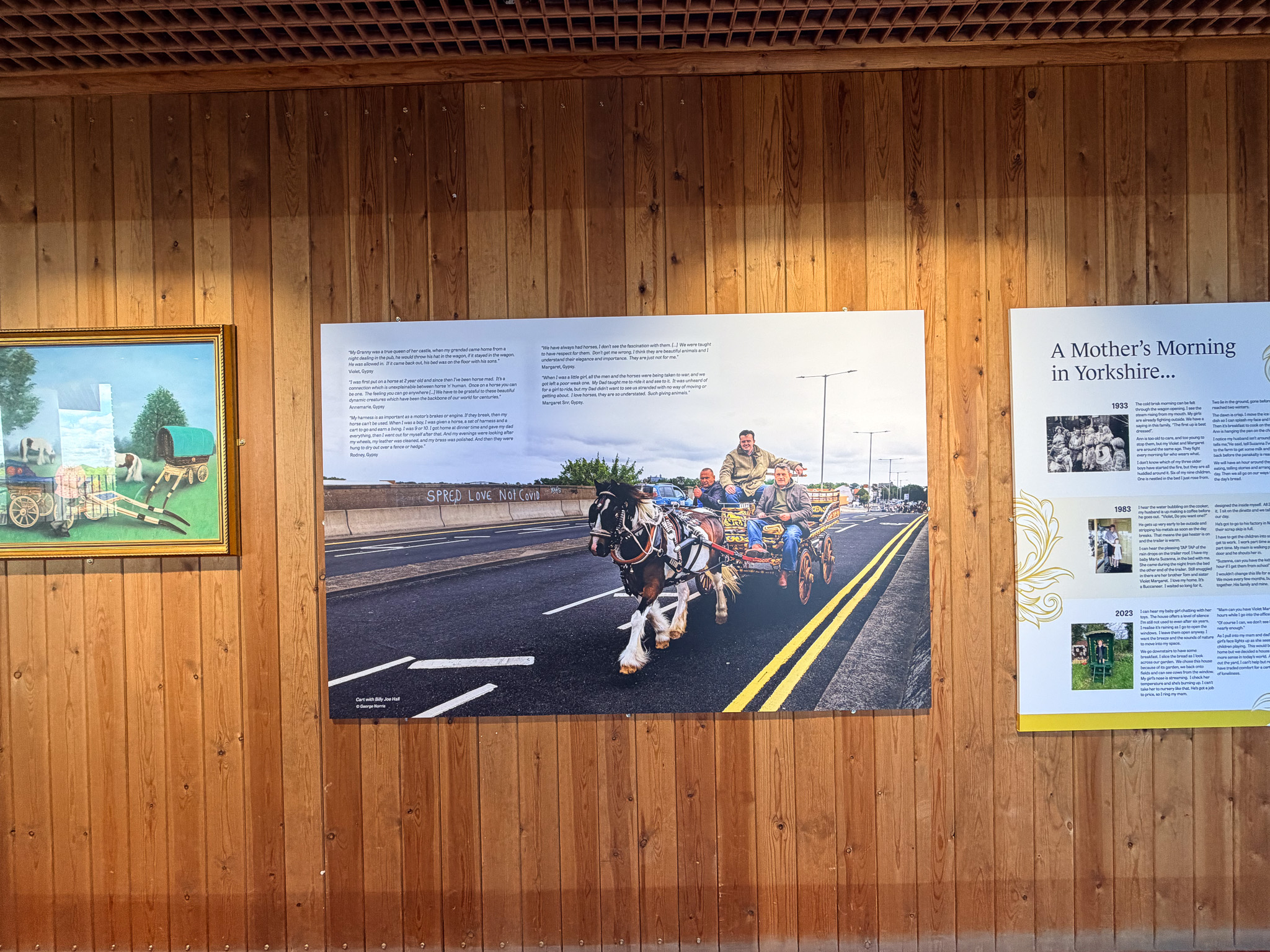
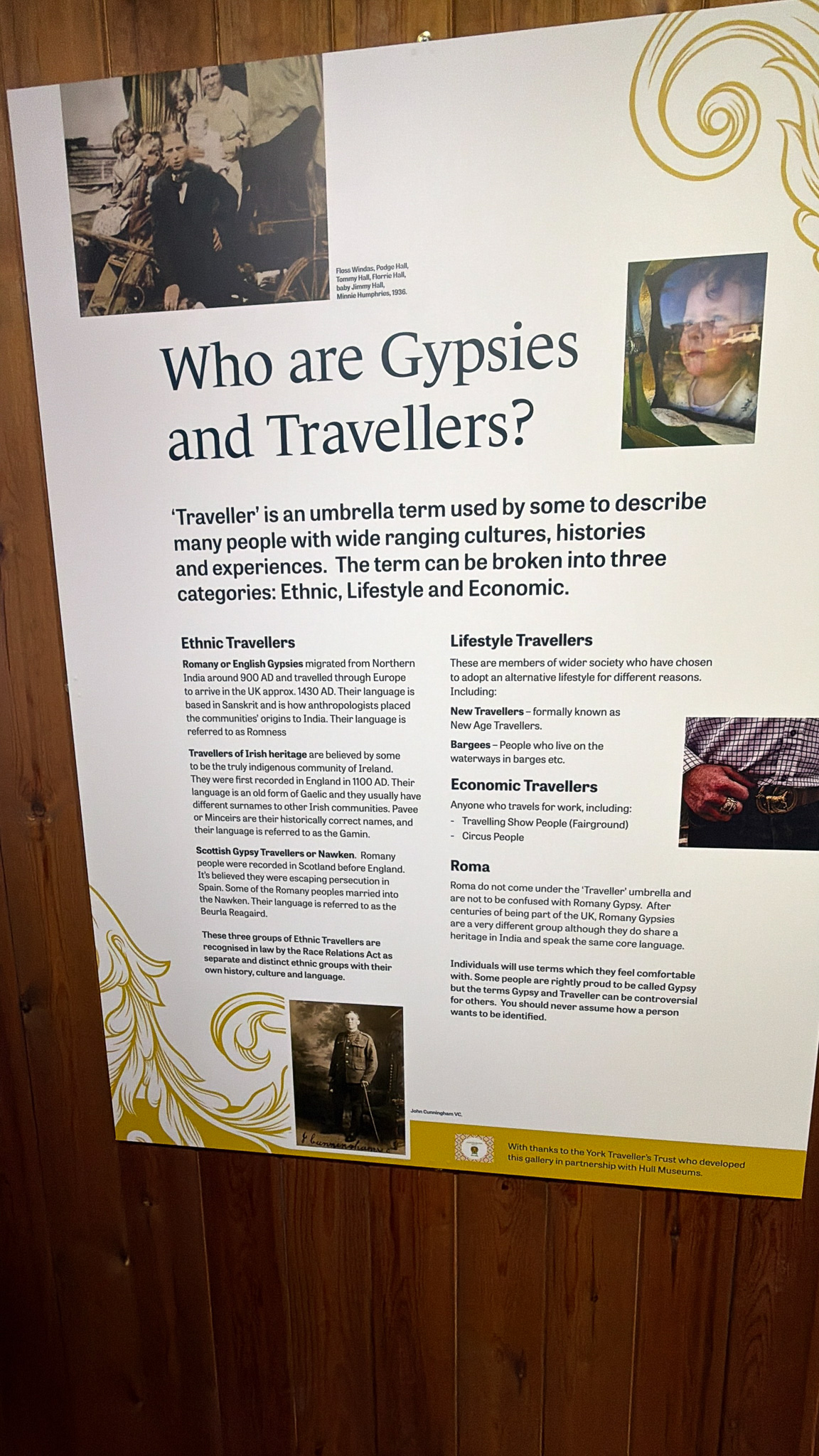
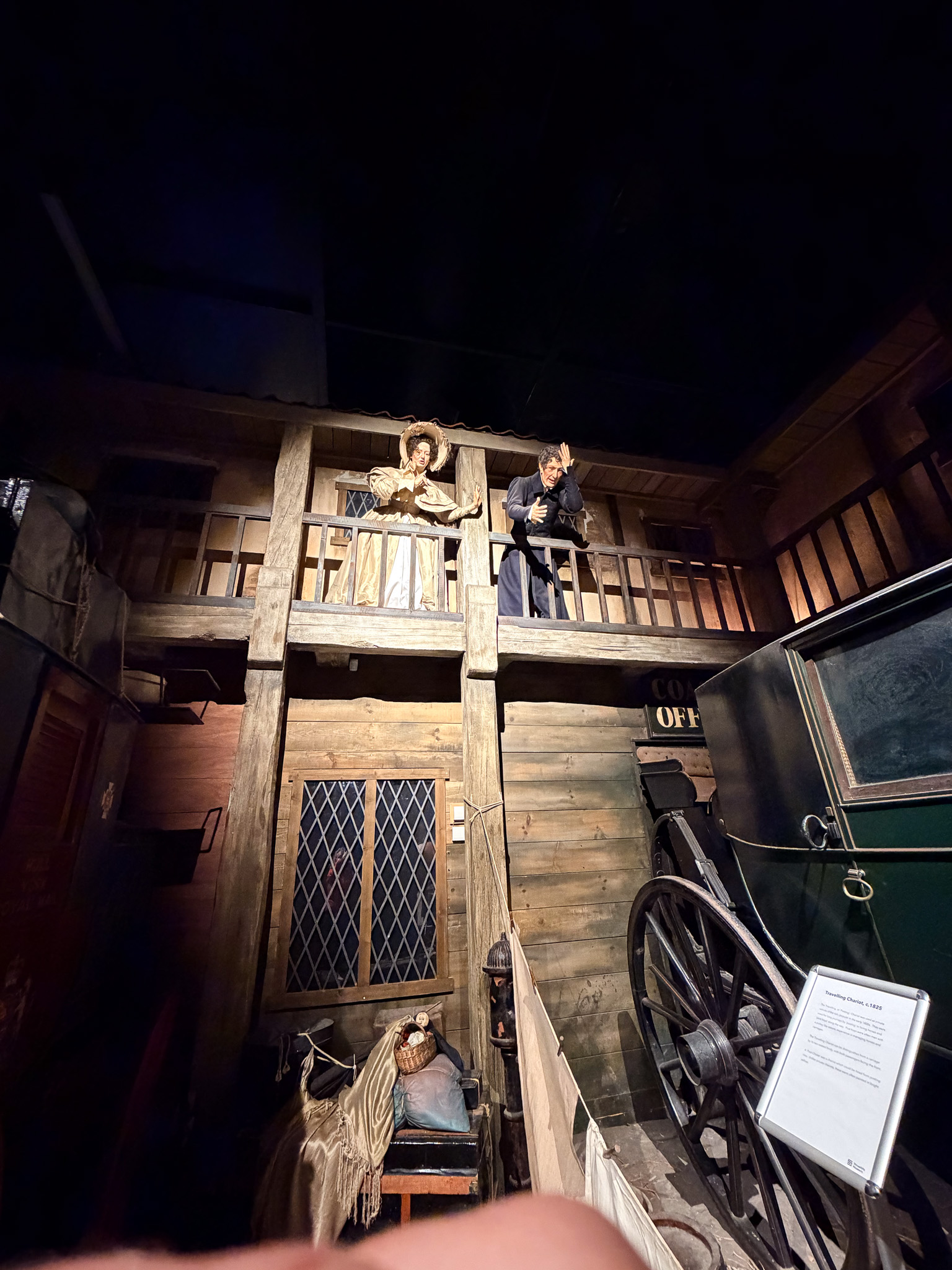
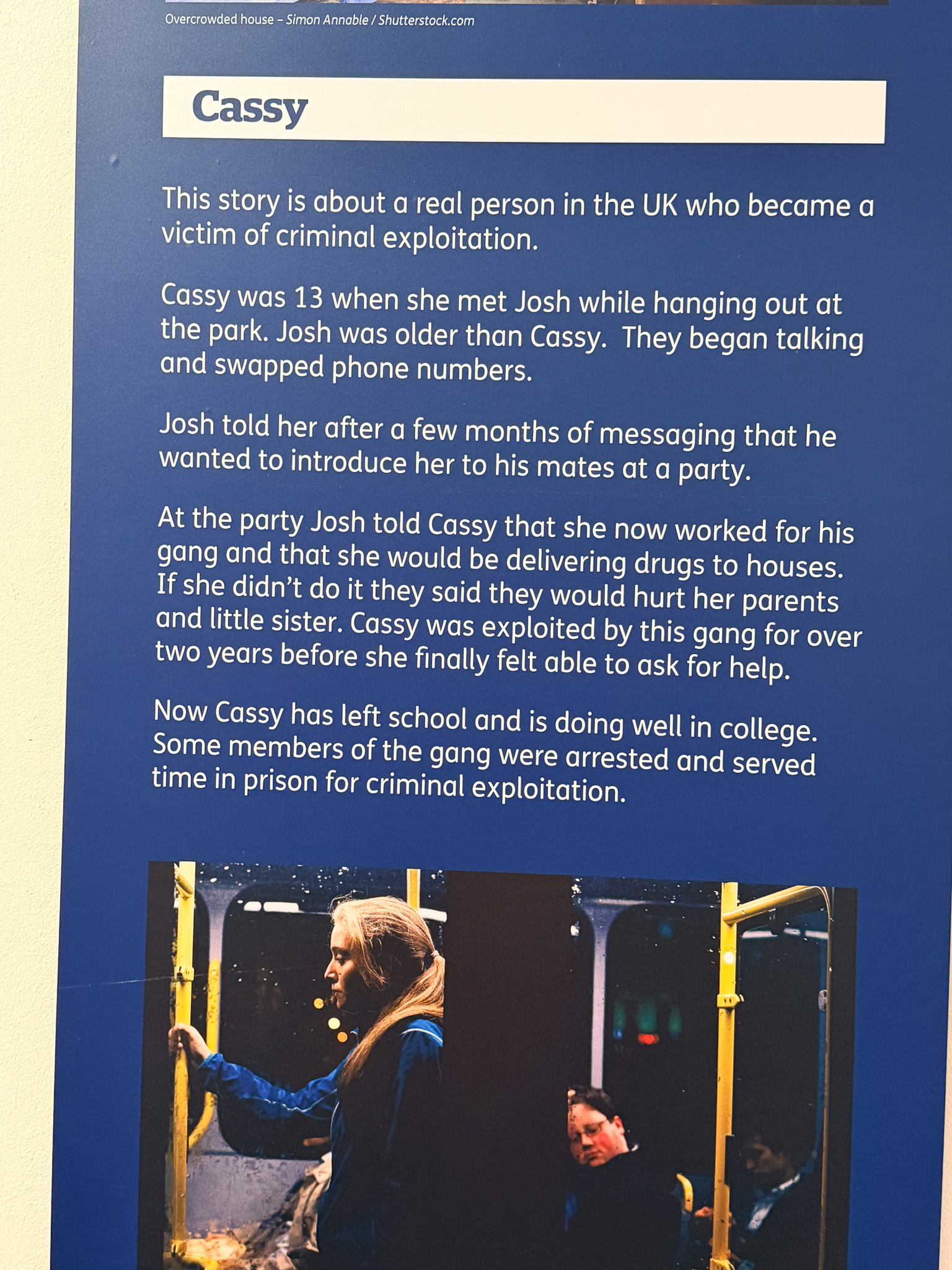
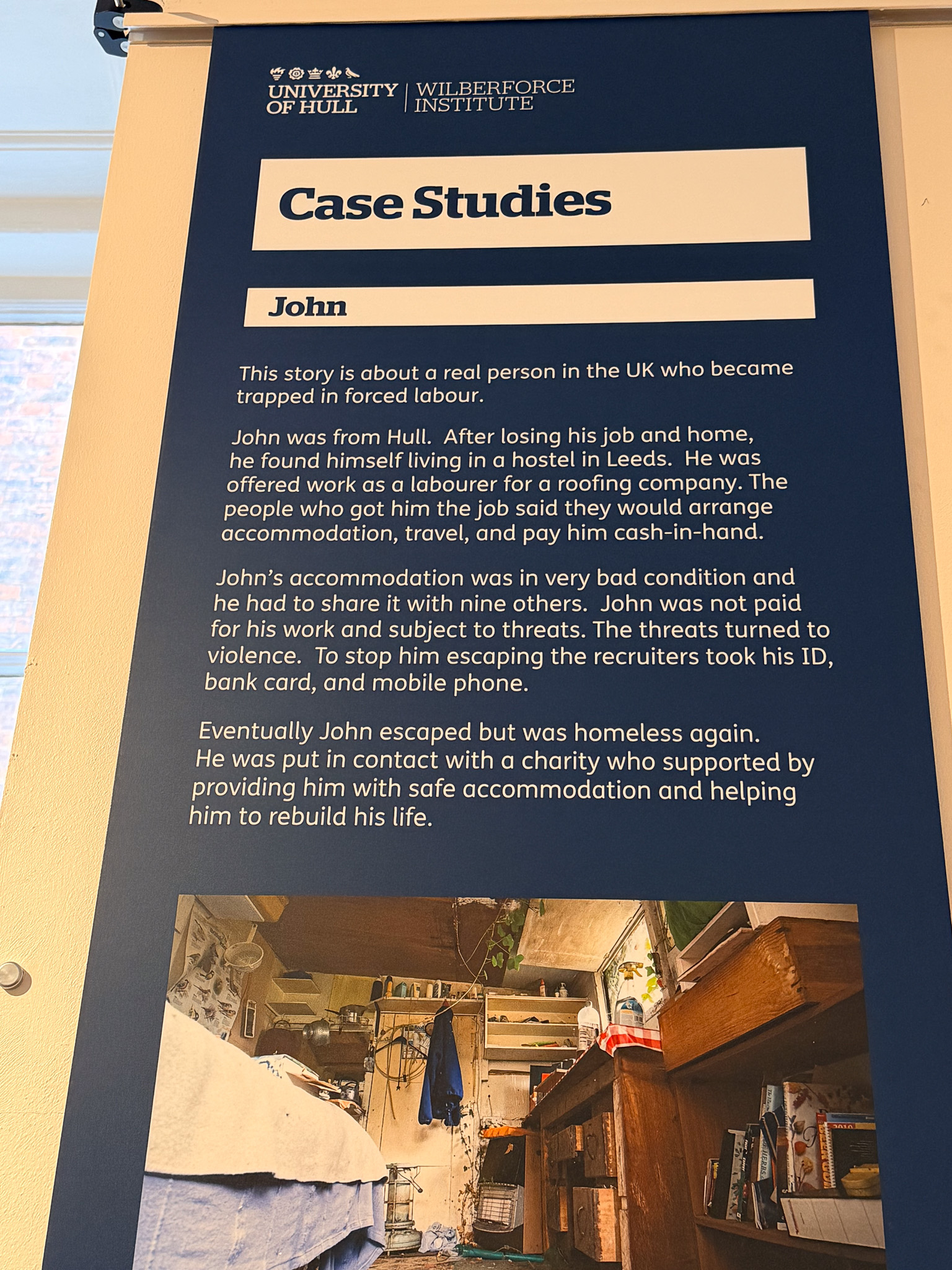
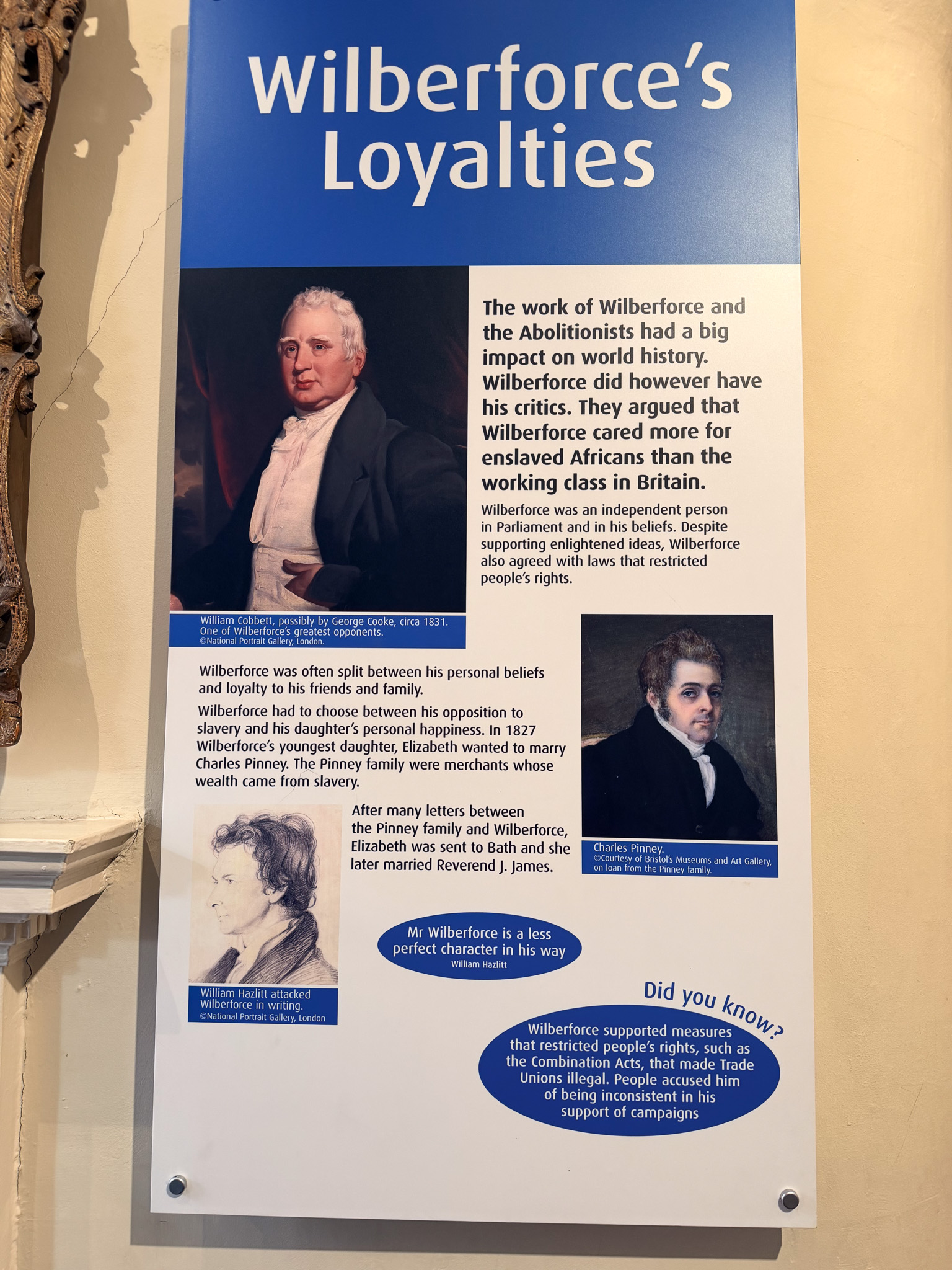
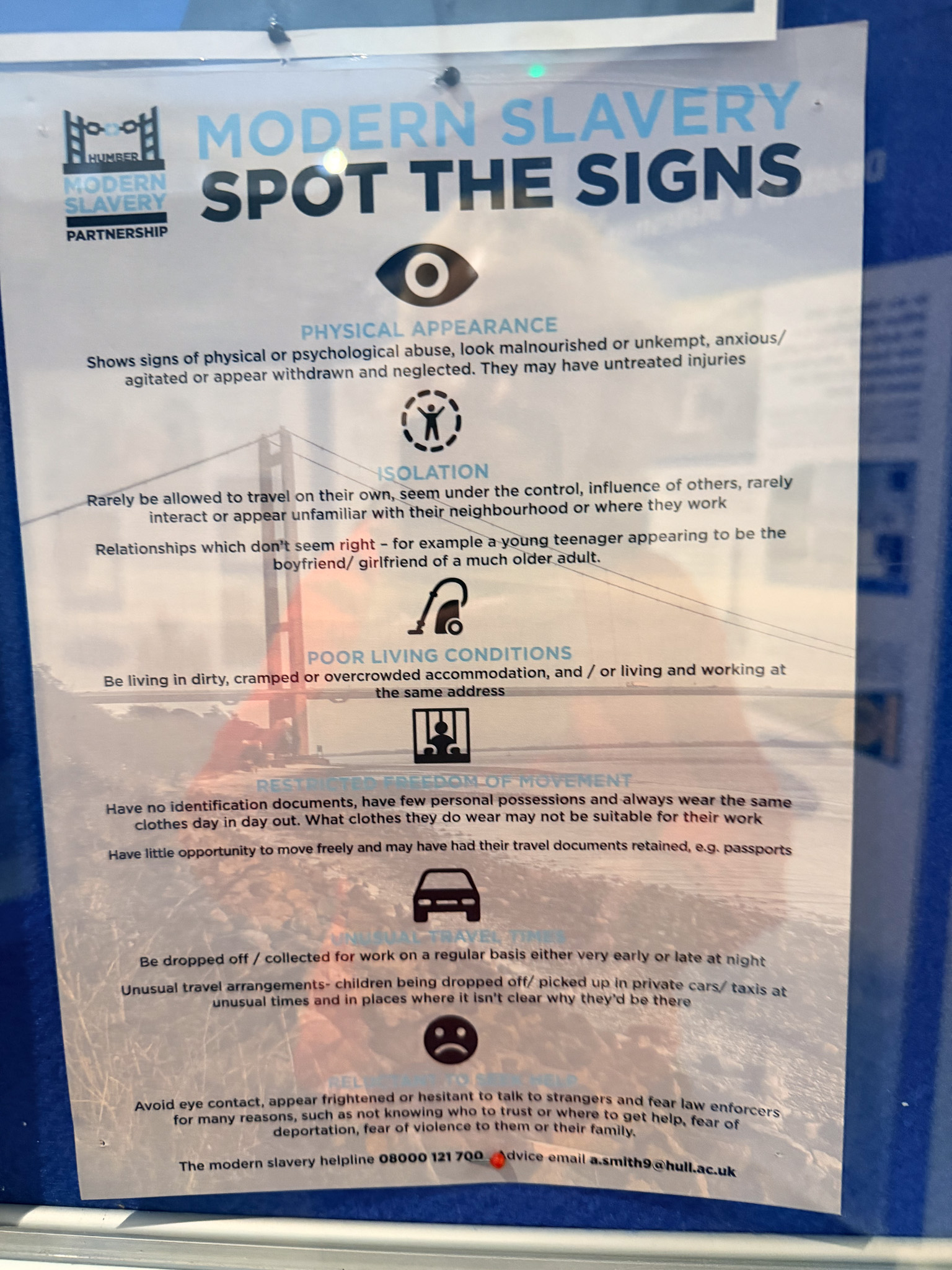
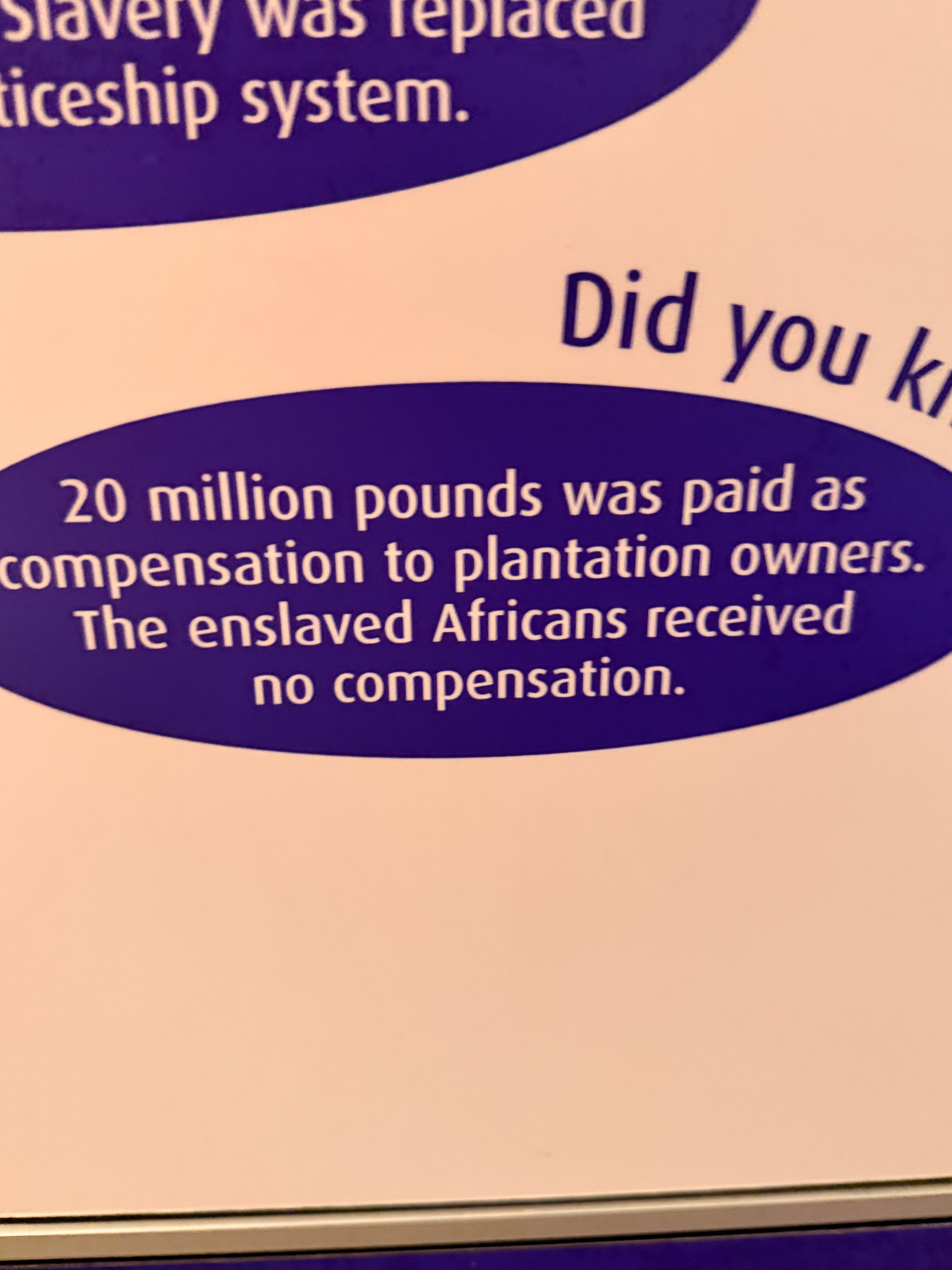
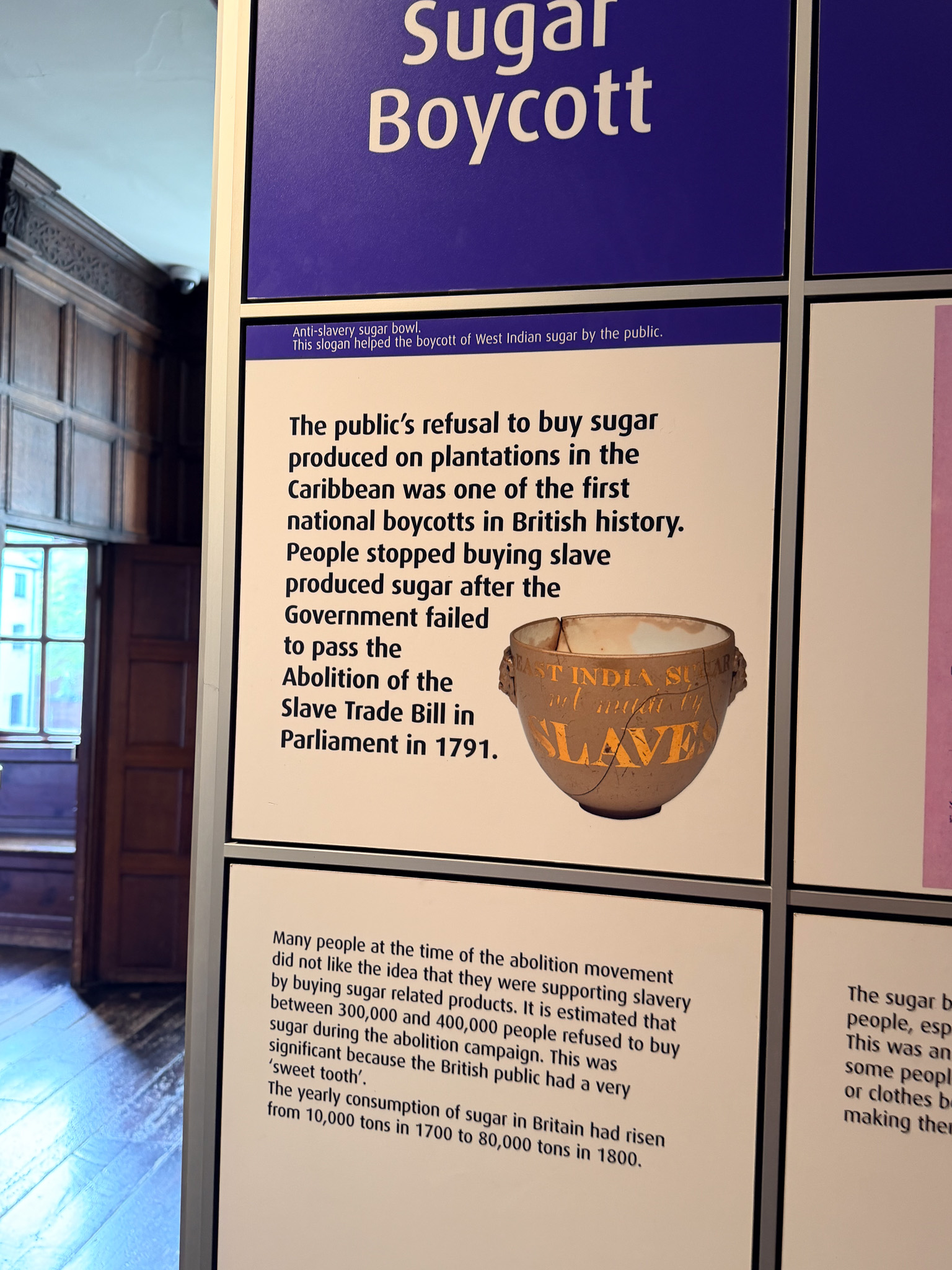
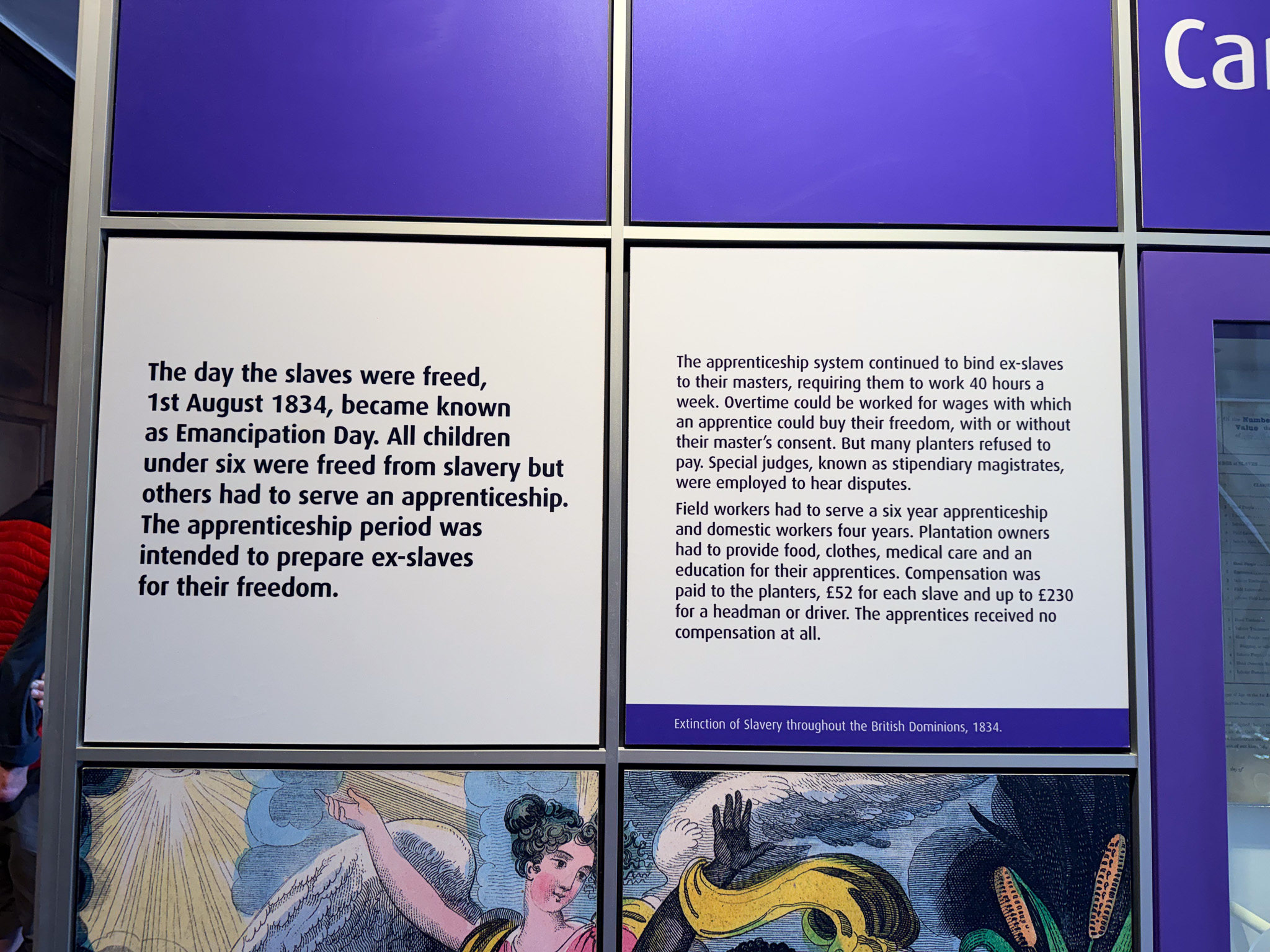
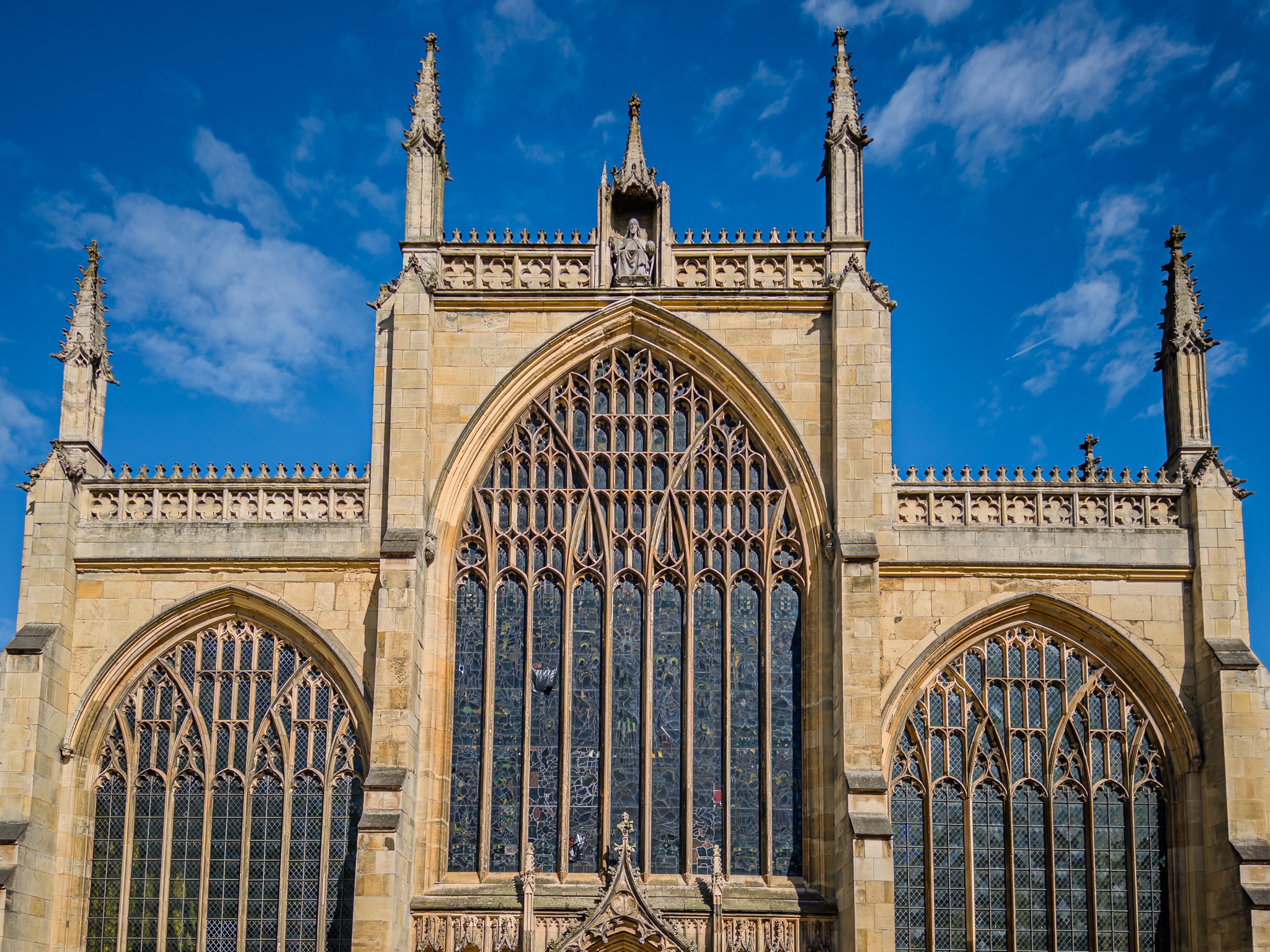
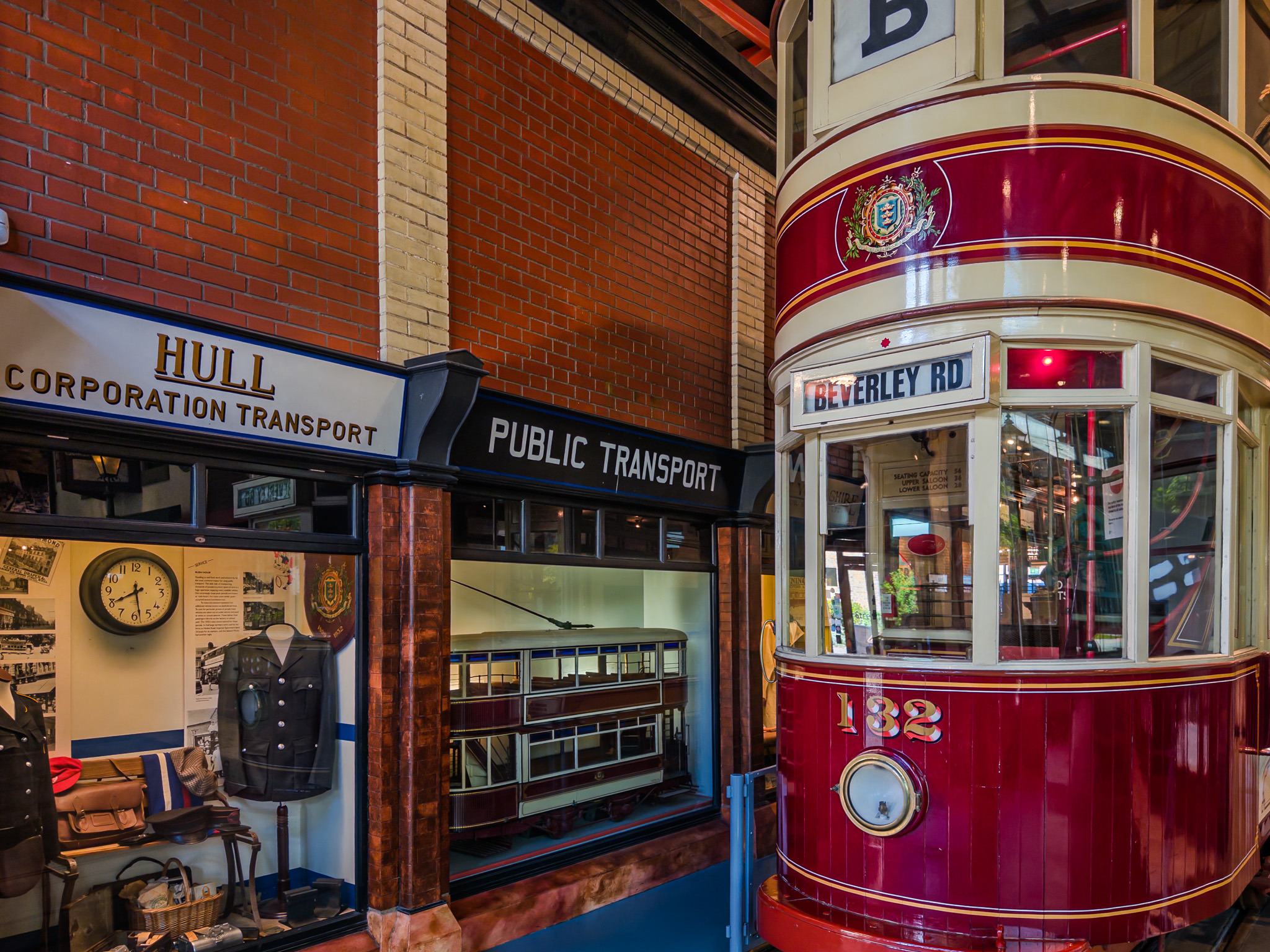
We pushed on to the Museum Quarter and immersed ourselves in the fantastic (1) “Hull & East Riding Museum” (focusing on archaeology, Roman settlements in the area and including some fantastic Roman mosaics), (2) the William Wilberforce Museum (about the history of the slave trade and abolitionists in the UK and the ongoing fight against modern day slavery), and (3) the Street Life museum (transportation – bikes, carriages, Romany trailers, cars). All three of these museums are within steps of one another, and we were delighted to find museums and collections of this calibre in Hull. Highly highly recommended.
We topped off our day with a Mothers’ Day dinner in the local Wetherspoons’ pub. Some British rugby team beat another British rugby team, a table of 8 women who’d apparently spent the afternoon drinking left, things got quiet, and we walked back to the hotel and went to bed!!
20 kilometres. This’ll be the lightest day of cycling for the trip.
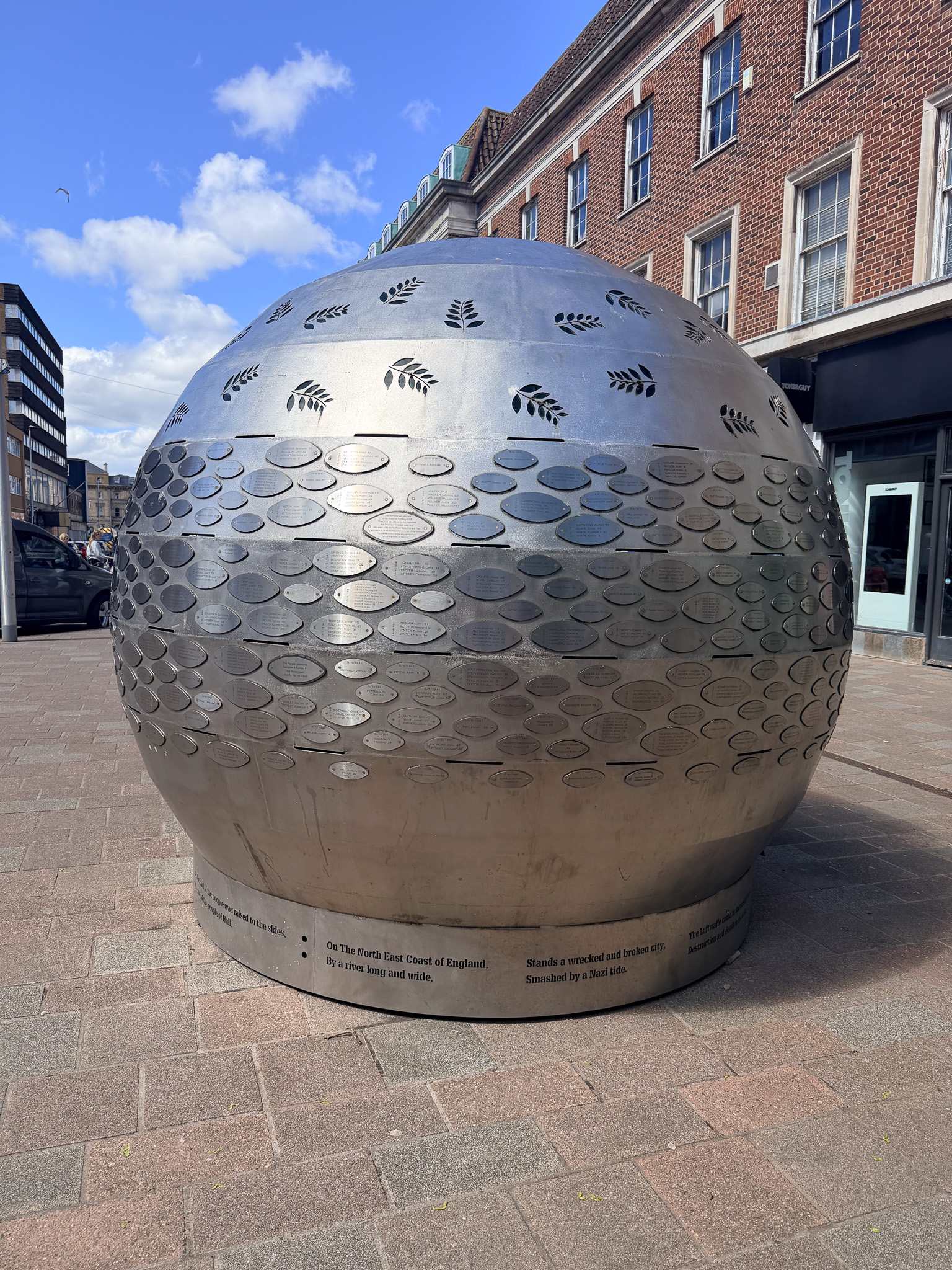
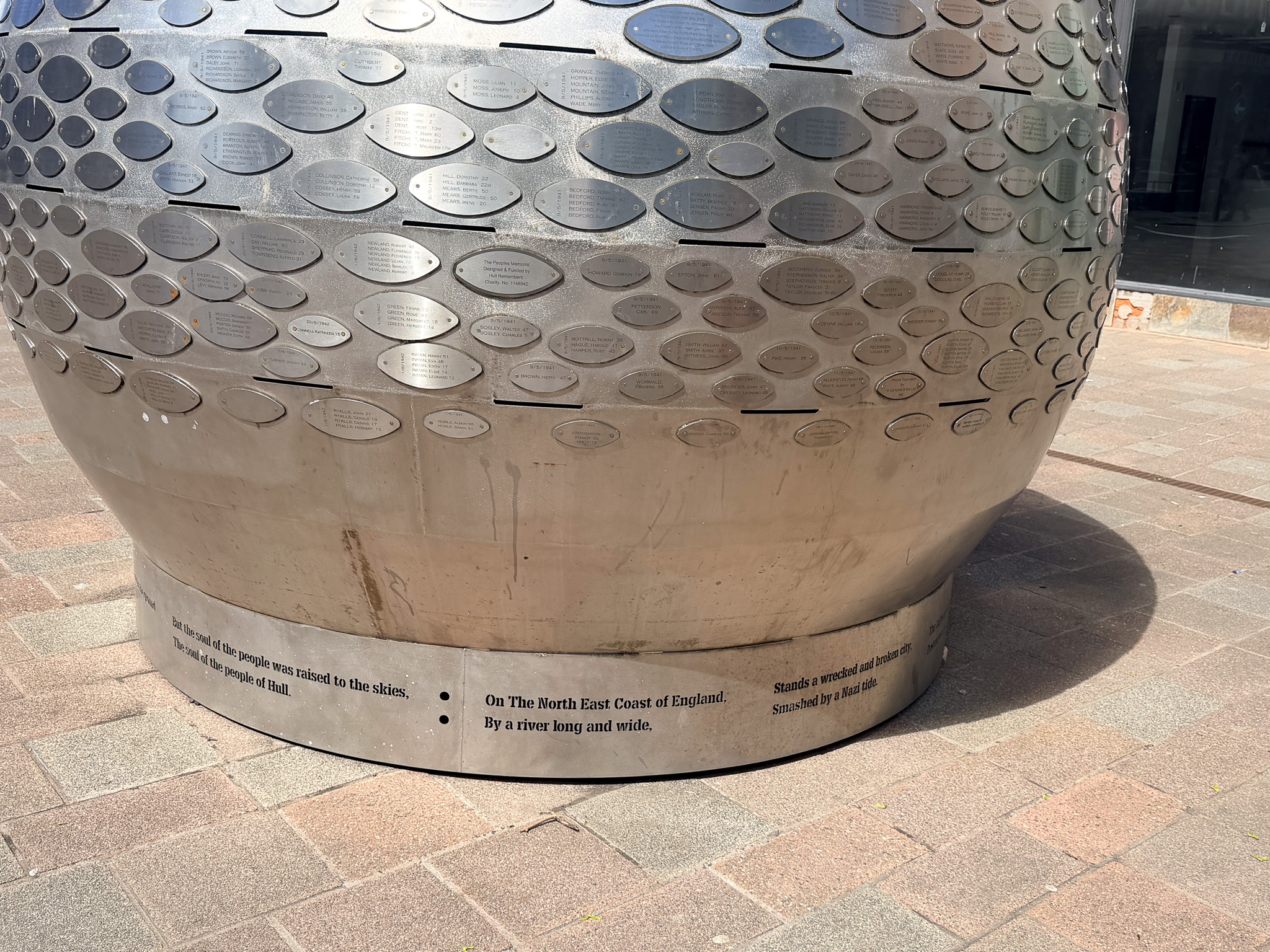
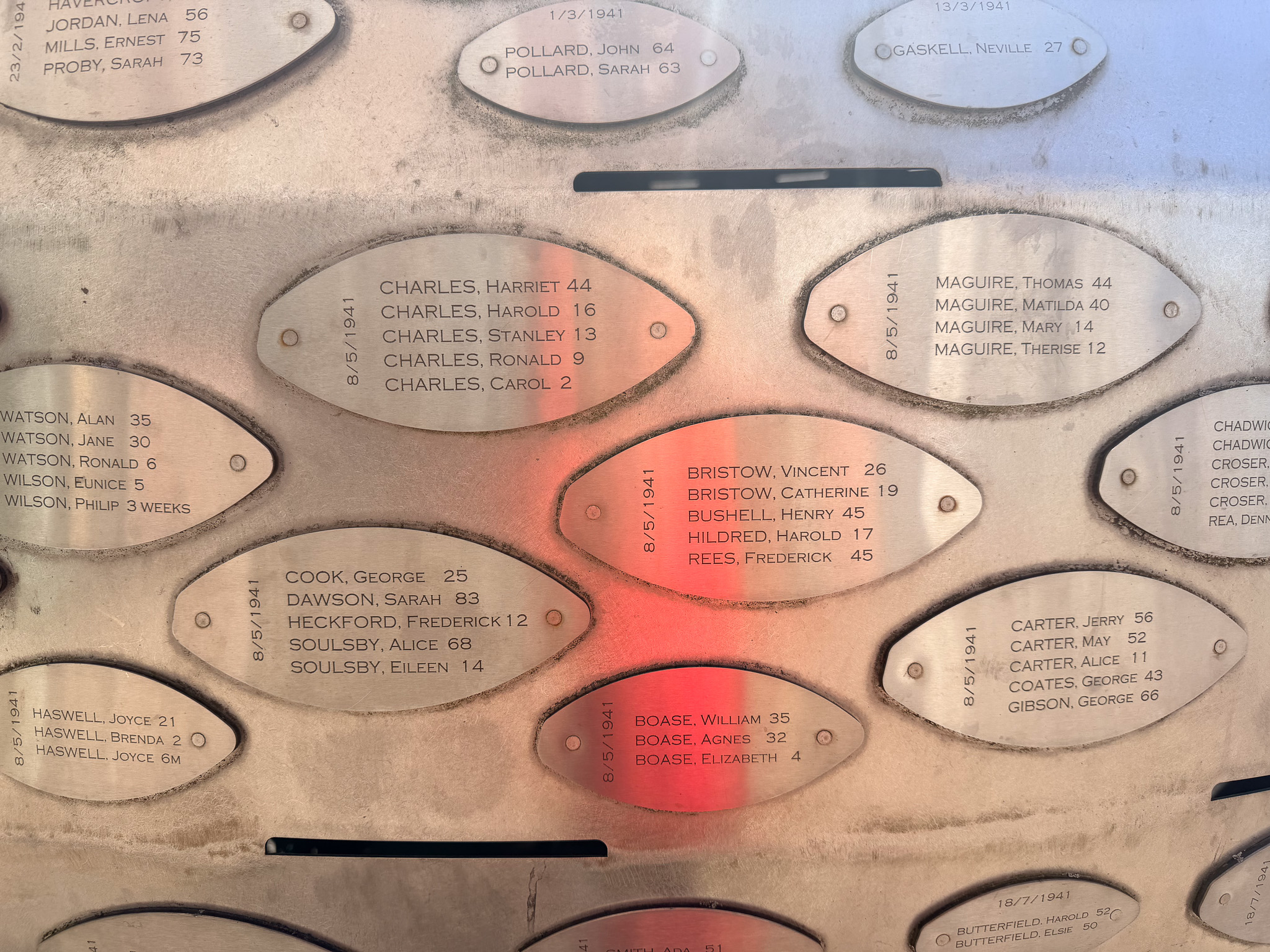
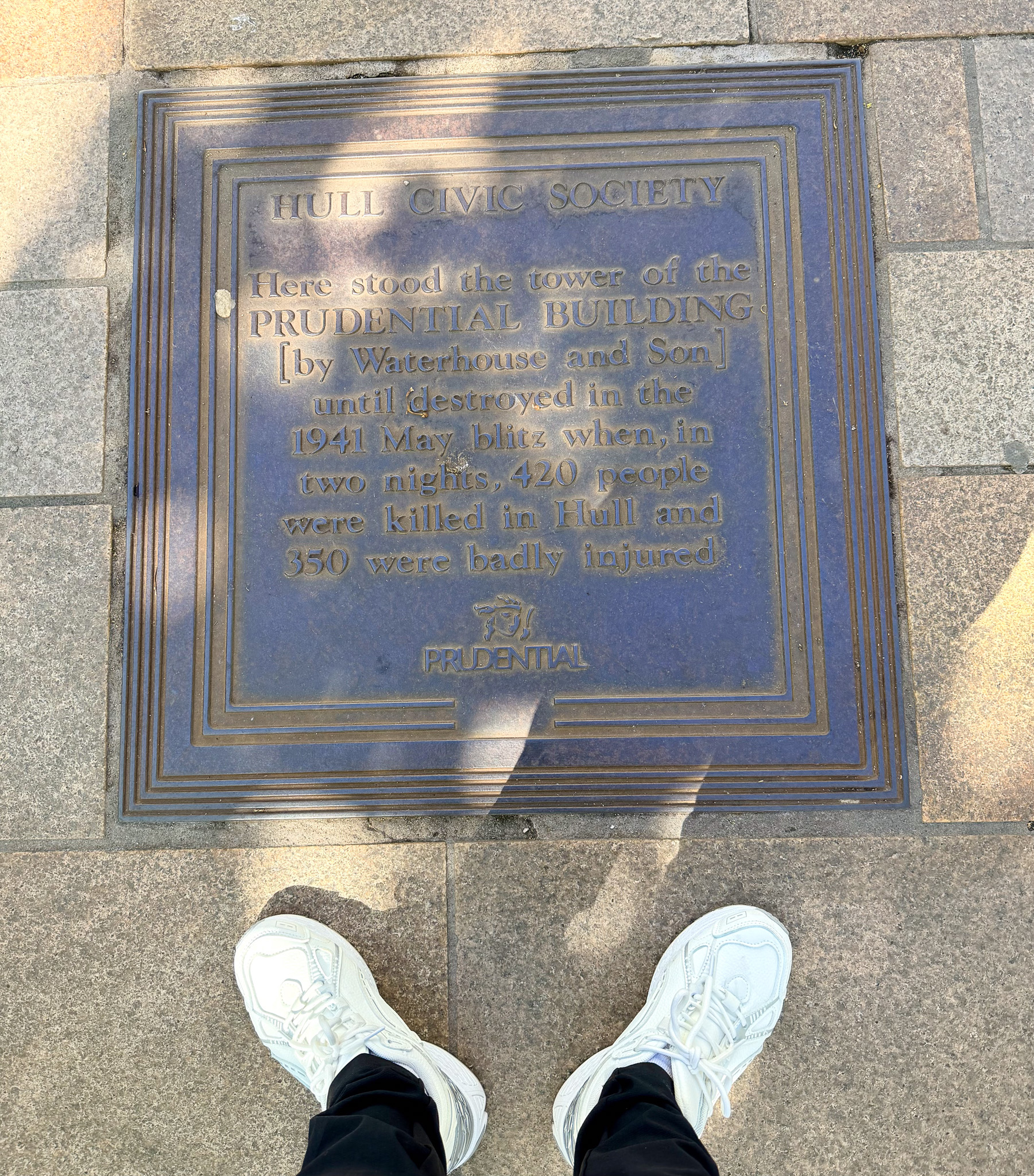
*Memorial Victims of the Hull Blitz
*The Hull Blitz, a bombing campaign by the German Luftwaffe during World War II, targeted the English port city of Kingston upon Hull. The campaign resulted in over 200 deaths and significant damage to the city. The Hull People’s Memorial, unveiled on May 12, 2018, includes all known names of those who were killed within the city during both World Wars. The memorial is an eight-foot silver globe, decorated with torn leaves, representing the lives of those listed. The names are arranged chronologically, with some dates represented by more than one leaf due to the high number of people killed during raids. The memorial also has empty leaves around the top to represent those who were never identified or whose remains were discovered.
WOW!
0
0
Hey, when you’re out with the unwashed you take what you get, within reason (heavy breather)😂. Cathedral beautiful The Britons were so ostentatious! Distribution of wealth! Much like our generation USA. I love how. The folks remember those were bombed during WW2. That globe is great. Hopefully forever. Whatever that is. Interesting commentary on slave trade. Battery low. TIL next time🩷
0
0