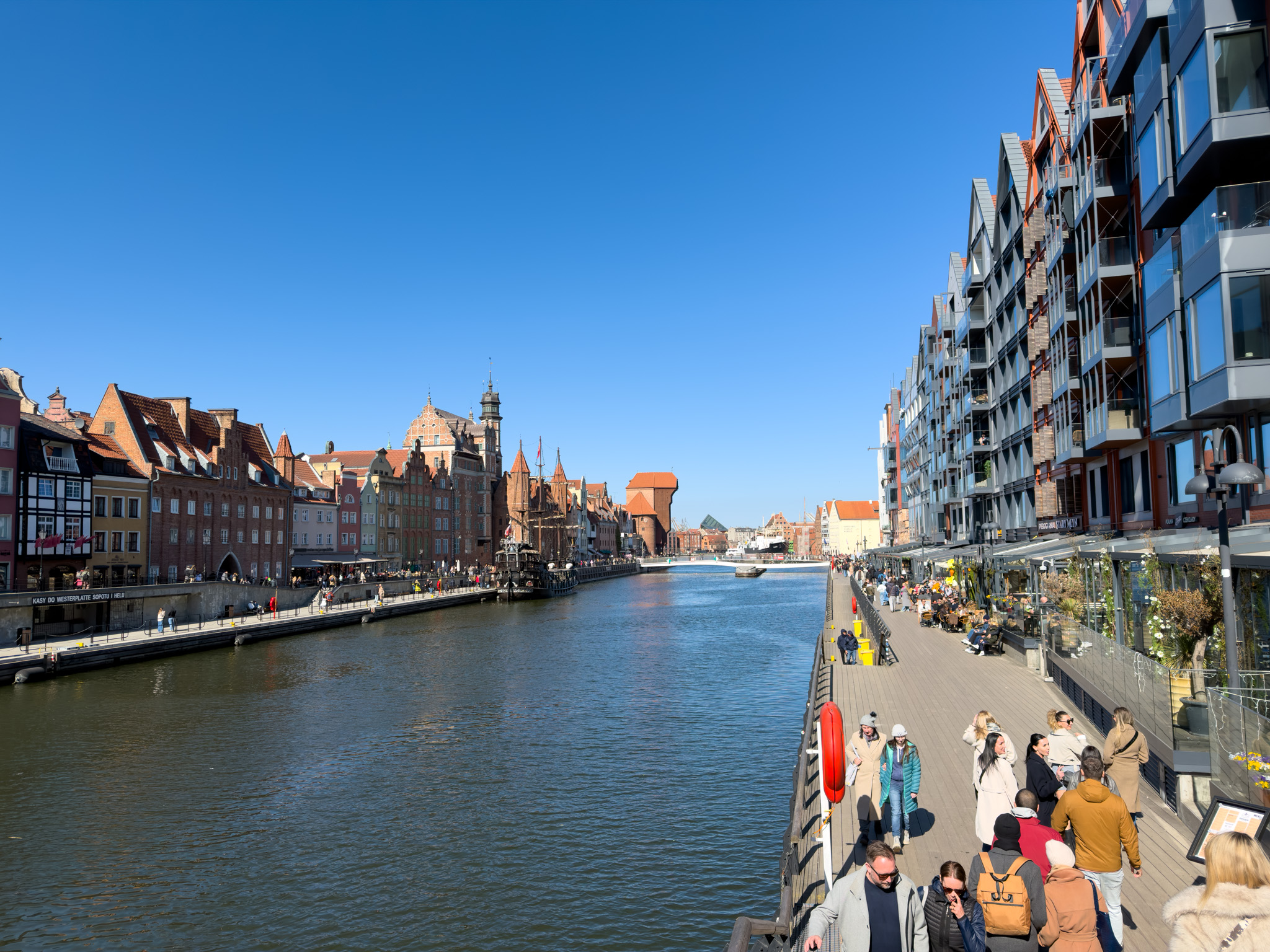
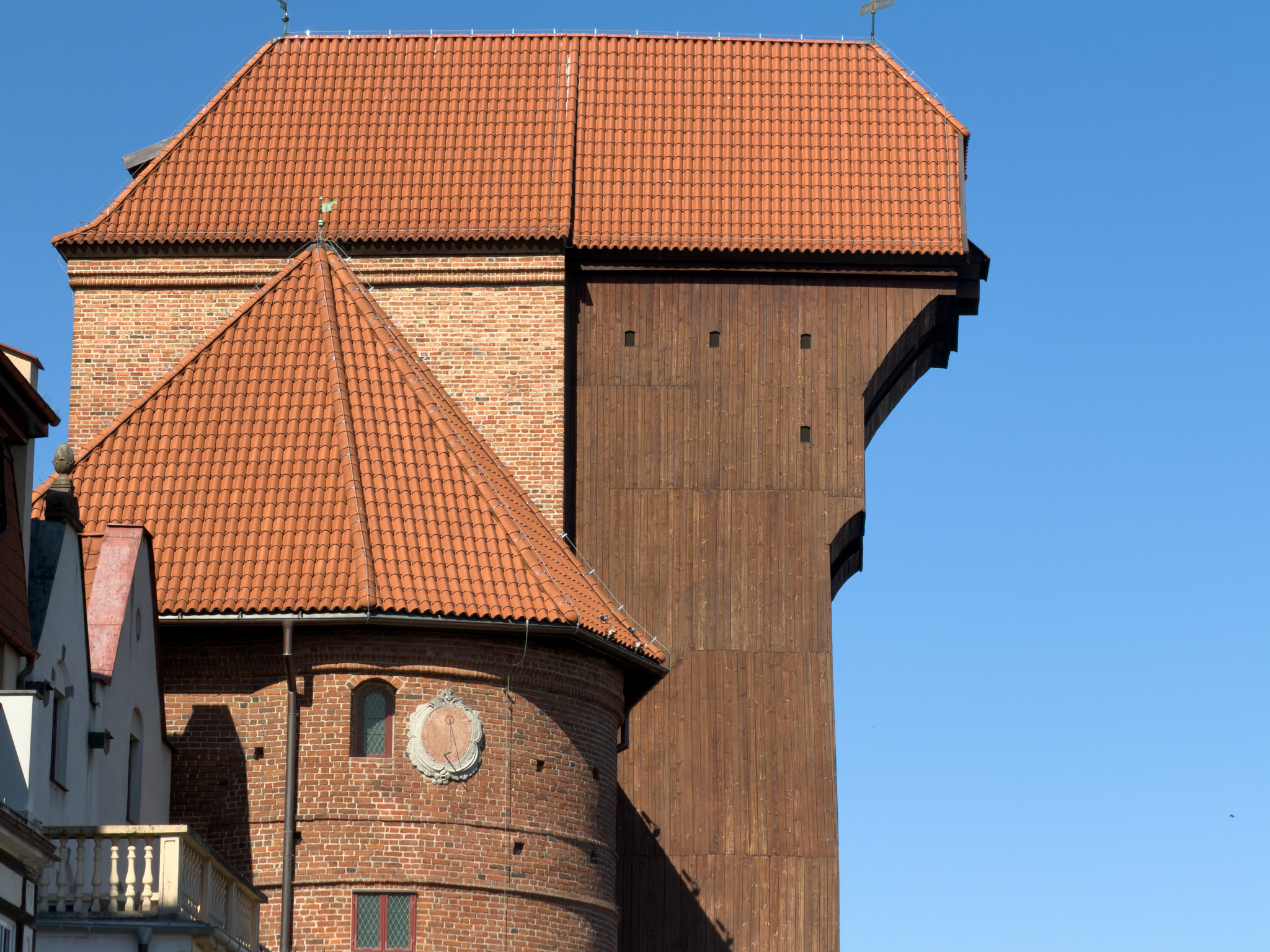
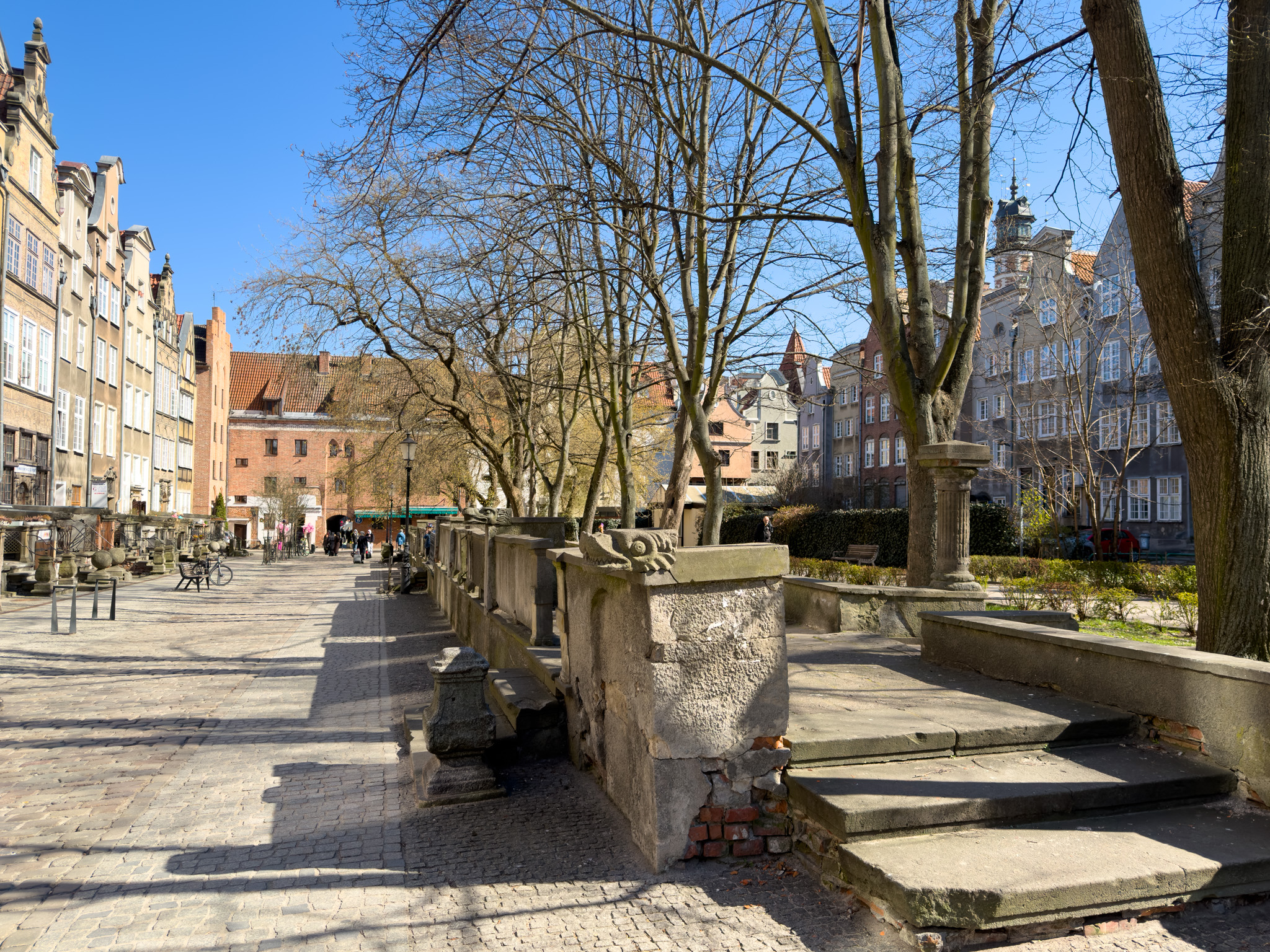
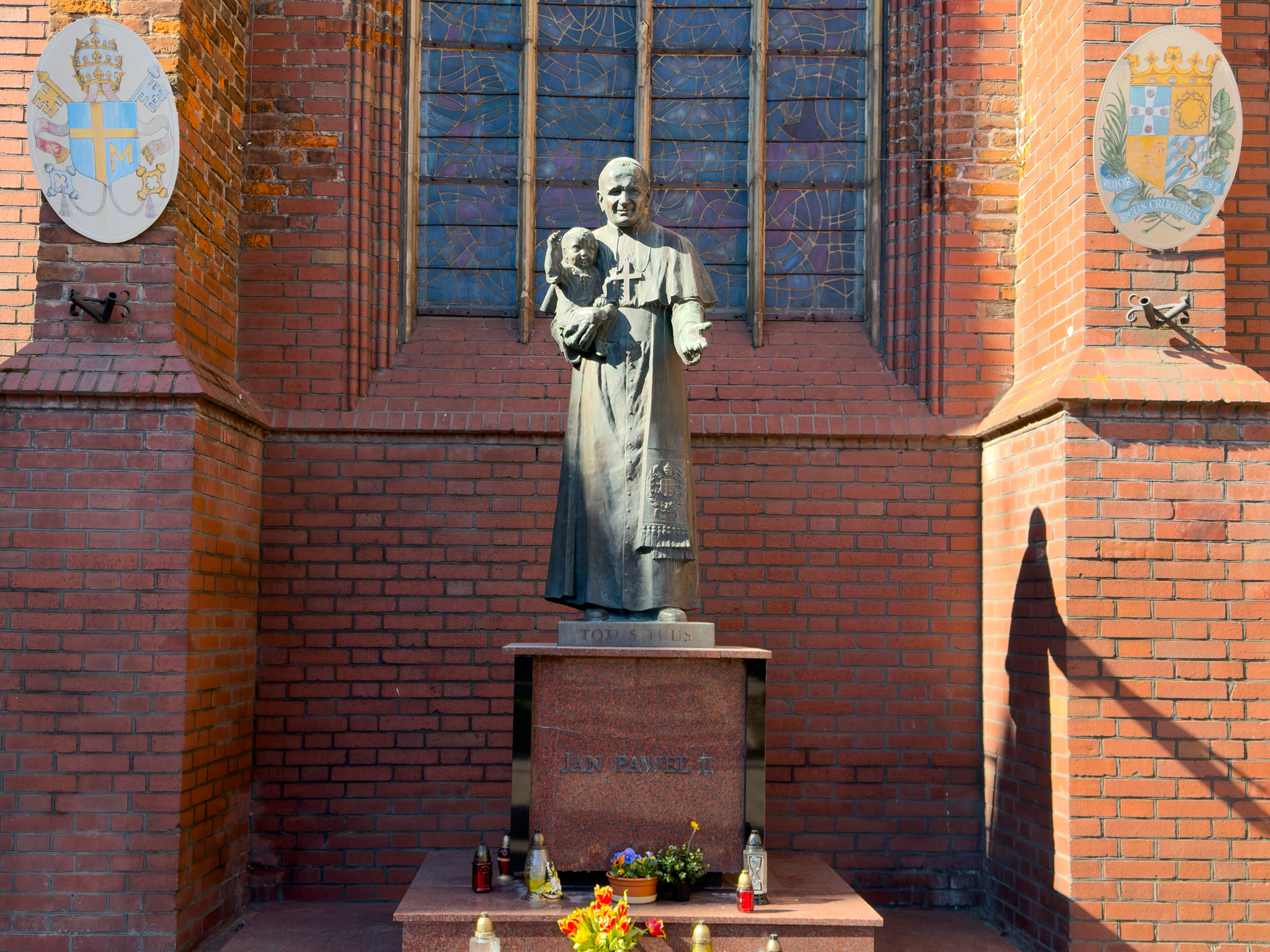
Our tour guide Sebastian gave the three of us a fantastic tour and history lesson. We knew nothing about Gdansk, except for the images of Lech Wałęsa from the 1980s.
Sebastian picked us up from the ferry docks at noon and immediately we were taught about Gdansk’s second world war history.
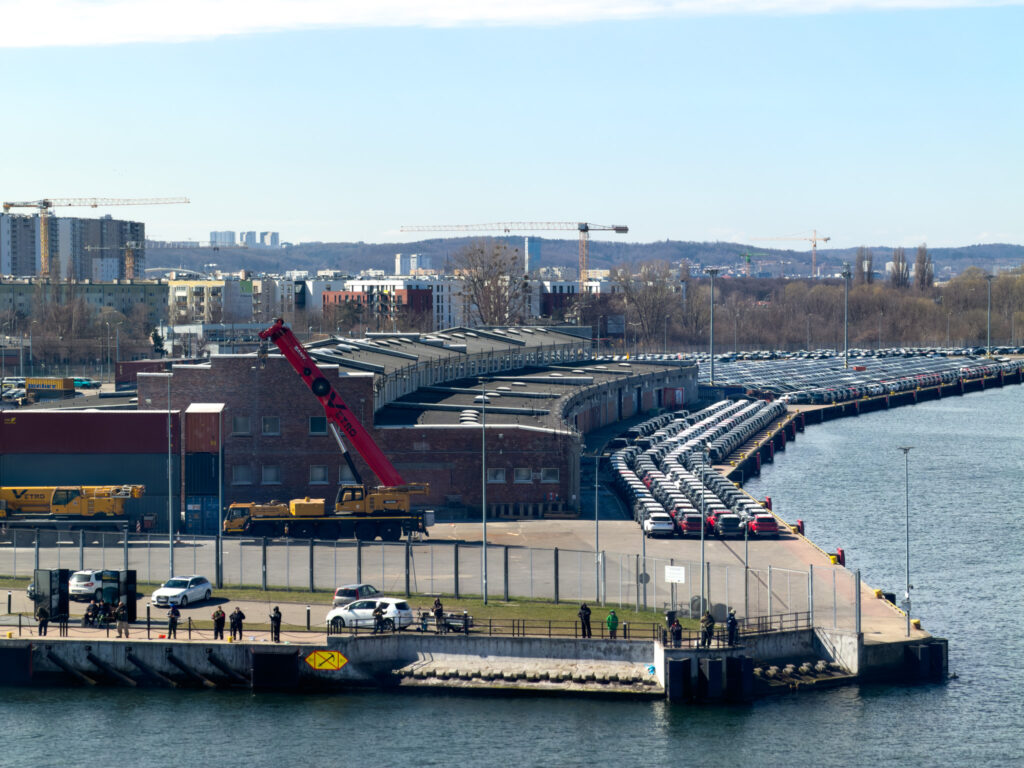
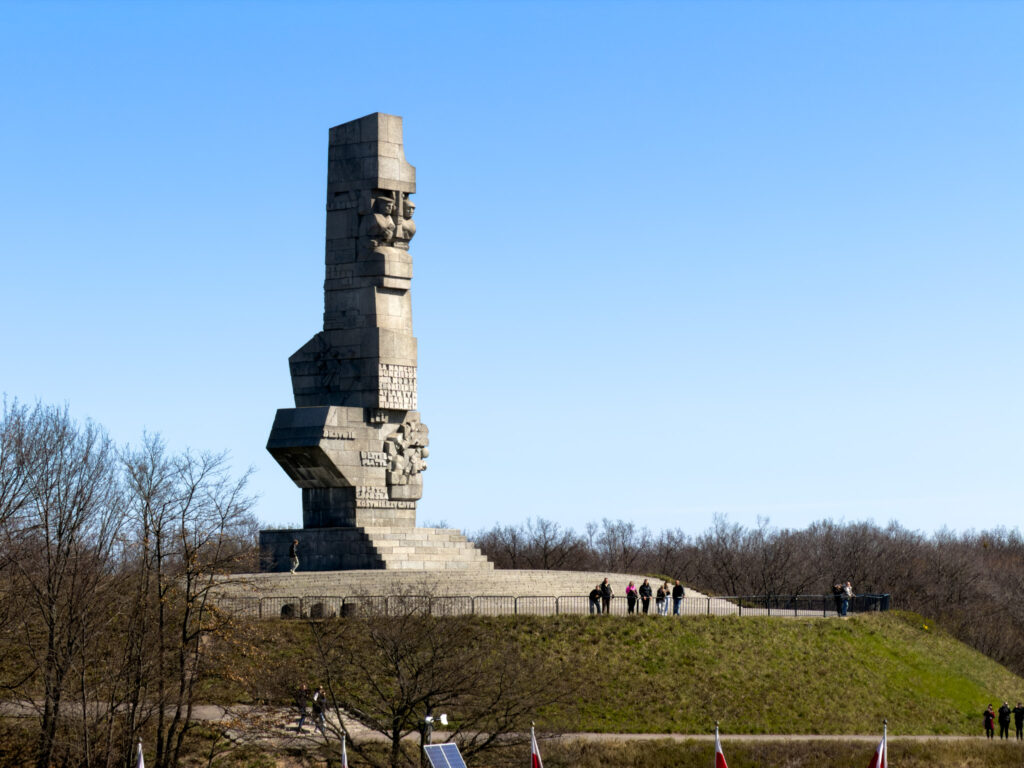
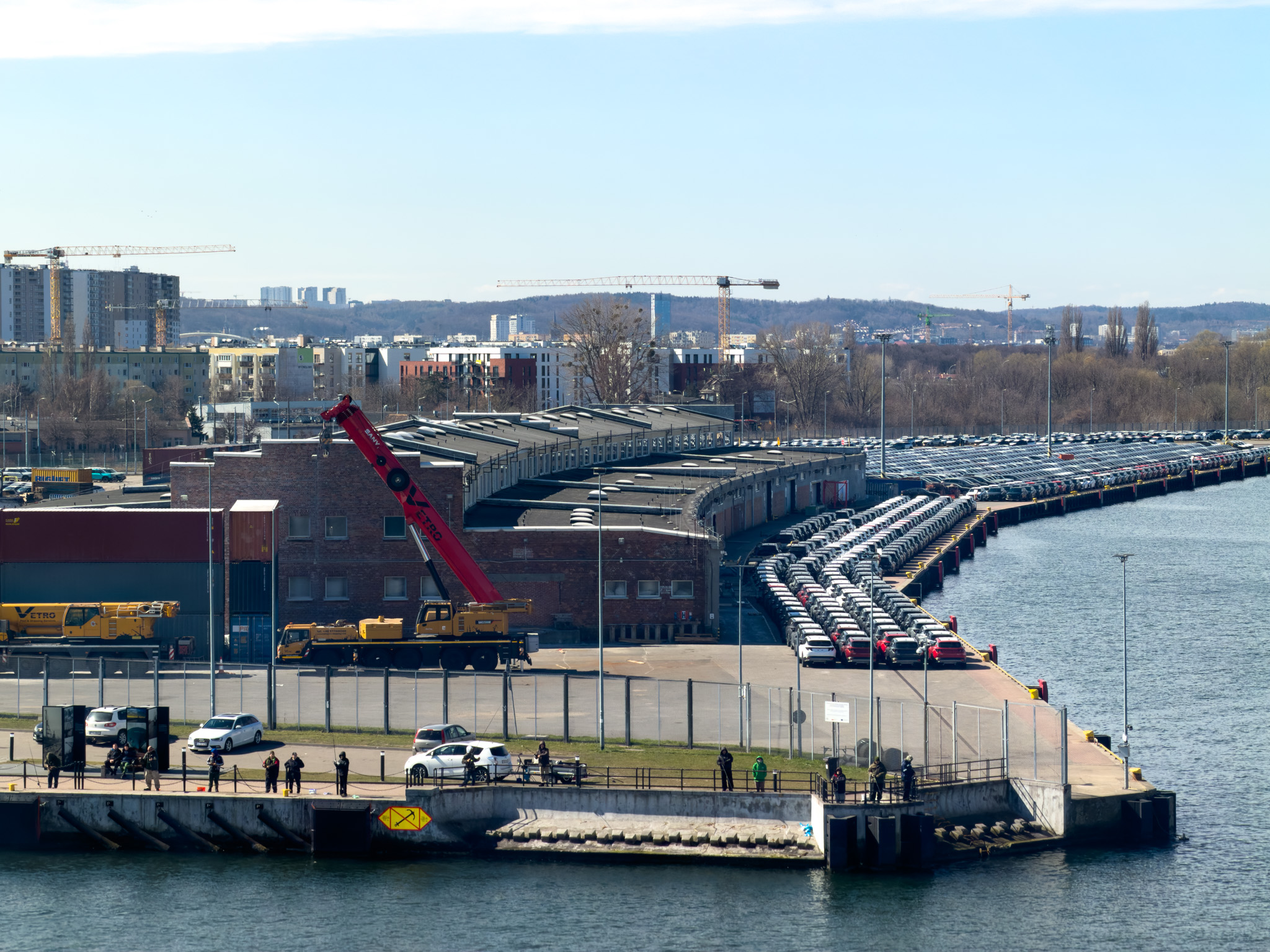
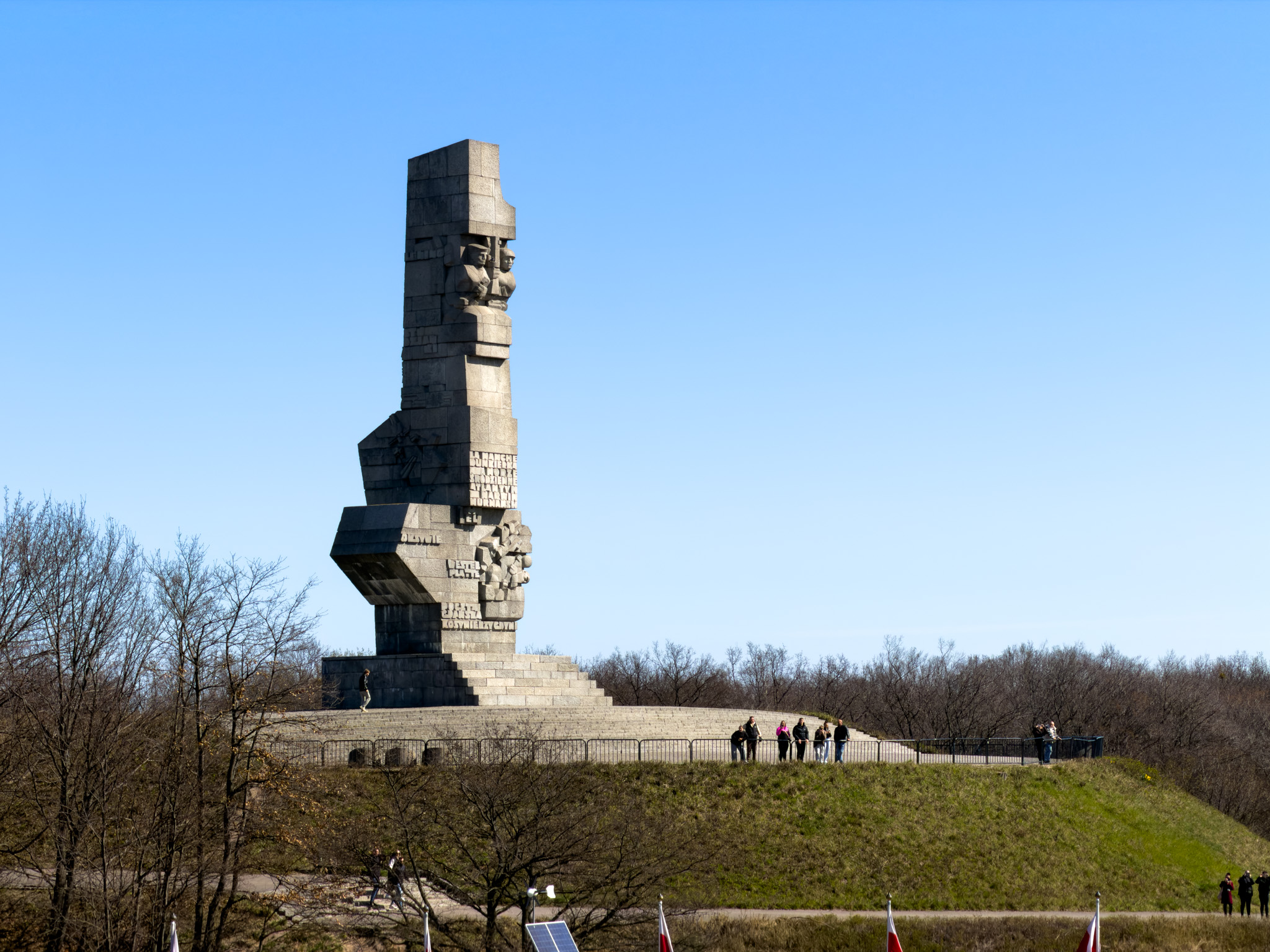
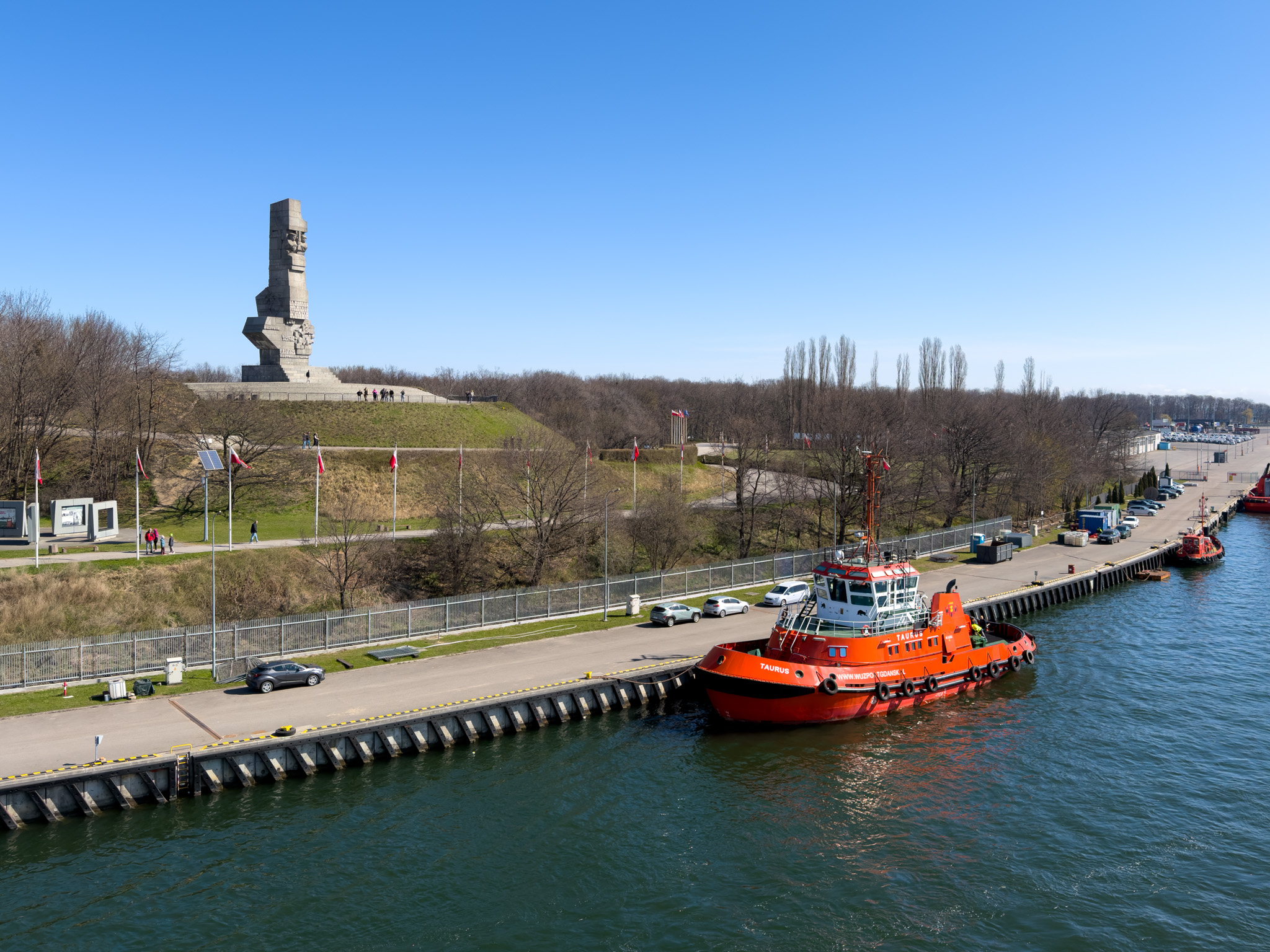
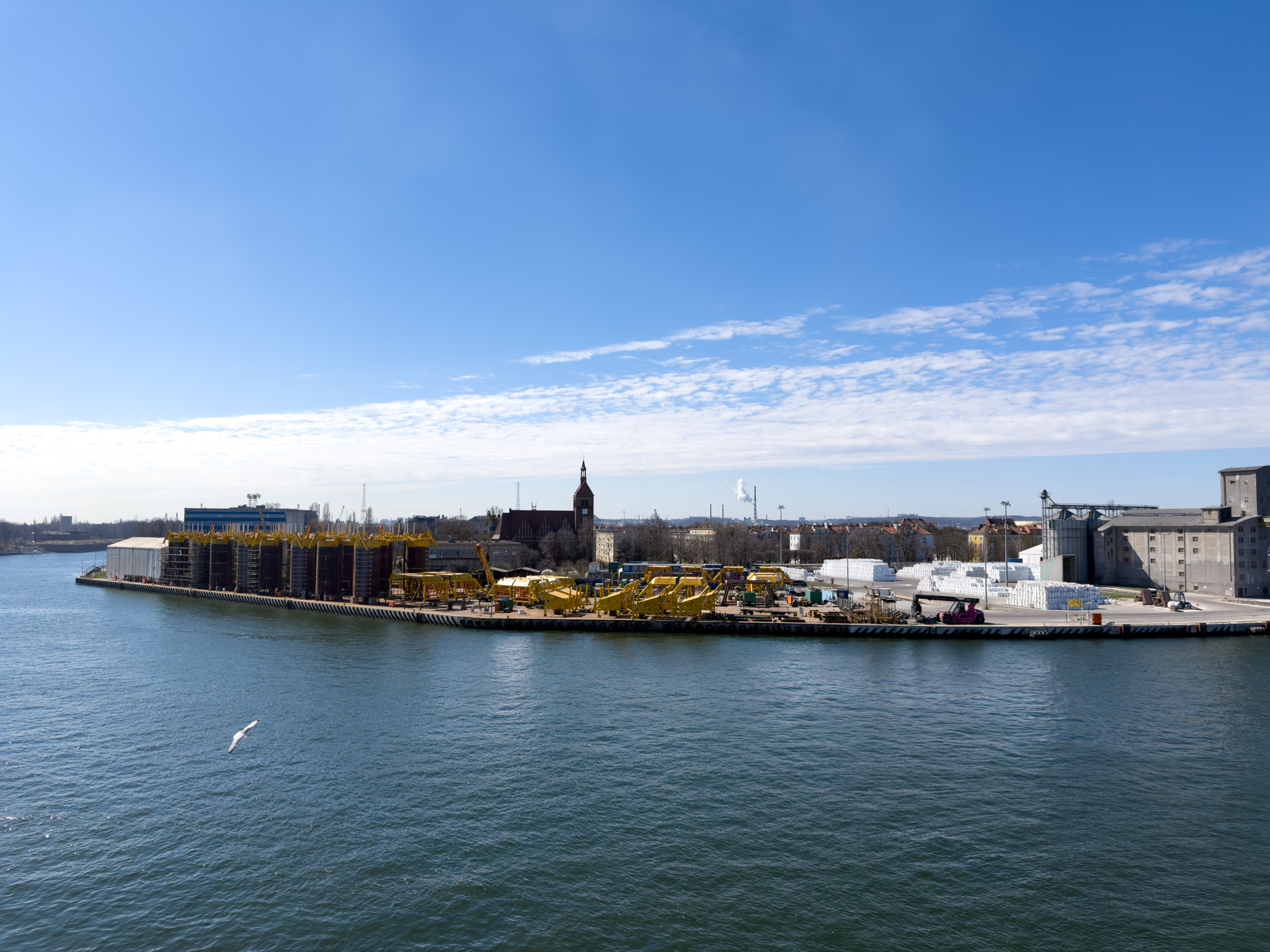
WWII began here. Control of Gdansk, known as Danzig in Germany, has oscillated between Poland and Germany for Centuries. Hitler knew that control of a small peninsula beside the present day ferry docks would seal off the harbour and make for quick control of the city. He tested ‘Blitzkreig’, of fast attack, and it proved very effective. The Polish Army housed on the peninsula, knew the Germans were coming, had set up good defences. They held off and killed many German attackers before finally succumbing.
The Polish government pled for help from Great Britain and France, but no help came. Britain declared war on Germany two days later.
Gdansk was liberated by the Soviet Red Army in 1944, but during the process the city was completely destroyed. Nothing was left except the brick shells of buildings. The Soviets considered leaving the city as it was, as a reminder of the results of war. All of the citizens had left.
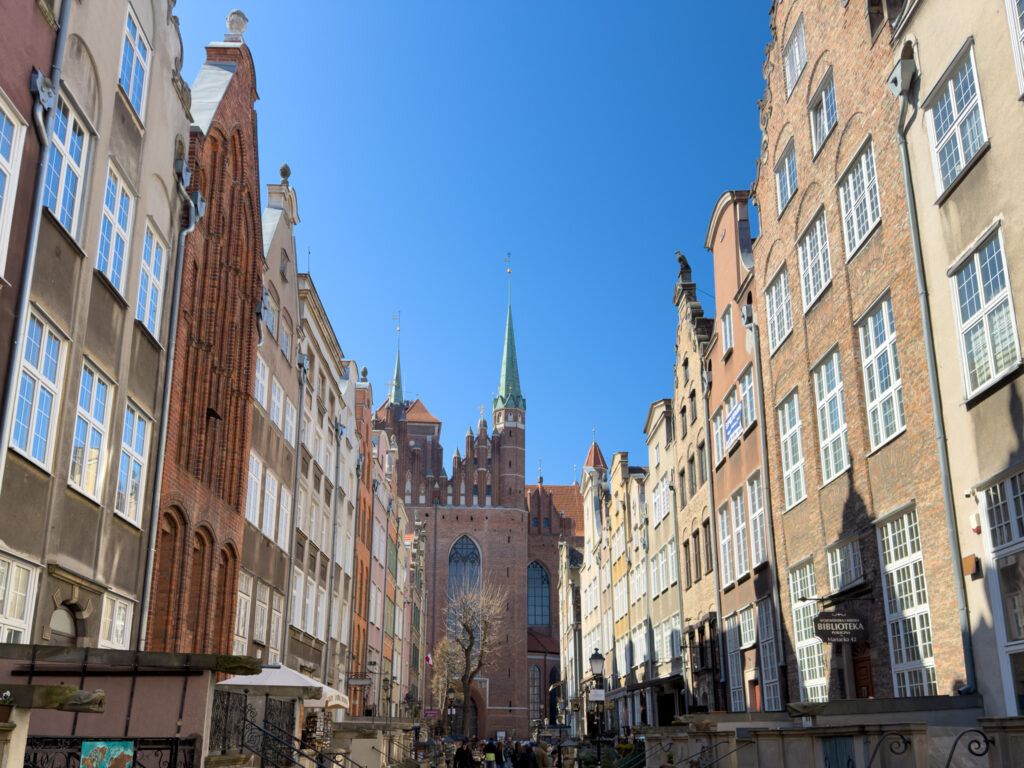
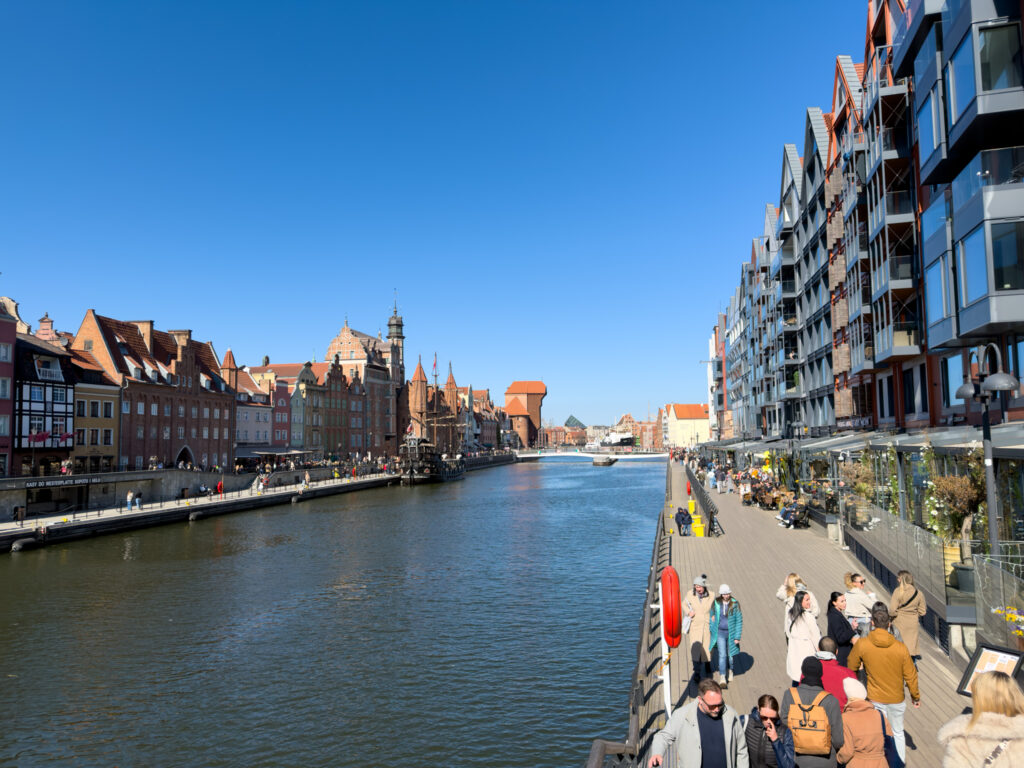
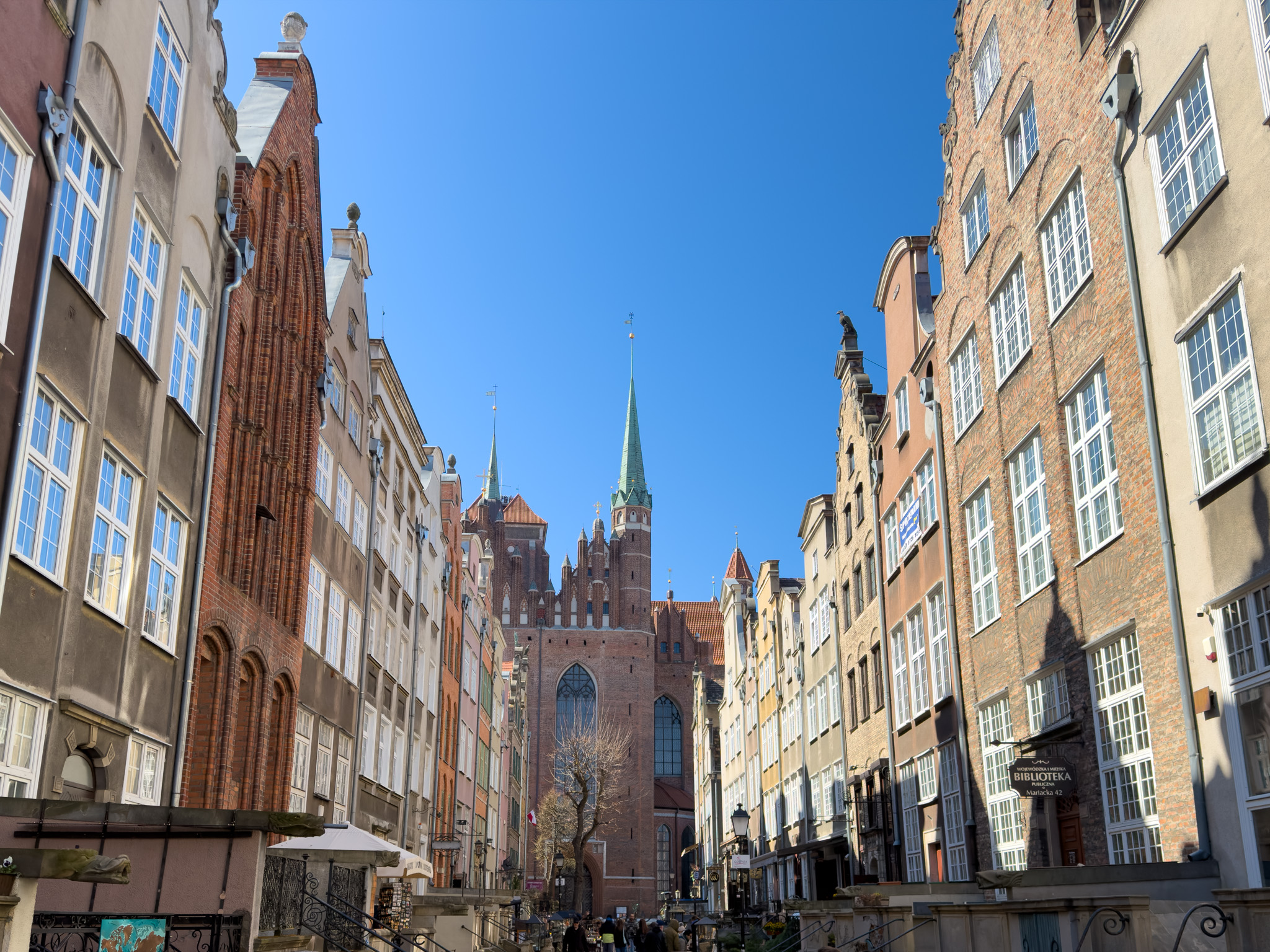
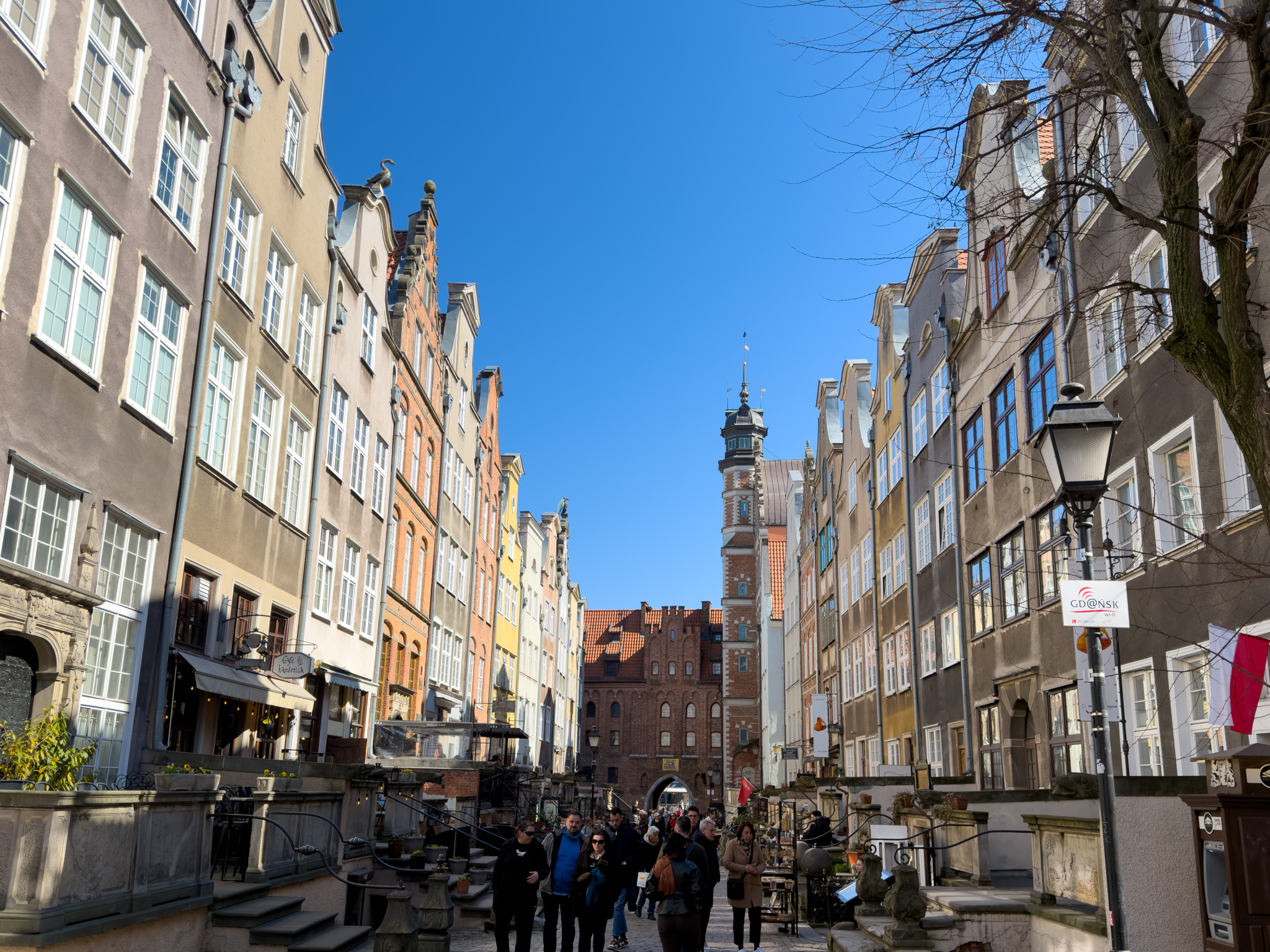
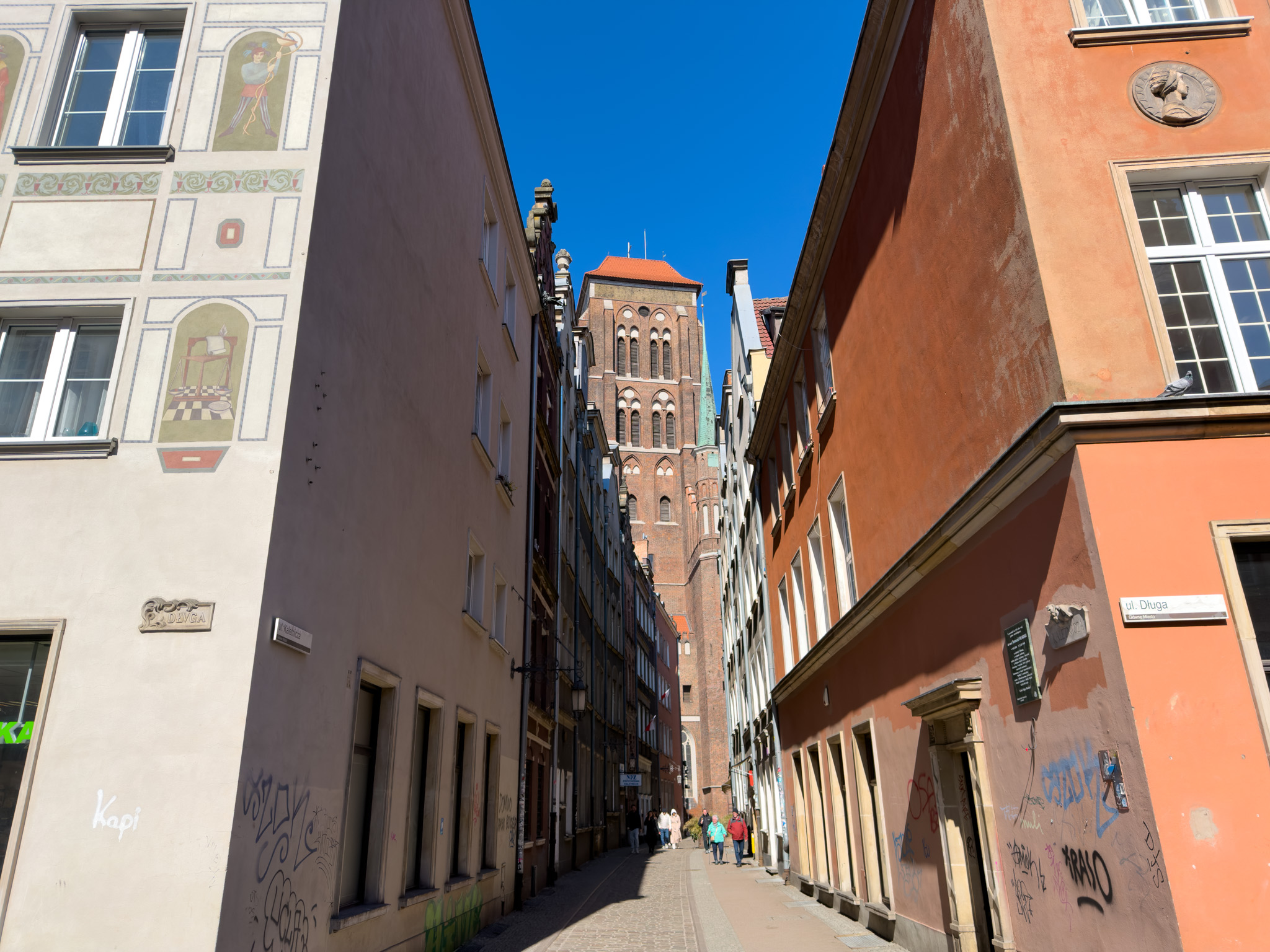
The city was rebuilt, though, and was populated by a new set of people. Old photographs were used to accurately reproduce the steetscapes.
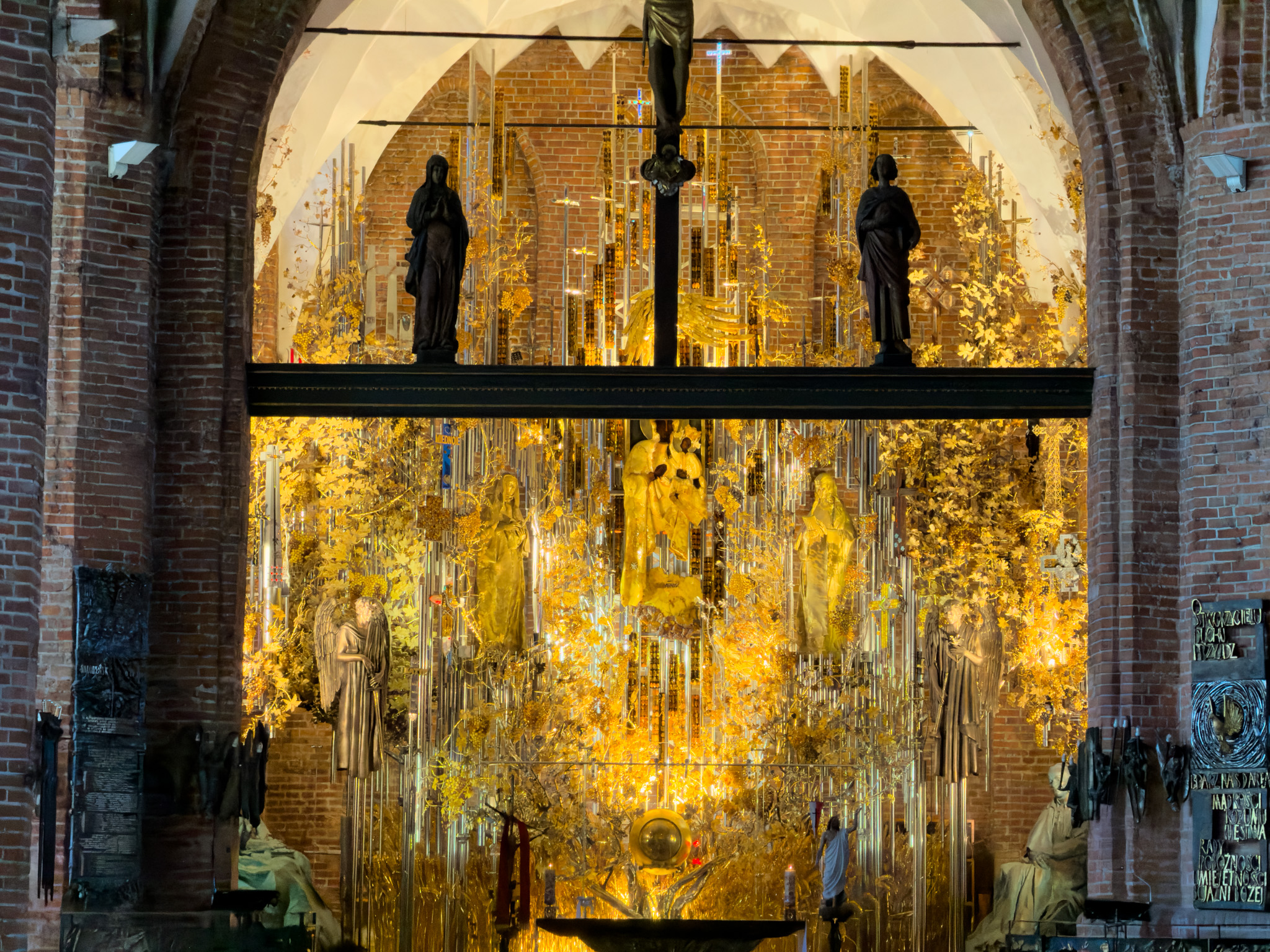
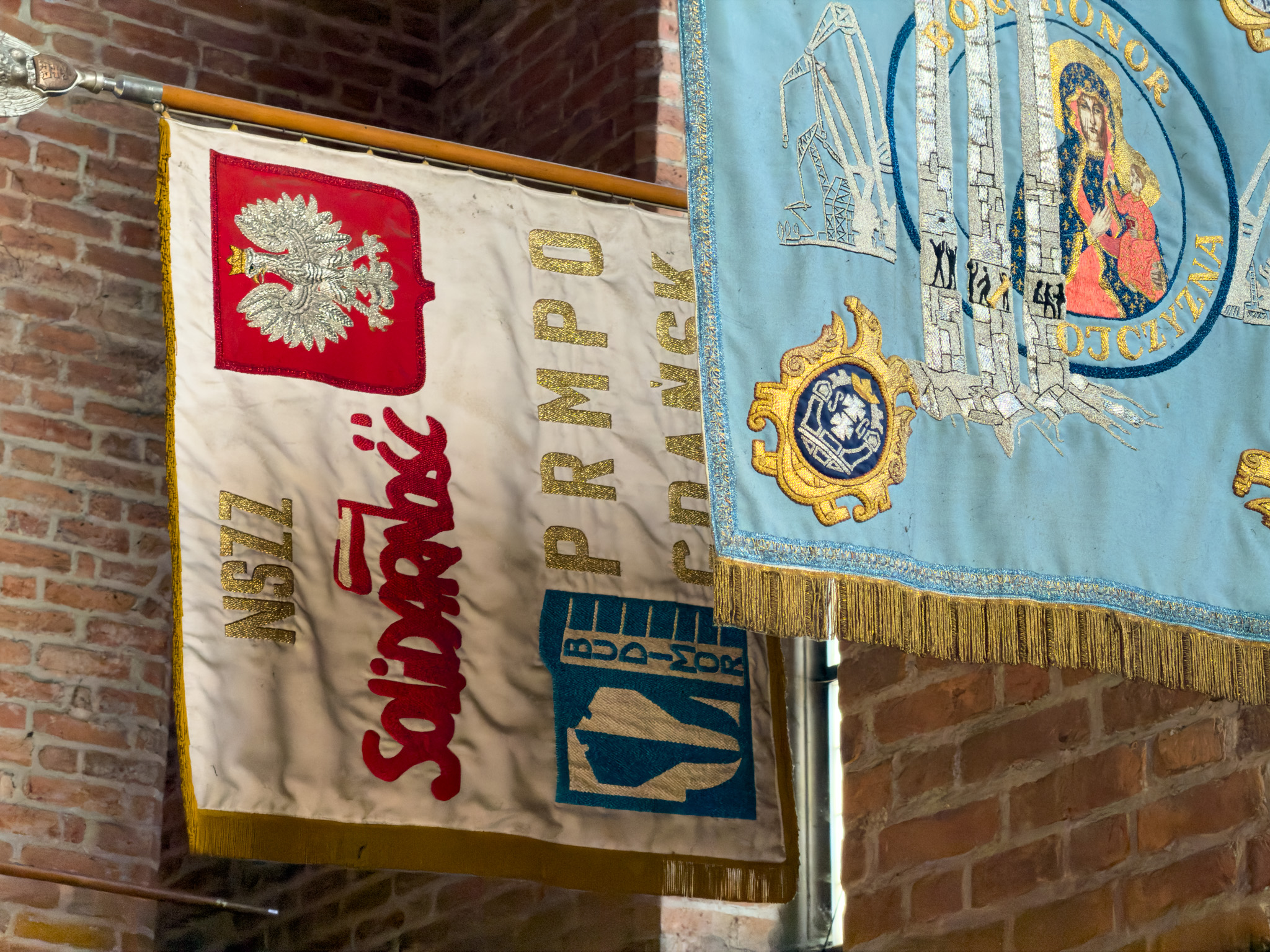
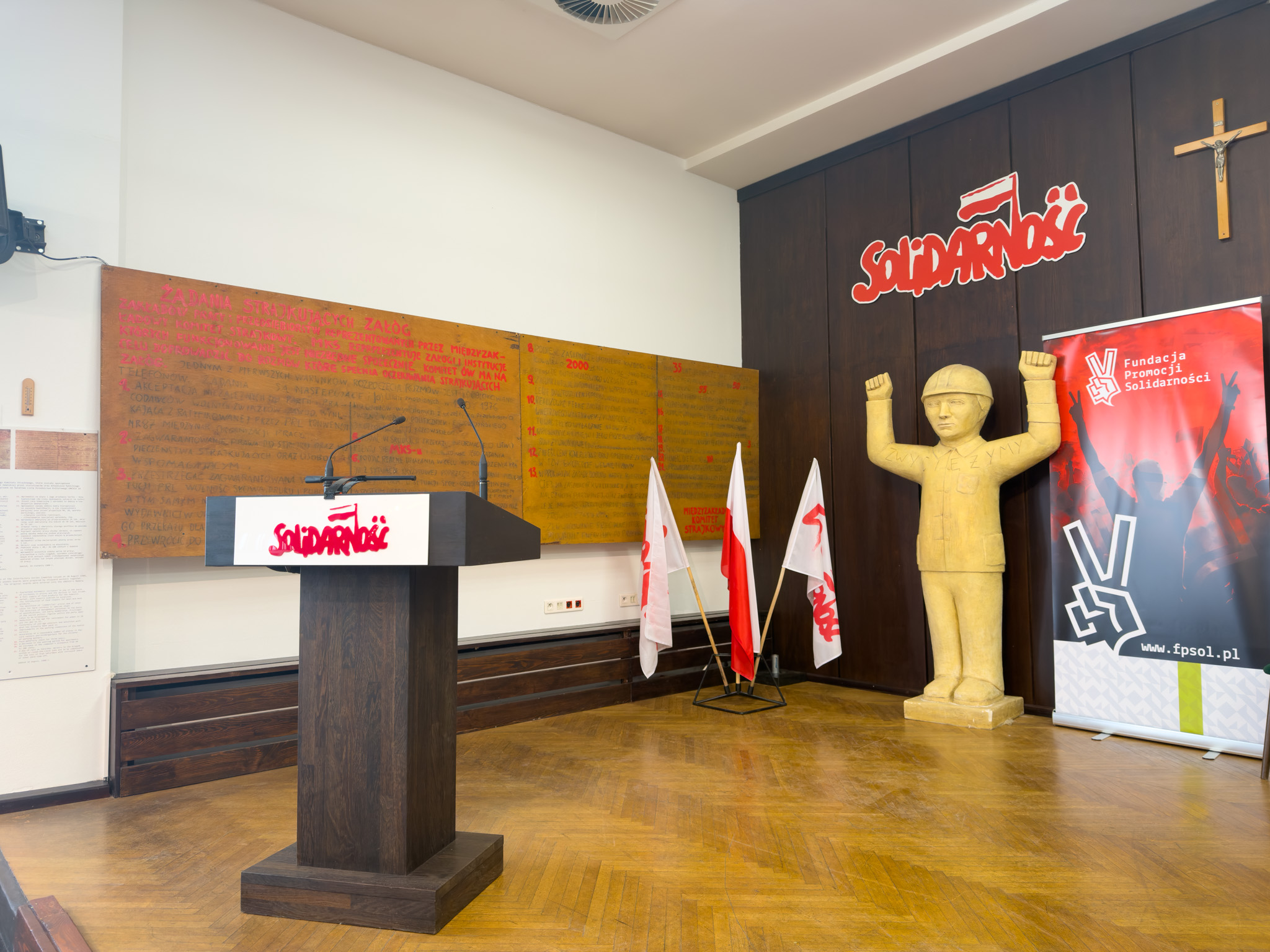
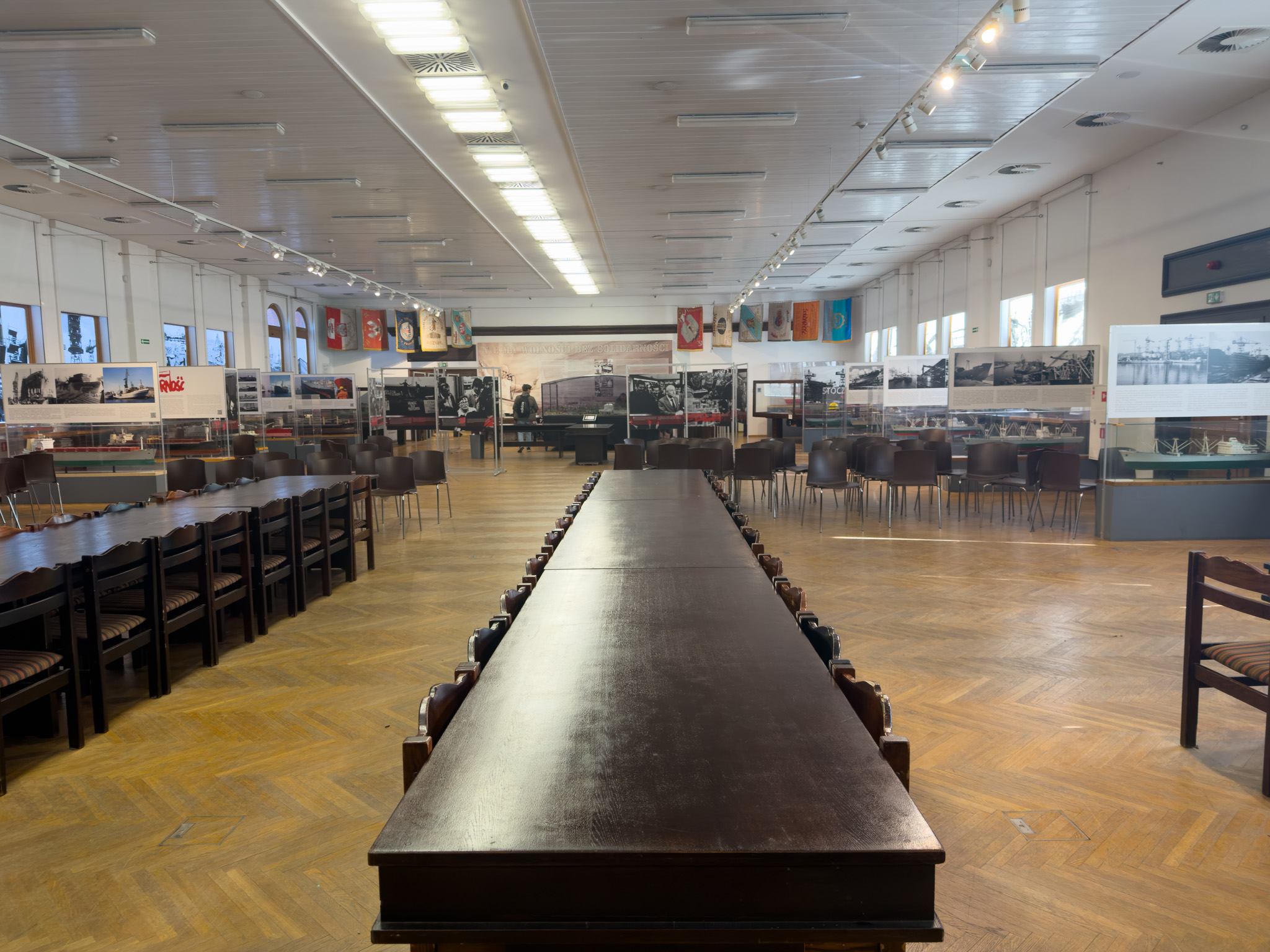
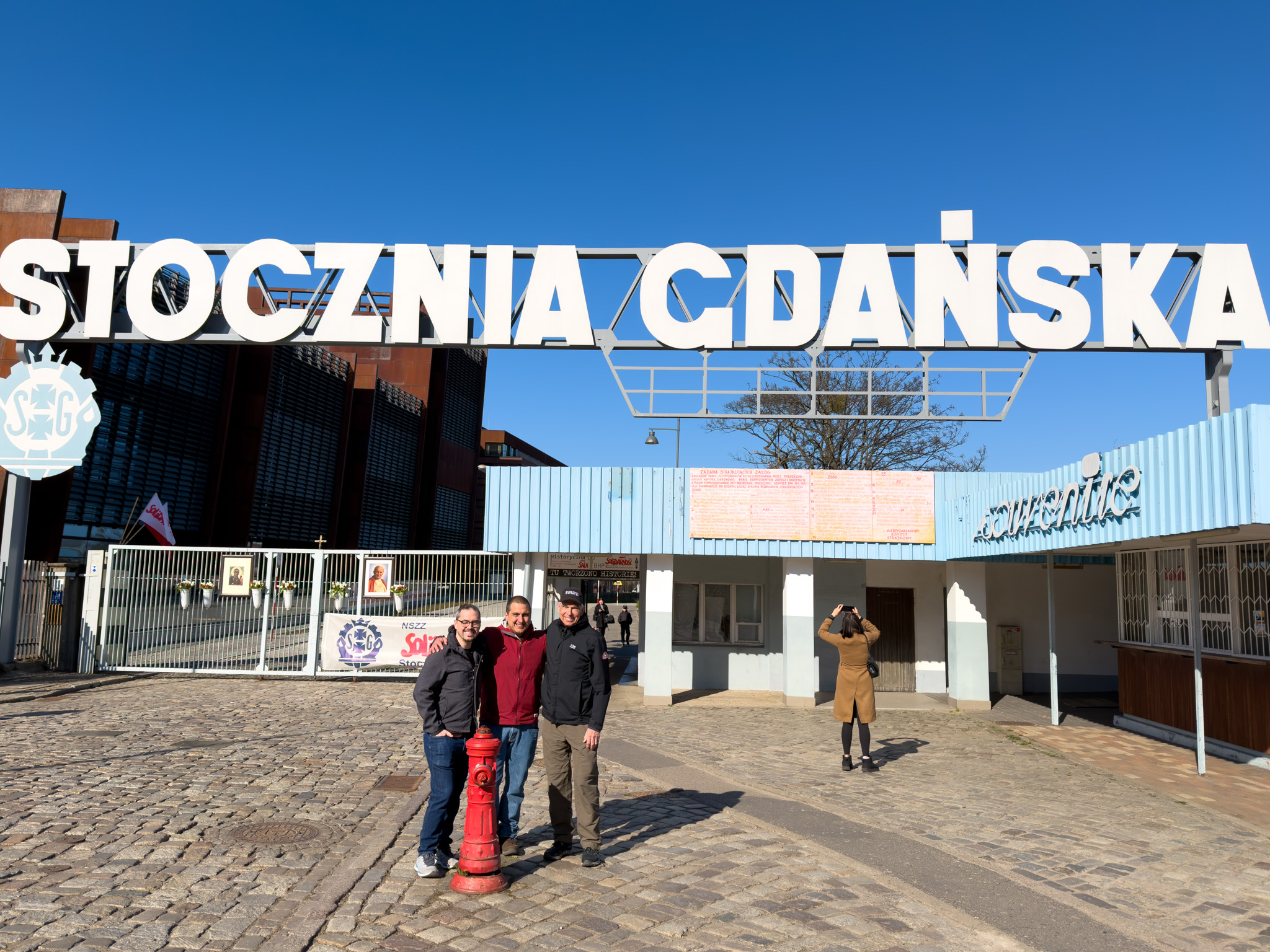
Sebastian then took us to the old dockyards to be shown the site where the Soviets ceded to the Union’s demands in the Solidarność movement.
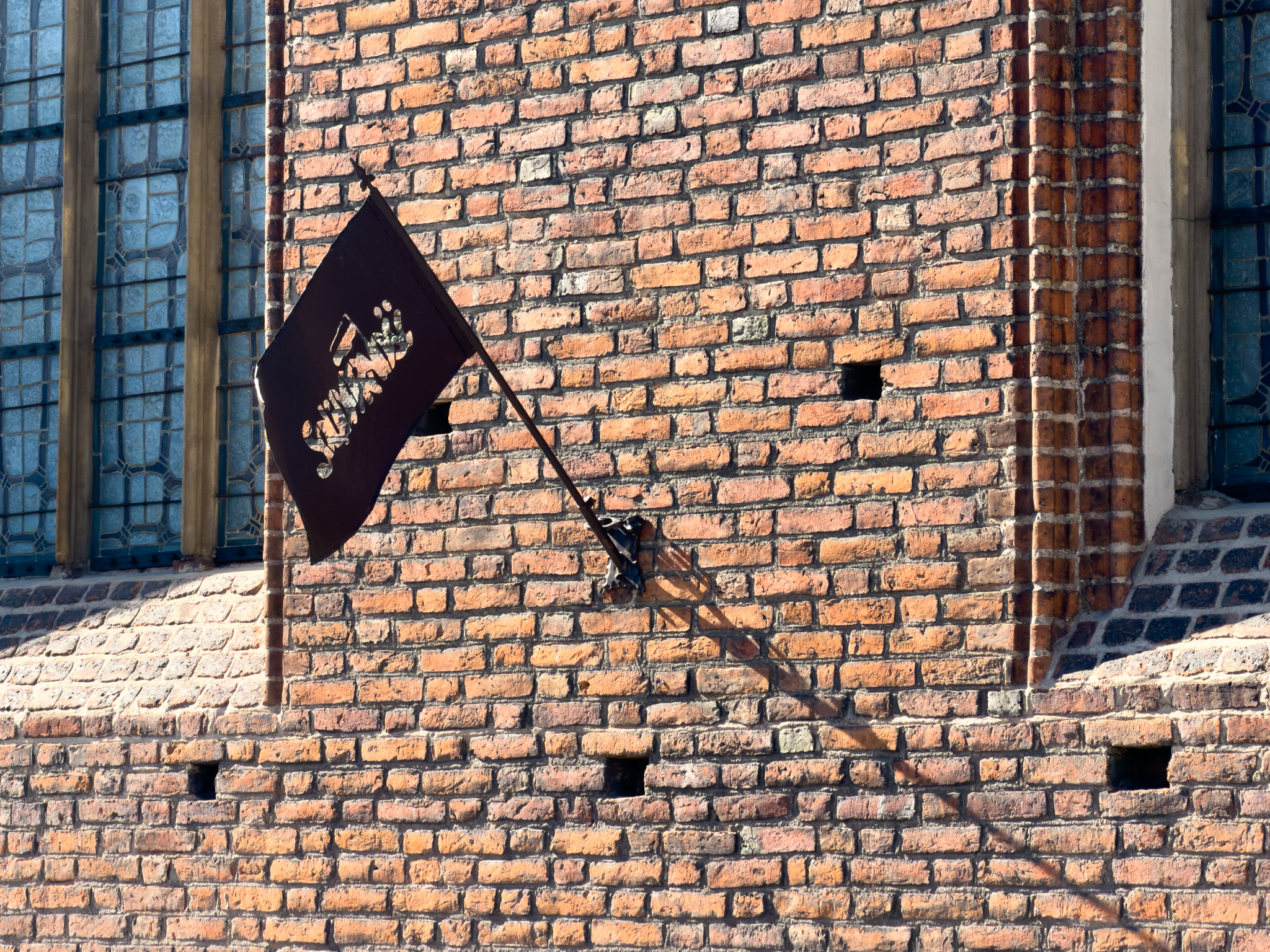
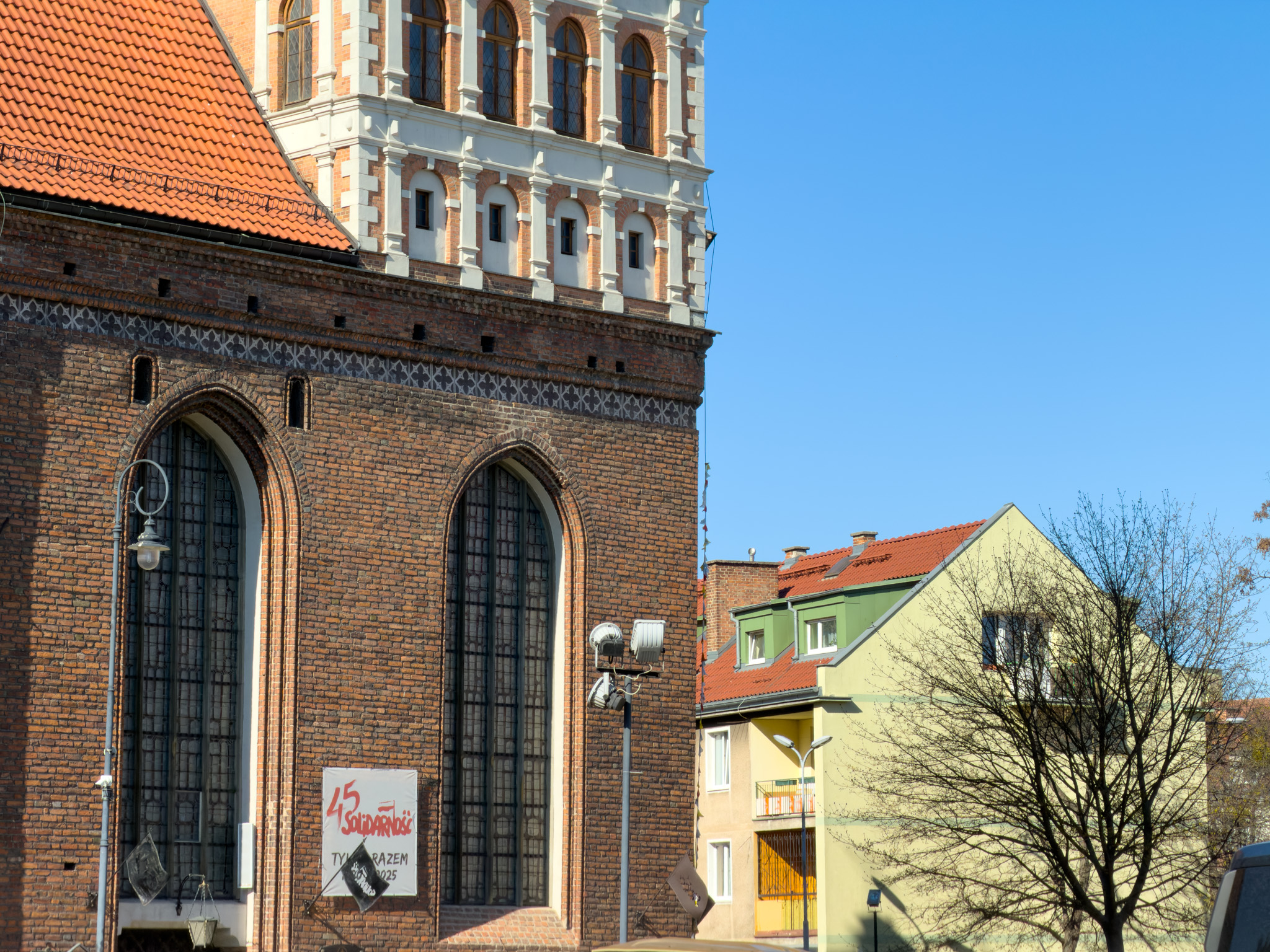
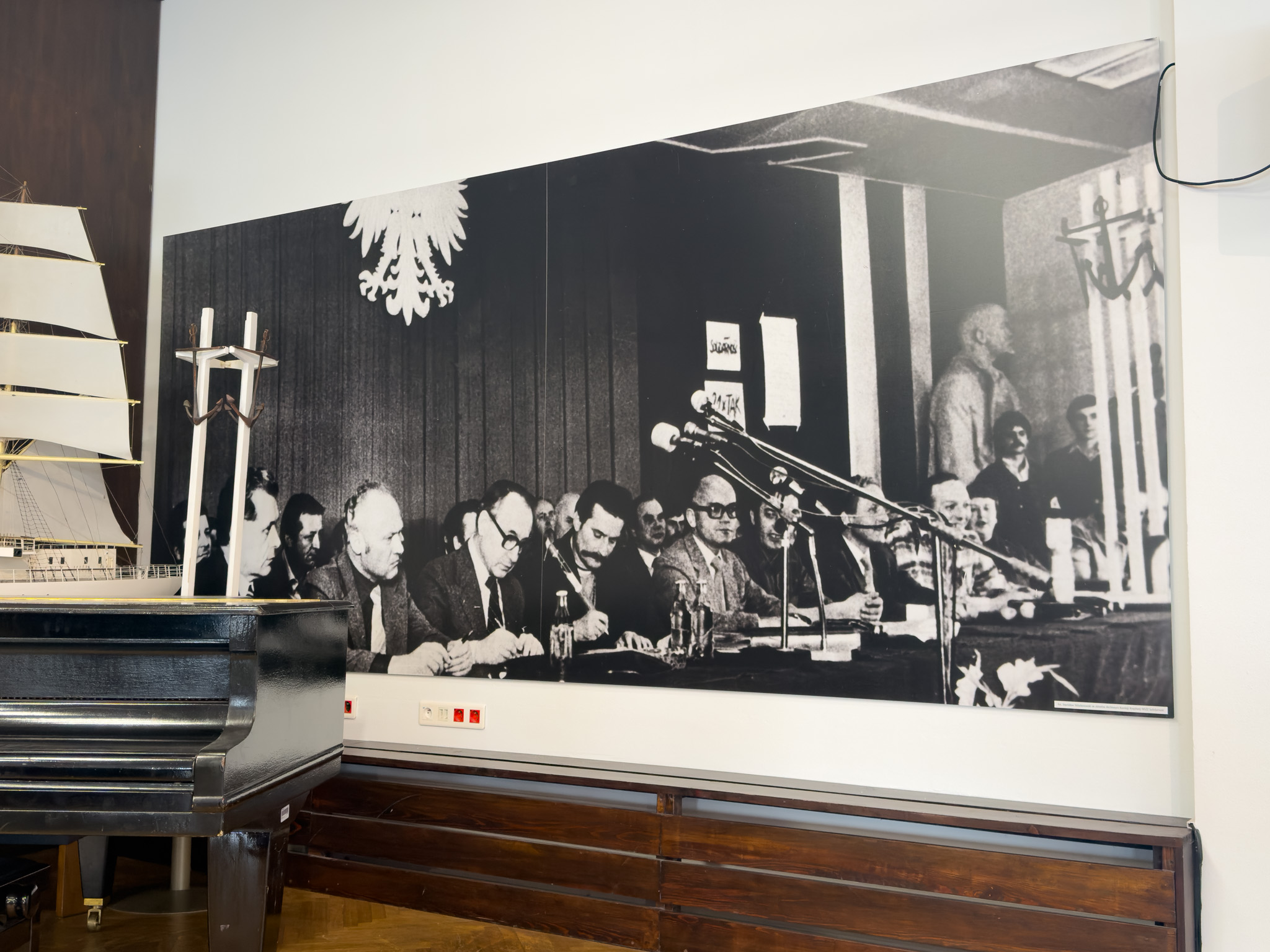
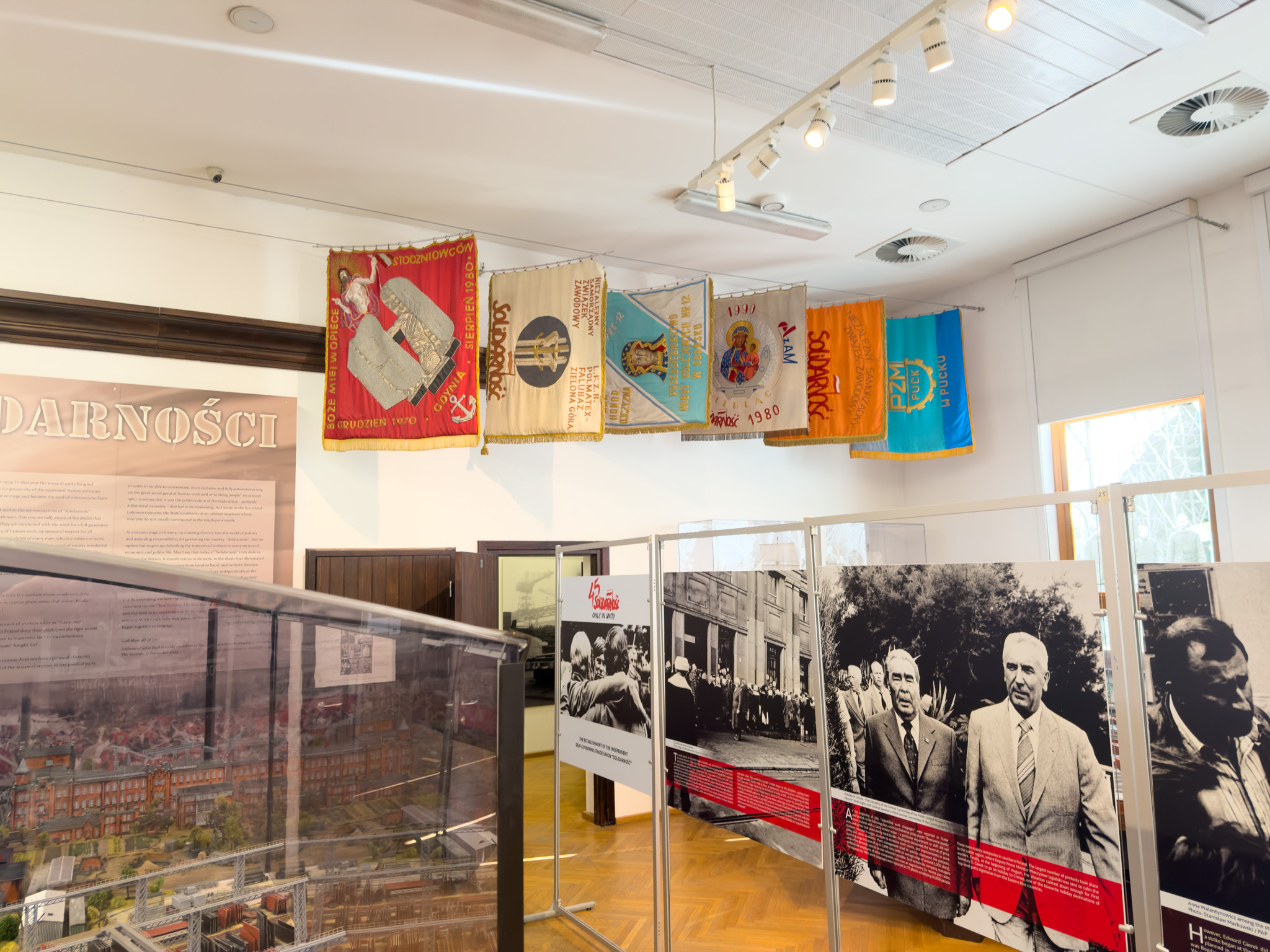
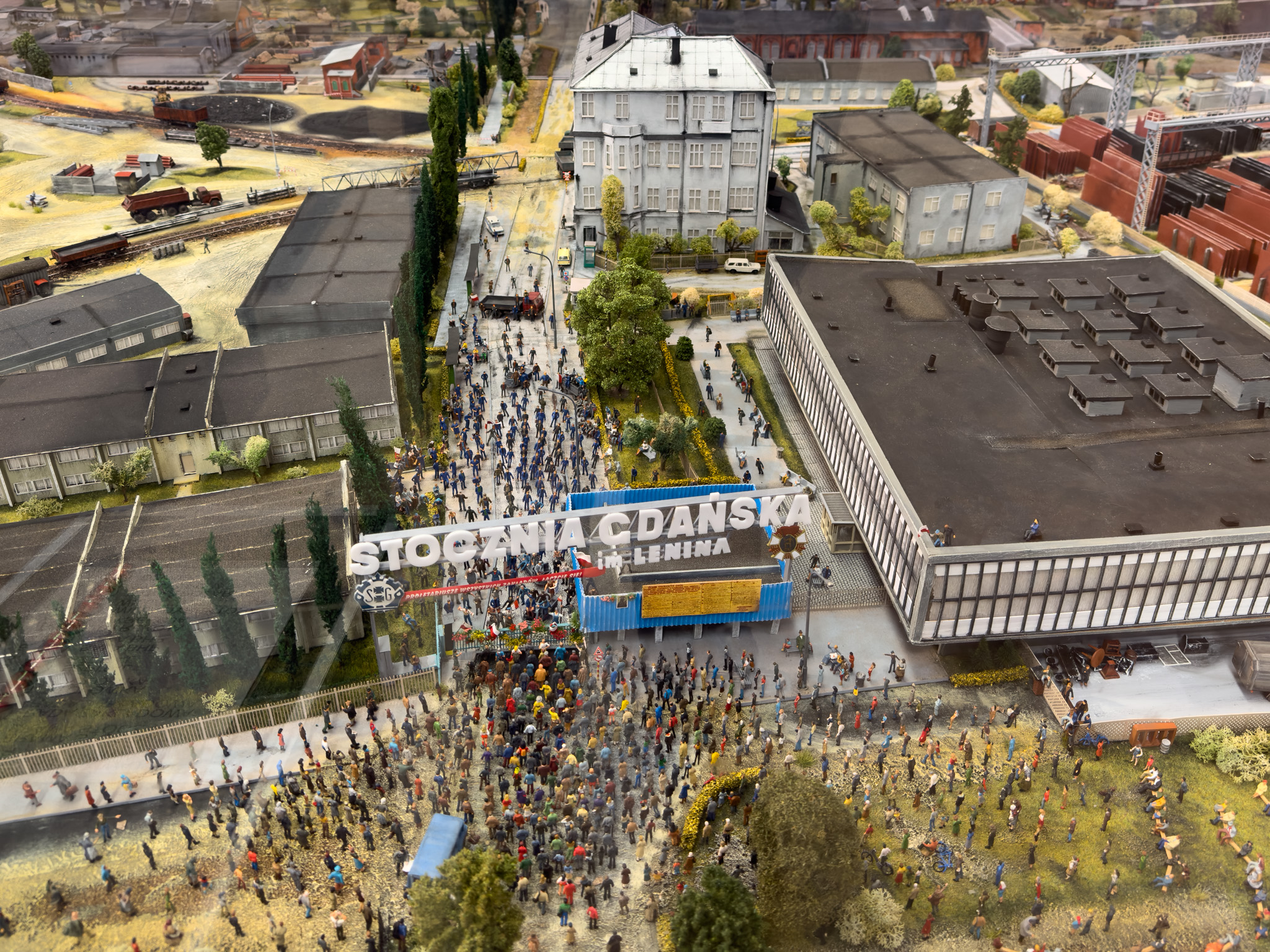
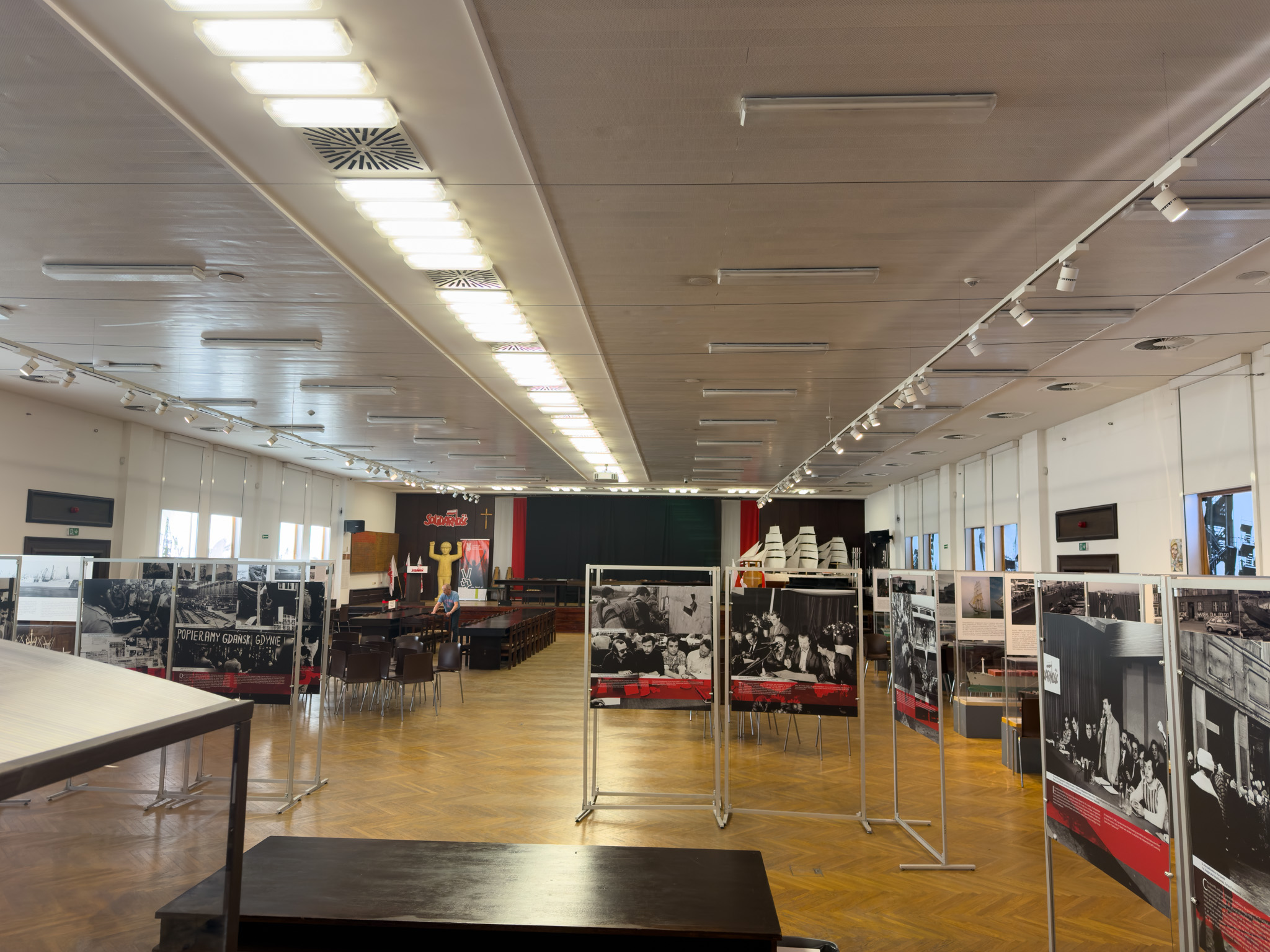
In 1980, the dock workers were very unhappy with the working conditions under the Soviets. They banded together and called a general strike. Everything in Gdansk stopped. No telephones, no stores, no electricity. The word went out, and within two weeks the enitire country, 10 million workers, walked off their jobs. The Soviets were overwhelmed, and four days of tense discussions in Gdansk resulted in the acceptance of free labour unions. For the first time, the will of the people had been won in the USSR. It was the beginning of the end.
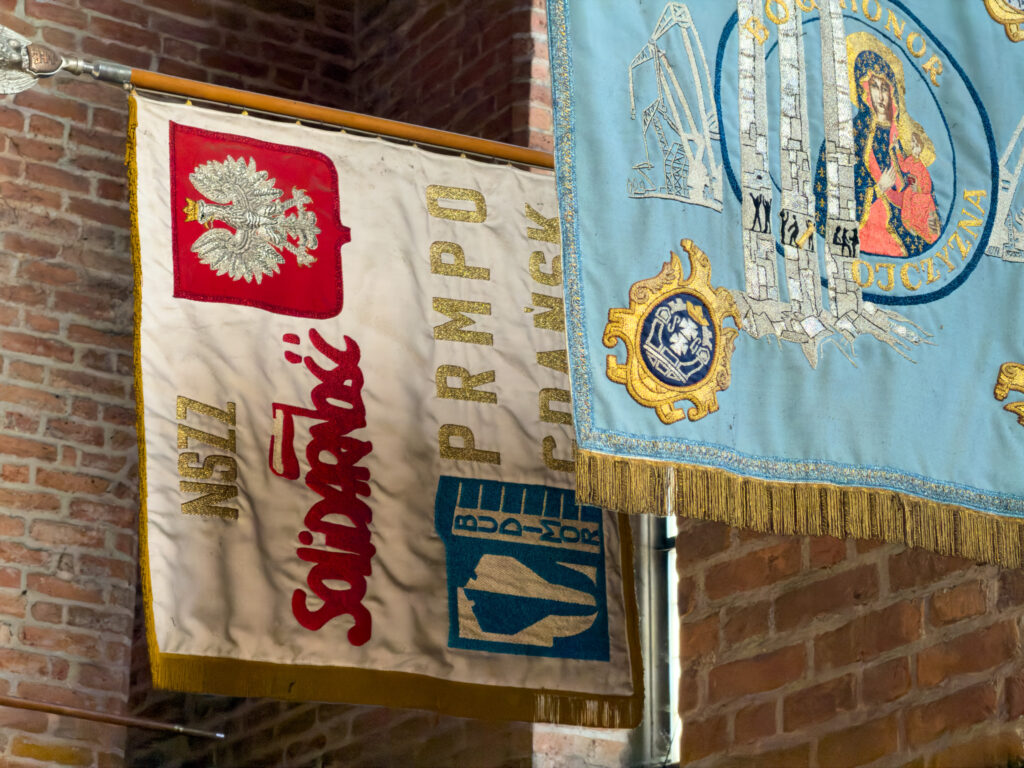
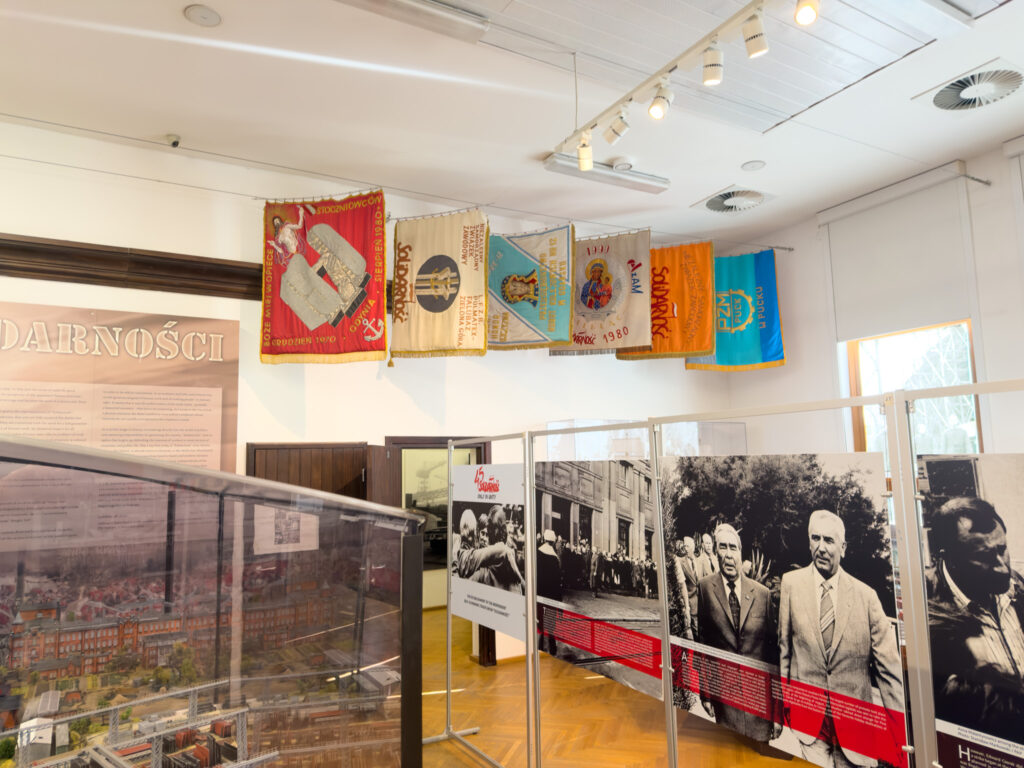
In retaliation, the Soviet Union cracked down on Poland, established martial law, and refused any travel in or out and cut off all communication.
In 1985 martial began to relax when Mikhail Gorbachev rose to power. Martial law was terrible, but the response to previous uprisings in Hungary and Checkoslovakia had been with tanks and soldiers. Poland gained independence with the fall of the Soviet Union.
The old shipyards have been sold to a developer, but the entry gate has been preserved as a memorial.
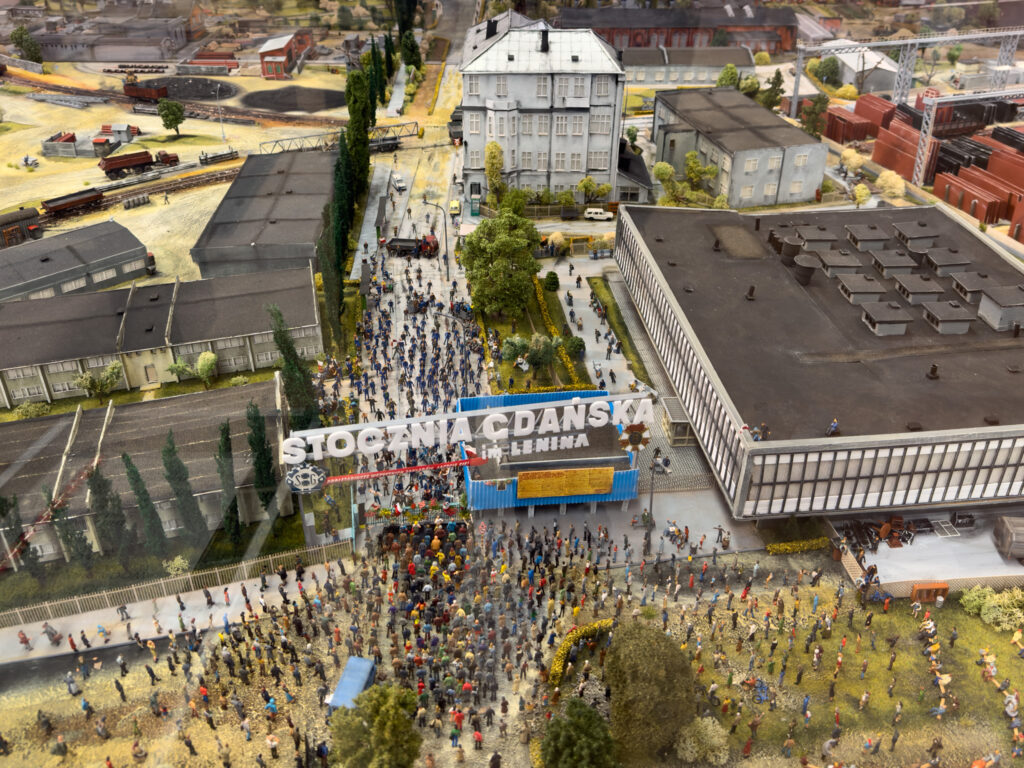
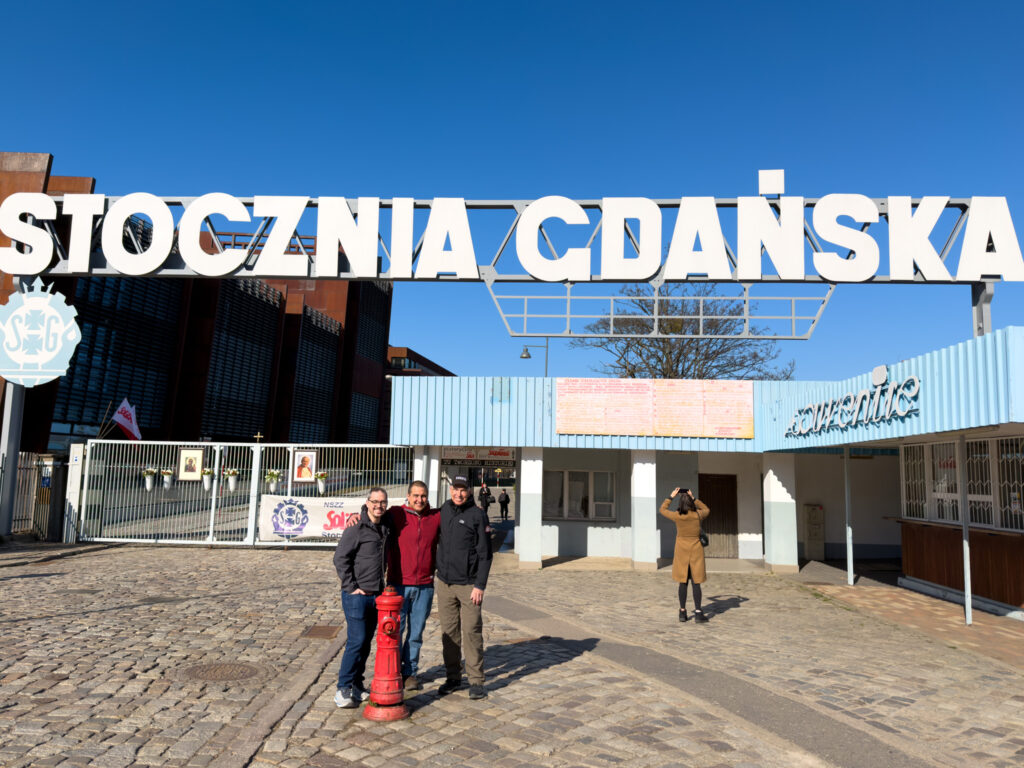
Sebastian finished the tour with a visit to the resort town of Sopot for a good lunch and a walk on the pier, at half a kilometre long the longest wooden pier in Europe.
We finished with a quick tour of Gdynia, the next town up the coast, and a drive back to our hotel. Sebastian gave us a wonderful day.
We arranged for an Uber for the next morning for our very early departure for Berlin. Unfortunately we hopped into the wrong Uber and got ceremoniously dumped onto the curb, complete with a tirade of Russian expletives. Oops. He’d taken us half way there anyway, so we finished by walking and successfully boarded our train.
Next post – Berlin.
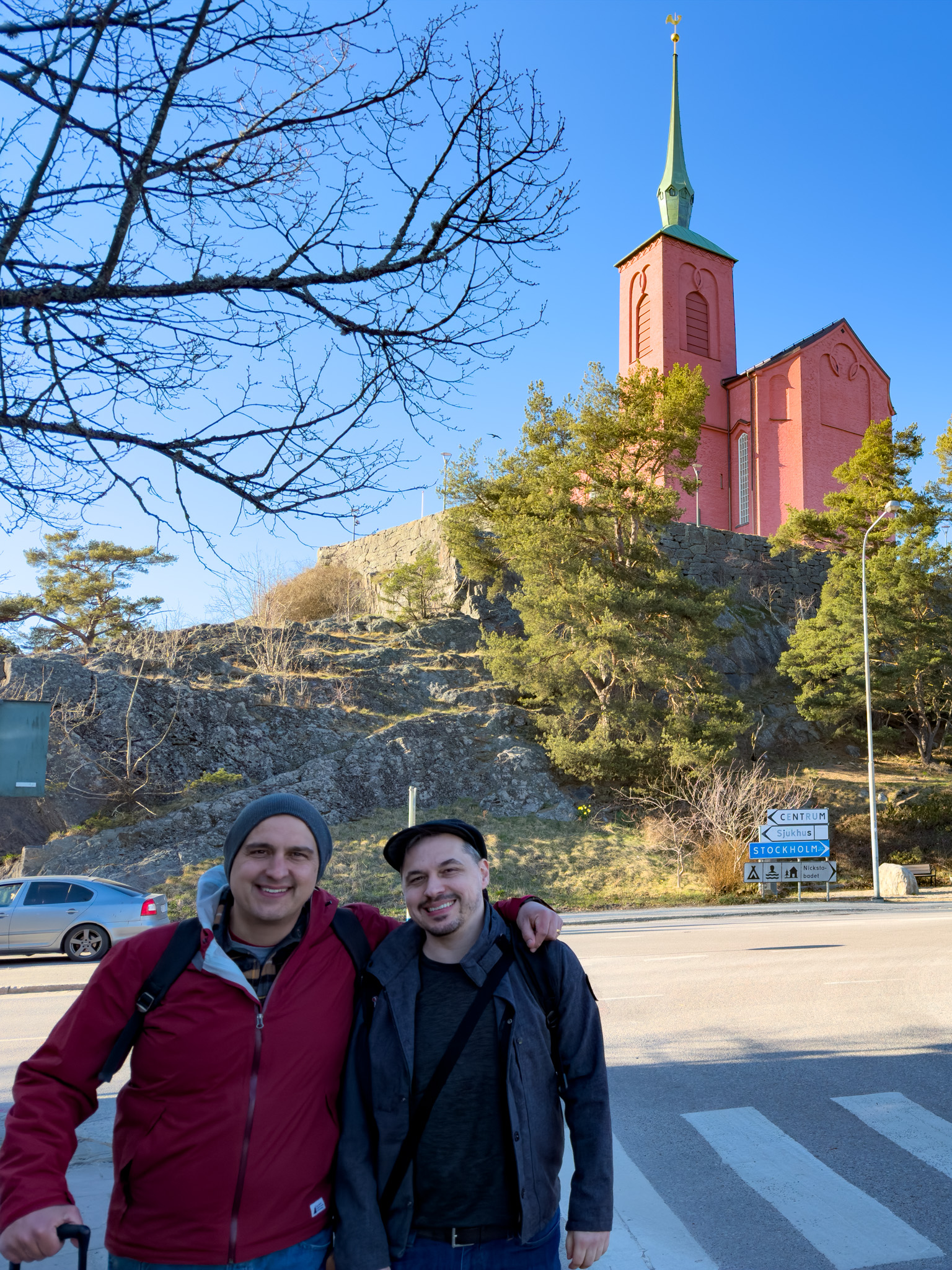
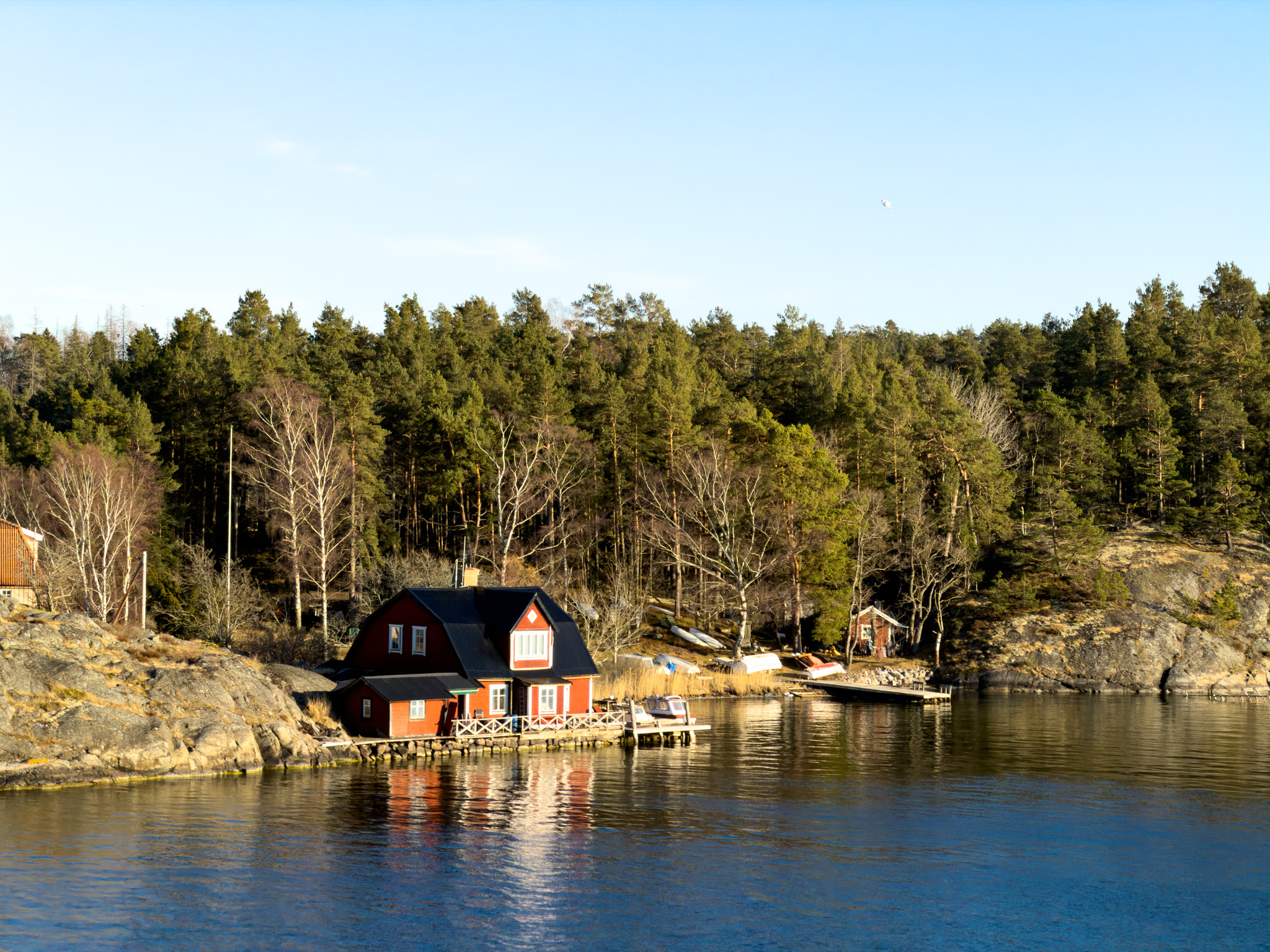
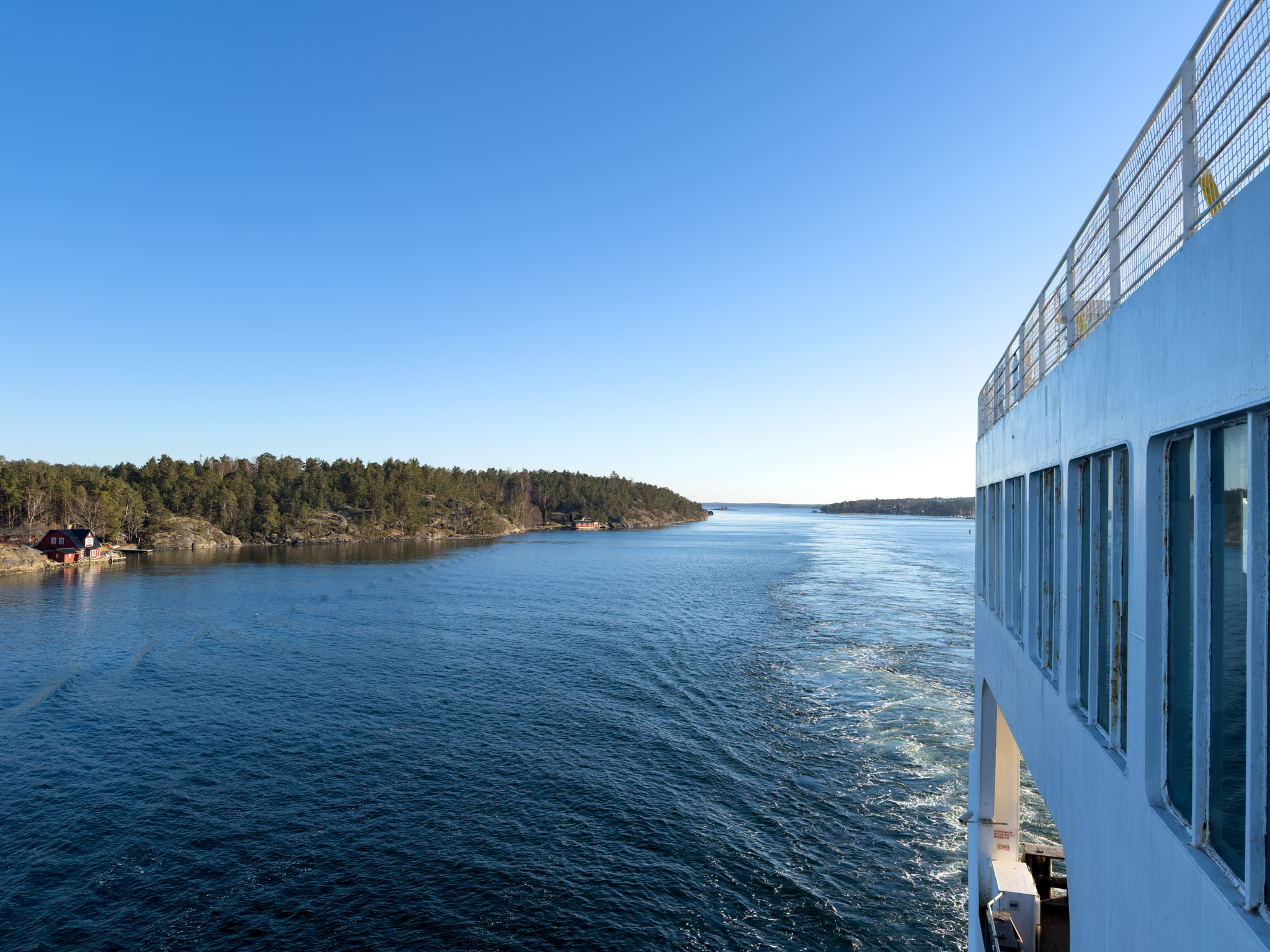
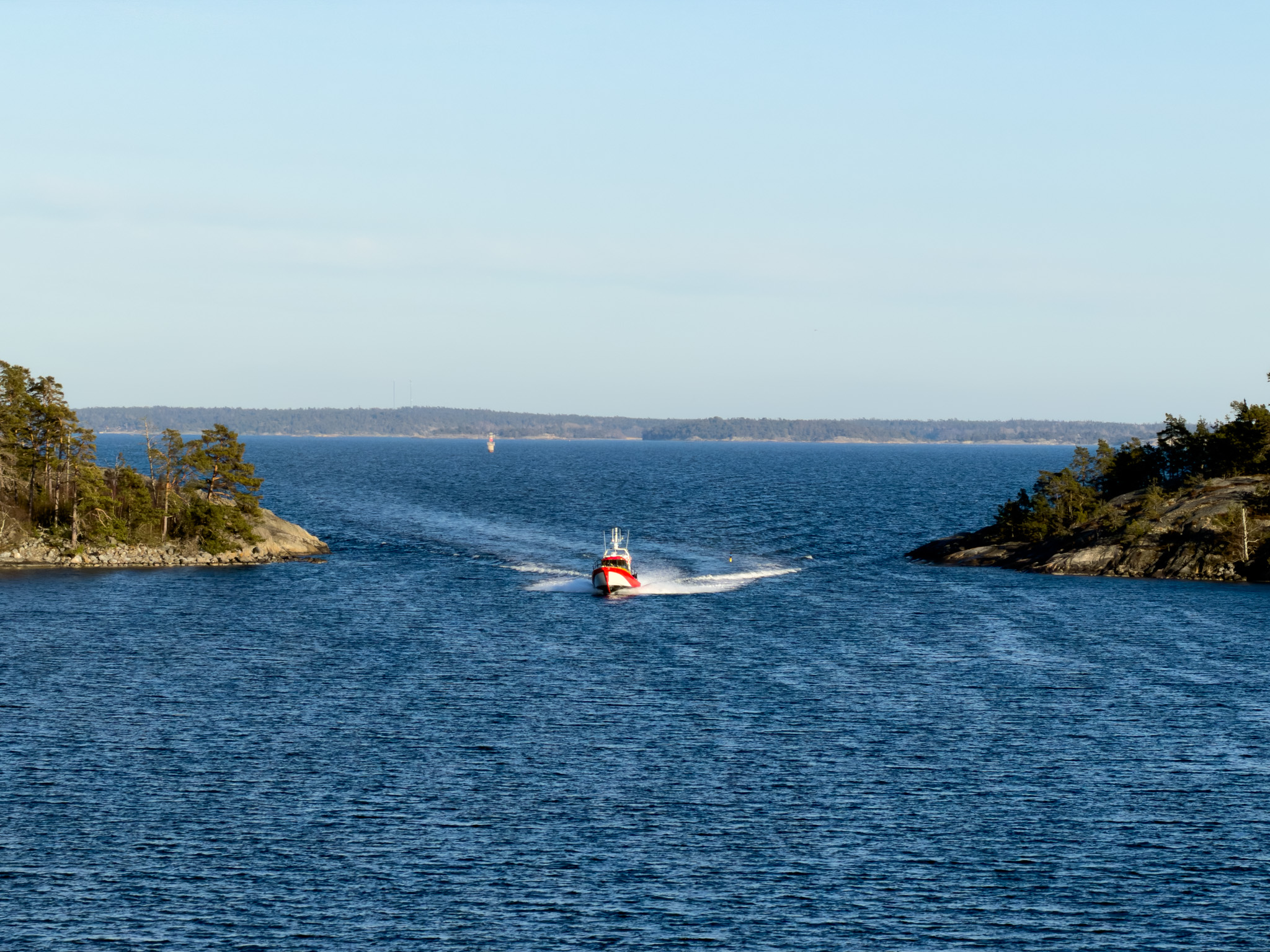
I think that is why Mark Twain wrote, “Travel is fatal to prejudice, bigotry, and narrow-mindedness, and many of our people need it sorely on these accounts.” I think the world would be a much better place if all our children were encouraged to traveled. So much to learn and so many lessons forgotten or simply not passed on. Sorry getting to philosophical here.
0
0
Love the posts, hi from sunny and warm MEXICO
0
0
Certainly a bit envious of the WARM!!! Thank you Sue and Mark.
0
0
While as usual I find your photos remarkable, not the same for Gdansk. It’s early here and I’m suffering from food overload we went to Coppollas for a birthday dinner. Sydney’s fiancé I ate shrimp Alfredo, stuffed Portobello mushroom, bruschetta , salad and for dessert…Crème Brûlée. I hope you understand my comments not being flowery! Looking forward to your Berlin experience. Love to all,
0
0
Thank you Sue! We’ve experience a couple of food overloads as well!
0
0