We left Dijon at our usual departure time – 9 a.m. plus or minus – in much sunnier weather than when we had arrived. Little did we know that our whole day was going to be filled with brilliant sunshine. What a great surprise!
The days are much cooler now, so while John’s still in shorts (and a sweater, coat, and maybe even mitts), I’m in stretchy LuluLemon trousers. a.k.a. “leg prisons”. I miss the feeling of crisp air on my knees, but it’s just too cold right now.
The trip from Dijon to Beaune is only 45 kilometres, i.e. 3 hours, not much of a challenge, length-wise or elevation-wise.
Twenty minutes south of Dijon – BOOM – we landed in hardcore Burgundy wine country.
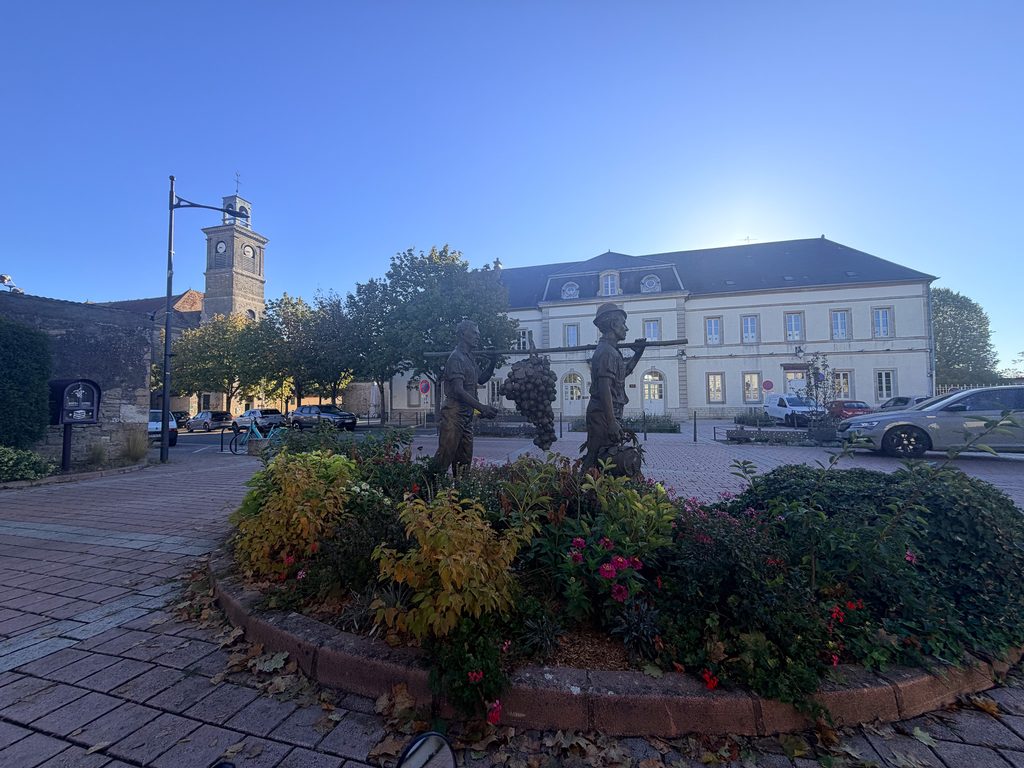
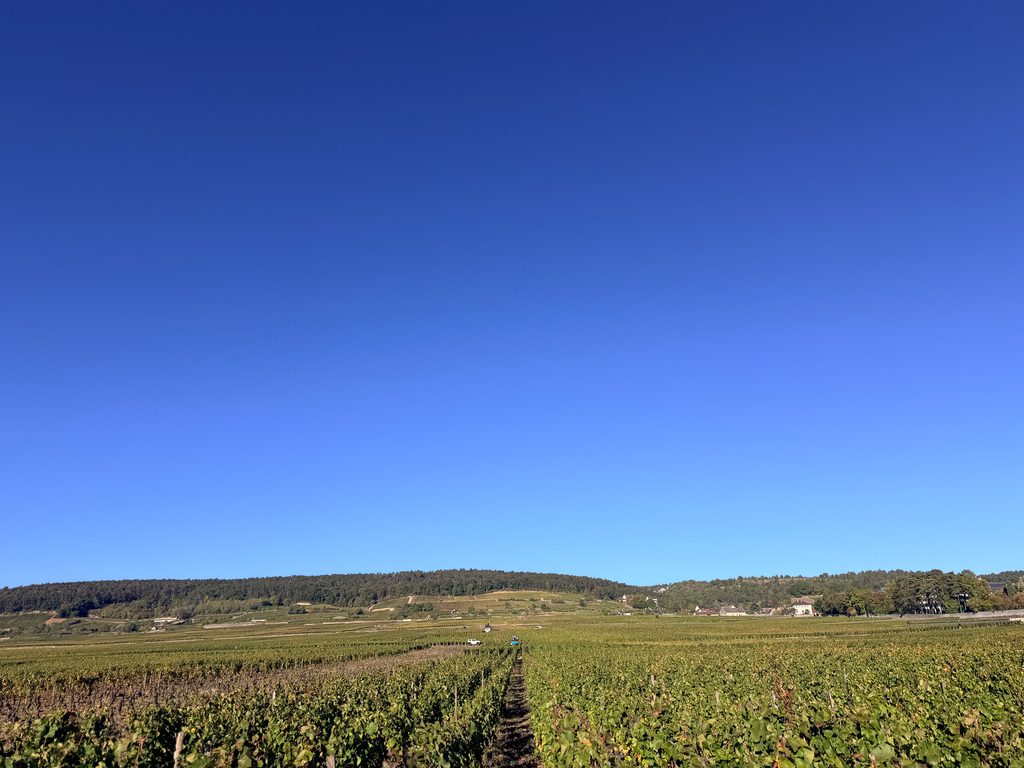
The change was radical. Grapevines carpeted the fields as far as the eye could see.
What you need to know is this: 2026 marked one of the earliest harvests of grapes here, ever. They took the grapes off the vines here in mid-August. Unheard of. (Climate change????)
Also, there had been tremendous challenges for these wine makers in the Spring with flash frosts that necessitated lighting torches in the fields to keep the vines from freezing. (From AI: “In March and April 2026, winemakers in Burgundy, France, deployed anti-frost candles (bougies), torch fires, and sprinklers to protect vulnerable grapevines from severe spring freezes. Temperatures dropped as low as -6°C in key regions like Chablis, Pommard, and Meursault, prompting growers to light hundreds of paraffin candles and burn straw or wood to generate heat and create a smoke screen that trapped warmth near the ground.”
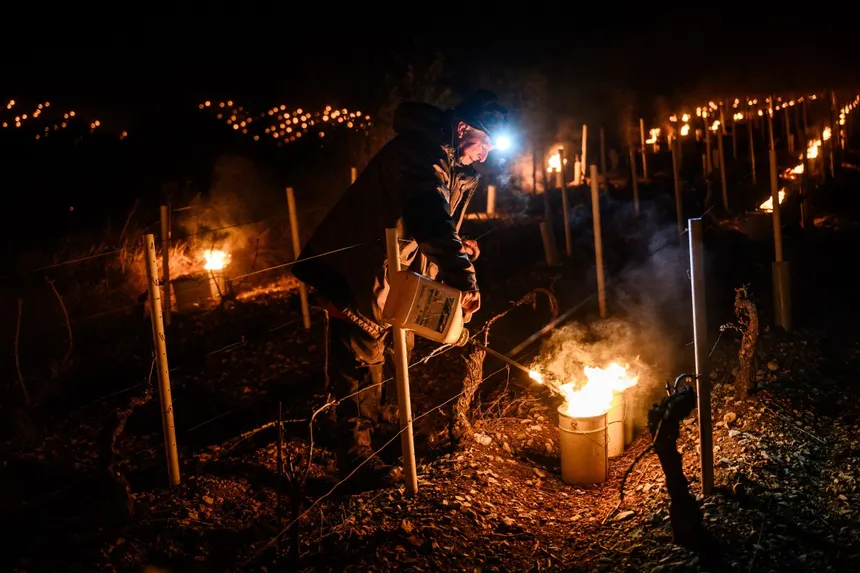
(Not my image.)
“The use of these traditional fire-based methods was driven by a climate paradox: global warming caused an abnormally warm winter, leading to early budbreak that left the tender new growth exposed to late-season cold snaps. While effective at raising ambient temperatures by 2–3°C, these carbon-intensive measures have sparked industry discussions on transitioning to sustainable alternatives like solar-powered heaters and heated cables.”
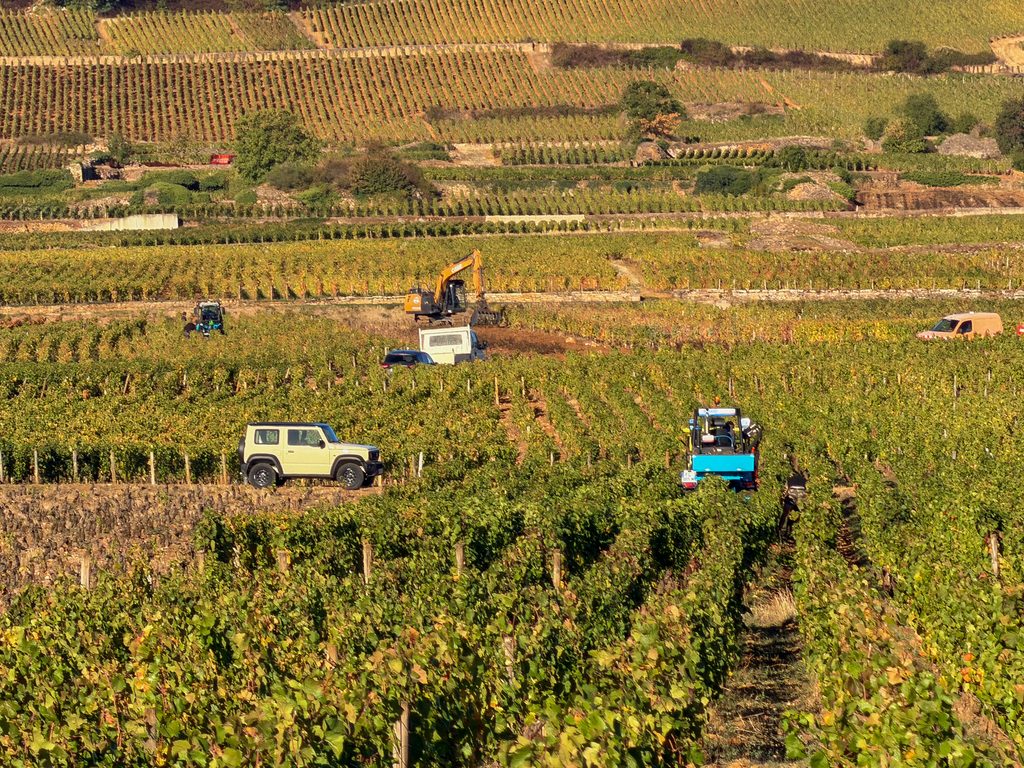
Right now, the people in the vineyards are performing maintenance. Turning over the soil between the vines. Pruning vines. The machinery is very purpose-specific.
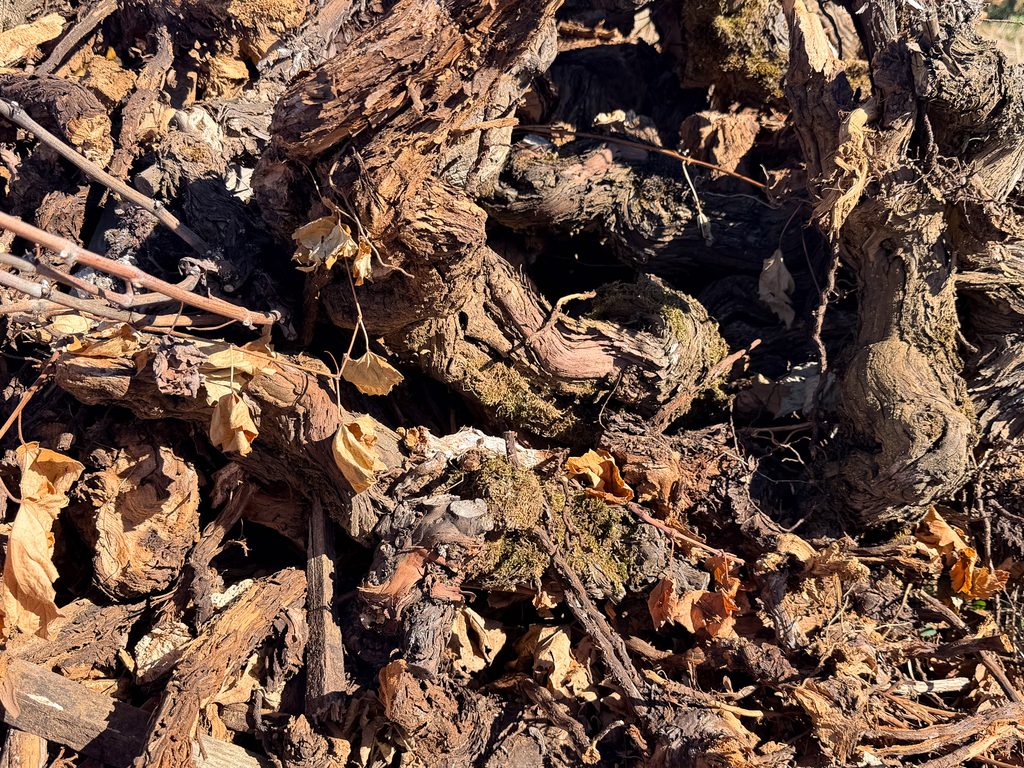
I stopped beside a pile of (now dead) vines to thank them for their service.
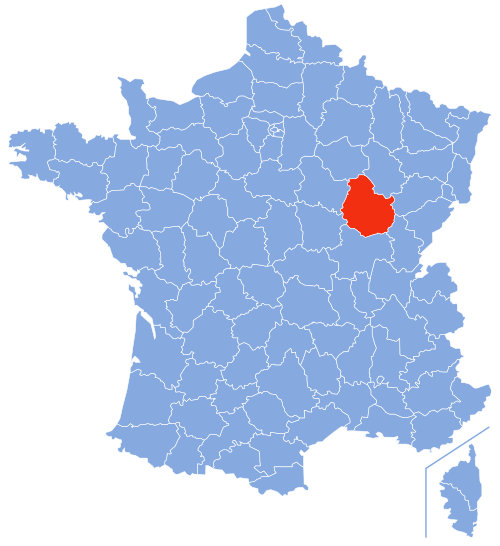
We are in the area of France called “Cote d’Or”. The name is said to refer to the autumn gold of the flanks of the hills in wine-growing areas. The literal meaning of côte d’or in French is “golden hill”…. It produces the most expensive Pinot noir and Chardonnay wines from some of the most classified vineyards in the world.
Wine from the Côte-d’Or was a favourite of the emperor Charlemagne. Other crops include cereal grains and potatoes. Sheep and cattle are also raised in the department. The region is famous for Dijon mustard. (Wikipedia.)
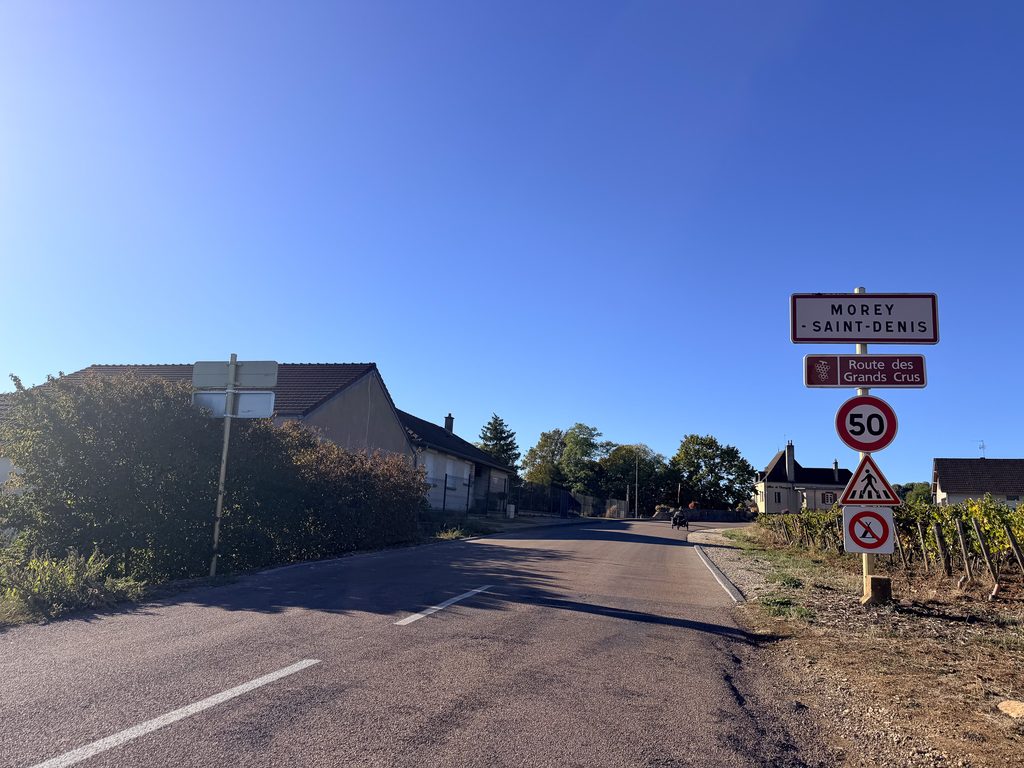
Right now we’re riding the Route de Grands Crus.
At one point we stopped to admire the scenery around a particularly beautiful “cave”. (See definition, below.) We struck up a conversation with a young woman, Emiy, who turned about to be a native of Atlanta Georgia who had a passion for wine, and had spent the past decade studying wine in France, especially in this region. (And subsequently met and married a Burgundian.)
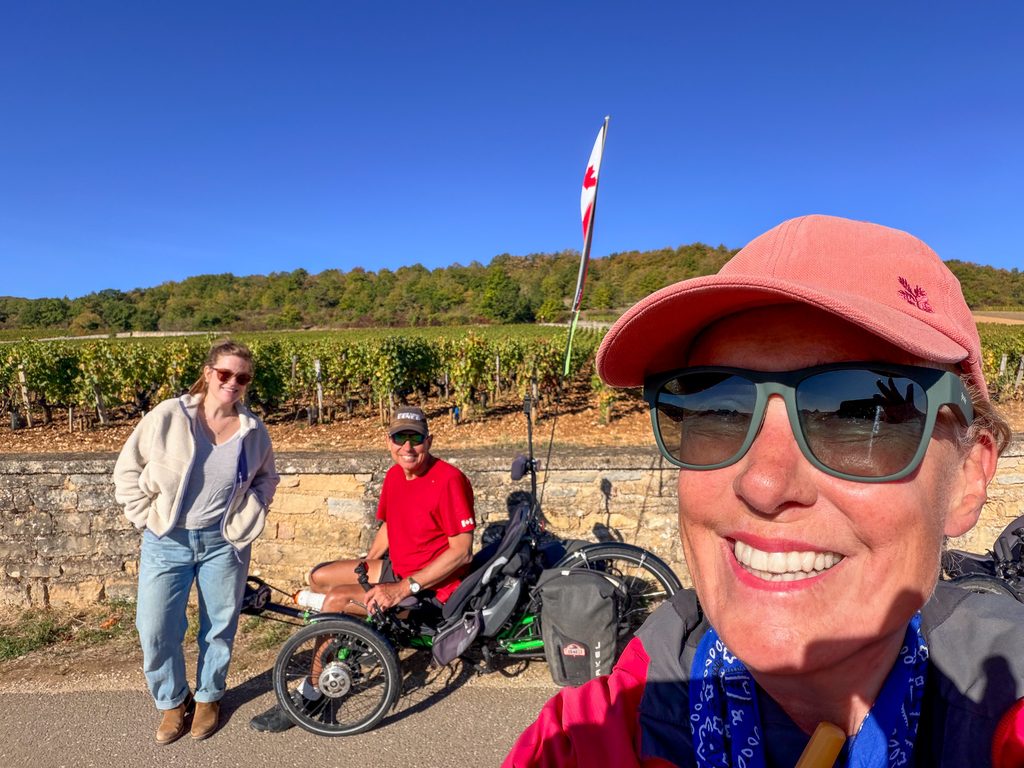
Her knowledge of the vineyards, provenances of the wines and the families and wines was encyclopaedic. If anyone is contemplating a trip to this area in Burgundy, we’d highly recommend contacting Emily in Burgundy Wines to set up tastings, tours, etc.
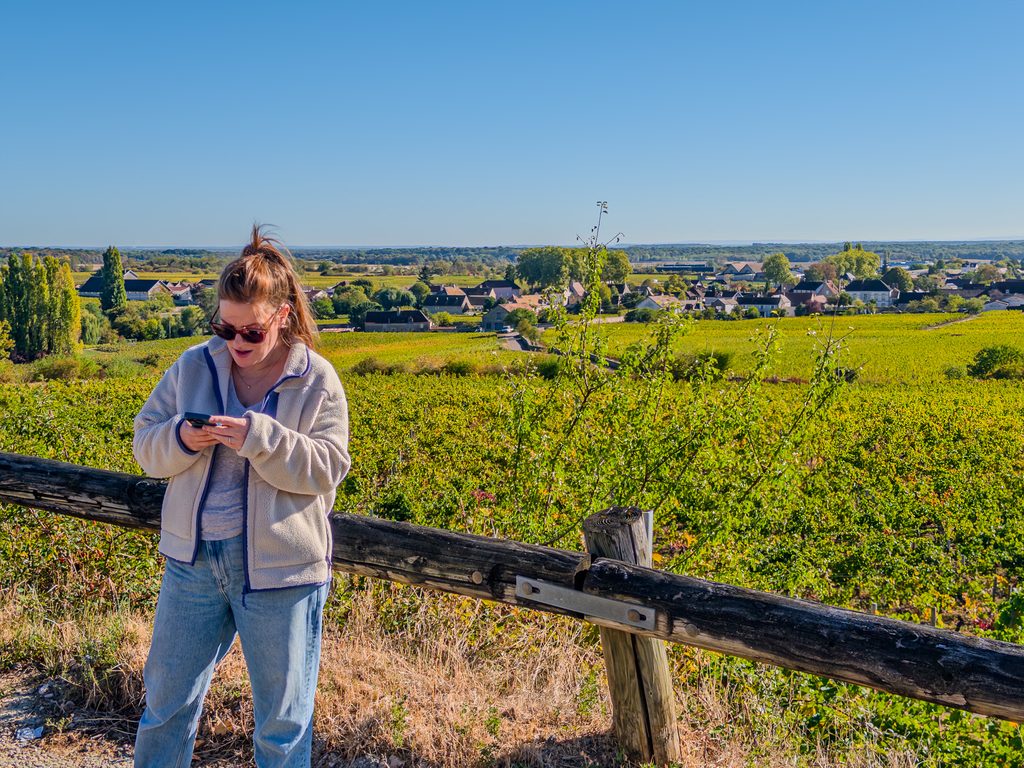
BTW: “cave”. In France, the word cave (pronounced “calve”) translates to cellar or wine cellar, not the natural rock opening implied by the English word “cave.” It refers to an underground or below-ground space used for storing wine, food, or provisions, distinct from a sous-sol (basement) which may be habitable.
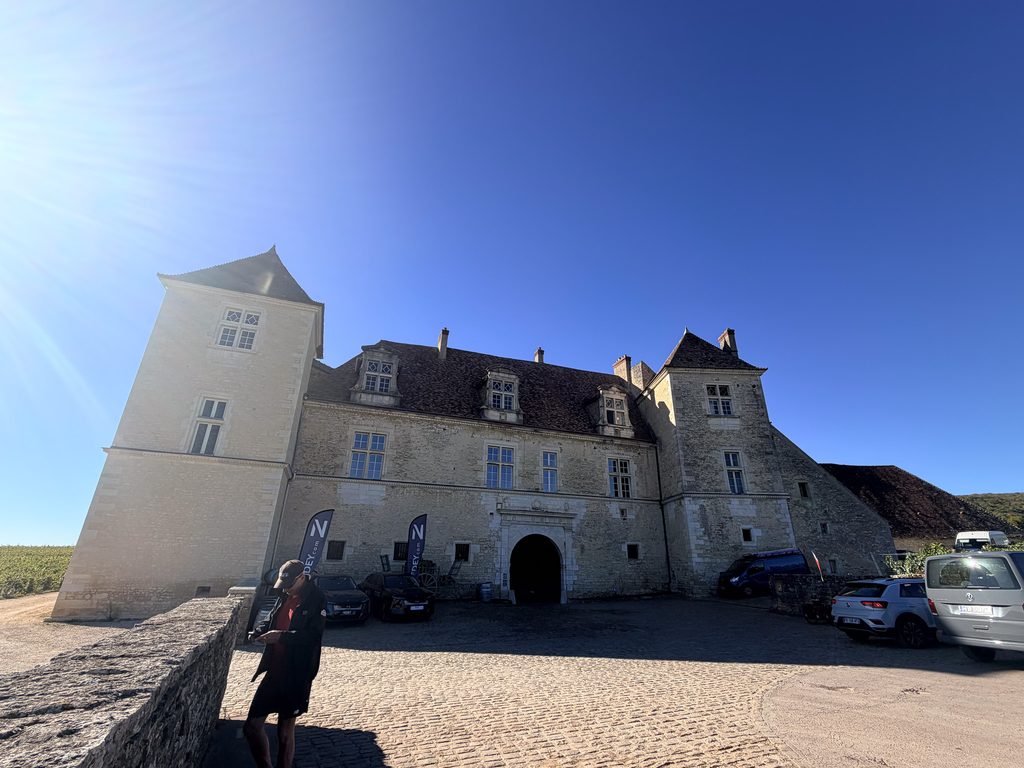
The winery and cave we had been looking at when we struck up our conversation with “Emily” was Chateau de Vougeot – Château du Clos de Vougeot. This winery would pop into our thoughts again once we hit Beaune. Read on. It was spectacular.
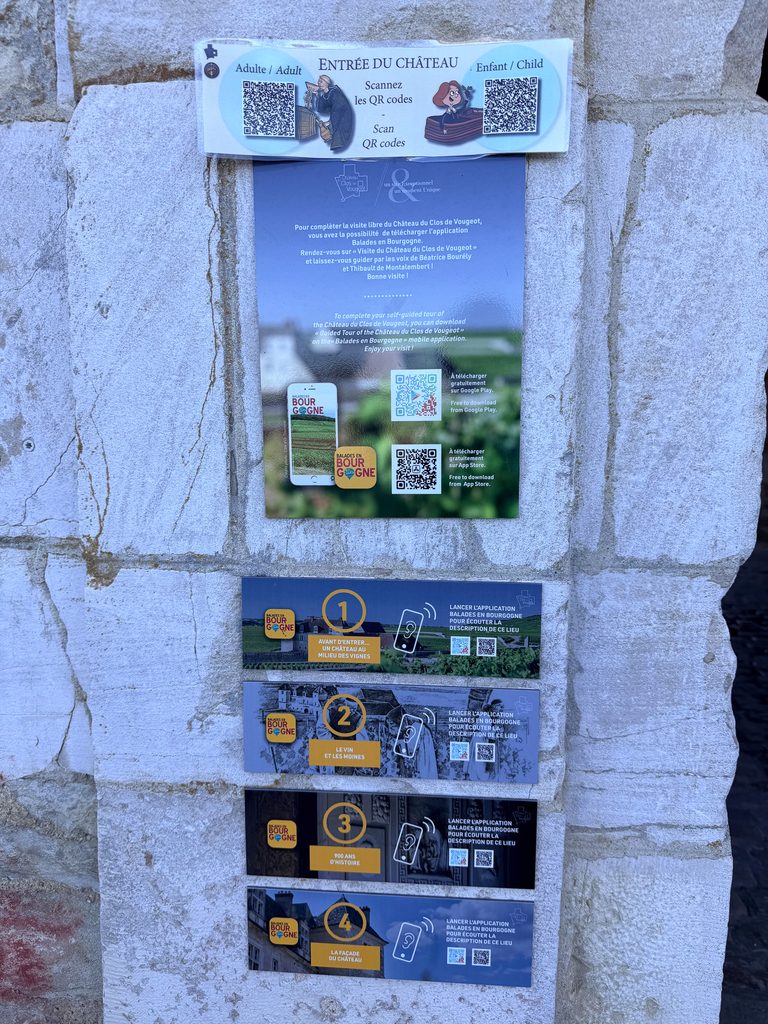
Château du Clos de Vougeot is a historic 12th-century Cistercian monastery and winery located in Vougeot, on the famous Route des Grands Crus in Burgundy, France. It serves as the headquarters of the Confrérie des Chevaliers du Tastevin and is part of the UNESCO World Heritage “Climats of Burgundy.”
Visitors can explore the historical buildings, the vat house with its medieval machinery, and the vineyard views. The site is open daily, with admission typically costing around €12–€13 per person for access to the exhibitions and historical areas.
However, we’ve done wine-tastings before, and there was a huge busload of interested tourists gingerly making their way down the cobblestone driveway. We opted to push on. It was just too nice outside to book in to a cave tour.
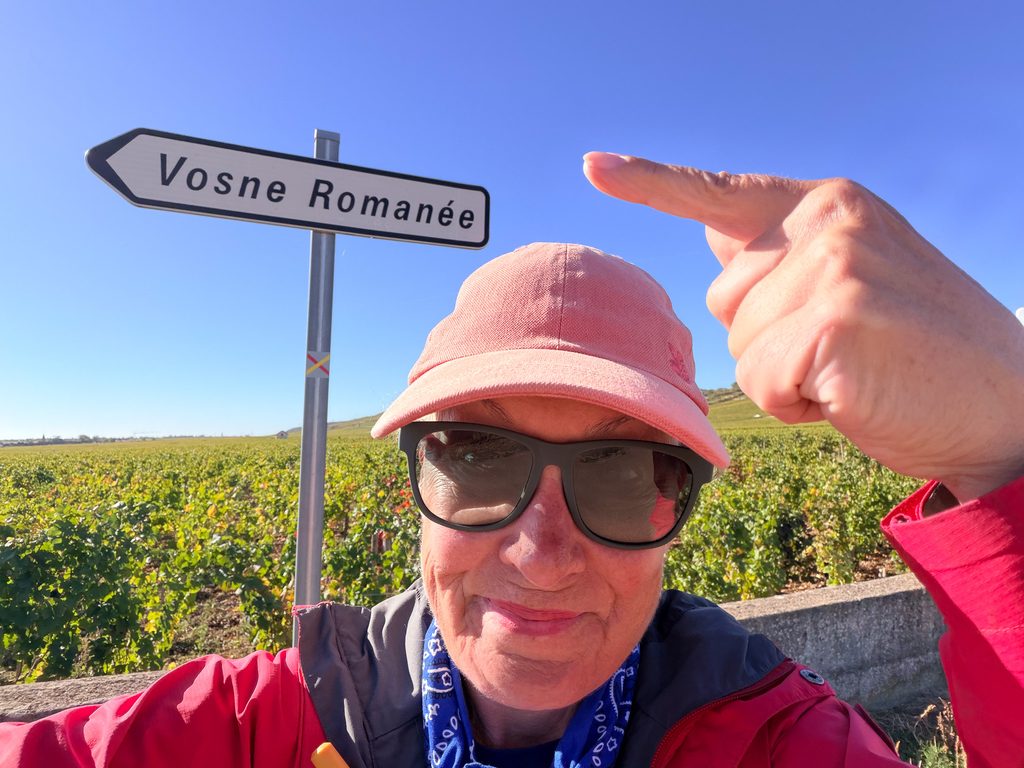
Just up the road was the Vosne Romanee. Some of the most expensive wines in the world come from these vines.
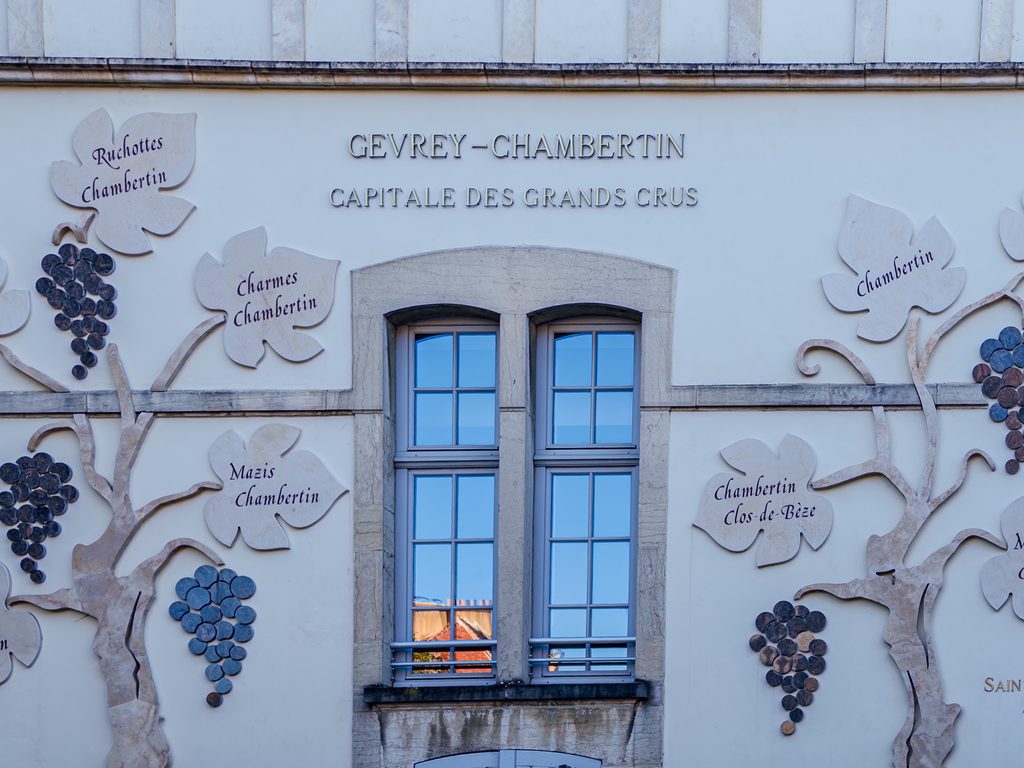
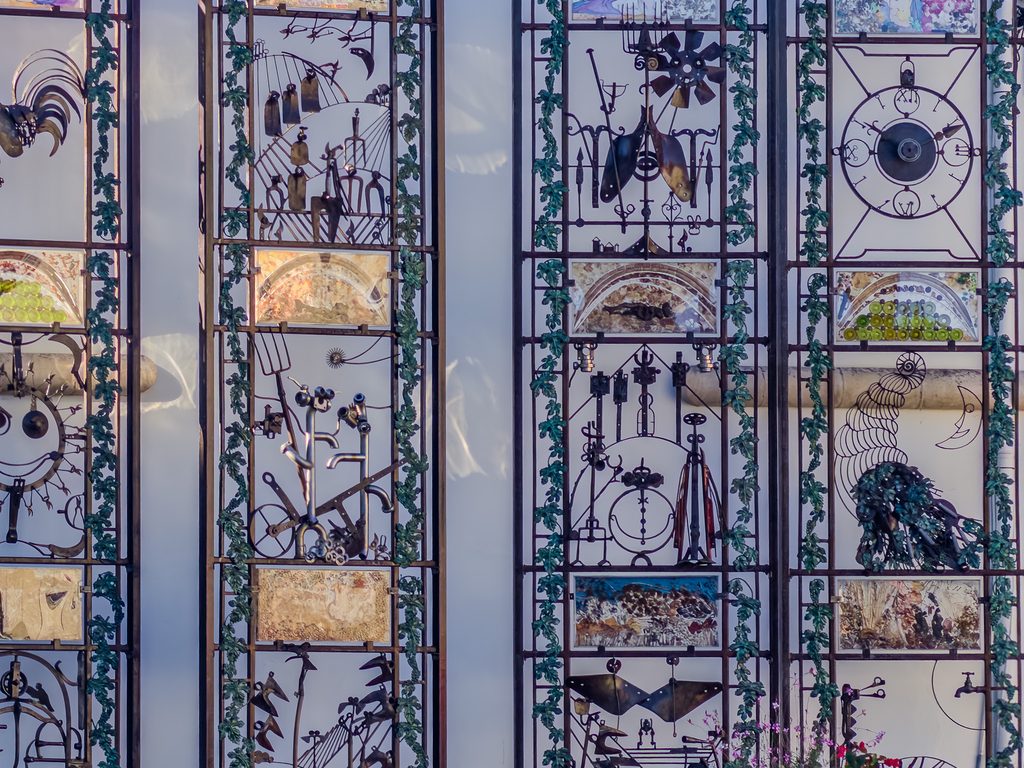
Pushing on, we continued to see innovative architecture.
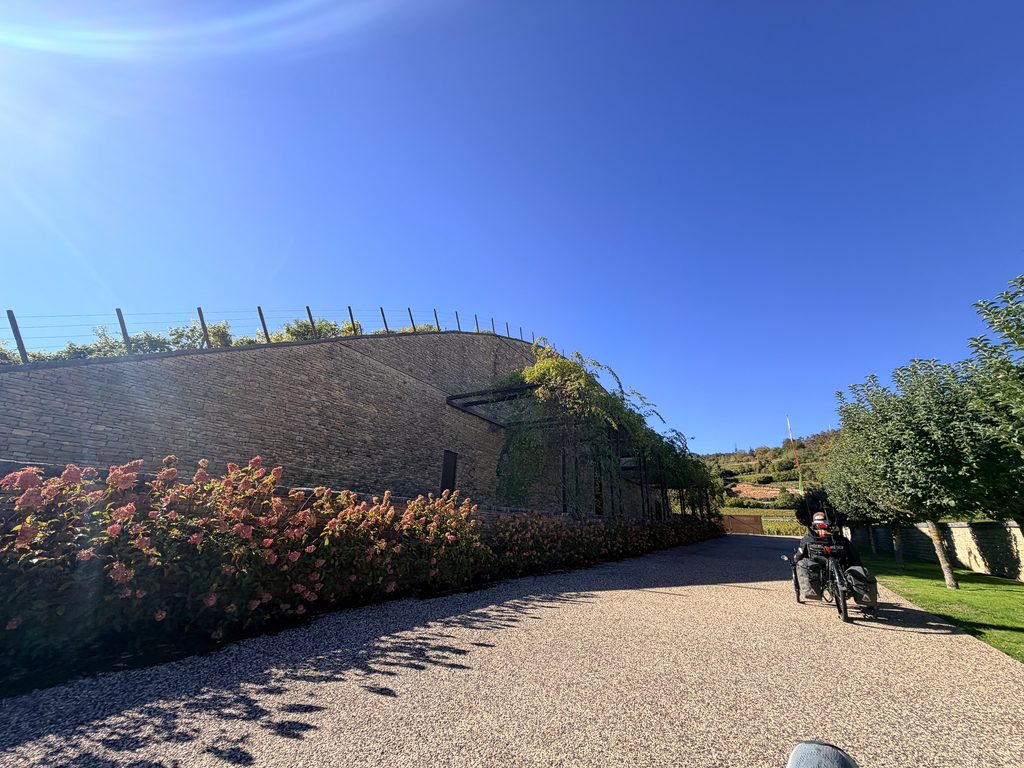
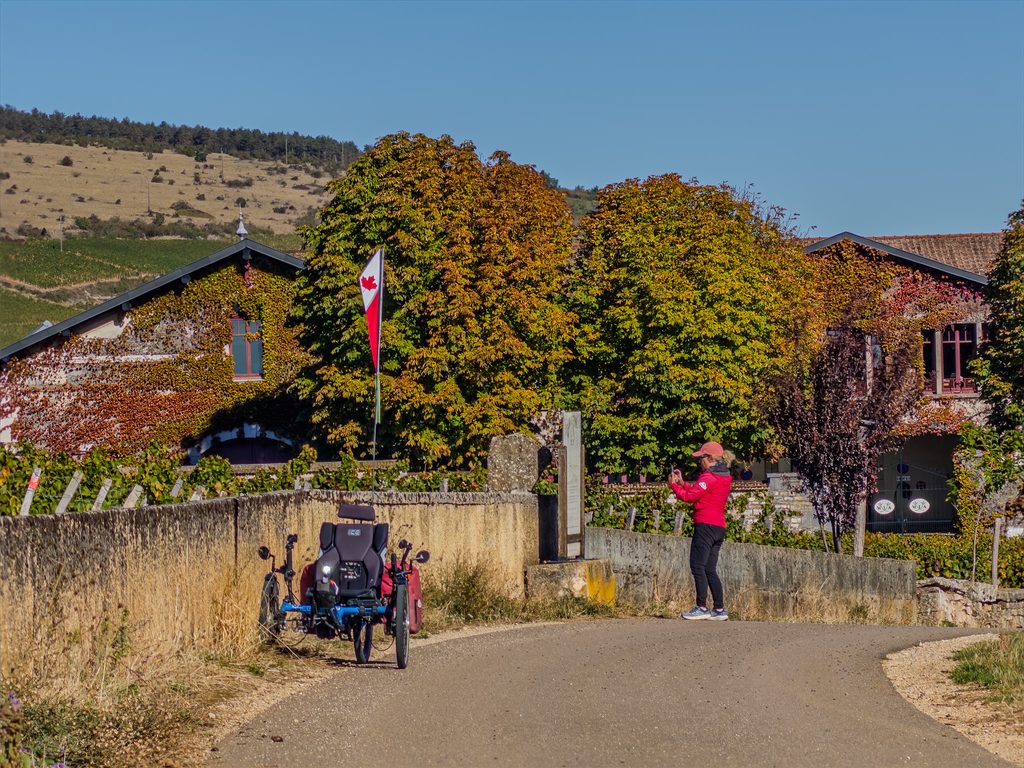
We couldn’t believe the abundance of sunshine, healthy vines, and beautiful buildings.
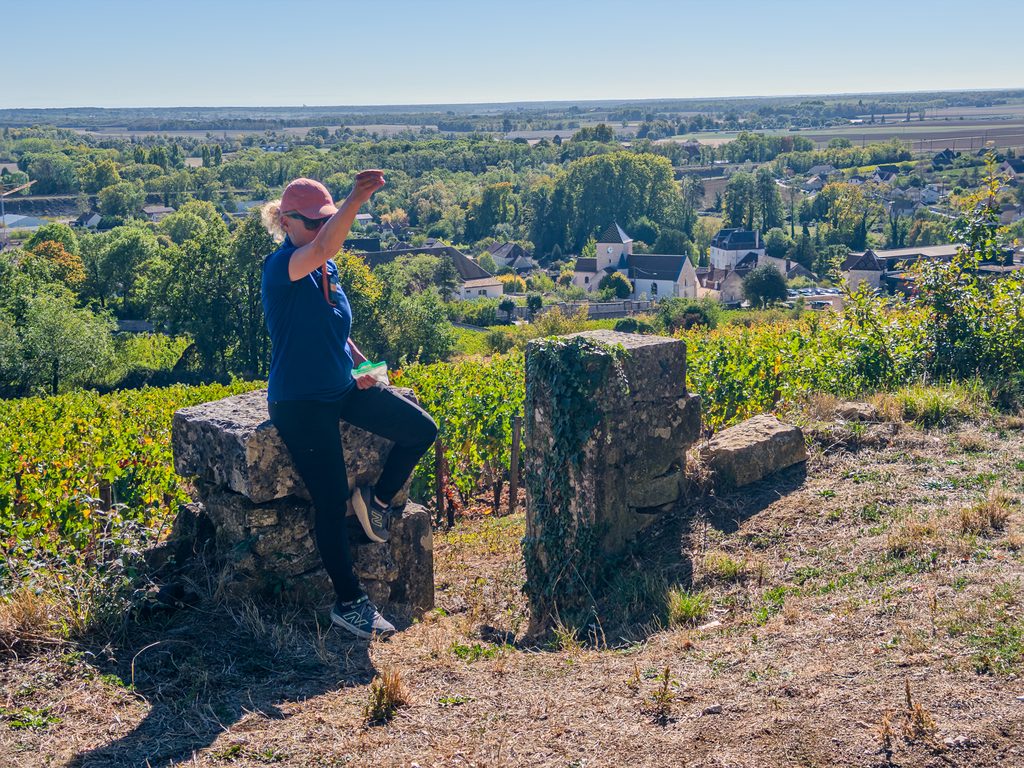
I left a little of Mum high on a hill overlooking hectares and hectares of Pinot Noir vines. I mean, she was a Chardonny gal through and through, but I think she would have approved.
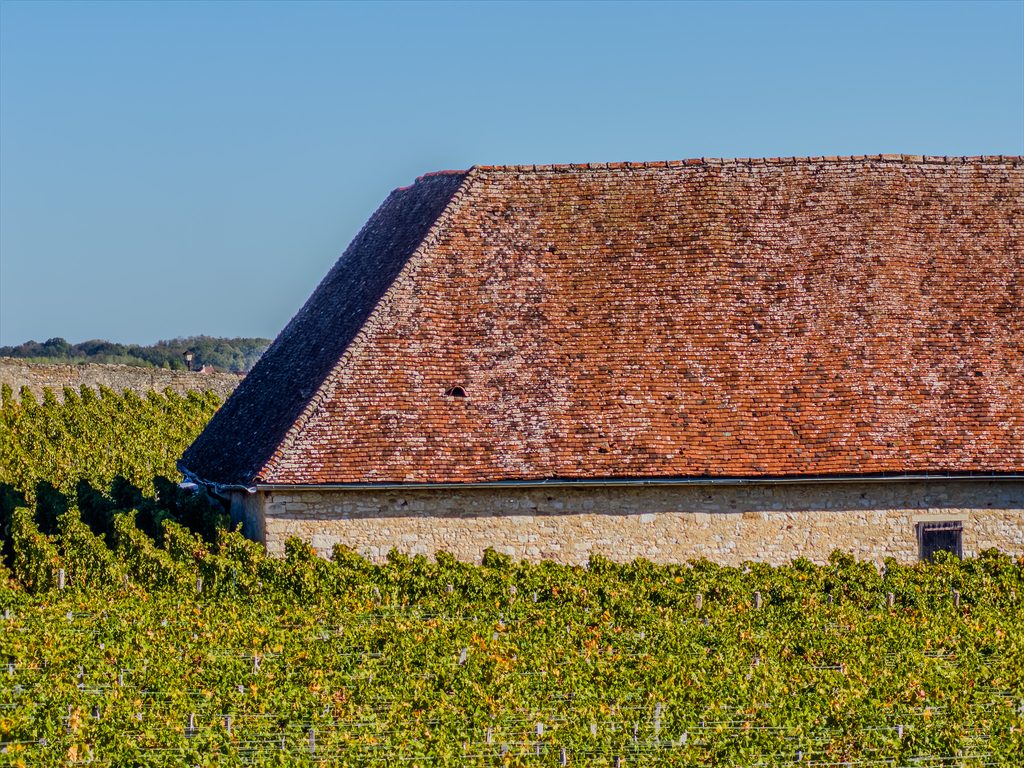
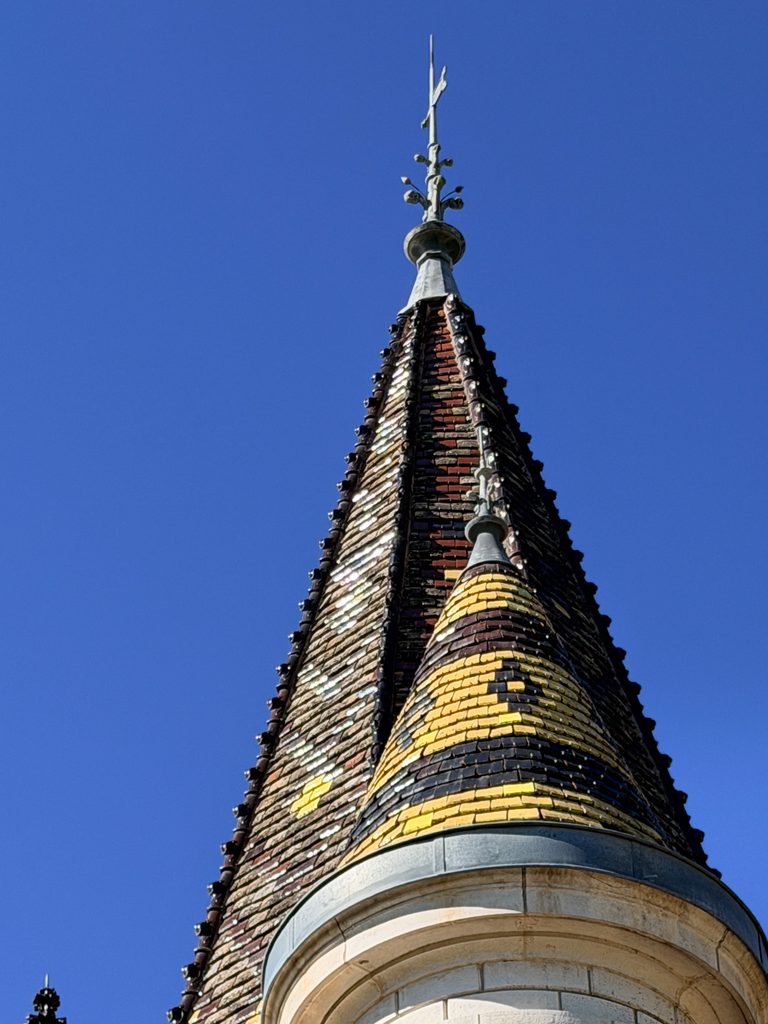
We continued to see more of the shellac’d tiles on rooftops; we’d see a LOT of those in Beaune which was just down the road.
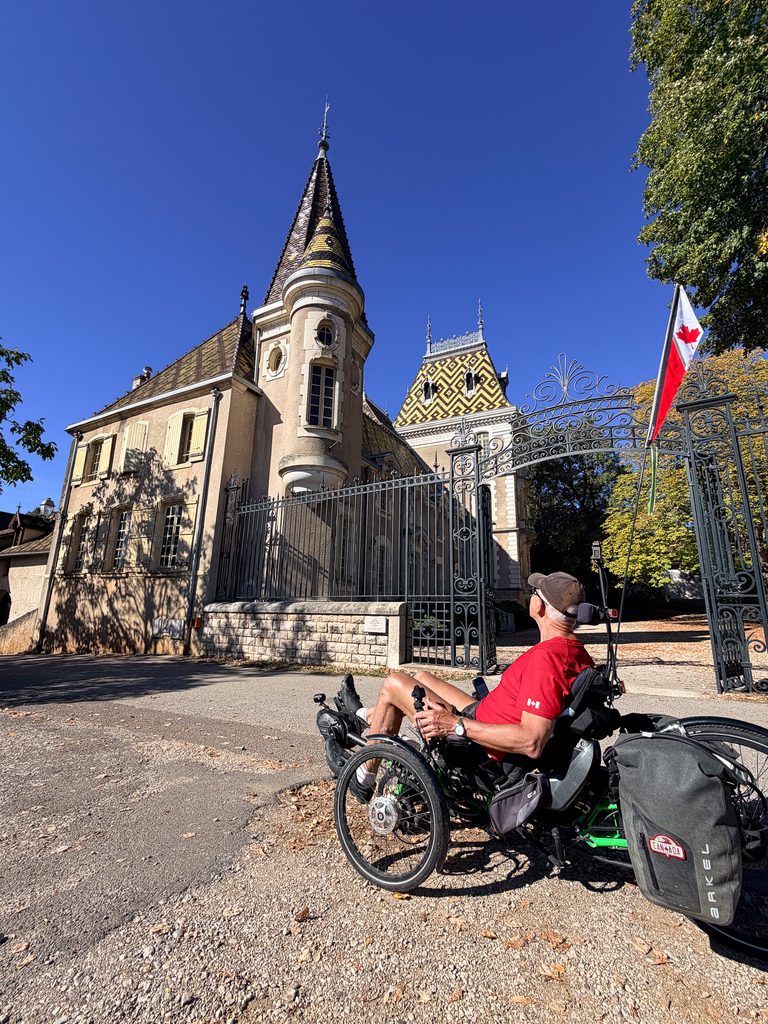
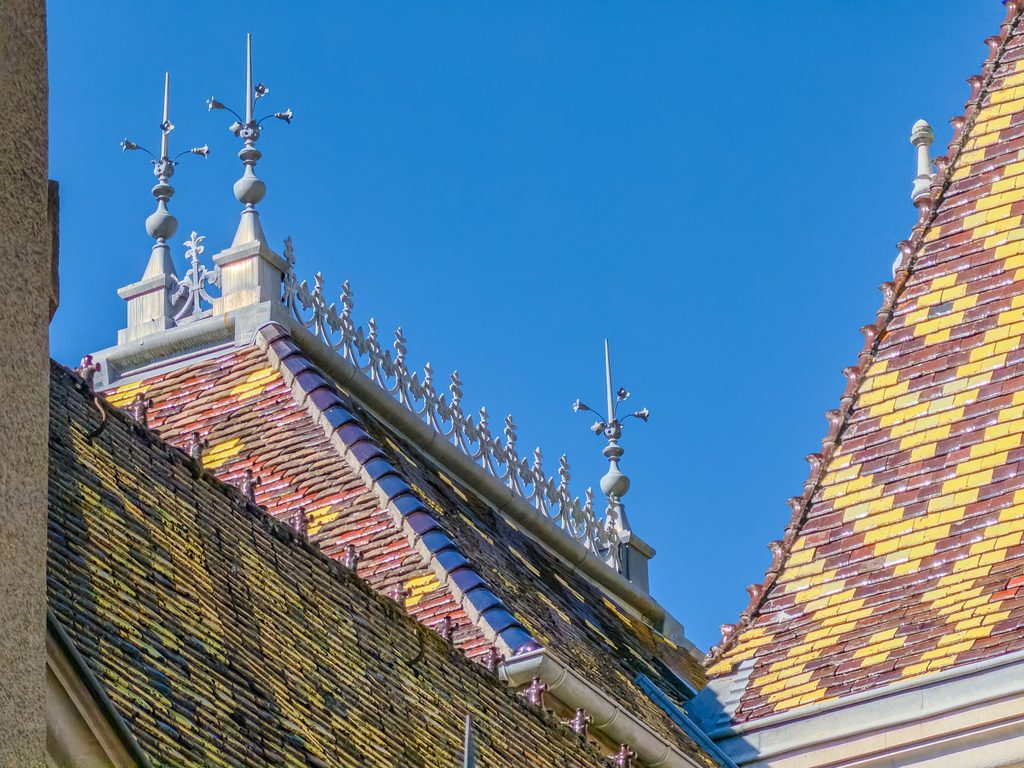
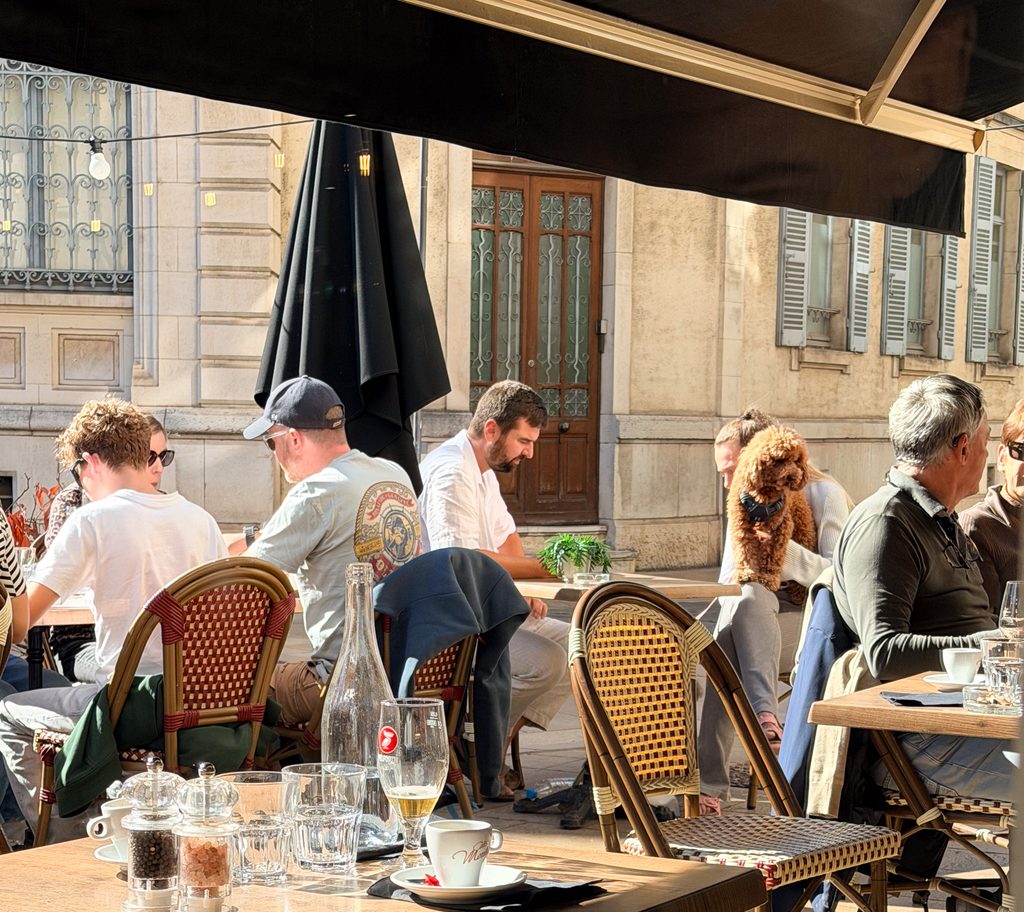
We had been recommended seeing The Hospices de Beaune so immediately after stowing the bikes in the hotel’s elegant bar (and showering!!!! that ride was hot!!!), we made our way to the centre of town. First, though, a Croque Monsieur, a coffee, and a little icecream. Check out the pooch in the shot below.
“The Hospices de Beaune were beautiful, inspiring, a real gem. “The Hospices de Beaune or Hôtel-Dieu de Beaune is a former charitable alms-house in Beaune, France. It was founded in 1443 by Nicolas Rolin, chancellor of Burgundy, as a hospital for the poor.”
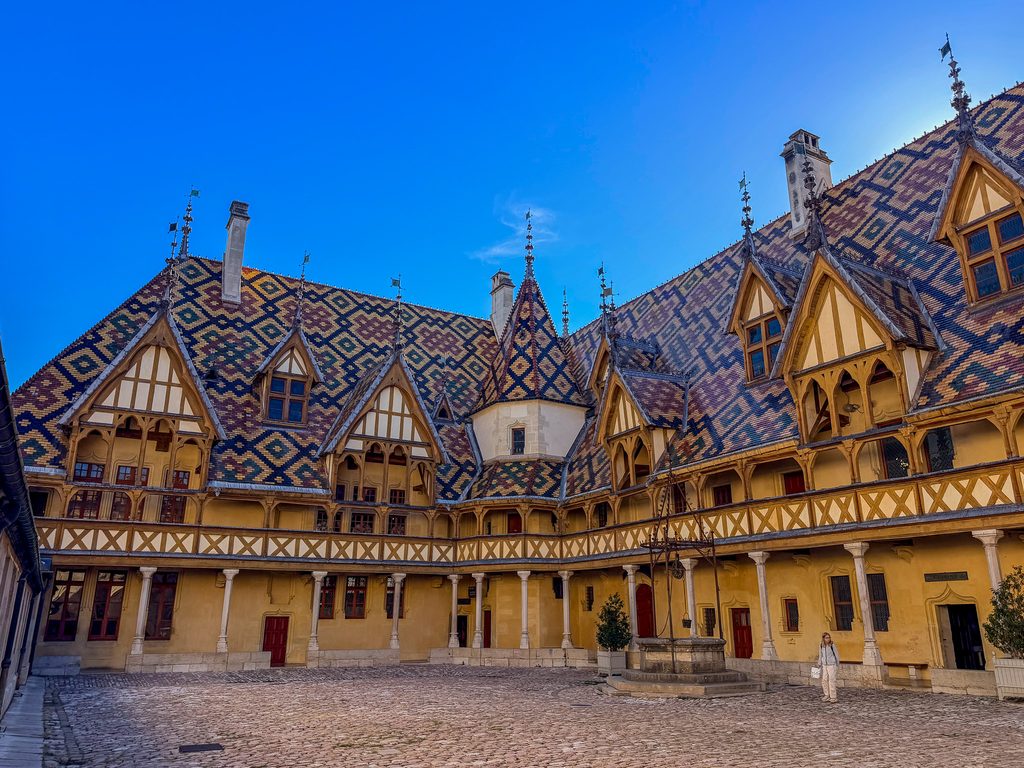
(It was not entirely altruistic – by founding such a huge charitable work, Rolin and his wife hoped to become closer to God. However, the materials and philosophies he employed were of the highest quality, very respectful of “the poor” that the Hospices would servce, as well as of the people who would staff it (primarily nuns. Proximity to his god was one thing, but the level of respect and humility is something we don’t see often enough these days.) (Harrumph.)
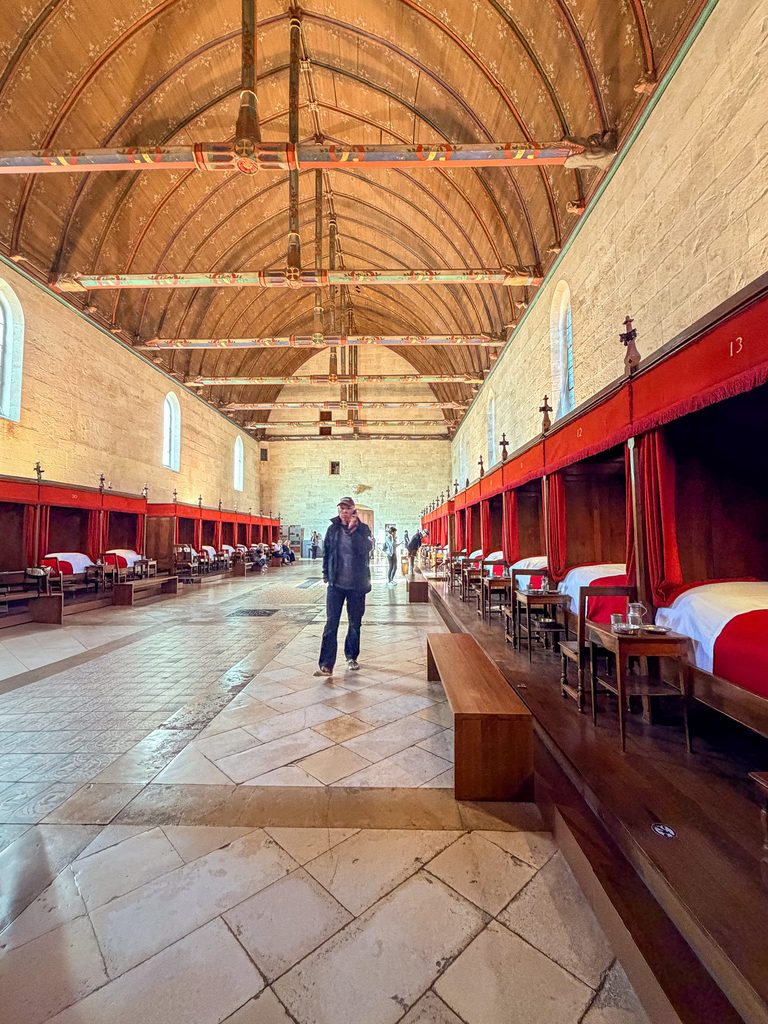
We appreciated the excellent audio-guide tour. (English.)
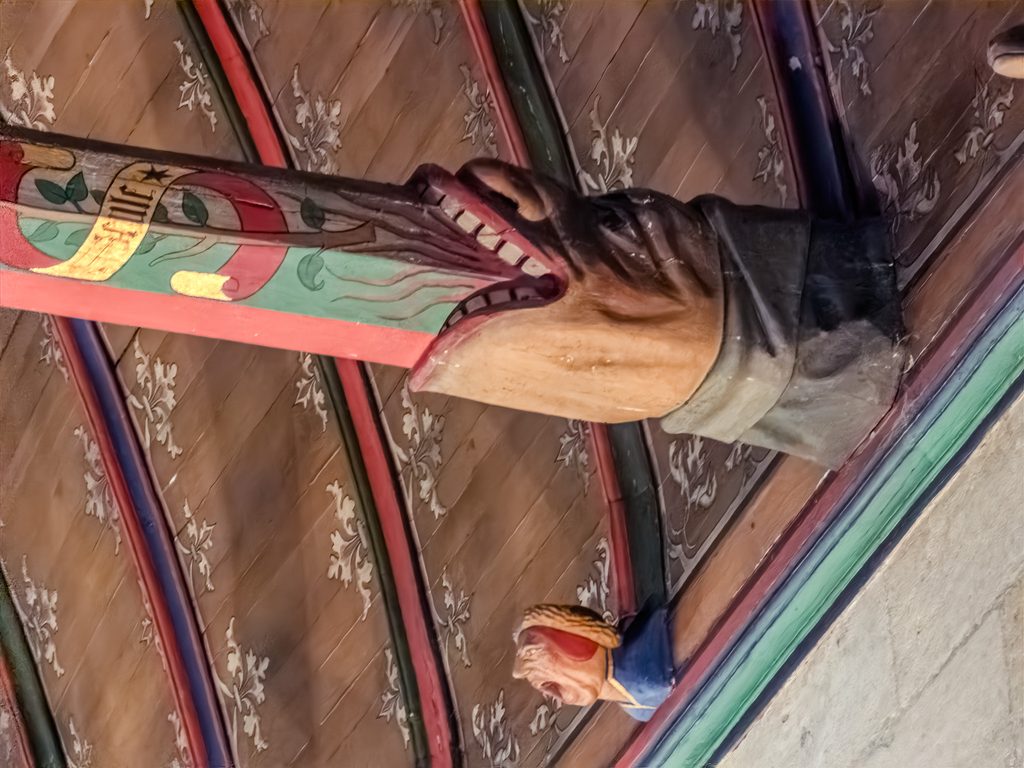
“The original hospital building, the Hôtel-Dieu, one of the finest examples of fifteenth-century Burgundian architecture, is now a museum. Services for patients are now provided in modern hospital buildings.”
The last patient was treated at the original Hôtel-Dieu building in 1971 – !!! – when medical services were transferred to the modern Centre Hospitalier intercommunal de Beaune. The final patient departed the historic site in 1983, after which the building was fully converted into a museum by 1988.
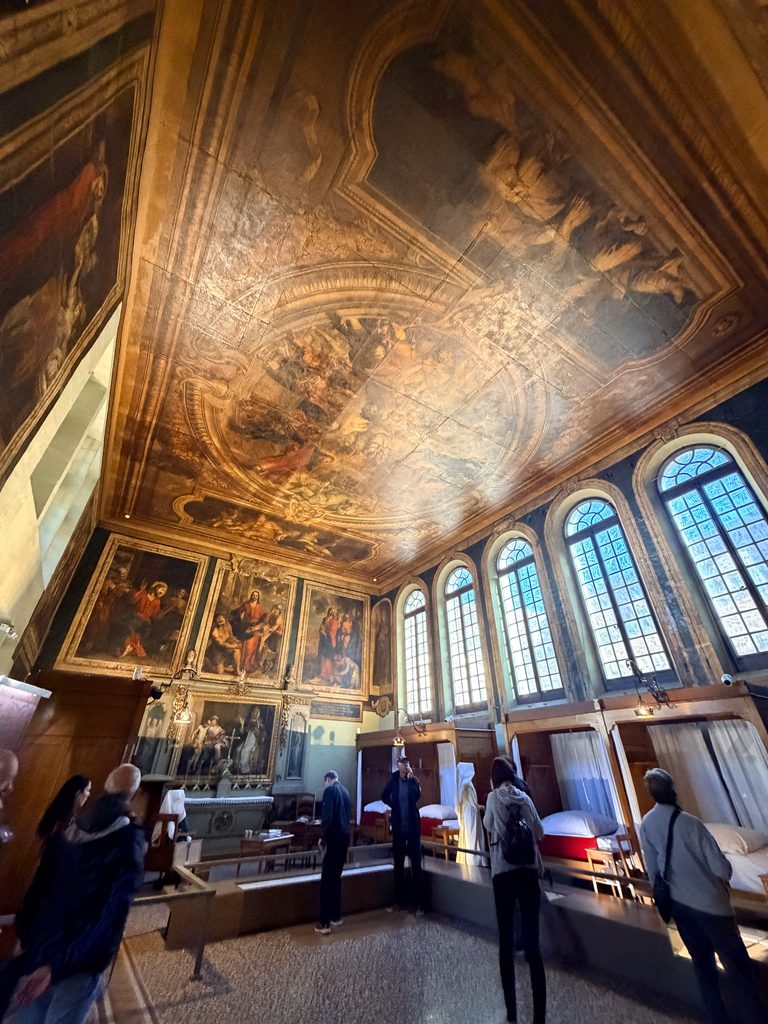
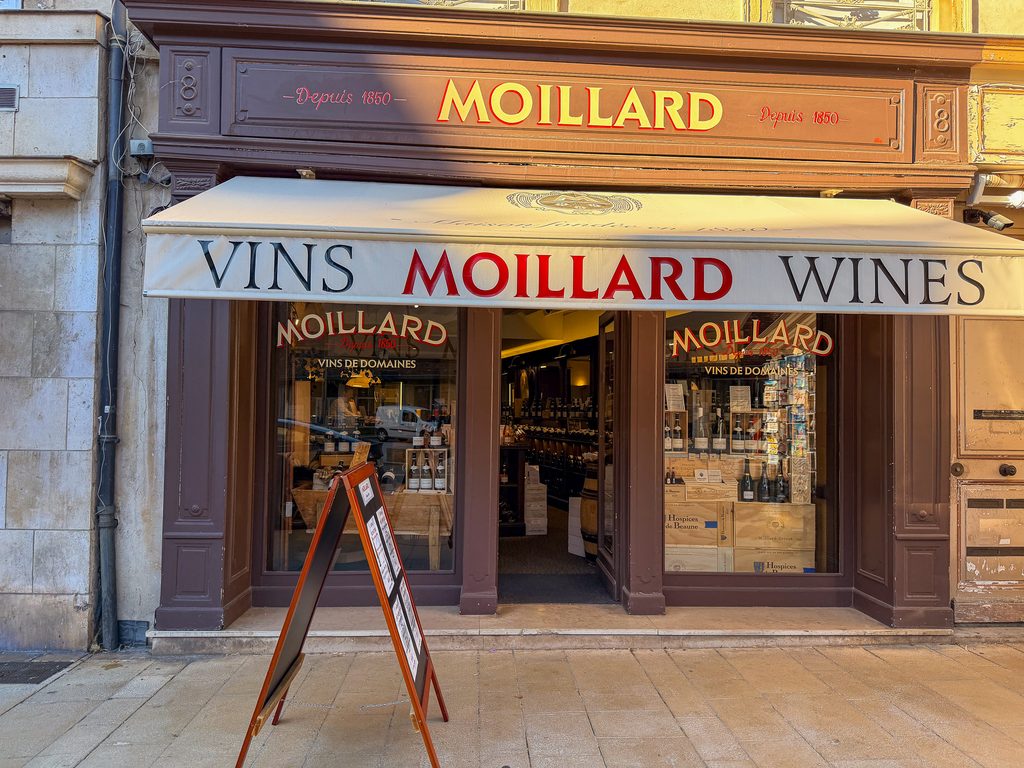
An important charity wine auction is held in November each year (formerly in the great hall of the Hôtel-Dieu). Some of the festivities happen at that beautiful cave we had stopped to admire, earlier in the day! Chateau de Vougeot – Château du Clos de Vougeot.
(The wine auction is a really big deal.)
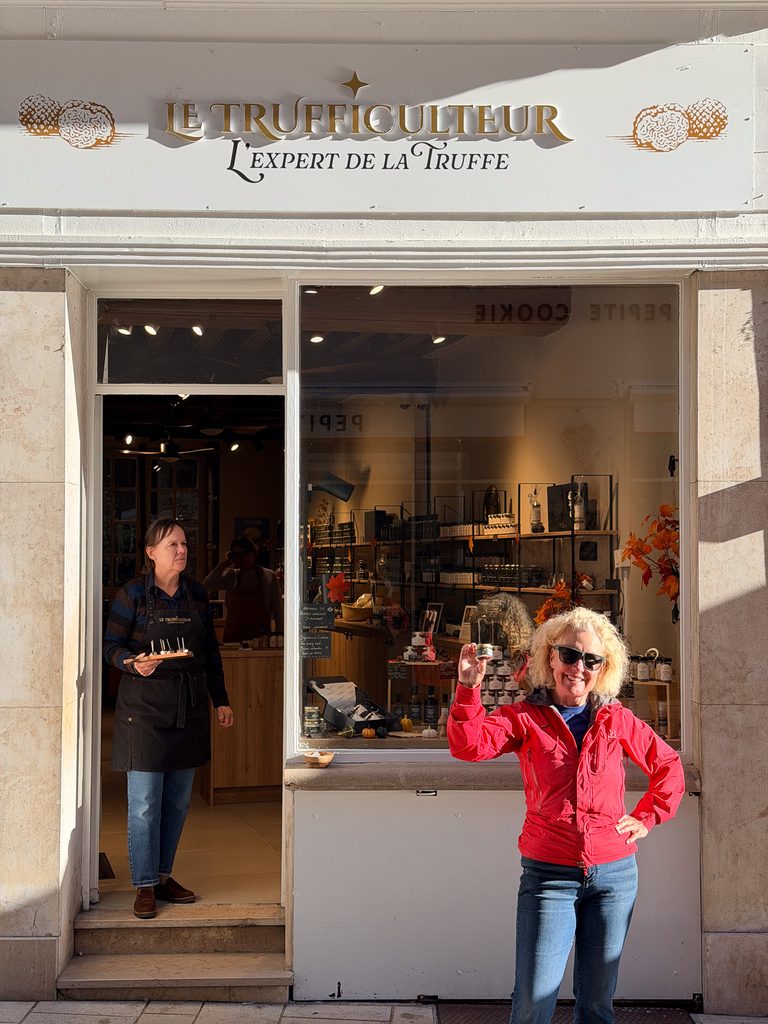
Further along there’s a street of deliciousness that’s hard to resist: truffles. Cheese. Chocolate. I bought my first souvenir: the smallest jar of truffles I could find. Space is limited in my pannier.
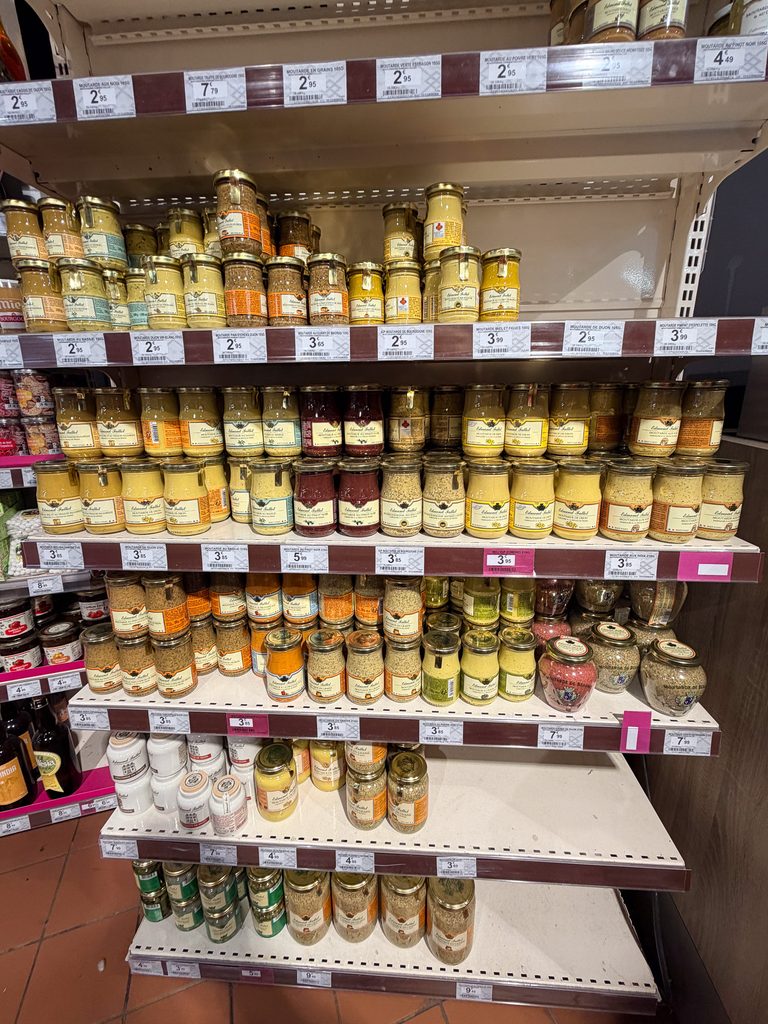
Sadly, we were unable to make the required reservation for the Fallot Mustard factory so we’re still without our Dijon mustard fix… We had to content ourselves looking at a shelf of them in an epicerie. Maybe there’ll be some at the duty-free at CDG.
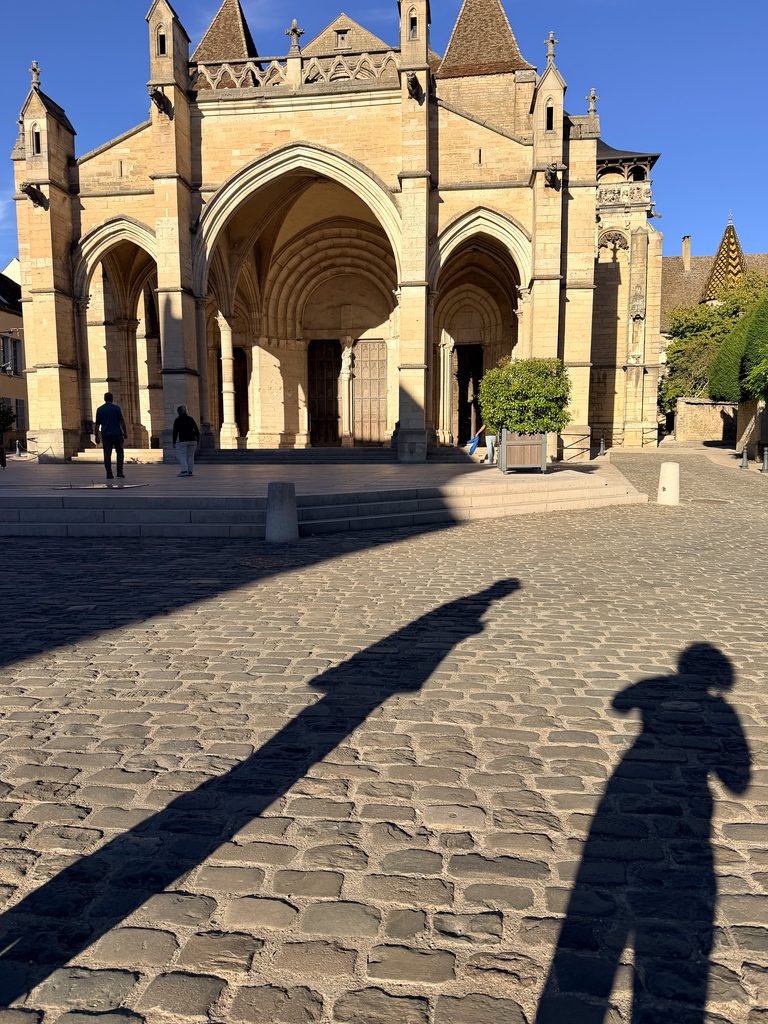
On our way back to the hotel we walked past the Collegiate Church so popped our heads in. Compared to the cathedral in Metz, it was …. meh.
So…. we grabbed dinner, and called it a day.
So very beautiful….
Have enjoyed all the stories you have shared.
Looking forward to see you.
Love Maggie
❤️🌹❤️
0
0