Last fall, Patti and I cycled from Amersfoort, Netherlands, to St Albans, just north of London. The ride was fantastic, across the English Channel from Dunkirk to Dover, around Kent, and through the centre of London.
We stored the trikes in St Albans, and looked forward to returning in the spring.
So, after visiting our old friends Nick and Ursula in Bochum, Germany, I took the train through Cologne, Brussels and London to St Albans. I set aside three nights in St Albans to get some much-needed maintenance done on the trikes. We had patched punctures and tightened cables, but after abouut 10,000 kms better tender-loving-care was well overdue.
I spent the first day adding power converters so that our phones would be conveniently charged directly from the trike batteries instead of from USB cables from external backups. This would prevent annoying cable connections issues, especially during rain. The next day I dropped the trikes into the St Albans Trek bike shop for their ‘Level 2’ maintenance – replacing chains and cables, thorough cleaning, and inspection of all other components. All this will take about a week. In the meantime, I’ll meet Patti in London for a few days.
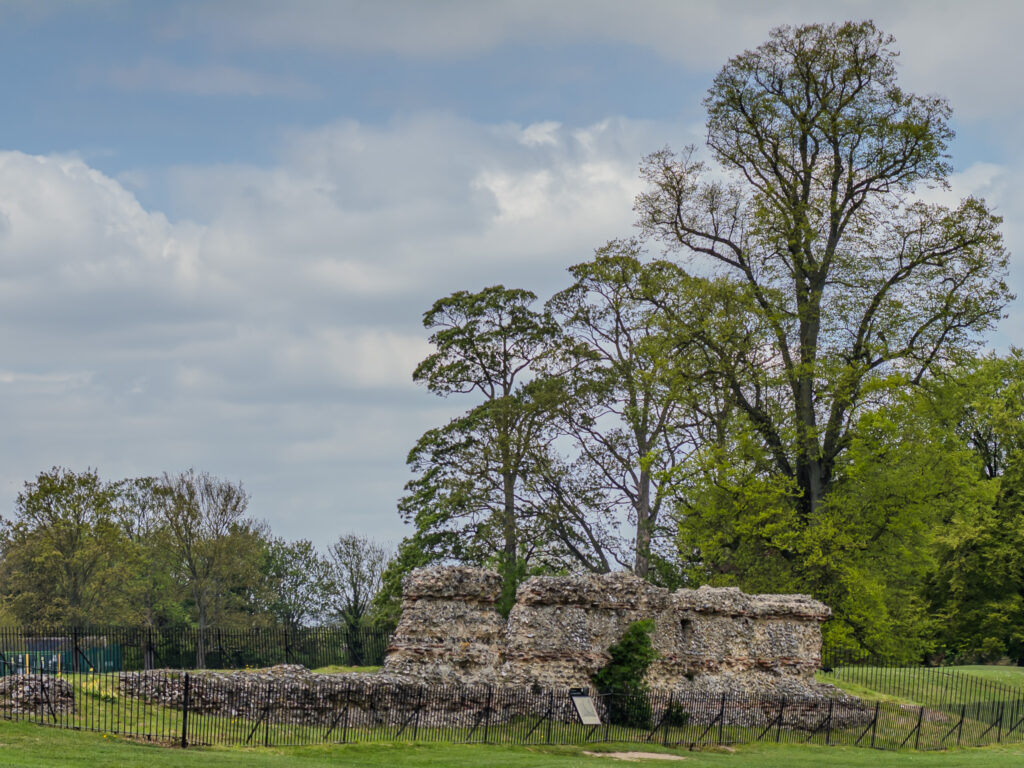
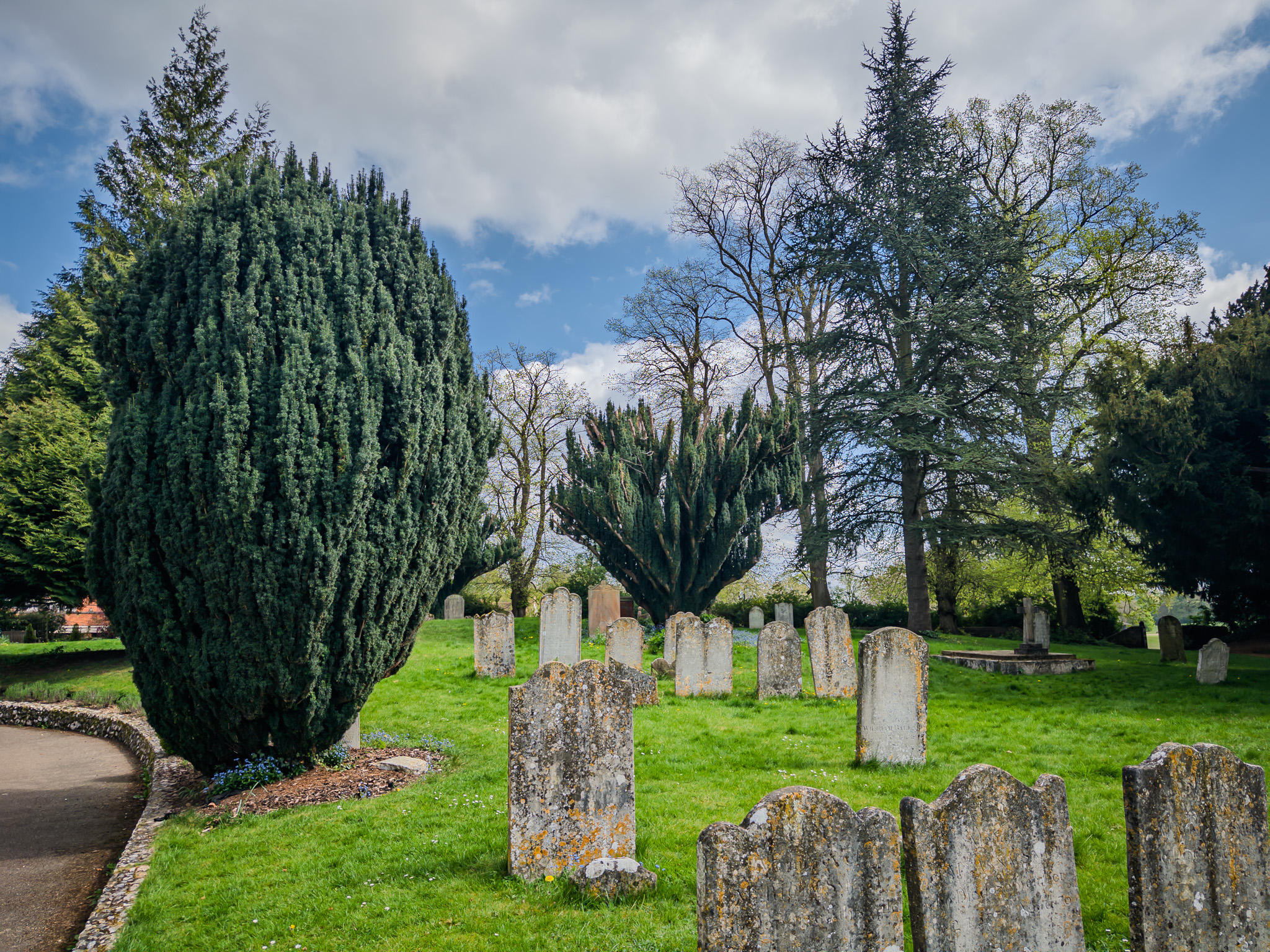
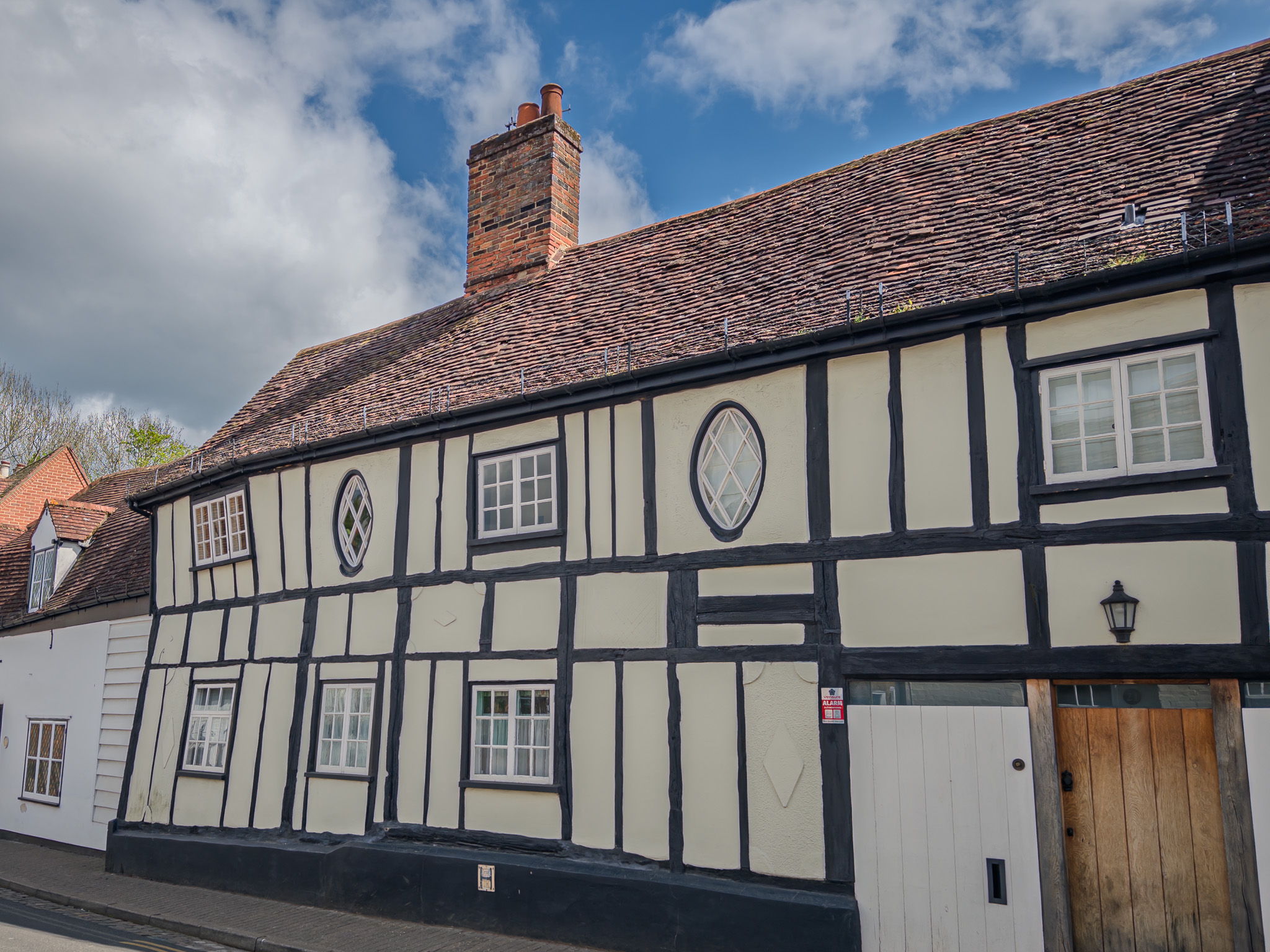
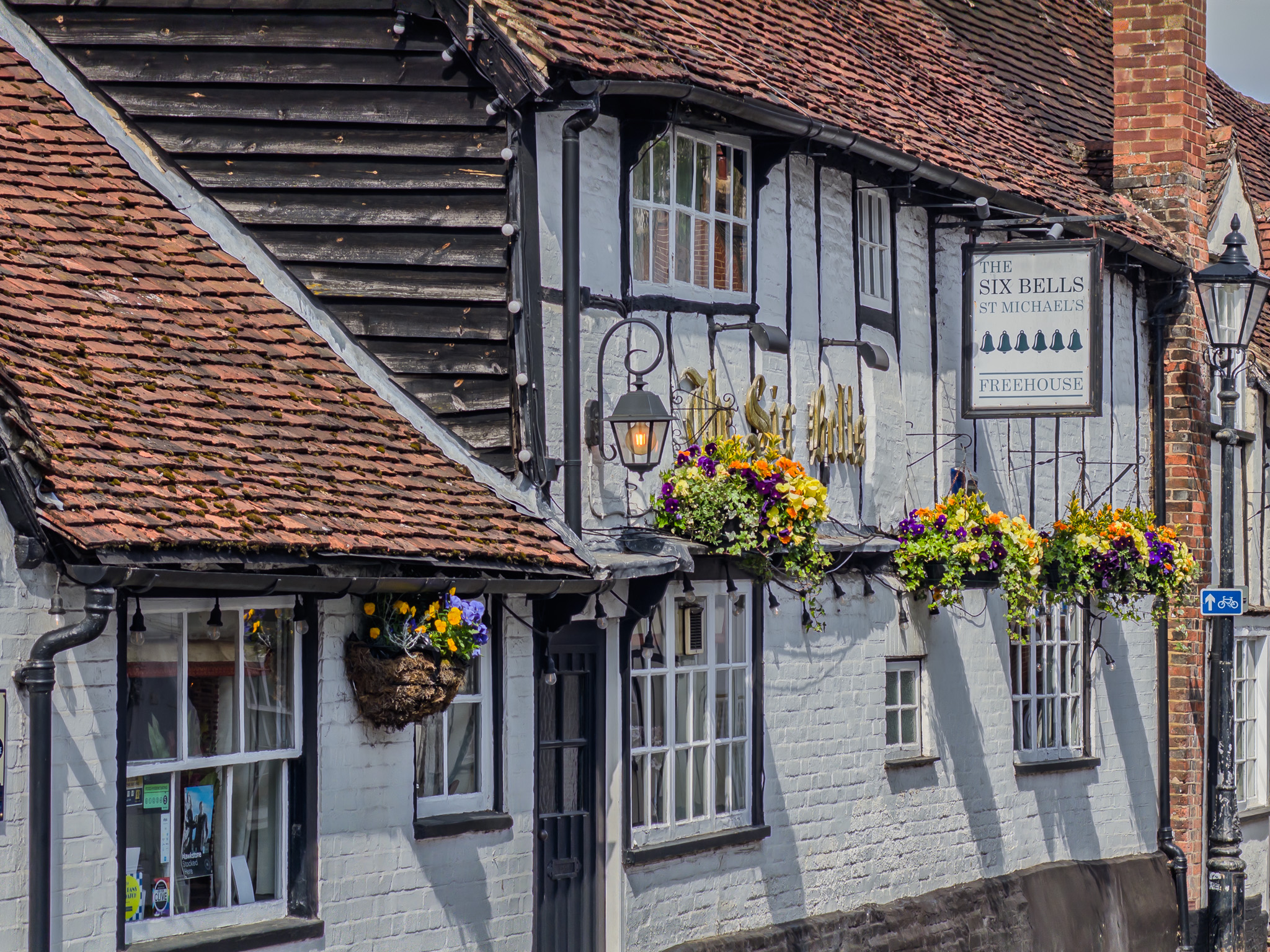
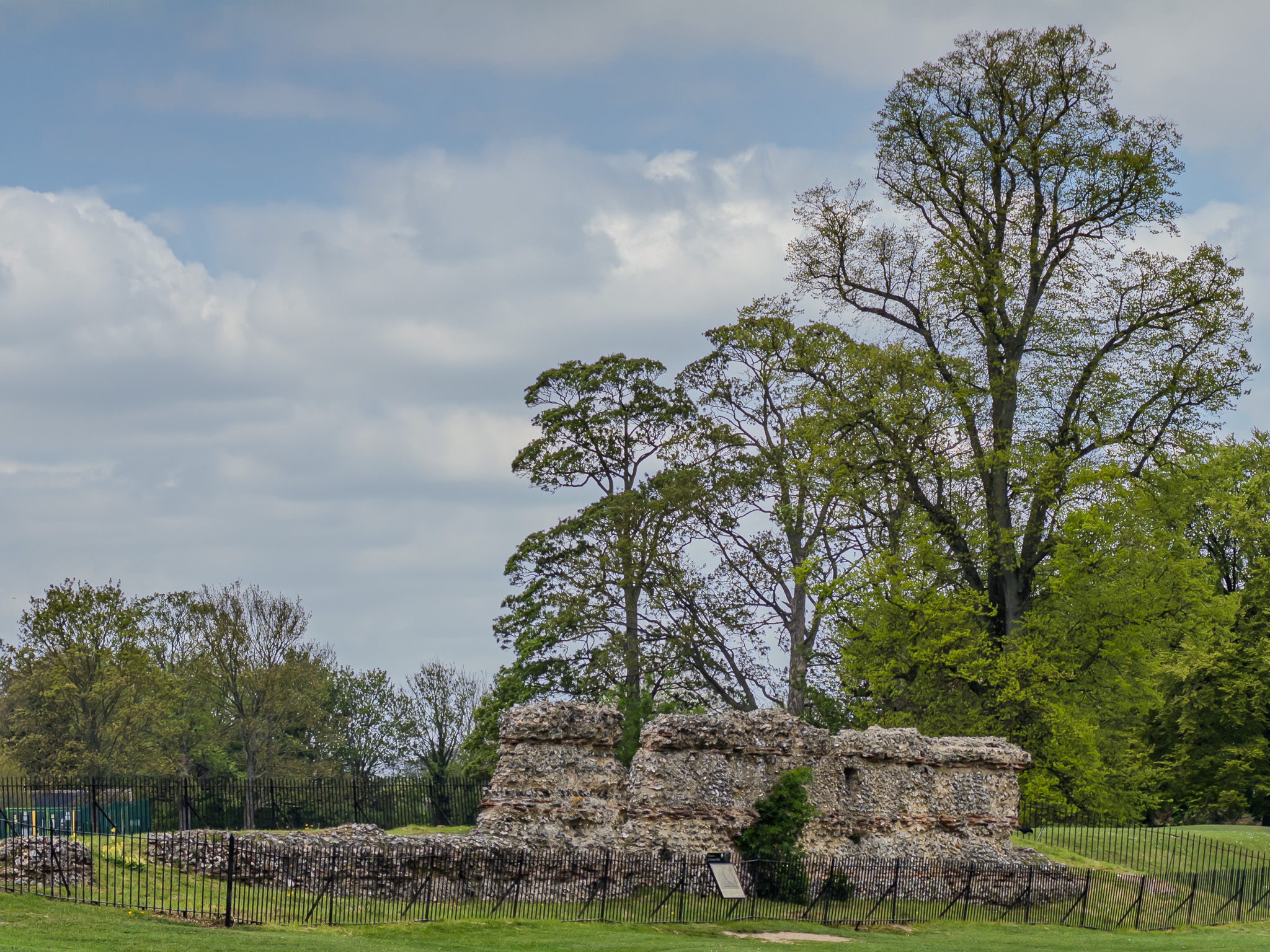
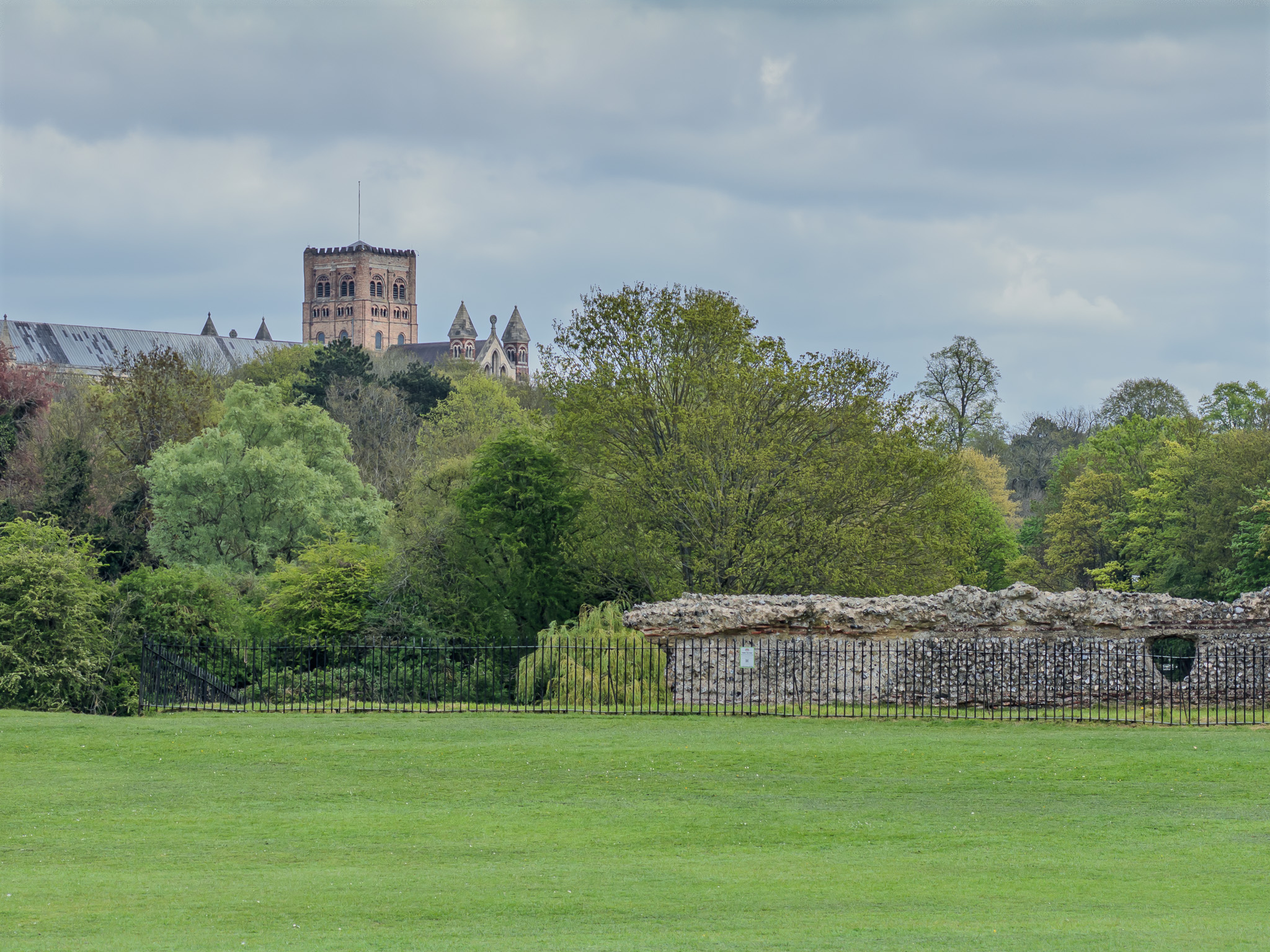
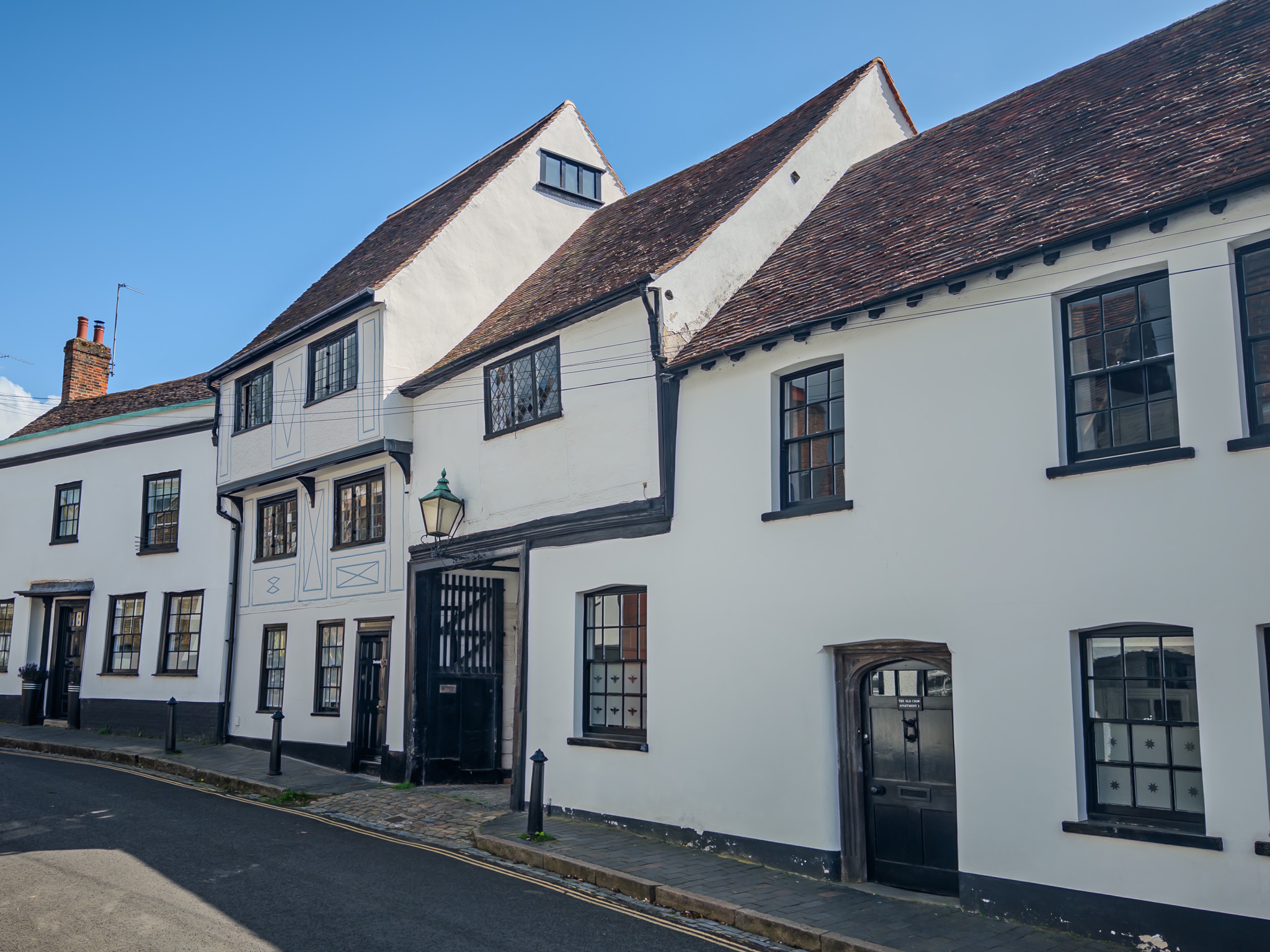
But – first – St Albans. What a lovely city, with a very long history. It was first settled by the Celts in 20 BC, originally called Verlamion. In 43 AD the Romans invaded and renamed the town Verlamium. They built the third largest Roman city in Britain, after the original huts were burned during local pillages. The Roman stone city included an amphitheatre for 6,000, many large structures, and a complete stone wall.
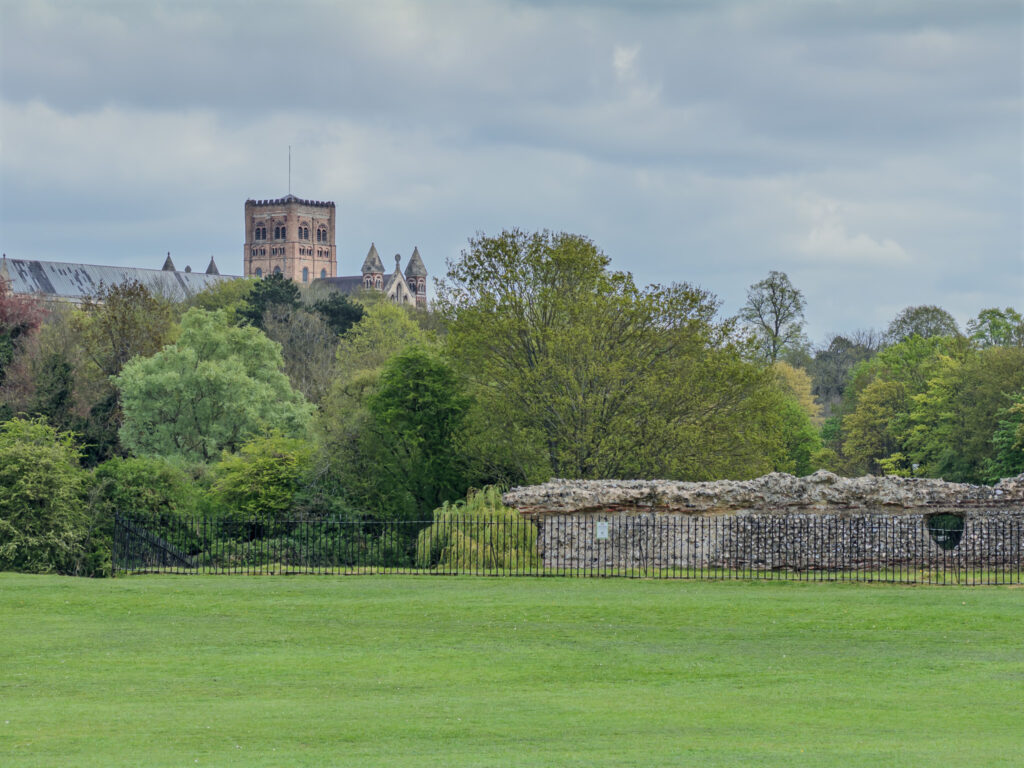
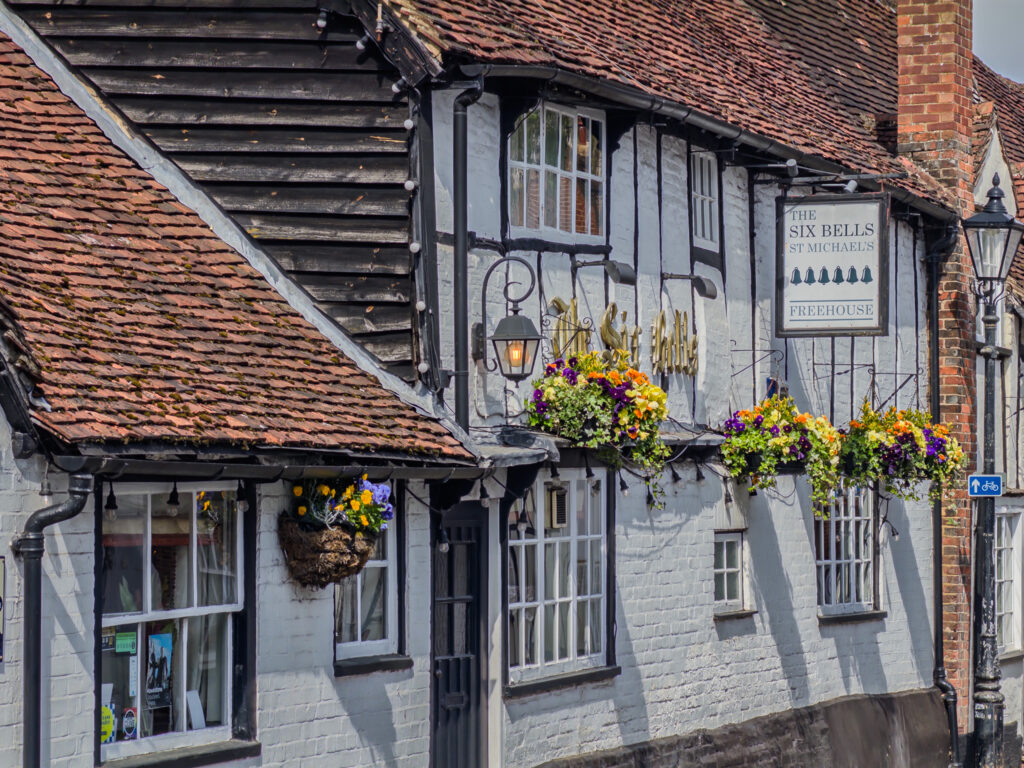
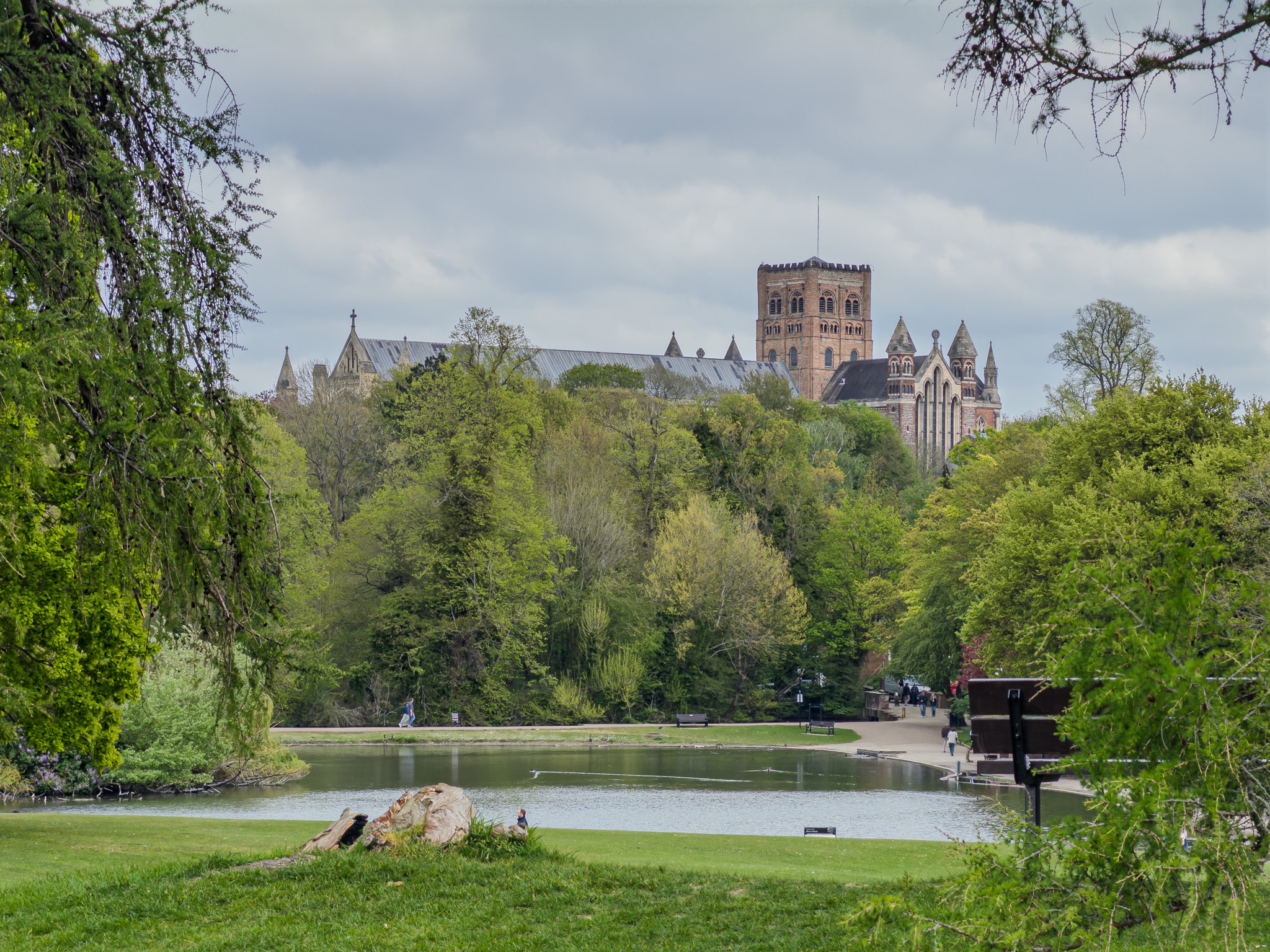
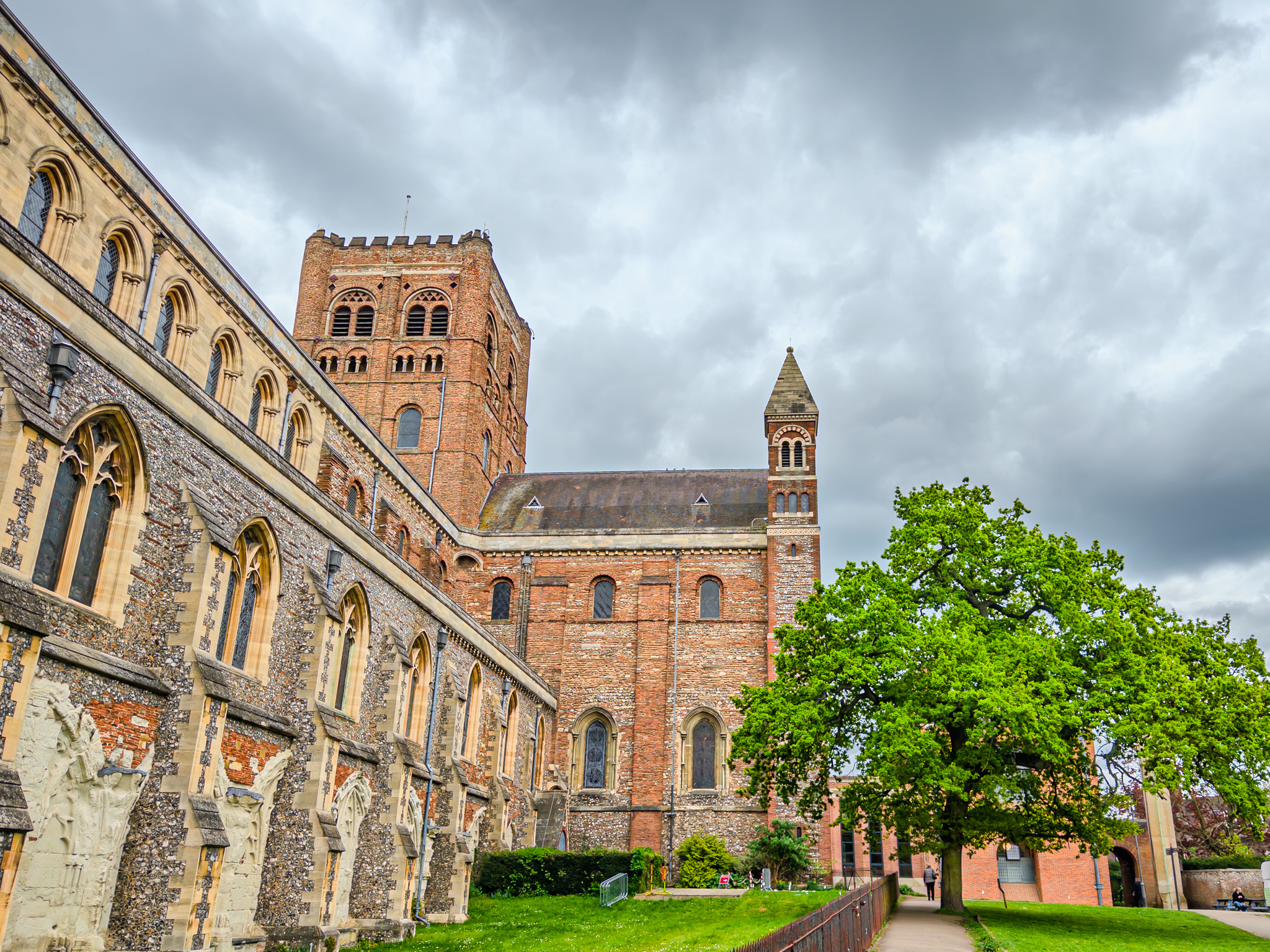
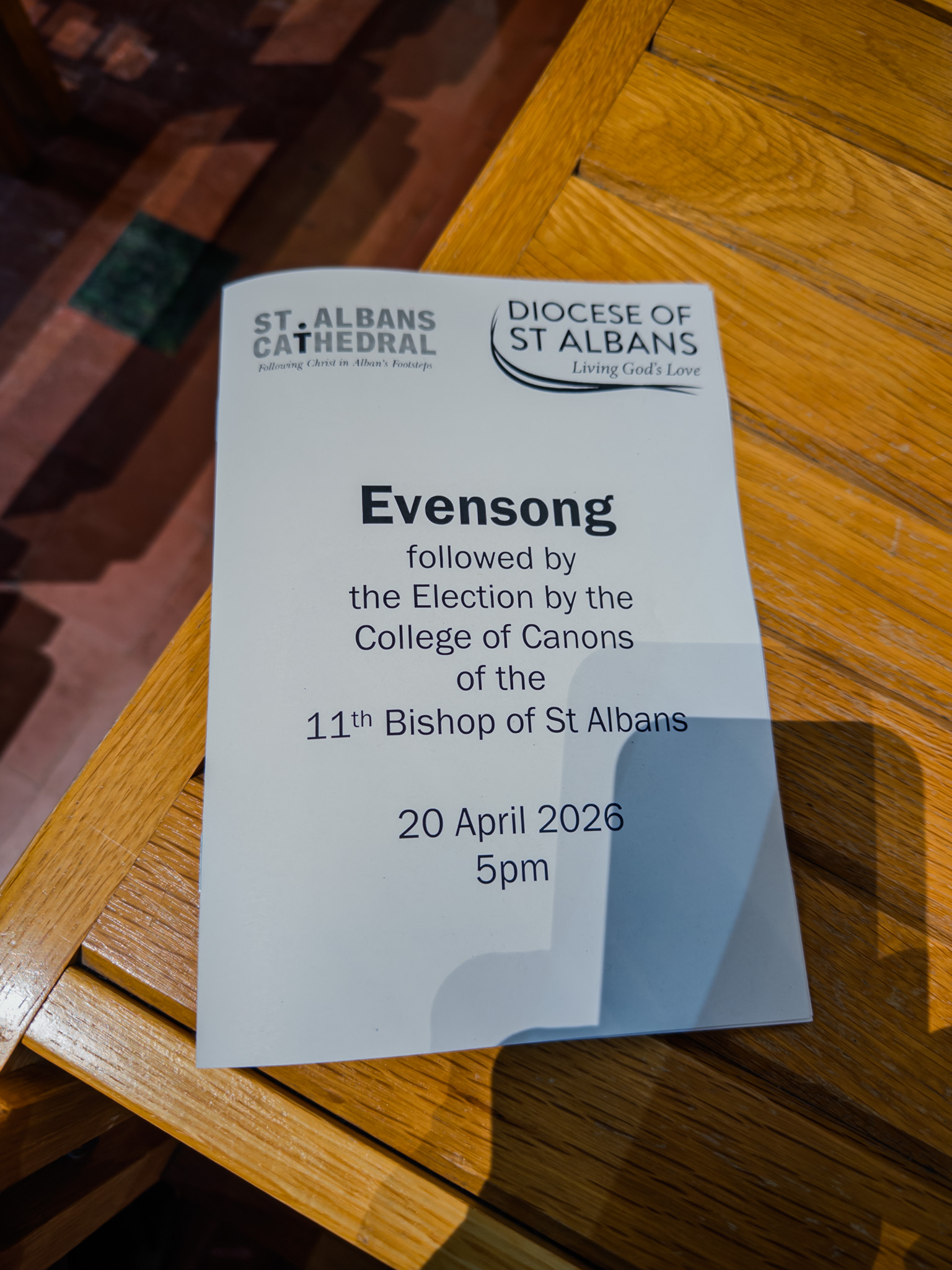
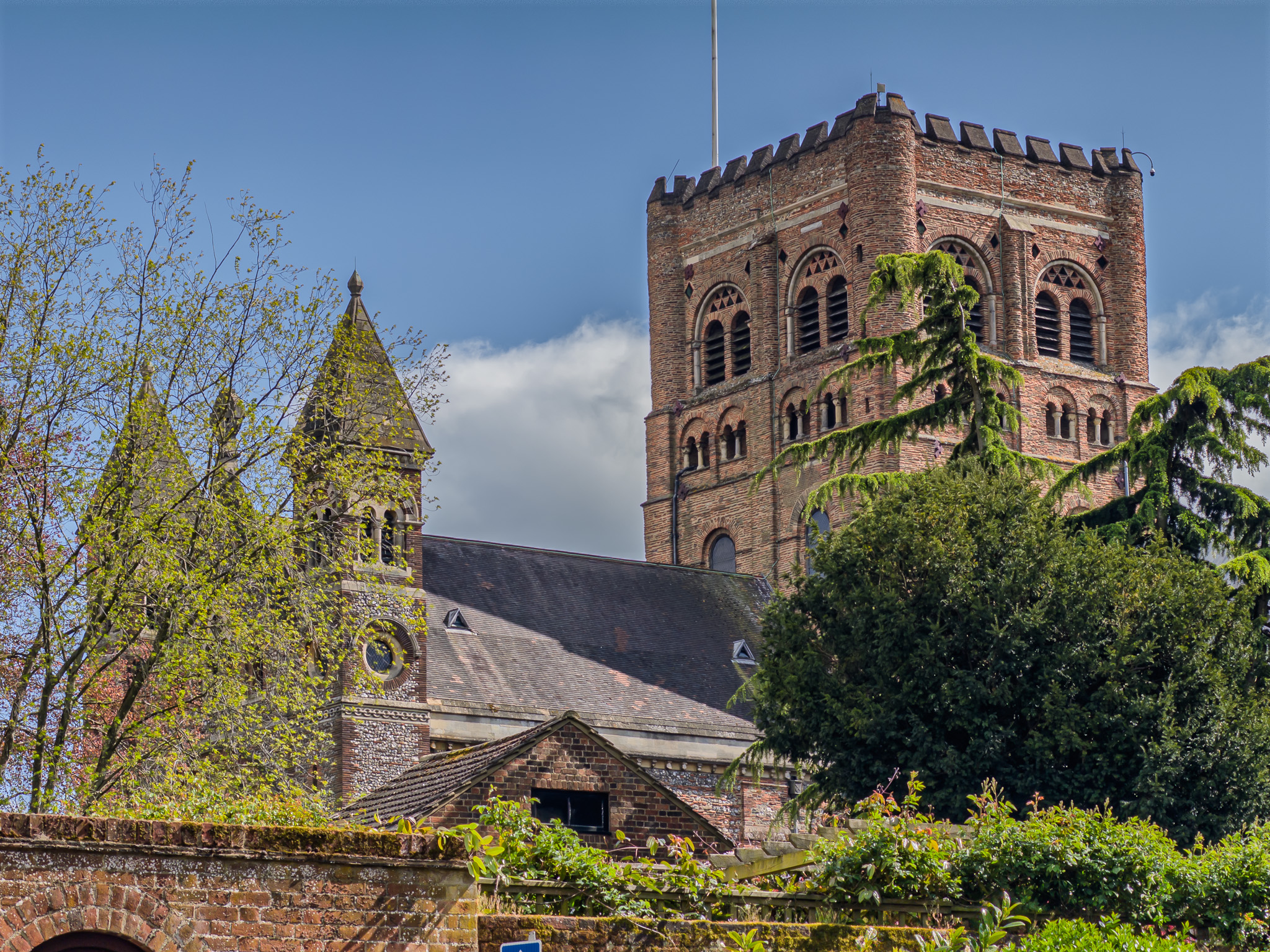
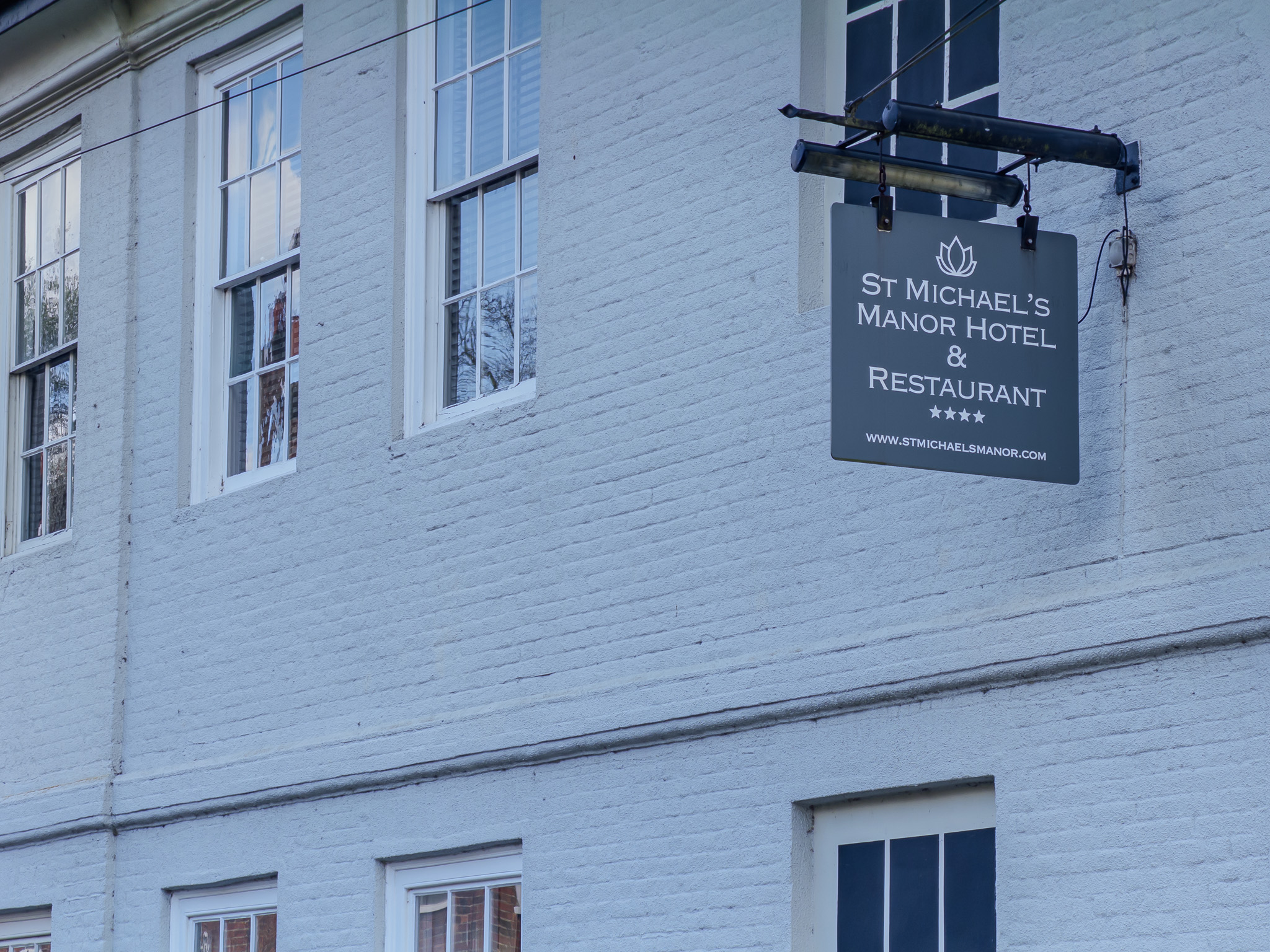
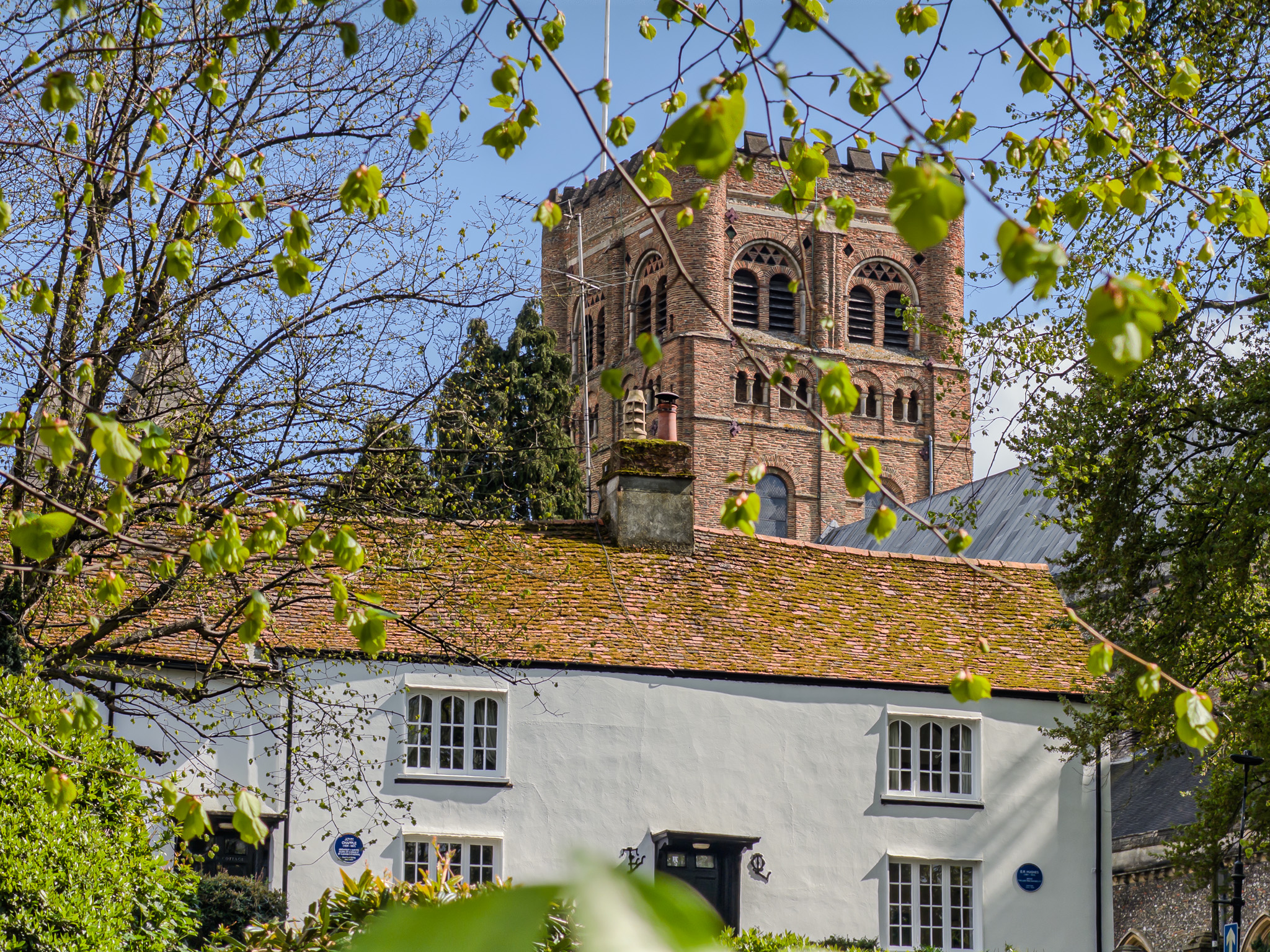
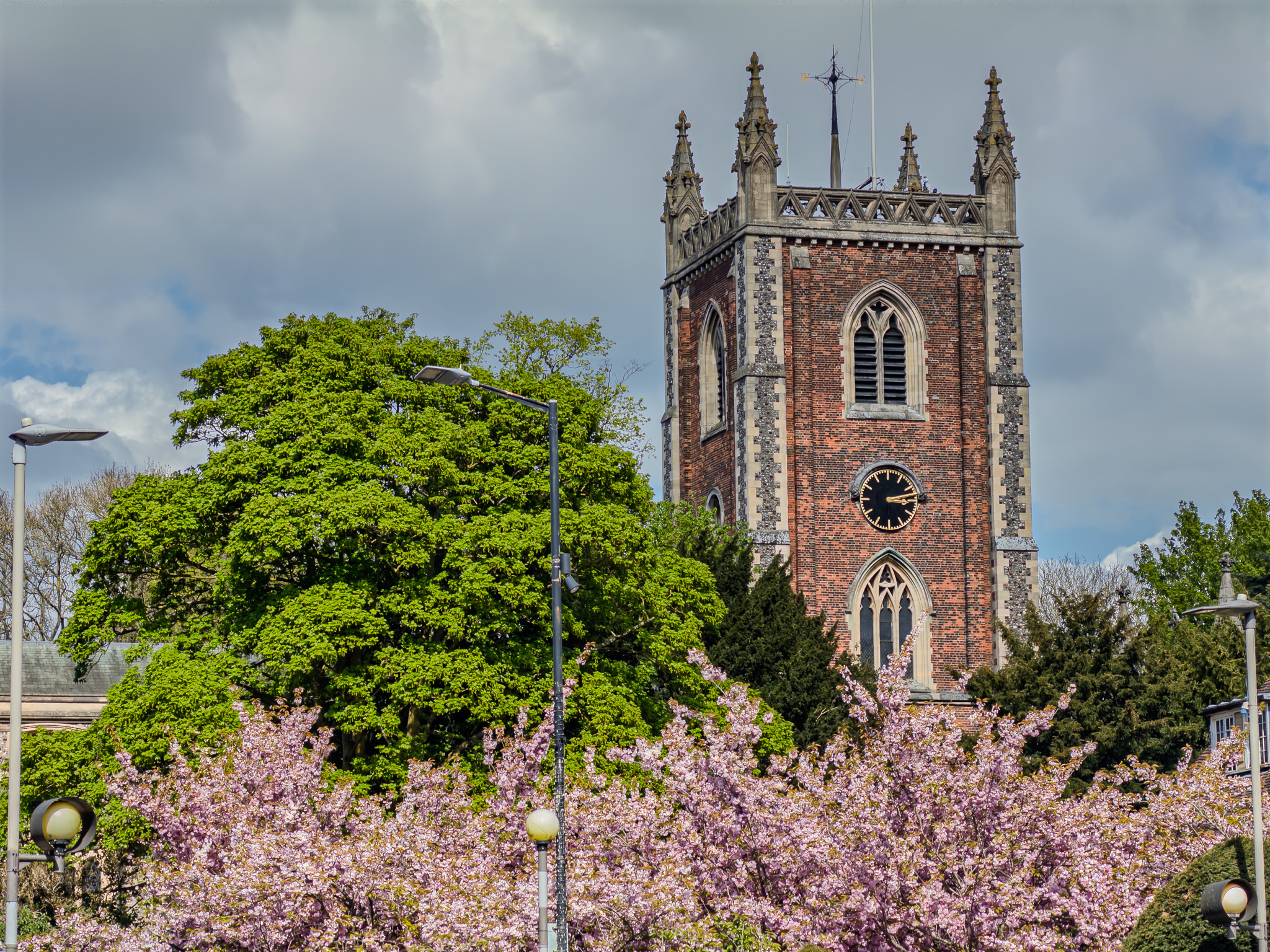
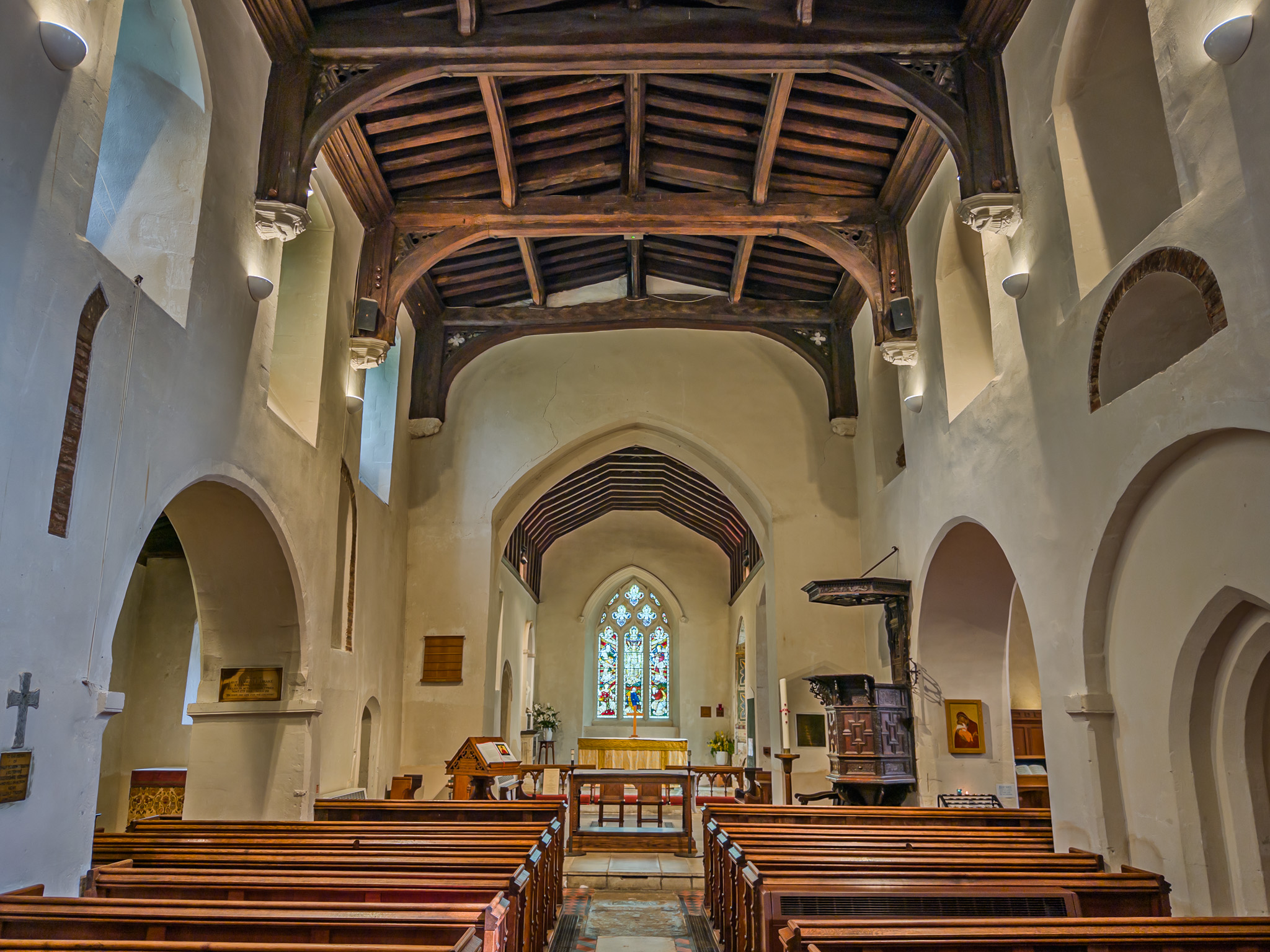
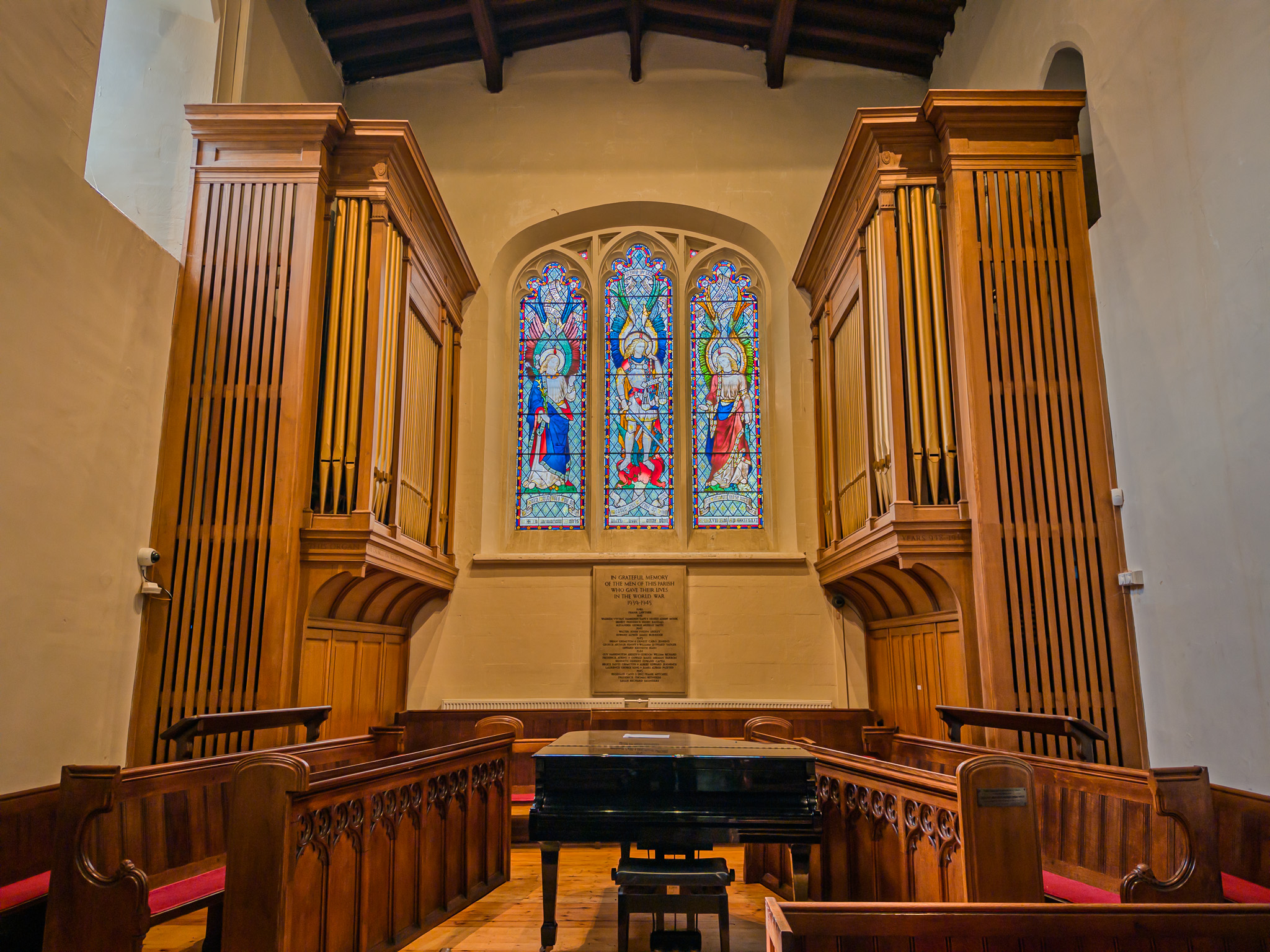
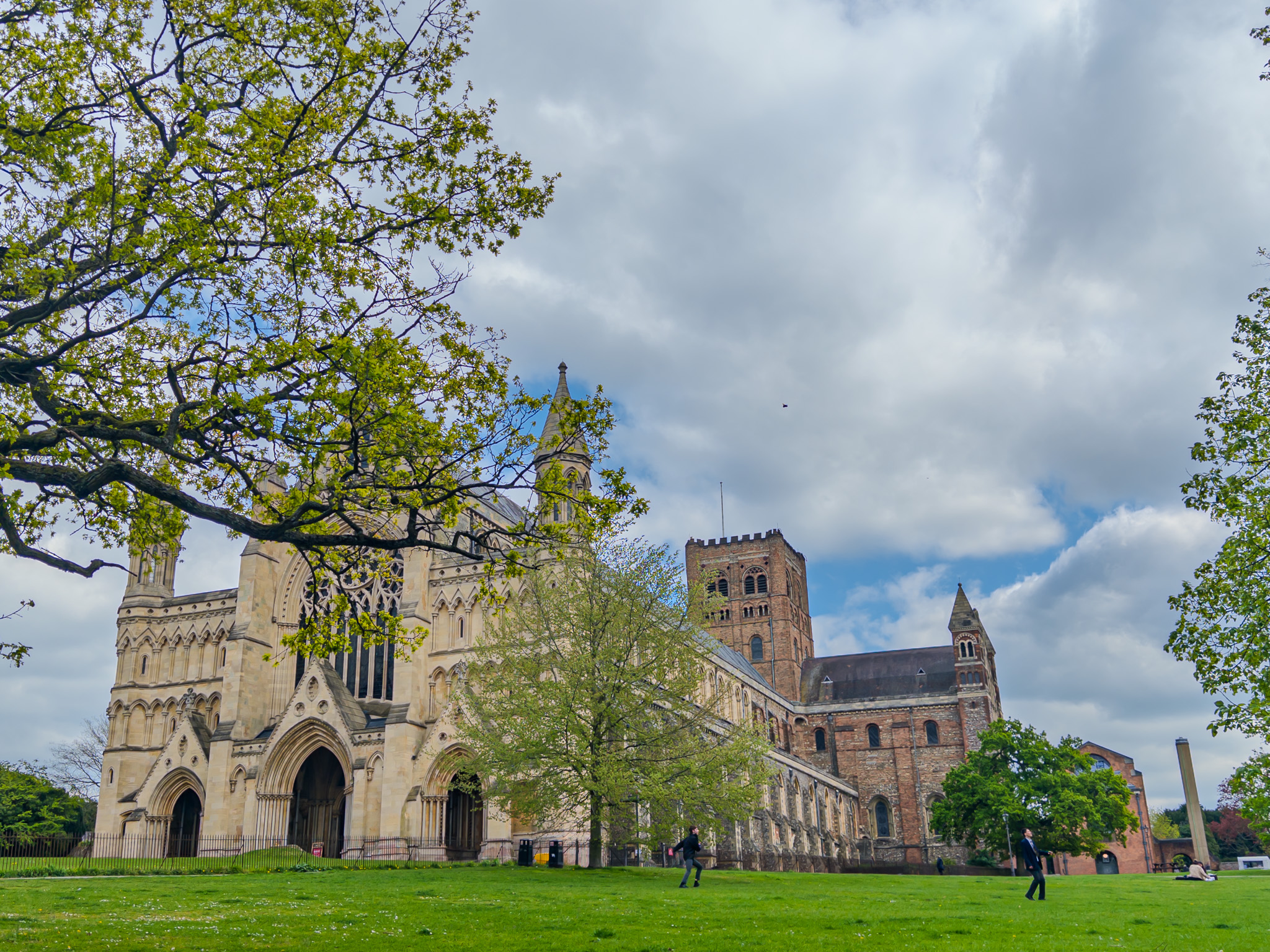
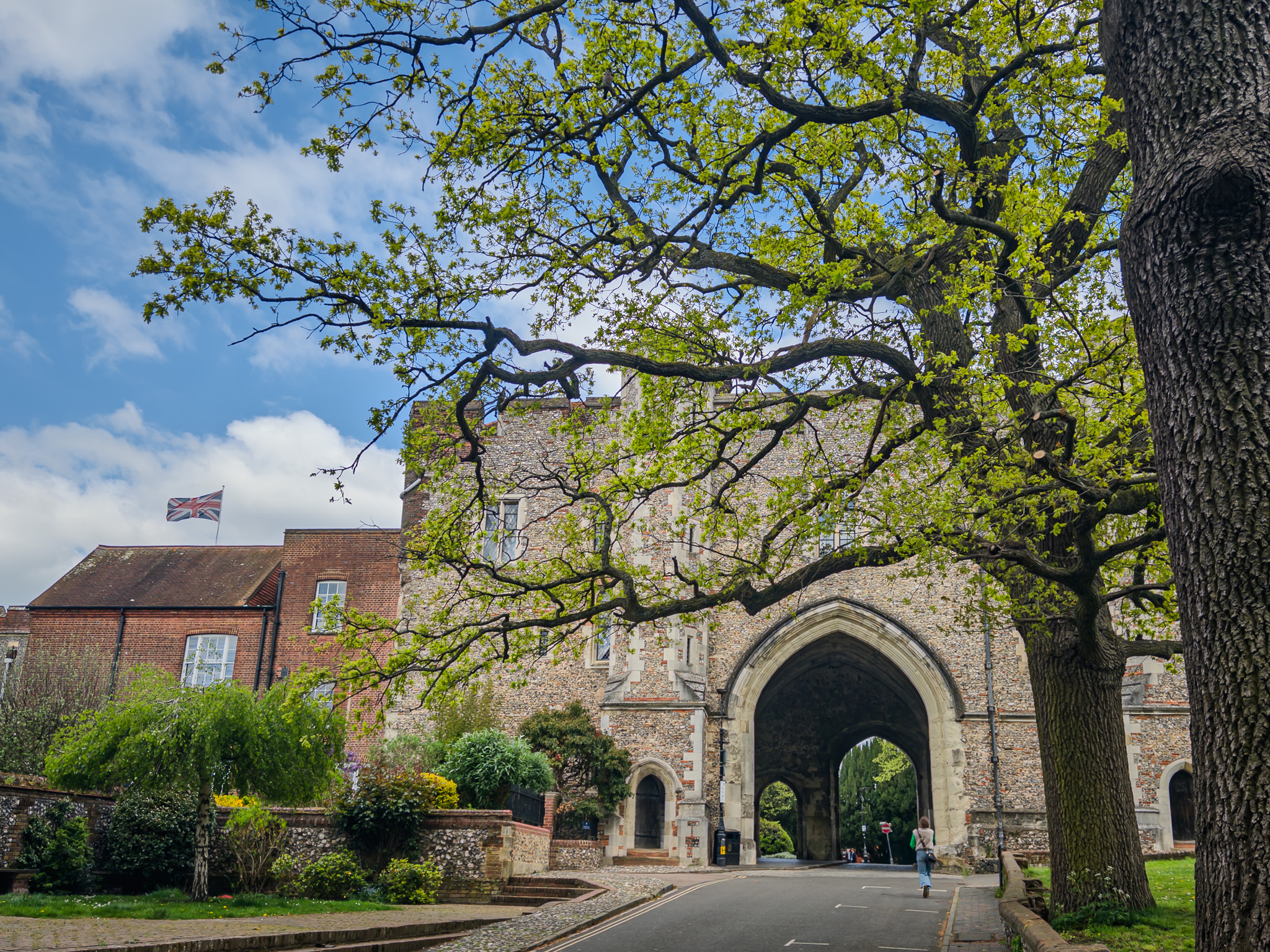
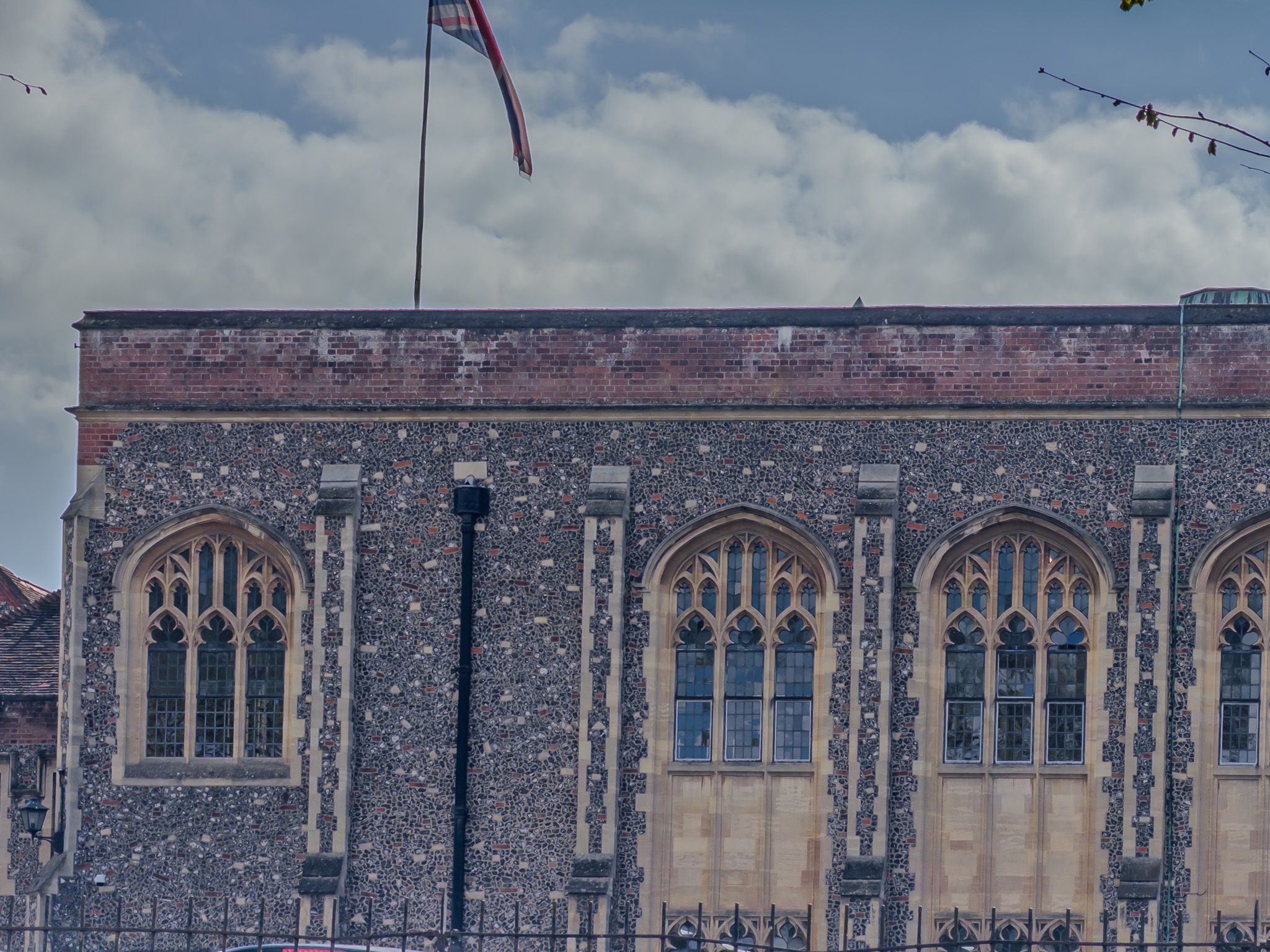
The Romans ceded to the Christians around 300 AD, and the town became St Albans, named after the first saint of Britain. A Cathedral was built, with an important abbey and monastery. The Cathedral saw many additions and rebuilds, and today is one of the largest and most important in England. I attended Evensong, and was treated to an excellent young female choir, followed by the election of the 11th Bishop of St Albans. The Dean of St Albans is a very hip woman, who interjected the solemn ceremony with light-hearted remarks to us plebeians in the pews. Very entertaining!
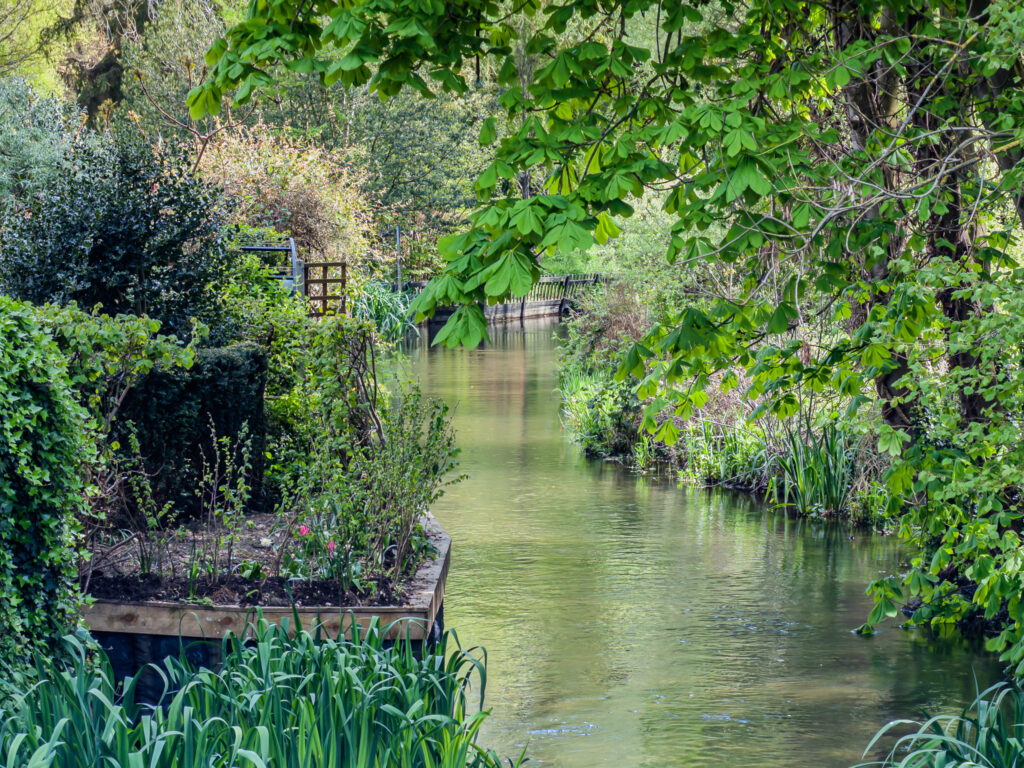
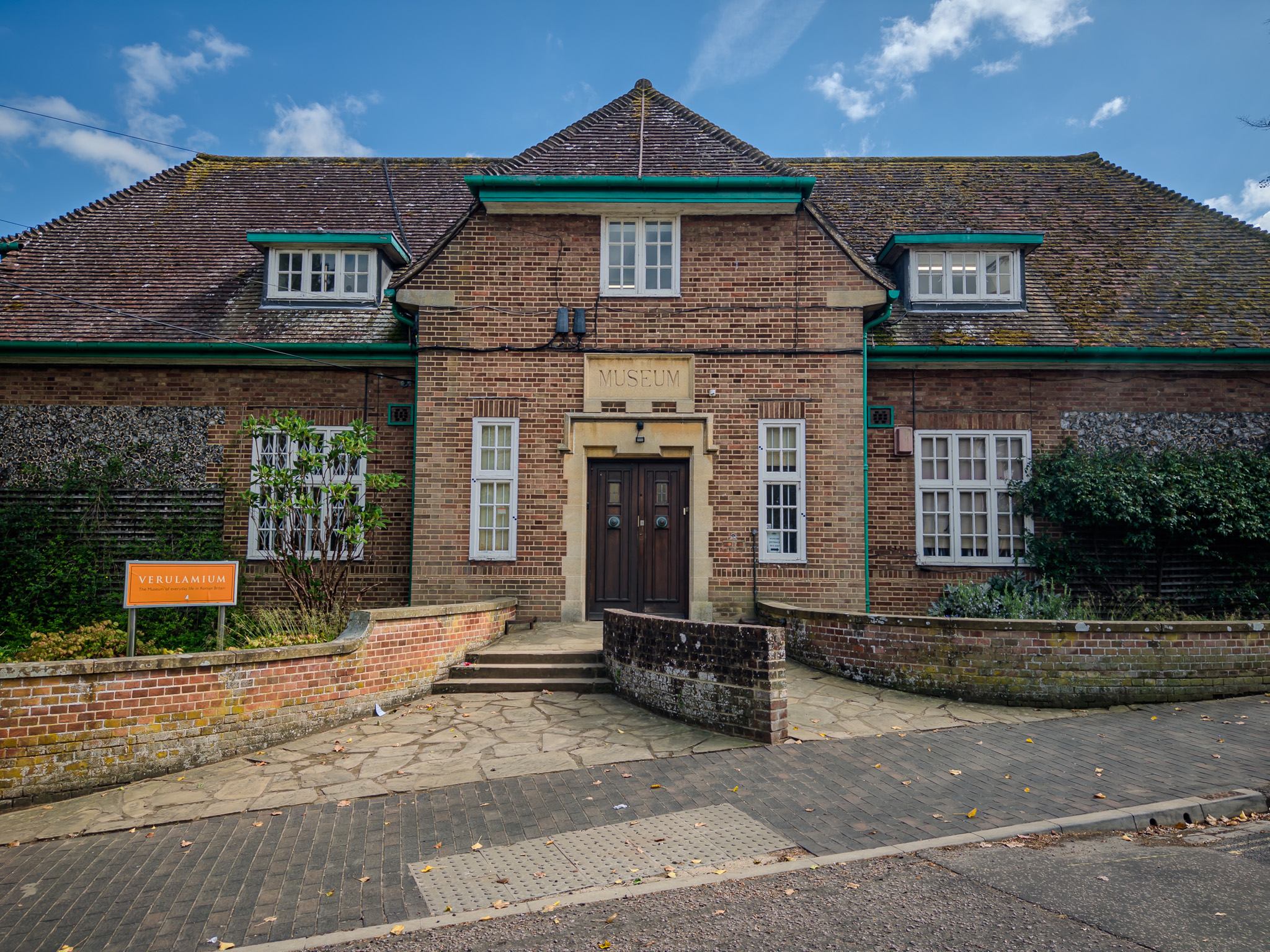
I went for a long walk through the Roman ruins areas south of town. The Versatium Museum is excellent, displaying many of the artifacts and mosaics unearthered from archealogical research during the 1950s. The ruins of the Roman city have been re-covered for protection, and turned into vast playing fields and a lovely park.
I thoroughly enjoyed my stay in St Albans, and rather excitedly took the morning 25-minute ThamesLink train ride into London to get ready for Patti’s arrival.
I can see why you said you could live there. Ur pictures are great, as is your description of the history of the place.
0
0
Wonderful post!
0
0
Oh John, St Albans like a little piece of heaven. I believe I could live there, ha next time round Good to see your bikes all fixed up for your next trip. Your photos again are just great. Love to you and Patti. Stay safe. ❣️p.s. I do enjoy your . blogs.
0
0
So serene. Albans looks like a virtual throwback in time in every shot. Its easy to see why you like it so much!
0
0