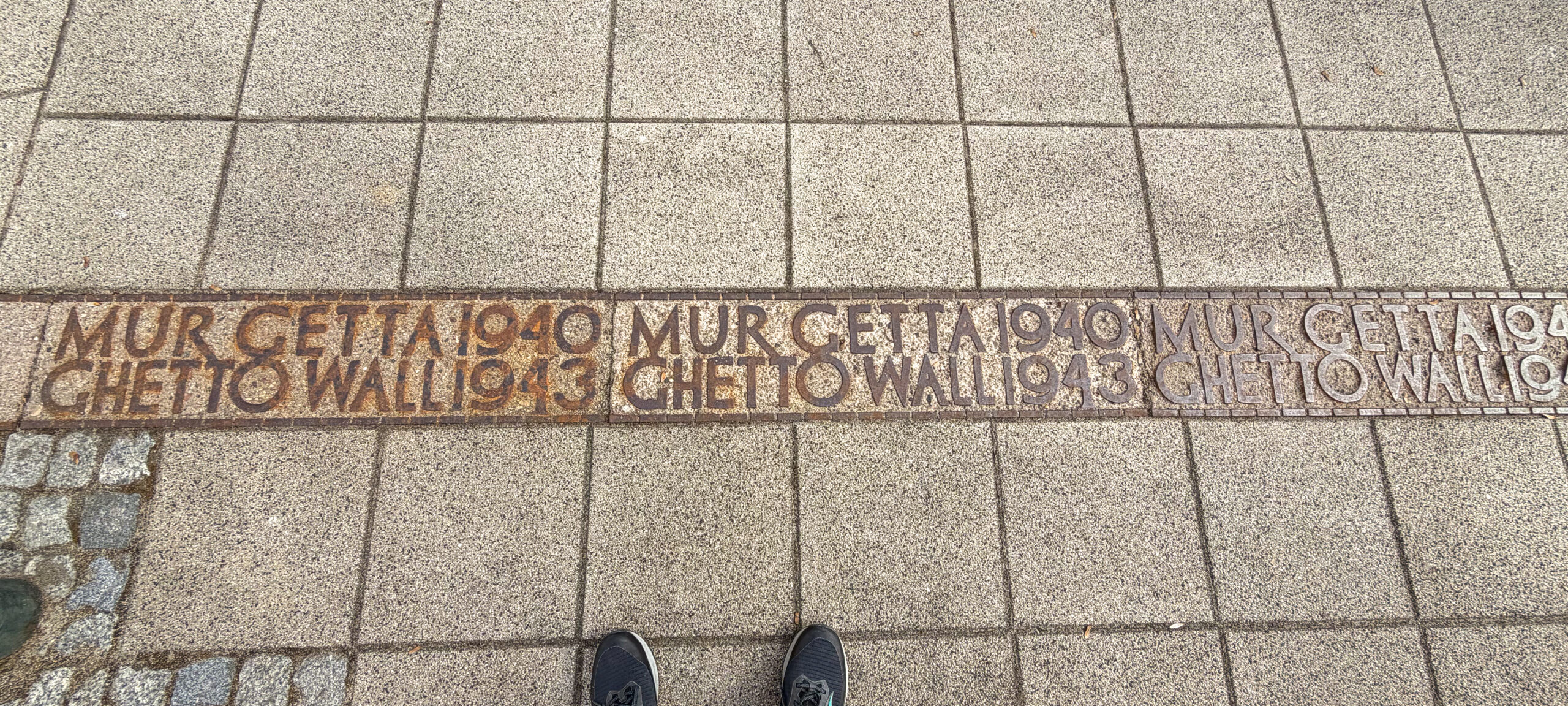
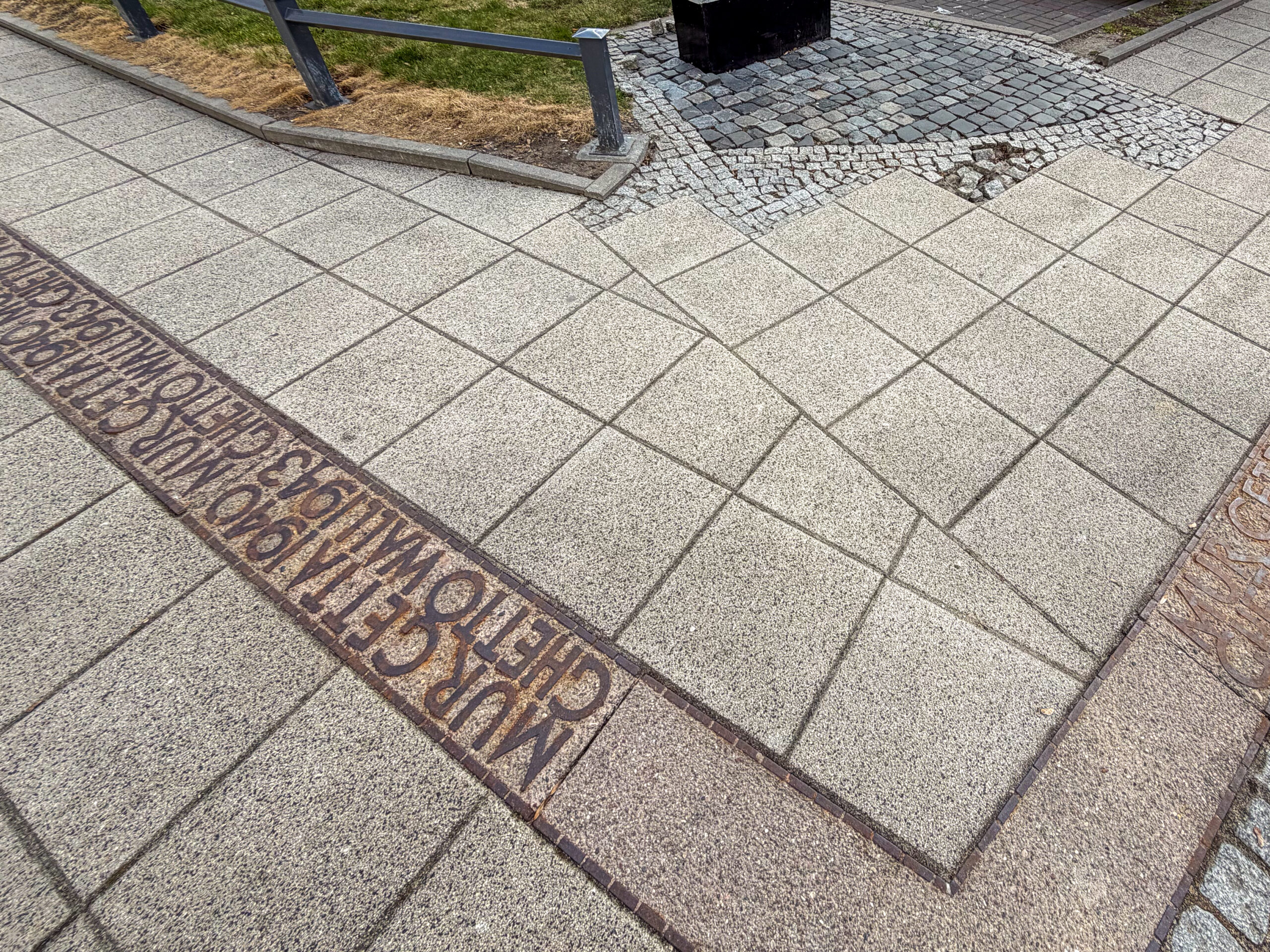
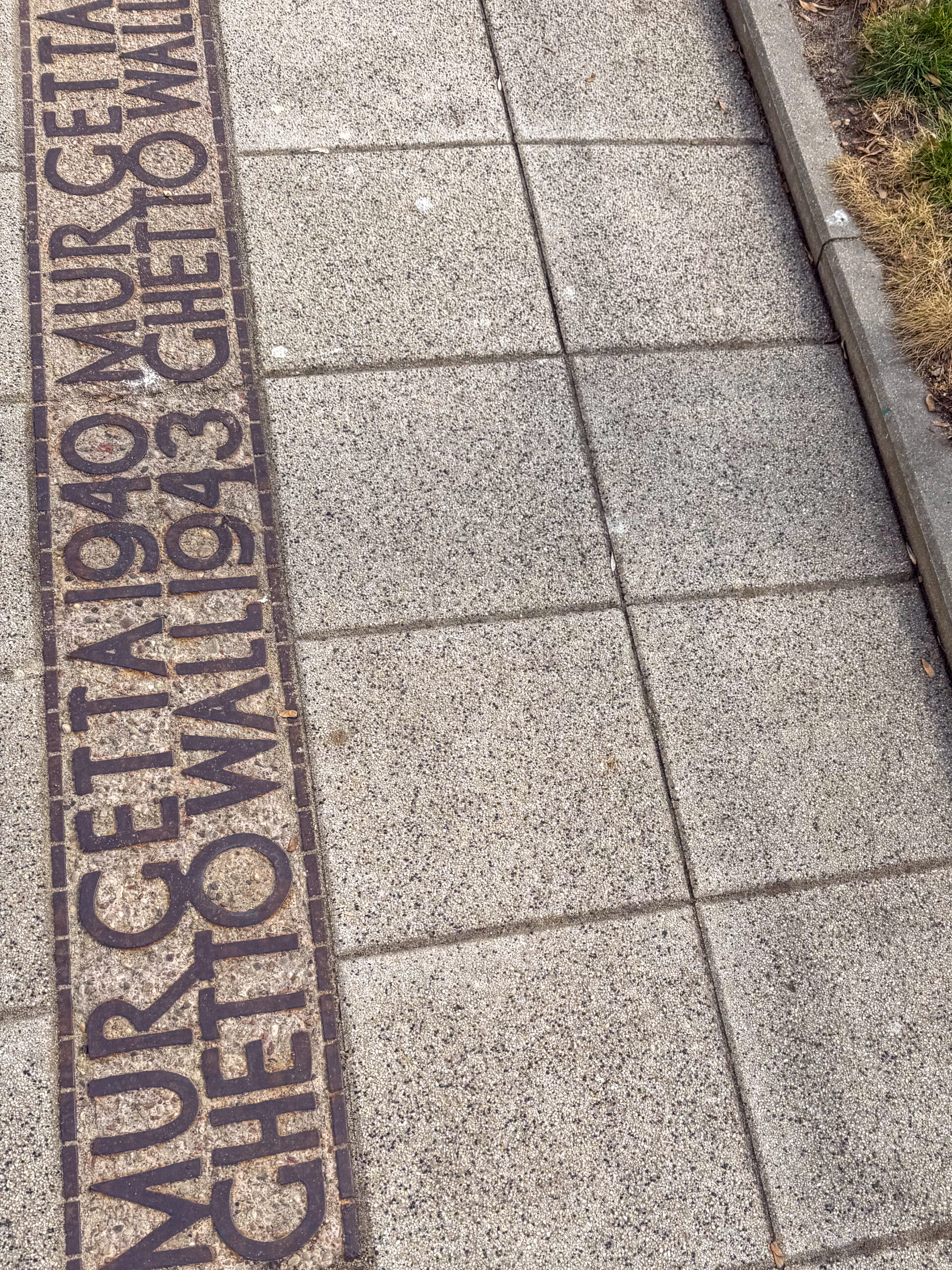
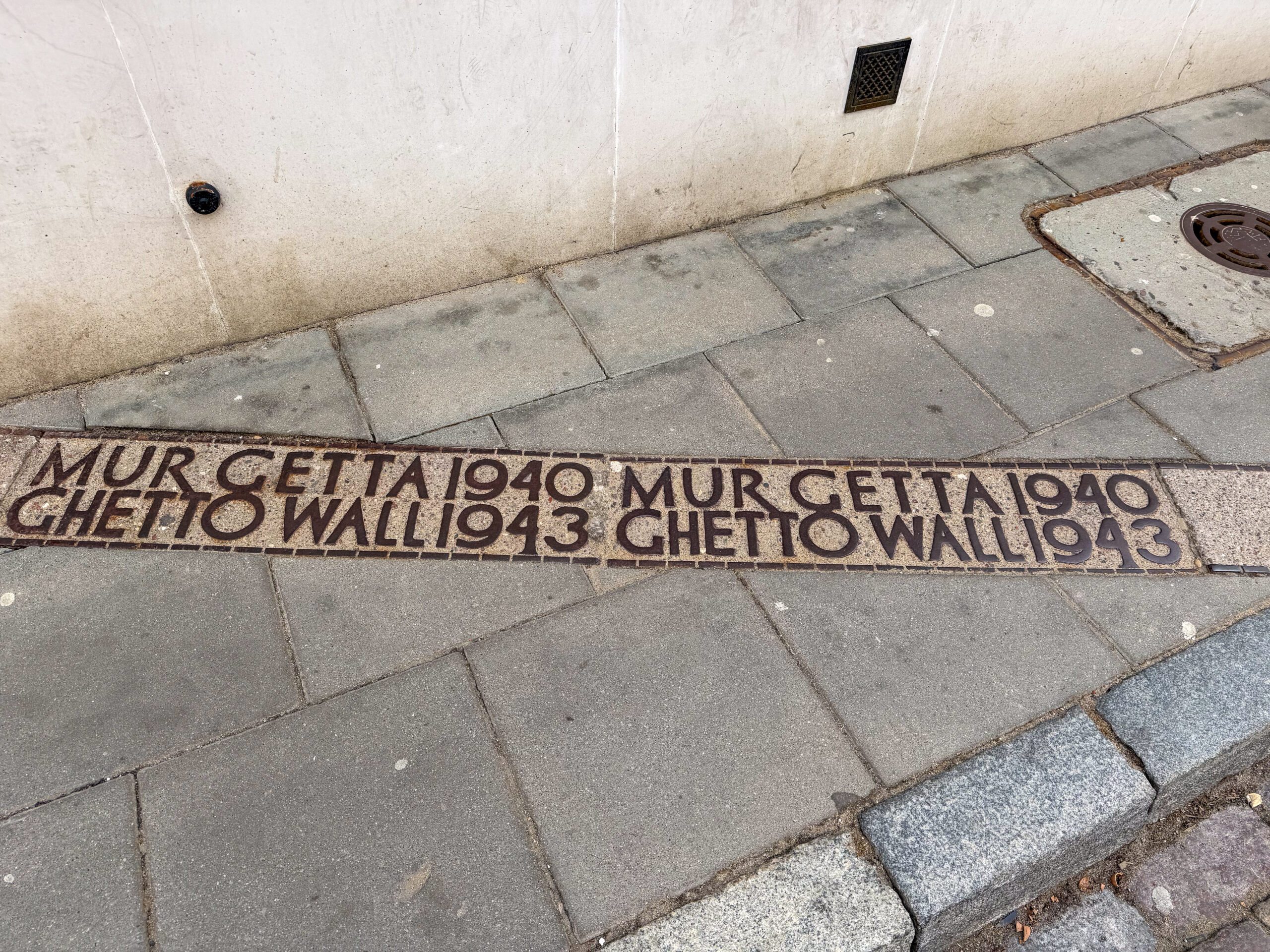
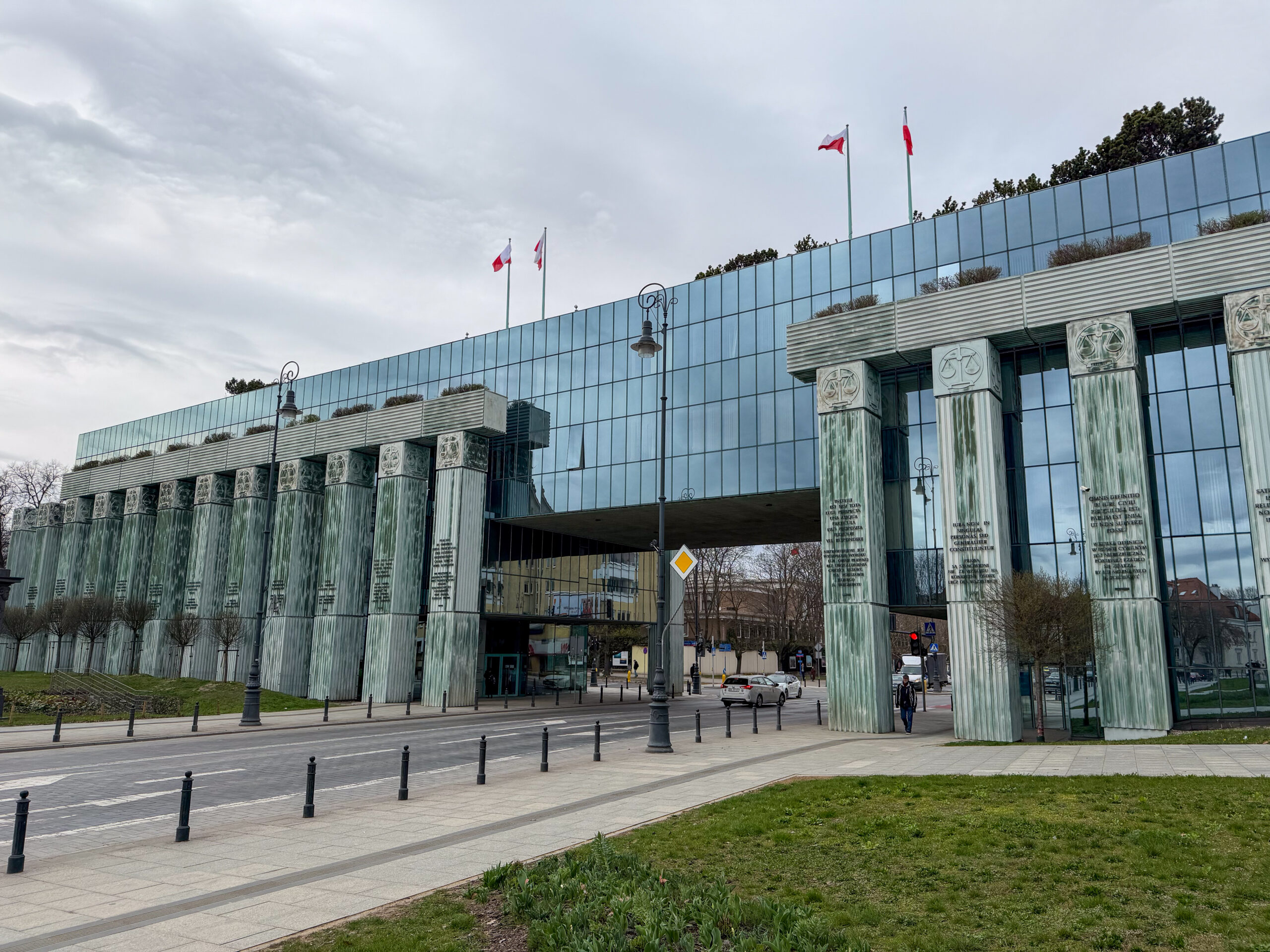
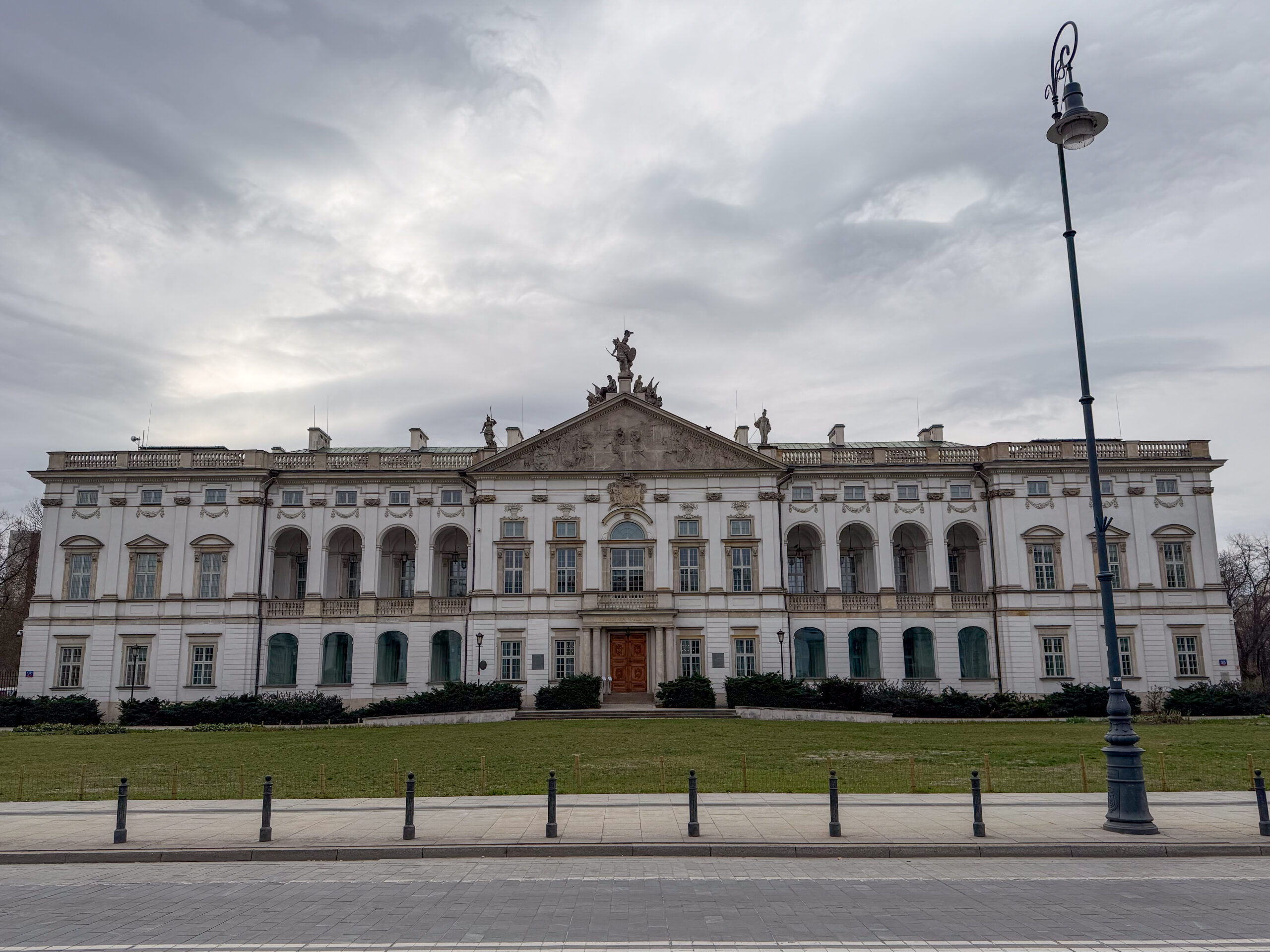
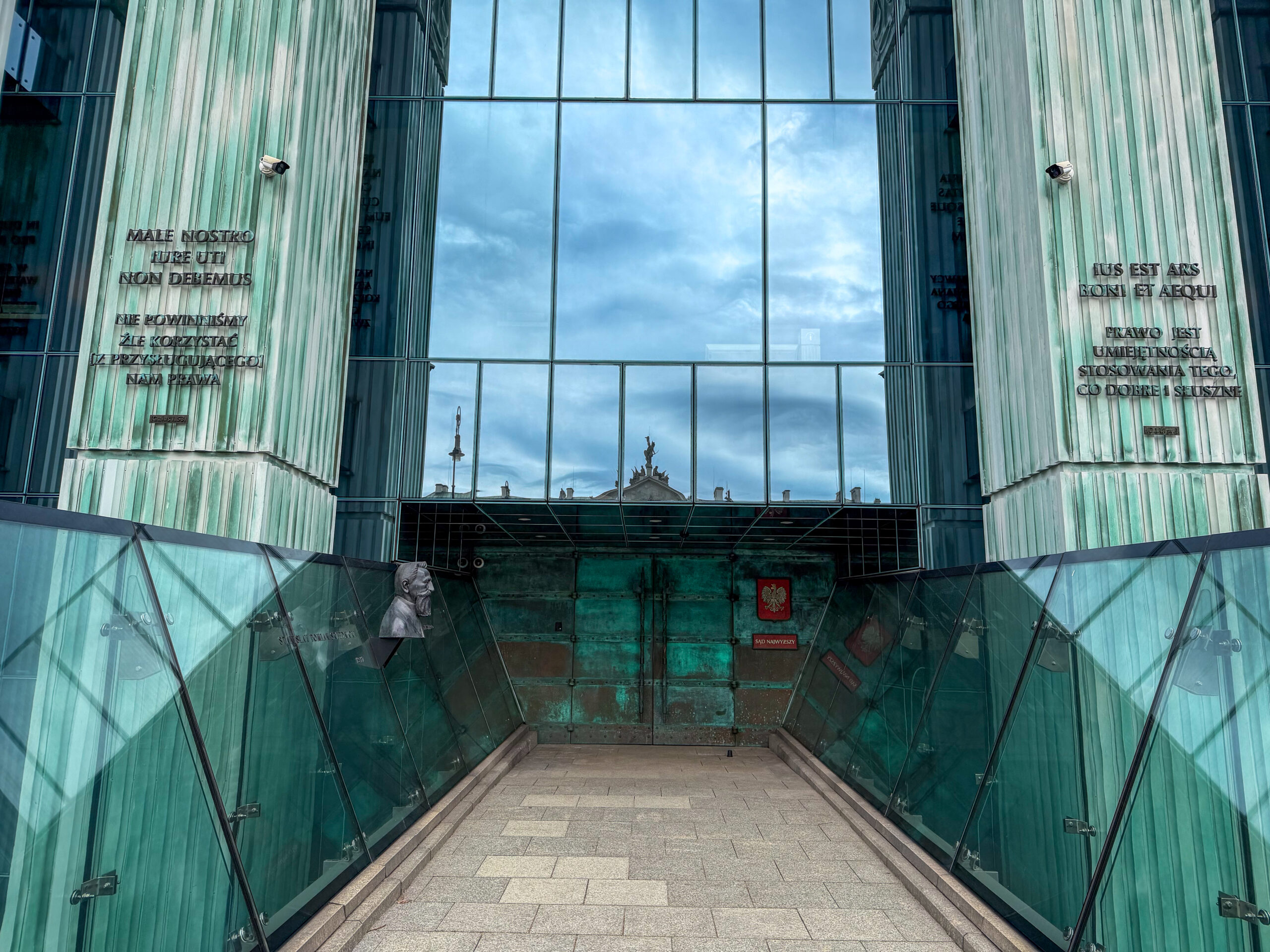
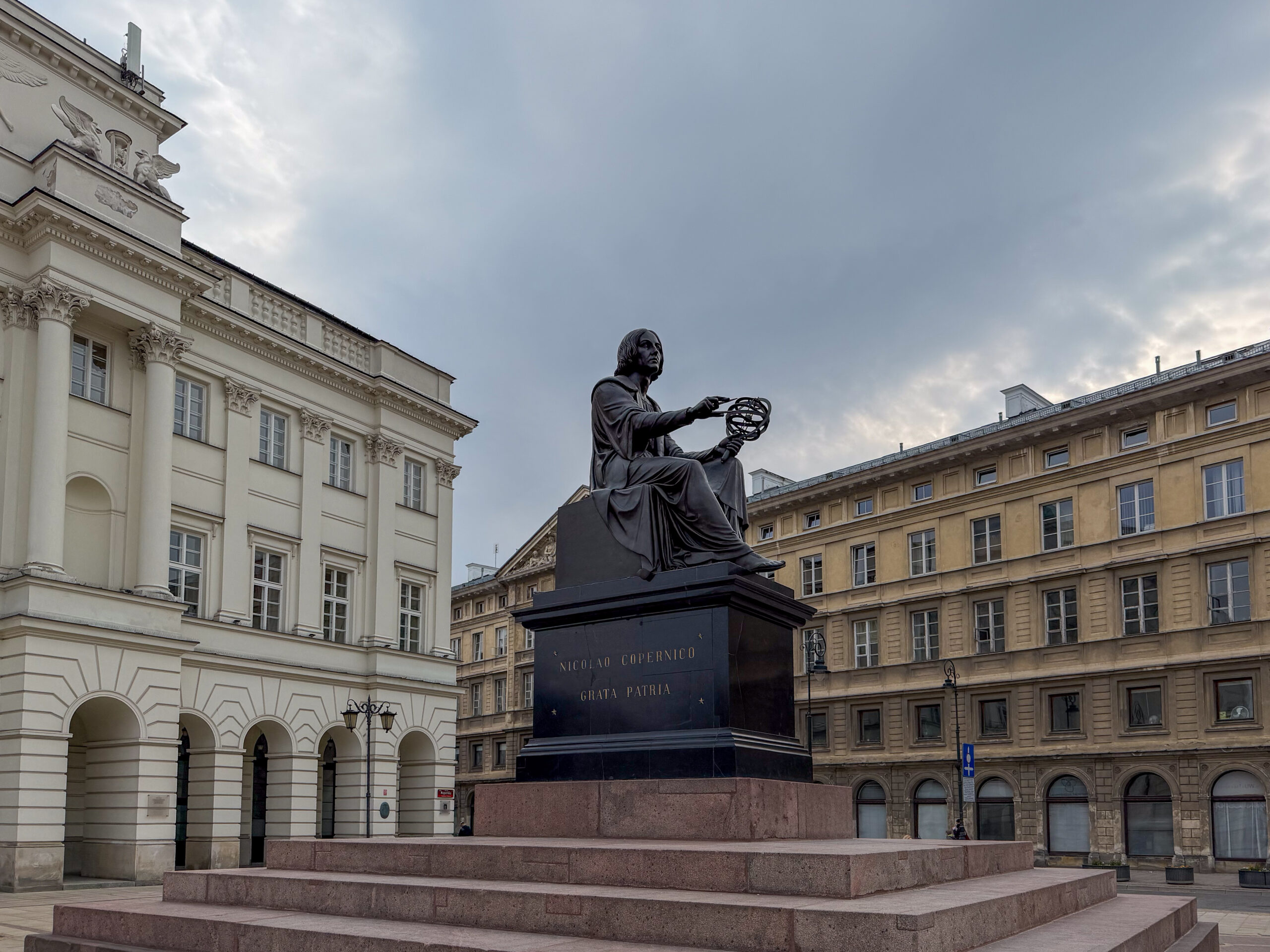
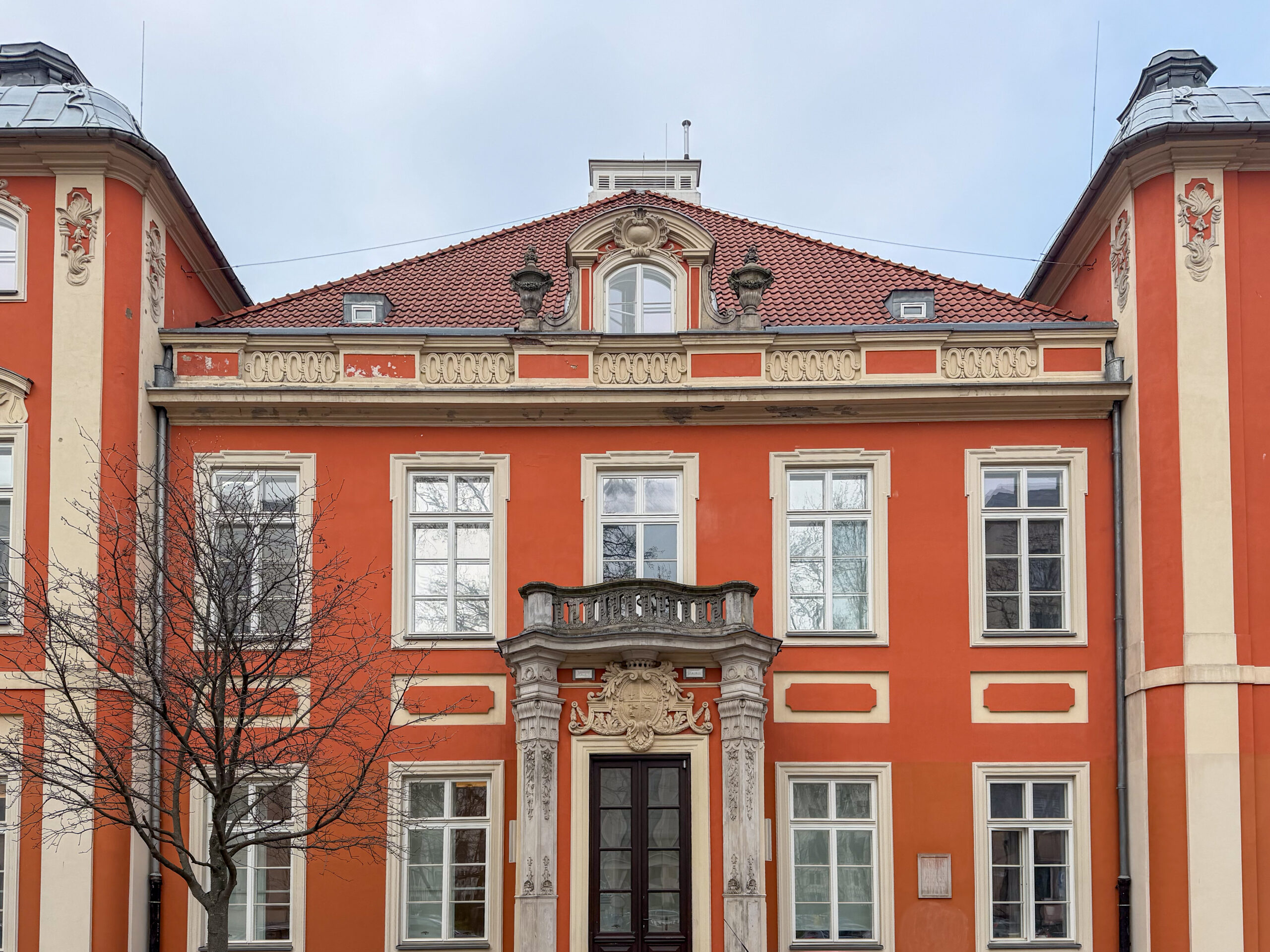
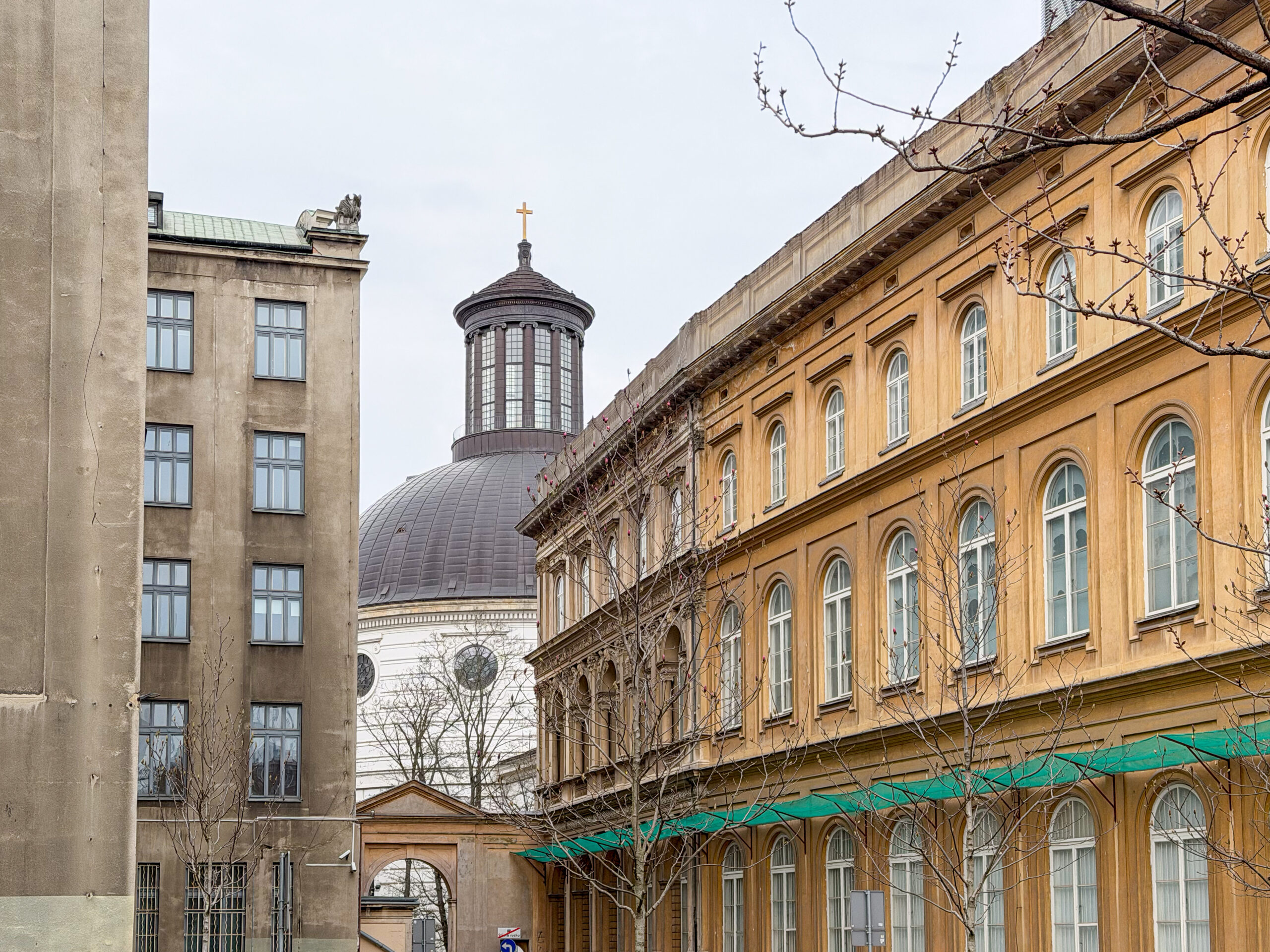
Warsaw, on the banks of the Vistula River, has been an important centre since the late 13th Century. Its central location attracted invasions by Lithuanians and Swedes, Russians, Napolean, and most recently, by Germany and the Soviet Union. Its affluence during the early 20th Century was abruptly ended with World War II. Germany overran the city and gradually oppressed its Jewish people – about 30% of the total population. The Jewish people were either sent to camps or imprisoned in the Jewish Ghetto in horrible conditions. Many markers are embedded in the roads and sidewalks to trace the walls of the Ghetto.
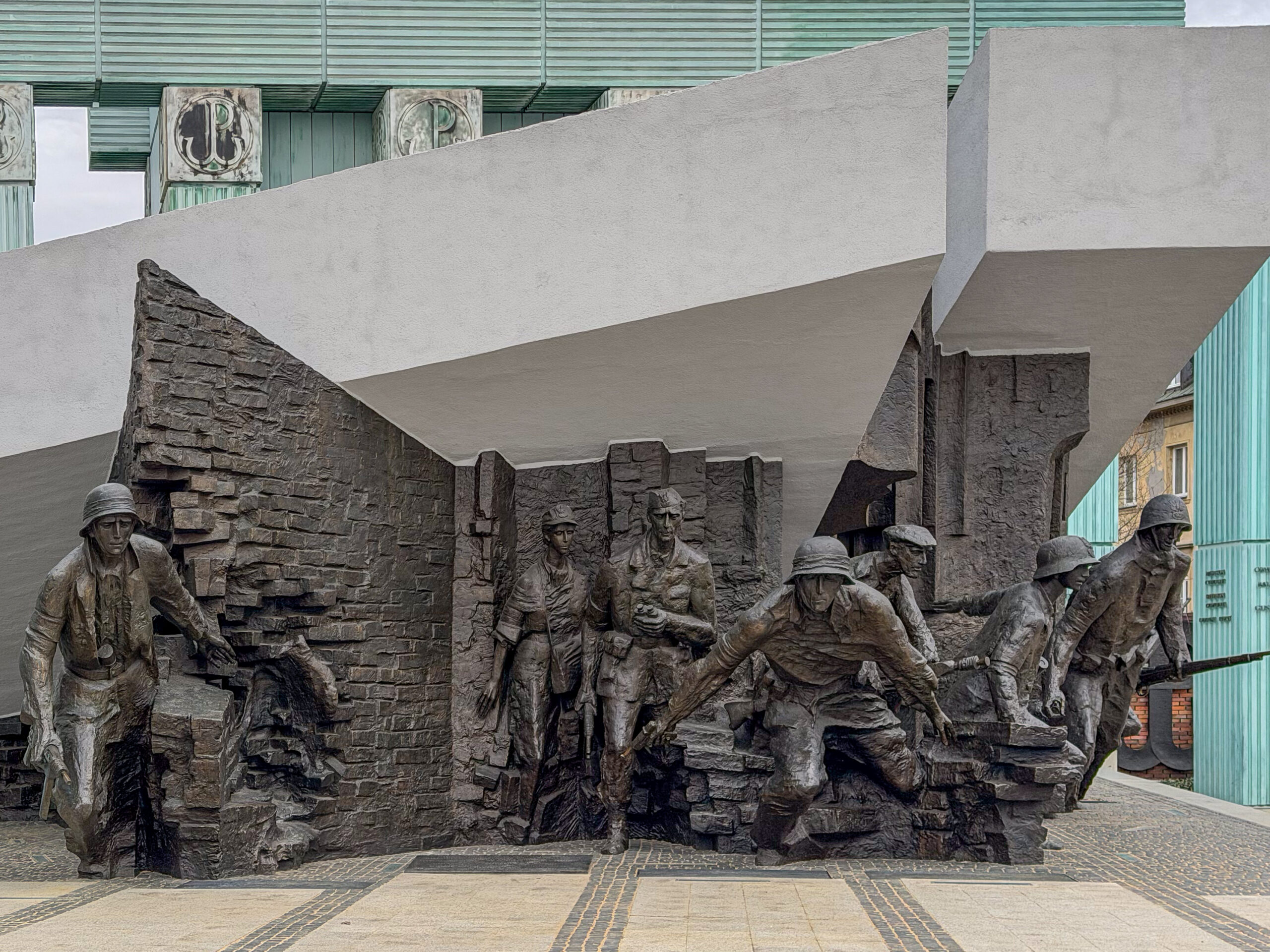
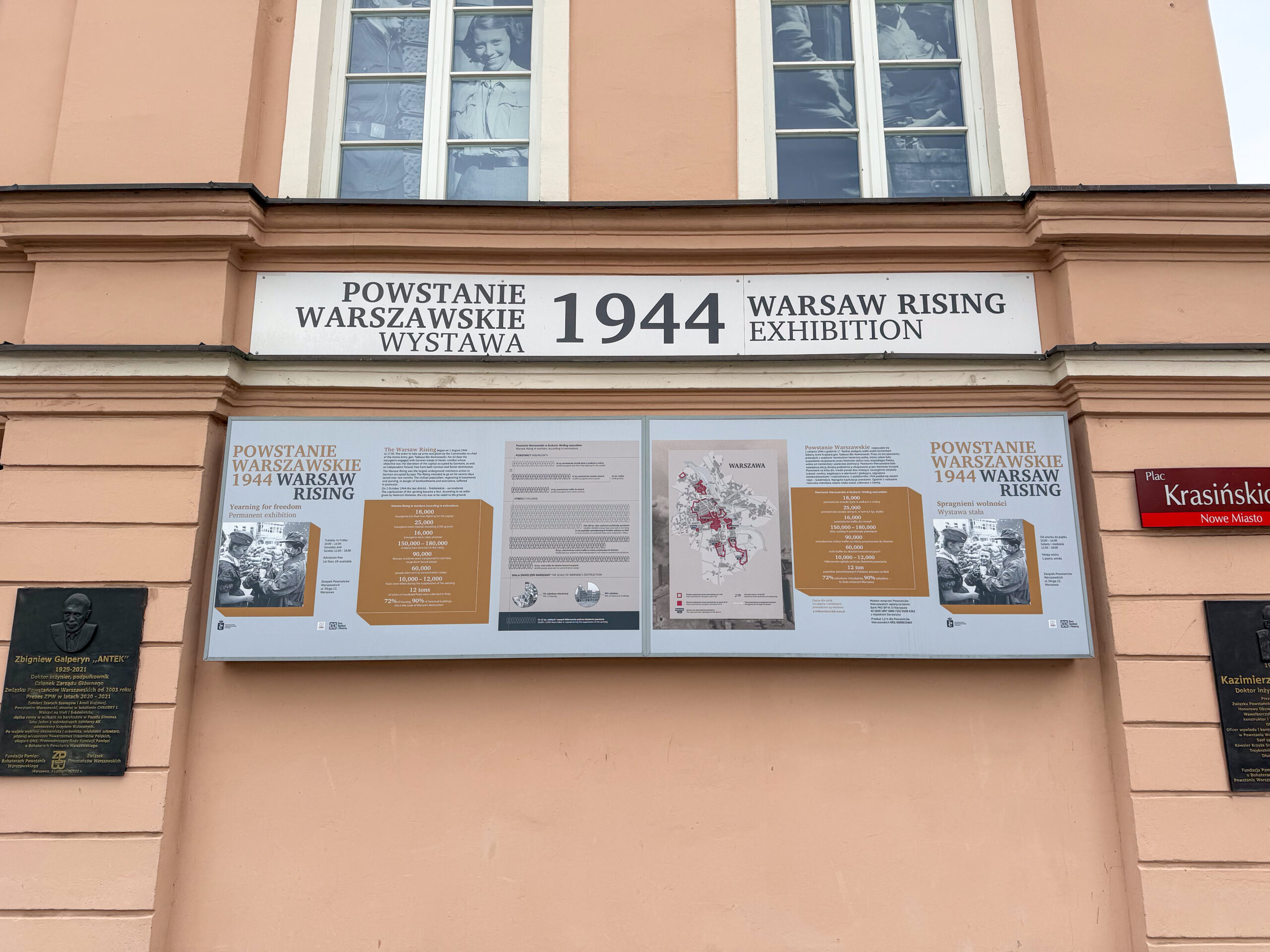
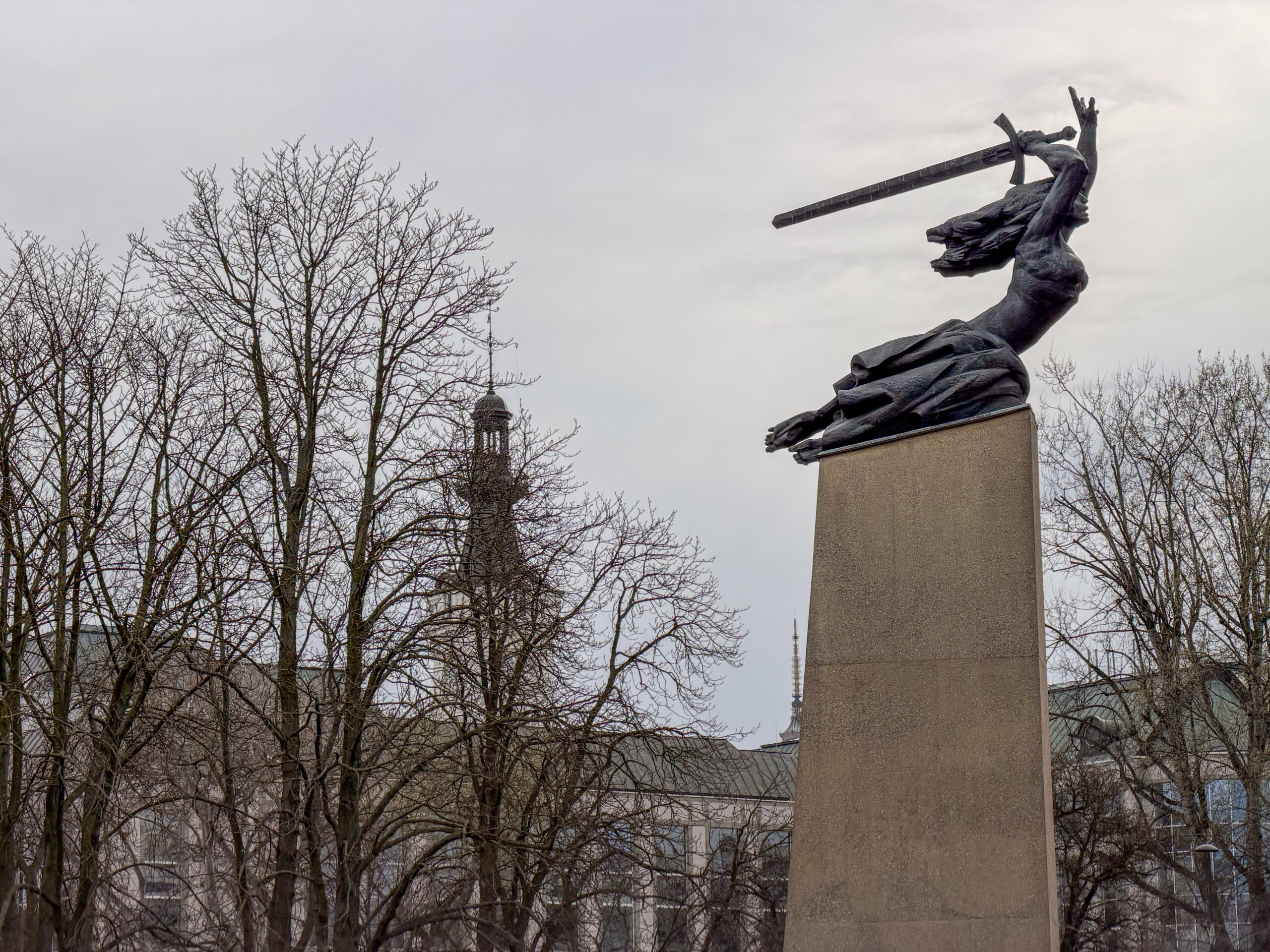
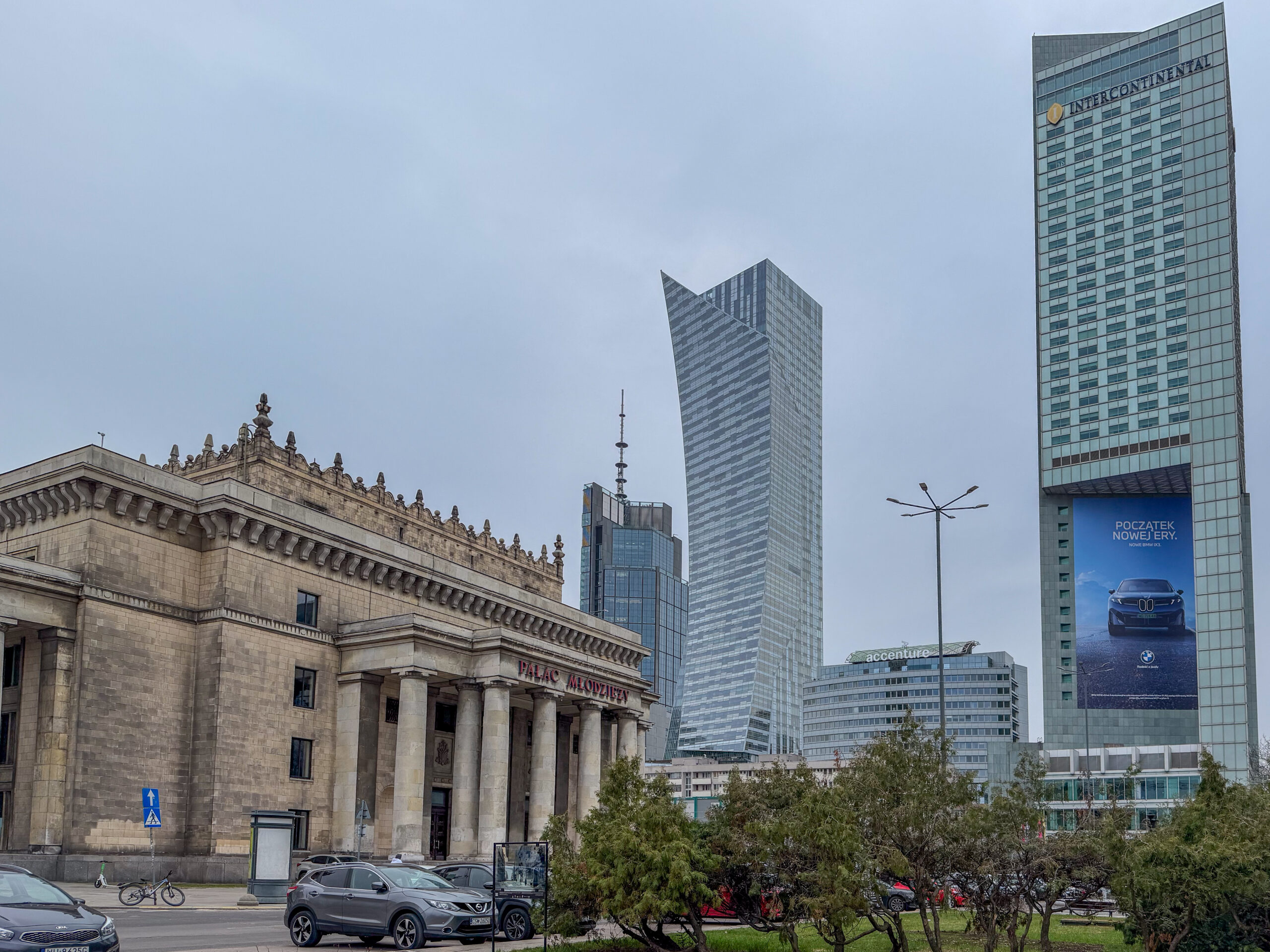
In August of 1944 the resistance in Warsaw rose up and took control of the city from the Germans. The Uprising lasted almost two months, but the Germans took over and, in revenge, completely destroyed Warsaw. Over 100,000 people were killed, and as many were sent to camps. The city was liberated by The Soviet Union and remained under USSR control until the early 1980s. Since then, Warsaw has bounced back, with many tall skyscrapers and modern office buildings and residences.
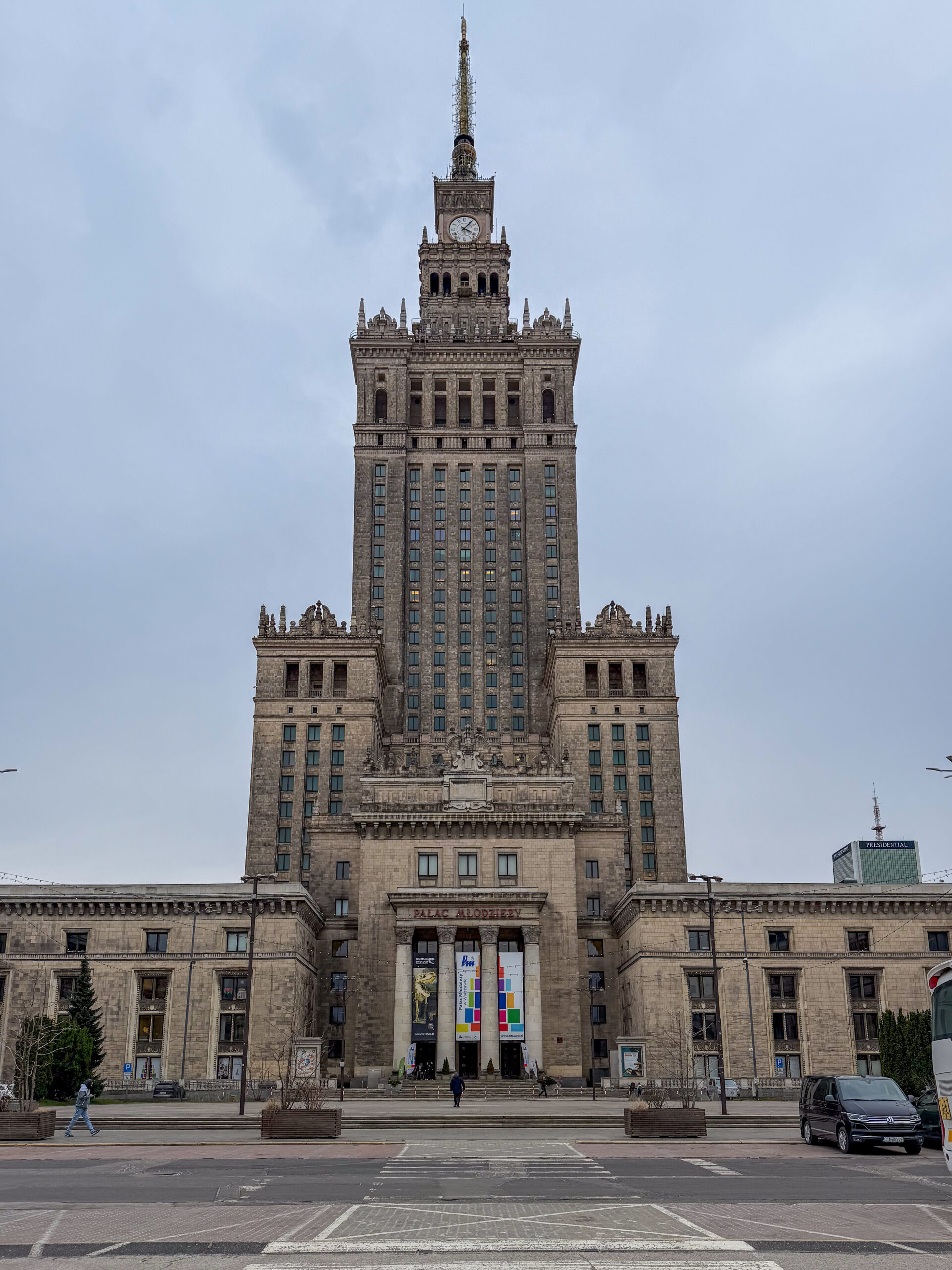
My hotel is just outside the ‘Old’ and ‘New’ towns, in an area reminiscent of the Soviet days. Here’s a video I shot from my 38th floor hotel room after checking in last night just before dark.
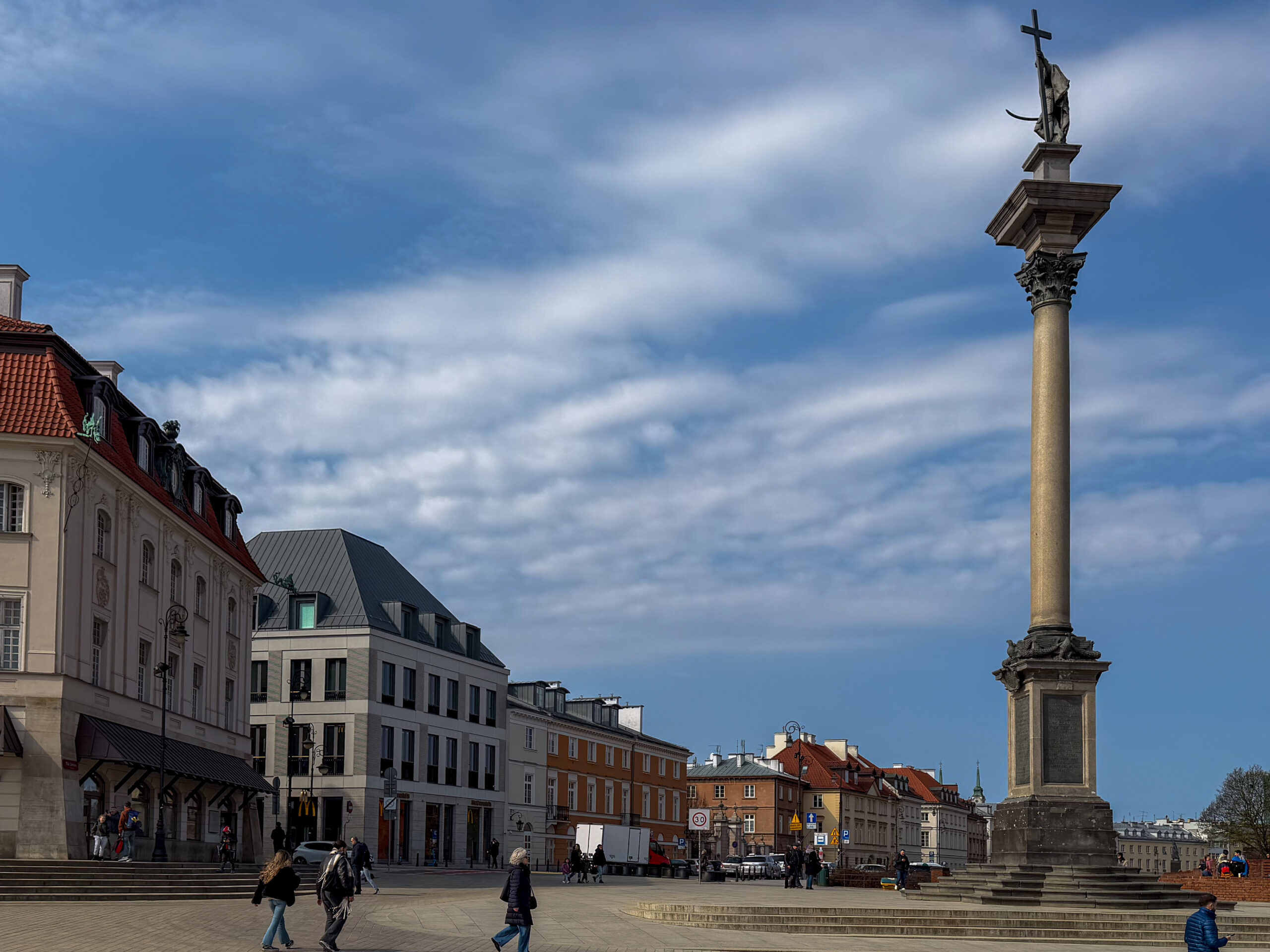
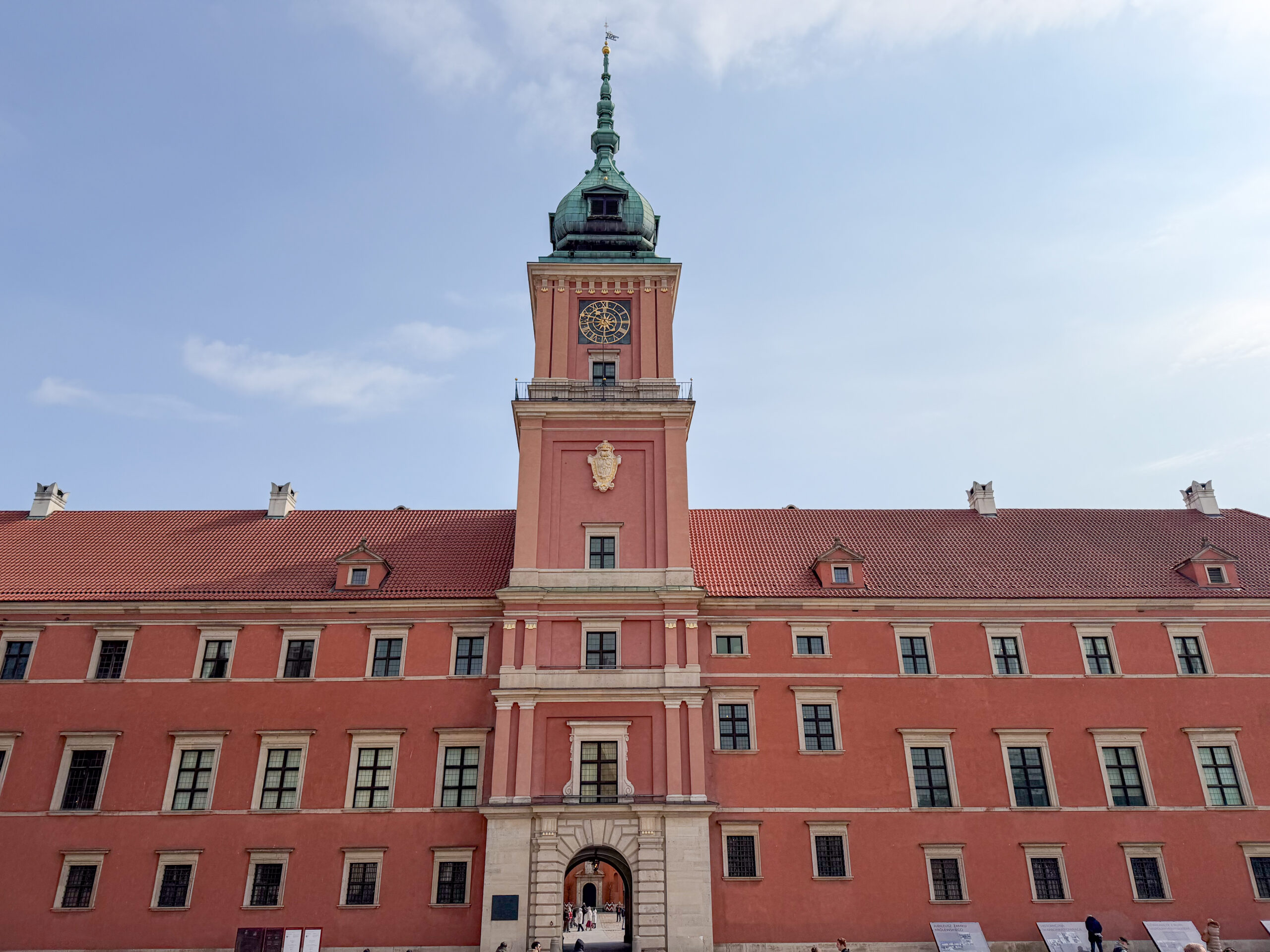
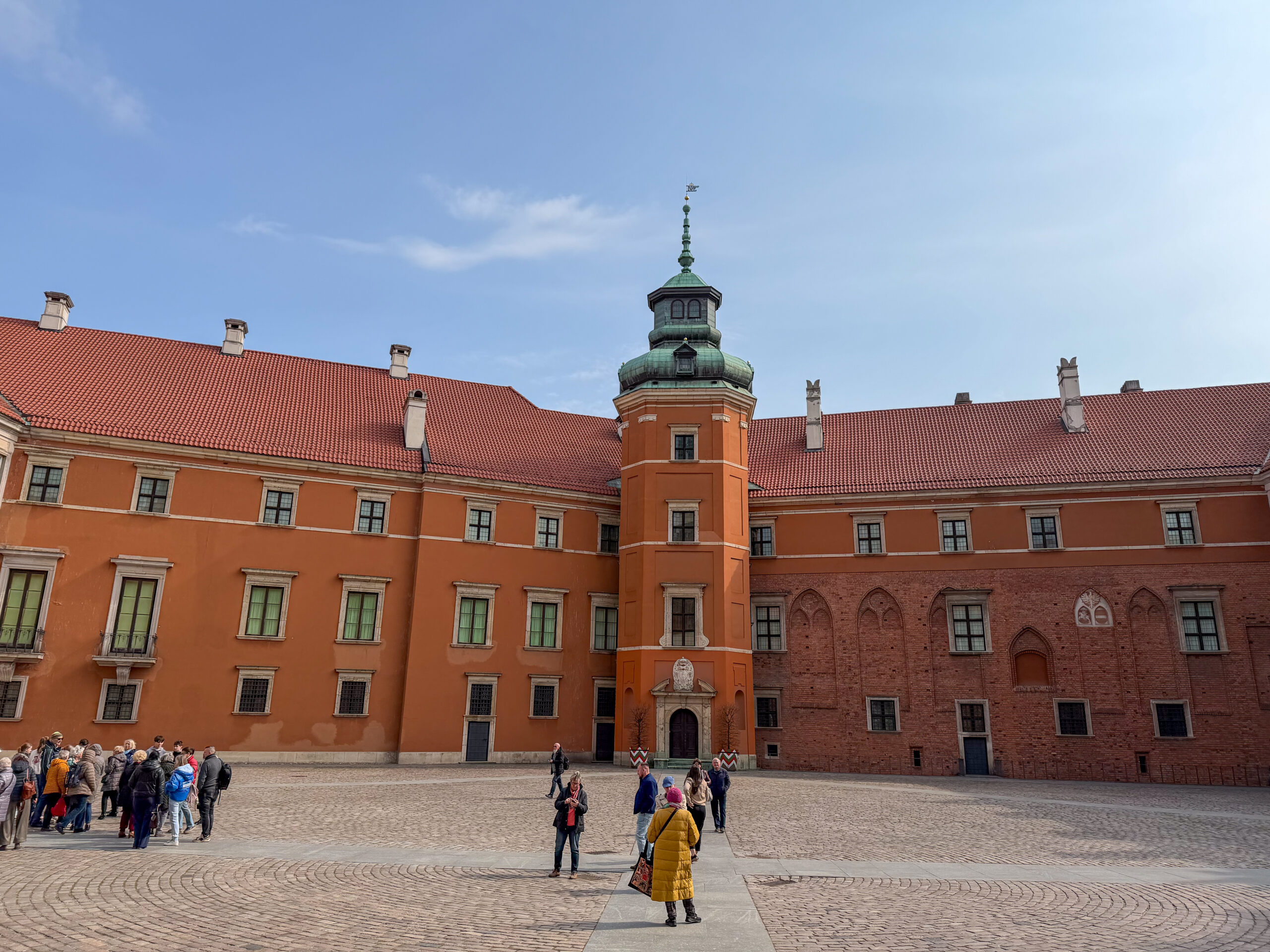
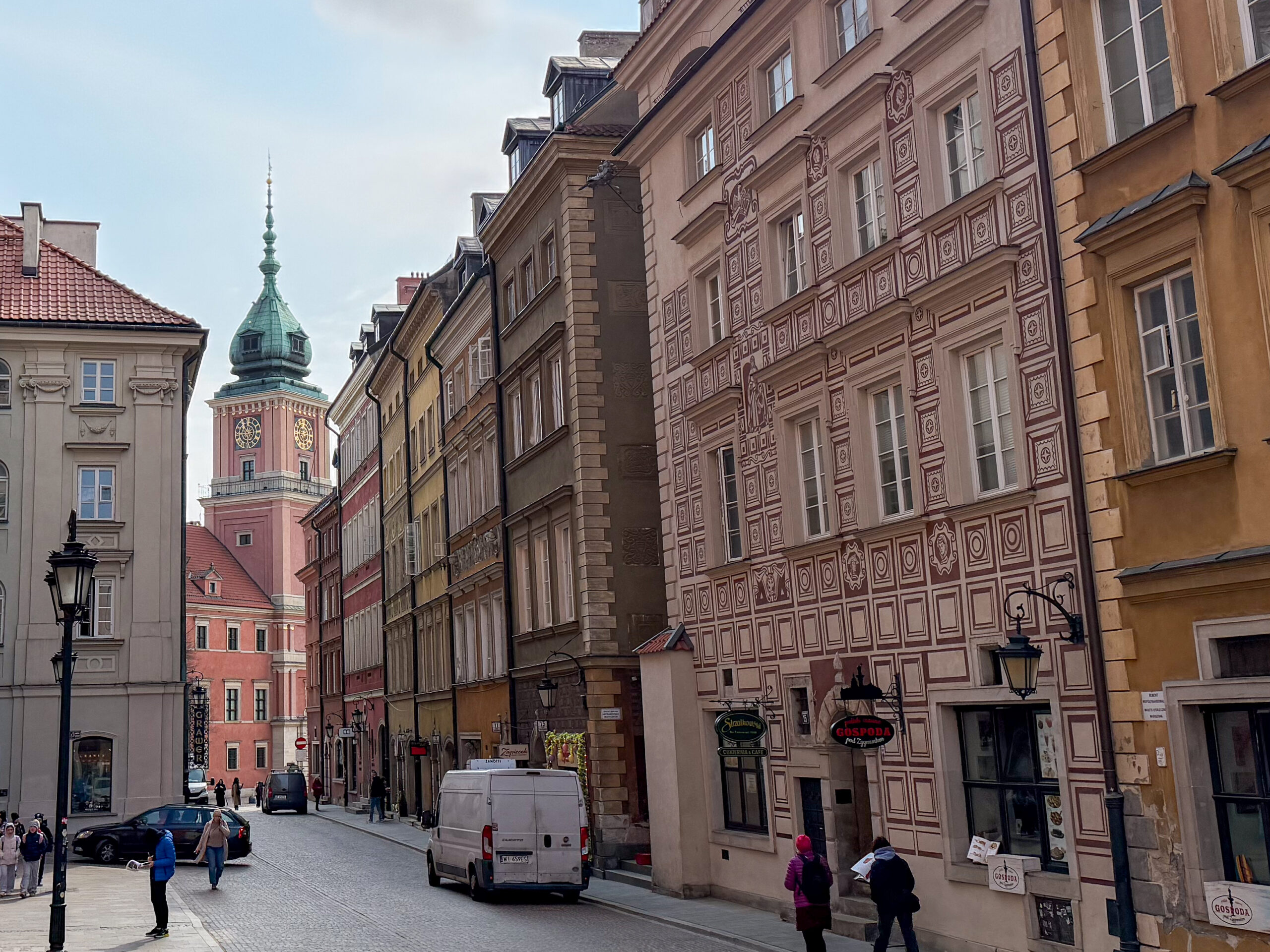
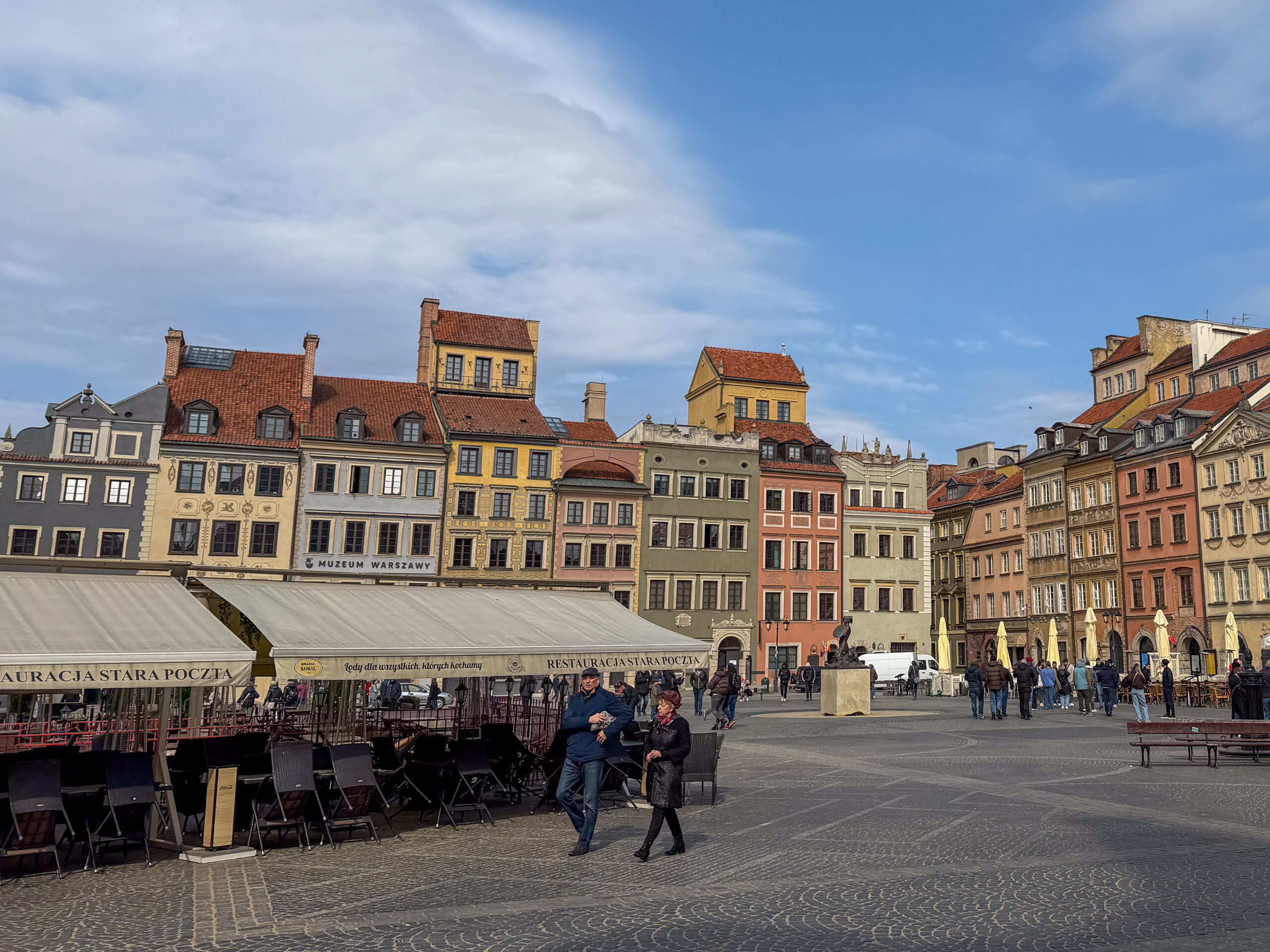
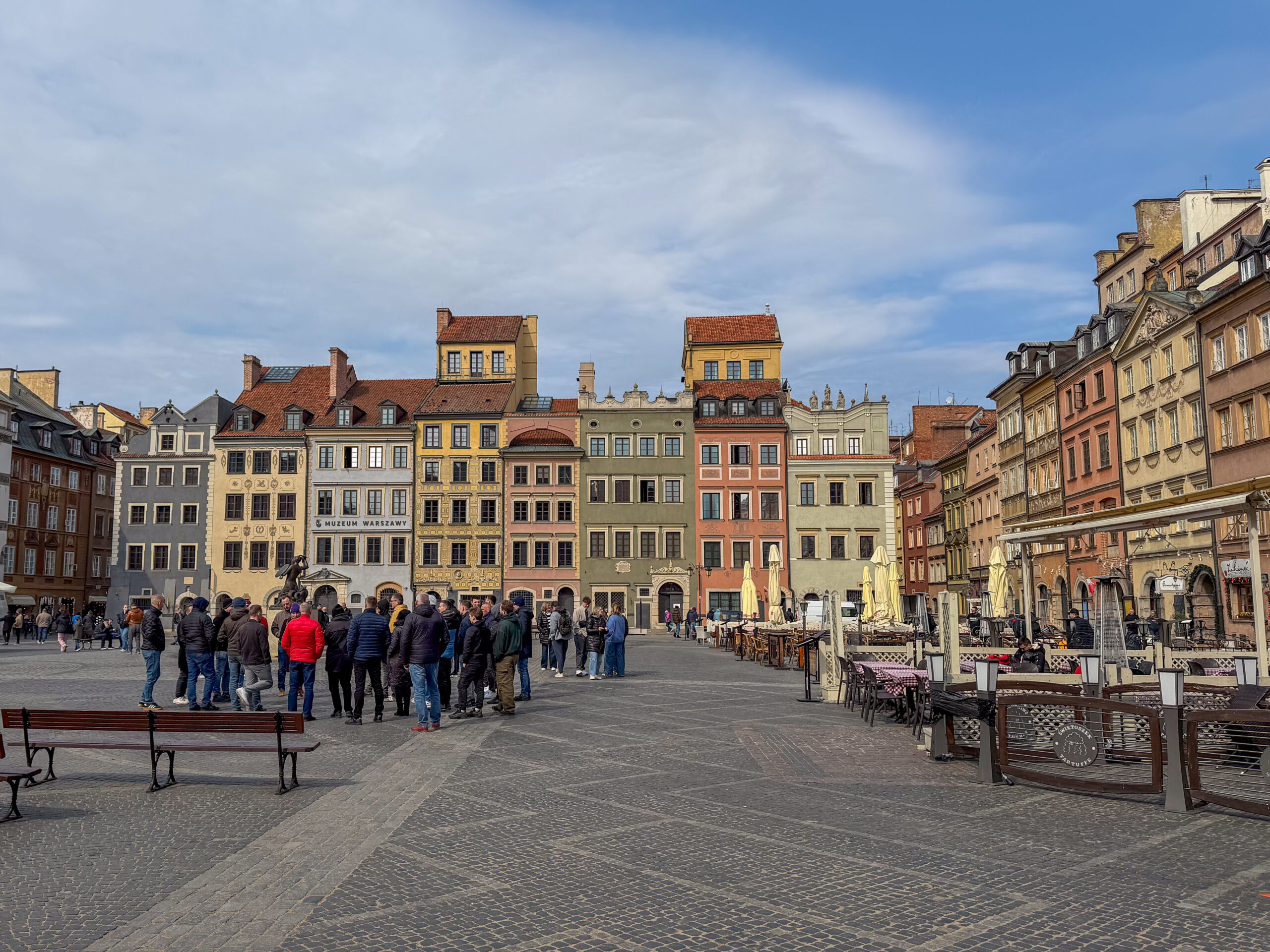
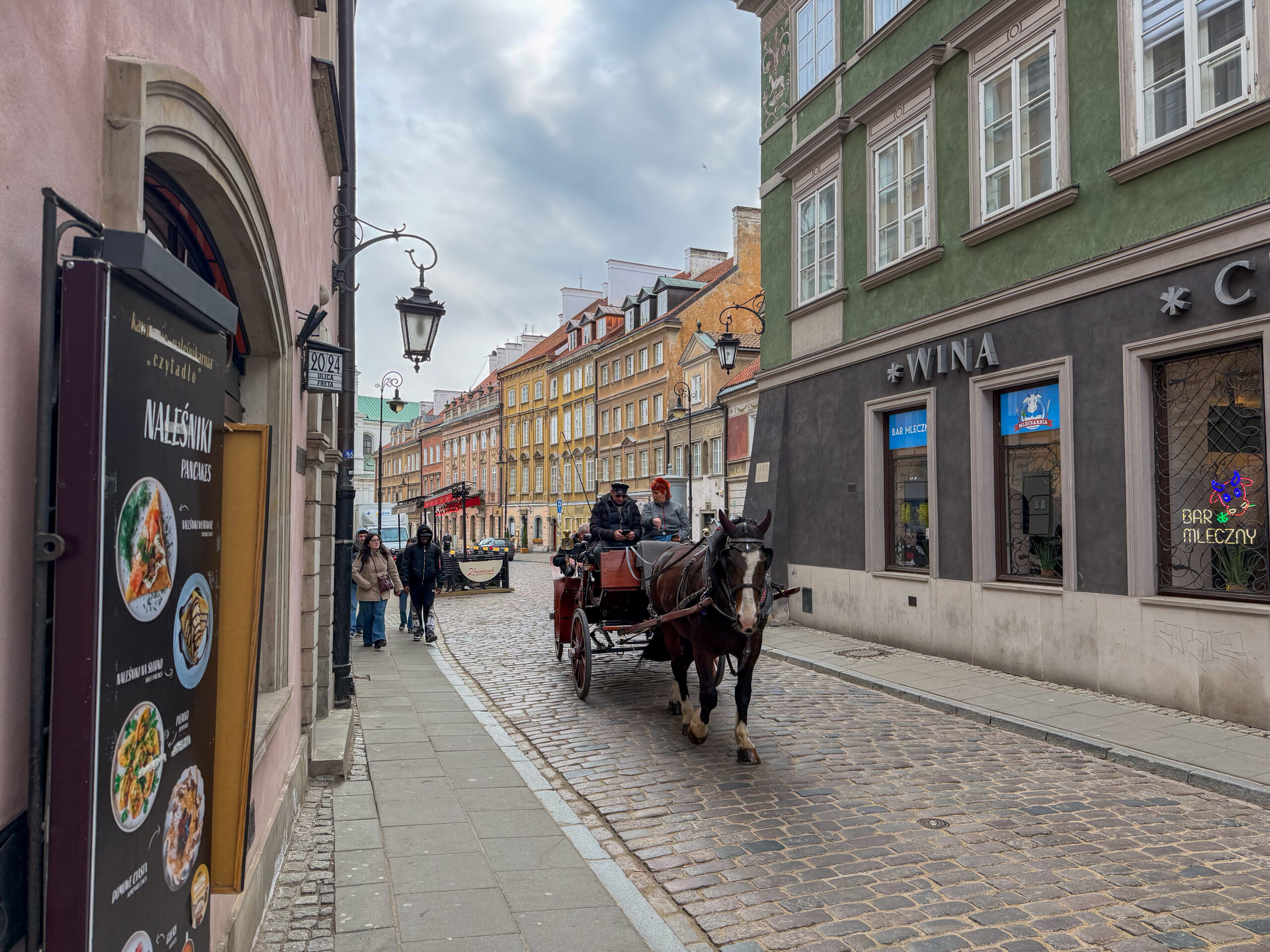
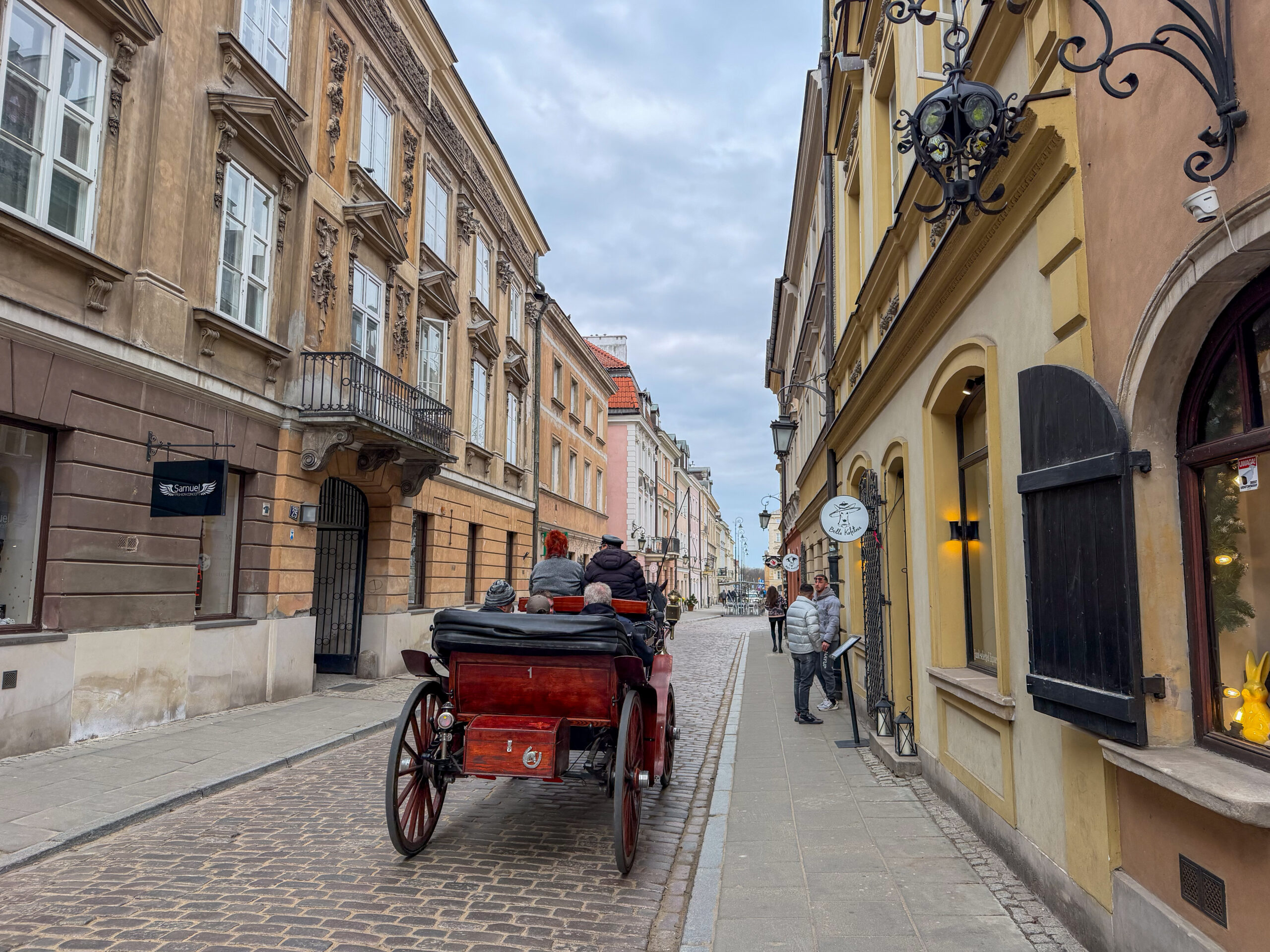
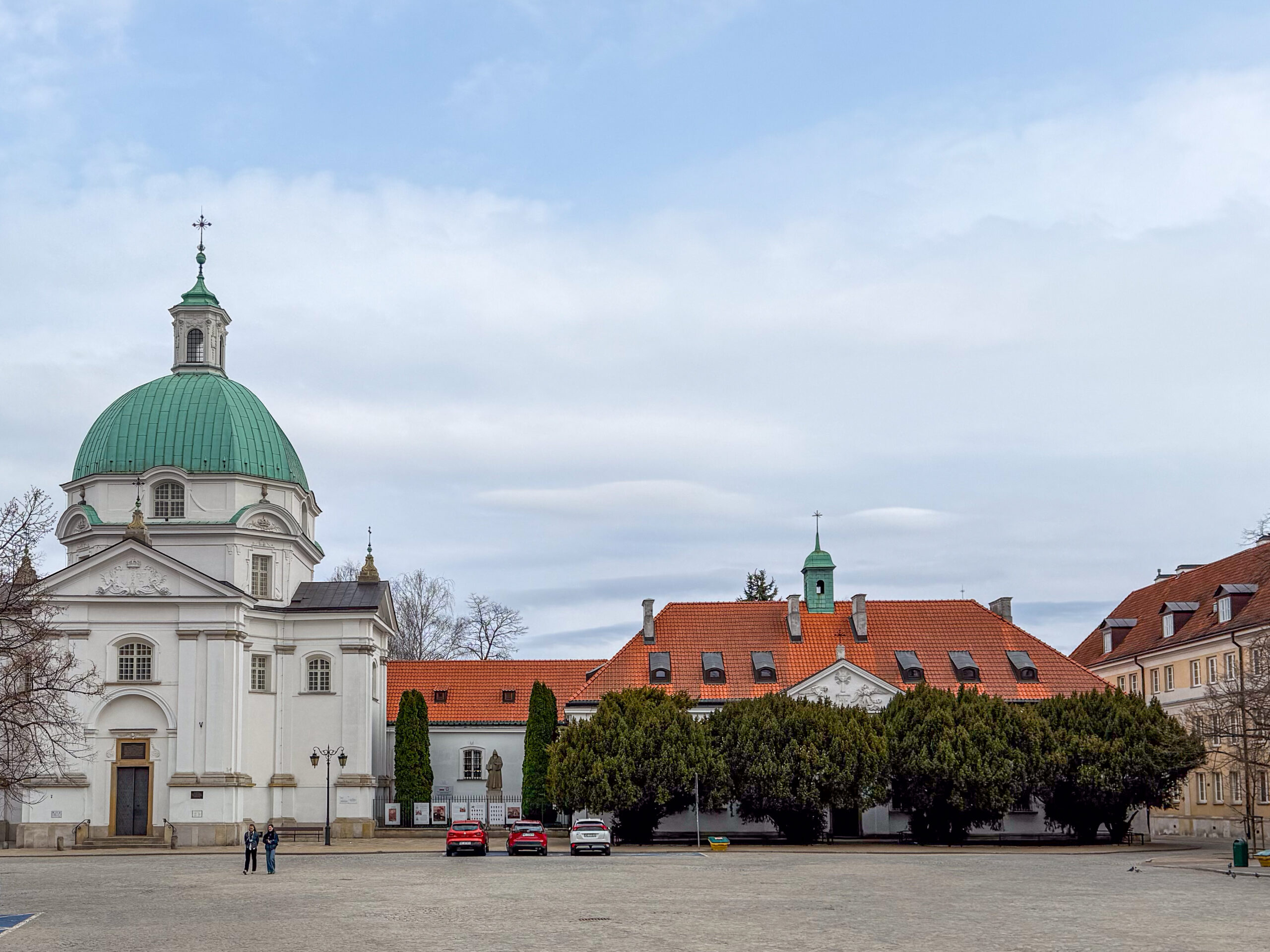
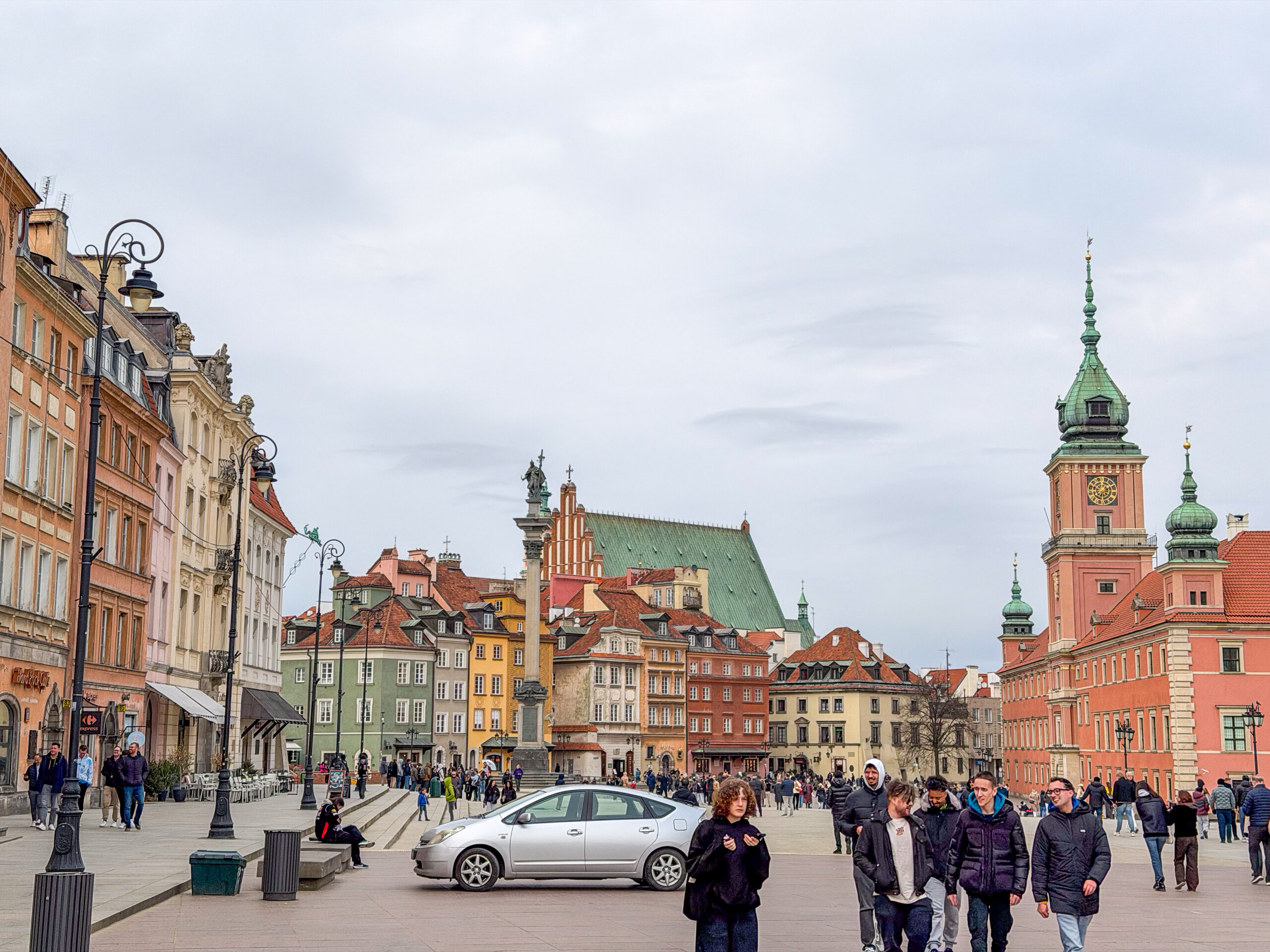
I had a good sleep and breakfast and headed out to walk the streets of the Old and New Towns. The Old Town is a UNESCO World Heritage Site, quite compact and very popular. Sigismund’s Column and the Royal Castle dominate the main square. The Nazis drilled 1,000 holes for dynamite sticks into the foundation of the Royal Castle and completely destroyed it. The Castle was rebuilt in 1984 thanks to private donations from Poles around the world.
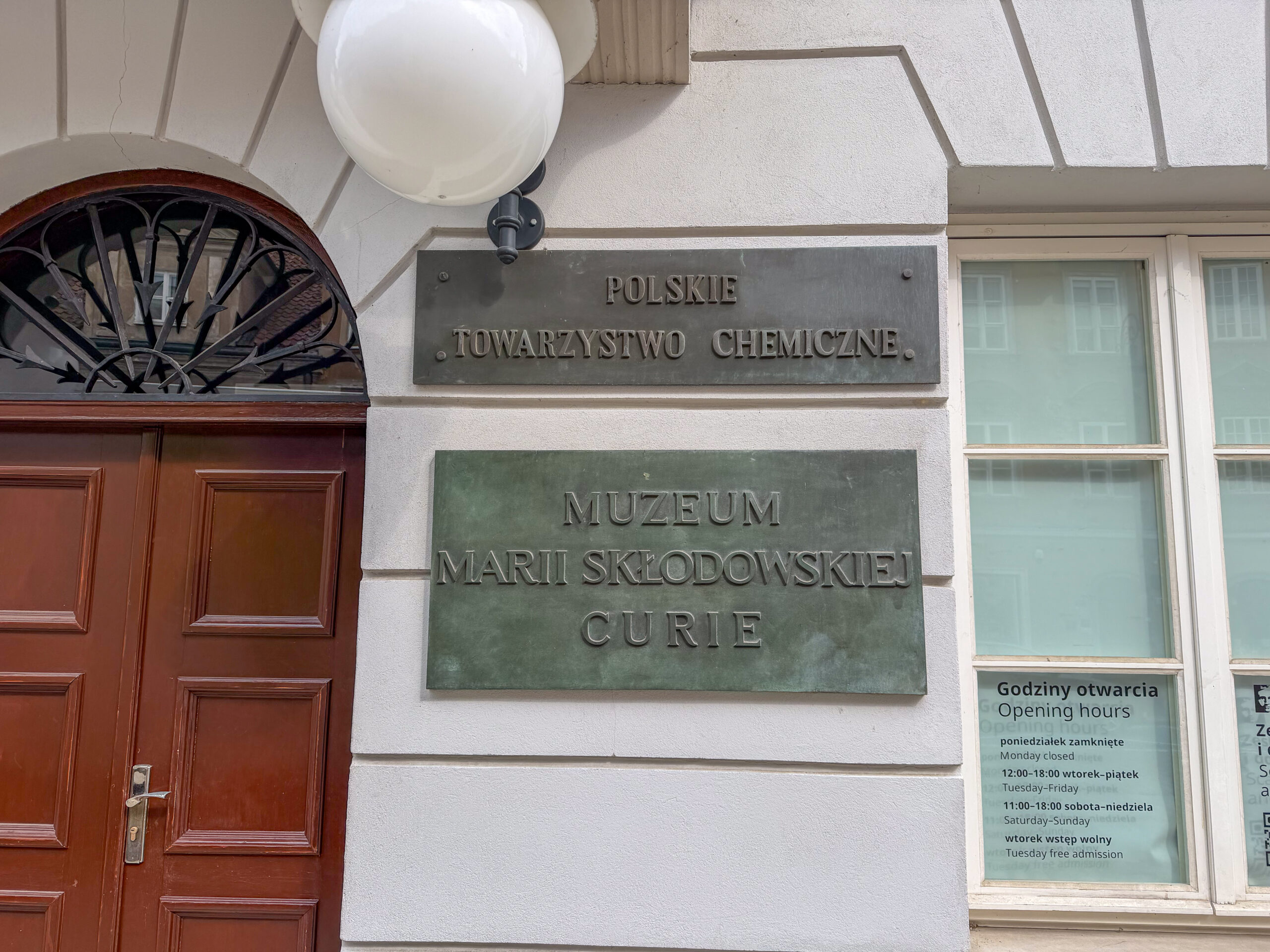
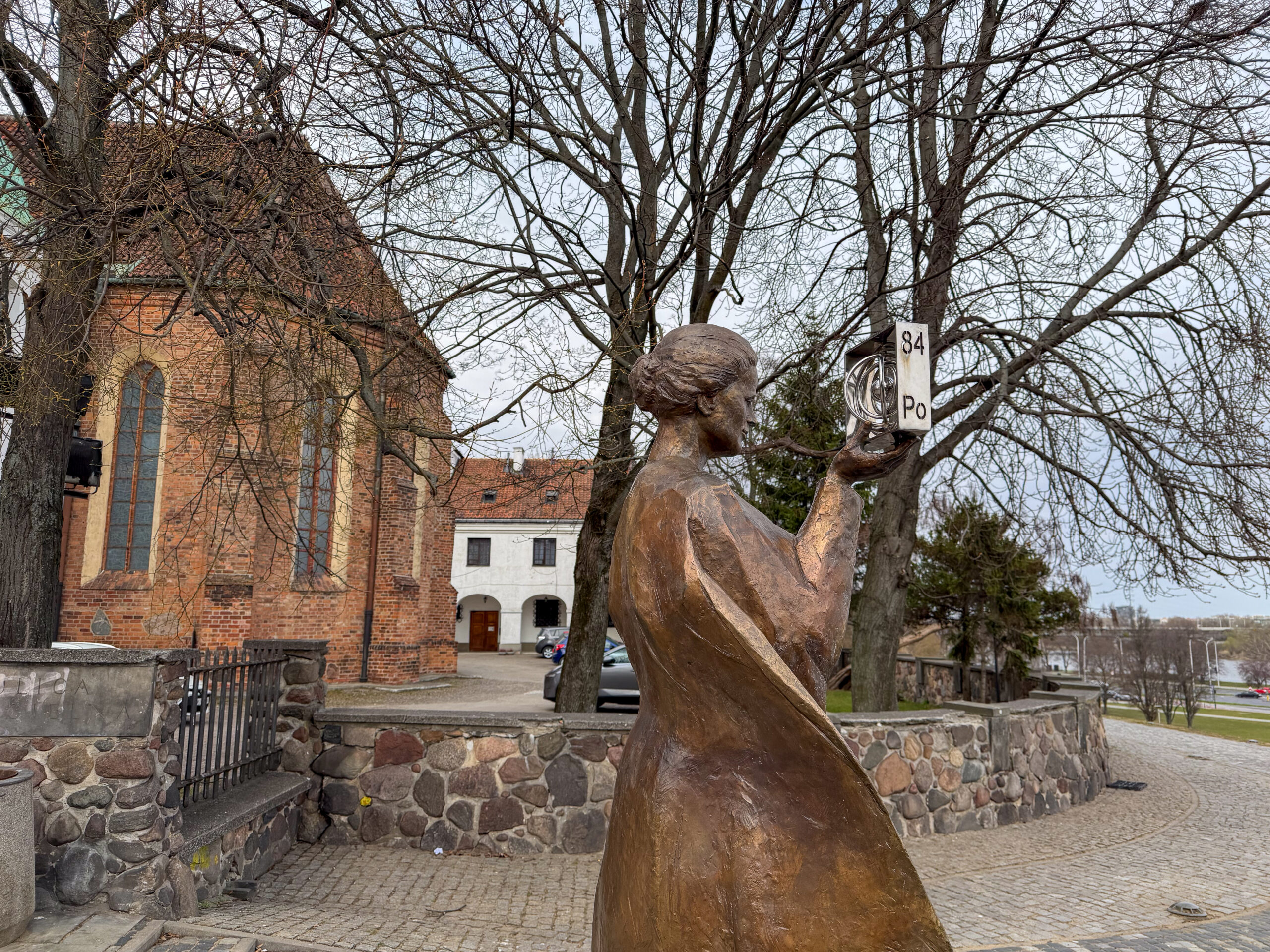
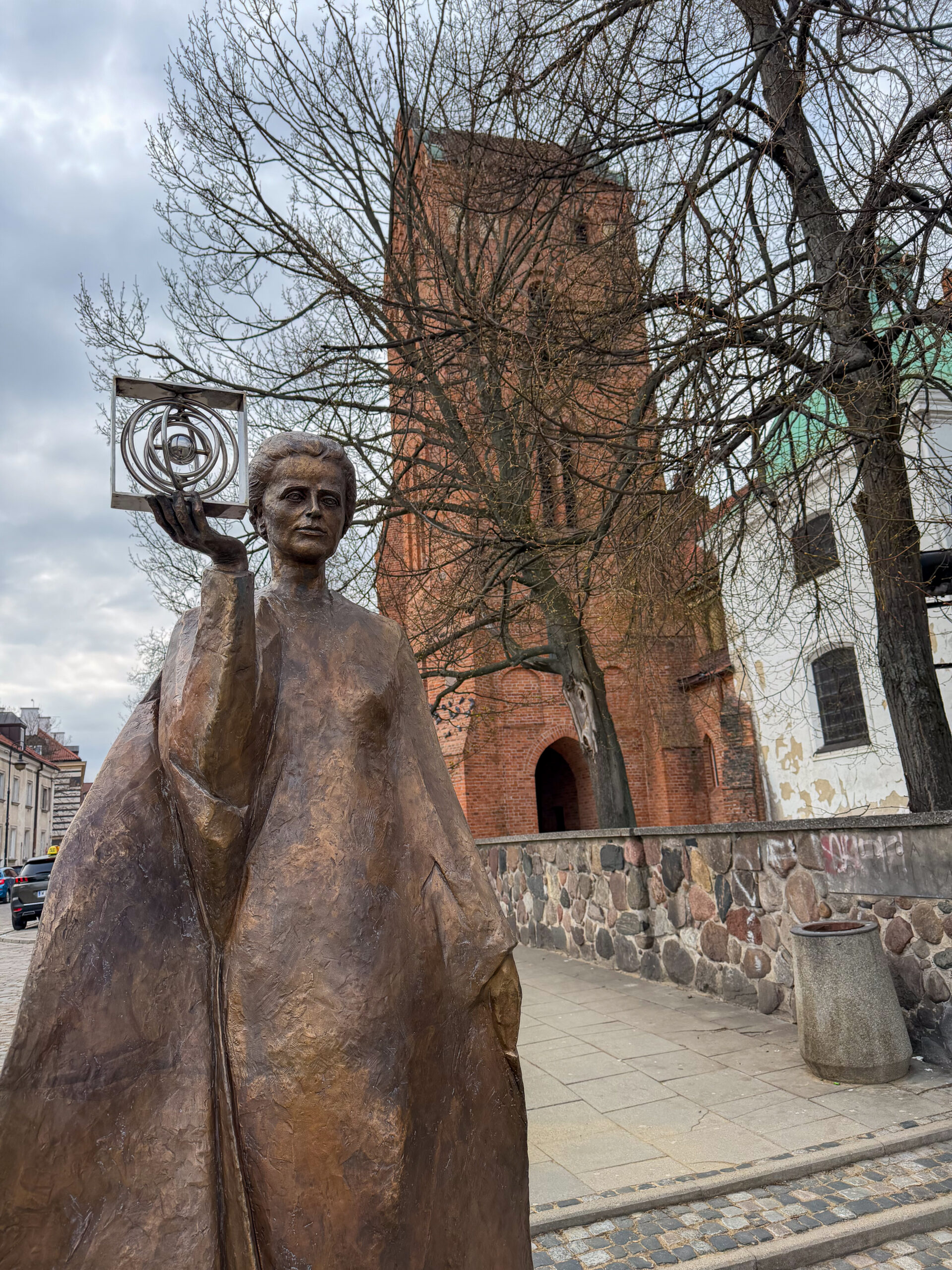
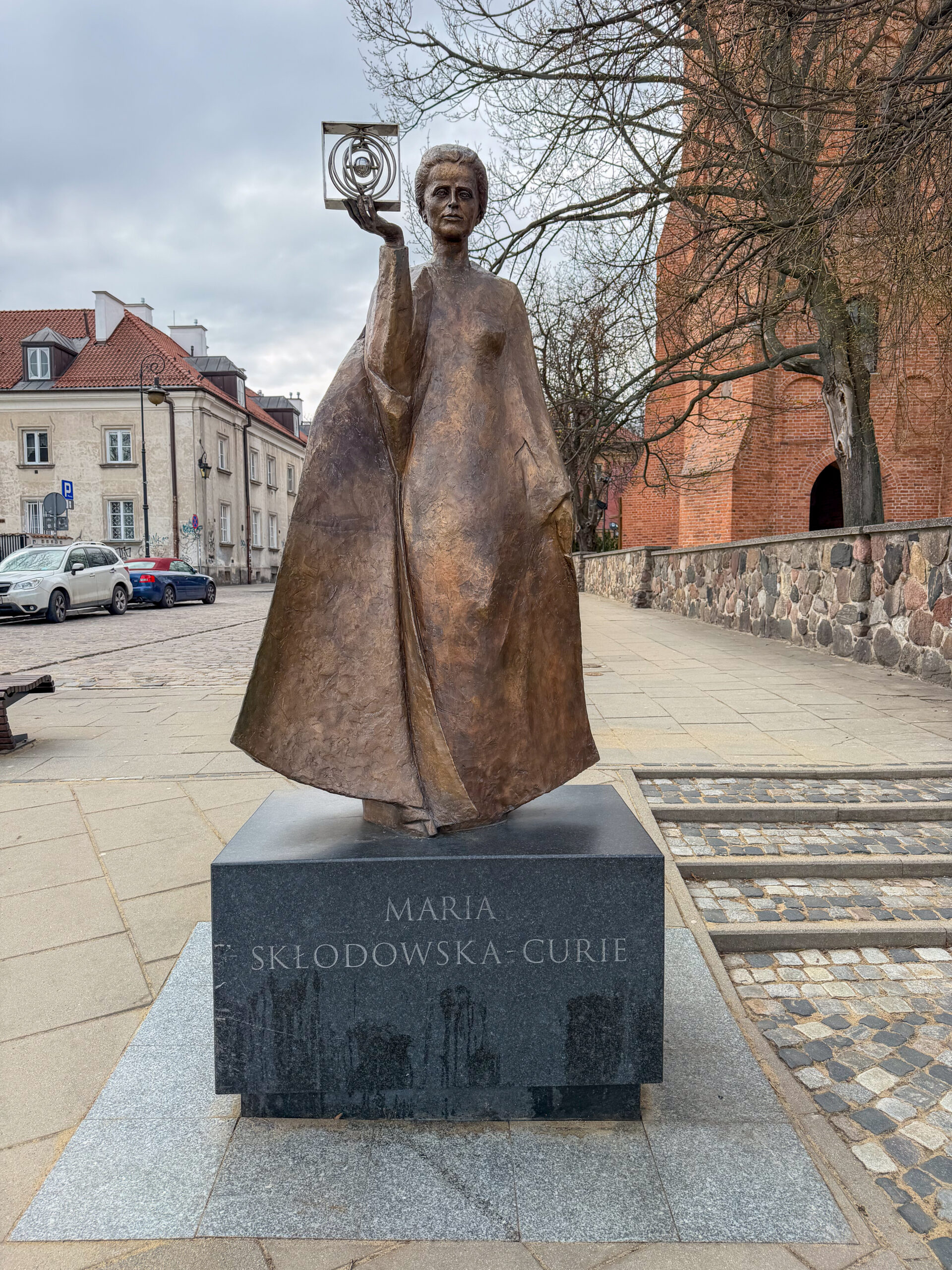
After the Old Town I visited the Marie Curie museum, dedicated to the life and work of the famous scientist. She received two Nobel Prizes – for physics (co-shared with her husband Pierre) for discovering radioactivity, and for chemistry for discovering radium and polonium. She became very famous, but avoided popularity. Her friend Albert Einstein said ‘Marie Curie is of all celebrated beings, the only one whom fame has not corrupted.
Then I visited the Cold War museum. Very chilling, with its collection of Soviet wall maps depicting the military plans to conquer Europe with the use of nuclear bombs on the major cities. If the United States hadn’t intervened by installing military bases throughout Western Europe the Soviets may have succeded.
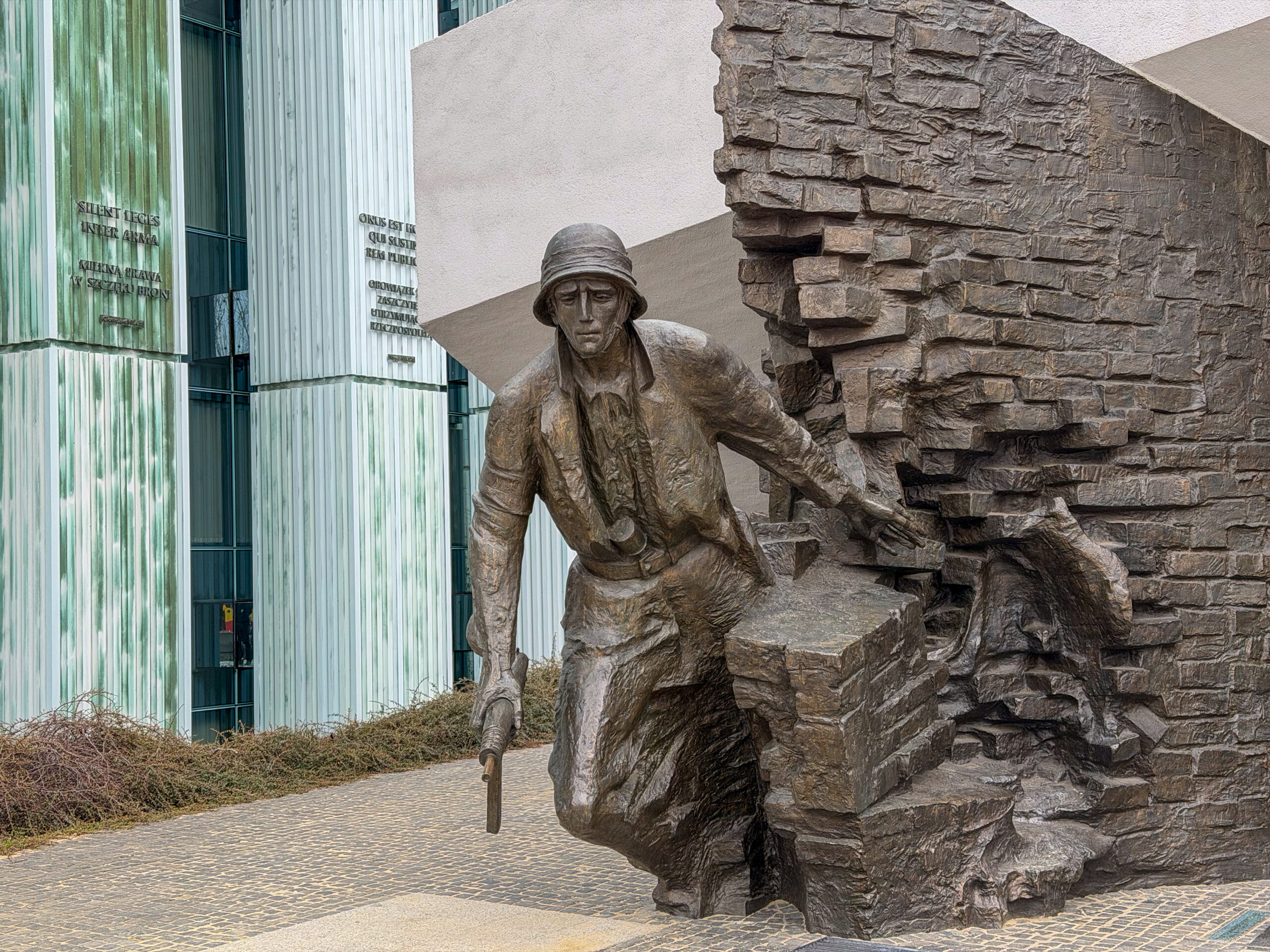
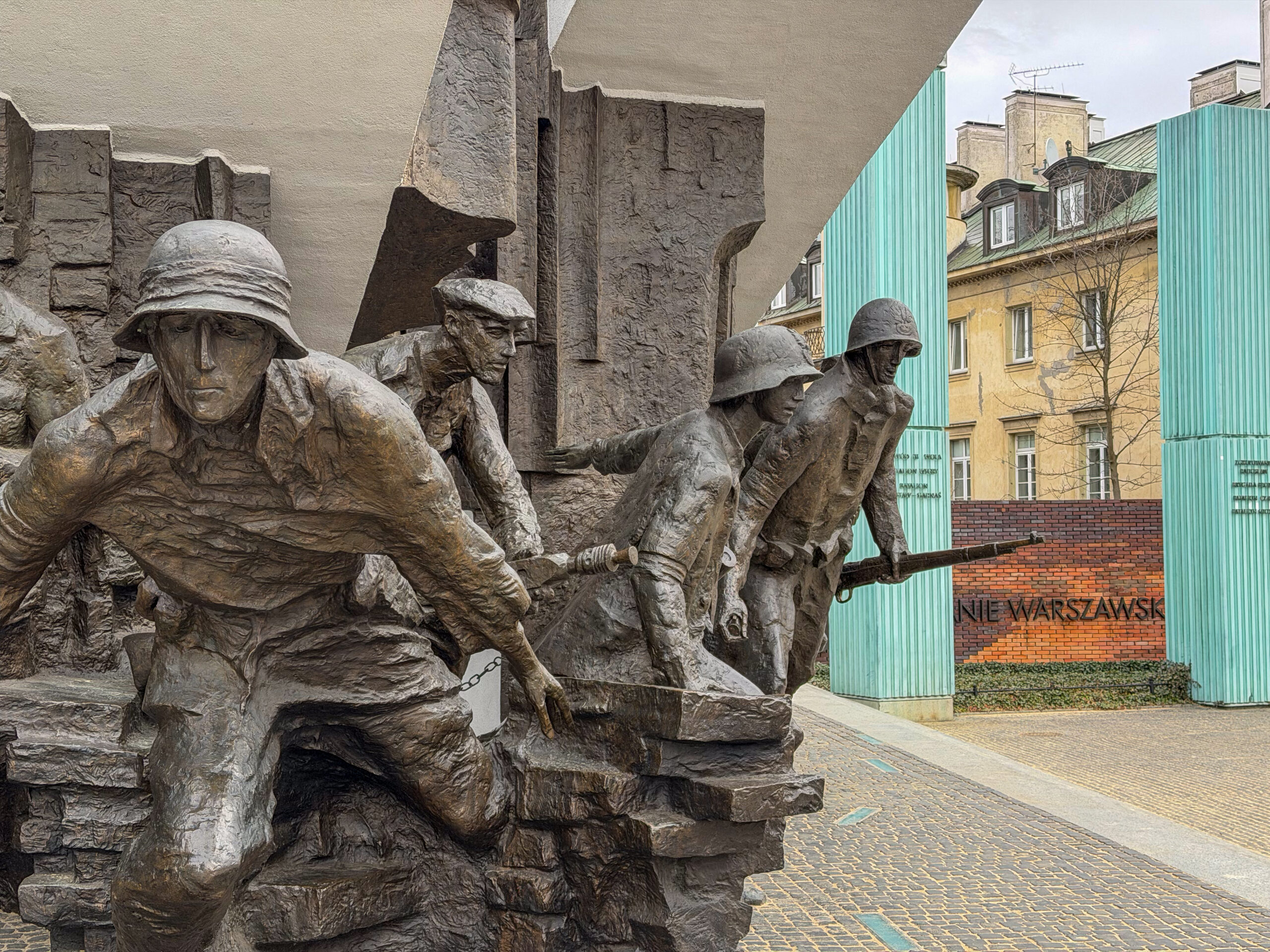
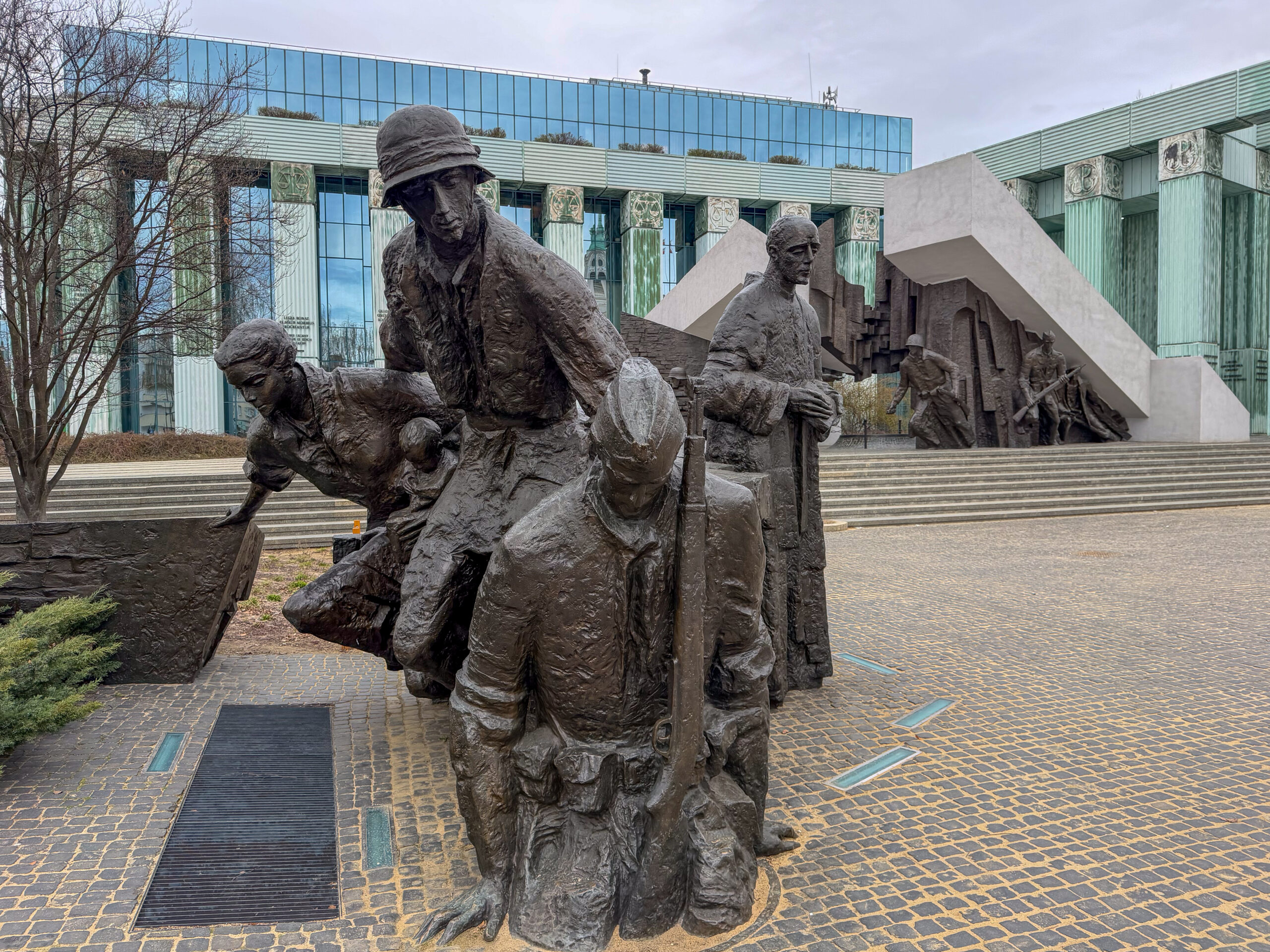
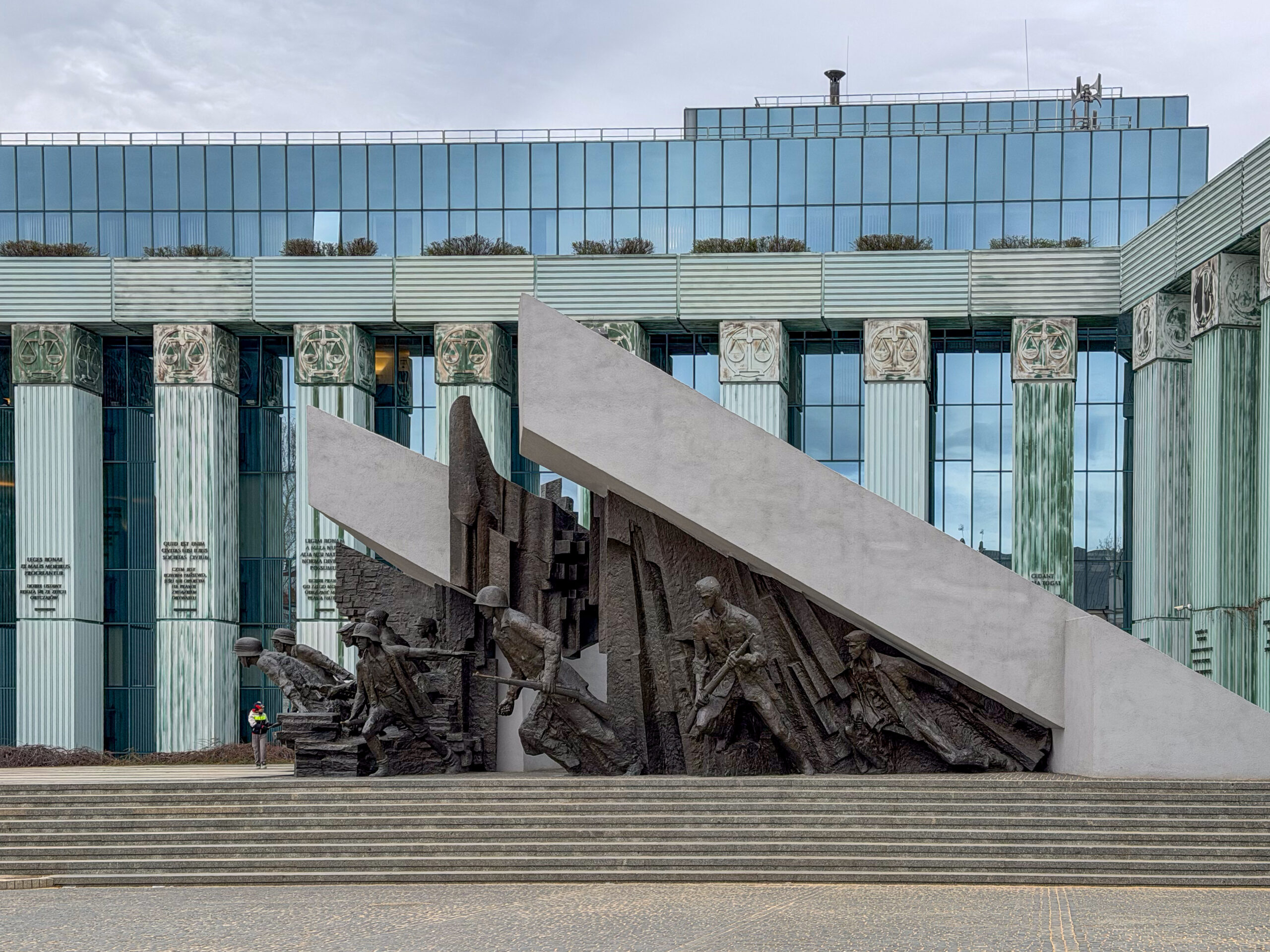
My last museum was a small memorial to the Warsaw Uprising, when resistance fighters pushed out the Germans in August of 1944. The museum holds photographs and personal belongings of a few of the resistance fighters. Very sobering.
Here’s a short video showing Warsaw’s fantastic trams.
Then a chilly walk back to the horel to warm up and collect todays photos and videos together. Tomorrow by train with Ben to Suwalki, just inside the Lithuanian border.